Top 5 Limited Edition Bags: Rare Designer Pieces Worth Knowing
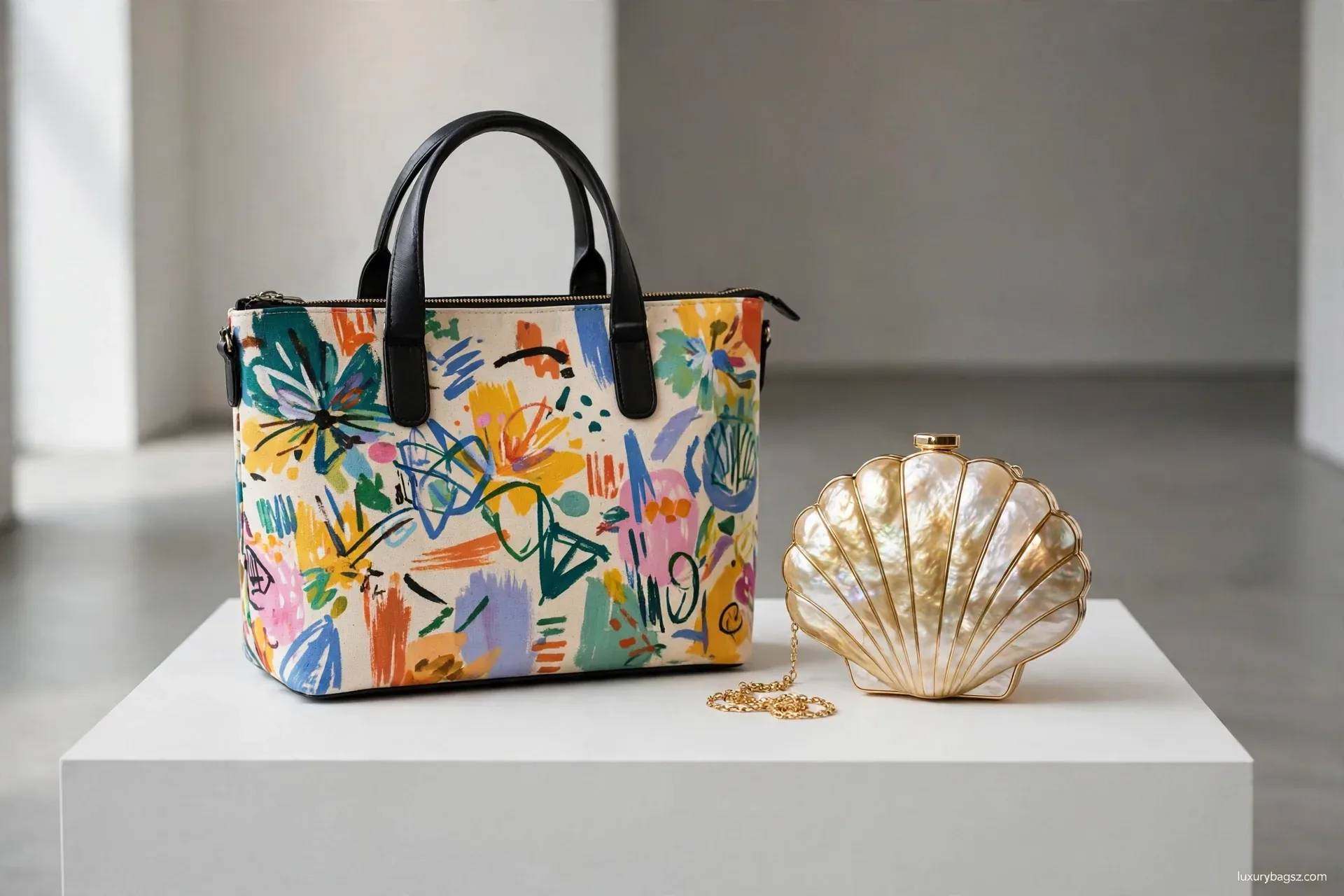
Five Limited Editions Worth Knowing First
Louis Vuitton collaborations with Takashi Murakami and Yayoi Kusama lead the field, with Chanel novelty minaudières in third place. Louis Vuitton Artycapucines, where artists rework the Capucines in tiny numbered runs, comes fourth, followed by anniversary and archive reissues such as Fendi Baguette and Dior Saddle returns. The full run of them, from Sprouse’s graffiti to the Supreme drop, is charted in our history of iconic Louis Vuitton collaborations.
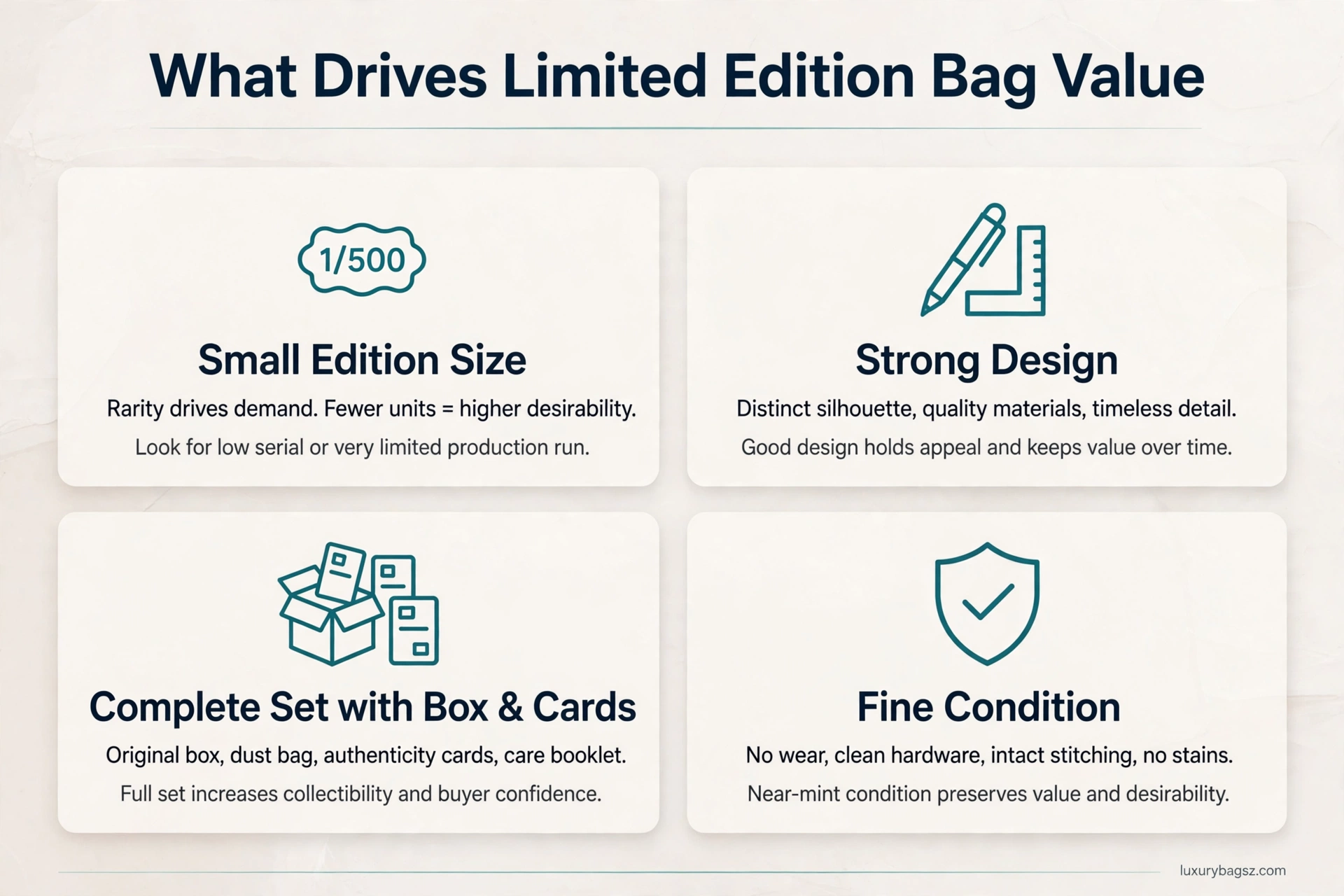
What lifts value is not hype alone but a small run, strong base design, excellent condition and a complete set with cards and packaging. These pieces are heavily copied, so check provenance carefully and use a specialist authenticator before paying collector prices. Buy a design you would happily display for years. One bucket-bag edition is spotlighted in our Louis Vuitton limited edition Noé piece.
Limited Editions in Brief: Five That Matter Most
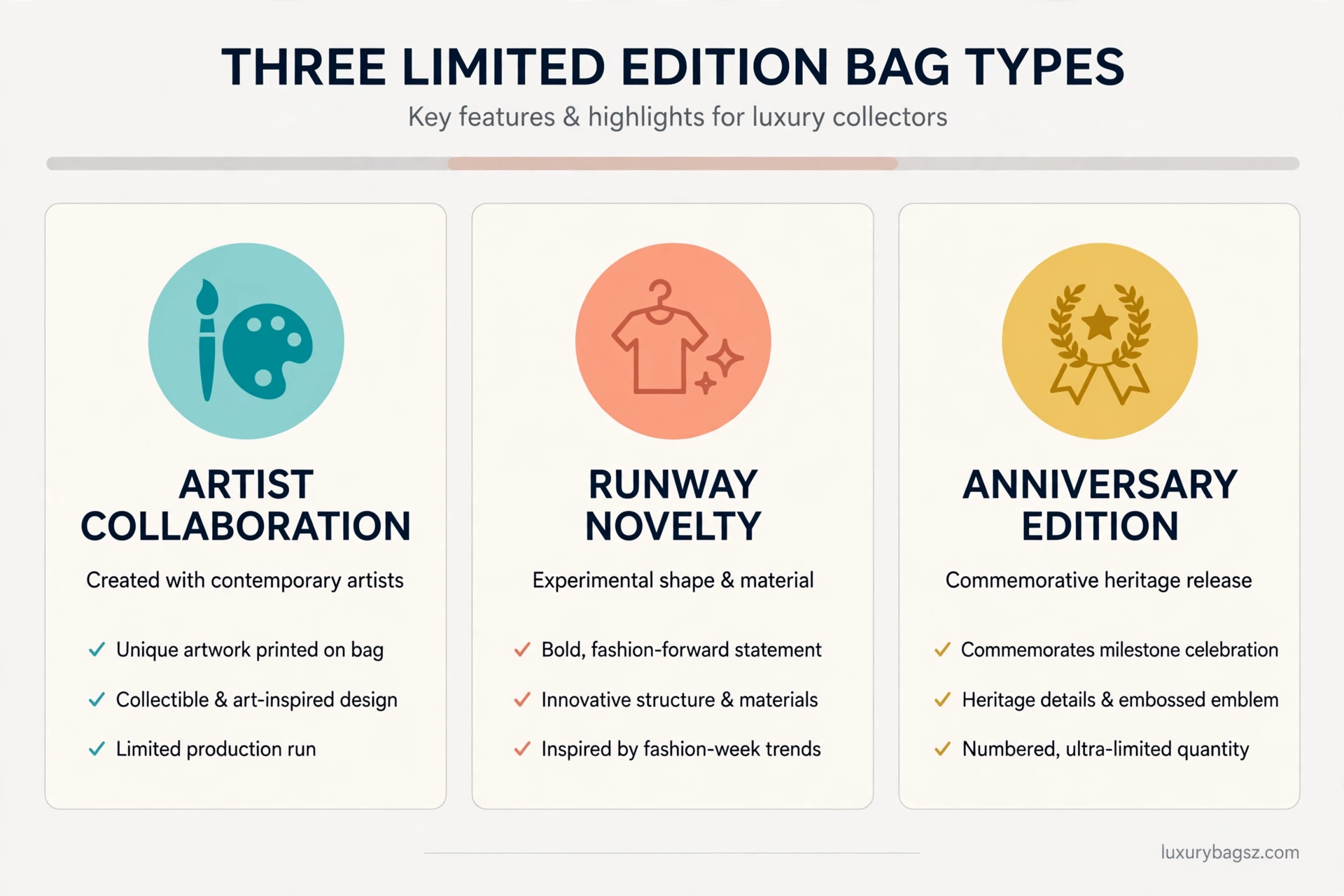
A limited edition bag is produced in a restricted run, often for an artist collaboration, a runway moment or an anniversary. The five editions below matter because demand for them outlived their launch seasons by years.
Key Takeaways
- Louis Vuitton artist collaborations with Murakami and Kusama lead the limited edition field.
- Chanel novelty minaudieres turn runway jokes into serious collectibles.
- Artycapucines pairs contemporary artists with the Capucines in very small runs.
- Edition size, condition and completeness drive resale more than launch hype.
- Limited editions attract fakes, so provenance and authentication are essential.
- Buy editions you love to look at, since value is never guaranteed.
What Makes an Edition Truly Limited
The word limited covers very different realities: numbered runs of a few hundred, single-season productions, and boutique exclusives. Ask which applies before valuing any claim of rarity.
The strongest editions are limited by design decisions, such as hand-finished artwork or complex construction, not only by marketing. That craft limit is harder to repeat later.
Documentation matters from day one. Keep receipts, edition cards, booklets and packaging, since collectors pay for the story as much as for the object itself.
A limited edition of a weak base design rarely recovers. The five picks here all start from bags or formats that already had genuine followings.
Numbering deserves a closer look. Some editions are numbered per piece, others only by certificate, and some are limited by season alone. Knowing which system applies prevents paying numbered-run prices for seasonal goods.
Collaboration contracts often restrict reissues for a period, which is why some prints return after long gaps to great excitement. Scarcity written into contracts is the most reliable kind in this market.
Some editions are region-only, released for a boutique opening or a local festival. Regional limits create small, passionate collector circles and uneven prices between markets.
Our iconic designer handbags guide sets out the longer canon these editions joined.
1 and 2: Murakami and Kusama for Louis Vuitton
Takashi Murakami Multicolore canvas, launched in the early 2000s under Marc Jacobs, remains the defining artist collaboration. Our Louis Vuitton Murakami collection guide details the prints.
The later Murakami reissue renewed demand for originals as well, a reminder that collaborations can appreciate in waves when a house revisits them.
Yayoi Kusama editions covered bags in her signature dots across two collaboration eras. Our Louis Vuitton Yayoi Kusama collection guide compares those releases.
With both artists, bright prints hide wear unevenly: check white canvas yellowing, print rub and vachetta darkening carefully on any pre-owned example.
Murakami prints reward close study: colour count, character placement and canvas tone vary by era and factory period. Specialist guides document these details, and serious sellers welcome questions about them.
Print placement varies piece by piece on canvas collaborations, since patterns are cut from large printed sheets. Collectors sometimes pay more for centred, balanced placements on the front of the bag.
Condition reports from auction houses use their own grading language. Ask for a plain description of every flaw and photographs to match before trusting a grade.
3: Chanel Novelty Minaudieres
Chanel runway novelty bags, shaped as objects from perfume bottles to bricks, are produced in small numbers for collectors. The Chanel Lego bag guide covers the famous clutch version.
These pieces function as evening clutches and as display objects. Their buyers often collect them as a series, which supports demand for early or unusual shapes.
Prices at launch already sit high, and resale can exceed retail for the most playful designs. Condition is critical, since resin and novelty finishes are hard to repair.
Check hinges, clasps and interior fit: many novelty pieces hold only cards and a lipstick. Buy them as collectibles first and bags second, with eyes open.
Novelty Chanel pieces also appear as runway-only samples that never reached stores. Distinguishing boutique editions from samples matters greatly, since provenance and construction can differ between the two.
Chanel novelty values also depend on the runway look completeness: pieces shown with famous outfits attract extra attention. Research the show styling before valuing a novelty piece against ordinary listings.
Novelty pieces with moving or electronic elements need extra caution, since repair options are limited once production ends and spare parts disappear from service centres.
4: Artycapucines and Artist Capucines
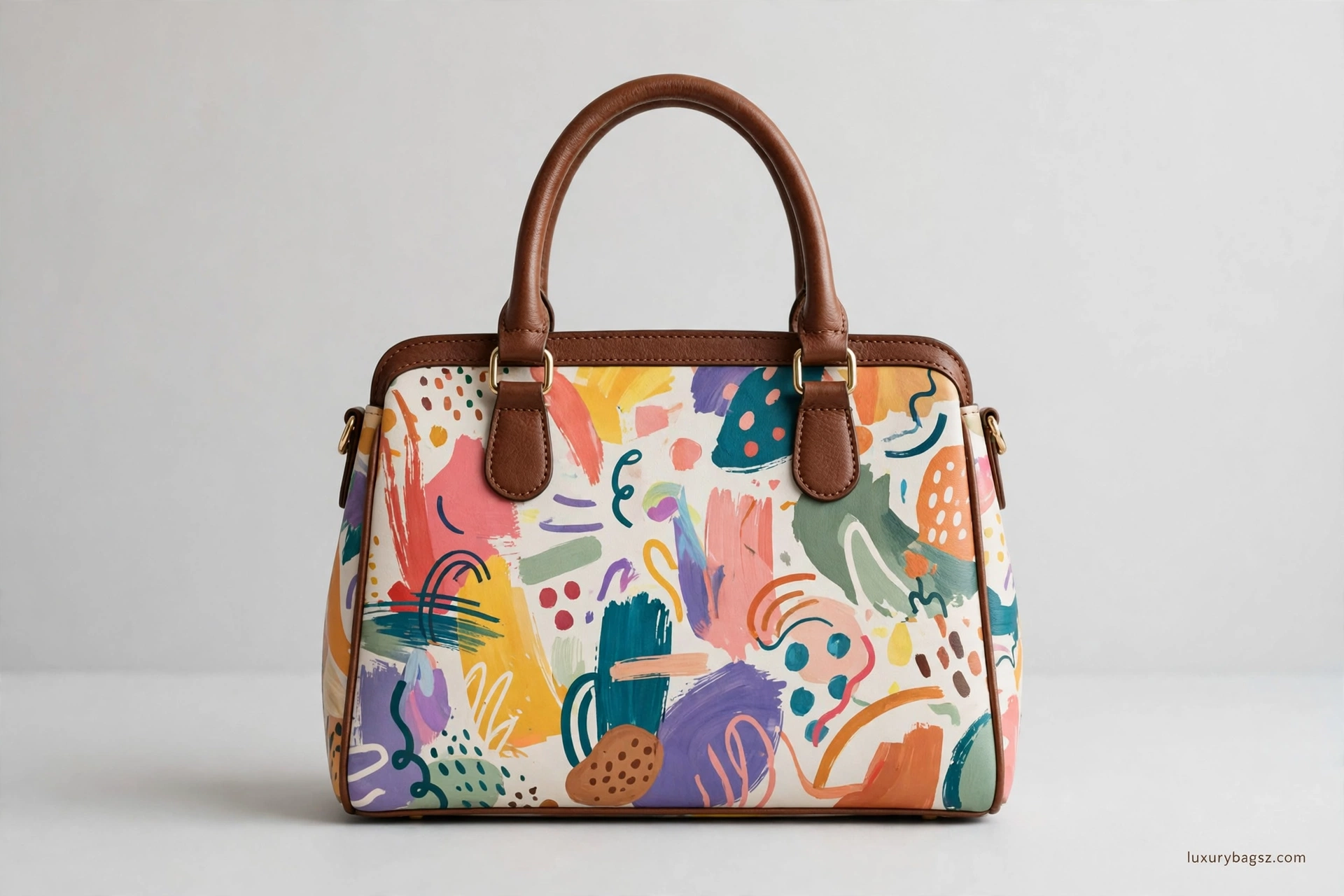
The Artycapucines project invites contemporary artists to rework the Louis Vuitton Capucines, each in a small numbered run with distinctive materials and techniques.
These editions sit closest to art objects in the bag world. Their value rests on the artist standing, the edition size and the complexity of the execution.
Our limited edition Noe guide shows a different route to rarity, where a classic shape gains collectible finishes for a short run.
For buyers, gallery-style diligence applies: verify the edition number, the artist certificate and the exact materials list against the house records for that year.
Artycapucines buyers should also study the artist wider market. When an artist exhibition or auction record lifts their profile, the bag edition usually feels the effect within the same season.
Artycapucines editions include complex materials from embroidery to 3D-printed elements. Ask how the artist materials age and whether the house offers servicing for those specific finishes before buying.
Certificates for artist editions sometimes include sketches or notes from the artist. Such extras can matter to collectors almost as much as the bag itself.

5: Anniversary and Archive Reissues
Houses mark anniversaries with reissues of archive designs in special leathers, colours or hardware. Fendi Baguette reissues and Dior Saddle returns follow this pattern.
A good reissue respects the original proportions while improving construction. A poor one trades on the name with cheaper execution, and collectors learn to tell the difference quickly.
Reissues can lift the originals too, since new attention sends buyers hunting earlier examples. Owning the original in fine condition is often the stronger position.
When choosing between original and reissue, weigh condition, completeness and price rather than age alone. The better-kept bag usually wins over time.
Reissue quality has improved in recent years as houses learned that collectors compare stitch for stitch with originals. That scrutiny protects buyers, provided they do the comparing before paying.
Anniversary editions sometimes include subtle markers, such as special stamps or lining colours. Learn the exact markers for the year you are buying, since fakes often omit or misplace them.
Buy reissues with the same rigour as originals: check the marker details for that production year rather than assuming the launch coverage describes your example.
What Drives Resale Value
Edition size is the starting point, but realised value depends on artist or house standing, the base design strength, and how many complete sets survive in fine condition.
Fashion cycles matter: a collaboration can cool for years, then revive when the house revisits it or a new generation discovers it. Patience is part of collecting.
Regional demand differs, so auction results vary by city and season. Treat single record prices as headlines, not as the value of your own example.
Above all, condition is unforgiving in this market. Print rub, yellowing, odour or missing parts can halve interest even on a genuinely rare edition.
Auction guarantees and estimates can mislead newcomers. The hammer price plus premium is the true cost, and private sales often settle below headline auction figures for the same edition.
Private collectors trade quietly through dealers, so public listings show only part of the market. A trusted dealer can source specific editions and verify histories that never reach open platforms.
Headline auction results usually involve exceptional provenance, such as a famous prior owner. Ordinary examples of the same edition trade at calmer levels.
Authenticating Limited Editions
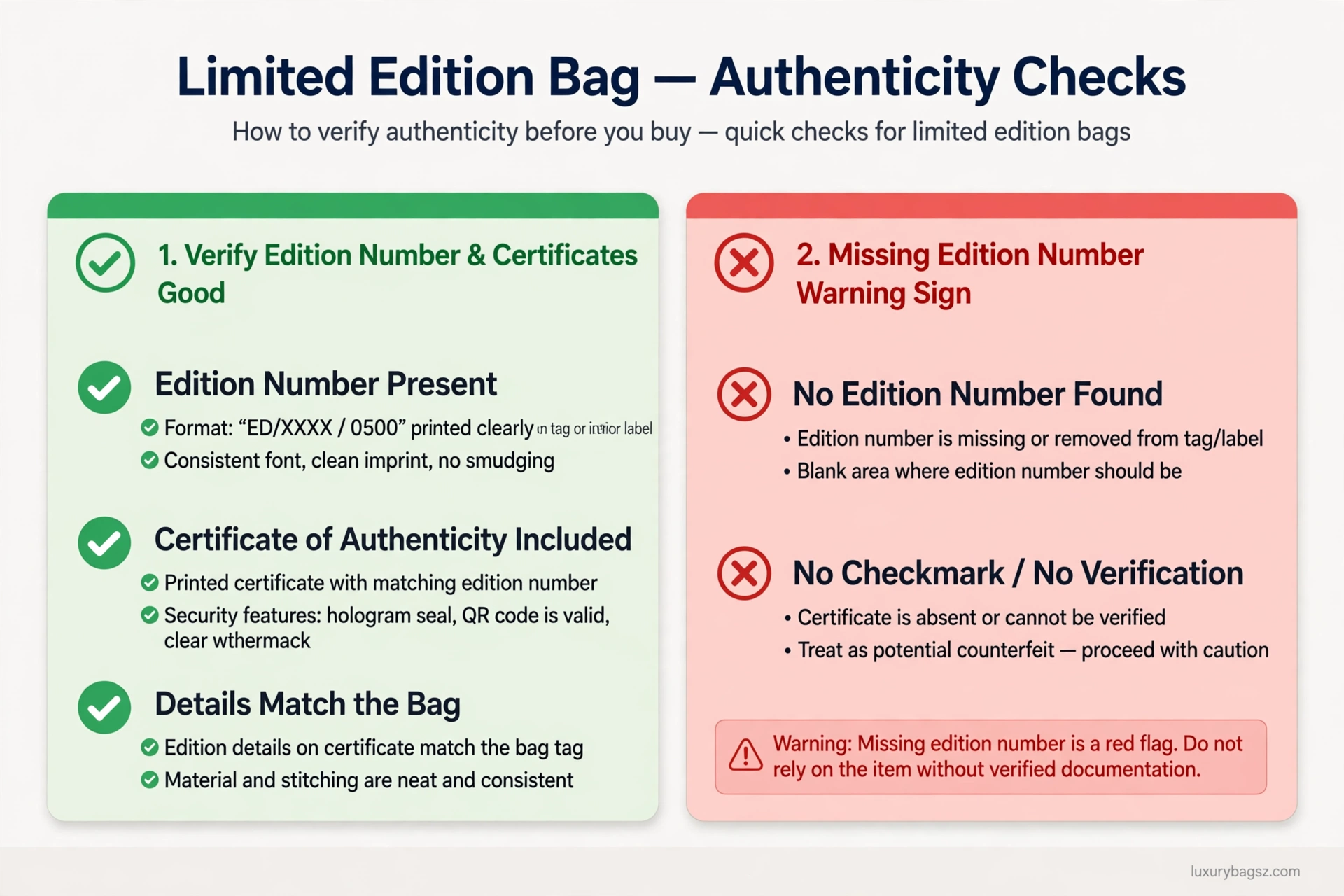
Limited editions are heavily faked, including invented editions that never existed. Verify that the exact style, print placement and edition details match documented releases.
Our how luxury authentication technology works guide explains modern tools, from microchips to image matching, that now support expert checks.
Ask for provenance: original receipt, boutique history and prior ownership records. Gaps are not automatic disqualifiers, but unexplained gaps on a costly piece should slow you down.
Use specialist authenticators familiar with collaborations, since print alignment and edition hardware differ from standard lines. General checks alone are not enough here.
For insurance, photograph every angle, keep valuations current and store certificates separately from the bag. Collectible editions are exactly the pieces where paperwork proves its worth after any loss.
Condition grading for editions should be stricter than for ordinary bags. Any restoration, however skilled, should be disclosed, since originality is a central part of what collectors are paying for.
Specialist authenticators keep reference libraries of prints and hardware by year. Their accumulated comparisons are the strongest defence against high-quality collaboration fakes.
Collecting Without Overpaying
Set a ceiling before auctions or negotiations, based on recent comparable sales in similar condition, not on asking prices. Asking prices in this market are often aspirational.
Buy the complete set where you can: box, booklet, edition card and dust bag add real value and make any future sale far easier to support.
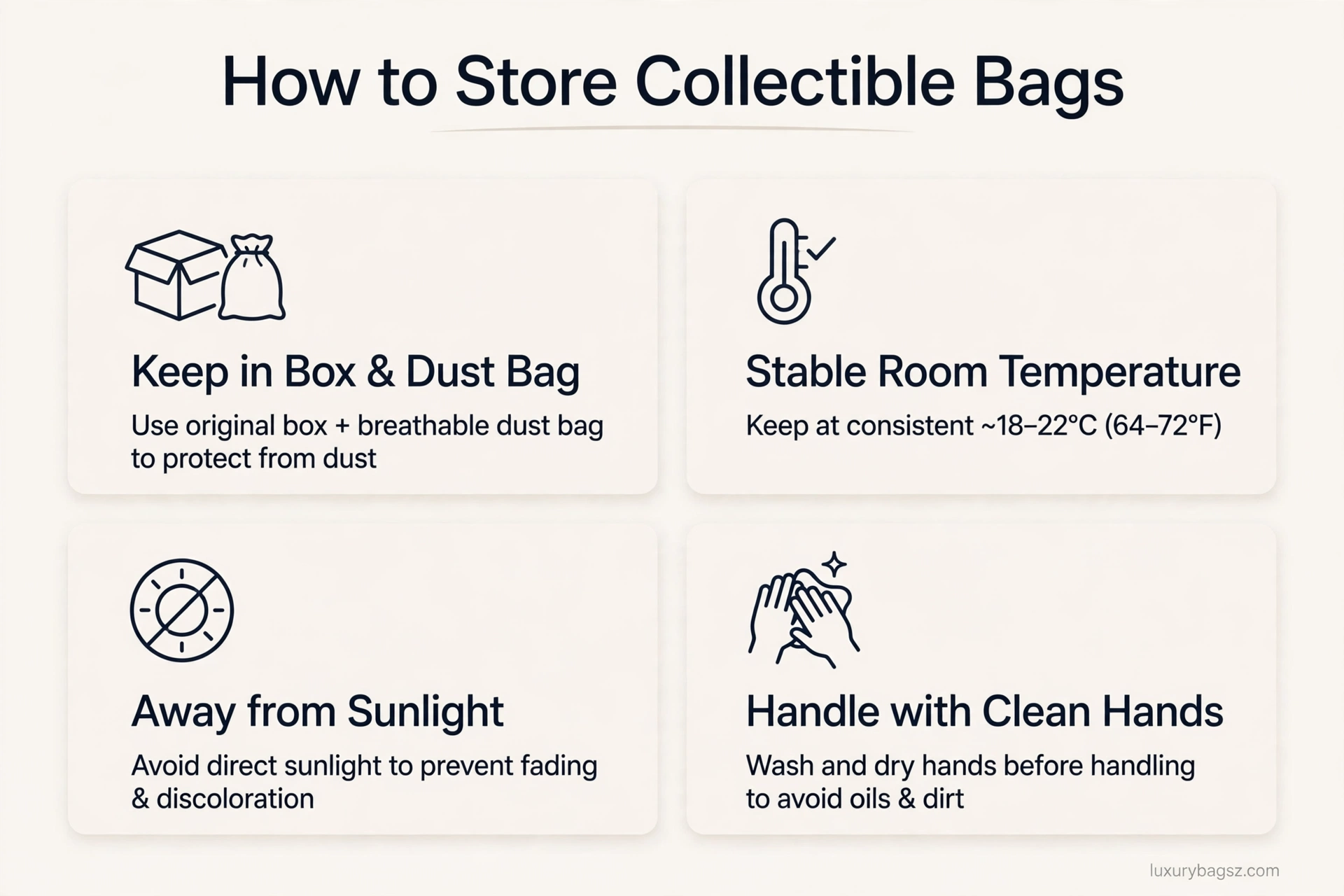
Store editions away from light, handle printed canvas with clean dry hands, and avoid cleaning products on artwork finishes. Preservation protects both beauty and value.
Collect slowly and buy what you would happily display or carry for years. That discipline protects you when a particular edition fashion cools.
A final discipline: keep a written wish list with ceiling prices. When a wanted edition appears, you can act quickly and calmly instead of bidding with your pulse.
Enjoyment remains the soundest motive in this field. A limited edition carried carefully to events gathers compliments and stories that no storage box can provide, whatever the market later decides.
Start a collection with one edition you can also enjoy using lightly. A piece that only ever sits in a box teaches you little about why you collect.
Frequently Asked Questions
What is the most famous limited edition bag collaboration?
The Louis Vuitton and Takashi Murakami Multicolore collaboration is the most famous, defining artist edition bags for a generation.
Do limited edition bags always increase in value?
No. Value depends on edition size, artist standing, condition and fashion cycles, and many editions trade below launch price.
How can I check an edition number?
Compare the number format and placement with documented examples of that release, and verify certificates with specialist authenticators.
What is an Artycapucines bag?
It is a Louis Vuitton Capucines reworked by a contemporary artist in a small numbered run, sold as a collectible edition.
Are Chanel novelty bags practical?
They hold very little and serve mainly as evening pieces and collectibles. Buy them for design and rarity, not capacity.
Should I keep the box and cards?
Yes. Complete sets with packaging, booklets and receipts consistently attract stronger collector interest and easier resale.
How are limited editions faked?
Copies mimic prints, hardware and even edition cards, and invented editions exist. Provenance and specialist authentication are essential.
Is a reissue as valuable as an original?
Not usually in collector terms, though fine reissues hold value well. Condition and completeness can outweigh age in individual cases.
Where do collectors buy limited editions?
Auction houses, specialist resale platforms and reputable consignment stores are the main routes, all with authentication processes.
How should I store a collectible bag?
Store it stuffed in its dust bag and box where possible, away from light and humidity, and handle printed finishes with clean hands.
Final Verdict: Rarity Rewards the Careful Collector
The best limited editions pair a strong base bag with a real creative act and a small, honest production run. Murakami, Kusama, Chanel novelty pieces and Artycapucines meet that standard.
Verify provenance, prize completeness, store pieces carefully, and collect editions you genuinely love. Scarcity then becomes a bonus on top of ownership pleasure.