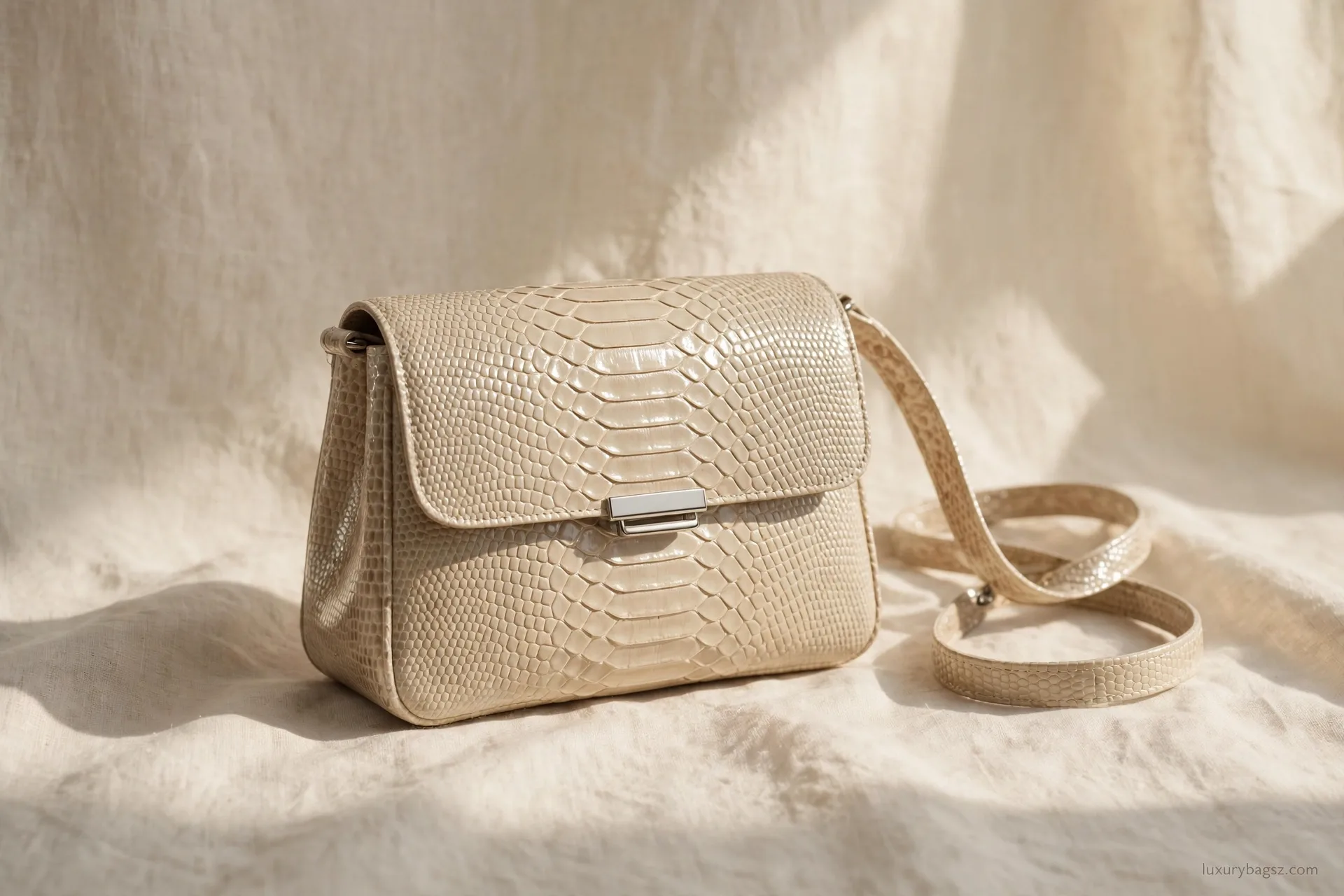
Hermès Bags That Sell Above Retail: Resale Premiums by Model and Specification
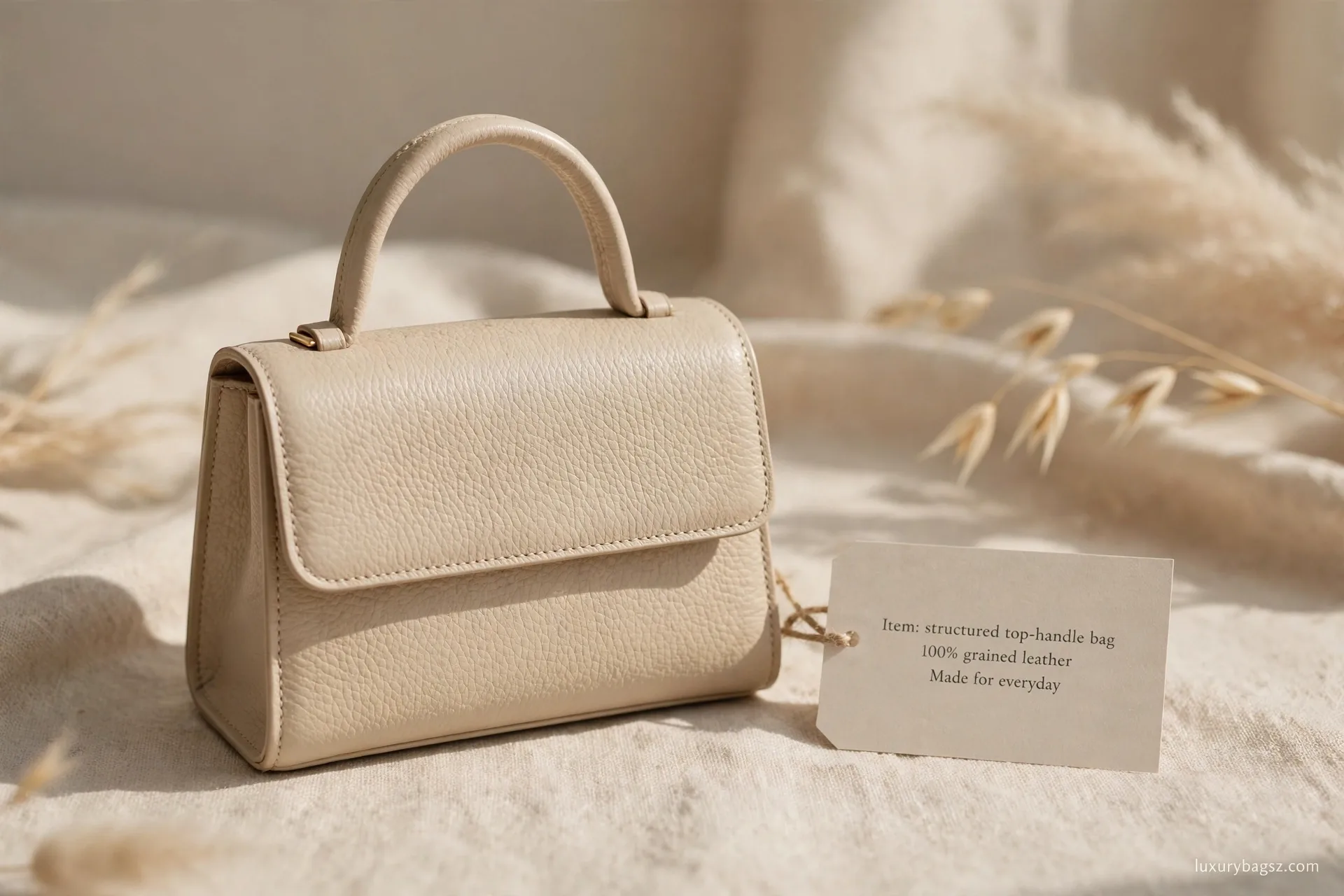
Hermès Bags That Sell Above Retail: Resale Premiums by Model and Specification
Which Hermès Bags Still Sell Above Retail?
Yes — but only the right ones. The Mini Kelly II, the Birkin Sellier, the Birkin 25 and the Constance still clear boutique retail by a wide margin. The standard Birkin 30 in Togo, once the safest bet in luxury, now averages close to parity at auction.
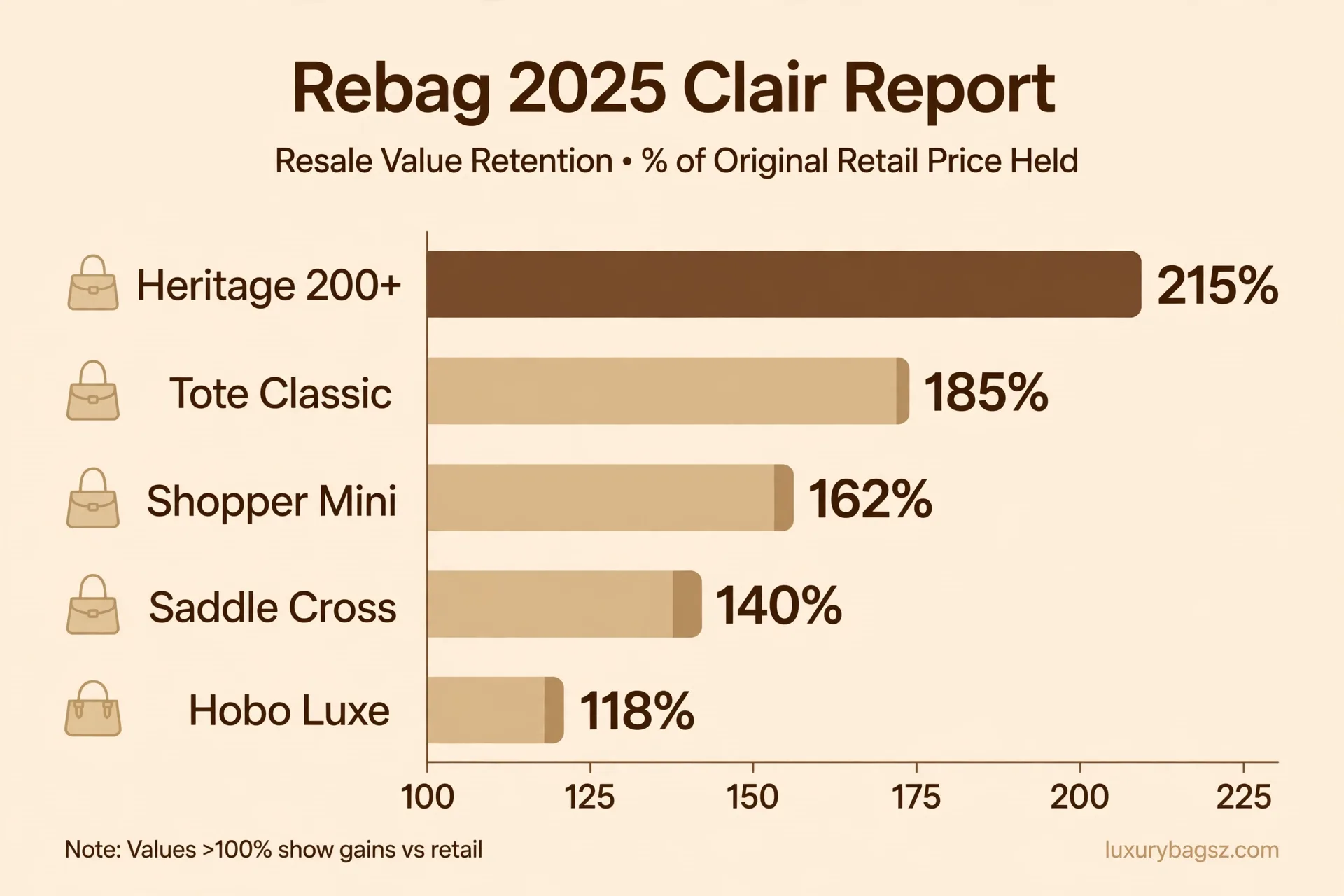
Rebag’s 2025 Clair Report puts Hermès at 138% average value retention overall. That headline hides a sharp split: the smallest, scarcest specifications hold two to nearly three times retail, while common sizes in common leathers have lost most of their markup.
This guide breaks the premium down by model, size, construction, leather, colour and hardware. It then deducts the true cost of access — pre-spend, fees and shipping — so you can see the net premium, not just the asking price.
Key Takeaways
- Rebag 2025: Hermès retains 138% of retail on average, led by the Mini Kelly II at 282%.
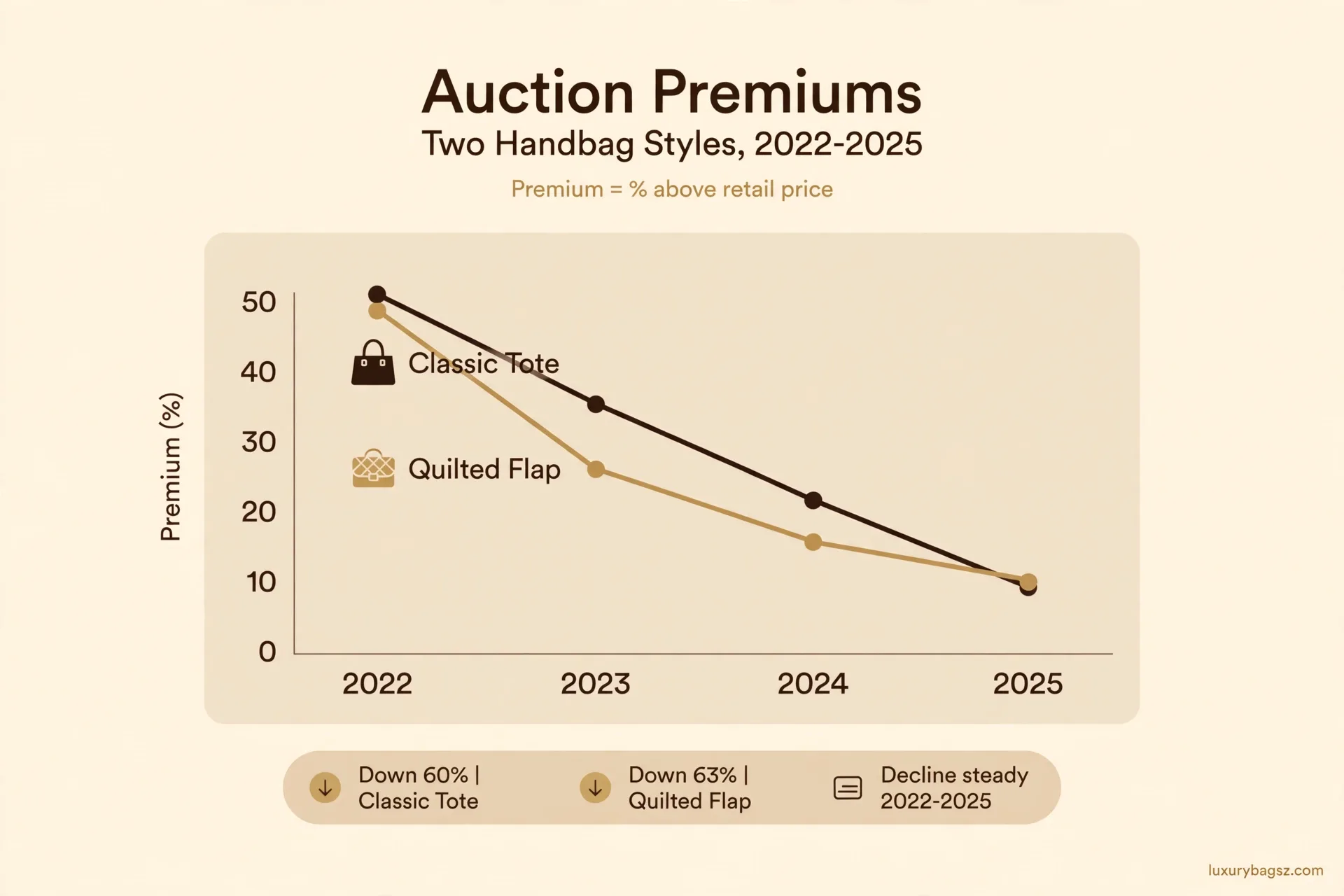
- Bernstein’s auction tracker fell from 2.2× retail in 2022 to 1.4× in November 2025.
- The Birkin 30 in Togo averaged 1.0× retail at auction — no premium before fees.
- Size, Sellier construction, leather, colour and a full set move prices more than the model name alone.
- After pre-spend and selling fees, many headline premiums shrink to a small gain or a loss.
- Paying above retail can still be rational for rare specifications you cannot realistically be offered.
The Premium Today: From 2.2× to 1.4×

Bernstein Research tracks four workhorse bags at auction: the Birkin 25 and 30 in Togo and the Kelly 25 and 28 in Epsom. In 2022 that basket averaged 2.2 times retail. By November 2025 it averaged 1.4 times retail, and later readings held near that level.
The Birkin 25 held up best in the basket, falling from 2.6 times retail in 2022 to about 1.7 times, as reported by Reuters. The Birkin 30 in Togo fell furthest, to 1.0 times retail on the auction average. At parity, a seller who paid fees is already under water.
Reuters, reporting in October 2025, found unworn Birkins resold online had dropped by more than $6,000 from the 2022 peak. Six of the nine resellers it surveyed had seen prices fall that year. Supply explains much of it: UBS estimates listings now run six to seven times pre-pandemic levels.
Auction averages are not the whole market. Sotheby’s reports that Birkin 30s in Togo made in 2020 or later averaged $26,400 at its sales in 2026, against $14,900 US retail — about 1.77 times. Curated, store-fresh bags in the right room still command a real premium.
Read the two figures together and the pattern is clear. The average bag lost its markup; the correct bag did not. Knowing what affects a designer bag’s resale value is now the difference between a gain and a loss.
Model by Model: Retail Price vs Typical Premium
The table below pairs current US boutique prices, where published guides give them, with typical resale retention. Retention above 100% means the bag sells above retail. Figures from Rebag are index averages; the rest are market-observation ranges, not guarantees.
| Model | US retail (guide) | Typical retention | Verdict |
|---|---|---|---|
| Mini Kelly II | Quota bag; price varies by leather | 282% (Rebag 2025) | Strongest premium |
| Birkin Sellier | Above Retourne equivalent | 183% (Rebag 2025) | Strong premium |
| Birkin (standard) | $13,500 (25 Togo) to $14,900 (30 Togo) | 122% category average (Rebag) | Premium, size-dependent |
| Constance | Varies by size and leather | 137% (Rebag 2025) | Above retail |
| Kelly (standard) | Varies by size and leather | 130% (Rebag 2025) | Above retail |
| Evelyne | Lower four figures to low five figures | Often 70–100%; mini sizes higher | Usually at or below retail |
| Picotin | Lower four figures | Often 80–110%; Picotin 18 leads | Near retail; small sizes best |
| Lindy | Mid four to five figures | Often 70–95%; Mini Lindy higher | Usually below retail |
Birkin retail prices follow Sotheby’s 2026 guide, which also lists the Birkin 35 in Togo at $16,300. Hermès raises boutique prices most years, lifting resale values for bags bought earlier.
The Mini Kelly II is the outlier. It is tiny, scarce and rarely offered, so buyers who will never receive an offer compete for the few that reach resale. At 282% retention it sells for close to three times retail — the clearest above-retail case in the current market.
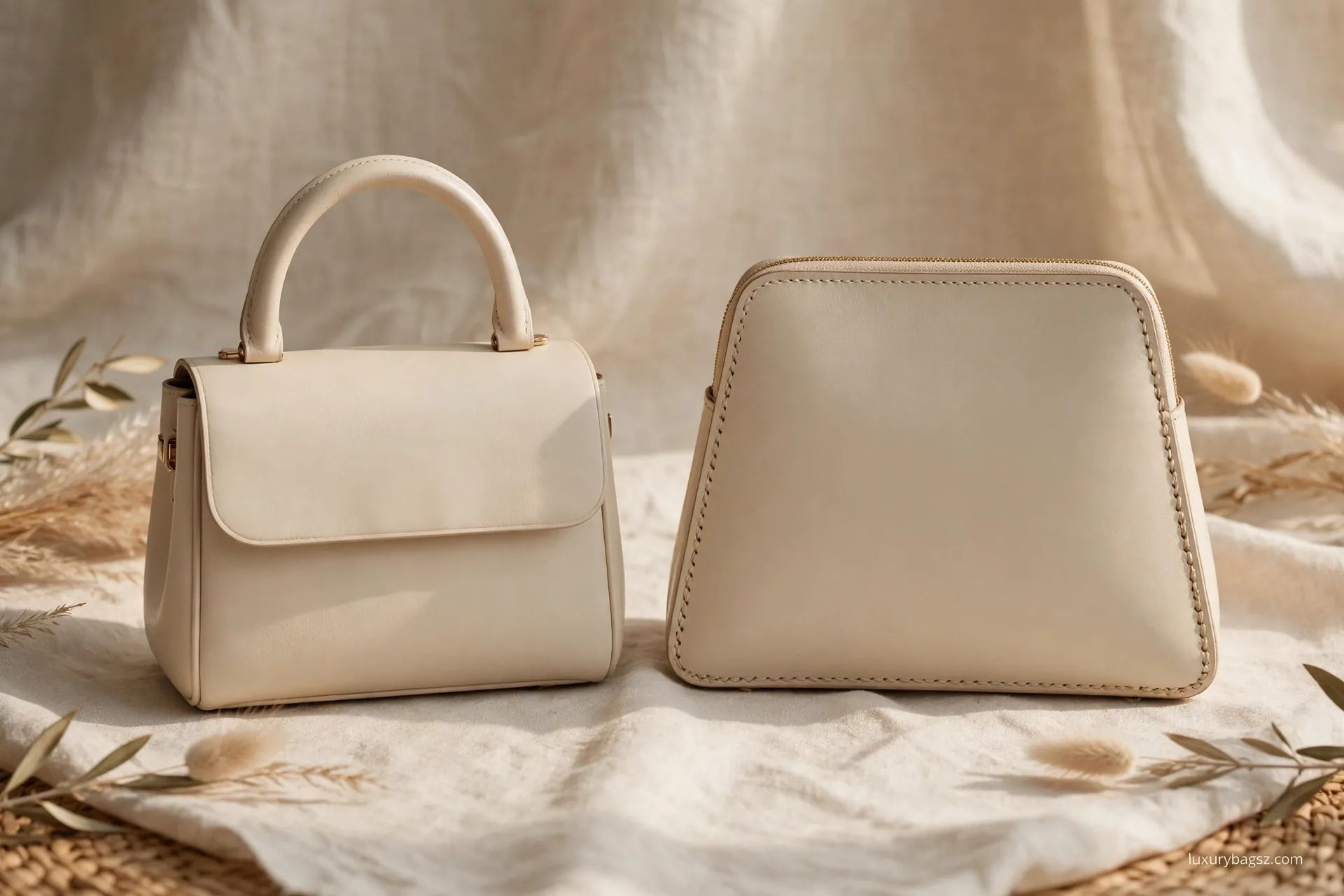
The Constance at 137% and the standard Kelly at 130% sit in a healthier middle. Both are quota-adjacent, structured and recognisable, and both hold above retail in classic colours. Neither matches the Mini Kelly, but neither has fallen to parity like the Birkin 30.
Evelyne, Picotin and Lindy buyers should expect honesty, not hype. Hermès sells these bags more freely, so resale rarely pays a large premium. Small sizes — Evelyne TPM, Picotin 18, Mini Lindy — are the exceptions.
Specification Splits: Where the Premium Is Won or Lost
Size: Smaller Sells Higher
Size is the single strongest split. The Birkin 25 retains far more than the 30, and the 35 now trails both, reflecting demand for small, light bags. In the Kelly family the 25 outsells the 28 and 32 on a percentage basis, and the Mini Kelly II tops the entire range.
Treat size as a multiplier on everything else. A Birkin 25 in a wanted colour can hold 1.7 times retail while the same leather and colour in a 35 sits near retail. If you are buying to wear and later sell, the 25 and the Mini sizes protect you best.
Retourne vs Sellier Construction
Retourne bags are stitched inside-out, giving soft, relaxed corners. Sellier bags are stitched on the outside, giving a sharp, structured edge that takes longer to make. Rebag puts the Birkin Sellier at 183% retention, far above the 122% standard Birkin category average.
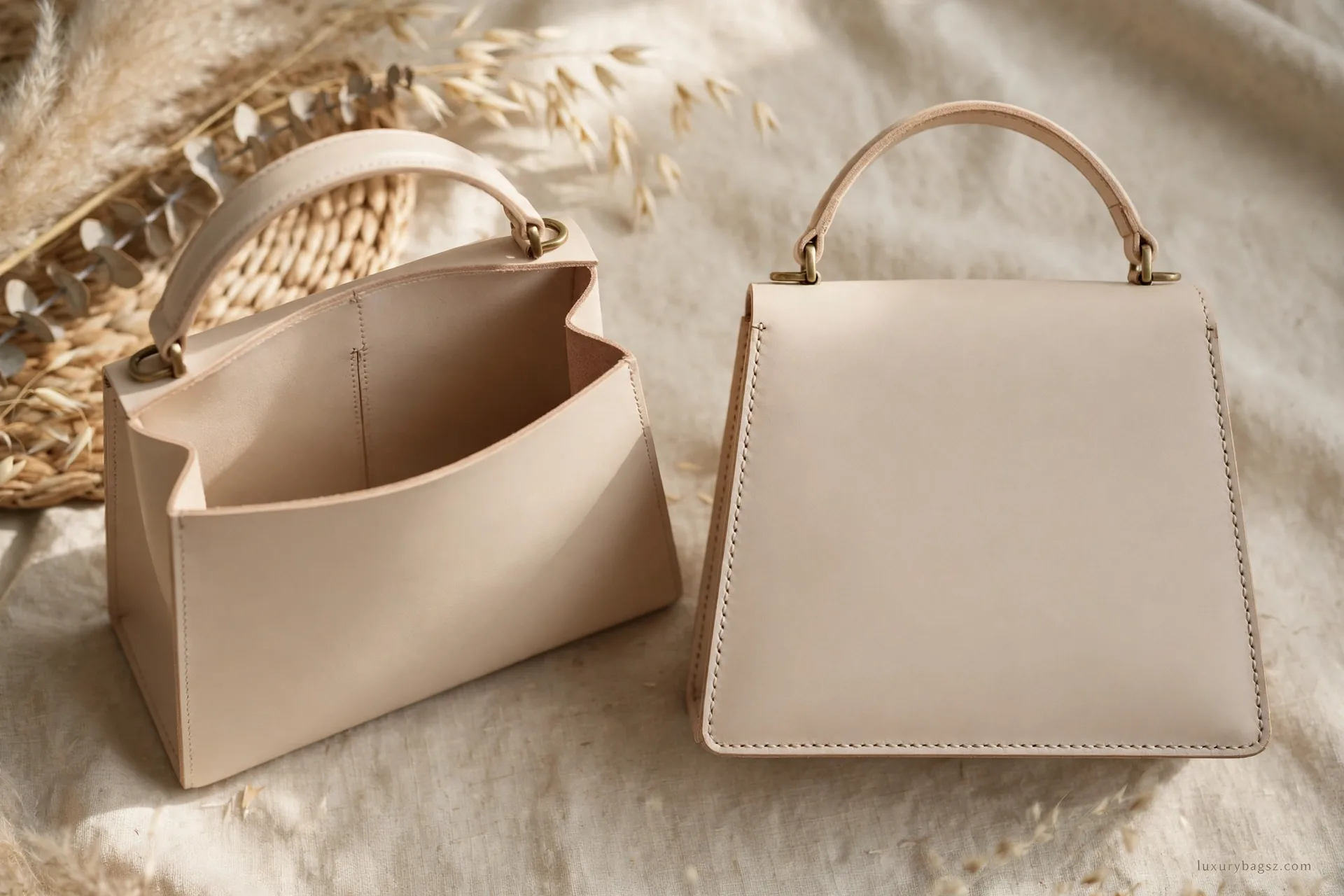
The Kelly shows the same pattern. Sellier Kellys in Epsom hold a firmer line and a firmer price, while Retourne Kellys in soft leathers trade closer to the model average. Construction alone can be worth tens of percentage points on an otherwise identical bag.
Leather: Togo, Epsom, Box and Exotics
Togo is the tracked standard: durable, grained and liquid, but no longer scarce enough to guarantee a premium in size 30. Epsom holds Sellier shapes crisply and supports Kelly premiums. Box calf, Clemence and Swift sit in between, priced case by case on condition.
Exotics trade in a different market altogether. Matte alligator and Niloticus crocodile Birkins and Kellys, including the Himalaya, are priced as collector pieces, often many times leather retail. They are illiquid and condition-sensitive, so their headline prices suit very few buyers.
Colour and Hardware
Neutrals lead. Black, Gold, Etoupe, Gris Meyer and Craie hold premiums across sizes, while bright or seasonal shades discount faster unless the bag is a Mini or a special order. Our Hermès colours guide ranks the shades buyers ask for first.
Hardware is a smaller but real factor. Gold hardware on black or Gold leather is the classic pairing many buyers insist on, and palladium suits grey and blue tones. Mismatched expectations cost money: a wanted colour with the less-wanted hardware finish can sit longer and sell for less.
Condition, Completeness and Production Year
Resellers grade condition from store-fresh or pristine down through excellent, very good and good. As a market-observation rule, each clear step down the grades tends to cost roughly 10–20% of the price a store-fresh example would make, with corner wear and handle darkening punished most.
Completeness matters almost as much. A full set — box, dust bag, receipt or invoice copy, ribbon, rain coat, clochette and lock with keys — typically adds an estimated 5–15% against an otherwise identical bag missing pieces, and it sells faster because authentication is simpler.
Production year cuts both ways. Recent stamps benefit from higher current retail prices and fresher condition, which is why Sotheby’s 2020-and-later Birkin 30s averaged well above the all-years auction figure. Older bags need rarity, Box calf quality or provenance to compete.
Sold Prices vs Asking Prices, and the Geography Split
Asking prices are wishes; sold prices are facts. Platforms display listings that may sit for months, and Bernstein’s tracker is built on auction results, which is why its 1.4 times average sits below the multiples on many listing pages. Always compare against completed sales.
Auction houses add a buyer’s premium on top of the hammer price, so a “sold” figure may include fees a private seller would never see. Platform prices, by contrast, often include the seller’s commission expectations. The same bag can appear 15–25% dearer listed than hammered.
Geography moves the base, not just the premium. US retail for a Birkin 25 in Togo is $13,500, while UK and EU boutique prices, converted, have often sat lower, so the same resale price produces a bigger percentage premium in London or Paris than in New York.
Taxes and duties narrow that gap for cross-border buyers. A bag bought in the EU and shipped to the US can attract customs charges and insured-shipping costs that erase a currency advantage. Compare total landed cost, in your own currency, before calling any premium real.
Our round-up of Hermès investment pieces shows the same split across years: the models that hold value are the ones with restricted supply in every market, not the ones with a single high asking price in one city.
The Net Premium: After Pre-spend, Fees and Costs
The boutique route is rarely just the ticket price. Hermès publishes no spending rule, but clients widely report buying other categories first — often estimated at a substantial fraction of, or parity with, the bag’s price over time. That pre-spend is a real cost of access, even if you keep the goods.
Selling costs then take their share. Consignment and platform fees commonly run at roughly 10–20% of the sale price depending on the channel and value, and auction sellers pay commission too. Authentication, insured shipping and, for cross-border sales, duties come off as well.
Work an example. A Birkin 30 in Togo bought at $14,900 retail and resold at the 1.0 times auction average returns about $14,900 before costs. After a mid-range selling fee and insured shipping, the seller nets materially less than retail — before counting any pre-spend at all.
Now run the Mini Kelly II at 282% retention. Even after a 15% selling cost, the seller keeps well over twice retail, and a modest pre-spend still leaves a genuine gain. This is why our guide to the most expensive Hermès Birkin models stresses specification over brand name.
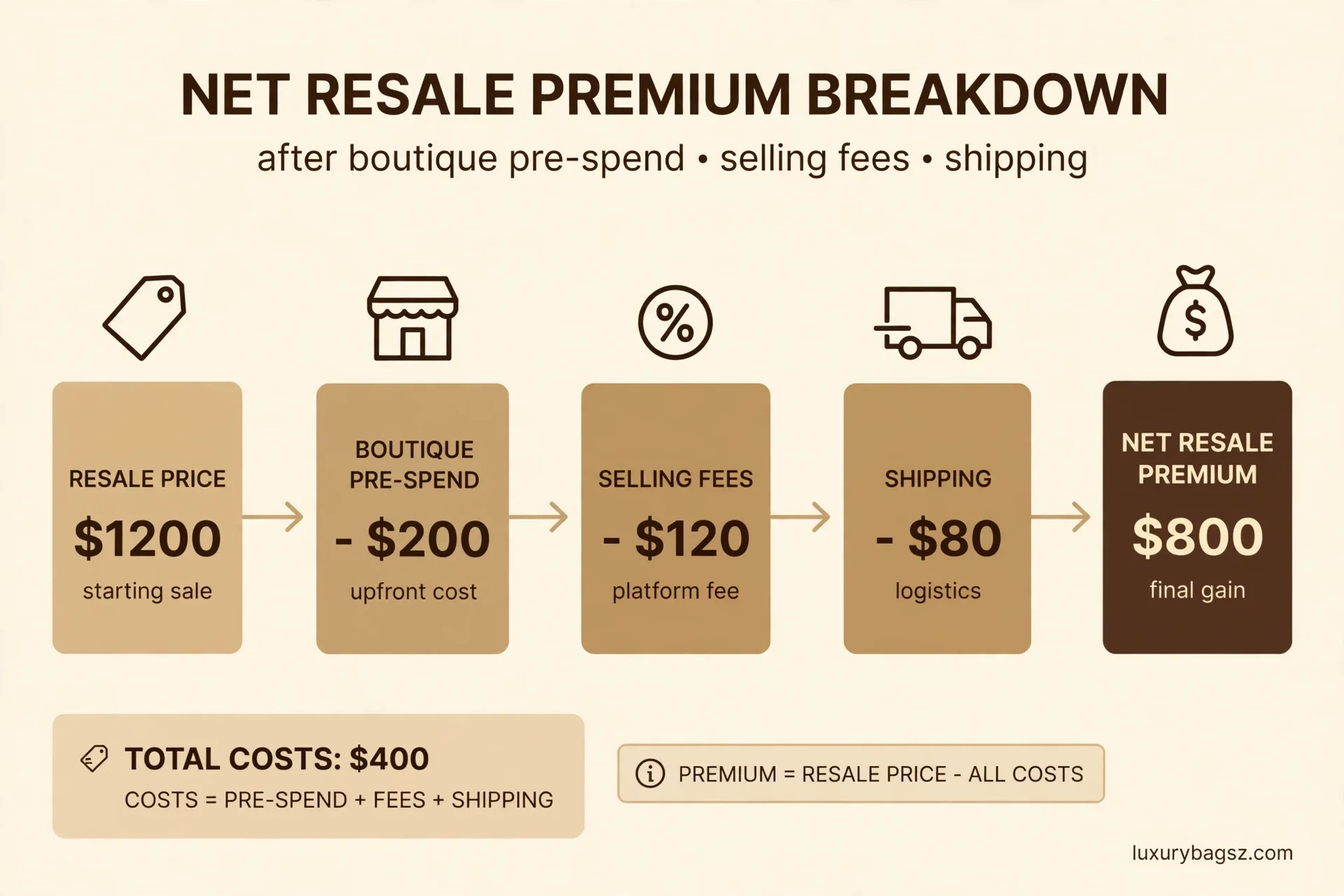
The honest formula is simple. Net premium equals the sold price, minus selling and shipping costs, minus the retail price, minus any pre-spend you would not otherwise have made. If that number is negative, the bag was a purchase, not an investment — which is fine, if you knew it.
When Paying Above Retail Is Rational — and When It Is Not
Paying above retail is rational when the specification is genuinely restricted, you want it now, and the total cost beats years of pre-spend. A Mini Kelly II, a Sellier in your exact colour, or a discontinued combination can cost less bought well on resale than chased through a boutique.
It is also rational when the maths is done on sold prices, the bag is store-fresh with a full set, and authentication is independent. At that point you are paying a known price for certainty — size, colour and hardware in hand — rather than gambling on an offer that may never match.
Waiting is cheaper when the bag is a standard size in a standard leather, when listings are plentiful, or when you already have a boutique relationship building naturally. With the Birkin 30 in Togo at auction parity, patience and a direct offer now beat most resale listings.
Never pay a peak-style premium for a common specification because a listing page says it is rare. Check completed sales, count the live listings, and remember UBS’s finding: supply is six to seven times pre-pandemic levels. Scarcity claims should be proved, not asserted.
Frequently Asked Questions
Which Hermès bag has the highest resale premium right now?
The Mini Kelly II. Rebag’s 2025 Clair Report puts it at 282% of retail, the highest of any Hermès model it tracks. Its tiny size, scarce supply and rare boutique offers keep resale competition intense even as wider premiums have cooled since 2022.
Does a Birkin still sell above retail in 2026?
Some do, some do not. The Birkin 25 held about 1.7 times retail on Bernstein’s figures, and curated Birkin 30s at Sotheby’s averaged about 1.77 times. But the Birkin 30 in Togo averaged 1.0 times at auction overall — exactly retail, before any selling costs.
Why did Hermès resale premiums fall after 2022?
Supply rose and speculation cooled. UBS estimates listings of Birkins and Kellys now run six to seven times pre-pandemic levels, as Hermès added workshops and more owners chose to sell. Bernstein describes the shift as a sobering-up from post-Covid euphoria, not a collapse in demand.
Is Sellier really worth more than Retourne?
On current index evidence, yes. Rebag puts the Birkin Sellier at 183% retention against a 122% category average for standard Birkins. The structured Sellier construction takes longer to make, is offered less often, and holds its shape — and its price — better in wanted sizes.
How much does a full set add to resale value?
As a market-observation estimate, a complete full set typically adds about 5–15% against an otherwise identical bag missing pieces. Box, dust bag, receipt, clochette, lock and keys speed up authentication and widen the buyer pool, which is why complete bags also tend to sell faster.
Should I buy above retail or build a boutique relationship?
Compare total costs honestly. If the bag is rare and the resale price, from sold data, beats the likely pre-spend and wait, buying above retail can be cheaper. For standard sizes and leathers at today’s softer premiums, a natural boutique relationship usually wins.
Final Verdict
The Hermès premium has not died; it has narrowed to the bags that earn it. Mini Kelly II, Birkin Sellier, Birkin 25 and Constance still sell clearly above retail, while the standard Birkin 30 has returned to parity at auction. Specification, condition and completeness now decide the outcome.
Buy on sold prices, deduct every cost, and pay above retail only where scarcity is real. Do that, and a premium can still be money well spent. Skip the maths, and the most beautiful bag in the world will quietly charge you for the lesson.