Iconic Designer Handbags: The Designers and Bags That Changed Fashion
What Makes a Handbag Iconic: The Answer in Brief
An iconic handbag is one whose design is recognised instantly, whose demand survives trend cycles, and whose story links a designer, a moment and a wearer. The Birkin, Kelly, Chanel 2.55 and Lady Dior meet that test completely.
Icon status is earned over decades, not launched in a season. This guide names the designers behind the great bags, explains why each design lasted, and shows how to buy an icon wisely today.
Key Takeaways
- Icons combine instant recognition, lasting demand and a strong origin story.
- Coco Chanel, Robert Dumas and Silvia Venturini Fendi reshaped handbag design itself.
- The Birkin and Kelly began as practical Hermes designs long before fame arrived.
- Celebrity wearers amplified icons, but design quality is what kept them relevant.
- Vintage and pre-owned markets now decide much of an icon long-term value.
- Condition and authenticity matter more than age when buying an older icon.
The Designers Who Set the Template
Twentieth-century handbag design rests on a handful of creators. Their bags solved practical problems so elegantly that the solutions became signatures copied for generations.
Understanding the designers explains the bags. Each icon below began as an answer to a real need: hands-free carry, secure travel storage, or a new way to wear luxury daily.
Our top designer bags list ranks the finished icons, while this guide focuses on the people and decisions behind them.
That distinction matters for buyers. A bag with a genuine design story tends to hold interest, and value, far longer than a bag with only a marketing story.
Museums now collect handbags alongside couture, which confirms their design standing. Exhibitions of bags draw large audiences because visitors recognise the pieces from their own lives and family photographs.
Film carried icons to global audiences long before social media. A single scene with a Kelly or a Speedy could do what years of advertising could not, and houses still chase that placement.
One underappreciated icon skill is repairability. Houses that maintain archives of hardware and leathers can restore decades-old bags, which extends both the life and the value of the originals considerably over time.
Hermes: Robert Dumas and the Kelly Line
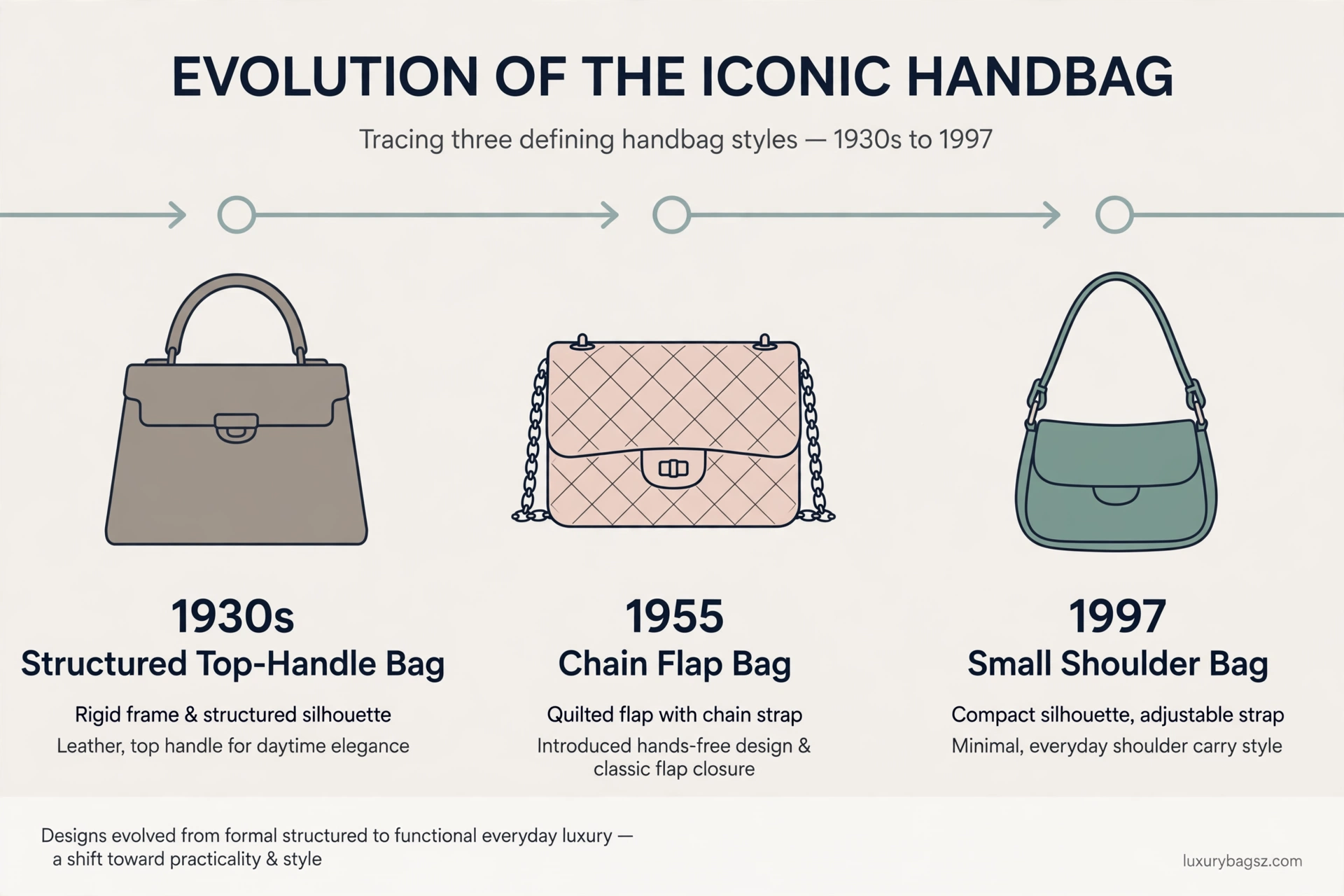
The bag now called the Kelly began in the 1930s as the Sac a Depeches, a structured design linked to Robert Dumas of Hermes. Its trapezoid shape and single handle set a formal template.
Grace Kelly association in the 1950s renamed it in the public mind, and Hermes made the name official in 1977. The design itself barely changed, which is the mark of a true icon.
Hermes built its handbag reputation on saddle craft, hand stitching and patience. That workshop discipline is why its icons age slowly in both looks and market standing.
Buyers should note the Kelly comes in Sellier and Retourne constructions, with different formality and feel. The choice shapes price and daily use more than size alone.
The Kelly original name, Sac a Depeches, referred to dispatches, a reminder that even the most formal icon began as a working carrier for papers. Function came first at Hermes, as so often in this history.
Designers themselves often resist the icon label early on, since it can freeze a house identity. Chanel and Hermes managed it by evolving sizes, leathers and hardware while protecting the core silhouette.
The 2.55 versus Classic Flap distinction still confuses buyers. The 2.55 keeps the rectangular Mademoiselle lock, while the Flap carries the CC lock; both are icons, with different hardware stories and different collector followings.
Chanel: Coco, Karl and the 2.55 and Flap
Coco Chanel changed handbags in February 1955 with the 2.55, adding a shoulder chain so women could keep their hands free. Our Chanel 2.55 history and sizes guide details that launch.
Karl Lagerfeld later added the interlocking CC turnlock, creating the Classic Flap line that now defines the house. The quilt, chain and flap combination is recognised worldwide at a glance.
The Birkin bag history guide tells the parallel Hermes story: Jane Birkin chance meeting with Jean-Louis Dumas in the early 1980s produced the Birkin in 1984.
Together, Chanel and Hermes show two routes to icon status: invention of a new carry method, and perfection of an existing luxury form until it becomes definitive.
Chanel chain itself was an invention with a purpose: fine chains weighted with leather let the bag rest comfortably and securely. Later designers borrowed the idea so widely that its origin is often forgotten.
The Baguette afterlife is instructive: television exposure in its first era, then fashion nostalgia, then a full reissue programme. Icons can sleep for years and return without redesign.
Regional boutiques sometimes hold archive-inspired pieces that never appear online. Collectors who build boutique relationships gain access to that quieter layer of the icon market, where patience matters more than speed.
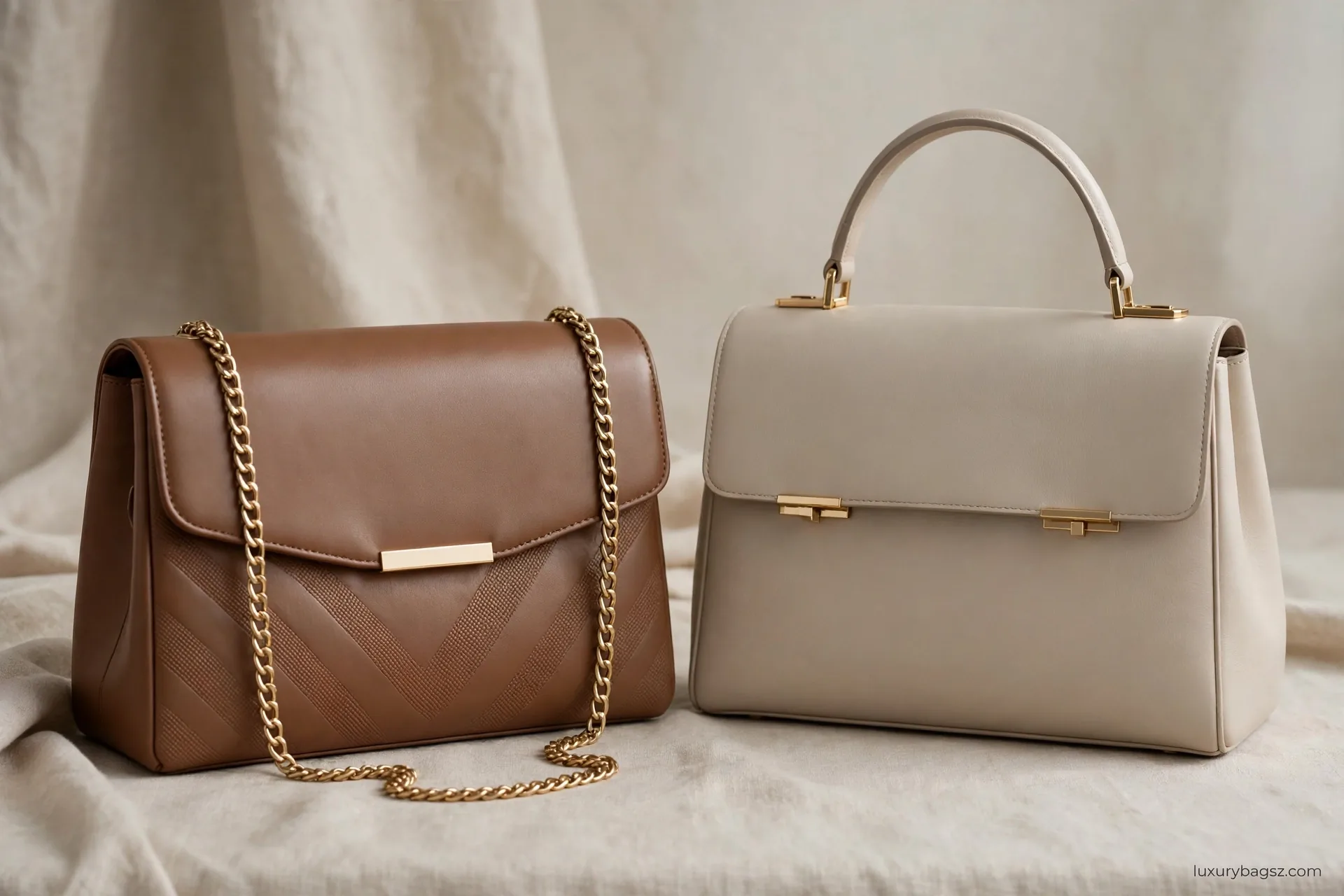
Dior, Fendi and Gucci: The Storytellers
Dior Lady Dior, presented to Diana, Princess of Wales in 1995, turned cannage quilting and letter charms into a royal emblem. Its structure remains deliberately formal and architectural.
Silvia Venturini Fendi Baguette of 1997 proved a small bag worn under the arm could lead fashion. Our Gucci Jackie 1961 guide covers Gucci parallel icon, renamed for Jacqueline Kennedy Onassis.
Gucci Jackie began in 1961 as a unisex hobo and gained its name through repeated photographs of its namesake. The piston closure remains its quiet signature today.
These houses used narrative well, but narrative worked because the underlying designs were strong, comfortable and repeatedly wearable across changing outfits and decades.
Fendi Baguette name compared the under-arm carry to a loaf of bread, a joke that stuck because it described the wearing position exactly. Good icon names usually work on that practical level too.
Materials innovation also sustains icons. New lightweight leathers, improved canvas coatings and better hardware finishes quietly modernise classics while their outlines stay untouched.
Condition language in listings deserves scepticism. Words like pristine and excellent have no standard meaning, so insist on photographs in daylight and a clear written description of corners, handles, lining and any odour before paying.
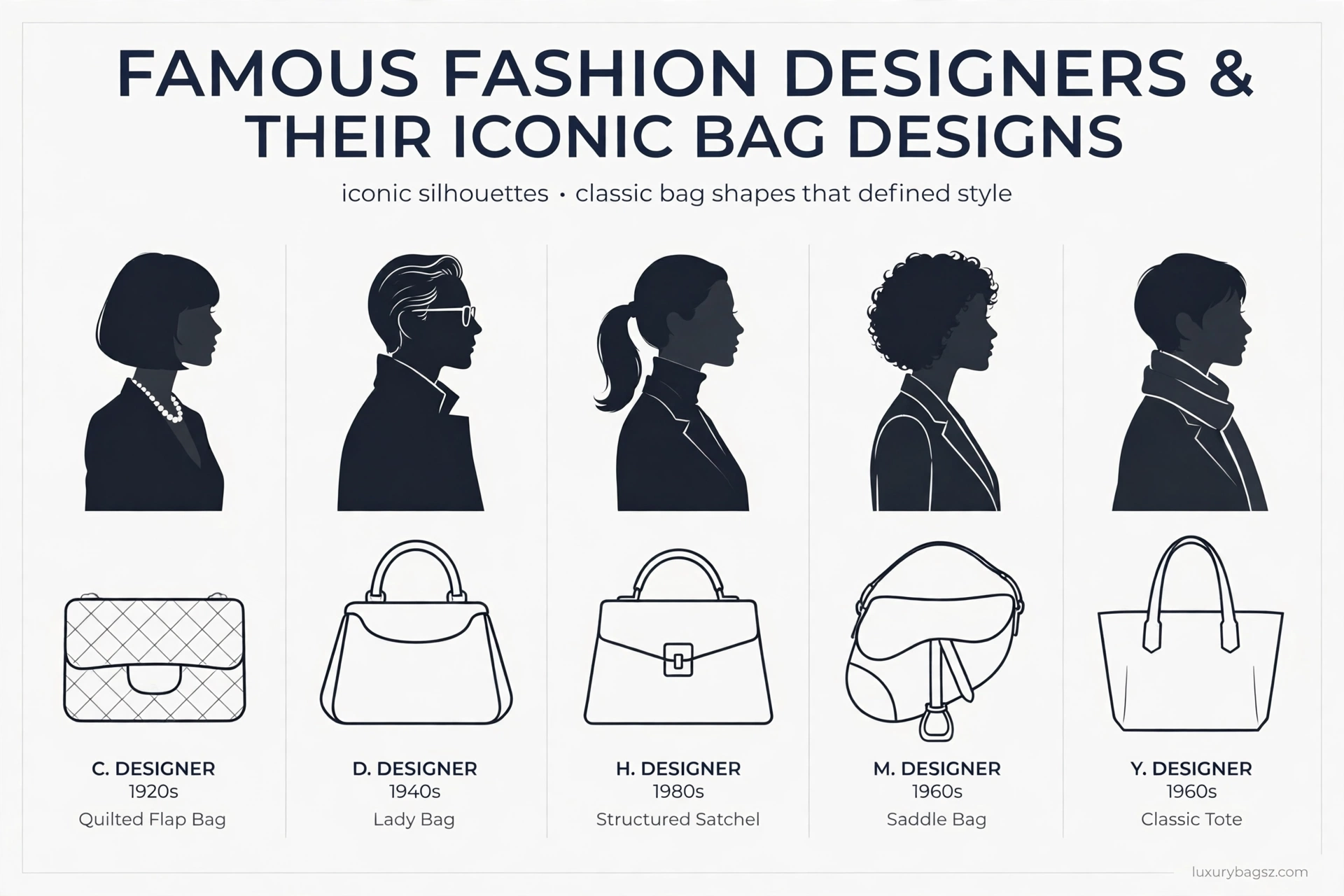
Louis Vuitton: Utility Turned Icon
Louis Vuitton began with trunks, and its handbags carry that travel logic. The Speedy grew from luggage design, the Noe from a champagne commission and the Neverfull from the tote tradition.
Monogram canvas gave the house instant recognition, while leather lines such as Capucines serve buyers who prefer quieter luxury. Few houses span both registers so completely.
Our bucket bags history and designer list shows the Noe journey from bottle carrier to fashion staple, a useful reminder that utility often outlasts ornament.
For buyers, Vuitton icons offer durability and broad pre-owned supply. Canvas examples in particular suit daily use where leather icons might feel too precious.
Vuitton monogram began as an anti-counterfeit device in the nineteenth century. The irony that it became the most copied pattern in fashion only underlines how completely utility turned into identity.
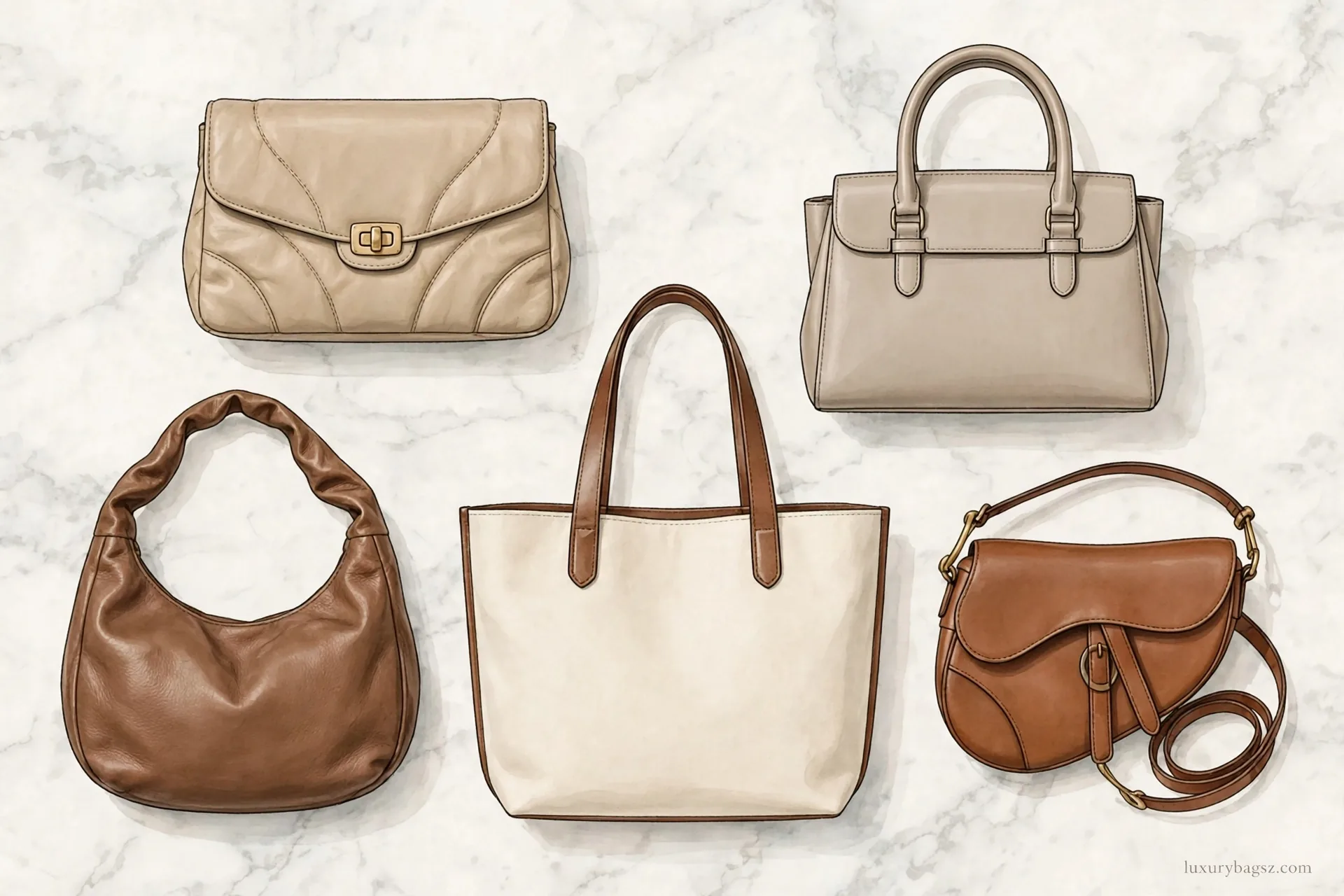
An icon bag wardrobe needs only two or three pieces: one structured, one soft and one small. More than that, and rotation suffers, which helps no bag age gracefully.
Travel shaped Vuitton icons in a literal sense: trunks came first, and the handbags inherited flat packing logic, durable canvas and hardware designed to survive journeys rather than merely decorate outfits.
Modern Icons: Puzzle, Jodie and Le Cagole
Icon status is not closed to new designs. The Loewe Puzzle, launched in 2015 under Jonathan Anderson, earned lasting attention through genuine construction novelty and flexible carry.
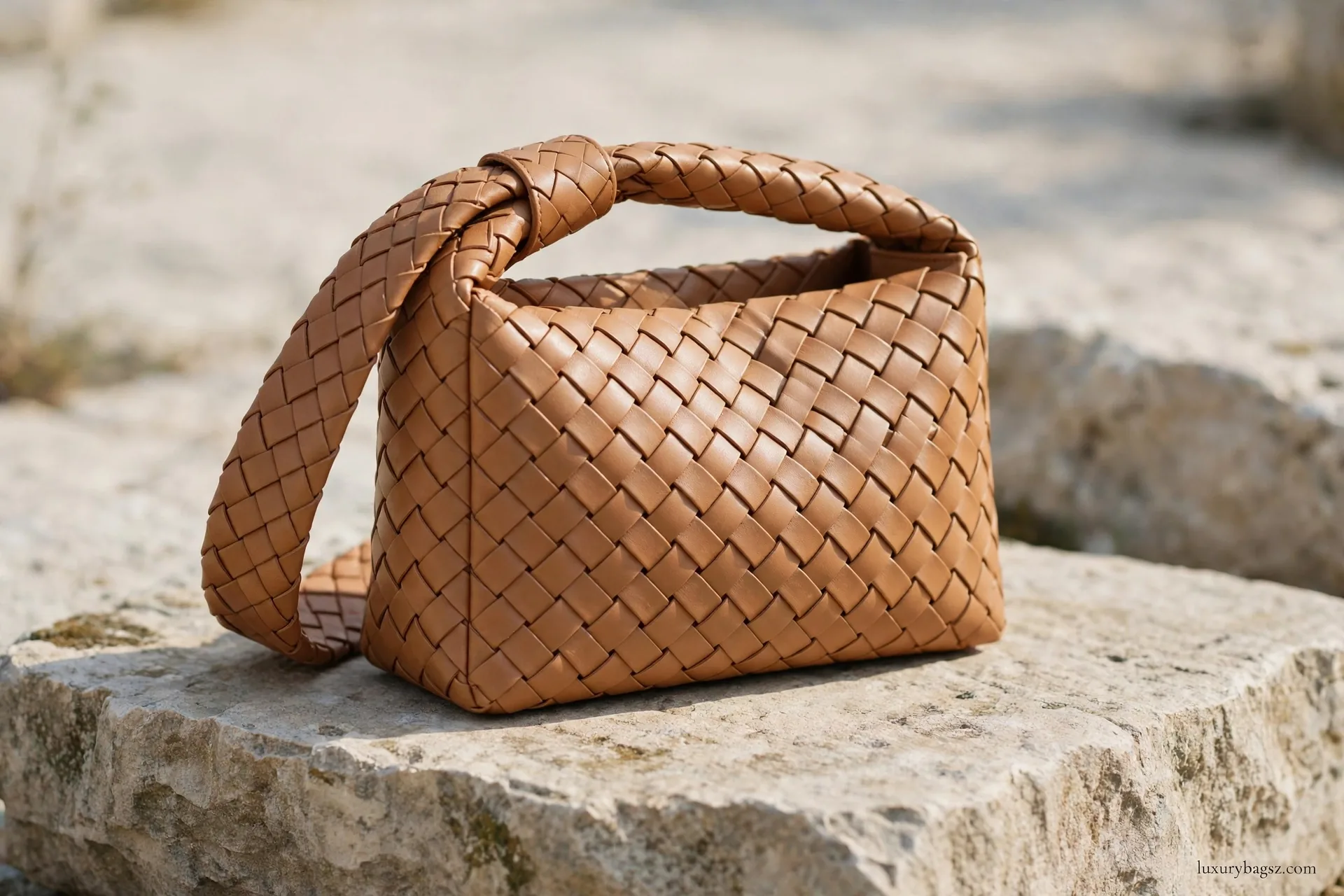
Bottega Veneta Jodie revived intrecciato weaving for a new generation, while Balenciaga Le Cagole reworked the house Motorcycle codes into a crescent that defined recent seasons.
The test for these bags is time. Early signs include repeat seasonal production, stable resale interest and copies appearing elsewhere, all of which suggest a design entering the canon.
Buy modern icons because you love wearing them now. If they endure, that is a reward, not a reason to overpay at the peak of attention.
When judging a modern candidate for icon status, look for a detail other brands start copying within two years. Copied construction, not copied advertising, is the reliable early signal.
Younger buyers are entering the icon market through vintage first, drawn by price and sustainability. That shift supports demand for well-kept older examples across all the classic models.
When a modern bag is called iconic at launch, read the claim as marketing. The honest test remains whether strangers recognise the silhouette and buyers still queue for it a decade later.

How to Buy an Icon Today
Decide first whether you want boutique certainty or pre-owned value. High-demand icons may involve boutique relationships, waiting or travel, while resale offers immediate choice at market prices.
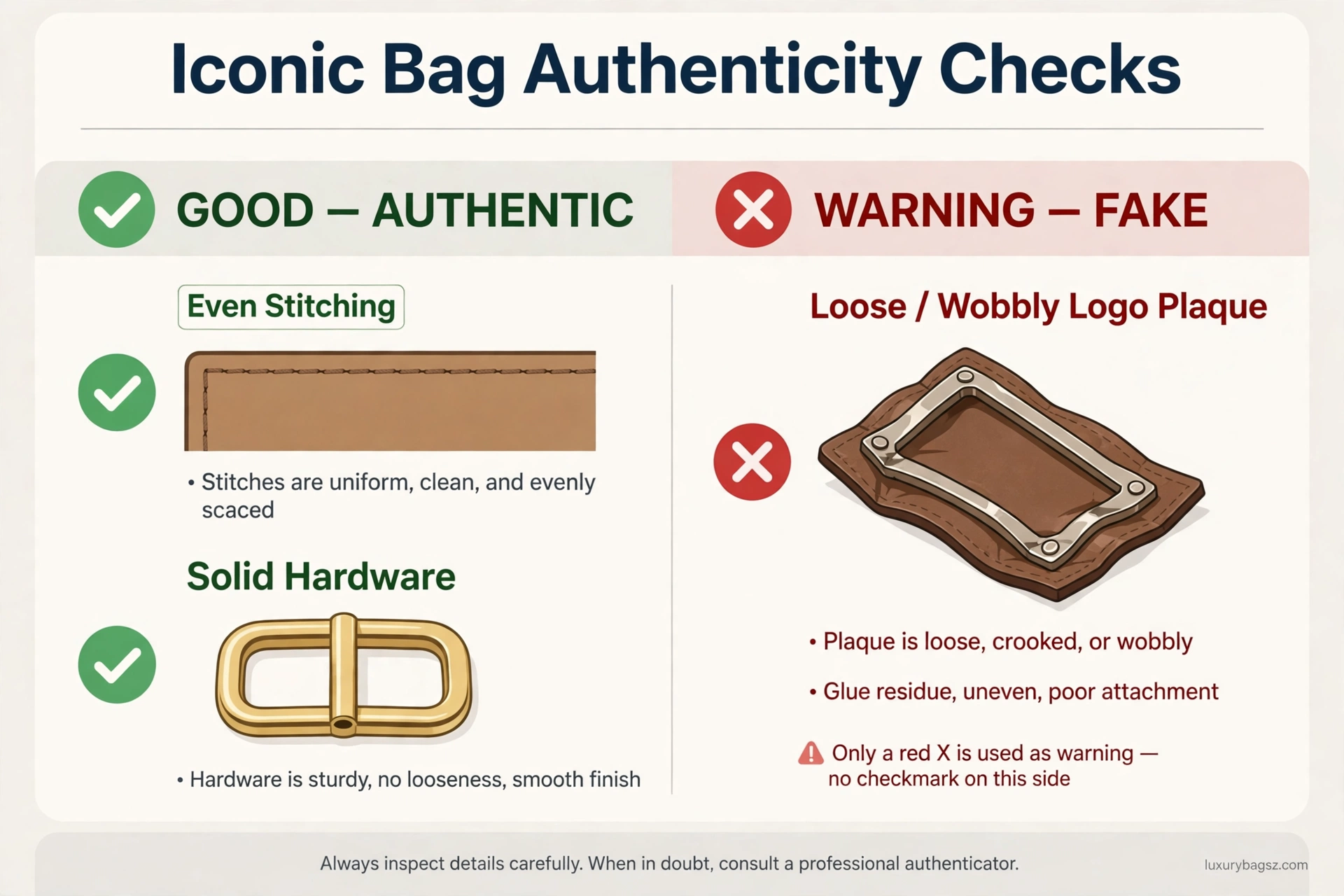
On any older icon, check stitching, hardware, stamps, lining and shape retention, as set out in the infographic above. Pay for independent authentication on significant purchases.
Completeness helps value: dust bag, cards, receipt and original packaging all support a listing. Missing items should reduce the price, even when the bag itself is sound.
Buy the best condition you can afford rather than the cheapest example of a famous name. A tired icon rarely feels iconic on the arm.
Auction houses provide a public record of icon demand across decades. Watching results for classic specifications teaches buyers more about durable value than any single season ranking.
House archives departments now guard original samples and records, which assists authentication and reissues alike. Provenance research is becoming a normal part of buying older icons.
Servicing records add quiet value to older icons. A bag with documented house repairs and spa visits reassures the next owner that wear was managed professionally rather than hidden at home.
Icons as a Collection Over Time
A thoughtful collection mixes one formal icon, one daily icon and one personal favourite that may never be famous. That balance keeps bags in use rather than in storage.
Our investing in vintage designer bags guide explains how condition, rarity and demand interact in the vintage market, without promising returns.
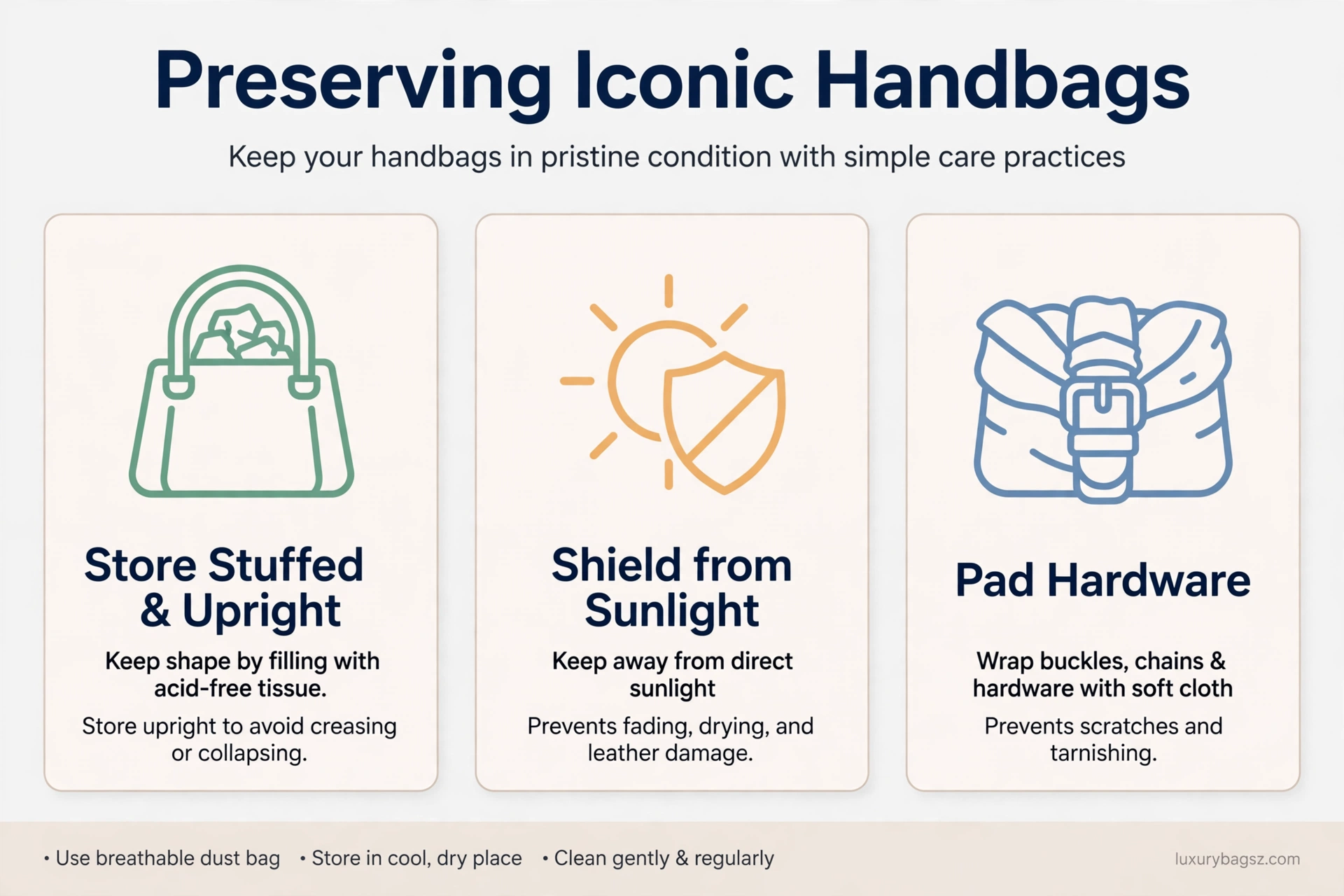
Rotate bags, store them stuffed and shielded from light, and service hardware or stitching early when wear appears. Preservation is part of owning pieces designed to last.
Above all, carry your icons. Their status was built by women who used them daily in real life, and that is still the most convincing styling there is.
Care habits differ by icon: quilted lambskin needs padding, box calf needs moisture discipline, and canvas needs corner checks. Learn your bag specific needs from the house, not from generic advice alone.
The next icons are probably already in production somewhere in this guide price range and below. Buying widely loved, well-made designs today is how collections quietly become valuable.
Start an icon collection with the piece that suits your most ordinary day. Ordinary days are where icons prove themselves, and a bag that thrives there will never feel like a museum purchase.
Frequently Asked Questions
What is the most iconic designer handbag?
The Hermes Birkin and the Chanel Classic Flap are the most cited answers, with the Kelly close behind for its longer history.
Who designed the Chanel 2.55?
Coco Chanel designed the 2.55, launched in February 1955, introducing a shoulder chain that freed the wearer hands.
Why was the Kelly bag renamed?
Grace Kelly famous use of the Sac a Depeches in the 1950s linked her name to the bag, and Hermes adopted the Kelly name officially in 1977.
What makes a bag iconic rather than trendy?
Instant recognition, demand across decades, a clear origin story and a design that still works in daily life separate icons from trends.
Which iconic bag is best for daily use?
The Louis Vuitton Speedy or Neverfull and the Hermes Kelly in a durable leather are among the most practical long-standing icons.
Are iconic bags worth buying pre-owned?
Yes, with careful checks. Pre-owned buying gives access to discontinued sizes and finishes, provided authenticity and condition are verified.
Do iconic bags always hold their value?
No bag guarantees returns. Classic colours, strong condition and complete sets have historically performed best on resale.
Which modern bag could become an icon?
The Loewe Puzzle and Bottega Veneta Jodie show early signs, but only time confirms icon status. Buy them to wear now.
How do I authenticate an older icon?
Check stitching, hardware, stamps, lining, shape and provenance, and use an independent authentication service for valuable pieces.
How should I store an iconic handbag?
Store it stuffed in its dust bag, upright, away from light and heat, with hardware padded so it cannot mark the leather.
Summary: Icons Endure Because They Work
The great handbags share a simple secret: each solved a real problem beautifully, then kept solving it for decades. Designers supplied the invention, wearers supplied the legend.
Choose an icon that fits your hand, your wardrobe and your budget, verify it carefully, and carry it often. That is how icons stay alive.