Hermès Mini Kelly Guide: Sizes, Prices, What Fits and How to Buy One
Hermès Mini Kelly Guide: Sizes, Prices, What Fits and How to Buy One
Small Bag, Full Kelly: The Short Answer
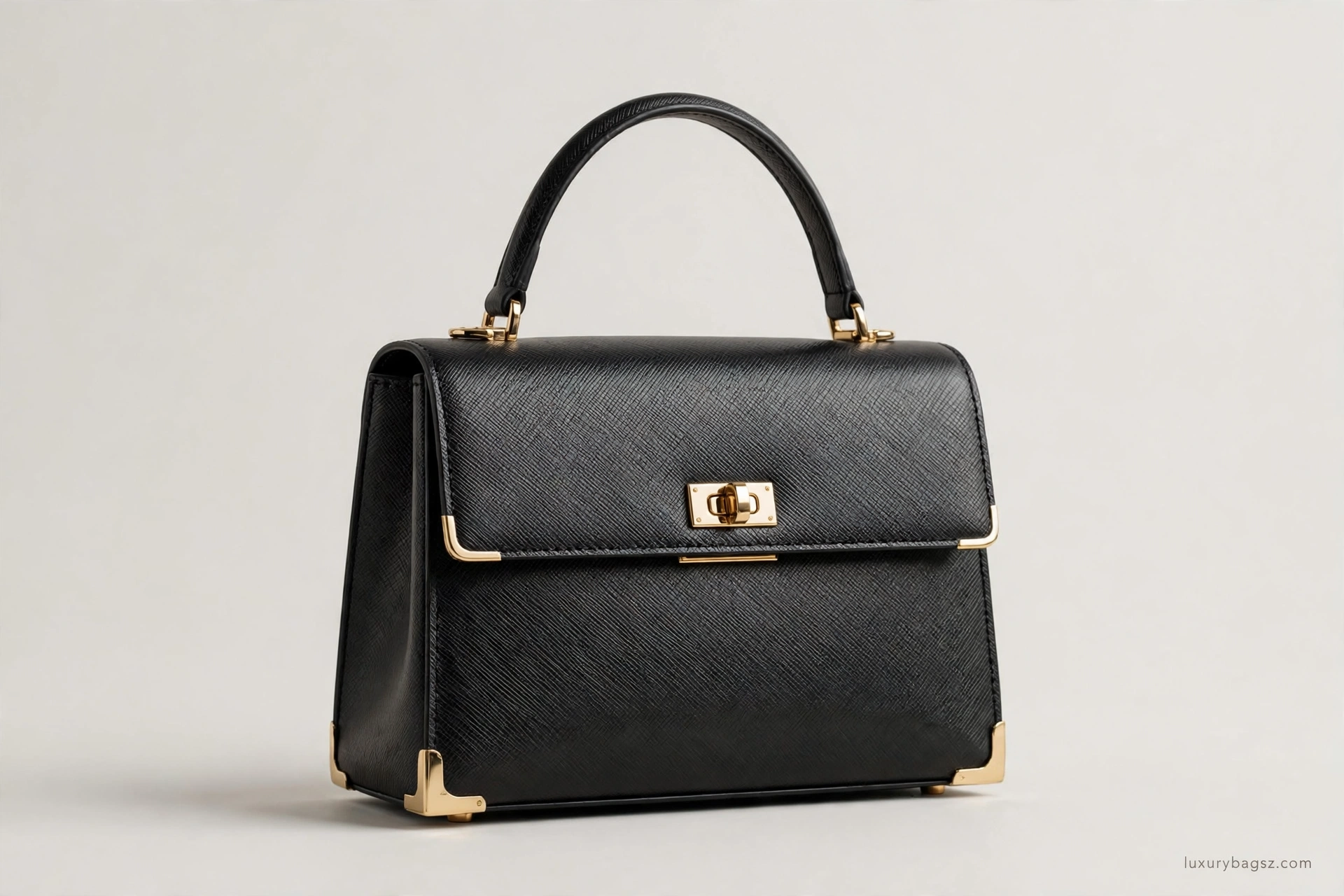
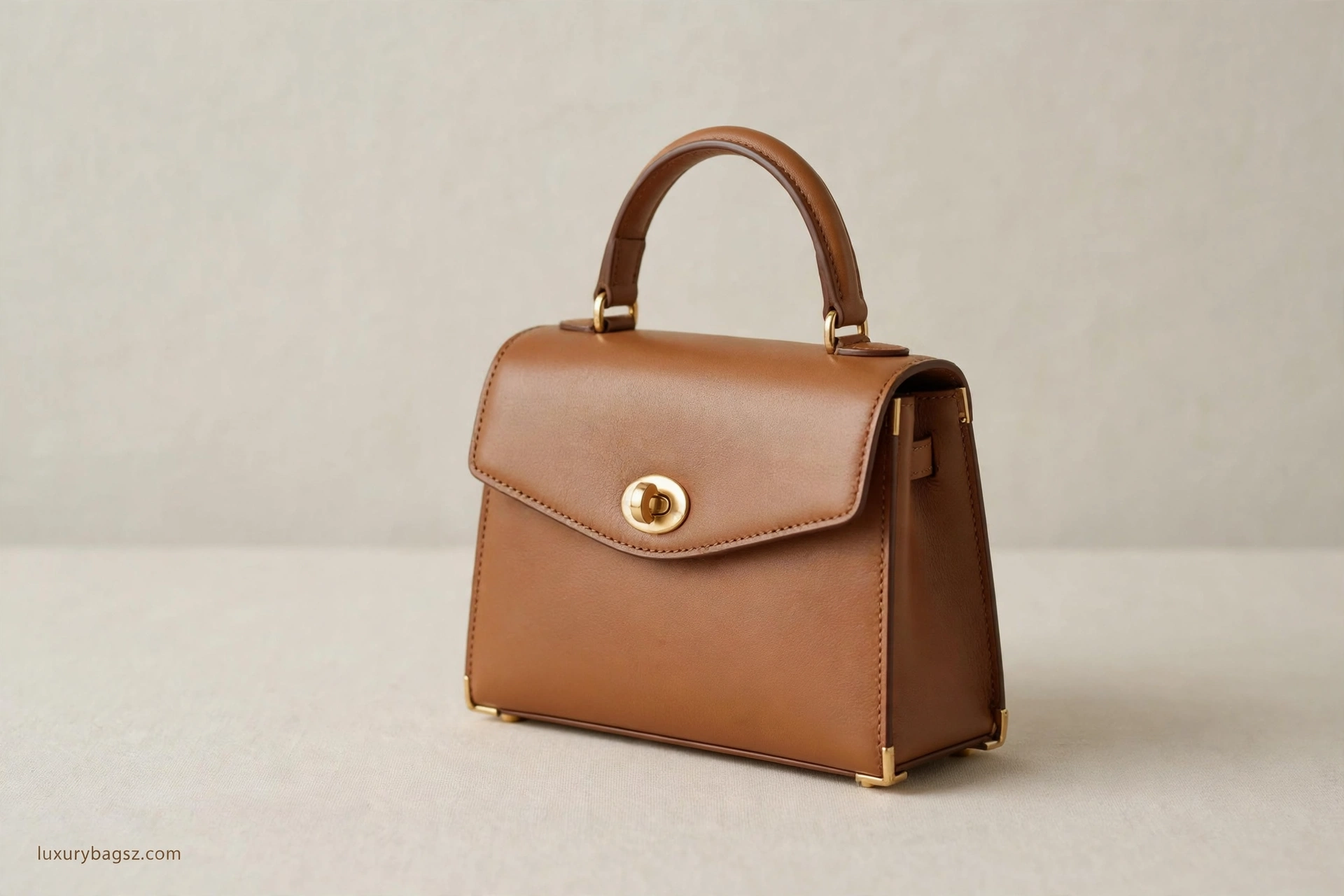
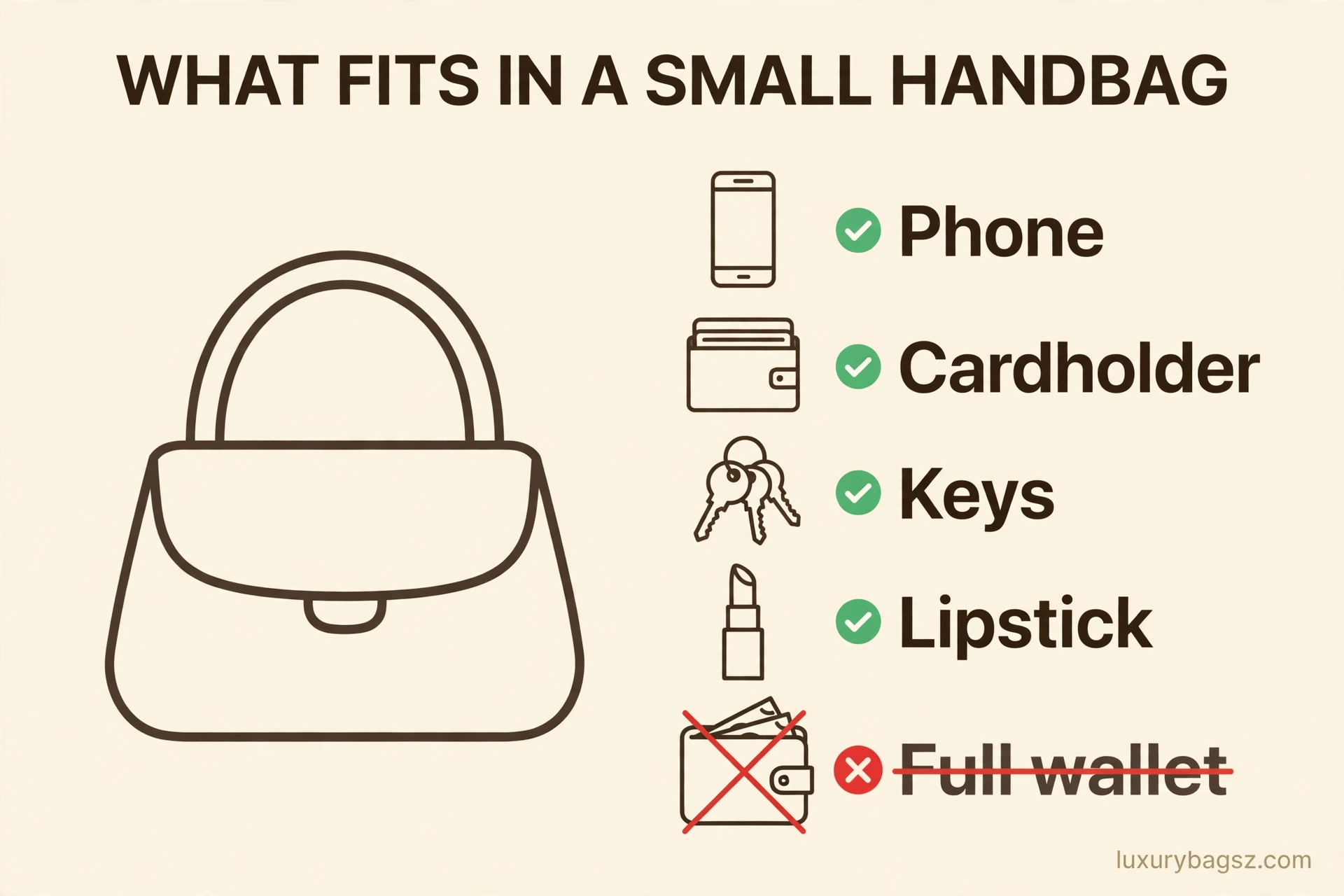
The Mini Kelly is the 20 cm Kelly, sold today as the Mini Kelly II. It keeps the flap, straps, turn-lock and top handle of the full-size Kelly, shrunk into a bag that holds a phone, a slim cardholder, keys and a lipstick, and very little else.
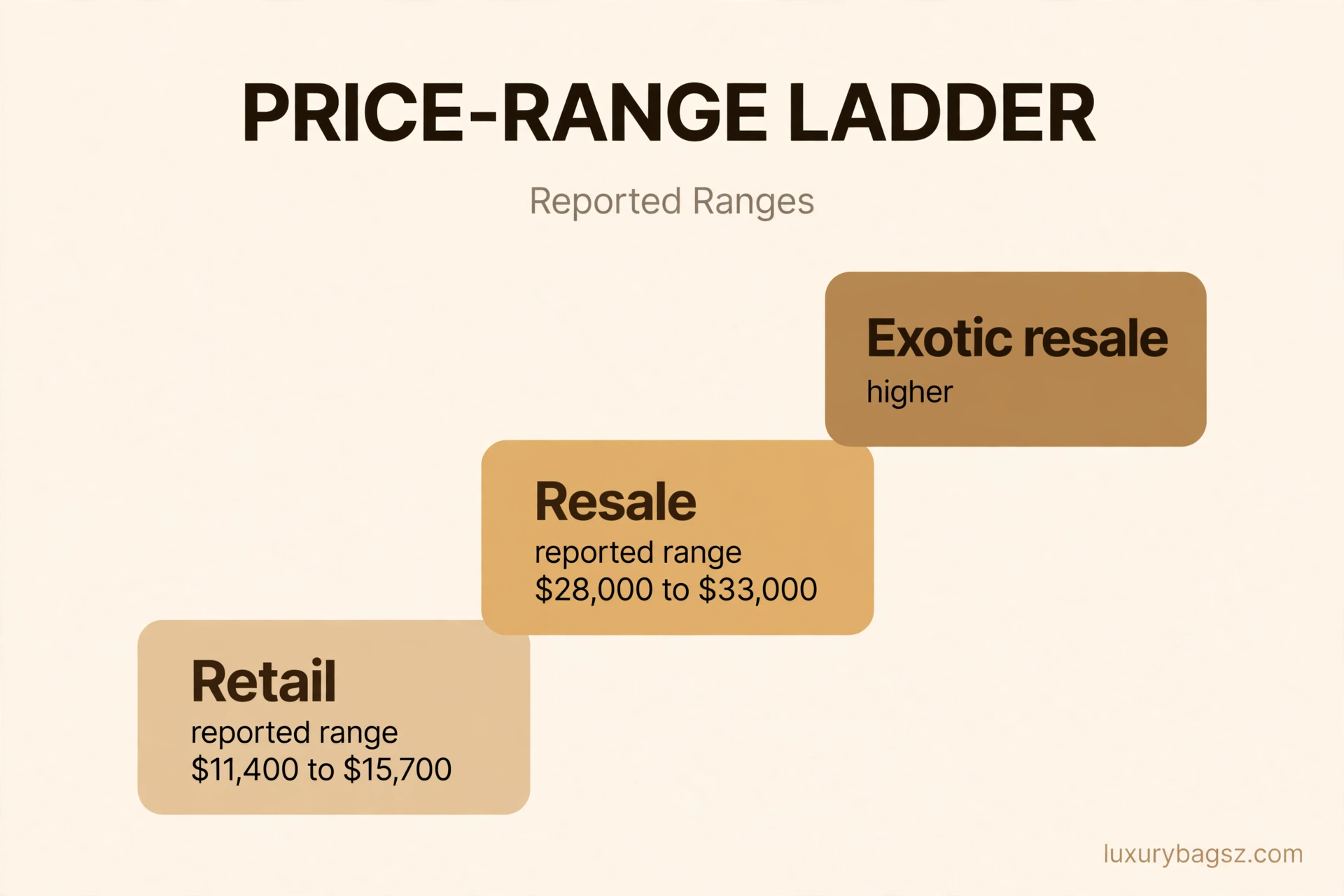
It is a quota bag, offered in boutiques rather than sold on request, and it is one of the hardest Kellys to be offered at all. Reported United States retail for the Epsom version sits around $11,400 in 2026, while resale guides commonly report standard-leather examples trading around $28,000 to $33,000.
Buy it if you already carry almost nothing and love the Kelly shape above all else. Skip it if you need a full wallet, a sunglasses case or a large phone in a thick case every day, because no styling trick makes this bag bigger than it is.
Key Takeaways
- The current bag is the Mini Kelly II, about 20 × 12 × 6 cm, relaunched in 2016 after the vintage Mini Kelly was discontinued in 2009.
- The modern Mini Kelly II comes in Sellier construction only, with crisp outside stitching and a rigid, sharp outline.
- Honest capacity is a phone, a slim cardholder, a key or small fob and a lipstick. A full wallet or hard sunglasses case will not fit alongside a phone.
- Reported 2026 retail ranges from about $11,400 in Epsom to about $15,700 in Box calf in the United States, before tax.
- Resale guides report standard-leather Mini Kellys trading at roughly two to three times retail, commonly around $28,000 to $33,000.
- The standard Mini Kelly II is not supplied with a padlock, keys or clochette, so a resale listing without them can still be complete.
- It counts towards the Kelly quota, is boutique-only, and is never sold through the Hermès website.

What the Mini Kelly Actually Is
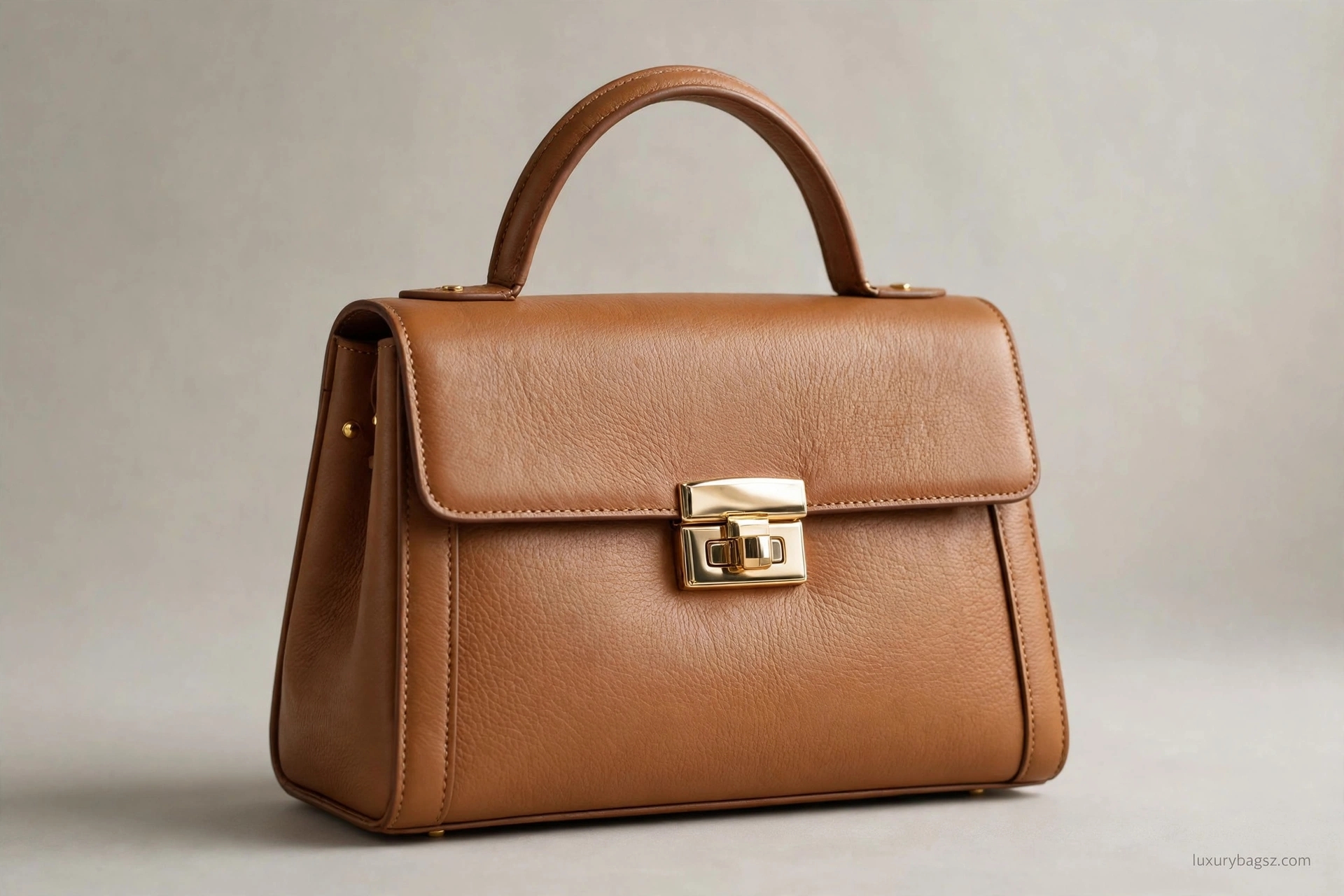
Hermès names Kelly sizes by width in centimetres, so the Mini Kelly is simply the Kelly 20. It carries every design code of the larger bag: the trapezoidal body, the flap, the two sangles, the turn-lock clasp and the single rolled top handle.
What changes is scale, and scale changes everything else. The handle is small enough for fingers and hand carry only, the opening narrows towards the top, and the interior holds one flat pocket rather than the fuller layout of a Kelly 25 or 28.
The first Mini Kelly appeared decades ago, with the earliest examples dated by auction houses to the late 1950s. A bracelet-style handle arrived around 1980, and the vintage line ran, with long gaps and very low numbers, until production ended in 2009.
Hermès brought the idea back in autumn 2016 as the Mini Kelly II, redesigned for the mini-bag era. The new bag is shallower, its handle is smaller, and its strap fittings were revised so the detachable strap sits and swings more cleanly.
That relaunch is why two different bags share one name in resale listings. A vintage Mini Kelly 20 and a modern Mini Kelly II look alike in a thumbnail photograph, yet they differ in depth, handle size, fittings and price, so the year matters.
For the wider family picture, including how the Mini sits against the Birkin, our Kelly vs Birkin comparison covers shape, sizes and prices side by side, and it is a useful read before you fix on any one Kelly size.
Mini Kelly I and II: What Changed
Collectors often call the vintage bag Mini Kelly I and the current bag Mini Kelly II. Hermès itself sells the modern version as the Kelly II Sellier mini bag, so the II in a listing title is a generation marker, not a different model line.
| Feature | Vintage Mini Kelly 20 | Modern Mini Kelly II |
|---|---|---|
| Body size, approximately | 20 × 14–15 × 9–9.5 cm | 20 × 12 × 6 cm |
| Handle | Larger, bracelet-style | Smaller, shorter top handle |
| Construction | Sellier, with rare Retourne examples | Sellier as standard |
| Packing room | Deeper body, more forgiving | Shallower body, tapered opening |
| How you buy one today | Pre-owned sellers and auctions only | Boutiques, resale and auctions |
The depth difference is the one that catches buyers out. The vintage bag is roughly 3 cm deeper, so packing photographs of an older Mini Kelly make the current bag look roomier than it really is when it arrives in your hands.
Handmade bags also vary slightly. Some modern examples measure closer to 19 × 12 × 5.5 cm, and that small difference decides whether a large phone in a case slides in or strains against the fastened sangles.
One naming trap deserves a warning. Some collectors also use Mini Kelly I for the Kelly Pochette, which is a separate clutch altogether. Always ask for measurements, handle photographs and the production year before comparing any two listings on price.
Sellier Only: Construction, Explained Simply
Every Kelly buyer meets the same two words. Sellier stitching sits on the outside of the bag, so the edges stay sharp and the shape stays rigid and architectural. Retourne bags are sewn and then turned, hiding the stitching and softening every edge.
The modern Mini Kelly II is made in Sellier only. That single fact explains most of its character: the crisp outline in photographs, the firm feel in the hand, and the unforgiving capacity, because rigid walls do not stretch around an extra item.
On larger Kellys you can choose. A Kelly 25 or 28 in Retourne feels relaxed and carries a little more kindly, while the Sellier versions hold a formal line. On the Mini, Hermès made the choice for you, and the choice was structure.
Vintage Retourne Mini Kellys do exist, and auction houses describe them as exceedingly rare. If a listing offers a soft, slouchy modern Mini Kelly II, treat that as a question to resolve with photographs and a specialist, not as a charming variation.
Sellier construction also shapes how the bag ages. Sharp corners show wear first, pale glazing rubs at the edges, and a knocked corner is harder to disguise than on a soft Retourne bag. Condition checks on a Mini start at those corners.
Sizes and Dimensions in Full
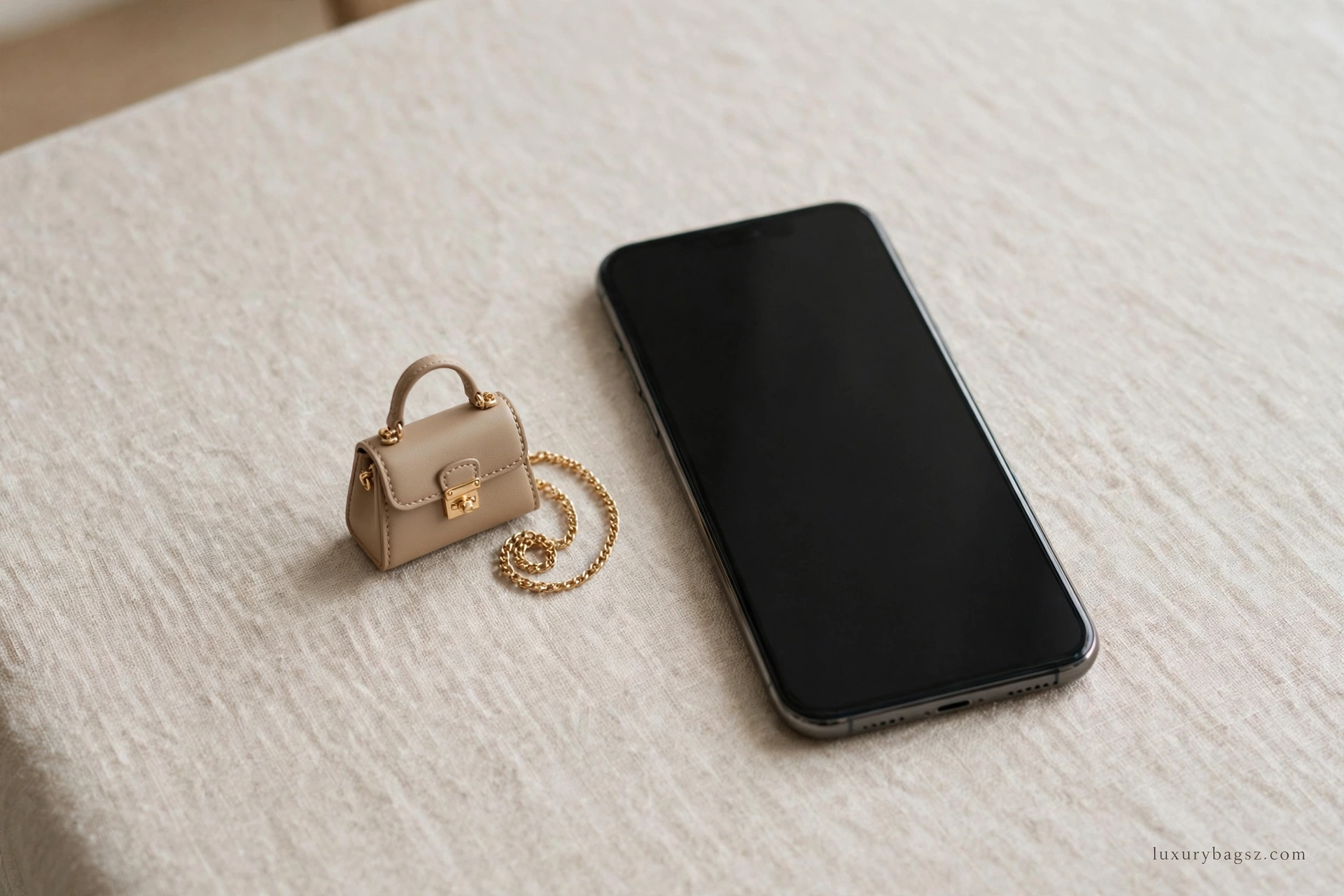
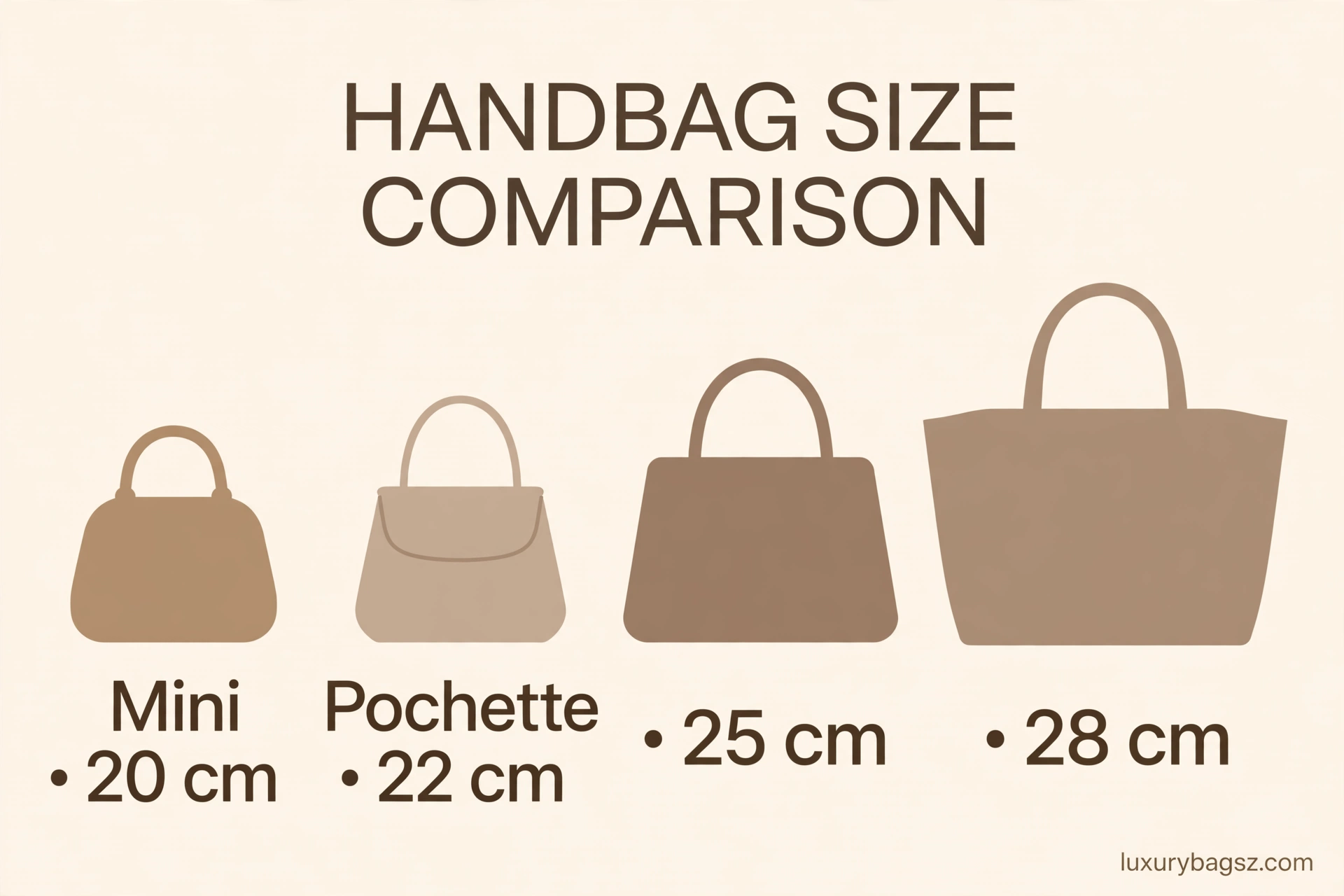
The Mini Kelly II body measures about 20 cm wide, 12 cm high and 6 cm deep, roughly 7.9 × 4.7 × 2.4 inches. The height is the body alone, with the small handle sitting above it, and the top of the bag is narrower than the base.
| Bag | Size, approximately | Best for |
|---|---|---|
| Mini Kelly II | 20 × 12 × 6 cm | Evenings, events, lightest daily carry |
| Kelly Pochette | 22 × 13 × 7 cm | Clutch carry, larger phones |
| Kelly 25 | 25 × 19 × 9 cm | Small but genuinely usable days |
| Kelly 28 | 28 × 22 × 10 cm | Classic everyday proportion |
Some guides quote the Mini Kelly at 20 × 16 × 10 cm. Those figures usually blend the handle height or the vintage body into the modern bag, which is why honest guides disagree by a centimetre or two. Judge fit by the modern body size.
Placed against its sisters, the Mini is not a slightly smaller Kelly 25. It is a different class of carry altogether, closer to a structured evening bag with a strap than to a small day bag, and your expectations should be set by that.
What Fits, Honestly
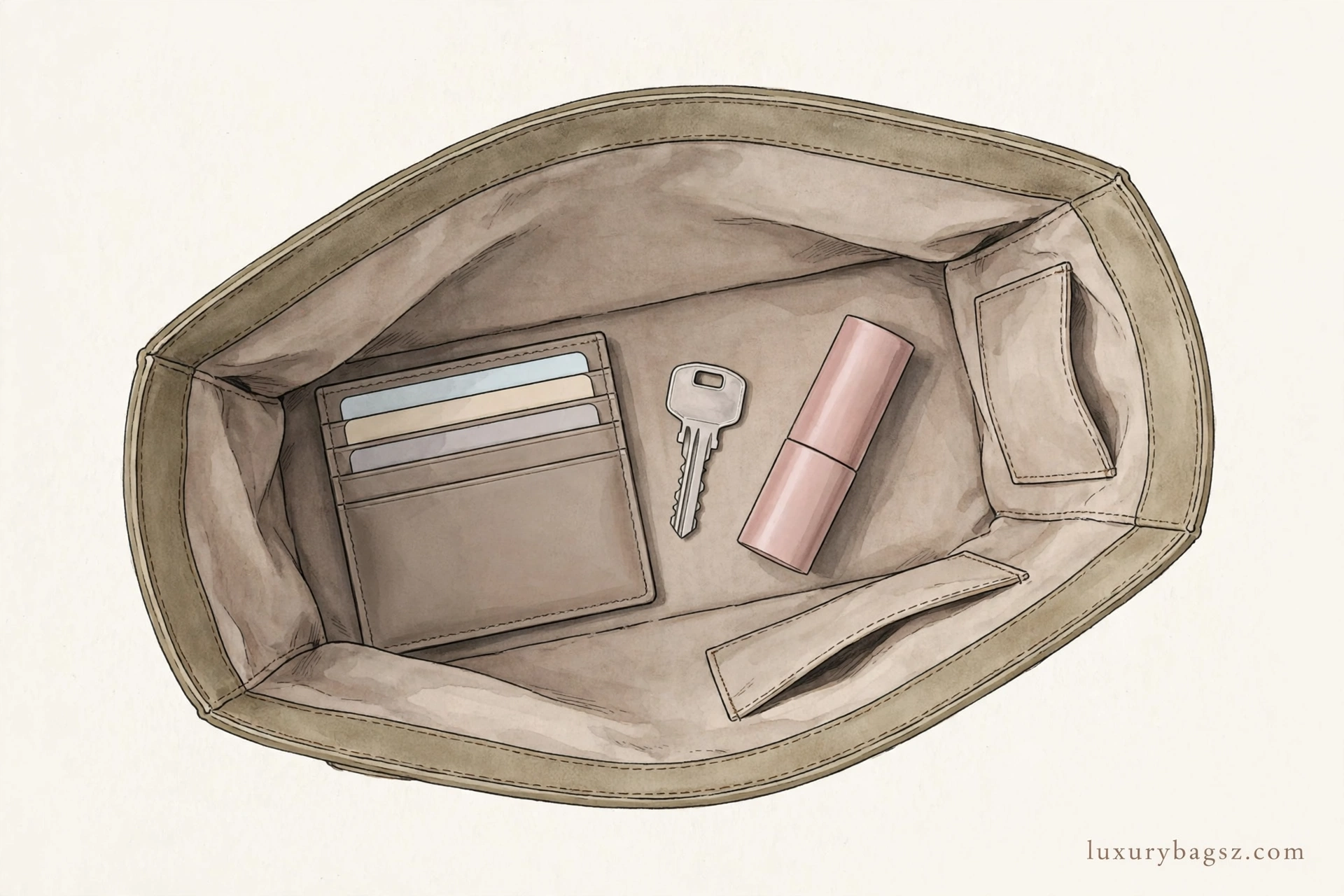
The usual load is four things: a phone, a slim cardholder, a single key or compact car fob, and a lipstick. Owners also fit AirPods or a small sanitiser in place of one item, but the total volume barely changes. This bag rewards editing.
The limit is the opening, not just the body. The top narrows, so a phone often goes in at an angle and then lies flat, pressing lightly against the sides once both sangles are fastened. A thick case or MagSafe wallet can break a load that fitted yesterday.
| Item | Practical verdict |
|---|---|
| Standard phone, slim case | Fits, with care at the opening |
| Largest phones, bare | Fits with little room left |
| Largest phones, thick case | Tight, and may strain the closure |
| Slim cardholder, such as a Calvi | Yes, the usual wallet choice |
| Single key or compact fob | Yes, if the key ring is small |
| Lipstick, AirPods, small sanitiser | Yes, one or two alongside a phone |
| Passport | Fits in a tightly edited load only |
| Full wallet | No, alongside a phone |
| Hard sunglasses case | No, alongside a phone |
| Phone, without a case | Body size, approximately | Practical verdict |
|---|---|---|
| iPhone 17 | 149.6 × 71.5 mm | Fits, and fits in a slim case |
| iPhone 17 Pro | 150.0 × 71.9 mm | Fits, and fits in a slim case |
| iPhone 17 Pro Max | 163.4 × 78.0 mm | Fits bare, with little room left |
| iPhone Air | 156.2 × 74.7 mm | Just fits; tight in a case |
| Galaxy S25 Ultra and S26 Ultra | About 163 × 78 mm | Tight bare, very tight in a case |
| Pixel 10 Pro XL | 162.8 × 76.6 mm | Tight, like a Pro Max |
Owner reports gathered in October 2026 put names to those verdicts. A bare iPhone 17 Pro Max fits with little room left, owners carry the smaller 17 Pro in slim cases, and a thick case or MagSafe wallet is what usually turns a fitting load into a strained one.
Apple lists the iPhone 18 Pro and 18 Pro Max at the same body sizes as the 17 Pro and 17 Pro Max, so the same verdicts apply. If a phone only goes in when you press on the sides, you will fight the fastened sangles every time you open the bag.
As Jessica, founder of Luxury Bagsz and a handbag specialist, I give buyers the same test I use myself: lay out what you carry on your lightest real day, not your ideal day. If that pile needs two hands to hold, the Mini Kelly is not your daily bag.
There is also an access cost. The flap, both sangles and the turn-lock must be opened for every phone check, then closed again to keep the shape. Owners who check a phone constantly often end up carrying the phone in a hand or pocket instead.
None of this makes the bag a failure. It makes it an occasion bag with a strap, superb for dinners, weddings and evenings when cards, keys and lipstick are the whole list, and frustrating only when it is asked to do a tote bag’s job.
Carrying It: Handle, Strap and Daily Life
The Mini Kelly II comes with a detachable leather strap as standard. Owners measure it at roughly 97 cm including the clips, it is fixed in length with no buckle or holes, and it gives a shoulder drop of about 47 cm on a current example.
Worn across the body it sits high, which suits many owners and bothers others. Height alone does not predict the fit, because torso length, build and coat thickness matter just as much. Try the actual strap over your usual jacket before judging it.
Owner reports show how wide the spread is. One owner at 5 ft 1 in found a strap of roughly 90 cm short, one at 5 ft 2 in preferred a 105 cm strap, and one at 5 ft 7 in also found the standard strap short, while one at 5 ft 5 in wore hers happily over a trench coat.
The top handle has a drop of only about 4 to 5 cm. It is made for fingers and elegant hand carry at an event, not for the crook of an arm, and it will not slide over a winter sleeve. Plan your carry around hand and shoulder, in that order.
- Hand carry by the small handle suits evenings and photographs best.
- Shoulder carry with the stock strap suits short trips and light coats.
- Crossbody carry sits high; taller owners often prefer a longer strap.
- Hermès sells longer straps separately, including lengths around 105 cm with small hooks made for the Mini Kelly II.
- A twilly wrapped on the handle can cover the small strap rings, so wrap with the fittings in mind.
Inside, the bag is leather-lined with one flat pocket and no zip pocket, and the base carries four small protective feet. The standard modern bag is supplied without a padlock, keys or clochette, which surprises buyers used to larger Kellys.
Leathers and Hardware Worth Knowing
Epsom, Chèvre and Madame
Epsom is the Mini Kelly leather most buyers will meet first. Its embossed grain holds the Sellier shape firmly, shrugs off light scratches and keeps the bag looking crisp, although the grain can fade where it rubs against clothes or a car seat.
Chèvre, usually Chèvre Mysore goatskin, feels softer and carries a gentle sheen. It relaxes slightly with use and looks luxurious in bright colours, but it dents more easily, so stop packing the moment the sides or flap begin to resist closing.
Madame calfskin sits between the two in feel, smooth and fine-grained, and it appears on ordinary modern bags as well as special editions. All three leathers hold exactly the same things, so the choice is about look, feel and wear, not capacity.
Box Calf and Exotic Skins
Box calf is the polished classic: smooth, glossy and firm. It scratches early in its life and then builds a patina that many collectors love, which makes it a poor match if you want a surface that stays unmarked and perfect for years.
Ostrich shows its raised quill marks, while lizard, alligator and crocodile each carry distinct scale patterns and care needs. Exotic Mini Kellys are priced in a different world at both retail and resale, so never compare an exotic price with a leather one.
For an exotic bought abroad, confirm the export paperwork before paying. Crocodile and alligator pieces need the right documents to travel legally, and a bargain that cannot be shipped or carried home lawfully is not a bargain at all.
Hardware and Colour
Most Mini Kellys carry gold or palladium hardware, with Permabrass and mixed-tone Electrum appearing on some recent bags. Gold reads warm and formal against the Sellier shape, while palladium reads cooler and more modern. Neither is worth more by itself.
Tracking of resale listings backs that up: gold and palladium examples in standard Epsom have been reported at near-identical median asking prices. Colour, condition, year and completeness move the price far more than the metal tone does.
Neutral colours such as black, gold and étoupe dominate resale listings and sell to the widest audience. Seasonal pastels and brights can command strong prices in store-fresh condition, but they suit a smaller pool of buyers when you come to resell.
Prices: Retail, as Reported
Hermès does not publish boutique prices online, so every figure here is a reported one, drawn from price trackers, resale houses and shopper reports for 2026. Treat the table as a budgeting guide, and confirm the price of any offered bag in store.
| Mini Kelly II leather | Reported US retail | Reported European retail |
|---|---|---|
| Epsom | About $11,400 | About €8,000 |
| Chèvre | About $12,400 | About €8,700 |
| Madame | About $12,400 | Not widely reported |
| Box calf | About $15,700 | About €11,000 |
| Ostrich | About $20,300 | About €14,200 |
United States prices are quoted before sales tax, while European prices include VAT. That gap matters when you compare a Paris price with a home price, because tax refunds, card fees and any import duty narrow the saving travellers expect.
One leather sits outside that table. Metallic Chèvre Chamkilight, used for the Doré and silver limited finishes, has been reported at about $14,300 in the United States and about €10,000 in Europe for 2026, between Box calf and ostrich.
Reported Epsom prices in other markets underline the tax point. Trackers report about ¥1,683,000 in Japan including tax, about C$14,300 in Canada before tax, about CNY93,050 in mainland China and about A$17,900 in Australia including GST.
In Paris, that €8,000 Epsom price has been reported at about €7,200 after the visitor tax refund, once refund fees are taken out. The refund works out at roughly 10% of the price in practice, not the full 20% VAT, before card fees and any duty at home.
The Epsom price has climbed steadily since the 2016 relaunch, when United States reports put it near $7,700. The January 2026 rise took it to about $11,400, and Hermès has signalled further yearly rises, so last year’s receipt is already out of date.
Alligator versions sit far above the leather ladder, with United States retail reported in the $35,000 to $37,000 range depending on finish. A reported crocodile figure near $53,800 also circulates, which shows how quickly exotic pricing leaves leather behind.
Our wider Hermès handbag prices guide sets the Mini Kelly against Birkin, Kelly and Constance prices for the same year, which helps if you are choosing between a Mini Kelly offer and a larger bag at a similar spend.
Resale: The Premium, Priced Plainly
The Mini Kelly carries the steepest resale premium in the Kelly family. Sotheby’s reports that pristine leather Mini Kelly II bags sell at about three times retail, with store-fresh examples holding around $30,000 on its marketplace and at auction.
Independent tracking tells the same story in ranges. One October 2026 survey of just over a hundred standard Epsom listings reported a median asking price just under $31,000, with the middle half of listings asking roughly $28,000 to $33,000.
Our own site reporting lands in the same place: Mini Kellys often trade between $28,000 and $33,000. Asking prices are not completed sales, though, and ordinary-leather bags at auction have been reported with a median nearer $25,000 including buyer’s premium.
- Retail, Epsom, reported: about $11,400 in the United States.
- Resale asking range, standard leather, reported: about $28,000 to $33,000.
- Auction results, ordinary leather, reported median: about $25,000.
- Ostrich resale, reported median asking price: just under $40,000.
- Crocodile and alligator resale: reported far higher, often above $60,000 for sought-after pieces.
Condition moves resale money more than any other single factor. Corners, handle edges, interior marks and hardware scratches are read closely by buyers, and recent production years ask more than older ones in the same leather and colour.
Two cautions keep those ranges honest. First, a median hides the spread: the same tracking that produced a near-$31,000 median also recorded individual bags asking several thousand either side of it. Second, asking prices move with fashion and stock, so a range reported this season is a snapshot, not a promise about the season your own bag sells.
Vintage money sits lower for ordinary leather. Tracking of pre-2009 Mini Kelly listings in October 2026 reported a median asking price of about $21,183, with the middle half asking roughly $19,411 to $22,400, well below the modern Epsom median.
Edition medians show the same split in the other direction. The same October 2026 tracking reported Touch examples at a median asking price of about $42,959, and crocodile and alligator examples at a median of about $76,376, mixing species, finishes and years.
Special editions break the ranges entirely. Touch bags with exotic accents, Verso colour combinations and metallic finishes have all been reported well above standard-leather money, while a worn or incomplete standard bag can sit below the reported range for months.
Boutique Reality: Quota, Wishes and Offers
The Mini Kelly is a quota bag. Hermès sells Kelly, Birkin and Constance handbags in boutiques only, never through its website, and boutiques commonly limit each client to two Birkin and Kelly purchases combined in a calendar year.
A limit is a ceiling, not a promise. Being allowed two quota bags does not mean two will be offered, and the Mini Kelly is produced in such small numbers that many experienced clients wait a long time for this exact size.
The working route is a wish, clearly stated. Tell your sales associate that you want a Mini Kelly II, name the leathers and colours you would genuinely accept, and keep the wish current, because boutiques can only offer against the wishes they hold.
Shoppers often ask about pre-spend, and the honest answer is that Hermès publishes no target and guarantees nothing. Collected shopper reports put typical other purchases at roughly one and a half to three times the bag’s price, with wide variation either way.
Those same reports include first-bag offers and same-day purchases alongside clients who spent heavily and still waited over a year. Read any fixed spend figure promised by a stranger as marketing, and build a boutique relationship you enjoy for its own sake.
Wait times in those reports were long even when offers came. Among nine shopper reports that gave a clear time from wish to offer, the median wait was six months, and the middle half waited between three and twelve months, so plan in seasons, not weeks.
Buying abroad does not reset the limit. Paris shoppers have reported boutique staff seeing their United States quota purchases, so treat the two-bag ceiling as one allowance in practice, not a fresh allowance in every country you visit.
In Paris, the leather appointment system lets you request an appointment the day before a visit and ask for a Mini Kelly during it. The appointment opens a conversation only. Visitors regularly leave Paris appointments without a quota bag offer, however hopeful the morning felt.
The Paris system runs to a timetable. Applications are made the day before the visit you want, between 10:30 a.m. and 7 p.m. Paris time, for the Faubourg Saint-Honoré, Sèvres and George V boutiques, and success still depends on the stock held that day.
That reality is why resale exists at the prices it does. Buyers pay the premium to choose the exact leather, colour and hardware now, rather than waiting for an offer that may arrive in a colour they never wanted, or may not arrive at all.
How to Phrase Your Wish
Keep the wish narrow enough to be remembered and wide enough to be filled. Name the Mini Kelly II first, then two or three colours you would accept without hesitation, then the leathers in order, and finally the hardware you prefer.
Say plainly which answers are a firm no. An offer in a colour you dislike helps nobody: you decline a scarce bag, the boutique records a refusal, and the client behind you in the associate’s mind may be offered the next one instead.
Refresh the wish when your taste changes, and mention it naturally when you visit rather than opening every conversation with it. Associates work from current wishes and current relationships, and a clear, patient, up-to-date wish is the strongest tool a buyer actually controls.
Mini Kelly vs Kelly Pochette vs Regular Kelly
Three bags are confused constantly, so here is the honest split. The Mini Kelly II is a tiny handbag with a strap. The Kelly Pochette is a longer clutch with no strap. The regular Kelly, from the 25 upwards, is a working handbag in miniature’s clothing no longer.
| Bag | Size and retail, reported | Carry | Choose it if |
|---|---|---|---|
| Mini Kelly II | 20 × 12 × 6 cm; about $11,400 in Epsom | Hand, shoulder, high crossbody | You carry four small things and love the shape |
| Kelly Pochette | About 22 × 13 × 7 cm; about $8,250 in Swift | Hand and clutch only | You need a larger phone to fit easily |
| Kelly 25 | 25 × 19 × 9 cm; about $13,700 | Hand and shoulder strap | You need a wallet and pouch as well |
| Kelly 28 | 28 × 22 × 10 cm; about $14,400 | Hand and shoulder strap | You want a true everyday Kelly |
The Pochette surprises people. Its longer, softer body can swallow a large phone that will not pass the Mini Kelly’s narrow opening, and owners who live on a big phone often find the cheaper clutch the more practical evening bag of the two.
The Kelly 25 is the honest everyday answer for most Mini Kelly admirers. It costs about $2,300 more than the Mini at reported United States retail, offers Sellier or Retourne, and is supplied with the padlock, keys and clochette the Mini does without.
Two smaller Hermès alternatives solve different problems. The Kelly To Go, reported at about $7,200 in Epsom, is a flat wallet on a strap with card slots that holds a large phone easily, while the Constance 18, reported at about $10,600, offers a sliding strap and an H clasp.
The Lindy II mini, reported at about $9,050 in Clemence, is deeper at about 19 × 13 × 9.5 cm, with extra pockets, so it carries more kindly than the Mini Kelly. None of the three gives you the tiny Sellier Kelly shape, which is the trade you are making.
Choose the Mini only when its limits are the point: the jewel-like scale, the photograph-friendly shape and the discipline of carrying almost nothing. Chosen that way, it delights. Chosen as a small day bag, it disappoints within a week.
Buying Pre-Owned: Checks That Matter
With more than ten years in the bag industry and over 500 bags examined, my first rule for a pre-owned Mini Kelly is generation before price. Confirm the bag is the modern II, or knowingly the vintage I, before you compare it with any other listing.
I personally check every bag the same way: shape first, then stitching, hardware, corners and interior. On a Sellier Mini, the edges should be crisp and even, the saddle stitching regular, and the turn-lock action clean, with no wobble or grinding.
- Check the four corners and handle edges first, where Sellier wear shows earliest.
- Confirm the original detachable strap is included; a missing strap changes how the bag carries and what it is worth.
- Do not demand a padlock, keys or clochette on a standard Mini Kelly II, because it was never supplied with them.
- Photograph and check the blind stamp beside the interior pocket, remembering that a correct stamp alone proves nothing.
- Ask for clear photographs of the branding, stitching, glazing, hardware engraving, interior and strap clips before paying.
- Get the condition report, included accessories, total payable amount and return terms in writing.
Technology helps, used properly. I use Entrupy, including its microchip checks where a bag carries one, alongside hands-on checks of leather, engravings, stitching, hardware and date codes. No single test authenticates a bag; the whole bag has to agree with itself.
My years visiting leather factories in Spain and France, where leather for the great houses is made, taught me to read grain and finish before logos. A Mini Kelly in the wrong leather behaviour, however neat its stamp, fails at that first honest look.
For the full routine, read our guide on how to spot a fake Kelly bag, then apply it with one Mini Kelly adjustment: judge the bag against a Mini Kelly II checklist, not a larger Kelly’s, or you will flag genuine bags as wrong.
Buy seller protection as carefully as the bag. Prefer sellers who give a written authenticity guarantee with real recourse, understand that an authenticity refund and an ordinary return are different promises, and at auction add buyer’s premium, tax and shipping to your bid.
Care for a Tiny, Structured Bag
Store the Mini Kelly dry, out of prolonged sunlight and heat, with light support inside that holds the shape without pushing the sides out. Overstuffing in storage does the same slow damage as overstuffing in use, and Sellier corners remember every insult.
Match care to leather. Epsom needs watching at rub points, Chèvre needs protection from dents and pressure marks, and Box calf needs acceptance that early scratches are part of its story. Skip home conditioners and guesswork creams on all three.
Hermès boutiques handle repairs, including cleaning, restitching and hardware polishing, after examining the bag and quoting a price and a wait. Not every stain or dent can be removed, so prevention, a dust bag and a dry shelf will always beat repair.
Rotate the bag rather than carrying it daily for months. Even Epsom, the hardiest Mini Kelly leather, benefits from rest days away from friction and weather, and a small rotation keeps corners, glazing and hardware looking fresh far longer than constant use ever will.
Special Editions and the Names on Listings
Resale listings carry extra words that change the price, and each one means something specific. Verso means a contrasting interior lining. HSS marks a special order placed by an invited client. The two are often confused, and they are not the same thing.
Touch editions pair a leather body with exotic accents on the handle, sangles or flap. Picnic versions use a woven wicker body with leather trim. Teddy editions add shearling and suede. Each changes the bag’s care needs as much as its looks.
Metallic Chèvre Chamkilight finishes, in gold Doré and silver tones, arrived as modern limited editions and have been reported at auction well above standard-leather results. Studded Clouté editions and colour-panel Casaque versions sit in the same collector territory.
Judge every edition on its own measurements and materials. A Picnic or Teddy body does not inherit the standard bag’s exact size or care rules, and a listing that prices an edition like a standard Epsom bag, or the reverse, deserves slow, careful questions.
Colour works quietly underneath all of this. Tracking of current listings finds black, étoupe and gold among the most commonly offered colours, which is another way of saying neutrals dominate supply because neutrals dominate what boutiques order and clients accept.
One more name causes real confusion: the Micro Kelly, at about 15 cm, is a separate tiny collector bag, and Kelly charms are smaller still. A listing using mini loosely may describe any of these, so measurements, not names, should settle what you are buying.
Who the Mini Kelly Suits, and Who It Frustrates
The happiest Mini Kelly owners share one habit: they already carried almost nothing before the bag arrived. Their phone, cards and keys were the whole load, so the bag changed nothing about their day except adding a beautiful object to it.
Collectors suit it too. As a second or third Kelly, the Mini does not need to earn its keep daily. It can be the evening bag, the event bag and the colour experiment, while a Kelly 28 or a tote quietly handles the heavy weekdays.
- Weddings and formal dinners, where a phone and lipstick are the whole list.
- Gallery evenings, theatre trips and smart restaurants.
- Short daytime outings where your phone lives in your hand anyway.
- Travel days as the small bag inside a larger carry-on, used at the destination.
- Photograph-led occasions, where the bag is honestly part of the outfit.
The frustrated owners share habits too. They carry a full wallet out of routine, wear a bulky phone case, keep sunglasses in a hard case, or open their bag thirty times a day. Each habit fights this bag’s design, and the fight never improves with practice.
There is a middle group worth naming: buyers who love the look and accept a changed routine. They move to a cardholder, slim their keys to one fob and carry their phone in a coat pocket. For them the Mini Kelly works, as a deliberate daily discipline.
Be honest about which group you are in before money moves. At boutique retail the lesson is merely expensive. At resale levels near three times retail, buying the wrong group membership is one of the costliest mistakes in the whole Hermès market.
Buying Routes Compared: Boutique, Reseller and Auction
Route one is the boutique, covered above: cheapest by far at a reported $11,400 in Epsom, slowest by far in practice, and entirely outside your control. Choose it if you enjoy the boutique relationship and can accept the colour and timing you are given.
Route two is the established reseller. You pay the reported resale range, roughly $28,000 to $33,000 for standard leather, but you choose the exact bag, see its photographs and stamp, and carry it home this week. For most Mini Kelly buyers, this is the real market.
Route three is auction. Reported results for ordinary-leather Mini Kellys have centred lower than dealer asking prices, with a median around $25,000 including buyer’s premium, but stock is unpredictable and the exact colour you want may not appear for months.
- Boutique: lowest price, longest wait, no choice of timing.
- Reseller: highest certainty, exact specification, premium price.
- Auction: sometimes softer prices, no certainty the right bag appears.
- Private sale: occasionally keen prices, weakest buyer protection of all.
Whichever route you take, the paperwork habits stay the same. Keep the receipt or invoice, the condition report and clear photographs from the day of purchase. A complete, well-documented file is part of what the next buyer pays for when you resell.
Budget beyond the bag as well. Insurance for a piece at this level, safe storage and occasional professional cleaning are real running costs, and an exotic Mini Kelly adds paperwork and care costs that a leather bag never asks of its owner.
Frequently Asked Questions
What size is the Mini Kelly?
The modern Mini Kelly II body measures about 20 × 12 × 6 cm, roughly 7.9 × 4.7 × 2.4 inches, excluding the handle. The vintage Mini Kelly 20 was deeper, at about 20 × 14–15 × 9–9.5 cm, so always confirm which generation a listing describes.
How much is a Mini Kelly in 2026?
Reported United States retail is about $11,400 in Epsom, about $12,400 in Chèvre or Madame, about $15,700 in Box calf and about $20,300 in ostrich, all before tax. Resale guides commonly report standard-leather bags trading around $28,000 to $33,000.
Does a phone fit in a Mini Kelly?
A standard phone in a slim case fits, usually entered at an angle through the narrow opening. The largest phones fit bare with little room left, but a thick case or attached wallet can strain the fastened sangles, so test your own phone before buying.
Does the Mini Kelly come in Retourne?
The modern Mini Kelly II is made in Sellier construction only, with crisp outside stitching and a rigid shape. Vintage Retourne Mini Kellys exist but are described by auction houses as exceedingly rare, so a soft modern example needs careful expert checking.
Is the Mini Kelly a quota bag?
Yes. It counts as a Kelly quota bag, is sold in boutiques only and is never offered on the Hermès website. Boutiques commonly limit clients to two Birkin and Kelly purchases combined per year, and an offer is never guaranteed, however much you spend.
Does the Mini Kelly come with a lock and clochette?
No. The standard modern Mini Kelly II is supplied with its detachable strap, but no padlock, keys or clochette. A resale listing without a lock set can therefore be complete and correct, while a missing original strap is a genuine fault to price in.
Mini Kelly or Kelly Pochette: which should I choose?
Choose the Mini Kelly for the tiny handbag shape, the top handle and strap carry. Choose the Pochette if a large phone must fit easily and you are happy with clutch carry only. Choose a Kelly 25 instead if a wallet and pouch must travel with you daily.
Final Verdict
The Mini Kelly is the Kelly distilled to jewellery scale: beautiful, exacting and honest about its limits. At a reported $11,400 retail in Epsom it is not cheap, and at reported resale levels around $28,000 to $33,000 it demands a buyer who truly wants this bag.
If you carry a phone, cards, keys and a lipstick, and the sight of that tiny Sellier shape still makes you smile, buy the best-checked example you can find and carry it often. If your daily pile is bigger, let the Kelly 25 carry it, and admire the Mini from a happy distance.