Iconic Louis Vuitton Collaborations: Sprouse, Murakami, Kusama, Supreme and More
When a Trunk Maker Met the Artists: The Collaborations in Brief
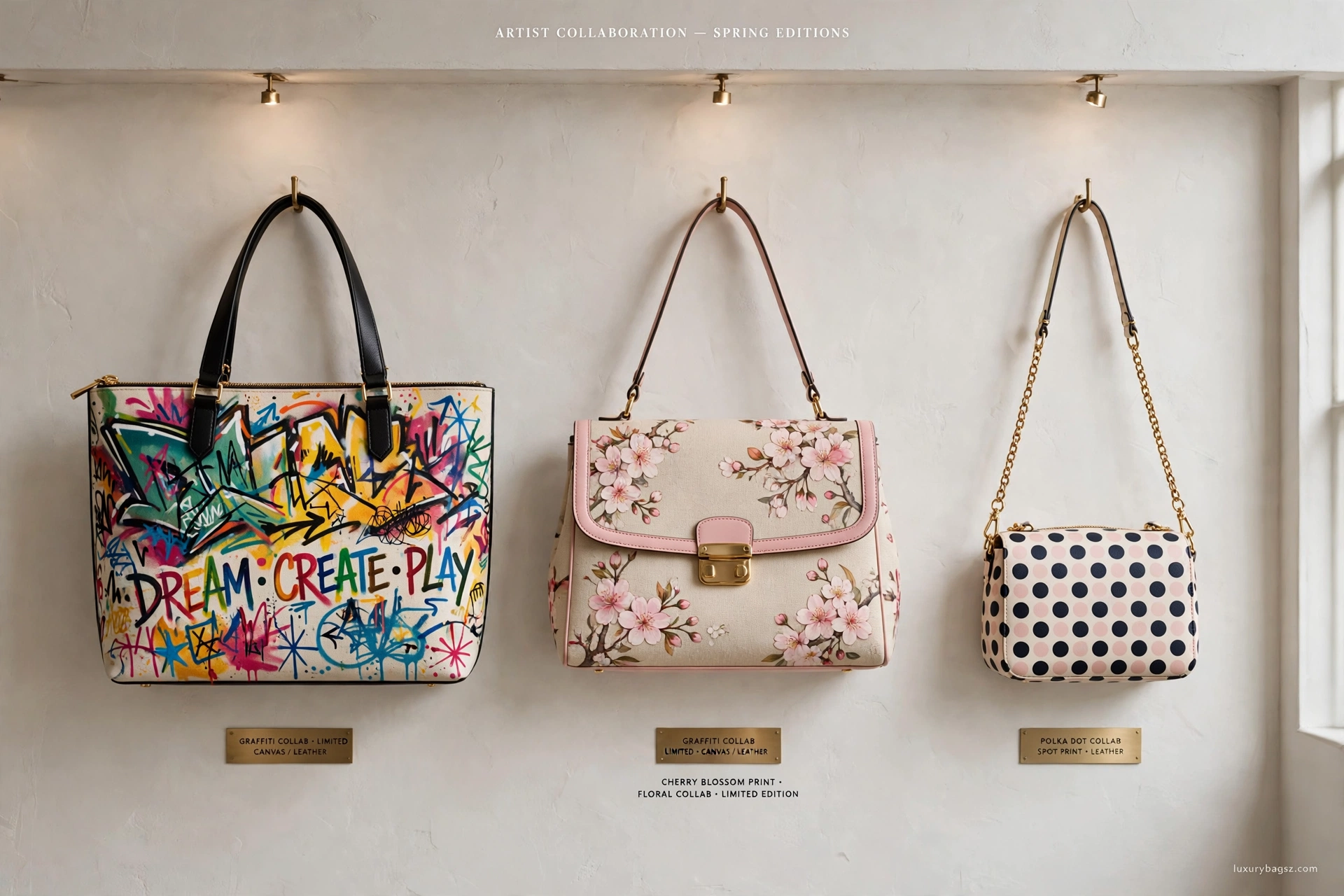
Louis Vuitton's iconic collaborations began under Marc Jacobs, who invited artists to redraw the monogram: Stephen Sprouse's graffiti in 2001, then Takashi Murakami's Multicolore in 2003, which ran for over a decade. Yayoi Kusama's dots followed in 2012 and returned in 2023, Richard Prince joked with the canvas in 2008, and Supreme fused luxury with streetwear in 2017. Only these documented chapters count as icons.
Key Takeaways
- Marc Jacobs opened the monogram to artists, starting with Sprouse in 2001.
- Murakami's Multicolore, from 2003, became the defining collaboration era.
- Kusama's dots arrived in 2012 and returned in a huge second chapter in 2023.
- Richard Prince and Jeff Koons brought fine-art copying itself into the bags.
- Supreme in 2017 turned a past legal dispute into a landmark collection.
- Re-editions, including Murakami's return in 2025, prove the icons still sell.
Before the Artists: A Canvas Nobody Touched
For most of its life, Louis Vuitton guarded its monogram canvas, created in 1896, as a fixed signature. Bags changed shape; the brown and gold pattern stayed above alteration. That made commercial sense for a trunk maker built on recognition. The canvas was the brand, and brands did not invite outsiders to scribble on their own logos. The change needed a creative director with an artist's Rolodex and a board willing to risk the sacred pattern. Both arrived with Marc Jacobs, who took over in 1997.
Jacobs had form here: he admired Sprouse from New York's downtown scene, and the invitation was a fan's tribute as much as a commercial plan. The fashion press treated it as a genuine event.
Crucially, the graffiti respected the canvas beneath it. The monogram stayed legible under the writing, so the bag read as both houses at once — the formula every later chapter reused.
Stephen Sprouse, 2001: Graffiti Over the Monogram
Jacobs invited New York artist Stephen Sprouse to write over the monogram in graffiti lettering, including the words Louis Vuitton in a sprayed, neon-edged hand. It shocked purists completely. The Sprouse bags of 2001 are now read as the starting gun of modern luxury collaboration: an artist's mark laid directly over the house's most protected asset, sold as a limited line. Sprouse's roses followed in 2009, after his early death had already given the first chapter a memorial glow. Original graffiti pieces remain among the most collected of all Vuitton editions.
Takashi Murakami, 2003: The Multicolore Decade
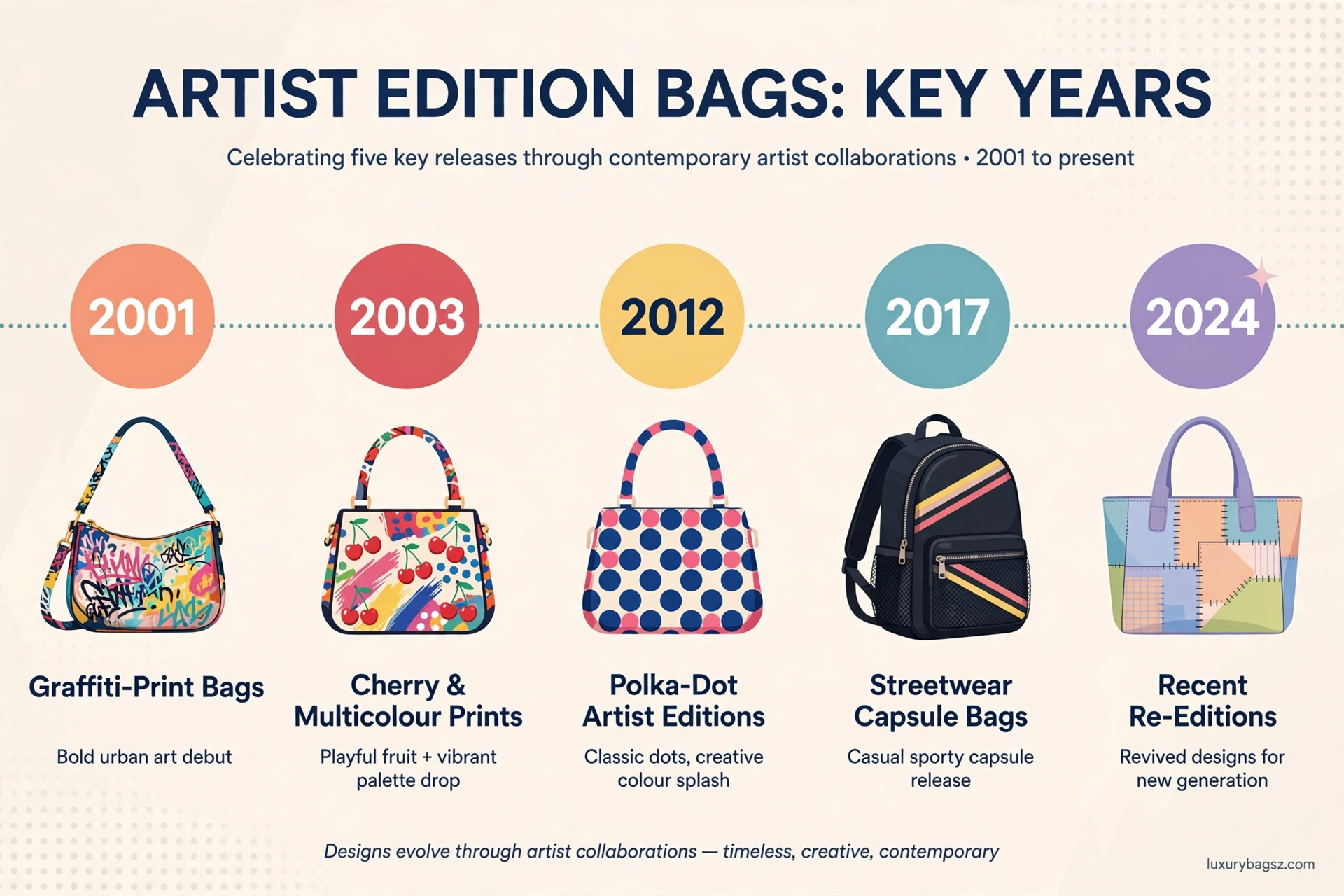
Murakami recoloured the monogram in 33 colours on white or black canvas for spring 2003. Multicolore Speedys and accessories became the defining bags of the early 2000s almost overnight. The partnership kept giving: Cherry Blossom, Cerises cherries, Panda and Monogramouflage followed across a run that lasted until the line was retired in 2015, an unusually long collaboration. Our dedicated guide to the Louis Vuitton Murakami multicolour line covers the motifs and bags in full, including the 2025 re-edition that brought the colours back.
Kusama's own retail theatre matched the bags: dotted storefronts and giant figures of the artist announced the 2012 launch, making the collaboration visible far beyond fashion pages.
The 2023 chapter added painted-dot effects meant to look hand-applied, plus pumpkin-shaped pieces honouring her most famous motif. Prices and scale both rose sharply between chapters.

Yayoi Kusama, 2012 and 2023: The Dots Take Over
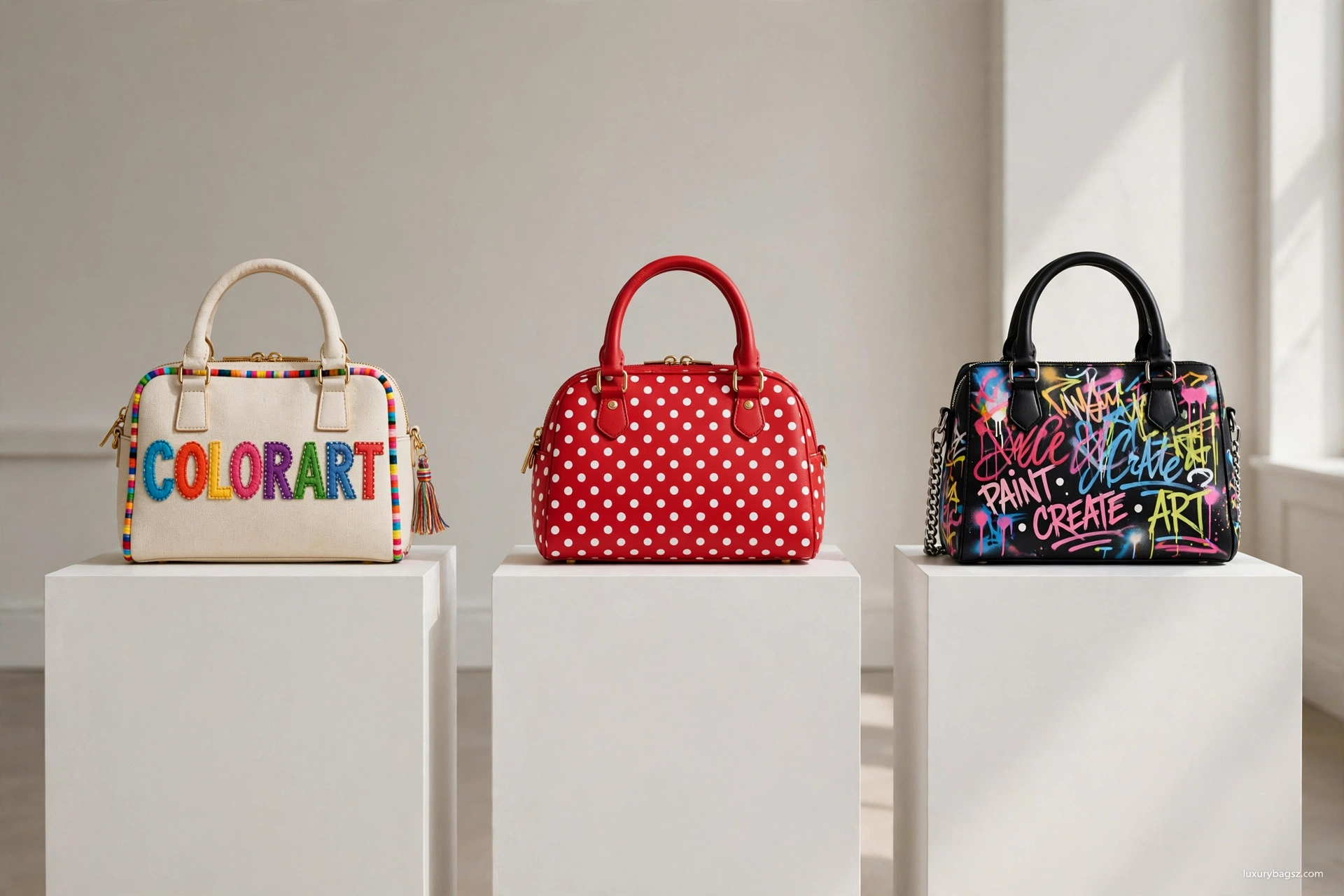
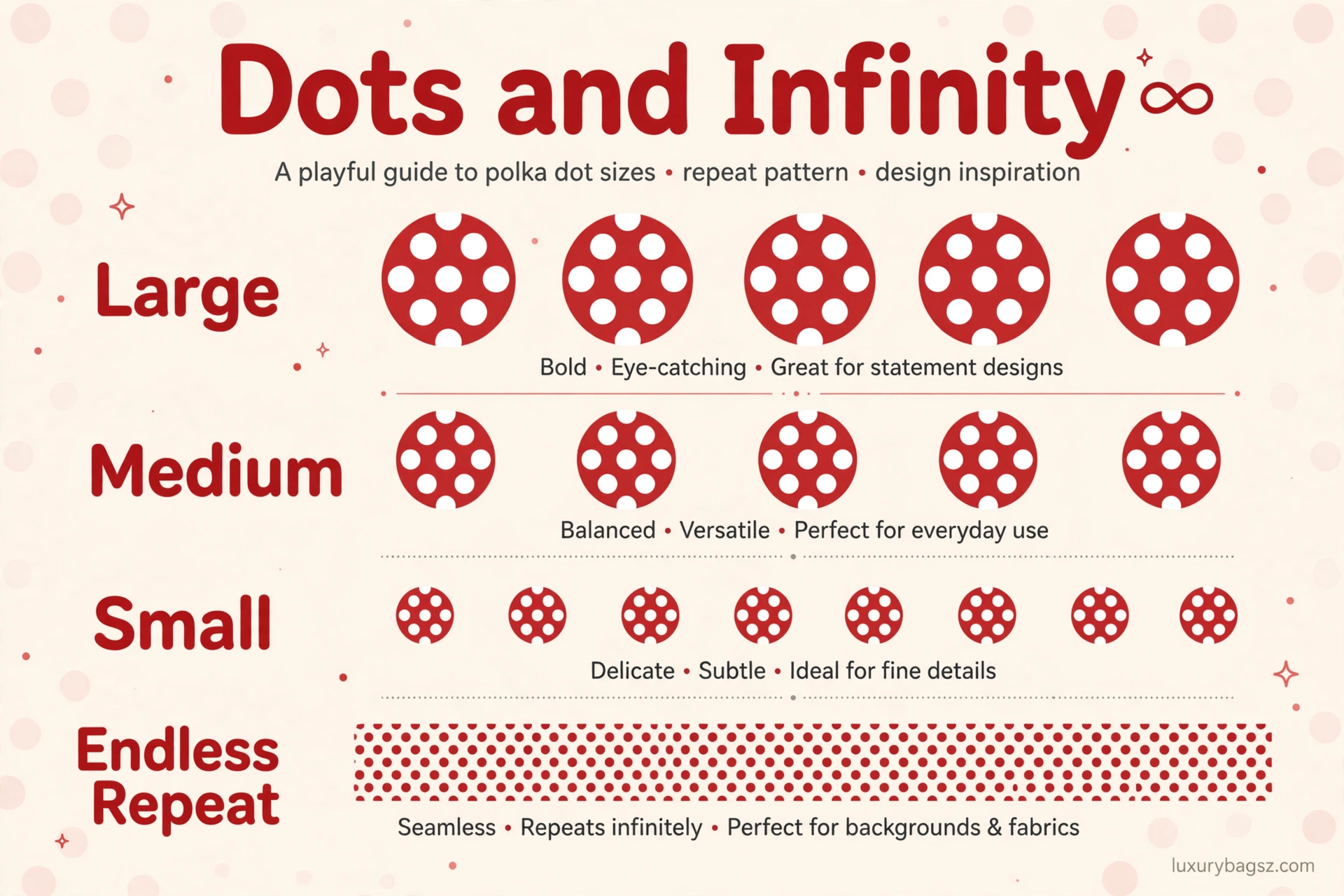
Kusama covered Vuitton in her signature polka dots and infinity nets in 2012, across bags, clothes and shoes. Jacobs had met the artist in 2006 and championed the pairing personally. The second chapter in 2023 was far larger, with hundreds of products, painted-dot effects, pumpkin motifs and storefronts transformed into Kusama installations around the world. See our guide to the Louis Vuitton Yayoi Kusama line for the bags of both chapters and how to tell the two eras apart when buying.
Richard Prince and Jeff Koons: Art About Copying
For 2008, Richard Prince brought his nurse paintings and jokes to the canvas, with watercolour effects and text printed across bags that blurred handbag and artwork deliberately. Jeff Koons followed in 2017 with the Masters collection, printing old master paintings — da Vinci, Van Gogh and others — onto bags, with the artists' names in bold metallic lettering. Our notes on the Louis Vuitton Richard Prince pieces explain why that 2008 chapter still divides collectors: it is the most conceptual of all the collaborations.
The collection's menswear framing matters: this was a men's runway debut, with womenswear interest arriving through resale and styling coverage rather than the original drop.
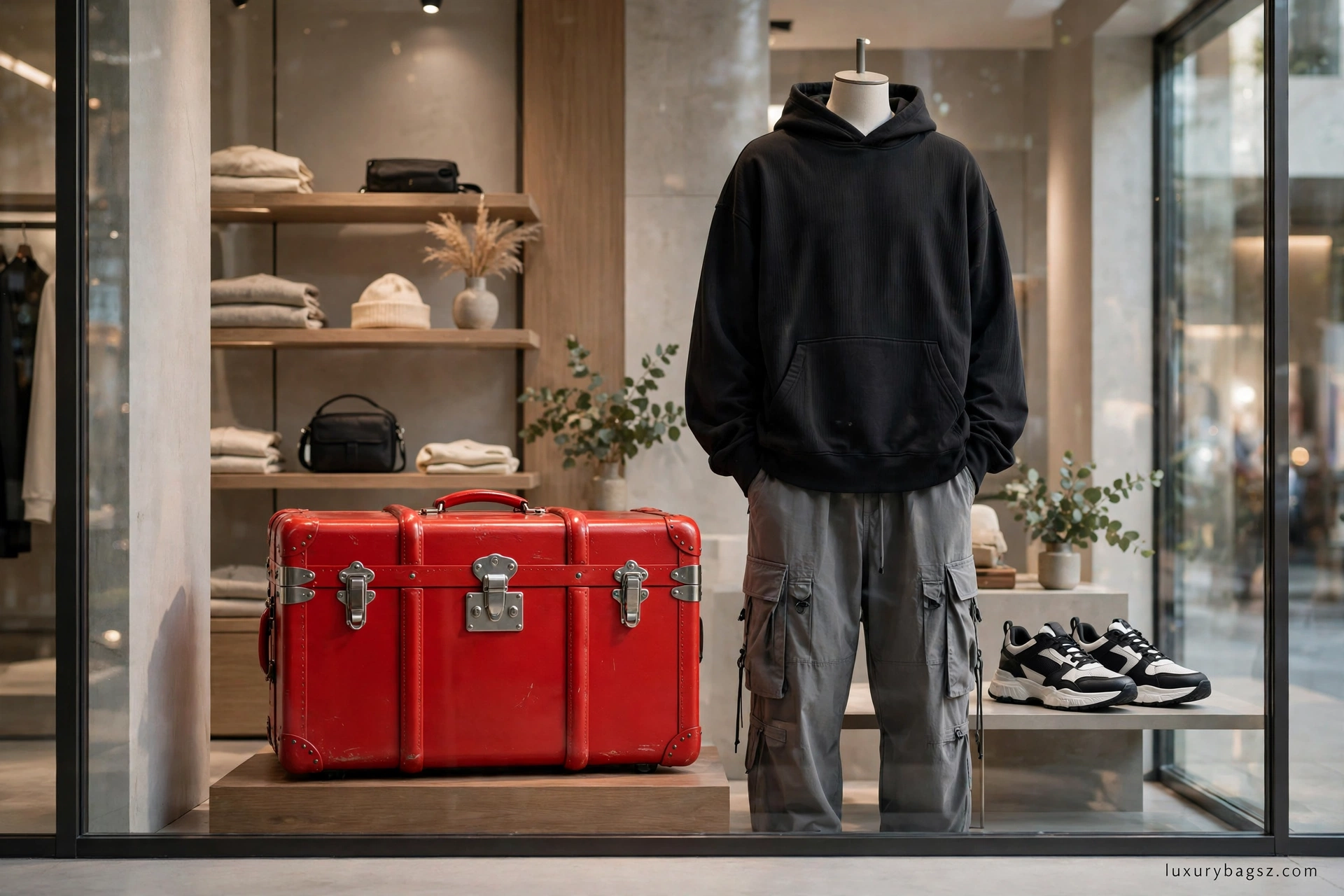
A red monogram trunk from the chapter became the era's trophy object, photographed everywhere and resold at multiples of retail — the clearest proof of the formula's power.
Supreme, 2017: From Lawsuit to Landmark
In 2000, Vuitton had taken legal action over Supreme's monogram-style skateboard graphics. In January 2017, under menswear designer Kim Jones, the two launched a full official collection. Red box logos met monogram canvas across bags, clothes and trunks, sold through pop-ups rather than ordinary stores. The drop sold out and resale prices climbed immediately and steeply. It remains the template for luxury-streetwear collaboration: two audiences, one product, and scarcity managed like a release calendar rather than a fashion season.
Chapter knowledge protects buyers. Multicolore canvas colours differ between the 2003 originals and the 2025 re-edition, and hardware and linings changed too; learn your chapter before paying for it.
Buy the motif you love, in the best condition you can find, from a seller who guarantees authenticity in writing. Fame inflates prices; condition is what you actually live with.
Collecting Collaboration Bags Today
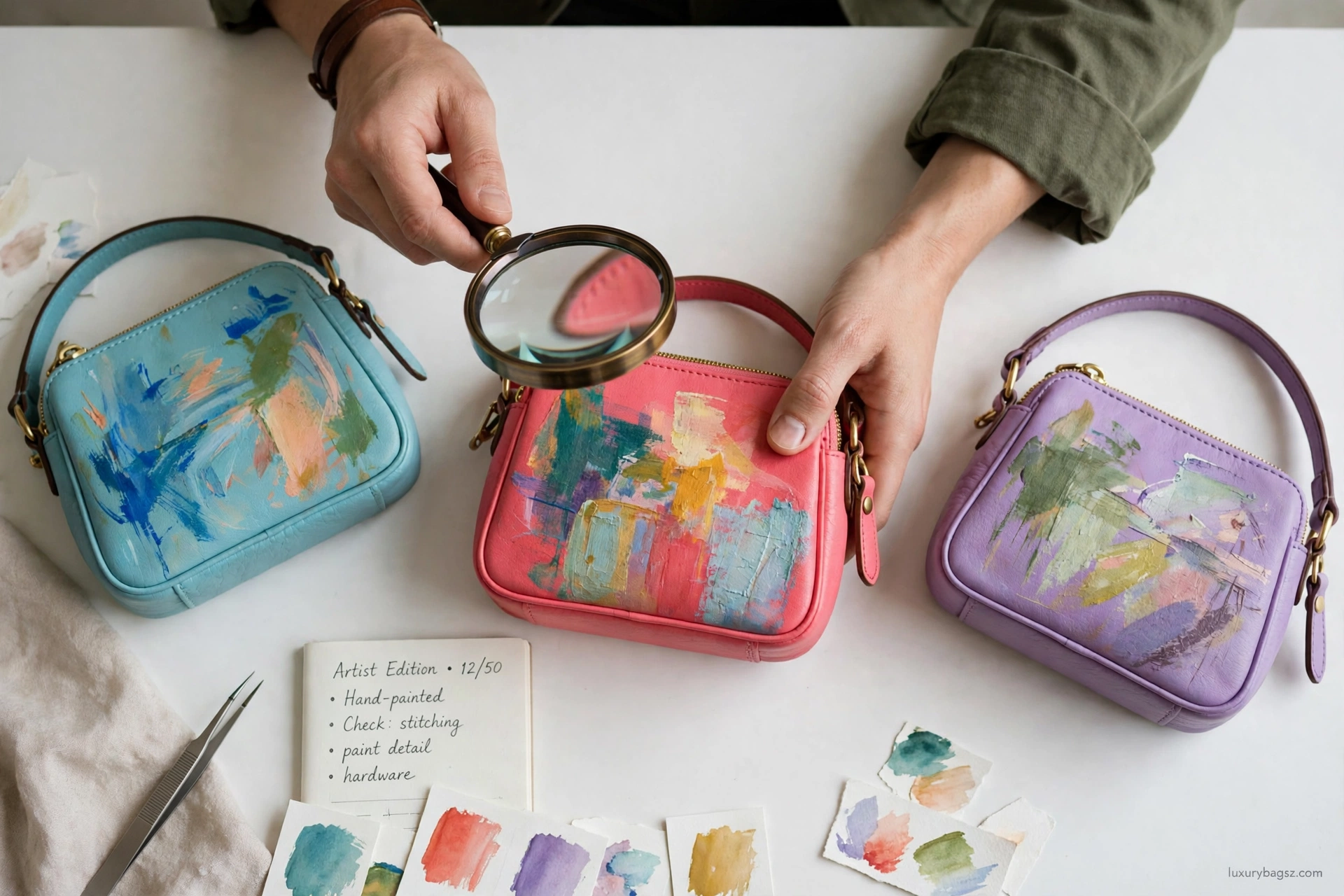
Buy documentation before decoration. Date codes or microchips, receipts, boxes and the correct canvas colours for the chapter matter more than a seller's story about rarity. Check print registration and colour against known genuine examples; collaboration canvas is heavily faked, and Multicolore and Supreme pieces are among the most copied bags in resale. Condition rules value here. Bright white Multicolore canvas that has yellowed, or Kusama dots with print wear, should be priced as the flaws they are, however famous the chapter.
Why These Chapters Still Matter
The collaborations rewrote what a heritage house could do. After Sprouse and Murakami, artist editions became a standard luxury strategy, copied across the industry for two decades. They also changed the monogram's meaning. Read the full arc in our Louis Vuitton monogram story, from 1896 trademark defence to a canvas artists are invited to play with. The 2023 Kusama return and the 2025 Murakami re-edition close the loop: the icons are now heritage themselves, reissued to a generation that first met them as vintage.
Smaller artist projects sit between these giants — monogram reinterpretations by designers and architects among them — but the five chapters here are the ones that changed the market.
That selectivity is deliberate. Calling everything iconic empties the word; these are the collaborations other houses measured themselves against for twenty years.
Frequently Asked Questions
What was the first iconic Louis Vuitton collaboration?
Stephen Sprouse's graffiti collection of 2001, under Marc Jacobs, is generally treated as the first: the artist's handwriting sprayed directly over the protected monogram canvas.
When did the Murakami Multicolore bags launch?
For spring 2003. Murakami set the monogram in 33 colours on white or black canvas, and the partnership continued with further motifs until the line retired in 2015.
Did Kusama collaborate once or twice?
Twice: a first collection in 2012 and a much larger second chapter in 2023, spanning hundreds of products with dots, painted effects and pumpkin motifs.
Why is the Supreme collaboration famous?
Because the two brands had history: Vuitton sued over Supreme's monogram-style graphics in 2000, then launched an official collection with it in 2017 that sold out instantly.
Who was creative director for the artist era?
Marc Jacobs, who led Louis Vuitton from 1997 to 2013, began the artist collaborations. Kim Jones led menswear for the Supreme chapter in 2017.
What did Richard Prince do for Vuitton?
For 2008 he brought his nurse paintings, jokes and watercolour treatments to the bags, printing text and imagery across the canvas in a deliberately conceptual chapter.
Are collaboration bags good investments?
The strongest chapters hold value well, but condition and authenticity decide everything. Heavily faked lines demand expert verification before any investment talk.
What is the Jeff Koons Masters collection?
A 2017 collaboration printing old master paintings onto bags, with the painters' names in large metallic letters and details referencing Koons's own work.
Why did Murakami return in 2025?
The house reissued the Murakami designs in a multi-chapter re-edition from January 2025, marking roughly twenty years since the original launch and meeting proven demand.
How can I avoid fake collaboration bags?
Verify codes or chips, print colours and registration against genuine references, and buy from sellers who authenticate. Multicolore and Supreme pieces are faked at huge scale.
Final Verdict: Five Chapters Every Collector Should Know
Sprouse broke the rule, Murakami built the era, Kusama dotted it twice, Prince and Koons questioned it, and Supreme took it to the street. Learn those five documented chapters — with dates, motifs and checks — and you understand both Louis Vuitton's modern history and the collaboration age it started.