Louis Vuitton Murakami Multicolor Collection: History, Bags, Colours, and Pre-Owned Checks
The Rainbow Monogram That Defined an Era
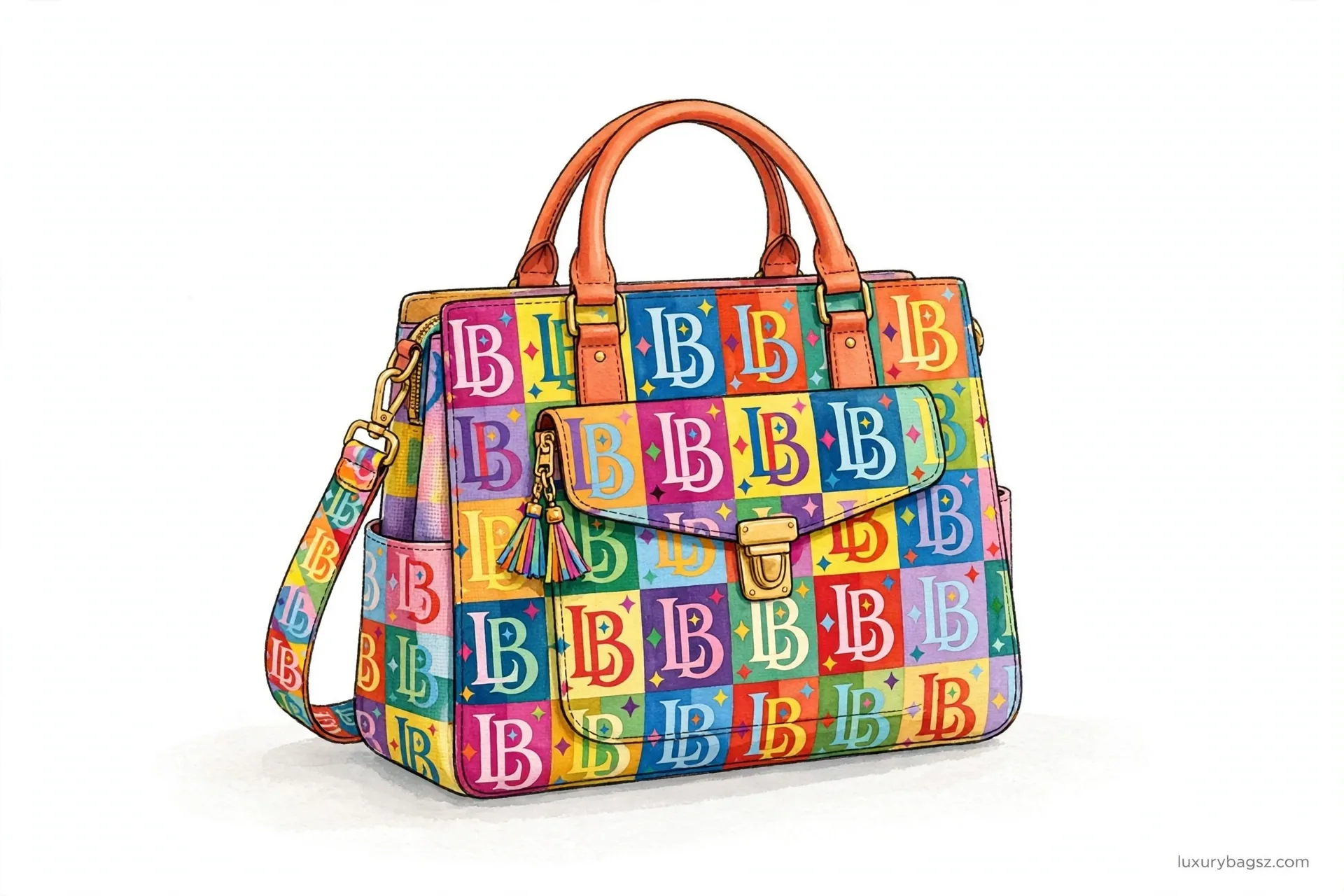
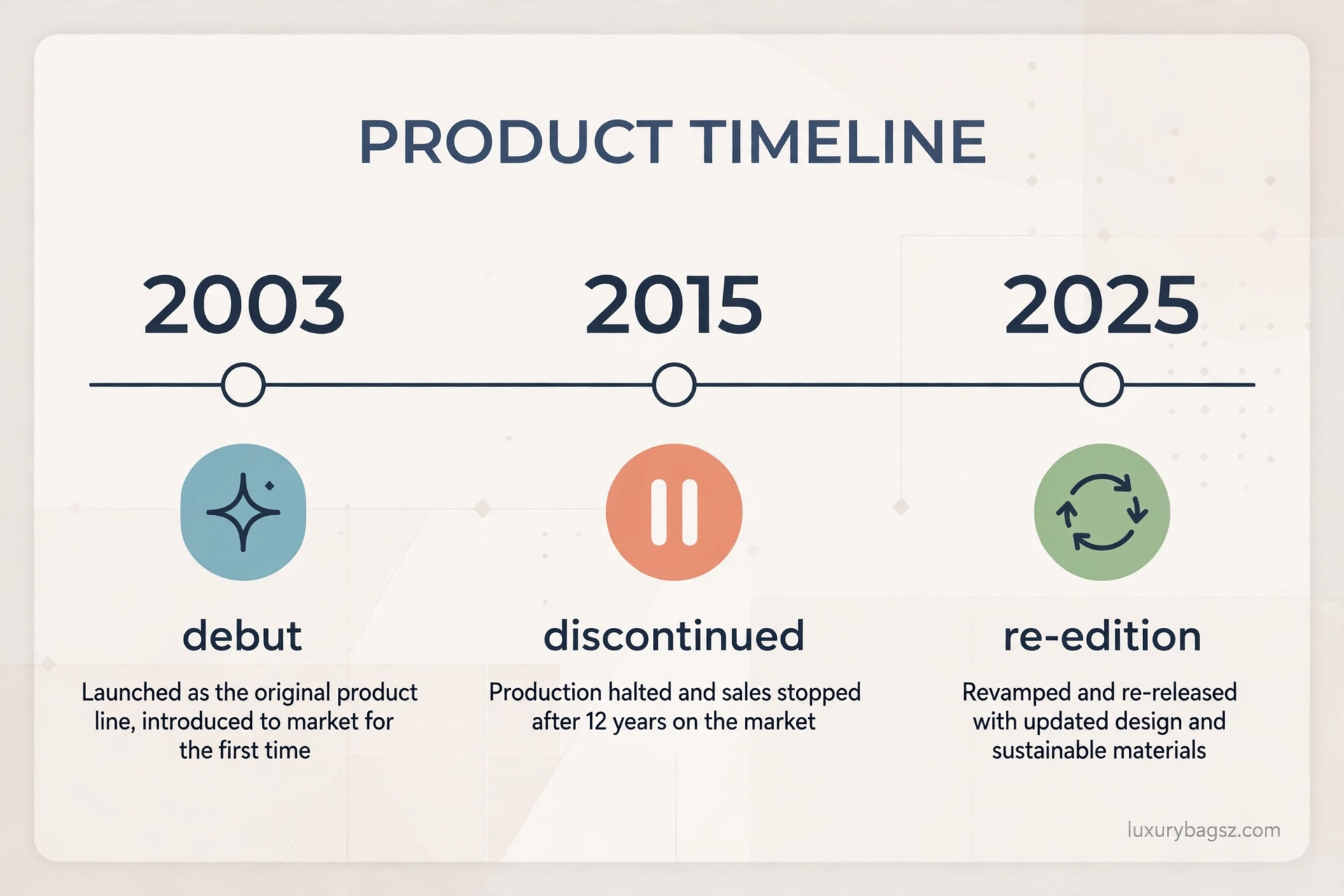
The Louis Vuitton Murakami Multicolor collection took the house's brown monogram and repainted it in 33 vivid colours. It debuted in Spring/Summer 2003 and ran, in edited form, until 2015.
That twelve-year run made it the longest artist collaboration in the brand's history at the time. It also made the print one of the most recognisable bag designs of the early 2000s.
Today the story has three eras, not one. There is the original 2003 to 2015 run, the quiet resale years that followed, and the 2025 re-edition that brought the print back to stores.
The practical question for buyers is which era a bag comes from. Original, resale, and re-edition pieces differ in price, proof, and collectability, so era must be confirmed before any purchase.
Key Takeaways

- The Monogram Multicolor debuted at the Spring/Summer 2003 show.
- Takashi Murakami reworked the monogram in 33 colours on black or white canvas.
- Marc Jacobs commissioned the work; the line ended in 2015 under Nicolas Ghesquière.
- Key shapes include the Speedy, Alma, Keepall, Pochette, Trouville, and Sologne.
- White canvas is the bright, playful pick; black canvas is the softer, dressier pick.
- Vintage Speedy prices are often reported around $1,800 to $2,500, by condition.
- The 2025 re-edition is a fashion return, not a guarantee of future value.
How Marc Jacobs and Takashi Murakami Met on a Bag
The collaboration began in 2002, when Marc Jacobs, then Louis Vuitton's creative director, invited Japanese artist Takashi Murakami to rework the monogram. Jacobs wanted art inside fashion, not just art printed beside it.
Murakami brought manga energy, bright colour, and playful characters to a pattern that had stayed brown and gold since 1896. The result felt shocking at first, then quickly felt inevitable.
For the wider house story, see our guide to what to know about Louis Vuitton. The Murakami link sits inside a longer run of artist links, from Stephen Sprouse to Richard Prince and Yayoi Kusama.
Jacobs later called the link a monumental marriage between art and business. That phrase captures the commercial side too, since the bags sold out fast and stayed in demand for years.
Murakami gained global fashion fame from the work, while Louis Vuitton gained a younger, louder audience. Both sides of that exchange still shape how the print is remembered today.
The 33 Colours: White Canvas, Black Canvas, and Why They Differ
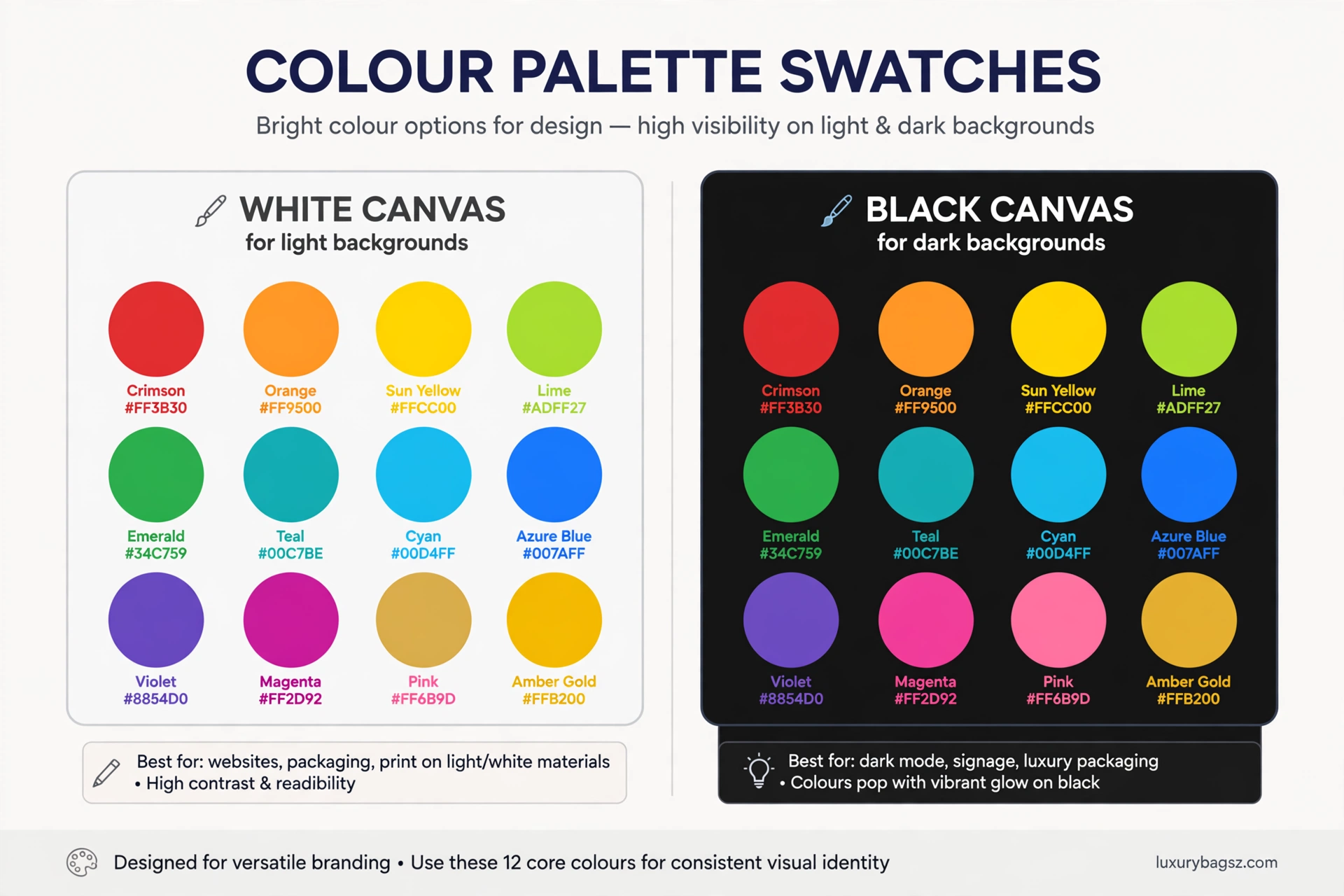
The core idea is simple and easy to get wrong in listings. Murakami kept the monogram shapes but coloured them in 33 different shades, set on either white or black coated canvas.
White canvas makes every colour pop at full brightness. It photographs beautifully, suits summer outfits, and shows dirt, denim transfer, and corner wear more readily than black does.
Black canvas softens the same print. The colours still read clearly, but the overall bag looks quieter, dressier, and more forgiving of daily wear, which is why many collectors prefer it for frequent use.
Sellers sometimes describe a bag as "multicolour" without naming the base colour. Always ask whether the canvas is white or black, since that single detail changes the look, the care, and often the price.
Later Murakami chapters used different ideas entirely, from cherry blossoms to camouflage. Those chapters are covered in the beyond-Multicolor section, and they should never be listed as plain Multicolor without their chapter name.
The Debut Moment: Spring/Summer 2003 and Instant Fame
The Multicolor line debuted on the Spring/Summer 2003 runway. Reports from the time describe sell-outs in Paris within hours, with resellers soon charging well above the original retail price.
Celebrity wear pushed the print further. Jessica Simpson, Naomi Campbell, and Paris Hilton were among the famous early carriers, and the Speedy became the print's most photographed shape.
The early 2000s "It" bag culture did the rest. A bag that photographed well, read instantly in a crowd, and came in two base colours was built for magazine covers and reality television alike.
One often-quoted figure says the collaboration generated over $300 million in its first year. Treat that number as a reported claim, not a verified house figure, since Louis Vuitton does not publish line-by-line sales.
What is certain is the cultural footprint. Even buyers who never owned a Multicolor bag in 2003 recognise the print today, which is rare for any fashion print from that decade.
The Bags to Know: Speedy, Alma, Keepall, and Small Pieces
Rebag's guide names the Speedy, Sologne, Trouville, Mini HL Speedy, and Pochette Accessoires among the core Multicolor shapes. Each suits a different buyer, so shape choice matters more than print enthusiasm.
The Speedy is the default first buy. It carries the print cleanly, comes in the familiar 25 and 30 sizes, and resells more easily than rarer shapes, since demand for it stays broad.
For size help, see our Speedy sizes guide, which explains 25, 30, 35, and 40. Multicolor Speedy listings use the same size numbers, so confirm the number, not just the photo.
The Alma offers a structured, ladylike alternative with a firmer shape and a top-handle carry. The Keepall suits travel and weekend use, while the Pochette works as a small evening or pouch piece.
The Trouville and Sologne sit between everyday and occasion use. They are less common in listings than the Speedy, which can help or hurt value, depending on whether collectors are hunting that exact shape.
Neverfull pieces also appear in Multicolor, including later MOCA Hands versions. For tote sizing, our Neverfull sizes guide covers PM, MM, and GM, which still apply here.
Beyond Multicolor: Cherry Blossom, Panda, Cerises, and More
Murakami did not stop at Multicolor. Cherry Blossom followed in 2003, Panda in 2004, Cerises in 2005, MOCA Hands in 2007, Monogramouflage in 2008, and Cosmic Blossom in 2010.
Each chapter has its own look and its own collector base. Cherry Blossom adds blossom and smiling flower motifs, while Cerises adds cherry pairs on the classic brown monogram canvas.
Panda pieces feature a panda character print and remain among the quirkier chapters. MOCA Hands, made for a Los Angeles museum exhibition, uses hand motifs that read very differently from the rainbow print.
Monogramouflage blends camouflage with the monogram, and some resale reports call it the strongest performer among the later chapters. Cosmic Blossom adds metallic finishes and space-age florals.
Do not pay a Multicolor price for a chapter piece, or a chapter price for a plain Multicolor bag. Chapter name, print, and year must all match, or the listing deserves a closer question.
The Quiet Years: Minimalism, Discontinuation, and the Resale Return
Between 2009 and 2015, fashion moved toward minimalism. Under Phoebe Philo at Celine, quieter bags such as the Luggage, the Fendi Peekaboo, and the Prada Galleria took the spotlight from loud logos.
Louis Vuitton followed that shift under Nicolas Ghesquière, who succeeded Jacobs in 2014. The house discontinued the Multicolor line in 2015, preferring to look forward rather than extend the Jacobs-era print.
Prices did not jump at once. For a time the print read as a dated Y2K relic, and many pieces traded modestly on resale sites without much fanfare.
That changed as logomania returned and younger buyers rediscovered early 2000s fashion. Rebag reported in 2020 that Mini HL Speedy resale prices had risen more than 200 percent in two years, with pieces selling as soon as they appeared.
By late 2023, revival rumours pushed prices higher again. One resale report noted white Multicolor Pochettes that had traded under $1,000 climbing to $1,400 and above, though exact prices still depend on condition.
Buying Pre-Owned: Print, Hardware, Date Code, and Seller Proof
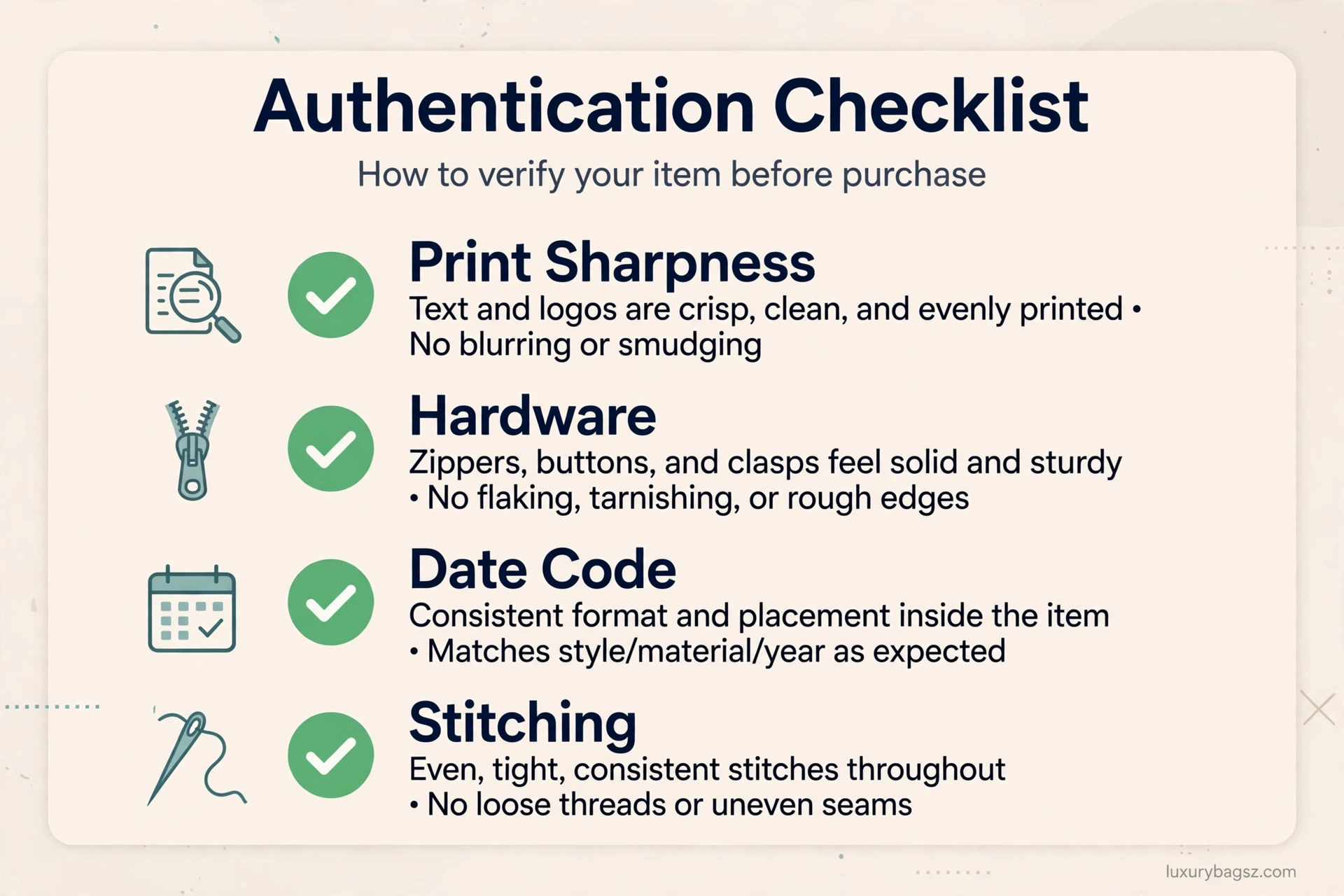
The 33-colour print is hard to fake well, which helps careful buyers. On an authentic piece, the colours should register crisply, with clean edges and no muddy blending between neighbouring shades.
Check hardware engraving, weight, and finish next, then stitching and interior details. Read our guide to date codes and microchips to match the code or chip to the era claimed.
Work through the full fake Louis Vuitton checks before paying, and see how to authenticate a pre-owned bag for a structured method. Professional authentication is wise for rare shapes and high prices.
Ask for close-up photos of the print, the corners, the handles, the interior, and the code area. Ask what is included, since a dust bag, box, lock, keys, or strap all affect value and resale ease.
White canvas needs extra scrutiny for yellowing, denim transfer, and corner rub. Black canvas hides wear better, so check its corners and handles just as closely, since damage there is easier to miss in photos.
Care and Storage for Coated Canvas Prints
Coated canvas is hard-wearing, but the Multicolor print still needs gentle care. Brush off dust, wipe with a lightly damp soft cloth, and air dry away from heat and direct sun.
Our guide to how to clean a canvas bag covers the safe basics. Avoid harsh cleaners, bleach, and abrasive cloths, which can dull the print and damage the coating.
Vachetta leather trim needs separate attention. It darkens naturally with light and handling, a change called patina, and water spots show more easily on pale, unpatinated trim.
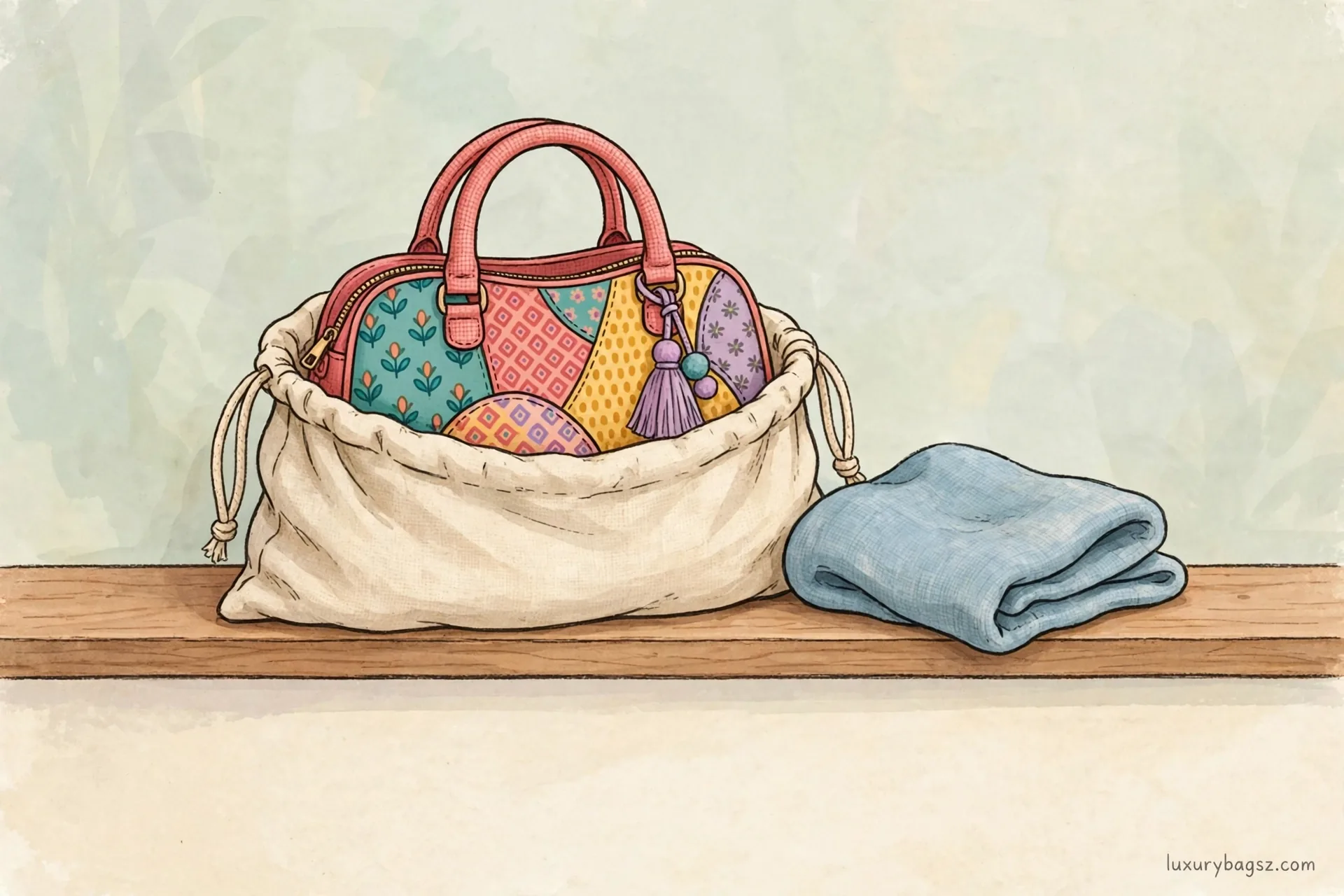
Store the bag stuffed lightly, upright, in its dust bag, away from damp and direct sun. Keep white canvas away from dark denim and printed materials during storage, since colour transfer is a real risk.
Rotate use if you can. Daily carry on one strap wears handles and corners fastest, while rotation spreads wear and keeps the print looking even for longer.
The 2025 Re-Edition: What Returned, What Changed, and What It Means
In January 2025, Louis Vuitton brought Murakami back with a three-chapter re-edition fronted by Zendaya. The first chapter revisited Monogram Multicolore, followed by Cherry Blossom and Cerises revivals.
Re-edition pieces are new, store-bought bags, not vintage finds. That matters for proof, since they carry current chips, receipts, and packaging, while vintage pieces rely on codes and condition evidence.
Reported re-edition prices give a sense of scale. A Murakami Neverfull MM was reported at $3,250, a Speedy 30 Soft at $4,400, and a Travel Alma at $5,750 in the January 2026 wave coverage.
Those figures are reported retail prices for specific re-edition pieces, not vintage values. Do not use a re-edition price to judge a vintage listing, or a vintage price to judge a re-edition piece.
For the wider choice, read our guide to buying vintage vs new. Re-edition bags suit buyers who want new condition, while vintage suits buyers who want original-era character and, often, a lower entry price.
One caution applies to re-edition buying. Standard re-edition pieces may be restocked, unlike numbered limited pieces, so treat them as fashion first and investment second.
Value Guide: What Moves Prices Up or Down
Vintage Multicolor Speedy bags are often reported trading around $1,800 to $2,500, depending on base colour, size, and condition. Rare shapes and strong-condition pieces can trade well above that range.
Monogramouflage pieces are reported trading above $7,500 in some cases, which shows how chapter rarity can outweigh the core print. Always compare the same chapter, shape, and condition before judging a price.
Condition drives value more than any other factor after rarity. Clean print, even patina, intact corners, working zips, and a complete set all lift price, while stains, cracks, and missing straps cut it fast.
For the full list of drivers, see what affects resale value. Rarity, demand, condition, and completeness interact, so no single factor tells the whole story.
If you are buying to wear, set a budget for the shape and condition you will enjoy, not the rarest listing you can stretch to afford. A well-kept Speedy you carry weekly beats a rare bag you fear to use.
Photograph your own bag when it arrives, including the print, corners, and code area. Those photos become your proof if you ever resell, and they make future authentication far easier.
Keep the dust bag, box, and any cards together in one place. Completeness rarely adds drama to a listing, yet it quietly lifts buyer confidence and final price.
For safe-buying steps, read how to buy pre-owned safely. Agree the return terms in writing before paying, especially for high-value vintage pieces.
Frequently Asked Questions
When did the Louis Vuitton Murakami Multicolor collection launch?
It debuted at the Spring/Summer 2003 show, after Marc Jacobs invited Takashi Murakami to rework the monogram in 2002.
How many colours are in the Monogram Multicolor print?
Murakami used 33 different colours, set on either white or black coated canvas, keeping the classic monogram shapes underneath.
What is the difference between white and black Multicolor canvas?
White canvas makes the colours pop brightest but shows dirt and transfer more easily, while black canvas looks softer, dressier, and more forgiving of wear.
Which Murakami bags are the most popular?
The Speedy is the most popular and easiest to resell, followed by the Alma, Keepall, Pochette, Trouville, and Sologne, each suiting a different use.
When was the Multicolor line discontinued?
Louis Vuitton discontinued the line in 2015, after Marc Jacobs left in 2014 and Nicolas Ghesquière took the house in a quieter direction.
Did Louis Vuitton bring Murakami back?
Yes, a three-chapter re-edition launched in January 2025, fronted by Zendaya, revisiting Multicolore, Cherry Blossom, and Cerises designs.
How much is a vintage Multicolor Speedy worth?
Vintage Speedy bags are often reported around $1,800 to $2,500, depending on base colour, size, condition, and completeness, so compare matching sold listings.
How can I authenticate a vintage Multicolor bag?
Check print sharpness and colour registration, hardware, stitching, and the date code for its era, and use professional authentication for costly or rare pieces.
How do I clean a Multicolor canvas bag?
Brush off dust, wipe gently with a lightly damp soft cloth, air dry away from heat and sun, and avoid harsh cleaners or abrasive cloths.
Should I buy vintage Multicolor or a 2025 re-edition?
Buy vintage for original-era character and often a lower price, and buy re-edition for new condition and current proof, treating re-edition pieces as fashion first.
Conclusion
The Murakami Multicolor print endures because it is both loud and legible. Thirty-three colours could have been chaos, yet the monogram underneath keeps every bag unmistakably Louis Vuitton.
Buy by era, shape, and condition, in that order. Confirm the print, the code, and the seller, and you will own a piece of early 2000s fashion history that still turns heads today.