Gucci Resale Value Guide: The Bags That Hold Their Value Best in 2026
The Short Answer on Gucci Resale Value
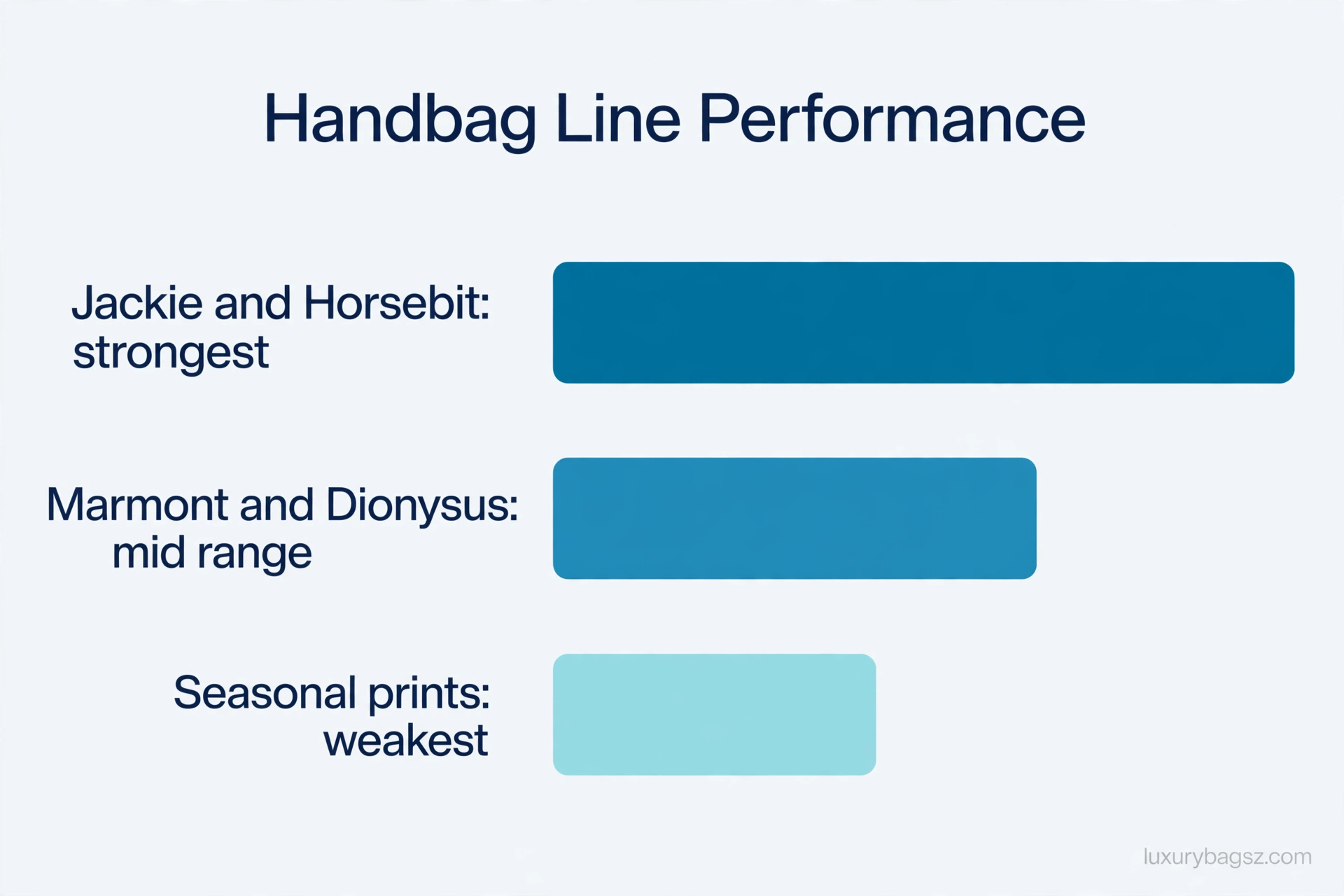
Most Gucci bags resell for a useful part of their retail price, but very few behave like a scarce investment piece. The strongest performers are the heritage shapes in neutral colours and excellent condition, led by the Jackie and the Horsebit family. Common canvas pieces and loud seasonal prints sit at the other end, because supply is deep and buyers can always find another one.
That split is the whole story. Gucci, founded in Florence in 1921, produces at a scale that quieter houses do not, so everyday secondhand prices stay gentle. A recent snapshot of one curated marketplace showed 63 Gucci bags live, half under about 500 euros, with most between about 310 and 930 euros and a full spread from about 120 to 2,750 euros. Those figures move as bags sell, so treat them as a snapshot, not a fixed price list.
Buy the bag you will actually wear, and let resale be the cushion rather than the reason. If you buy with resale in mind, be ruthless about condition, colour and completeness, because those three things decide whether your bag lands near the top or the bottom of its family range.
Key Takeaways

- Jackie and Horsebit bags in neutral leather are Gucci's most reliable resale performers.
- GG Marmont and Dionysus bags sell well but usually at a deeper discount from retail.
- Condition, hardware finish, lining wear and completeness move the price more than age alone.
- Black, brown and tan outperform bright seasonal colours for resale.
- A controllato card proves nothing about authenticity, so never pay extra for one alone.
- Vintage linings, often pigskin, can flake with age, and that is honest wear rather than proof of a fake.
Which Gucci Bags Hold Their Value Best
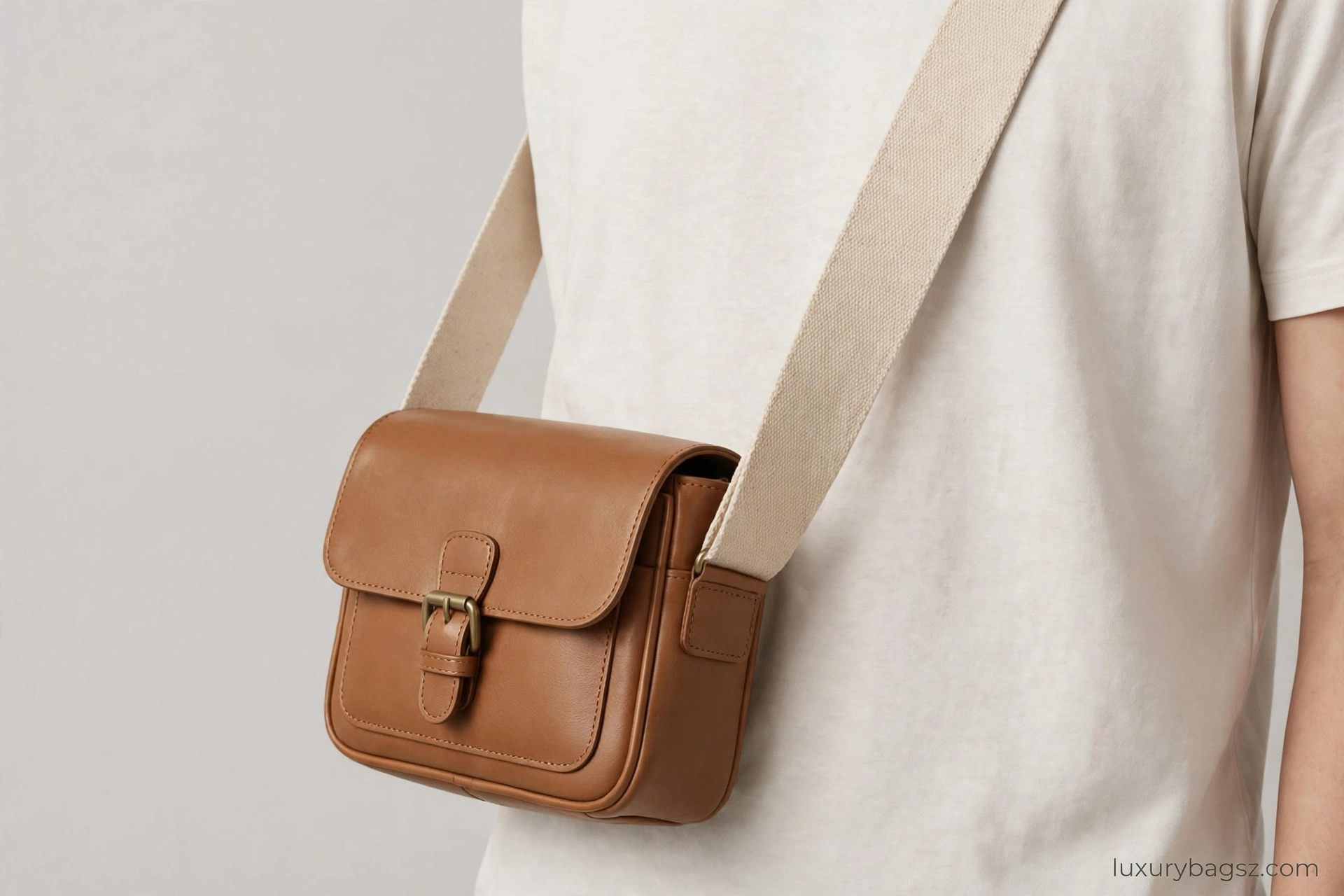
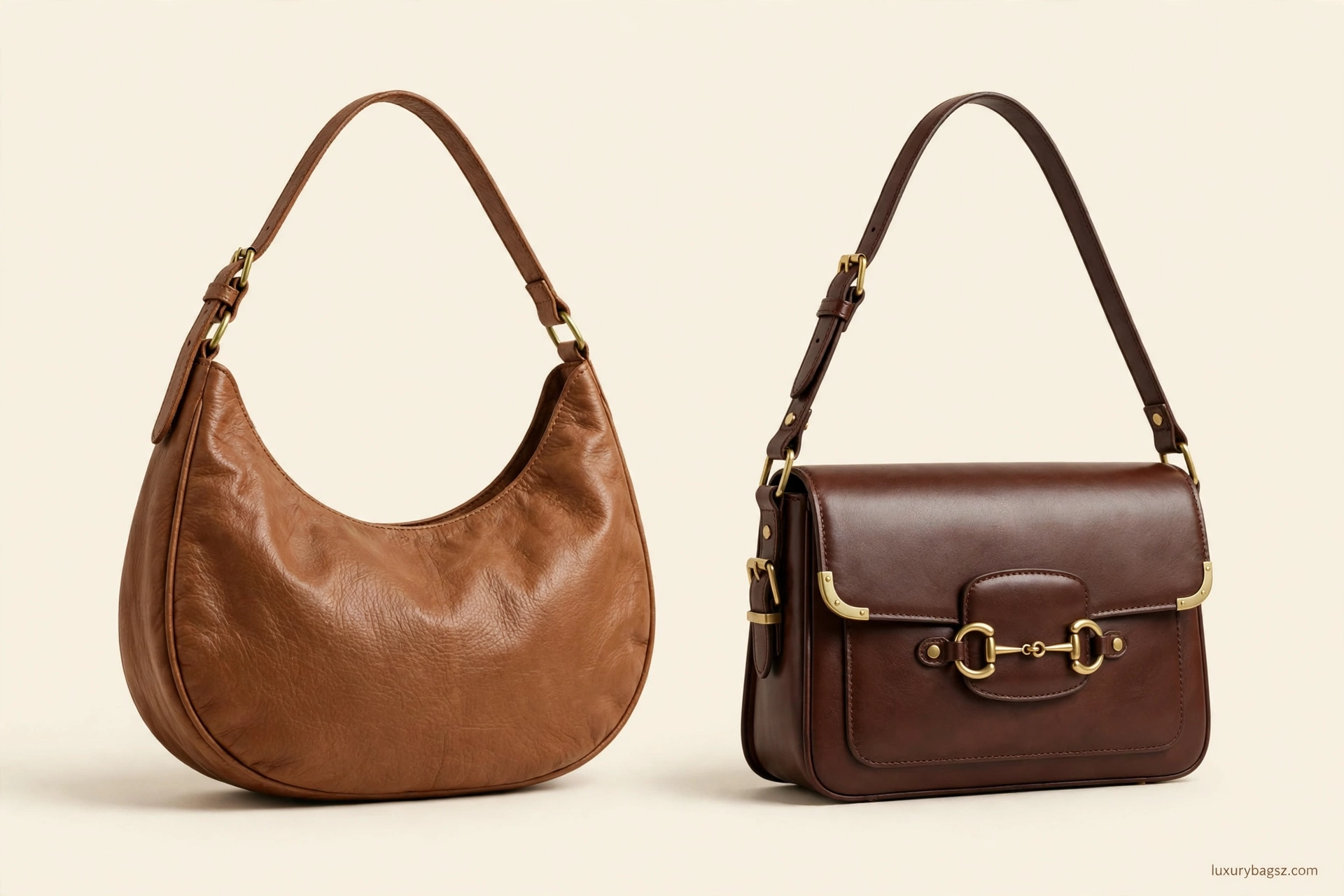
The Jackie 1961 guide covers the strongest claim in the range. Introduced in 1961, nicknamed for Jacqueline Kennedy Onassis and revived as the Jackie 1961 in 2020, it is wanted in both vintage and current form. Its secondhand band on one marketplace ran from about 460 to 2,750 euros, reaching the top of the whole brand range, and the ceiling was vintage as often as reissue.
The Horsebit family is the quiet rival. Horsebit hardware dates from 1953, and vintage Horsebit pieces are often the underrated buy, offering metal, history and structure at canvas prices. One snapshot put the family between about 440 and 2,150 euros. The hardware reads discreetly, the shapes are wearable, and the design does not depend on a single creative director's era.
The GG Marmont guide tells a more mixed story. The chevron matelassé line from 2016 is instantly recognisable, and black and cream colourways are the most resale-friendly. Yet Michele-era production was plentiful, so Marmont bags are not rare, and some resale guides put them 30 to 50 percent below retail. Hold out for the cleanest example you can find.
The Rest of the Range, Ranked Honestly
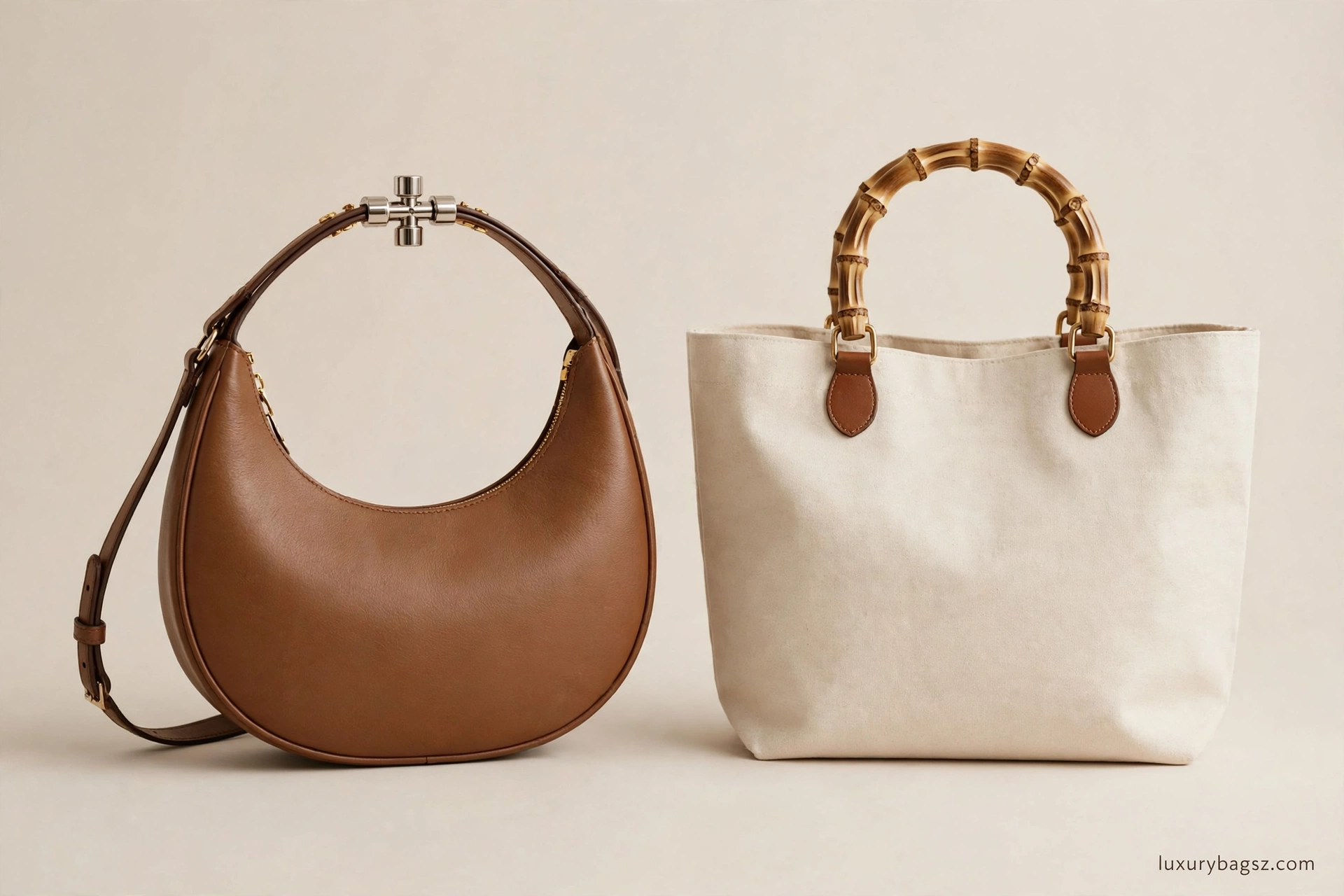
The Dionysus guide covers a structured statement bag of the Michele years, with a tiger-head clasp that dates it clearly to that era. On one marketplace, Dionysus listings ran from about 1,040 to 1,450 euros. It sells, but it does not enjoy the Jackie advantage of spanning two eras of demand, and discontinued colours can surface at around half of retail.
Bamboo is the quiet scarcity play. The bamboo handle was born from post-war material shortages in 1947, and genuine examples turn up rarely, with only a handful live on one marketplace at a time. Rarity helps, but condition is harder to judge on older bamboo, so inspect the handle joints and the finish before paying a premium.
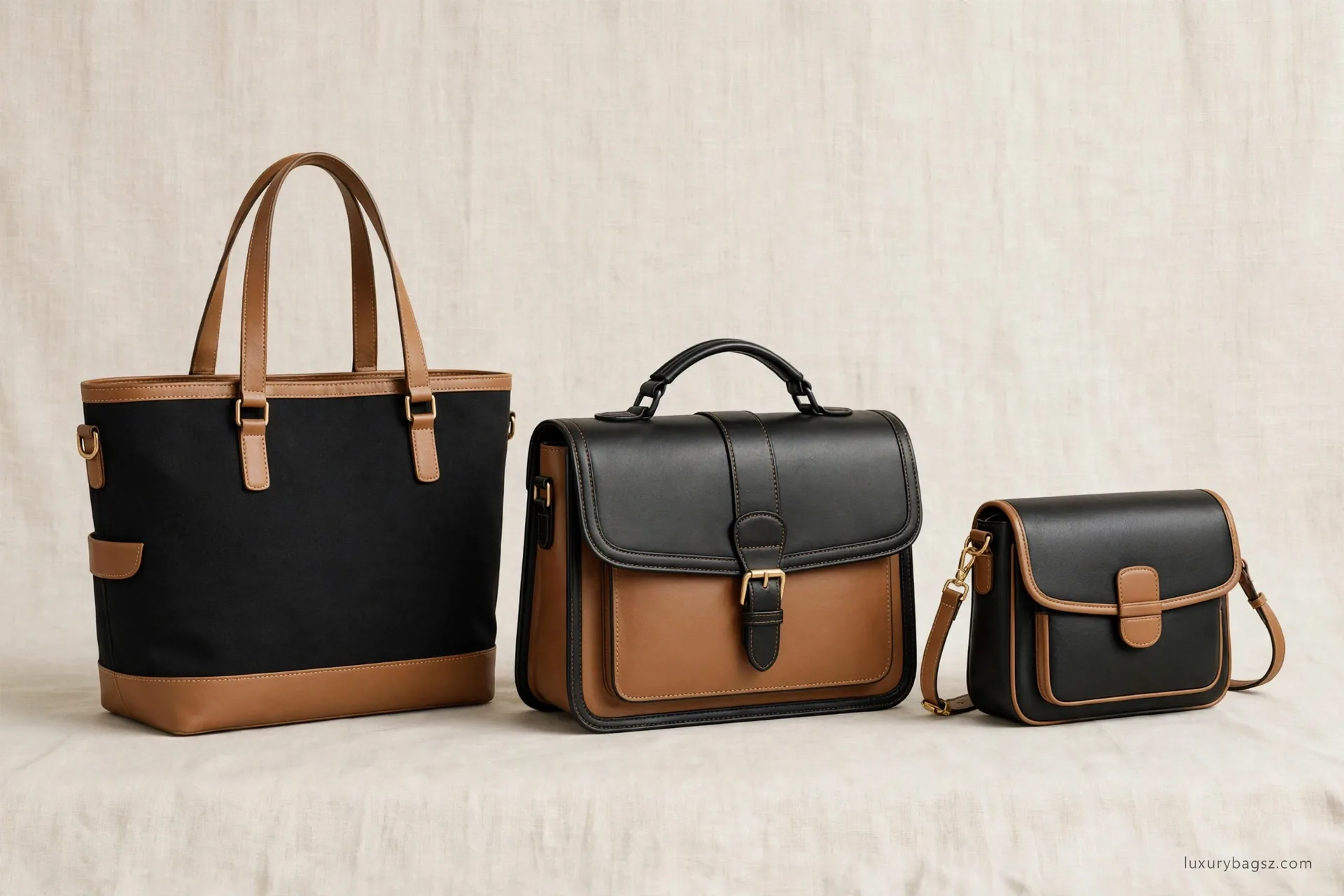
Ophidia and the GG canvas family are the accessible entry point. Ophidia totes and crossbodies in GG Supreme canvas are practical and plentiful, which keeps prices friendly for buyers and modest for sellers. Seasonal prints, bright colours and heavily logo-led novelty pieces fall fastest, because their appeal fades when the season does.
The Horsebit 1953 guide is worth reading before you buy vintage, since the hardware and proportions changed subtly across eras. A bag that looks right for its stated decade is worth more than one with mixed-era details, even if both are genuine.
What Actually Moves the Price
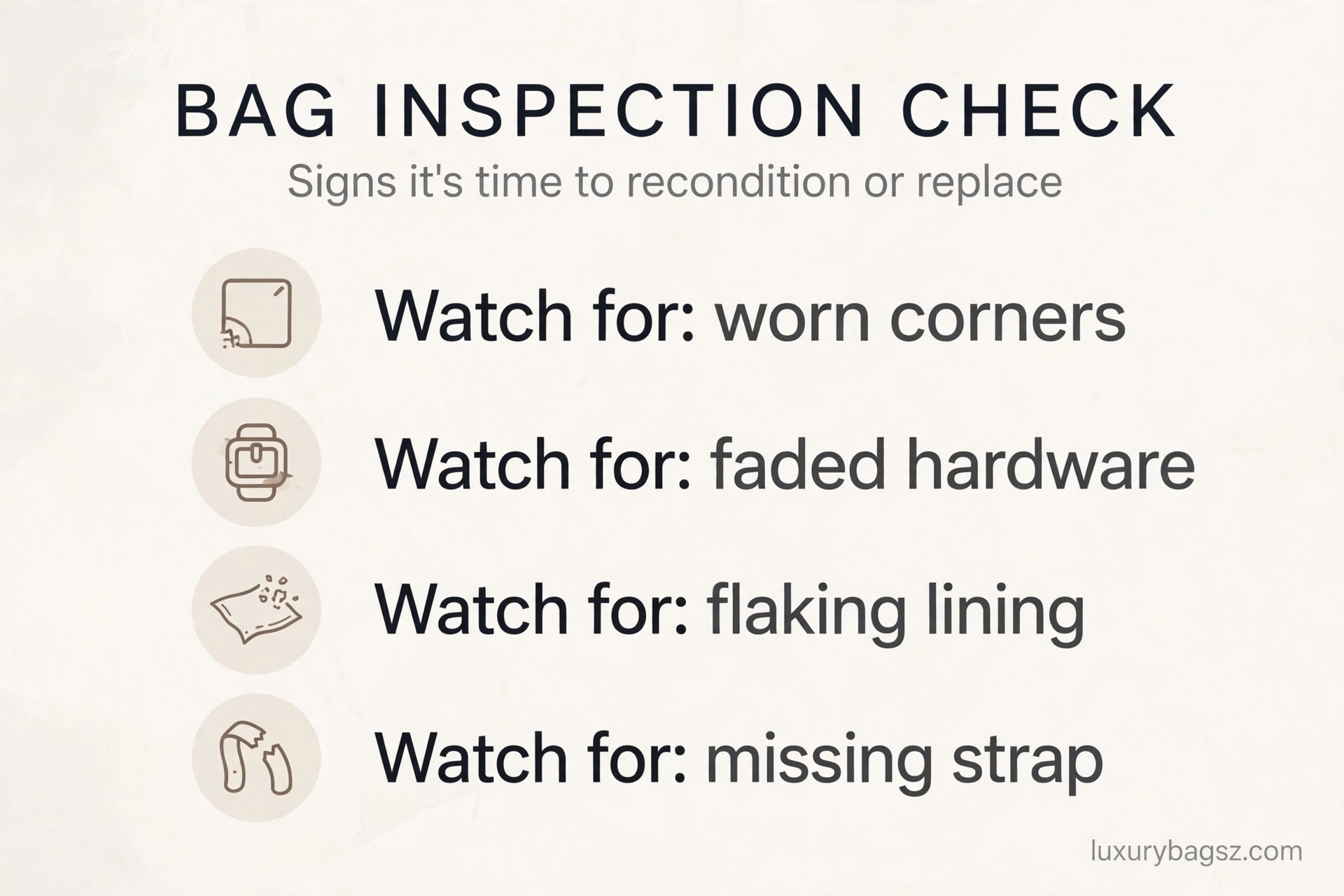
Condition comes first, and the details are specific. Corners and piping edges wear first on canvas and leather trim, and each soft spot becomes a negotiation point. Hardware comes second: plating loss on the double G or the horsebit shows in every photograph, and on a Jackie the piston closure should still snap shut with conviction.
Lining is the trap many buyers get wrong. Vintage Gucci linings were often pigskin, which can flake with age, and that flaking is honest wear rather than evidence of a counterfeit. Price it in, rather than walking away from an otherwise sound bag, but walk away if the lining smells strongly of damp or the interior structure has collapsed.
Completeness is the next lever. Dust bag, box, strap, authenticity cards and receipts all help, though none proves authenticity on its own. A full set in excellent condition sells faster and for more, especially for Marmont and Dionysus bags where buyers have plenty of alternatives. The resale value factors guide explains how condition, rarity, demand and completeness interact across brands.
Colour and material follow a simple rule: neutral leather holds up best, GG canvas sits in the middle, and bright or seasonal finishes fall fastest. All-leather bags in black or brown with gold hardware move most reliably, while suede and light colours demand more care and attract fewer secondhand buyers.
How to Check a Gucci Bag Before You Pay
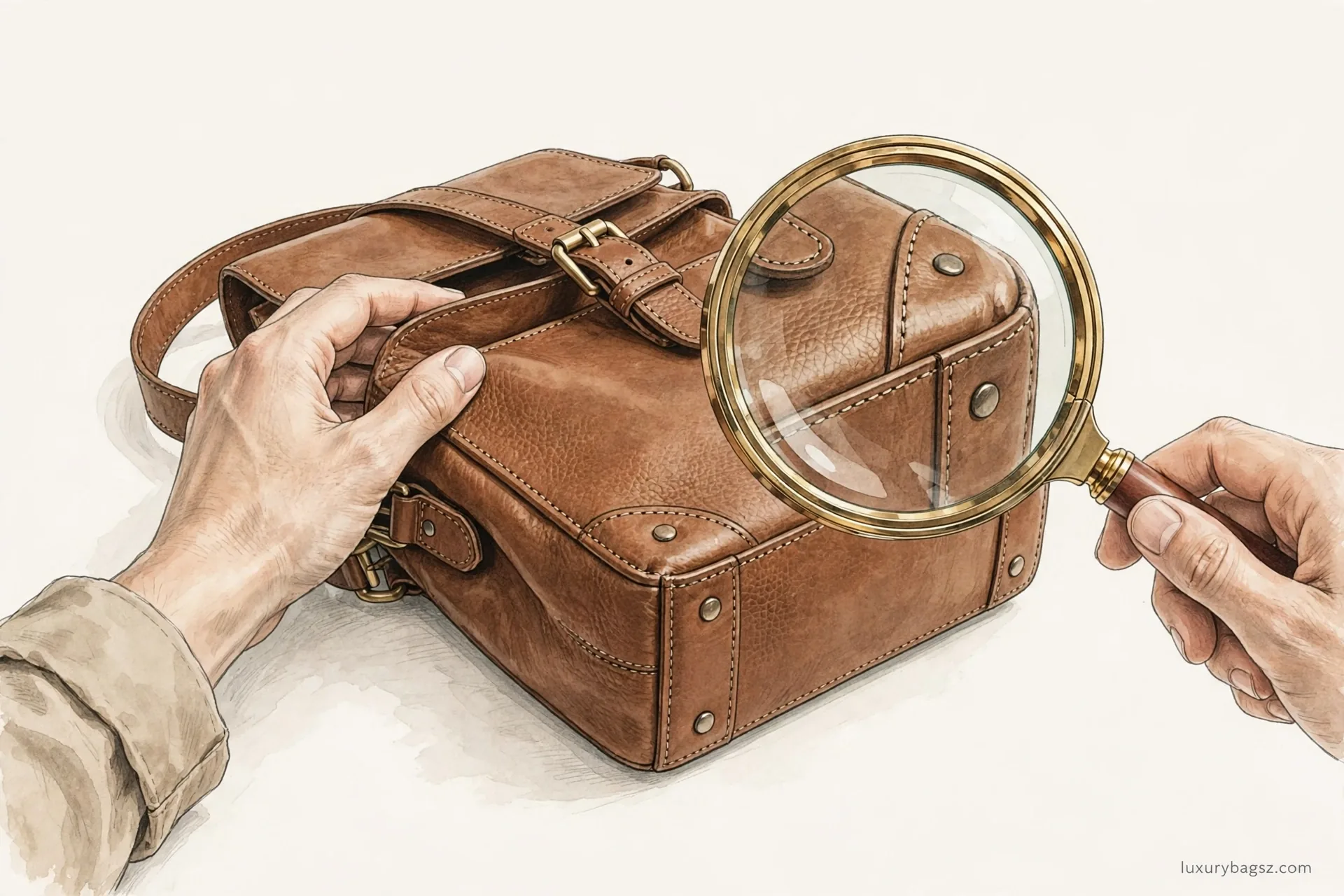
Start with the shape and hardware, not the paperwork. Compare the bag against a trusted guide for its family, check that the stitching is even, the edges are clean, and the hardware colour is consistent across the clasp, feet and zip pulls. Mixed hardware finishes on one bag are a warning sign worth investigating.
The fake Gucci checks guide walks through ten checks, including font, stitching and hardware weight. Use it alongside photographs, not instead of them, and ask the seller for close-ups of the interior tab, the clasp mechanism and both corners before committing.
Serial tabs need era awareness. The Gucci serial numbers guide explains how to read them: two rows of digits covering style and supplier, with no public lookup. What matters is that the tab's font and format match the bag's era, so a tab that looks wrong for a claimed 1990s bag matters more than a missing card.
Buy from sellers who accept returns and who photograph flaws rather than hiding them. If a listing uses only stock-style photographs, refuses a photograph of the interior tab, or prices a supposedly pristine Jackie far below every comparable listing, treat that as a reason to pause. A bargain that cannot be checked is not a bargain.
What to Pay, and What to Avoid Paying For
Use recent sold and live listings for the exact family, size and material, not a brand average. A Jackie medium in leather and a Marmont super mini are different markets, and averaging them helps nobody. One 2026 price guide put the Jackie 1961 medium in leather at 3,800 dollars at United States retail, with the large a few hundred above it and canvas a few hundred below.
Secondhand, expect wide bands. Broad resale guides put well-kept Gucci bags at roughly 65 to 80 percent of retail, with some putting Jackie and Horsebit at 70 to 80 percent and Marmont lower. Sources disagree here, and that disagreement is honest: different marketplaces, conditions and dates produce different bands. Use the range to set expectations, not as a promise.
Do not pay boutique prices for a common Dionysus or Marmont when authenticated secondhand versions surface daily, sometimes in discontinued colours at around half of retail. Do not pay extra for a controllato card, a dust bag presented as proof, or a story about a celebrity owner without documentation. Pay for condition, completeness and a verifiable seller.
How to Sell a Gucci Bag for More
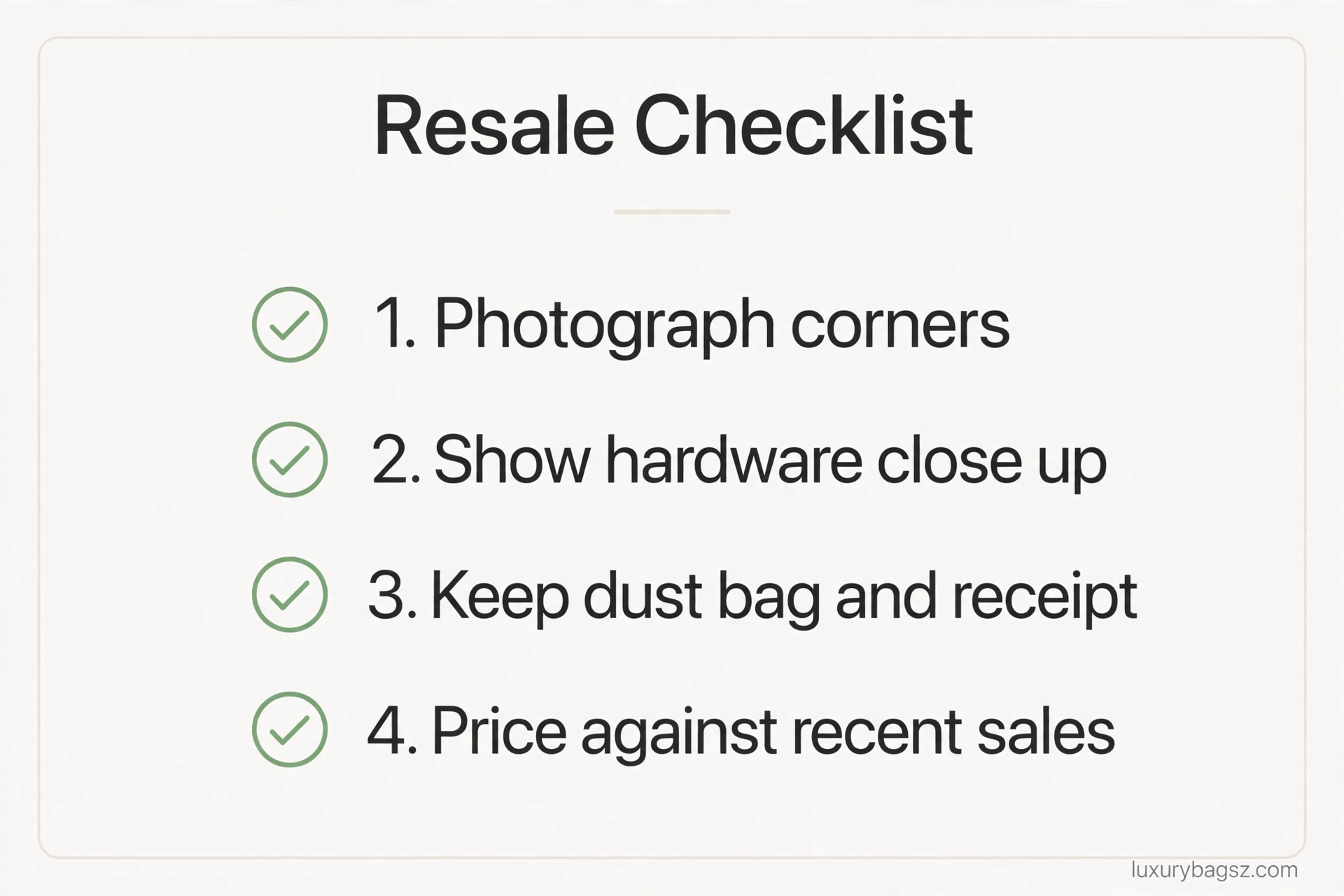
Photography is where most sellers lose money. Photograph both corners, the base, the hardware close up, the interior, the serial tab and any wear, in daylight, without filters. Buyers pay more when they do not have to guess, and honest flaw photographs build trust faster than a polished hero shot.
Write the listing around facts a buyer can verify: family, size, material, colour, hardware finish, condition grade, what is included, and where and when you bought it if you know. Avoid words like rare or investment unless you can back them with a genuinely scarce configuration, because experienced buyers discount hype quickly.
The selling for the best price guide covers timing, fees and channel choice in detail. As a rule, a curated resale platform suits everyday icons, an auction suits a genuinely rare vintage piece, and a direct sale suits a bag with a ready buyer, provided you still authenticate and document the handover.
Price against recent comparable sales, then leave a small margin for offers. A bag priced at the top of its band with no room to move sits longer, and a long listing invites low offers. A fair opening price with a complete set usually sells faster and nets more than an optimistic price that lingers.
Buying Pre-Owned: A Practical Shortlist
If you want the safest resale bet, shortlist a Jackie 1961 or a Horsebit 1955 in black or brown leather, in excellent condition, with its strap and dust bag. If you want the best value for daily wear, a clean GG canvas Ophidia or a vintage Horsebit at a gentle price gives you the design history without the boutique premium.
If you love Marmont, buy it because you love the chevron quilting and the double G, not because you expect it to appreciate. Choose black or cream, inspect the quilting for flattening, and remember that plentiful supply means you can wait for a pristine example. Patience is free, and it is the best resale tool you own.
The buying pre-owned safely guide covers payment protection, returns and authentication services. Use a platform with buyer protection for a first purchase, keep every message and photograph, and have an expensive bag independently authenticated if anything feels off on arrival.
Finally, care for the bag as if you will sell it, even if you never do. Store it stuffed and in its dust bag, away from sunlight and humidity, condition leather sparingly, and keep the box and papers together. Good care costs little and protects both your enjoyment and your exit price.
One more factor deserves attention: era. Gucci reinvents itself loudly with each creative director, from Tom Ford from 1994 to 2004 to Alessandro Michele from 2015 to 2022, and each era's look moves in and out of demand on its own schedule. A bag from a celebrated era, in a colour that era is remembered for, can outperform a similar bag from a quieter period. Conversely, a bag that only makes sense within one season's styling will struggle once that styling fades. When you compare two similar bags, ask which era story a future buyer will want to tell, because that story is part of what they are paying for.
Frequently Asked Questions
Do Gucci bags hold their value?
Yes, moderately. Heritage shapes in neutral colours and excellent condition retain the most, often around 70 to 80 percent of retail for Jackie and Horsebit, while common canvas and seasonal pieces retain less. No Gucci bag should be bought as a guaranteed investment.
Which Gucci bag holds its value best?
The Jackie has the strongest claim, thanks to demand in both its 1961 original era and its 2020 revival. Vintage Horsebit is the underrated rival, and Bamboo is the scarcity play, though older bamboo needs careful inspection.
How much is a used Gucci bag?
It varies widely by family and condition. One curated marketplace snapshot showed most bags between about 310 and 930 euros, with a full spread from about 120 to 2,750 euros. Always compare the exact size, material and condition.
Do GG Marmont bags hold their value?
Less well than Jackie or Horsebit. Marmont bags are recognisable and popular, but production was plentiful, so secondhand prices often sit 30 to 50 percent below retail. Black and cream in excellent condition perform best.
Does a controllato card prove a Gucci bag is real?
No. It is a quality-control slip, not an authenticity certificate. Dust bags and receipts do not prove authenticity either. Era-correct serial tabs, hardware, stitching and overall construction matter far more.
Is vintage Gucci worth buying?
Often, yes, especially vintage Jackie and Horsebit. Vintage pieces have already aged, so there are fewer surprises left, but check for flaking pigskin linings, worn corners and tired hardware, and price that wear in.
What colour Gucci bag resells best?
Black, brown and tan in leather, followed by classic GG canvas. Bright colours, pastels and seasonal prints are harder to resell and usually achieve lower prices, even in good condition.
Should I buy Gucci new or pre-owned?
For common Marmont and Dionysus bags, pre-owned usually offers better value, since authenticated examples surface daily at a discount. For a scarce vintage Jackie or Bamboo, buy the best condition you can afford, new or pre-owned, when it appears.
How do I sell a Gucci bag for the best price?
Photograph every angle and flaw in daylight, list the exact family, size, material and inclusions, price against recent comparable sales, and sell through a channel with buyer protection. Completeness and honest photographs lift both speed and price.
Are Gucci bags a good investment?
No, not as a financial investment. Treat resale as a cushion: buy a heritage shape you will wear, keep it well, and accept that even the best Gucci bags usually resell below retail. Scarce vintage exceptions exist, but they are the exception.
Final Verdict: Buy Heritage, Keep It Pristine, Expect a Cushion
Gucci rewards buyers who choose heritage shapes, neutral colours and excellent condition, and who are honest about what resale can and cannot do. The Jackie and Horsebit families lead, Bamboo rewards patient hunters, and Marmont and Dionysus reward lovers rather than speculators. Buy the bag you will wear every week, care for it properly, and let any resale return be a welcome bonus rather than the plan.