What Is Wild Boar Leather? Peccary, Pigskin, and the Name Trap
Wild Boar Leather in Brief
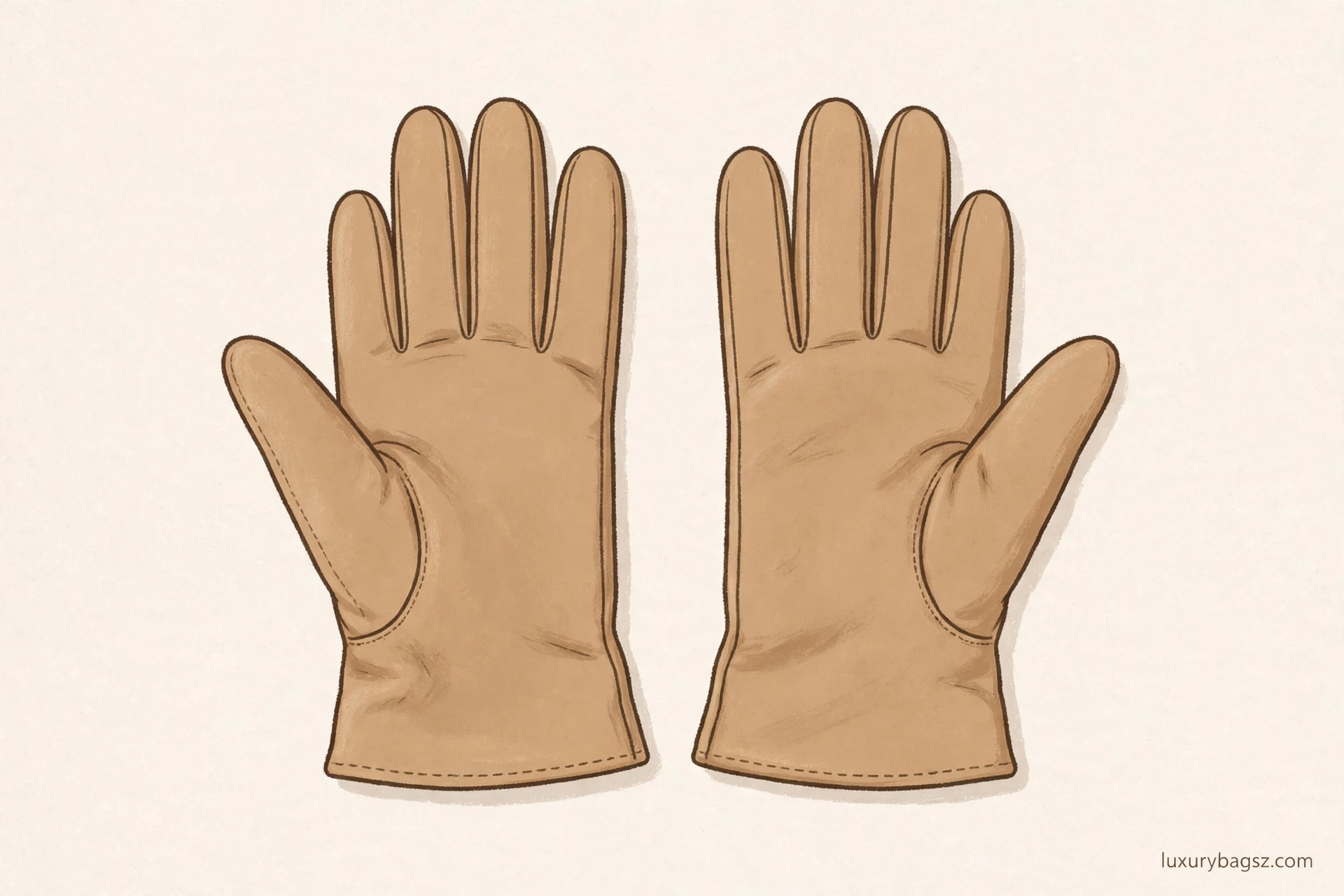
Wild boar leather, as sold for luxury gloves and small leather goods, usually means peccary leather: the skin of the peccary, a wild pig-like animal from Central and South America. It is prized for exceptional softness, elasticity, and a distinctive pore pattern in groups of three.
True wild boar skin, from the Eurasian wild boar, is a different material, closer to pigskin, with coarser pores and a tougher, less elastic feel. Retailers often blur the two, and some use wild boar as a rugged brand name for ordinary full-grain cowhide boots, which is not wild boar leather at all.
If you are buying for softness and luxury, look for peccary, check the trident pore pattern, and expect a high price for small items. If you are buying for tough boots, wild boar leather is probably the wrong search, and full-grain cowhide is the honest choice.
Key Takeaways
- Luxury wild boar leather usually means peccary, from a wild South American animal similar to a wild pig.
- Peccary's signature is pores in groups of three, called the trident, which no other leather copies naturally.
- Peccary is extremely soft, elastic, and durable, with a matte, velvety finish and natural scars.
- It is famously washable, the only leather routinely described that way, though washing still needs care.
- True wild boar skin is tougher and coarser than peccary, and closer to domestic pigskin.
- Beware brand names: some wild boar boots are cowhide boots with a wild boar product name, not boar leather.
The Name Trap: Three Different Things
First, there is peccary, sometimes called wild boar in glove-making tradition, from South and Central America. This is the luxury material, used for gloves, wallets, watch straps, and shoe inserts.
Second, there is true wild boar skin, from Sus scrofa, the Eurasian wild boar. In Germany, Italy, and Spain, leather definitions allow wild pig skin under pigskin terms, and this material is tougher, thicker, and less elastic than peccary.
Third, there is the brand name trap. Some boot ranges call themselves Wild Boar while using waterproof full-grain cowhide uppers. The name evokes toughness, but the leather is cowhide, and the product page usually says so if you read the materials list.
How to Recognise Peccary Grain
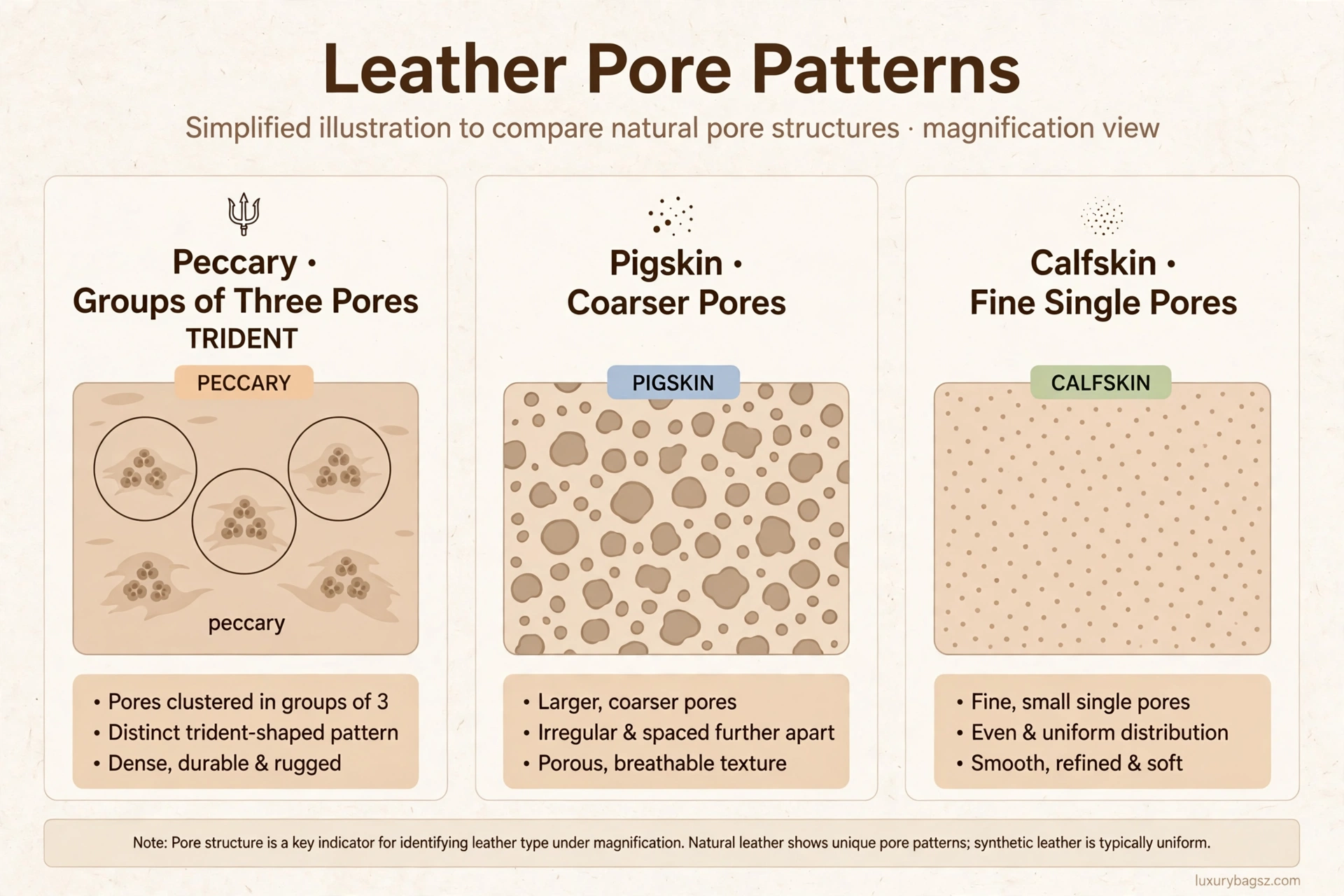
Peccary grain is unmistakable once you know it. Pores appear in groups of three, forming a small trident pattern across the surface, left by hair follicles. No other common leather shows that exact arrangement.
The surface is matte and slightly spongy, with a velvety feel rather than a shiny finish. Natural scars and small marks are normal, since the animals live wild, and makers prize those marks as proof of authenticity rather than hiding them.
Pigskin pores, by contrast, appear in groups of three to five roots in a different, coarser arrangement, with a thicker, less elastic feel. Calfskin pores are fine, single, and evenly spread. If a seller cannot show you the pore pattern, be cautious about the claim.
Why Peccary Feels So Different
Peccary's collagen fibre structure gives it a rare combination: it is very soft and elastic, yet resistant to tearing. It stretches and returns to shape, which is why gloves made from it fit like a second skin and stay comfortable for decades.
That elasticity also explains its use in footwear as inserts and partial uppers, rather than whole shoes. A full peccary shoe would stretch too much under load, so makers use it where softness matters and support comes from other materials.
Breathability is another advantage. The porous structure lets air circulate, which keeps gloves comfortable during long wear and helps explain why peccary gloves suit both cold and mild weather better than many synthetics.
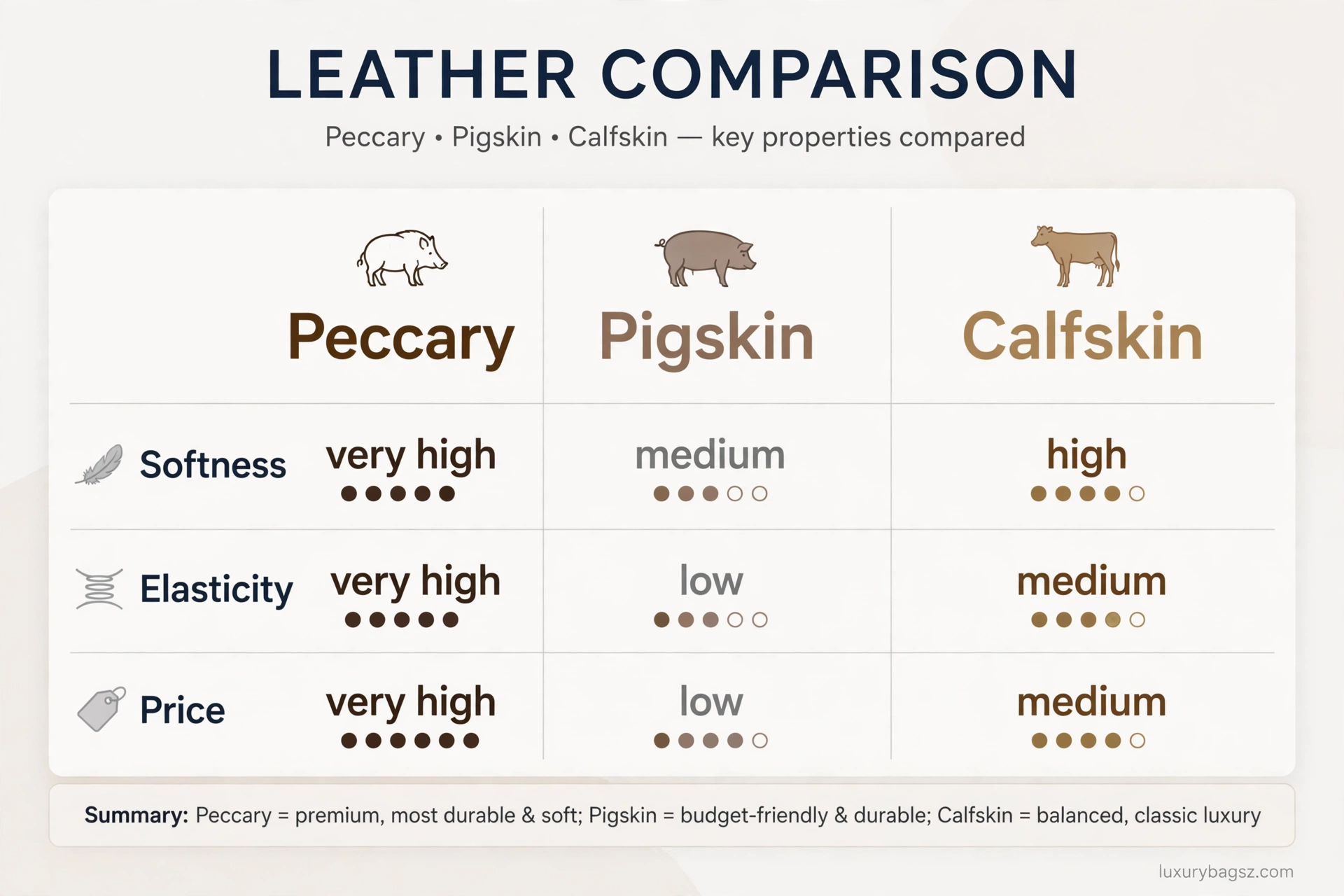
Pigskin vs Peccary vs Calfskin
Pigskin is the workhorse of the pig family: widely available, affordable, soft enough for linings and garments, but less elastic and less luxurious than peccary. It often appears as suede and nappa for clothing, where price matters more than prestige.
Peccary is the luxury outlier: rarer, smaller skins, more handwork, and a much higher price per item. Its softness competes with lambskin, while its durability and elasticity beat lambskin for gloves that must last.
Calfskin sits between them on price and offers a smoother, more uniform surface for dress shoes and bags. For a formal shoe, calf wins; for the softest glove, peccary wins; for an affordable lining or garment, pigskin wins.

What Wild Boar and Peccary Leather Are Used For
Luxury gloves are the classic use. Peccary gloves are prized for driving, dress, and cold weather, because they combine warmth, dexterity, and a fit that improves with wear rather than loosening out of shape.
Small leather goods follow: wallets, key cases, watch straps, and pouches, where a small skin goes a long way and the pore pattern can be shown off. Shoe makers use peccary for inserts, tongues, and decorative panels, not for whole uppers.
True wild boar skin suits tougher, less glamorous uses: heavy gloves, garment leather, and work items where coarseness is acceptable. If a product claims wild boar leather for a whole boot upper, check whether it means peccary inserts, pigskin, or simply a brand name.
Is Peccary Sustainable and Ethical?
Peccary supply is limited and regulated in many source countries, with skins coming from managed hunting and local communities in South America. That scarcity is part of the price, and part of why makers handle each skin with great care.
Sustainability claims vary, so ask the maker for sourcing details: country of origin, whether skins are a by-product of managed populations, and what traceability they can show. Vague claims of sustainable luxury, with no sourcing detail, should not satisfy a careful buyer.
Ethical judgement is personal, but the facts help: peccary is a wild animal product, not a farmed leather like cowhide, and its luxury status depends on wild populations. Buyers who avoid wild animal products should choose calf, goat, or high-quality alternatives instead.
How to Care for Peccary and Wild Boar Leather
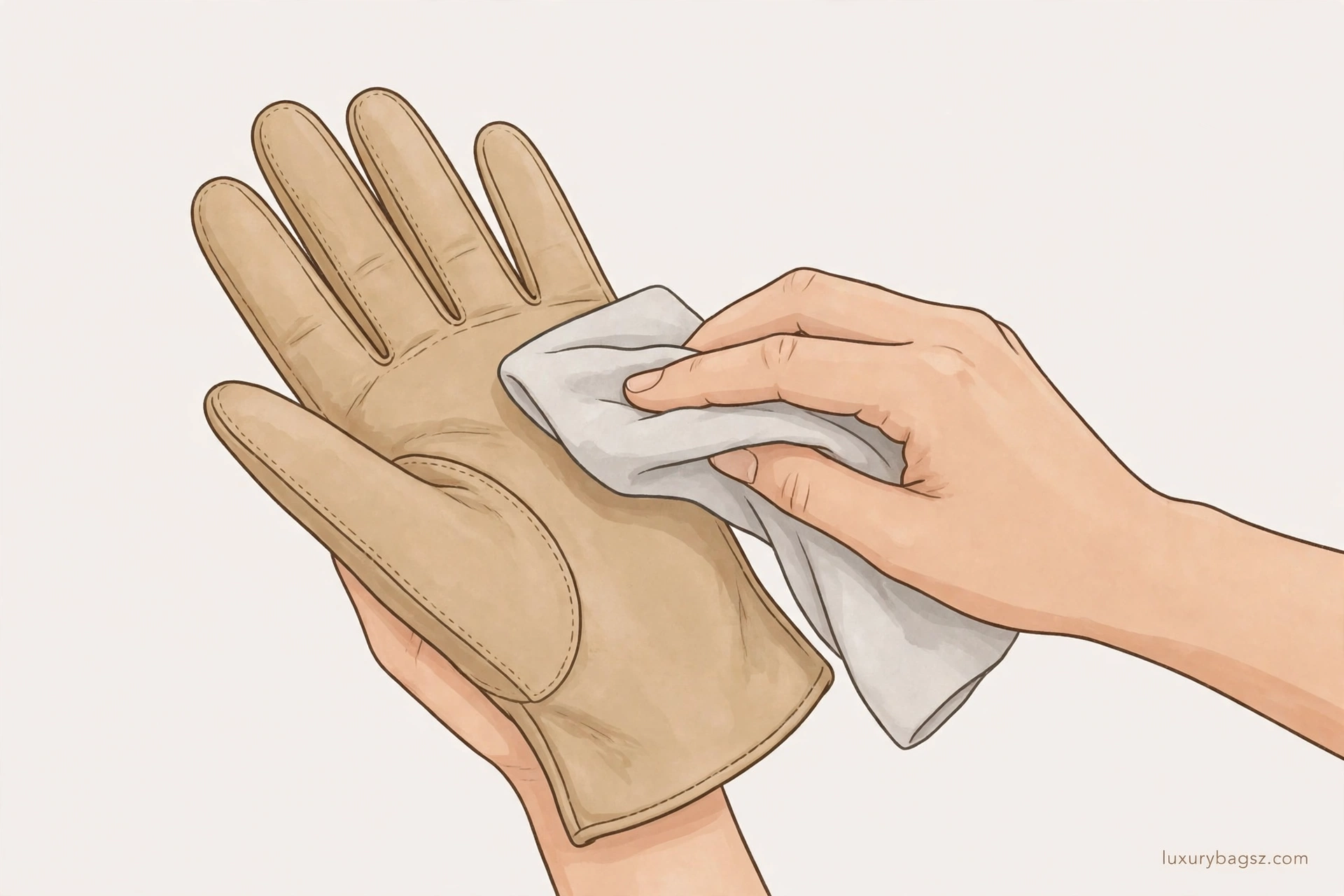
Peccary is unusual in that it can be washed, unlike most leathers, but washing should still be gentle: lukewarm water, mild soap, air drying away from heat, and light conditioning after. Do not machine wash or tumble dry, despite the washable reputation.
For daily care, brush lightly, wipe with a barely damp cloth, and condition sparingly with a light leather conditioner. Over-conditioning can darken the matte finish and flatten the velvety texture that makes peccary attractive.
Store gloves flat or stuffed lightly, away from sunlight and damp. Sun fades peccary unevenly, and damp storage risks mould on any natural leather, however tough its reputation may be.
What to Check Before Buying
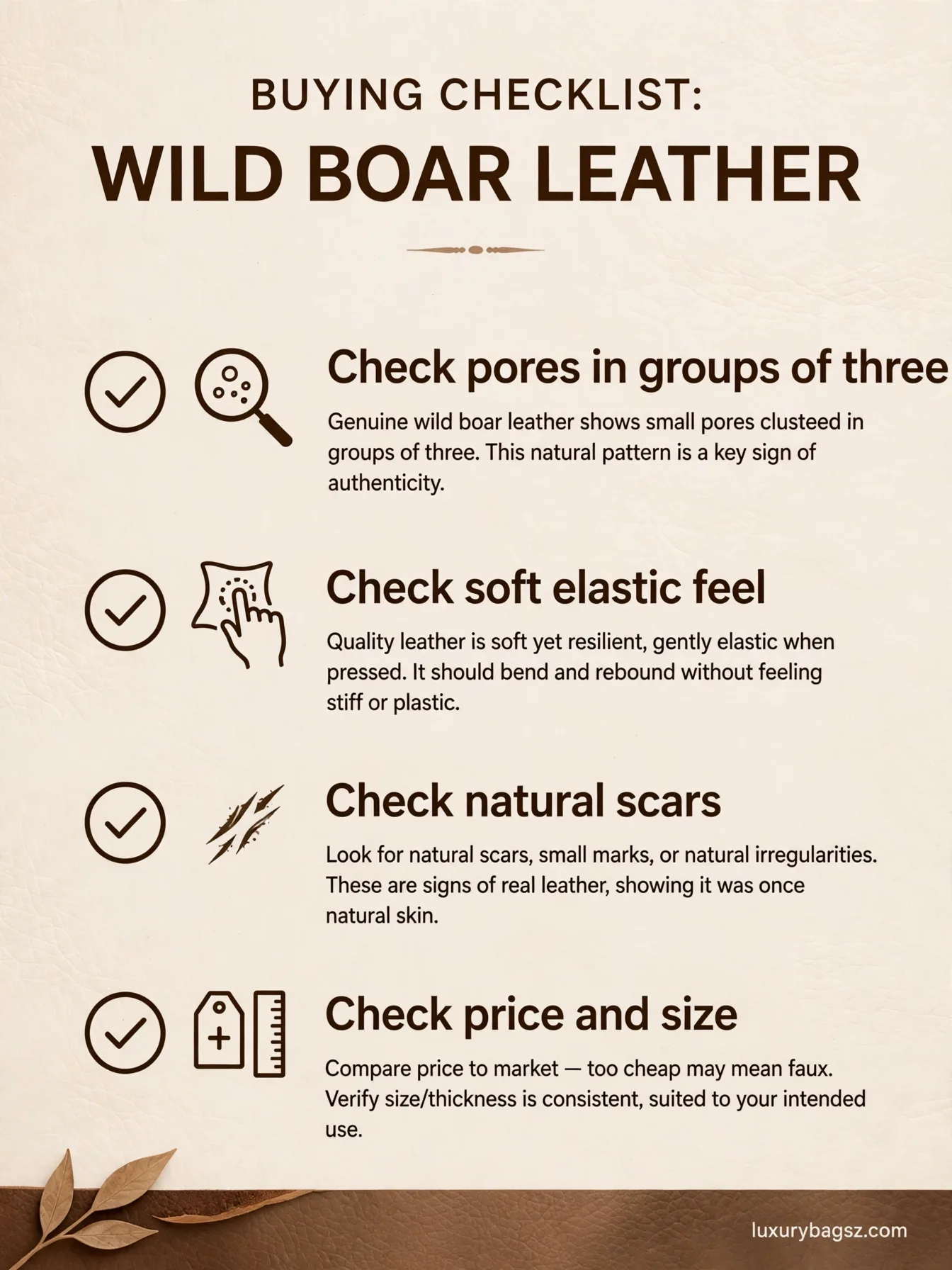
Check the pore pattern first, under good light. Groups of three pores, evenly natural rather than embossed, are the strongest sign of genuine peccary. Embossed imitation peccary shows a repeating, mechanical pattern that looks too perfect.
Check softness and elasticity by stretching gently. Genuine peccary stretches and springs back, feeling spongy rather than stiff or papery. A stiff, shiny item labelled peccary is likely another leather with an embossed pattern.
Check price and size honestly. Peccary skins are small, so large items at low prices are suspicious. A pair of genuine peccary gloves costs far more than pigskin or lambskin gloves, and that gap is the market telling you the truth.
When to Choose Something Else
Choose lambskin if you want softness at a lower price and do not need peccary's elasticity or washability. Choose deerskin if you want soft, durable gloves for outdoor use at a more moderate price.
Choose calfskin for dress shoes and structured bags, where a smooth, uniform surface matters more than extreme softness. Choose pigskin for affordable, practical gloves and linings where luxury is not the point.
Peccary earns its price only when softness, fit, elasticity, and longevity in a small item all matter together. For large items, tough boots, or tight budgets, it is the wrong material, however beautiful it feels in the hand.
Frequently Asked Questions
What is wild boar leather?
In luxury goods, it usually means peccary leather, from a wild pig-like animal in South America. True Eurasian wild boar skin is a tougher material closer to pigskin, and some boot brands use wild boar only as a product name for cowhide.
Is peccary the same as wild boar?
Not strictly. Peccary is a separate wild animal similar to a wild boar, and its leather is softer and more elastic than true wild boar skin. Glove makers traditionally call peccary wild boar, which causes the confusion.
How can you tell real peccary leather?
Look for pores in groups of three, the trident pattern, a matte velvety surface, and natural scars. The leather should stretch and spring back, feeling spongy rather than stiff.
Is peccary leather durable?
Yes, despite its softness. It resists tearing well, develops a patina, and can last decades in gloves and small goods with basic care.
Can you wash peccary leather?
Peccary is the only leather routinely described as washable, but wash gently by hand in lukewarm water with mild soap, then air dry. Never machine wash or tumble dry it.
Is wild boar leather good for boots?
Peccary suits inserts and panels, not whole boot uppers, because it stretches too much. For tough boot uppers, full-grain cowhide is the better, honest choice.
Why is peccary leather so expensive?
Skins are small, wild-sourced, and scarce, and working them requires expert cutting to use the best areas. Small size plus handwork plus rarity explains the high price for gloves and small goods.
Does peccary leather get softer with age?
Yes. Peccary becomes softer with wear while keeping its strength, which is why old peccary gloves often fit better than new ones.
Is pigskin the same as peccary?
No. Pigskin comes from domestic pigs, is more widely available and affordable, and feels coarser and less elastic. Peccary is rarer, softer, and far more expensive.
What should I avoid when buying wild boar leather?
Avoid large items at low prices, perfectly repeating pore patterns that signal embossing, and products that do not name the animal or source. Ask for the pore pattern, the origin, and the maker's sourcing detail.
Summary
Wild boar leather is a name that hides three different realities: luxury peccary, tougher true boar skin, and cowhide boots with a wild name. For gloves and small goods, peccary's trident pores, softness, and elasticity make it genuinely special, and worth its price when those qualities matter. For boots and large items, look past the name, check the materials list, and buy the leather that actually suits the job.