

Investing in Vintage Designer Bags: Value, Risks, and Smart Buying Checks
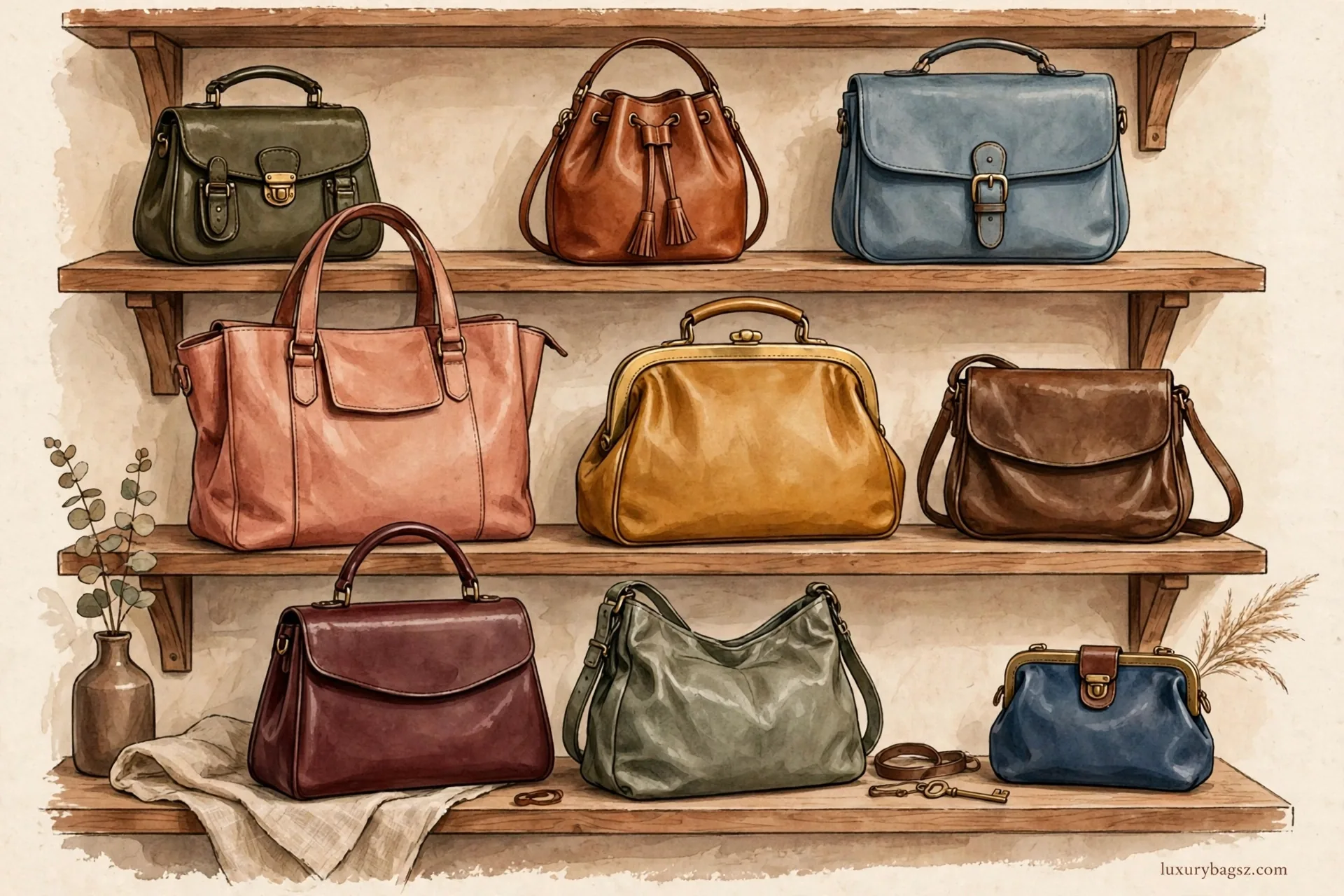
Vintage Bags as Investments: The Honest Starting Point
A vintage designer bag can hold its value, and a few famous models sell for more than they cost new. That is the good news, and it is also where most buyers stop thinking. Most old bags do not appreciate at all, and many lose value the moment they change hands. The difference between a smart buy and an expensive mistake comes down to brand, rarity, condition, and the price you pay on day one.
Treat a bag as a wearable purchase first and a possible store of value second. If you love carrying it, a flat resale result is still a win. If you only want a return, you need stricter rules, colder patience, and a real budget for authentication, storage, and eventual selling fees. This guide gives you those rules, plus the checks that keep a tempting listing from becoming a loss.
Key Takeaways
- Only a small group of classic models from heritage houses reliably hold value; most seasonal and trendy bags fall.
- Condition, rarity, and demand matter more than age alone, and a worn rare bag can still lose to a pristine common one.
- Always verify authenticity before you pay, and budget for selling fees, which eat into any gain.
- Buy the best condition you can afford, keep every dust bag, box, and receipt, and store the bag properly.
- Never spend money you cannot afford to keep tied up, because resale timing is never guaranteed.
What "Investment" Really Means for a Bag
Calling a bag an investment does not make it one. A true investment should have a reasonable chance of holding or growing its value after all costs, and a realistic way to sell it. Bags fail that test more often than social media suggests, because fees, condition loss, and slow demand all work against you.
Compare a bag with vintage designer bags vs new before you decide which route suits your money. A new bag gives you a boutique receipt, full packaging, and a known starting price. A vintage bag gives you a lower entry price and, sometimes, a discontinued design that can no longer be bought new.
Set a clear goal before you shop. Are you buying a bag to carry for years and resell later, or are you buying purely to flip it? The first goal forgives a flat result. The second goal demands a bargain entry price, because your profit lives in the gap between what you pay and what a buyer will pay later.
Be honest about your holding period too. Bags are not liquid like shares. Selling can take weeks or months, and the right buyer for a rare colour may not appear on your schedule. If you need the money back quickly, a bag is the wrong place to put it.
The Three Value Drivers: Brand, Rarity, Condition
Three forces explain most resale prices: the house behind the bag, how hard it is to find, and what shape it is in. Learn how what affects resale value plays out in practice, and you will read listings with sharper eyes.
Brand comes first. Hermès, Chanel, and Louis Vuitton dominate resale demand because buyers trust their craftsmanship and recognise their designs at a glance. Smaller houses can hold value, but only when a particular model has a loyal following. A famous name alone never guarantees a result.
Rarity comes second, and it is easy to misjudge. A limited edition of a few hundred pieces is genuinely scarce. A popular bag made in huge numbers is not, even if it feels special to you. Discontinued colours and short-lived collaborations can help, but only when collectors actually want them.
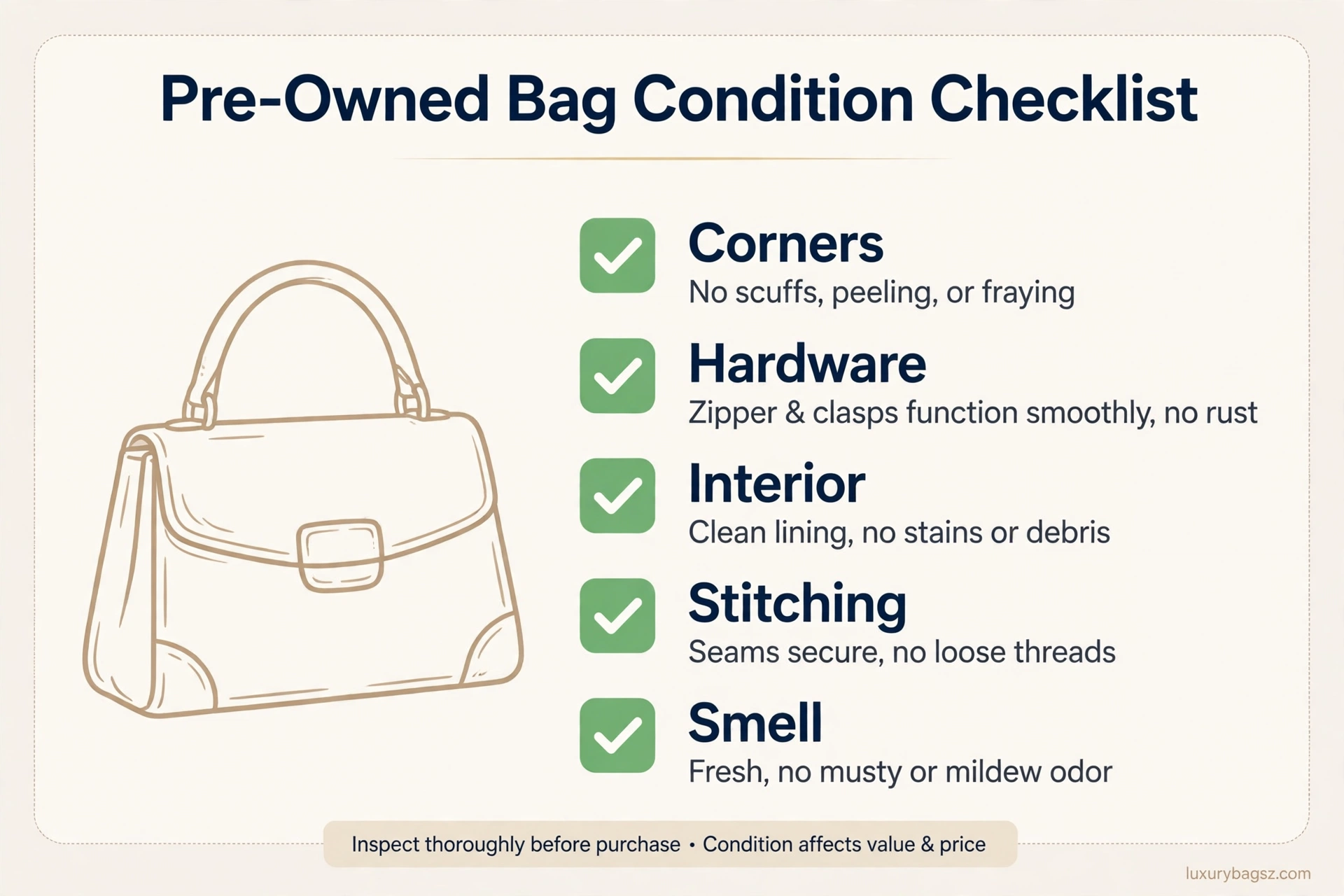
Condition comes third, and it is the driver you control most. Clean corners, working hardware, a fresh interior, and even stitching all move the price. Original packaging helps as well, with dust bags, boxes, and cards adding appeal for the next buyer. A bag in excellent shape often outsells a rarer bag in poor shape.

Which Bags Tend to Hold Value Best
Classic, structured shapes with long production histories tend to hold up best. Think quilted flap bags, iconic top-handle bags, and sturdy canvas totes that buyers recognise instantly. These designs survive trend cycles because they were never tied to one season.
Neutral colours usually sell faster than loud ones, though a rare colour in a famous model can command a premium. Black, tan, and navy attract the widest pool of buyers. A bright limited colour attracts fewer buyers, but the right buyer may pay more, so it is a higher-risk, higher-reward choice.
Materials matter as well. Full-grain leather and coated canvas age more gracefully than delicate finishes that scuff easily. Exotic skins can carry high prices, but they also carry stricter care needs and, in some places, legal rules on sale and shipping. Check the rules for your market before buying exotic leather to resell.
Size matters too. Medium, everyday sizes tend to move fastest, because they fit the most buyers. Very small novelty sizes and very large totes have narrower audiences. If resale speed matters to you, favour the size most people actually carry.
Avoid buying a bag only because an influencer called it an investment. Check sold listings for that exact model, size, and condition. If you cannot find recent sales, that silence is information: demand may be thin, and your exit may be slow.

The Pre-Purchase Checks That Protect Your Money
Never skip authentication. Learn how to authenticate a pre-owned designer bag before you hand over money, and use an independent authentication service for any high-value purchase. Stitching, hardware stamps, serial numbers, and date codes all tell part of the story, and fakes keep getting better.
Read the listing photos like an inspector, not a fan. Ask for close-ups of corners, handles, zips, clasps, feet, and the interior, including any stains or wear. If a seller refuses extra photos, walk away. A genuine seller with a good bag has nothing to hide.
Study condition grades so you know what words like excellent, very good, and fair actually mean on each platform. Grades vary between sellers, so compare the photos against the words. A bag graded as excellent should look excellent in every photo, not just the first one.
Check the full cost, not just the headline price. Add shipping, import duties, taxes, and platform fees. A bargain in another country can turn into an average deal once delivery and duties land. Also check the return policy, because a no-return listing leaves you with no safety net if the bag disappoints.
Finally, compare the price with recent sold listings for the same model and condition. If a listing sits far below the going rate, ask why. A price that looks too good is often the first sign of a fake, a damaged bag, or a seller in a hurry to offload a problem.
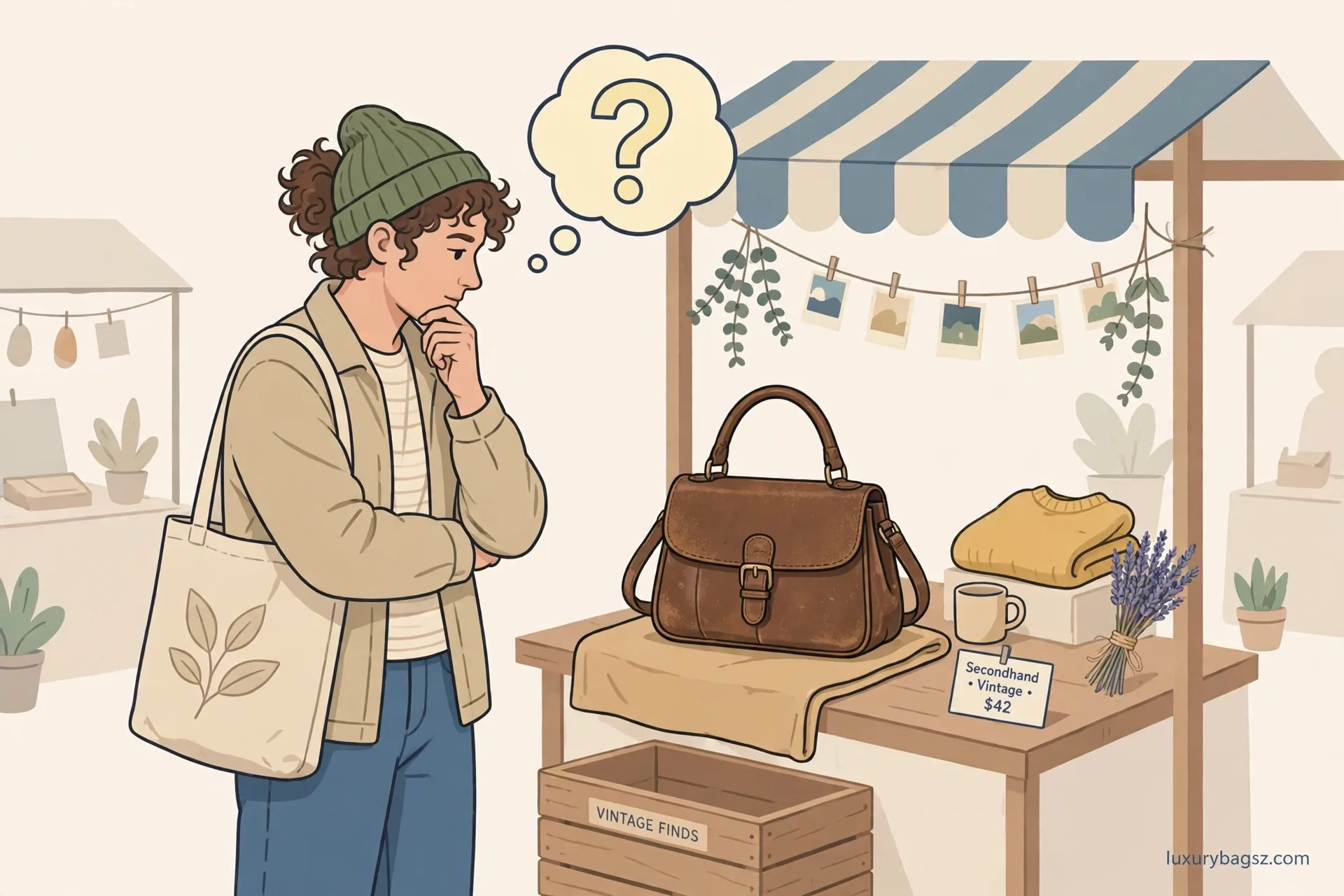
Where to Buy, and What Each Route Costs You
Each buying route trades price against safety. Boutiques sell new, with full provenance, but at full retail. Established resale platforms authenticate and handle payments, but charge fees that sit inside the price you pay. Private sellers can be cheaper, but leave you carrying all the risk.
If you want the safest route for a first investment-grade purchase, use a well-known resale platform with buyer protection and a clear returns window. Read how to buy a pre-owned designer bag safely so you know which protections actually apply and which claims are just marketing.
Auctions can surface rare pieces, but they reward research. Set a maximum bid before the sale starts, including the buyer premium and shipping. Auction fever is real, and a bag bought above market price in the room is a loss you carry home.
Estate sales and charity shops occasionally hide gems, but they rarely offer authentication or returns. Only buy there if you can authenticate the piece yourself or afford an expert opinion before the return window closes. For most buyers, that route is for fun finds, not investment money.
Consignment shops sit in the middle. They curate stock and often know their bags well, but prices reflect that work. Ask what authentication they performed, and whether they will stand behind it in writing. A verbal promise is worth little if a problem appears later.
The Mistakes That Wipe Out Returns
The most common mistake is overpaying at the start. Every extra pound or dollar you pay is profit you must earn back before you break even. Patience is cheaper than regret, so wait for the right bag at the right price rather than chasing the first one you see.
The second mistake is ignoring condition. A bag with corner wear, a stained lining, or a broken zip may look like a bargain, but repairs cost money and rarely return their full cost at resale. Price every flaw before you buy, and get a repair quote if you are unsure.
The third mistake is buying a trend at its peak. When everyone is hunting the same Y2K style or novelty shape, prices spike, then cool. Classic designs are boring for a reason: they keep selling after the hype moves on. Let other buyers pay peak prices.
The fourth mistake is skipping the paperwork. Losing the dust bag, box, and receipt seems small, but the full set sells better and often for more. Keep everything from day one, and photograph the bag and its markings when it arrives.
The fifth mistake is forgetting fees. Consignment commissions, platform fees, payment processing, and shipping can take a large slice of your sale price. Work out your net proceeds before you buy, not after you sell, so a gross profit does not turn into a net loss.
Storage and Care That Preserve Resale Value
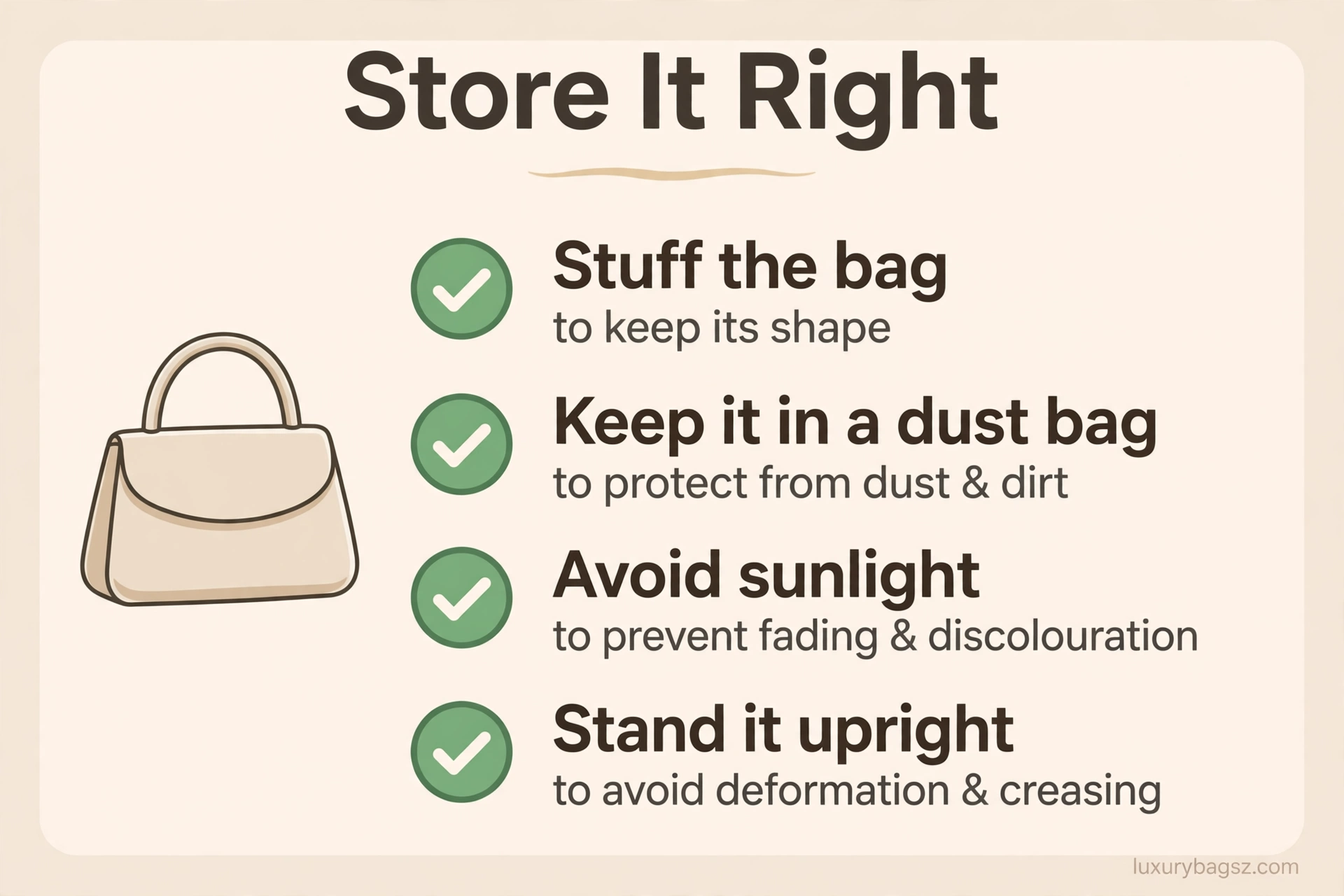
Good storage is quiet money. Stuff the bag lightly with acid-free tissue so it holds its shape, and keep it in its dust bag away from direct sunlight. Heat, damp, and sunlight fade colour, dry leather, and weaken stitching over time.
Store bags upright where possible, never stacked under heavy items. Hanging a heavy bag by its handles for months can stretch the straps, so rest handles inside the bag or support them. For chain straps, tuck them inside to avoid impressions on the leather.
Clean gently and rarely. A soft, dry cloth suits most leather for dust, and any deeper cleaning should match the material. Lambskin, suede, and patent all need different care, and the wrong product can do more harm than the dirt it removes. When in doubt, ask a leather specialist before you experiment.
Rotate your bags if you carry them. Daily use wears corners and handles faster than occasional wear, and heavy loads strain seams. A bag you plan to resell deserves lighter duty than a bag you bought purely to enjoy. Keep a simple record of wear, repairs, and cleaning, so the next buyer sees an honest history.
When and How to Sell
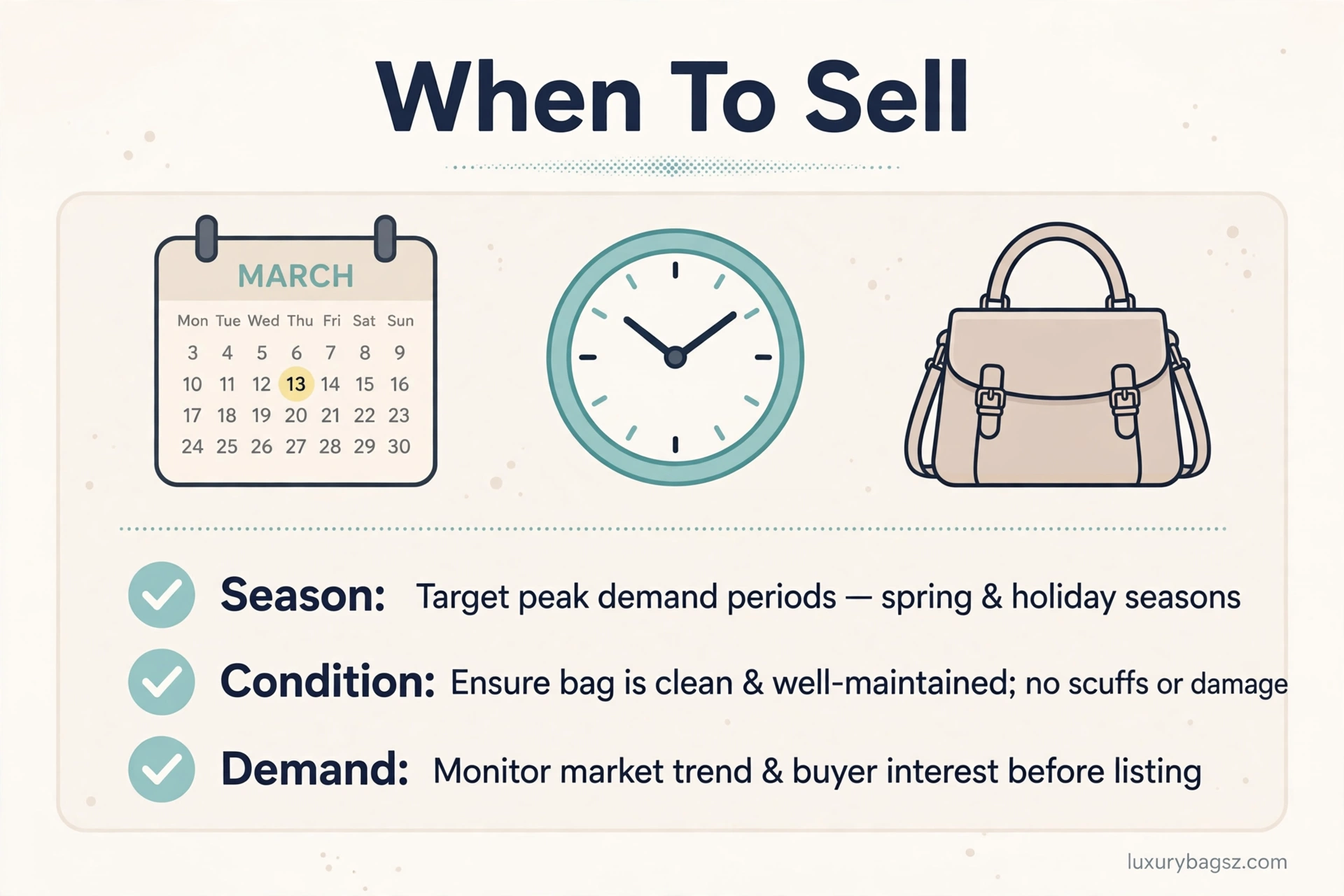
Timing helps, but it never guarantees a price. Demand often peaks around gift seasons and when a house raises retail prices, because new prices pull pre-owned prices upward. Watch sold listings for your model for a few weeks before you list, so you price from real sales rather than hope.
Presentation sells bags. Photograph in natural light, show every angle, and include close-ups of wear, however small. Honest photos build trust and reduce returns, while flattering photos that hide flaws lead to disputes and refunds.
Write a plain, factual description: model, size, material, colour, year or era if known, condition, flaws, and everything included. Mention authentication paperwork if you have it. Buyers pay more for certainty, and a clear listing gives them that certainty.
Choose your selling route by weighing speed against net return. A platform sale reaches many buyers but takes fees. A private sale keeps more of the price but needs more work and care. Learn how to sell a designer bag for the best price before you list, so fees and timing do not surprise you.
Set a realistic reserve or minimum price, and be ready to wait. Dropping the price in a panic rarely helps, because buyers sense urgency. If the bag does not sell, review your photos, description, and price against fresh sold listings, then adjust one thing at a time.
Frequently Asked Questions
Are vintage designer bags a good investment?
Some are, but most are not. Classic models from heritage houses in excellent condition have the best record, while trendy and seasonal bags often fall. Treat any bag as a purchase you enjoy first, and only count a gain once fees and condition are accounted for.
Which vintage bags hold their value best?
Iconic, long-running designs tend to hold up best, especially in medium sizes and neutral colours. Hermès, Chanel, and Louis Vuitton lead resale demand, but the exact model, size, and condition matter more than the brand name alone.
How much can a vintage bag appreciate?
There is no fixed rate, and results vary widely by model and market. Some rare pieces sell well above their original retail price, while common styles sell below it. Always check recent sold listings for your exact bag rather than trusting a general percentage.
Does age alone make a bag valuable?
No. A bag from the 1990s is not automatically worth more than a newer one. Rarity, demand, and condition decide value, and a well-kept recent classic can outsell a worn older bag. Age helps only when buyers want that era's design and craftsmanship.
Should I buy vintage or new for investment?
Vintage usually offers a lower entry price and access to discontinued designs, while new offers full provenance and packaging. Compare the total cost of each route, including authentication for vintage, and choose the one with the clearer path to a sale.
How do I avoid buying a fake vintage bag?
Use reputable sellers, insist on detailed photos, and get an independent authentication for high-value bags. Check stitching, hardware, stamps, and serial numbers against known examples, and walk away from any deal that rushes you or refuses extra photos.
Do dust bags and boxes really affect price?
Yes, a full set usually sells faster and for more, because buyers trust complete packages. The effect varies by model, but keeping dust bags, boxes, cards, and receipts is free insurance for your resale value. Photograph them when the bag arrives.
What selling fees should I expect?
Fees vary by route, but platform commissions, payment processing, and shipping can take a large share of the sale price. Work out your net proceeds before you list, and compare consignment, platform, and private-sale costs for the same bag.
Is it better to restore a bag before selling?
Light, professional cleaning can help, but major restoration rarely pays for itself at resale. Get a quote first, and disclose any work done. Buyers often prefer honest wear over a heavy restoration that hides the bag's true state.
Can I invest in bags with a small budget?
Yes, but adjust your expectations. Entry-level canvas totes and smaller leather goods from strong houses can hold value well, though gains are modest. Focus on condition and authenticity, and avoid stretching your budget for a trendy piece.
Final Verdict: Buy the Bag, Not the Promise
Vintage designer bags can be rewarding purchases, and a careful buyer can sometimes sell for as much as they paid, or more. That outcome comes from discipline: a classic model, excellent condition, verified authenticity, a fair entry price, and honest selling. It never comes from hype alone.
Start small, learn one house and one model deeply, and keep records from the first purchase. If a bag stops making sense as a store of value, it should still make sense as something you enjoy carrying. That simple test protects your money better than any trend forecast, and it keeps collecting fun rather than stressful.






