How to Clean Chanel Bags Safely Without Damaging Leather
Cleaning by Material, Starting With a Dry Cloth
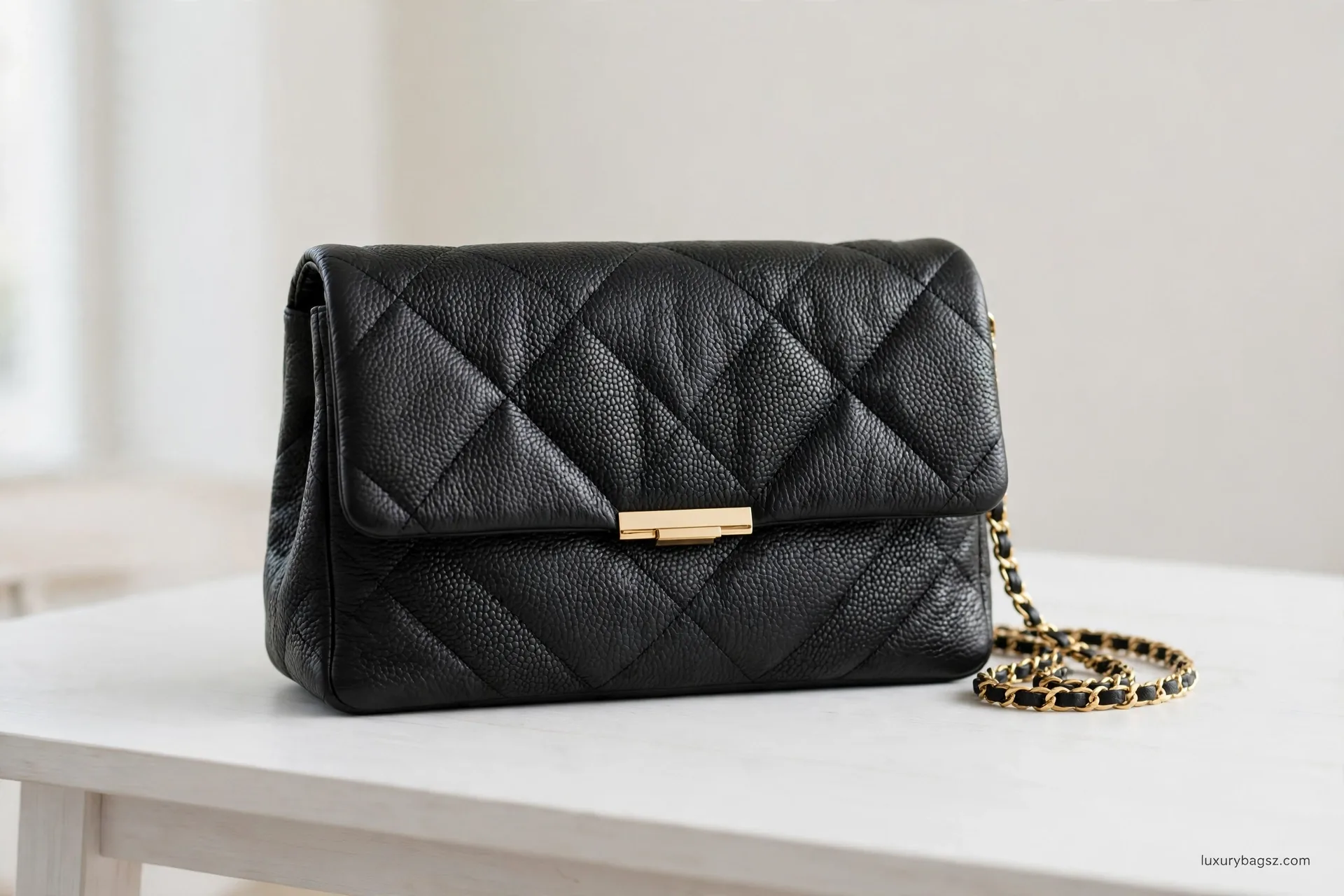
For routine care, use a clean, dry, white microfibre cloth and nothing stronger until you know the material — that is the safest starting point for every Chanel bag. Empty the bag, shake out dust and crumbs, then wipe the outside lightly in one direction.
Caviar tolerates a lightly damp cloth with distilled water and a pH-neutral cleaner applied to the cloth, plus gentle brushing into the grain. Lambskin needs a dry, ultra-soft cloth only, avoiding water and harsh products, with conditioner used very sparingly and only if made for delicate leather.
Spot-test any product under the flap or on the base first, blot stains rather than rubbing them, and stop if colour lifts. Avoid baby wipes, alcohol, vinegar and household cleaners entirely.
Learning how to clean Chanel bags the right way can save you thousands of dollars and keep your bag looking new for years. A Chanel Classic Flap or Boy Bag is an investment, and the wrong cleaner, cloth, or technique can cause irreversible damage to the leather, stitching, and hardware.
The good news is that most routine cleaning can be done safely at home, if you know your bag’s material first. Caviar leather, lambskin, patent leather, and tweed all need different care. In this revised guide, you will find the exact tools to gather, a material comparison, the step-by-step method, how to handle common stains, what to avoid, and how to store your Chanel bag properly.
Key Takeaways
- Identify the material first. What is safe for caviar can damage lambskin.
- For routine care, a clean, dry, white microfibre cloth is the safest tool.
- Always spot-test any cleaner on a hidden area before using it on the visible bag.
- Blot stains, never rub them. If colour lifts, the stain spreads, or the leather cracks, stop and consult a professional.
- Store the bag upright, lightly stuffed, in its dust bag, with the chain wrapped in tissue inside the bag.
Chanel leather splits my cleaning habits in two, and this guide draws the line where I draw it. Caviar, with its pebbled, coated grain, forgives a lightly damp cloth and gentle brushing into the texture. Lambskin forgives almost nothing — a dry, ultra-soft cloth, straight strokes, and patience. I spot-test under the flap before anything touches a visible panel, and the moment colour lifts onto my cloth, I stop. I have examined hundreds of Chanel bags, and the saddest ones were not worn out; they were cleaned out, by owners using the right product on the wrong leather.
Tools and Products Kit: Gather These First
Do not start cleaning until you have the right tools. Using a coloured towel, a rough sponge, or a household cleaner is one of the fastest ways to damage luxury leather.
Use:
- Several clean, white, lint-free microfibre cloths, plus a soft wool cloth for polishing
- A soft-bristle brush for caviar grain, and a suede brush for suede or nubuck
- A lint roller for fabric lining
- Distilled water, for caviar only, where this guide allows a lightly damp cloth
- A pH-neutral leather cleaner made for luxury bags, applied to the cloth, never directly on the bag
- A luxury leather conditioner, for example Collonil 1909 Neutral Leather Cream, or for lambskin, Cadillac Select or Apple Brand Leather Care. These are examples named by competitor guides, not an endorsement, and they must be spot-tested first.
- Fragrance-free soap, such as fragrance-free Dove soap on a cloth, for caviar only
- Cornstarch or unscented talcum powder for oil and grease
- Cotton swabs for tight spots near hardware and stitching
- Acid-free tissue paper, the original dust bag, and a bag shaper or insert if you use one
- Silica gel packets kept near, not touching, the bag in humid storage
- A small inner pouch or bag organiser for pens, lipstick, keys, and other spillable or sharp items
Do not buy or use for this job:
- Baby wipes with fragrance or alcohol, alcohol wipes, vinegar, baking soda paste, household cleaners, nail polish remover, or acetone
- Shoe polish, generic coated-leather cream, or metal polish on plated hardware
- Coloured towels, paper towels, rough sponges, or abrasive brushes
- A hairdryer or direct heat to dry the bag
Some competitor guides suggest rubbing alcohol for ink, Brasso for hardware, or gold polish for chains. Do not follow those suggestions at home on a Chanel bag. They can strip colour and plating, and that damage is often irreversible.
Spot-Test Before You Clean
Test every cleaner and conditioner on a hidden spot first, such as under the flap or on the base. Apply a tiny amount to a clean cloth, dab the hidden spot, and wait to check for darkening, colour lift, or a change in texture before you continue. If anything changes, stop and do not use that product on the visible bag.
How to Clean Chanel Bags: Material Comparison
Use this table to choose the right method. When in doubt, use the gentler method for the more delicate material.
| Material | Routine cleaning | Water and cleaner | Conditioner | Biggest risk |
|---|---|---|---|---|
| Caviar leather | Dry microfibre cloth, soft brush into the grain | Lightly damp cloth with distilled water; pH-neutral cleaner on the cloth for stubborn dirt | Sparingly, every few months if used regularly, or once a year for light use | Flattening the grain by scrubbing hard |
| Lambskin | Dry, ultra-soft microfibre cloth only | Avoid water and harsh cleaners; dry buffing for light marks | Very sparingly, only a product made for delicate leather, after a spot test | Scratches, water marks, and colour loss |
| Calfskin | Dry microfibre cloth | Barely damp cloth only for light soil; keep moisture to a minimum | Sparingly, after a spot test | Soaking up liquid and water marks |
| Patent leather | Dry soft cloth | Barely damp cloth for fingerprints; keep away from heat | Do not use ordinary leather conditioner unless a specialist advises it | Sticking to other bags, colour transfer, and cracking from heat |
| Suede and nubuck | Gentle suede brush | Avoid water and liquid cleaners | Specialist suede care only | Crushing the nap and water stains |
| Tweed, canvas, and velvet | Soft brush or textile roller, with the weave or pile | Spot-clean fabric only, barely damp white cloth after a spot test; never soak | Not applicable | Shrinking, water rings, and crushed velvet pile |
| Metallic-coated leather | Dry microfibre cloth | Avoid water, oils, perfume, and acetone | Avoid unless a specialist advises it | Fading of the metallic coating from extensive cleaning |
| Exotic skins | Dry microfibre cloth, brushed with the scales | Avoid water and detergents; professional care for most problems | Specialist care only | Drying, cracking, and curling scales |
Know Your Chanel Bag Material Before You Clean
Never clean a Chanel bag until you know what it is made of. Using the wrong product is the number one cause of damage.
Caviar leather is pebbled calfskin, durable and scratch-resistant, and the easiest to clean. Lambskin is soft, smooth, and luxurious, but very delicate. It scratches and water-marks easily. Patent leather is shiny and coated.

It is easy to wipe, but can get sticky, crack, or transfer colour if stored incorrectly. Tweed and other fabrics are woven with leather trim. Never soak them. Spot-clean fabric only, and clean leather trim separately.
If you are unsure of the material, check the original tag, receipt, or Chanel product description, or take it to a luxury leather specialist first.
How to Clean Chanel Bags Step by Step

Use this gentle routine for regular maintenance every 2 to 4 weeks if you use the bag regularly, and wipe it with a dry cloth after every few uses.
Step 1: Empty and prep. Empty the bag completely, including the interior pocket. Shake it gently upside down to remove dust and crumbs. Remove the chain strap from inside if possible, and keep sharp or spillable items in a separate pouch.
Step 2: Dust the outside. Use a clean, dry, soft white microfibre cloth. Wipe lightly in one direction to remove dust. For caviar leather, you can use a soft-bristle brush to get into the grain. Avoid coloured cloths that can transfer dye.
Step 3: Clean the leather. For caviar leather, lightly dampen a white cloth with distilled water, wring it well, and wipe gently. For stubborn dirt, use a tiny amount of pH-neutral leather cleaner for luxury bags on the cloth, never directly on the bag. For lambskin and patent, stick to a dry cloth only unless a specialist recommends otherwise. Lambskin is the strictest case of all, so it has its own dedicated routine: follow our guide to how to clean a Chanel lambskin bag for any lambskin piece rather than the general steps here.
Step 4: Clean hardware and interior. Wipe gold or silver-tone hardware with a dry soft cloth. Do not use metal polish, as it can strip the plating. For the interior, use a lint roller for fabric lining and a dry cloth for leather lining. For seams and corners, use tweezers gently to lift debris, and do not flip the bag inside out, as that can distort its shape.
Step 5: Condition, if needed, and air dry. If the leather feels dry and you have spot-tested a suitable conditioner, apply a tiny amount to a clean cloth, work it in gently, let it absorb, and buff off any residue. Do not over-condition, as excess product attracts dirt and can darken leather. Let the bag air dry away from sunlight, heat, and air-conditioning vents. Never use a hairdryer. Once dry, stuff it lightly with acid-free tissue paper to hold its shape.

How to Remove Common Stains From a Chanel Bag
Act quickly, blot, never rub, and work from the outside of a spill inward where a liquid is involved.
Makeup and foundation: Blot, do not rub, with a dry white cloth. For caviar leather, dab very gently with a cloth slightly dampened with distilled water and a drop of gentle leather cleaner. Test on a hidden spot first.
Ink and pen marks: This is the hardest stain to fix. Do not use alcohol, nail polish remover, or erasers. They will strip colour. For a small fresh mark, try a dry, gentle buff very lightly on caviar only, but stop immediately if colour lifts. For lambskin or large marks, go straight to a professional.
Water marks: Let the bag dry naturally. Do not rub while wet. On caviar leather, a light, even wipe with a damp cloth after drying can help blend the mark. On lambskin, water marks often need professional attention.
Colour transfer, from jeans or dark clothes: This is common on light-coloured bags. Do not scrub. Use a specialist leather cleaner for colour transfer, test in a hidden area, and work in small circles. If it does not lift quickly, stop and consult a professional to avoid spreading the dye.
Oil and grease: Blot excess with a dry cloth, sprinkle a small amount of cornstarch on the spot, leave for a few hours, then brush off gently. Repeat once if needed.
Light scuffs: For lambskin, gently buff in small circles with a clean, soft cloth. The leather’s natural oils can fade a light mark. For caviar, light scuffs often fade with gentle buffing alone. Deep scratches, cuts, or punctures need a leather repair specialist.

Light-Coloured Chanel Bags Need Extra Care
White, cream, and beige bags show every mark, and colour transfer is the biggest risk. Avoid wearing a light bag against new denim or heavily dyed dark clothing. Wipe the bag after each outing, paying attention to the bottom, corners, and back quilting where dye and grime collect.
Use only a soft, dry microfibre cloth for routine care. If moisture is unavoidable, use a hint of distilled water on the cloth, because tap water minerals can leave marks on light leather, especially where the local water is hard. Do not use soap, detergent, alcohol, or an off-the-shelf leather cleaner on a light lambskin bag unless a specialist has advised it for that exact bag.
If Your Bag Gets Wet or Caught in Rain
Blot immediately with a clean, absorbent, non-pilling cloth. Do not rub, do not use paper towels, and do not place the bag near a heater, radiator, or in direct sunlight. Let it air dry naturally in a well-ventilated area.
Once dry, wipe it gently and check for water marks before storing it. For future rain, a foldable waterproof cover kept in the bag can protect it in a sudden shower, and should be removed once you are indoors so moisture is not trapped against the leather.

What NOT to Do When Cleaning Chanel Bags
Avoid these mistakes that ruin Chanel bags:
- Do not use baby wipes, alcohol wipes, vinegar, baking soda, or household cleaners
- Do not soak the bag or hold it under running water
- Do not use coloured towels or rough sponges
- Do not use heat to dry it
- Do not spray perfume, hand sanitizer, or hairspray near the bag
- Do not try DIY dye or colour repair at home
- Do not hang the bag by its chain for long periods, as this stretches the strap and stresses the attachment points
- Do not store patent leather touching other bags, as it can stick and transfer colour
If a stain does not come off with gentle cleaning, professional cleaning is cheaper than a repair or replacement. My designer bag repair and restoration guide covers what a specialist can fix, what it costs and what cannot be saved.
This guide is general care information only. It is not affiliated with, endorsed by, or sponsored by Chanel. For a valuable, vintage, or damaged bag, consult a luxury leather specialist before trying a new product or method.

How to Store and Maintain Your Chanel Bag
Cleaning is only half the care. Proper storage prevents most damage.
Keep your bag in its original dust bag, stuffed lightly with tissue paper, and stored upright in a cool, dry place. Do not hang it by the chain, as this stretches the strap. Keep it away from direct sunlight to prevent fading, and avoid storing patent leather bags touching other bags.

For patent leather, place a soft cloth between the flap and body. For long-term storage, air it out every few months and wipe it down before putting it away. Wrap the chain in acid-free tissue and tuck it inside the bag, so it does not leave marks on the leather.
In humid climates, keep silica gel packets near, not touching, the bag, and check stored bags regularly for moisture or damage. Aim for stable, moderate humidity, and avoid basements, attics, bathrooms, and plastic covers that trap moisture.
Cleaning and storage schedule
| When | What to do |
|---|---|
| After each use | Quick dry wipe, check for marks, put pens and cosmetics in a pouch |
| Weekly, if used regularly | Empty the bag, check the interior and seams, check hardware |
| Every 2 to 4 weeks | Deeper clean from Section 4, if the bag is used regularly |
| Every few months, or once a year for light use | Spot-tested conditioning, only where the material allows it |
| Before long-term storage | Clean, condition only if appropriate, stuff lightly, wrap the chain, store upright in its dust bag |
| Every 1 to 2 years | Consider a professional bag spa, especially for vintage or heavily worn bags |
DIY or Professional Cleaning? Use This Decision Guide
| Situation | DIY or professional? |
|---|---|
| Dust, light dirt, and routine wiping | DIY, with a dry white microfibre cloth |
| Light scuff on lambskin or caviar | DIY gentle buffing only, and stop if colour lifts |
| Small oil mark on caviar | DIY cornstarch method, once, then stop if it remains |
| Ink on lambskin, large colour transfer, or a set-in stain | Professional |
| Cracking, stiffness, colour loss, curling exotic scales, or a deep cut | Professional |
| Hardware tarnish, stitching damage, or structural shape loss | Professional |
Professional cleaning for luxury bags typically costs $100 to $400 depending on material, size, and stain type, but prices vary by service and location, so check locally before booking. Deep cleaning, colour restoration, or hardware repair costs more. Before booking, ask whether the service has specific experience with Chanel materials, what method it will use, and whether colour restoration is included.
Extra Care: Odour, Handles, Travel, and More
Odour and mould
For a lingering smell, first air the bag in a well-ventilated room away from sunlight and heat, with the bag empty and open for a few hours. Do not spray perfume, scented spray, or fabric freshener inside the bag to cover a smell, as that can stain lining and attract dirt. The baking soda sachet method in the FAQ, kept away from the leather and removed afterwards, is for light odour only.
Mould is different from a smell. If you see spots, fuzz, or a musty smell after damp storage, isolate the bag from your other bags, do not brush it indoors, and do not try a home mould remover on leather. Take it to a luxury leather specialist, and check the storage area for damp, poor airflow, or a plastic cover that trapped moisture. Fixing the storage cause matters as much as cleaning the bag, or the mould can return.
Handles, straps, and interwoven chain leather
Handles darken first because they absorb oils and sweat from your hands. Wipe handles with a dry, soft cloth after use, and wash and dry your hands before handling a light-coloured bag, especially after hand cream or sunscreen.
Do not soak handles or apply conditioner to one handle only, as that can leave an uneven colour.
For chain straps, wipe metal links with a dry cloth, and wipe any leather woven through the chain with the same dry cloth, in short sections, without letting moisture sit on the metal. If the leather between chain links looks cracked, dry, or dark, stop and ask a specialist, as that area is hard to clean without stressing the links.
Zippers, stitching, and edge paint
Wipe zipper teeth gently with a dry, soft brush to remove dust, and keep soap, cleaner, and water away from zippers and metal parts. Do not force a stuck zipper, and do not oil it at home, as oil can stain leather and attract dirt. If a zipper sticks, catches on lining, or feels gritty after a dry brush, leave it to a repair specialist.
Check stitching and corners regularly, because corners rub first and stitching can loosen with overfilling. If stitches are loose, frayed, or missing, or if edge paint is cracking or peeling, do not glue, dye, or trim it yourself. Those are repair jobs, and a home fix can make a professional repair harder and more visible.
Travel care
When you travel, keep the bag with you on a flight, never in checked luggage. Pack it in its dust bag, lightly stuffed, in a structured section of your bag so it is not crushed, and keep a small white cloth and a foldable rain cover with it. Avoid placing it directly on airport, hotel, or restaurant floors, and avoid leaving it in a hot car or a damp hotel bathroom.
At your destination, store it upright in its dust bag, away from sunlight and heating, with the chain wrapped in tissue inside. Check the weather before you travel, and if rain is likely, carry the rain cover from the start rather than trying to dry a soaked bag later.
Humidity and seasonal care
Aim for stable, moderate humidity in storage, roughly 40 to 50 percent where you can control it, and avoid big swings between dry and humid rooms. Too dry, and leather can stiffen and crack. Too humid, and lambskin in particular can develop mould and musty smells. Do not store bags in basements, attics, or bathrooms, where temperature and humidity change most.
Seasonal changes need a slower transition. In summer, watch for sweat, sunscreen, and hand sanitiser on handles and straps. In winter, watch for dry indoor air and cracking, especially on older bags. Let a bag that has been in the cold warm up gradually at room temperature before cleaning or conditioning it, and never put it straight next to a heater.
Washing your cleaning cloths
A dirty cloth undoes a careful clean, especially on light-coloured bags. Wash microfibre cloths separately from other laundry, in fragrance-free detergent, and air-dry them. Do not use fabric softener, as it can coat the cloth and leave residue on leather. Do not use a cloth that has been used for household cleaning, shoes, or another bag with a dark dye transfer.
Keep one set of cloths only for luxury bags, and replace a cloth that feels rough, stained, or stiff. If you are cleaning a light bag, start with a fresh, white cloth, and switch to a clean one as soon as it picks up visible dirt.
Before you hand it to a professional
Before booking a bag spa, photograph the bag in good, natural light from the front, back, base, corners, handles, chain, and inside, and note any marks that are already there. This protects you if a mark is questioned later, and it helps the specialist see the starting condition.
Ask the service, in writing if possible: what exactly is included, what method it will use on your material, whether colour work is included, how long it will take, and what it cannot guarantee, for example ink or deep colour transfer. Keep the receipt and the service notes with your bag’s other documents, as a record of care can help resale value later.
Vintage and pre-loved bags
Older bags need even more caution than new ones. Leather can be drier, stitching can be weaker, and some linings, including burgundy linings in vintage bags, can bleed onto light exteriors if they get wet. For a vintage or pre-loved bag, spot-test even a dry cloth method first on a hidden area, and for most stains, go to a specialist before trying any cleaner.
Do not try to restore a vintage bag to look brand new at home. Patina, a soft sheen from gentle use, is normal and different from damage. A specialist can tell you what is age, what is wear, and what can safely be improved, without stripping colour or finish.
Everyday stains not covered earlier
Coffee and food: blot immediately, do not rub, and do not add soap at once. For caviar only, a lightly damp cloth with distilled water, after a spot test, can lift a fresh spill. For lambskin, blot dry and get professional help if a mark remains.
Sunscreen and hand sanitiser: both can damage leather and plating, and sanitiser is alcohol-based. If either touches the bag, blot gently, do not rub and do not add more product, and stop if colour lifts. Wash and dry your hands before handling the bag after applying either product.
Sweat and salt: wipe handles and straps with a dry cloth after a hot day, as salt and sweat can darken leather over time. Lipstick inside the lining: blot with a dry cloth, do not use a makeup remover or alcohol wipe, and leave a set-in lining stain to a professional, as lining fabric is easy to damage.
How to tell if it needs conditioning, and what not to do after cleaning
Conditioning is not needed every time you clean. Signs it may help are dullness, a dry feel, light creasing that does not smooth out, and dry corners, and only where Section 2 allows conditioner for that material. Signs of over-conditioning are stickiness, darkening, a greasy feel, and dirt picking up faster than before. If the bag feels sticky after conditioning, you have used too much, so buff off residue with a clean, dry cloth and do not add more product.
After any cleaning, do not use the bag, stuff it tightly, or store it until it is fully air-dried. Do not condition over dirty leather, and do not layer a cleaner on top of a conditioner, or a second product on top of the first. Clean first, let it dry, then condition only if needed, with a spot test, and let that dry too before storing or using the bag.

FAQ
Can I clean my Chanel bag with baby wipes?
No, not as a routine method. Baby wipes can contain chemicals and moisture that dry out leather, strip colour, and leave marks, especially on lambskin. Some guides mention alcohol-free, fragrance-free wipes for spot cleaning, but only after a hidden-spot test, and that is still riskier than a dry soft microfibre cloth or a cleaner made for luxury leather. When in doubt, do not use them.
How often should I clean my Chanel bag?
Wipe it with a dry cloth after every few uses. Do a deeper clean every 2 to 4 weeks if you use it regularly, and always clean it before long-term storage.
Can I wash a Chanel bag with water?
No, you should never submerge or soak a Chanel bag. A lightly dampened cloth is okay for caviar leather only. Lambskin, tweed, and patent leather should stay as dry as possible. Where water is used, distilled water is safer than hard tap water, which can leave marks.
How much does professional Chanel bag cleaning cost?
Professional cleaning for luxury bags typically costs $100 to $400 depending on material, size, and stain type. Deep cleaning, colour restoration, or hardware repair costs more, and prices vary by location.
How do I clean the inside of my Chanel bag?
Empty it, use a lint roller for fabric lining, and wipe leather lining with a dry cloth. For odours, place a small sachet of baking soda inside overnight, not touching the leather, then remove it. Do not flip the bag inside out.
How do I clean the chain and hardware without damaging it?
Wipe it with a dry, soft cloth after use, and wipe chain links gently one section at a time. Do not use metal polish, household cleaners, or abrasive cloths, as they can strip plating. For tarnish, consult a professional rather than polishing it yourself.
How long will a Chanel bag last with proper care?
Lifespan varies with material, use, and storage, so any number is only a rough guide. One competitor guide estimates about 10 to 12 years for caviar leather, about 8 years for quilted caviar, and 3 to 5 years for lambskin with moderate use. Proper storage, gentle cleaning, and avoiding overfilling help a bag last longer, but they do not guarantee a set lifespan.

My Chanel Cleaning Rule: Material First, Always
Knowing how to clean Chanel bags correctly protects your investment and keeps your bag looking elegant for decades. Stick to gentle, material-specific cleaning, avoid harsh products, and do not hesitate to seek professional help for tough stains on lambskin or light colours. With regular care and proper storage, your Chanel bag will stay as beautiful as the day you bought it.
That split — caviar one way, lambskin another — is the habit I wish every Chanel owner learned first. In more than ten years of checking bags, most cleaning damage I see was done with the right product on the wrong leather. Read the material before you reach for anything.