Superfakes and Frankenfakes: The New Generation of Fake Bags Explained
Fakes You Cannot See: The New Problem
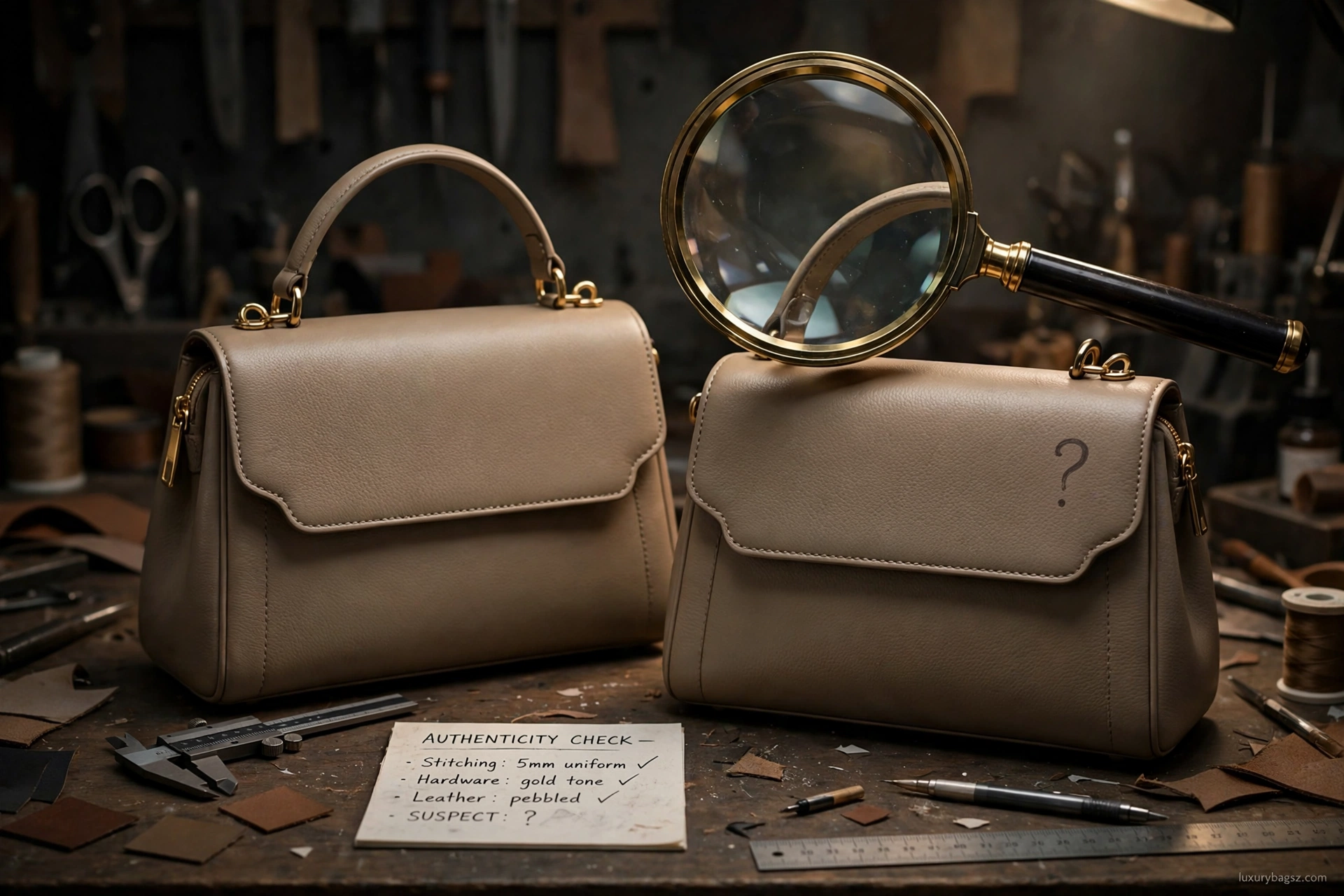
A superfake is a counterfeit bag made well enough to fool experienced eyes, and a frankenfake goes further: it mixes genuine parts with fake ones, so large parts of the bag really are authentic. That is why both defeat casual checks.
In 2026 the problem stopped being theoretical. Resale reporting described hybrid bags sold for tens of thousands of dollars, some carrying authentication certificates they should never have earned.
Key Takeaways
- Fakes now come in tiers; superfakes copy materials and construction closely enough to pass quick inspections.
- A frankenfake combines authentic components with non-original ones, so part-level checks can be fooled.
- Fashionphile reported at least 30 hybrid vintage Chanel bags sold since May 2026 at $20,000–$100,000.
- Some reportedly passed AI authentication, because genuine parts score as genuine.
- Provenance, expert human review and impossible-detail checks now matter more than any single test.
What Counts as a Superfake
The word describes quality, not a brand of fake. A superfake uses convincing leather, correct-weight hardware, accurate stitching and packaging that mimics the real set.
Prices give them away less than they used to. Superfakes sell for hundreds or thousands, close enough to resale prices that a bargain-hunting buyer feels clever rather than warned.
The uncomfortable benchmark, reported by the Wall Street Journal and others, is that even boutique staff can miss one in passing. A compliment from a sales assistant is not an authentication.
Production explains the leap. The best copies are reportedly made in small workshops using the same classes of leather, similar machines and workers with genuine industry experience. When the inputs converge, the outputs do too.
What still separates a superfake is consistency under scrutiny: a hundred small things must all be right at once, and fakes usually fail somewhere unglamorous — a lining, an edge paint, an internal stamp.
The Tiers of Fake
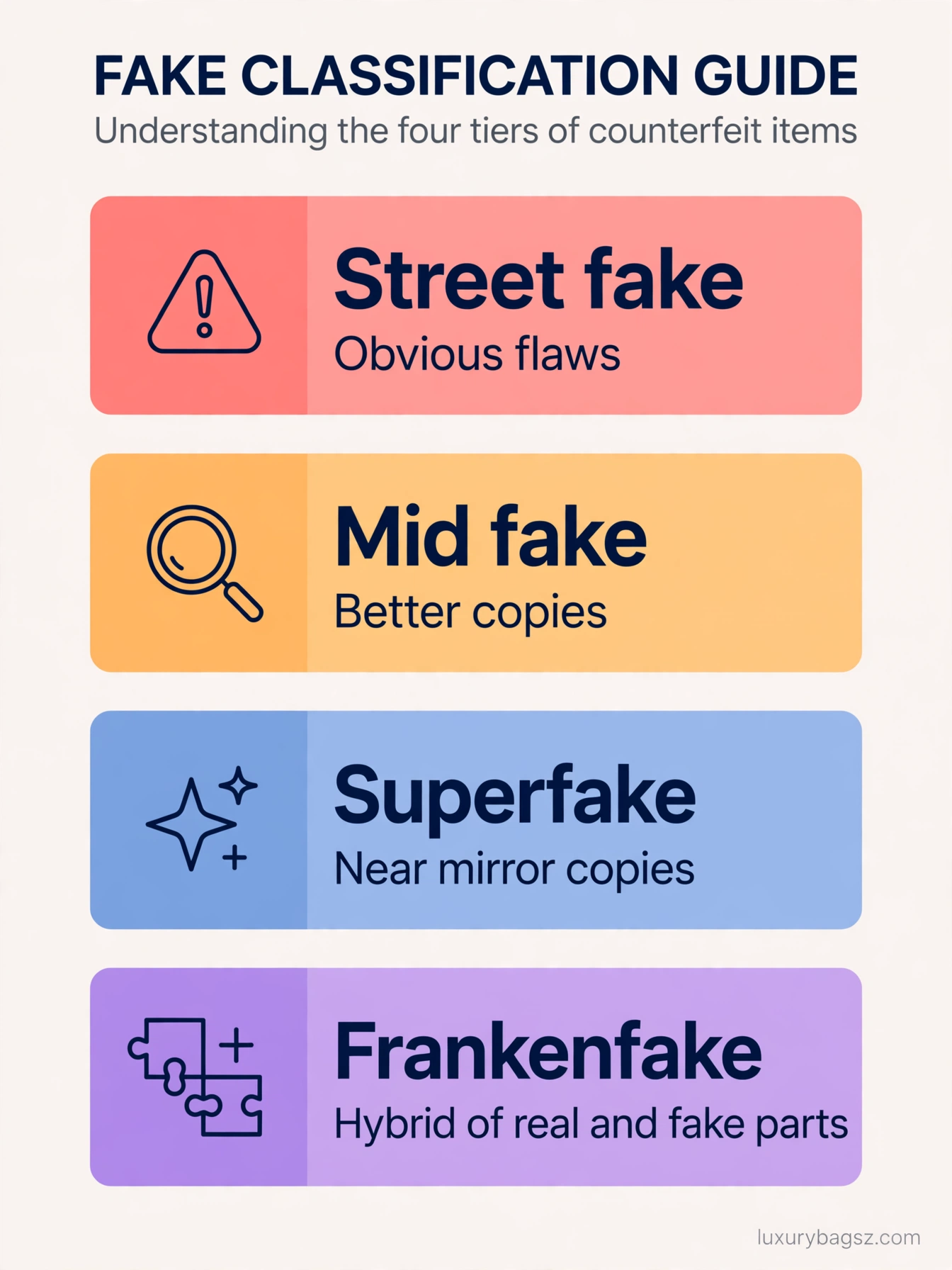
At the bottom sit street fakes: wrong shapes, plastic-feeling materials and logos that fail at a glance. Mid-tier copies fix the obvious and fail on detail — stitch counts, fonts, hardware weight.
Superfakes fix the detail too. What remains different is often at the level of microscopic print, internal construction and materials analysis.
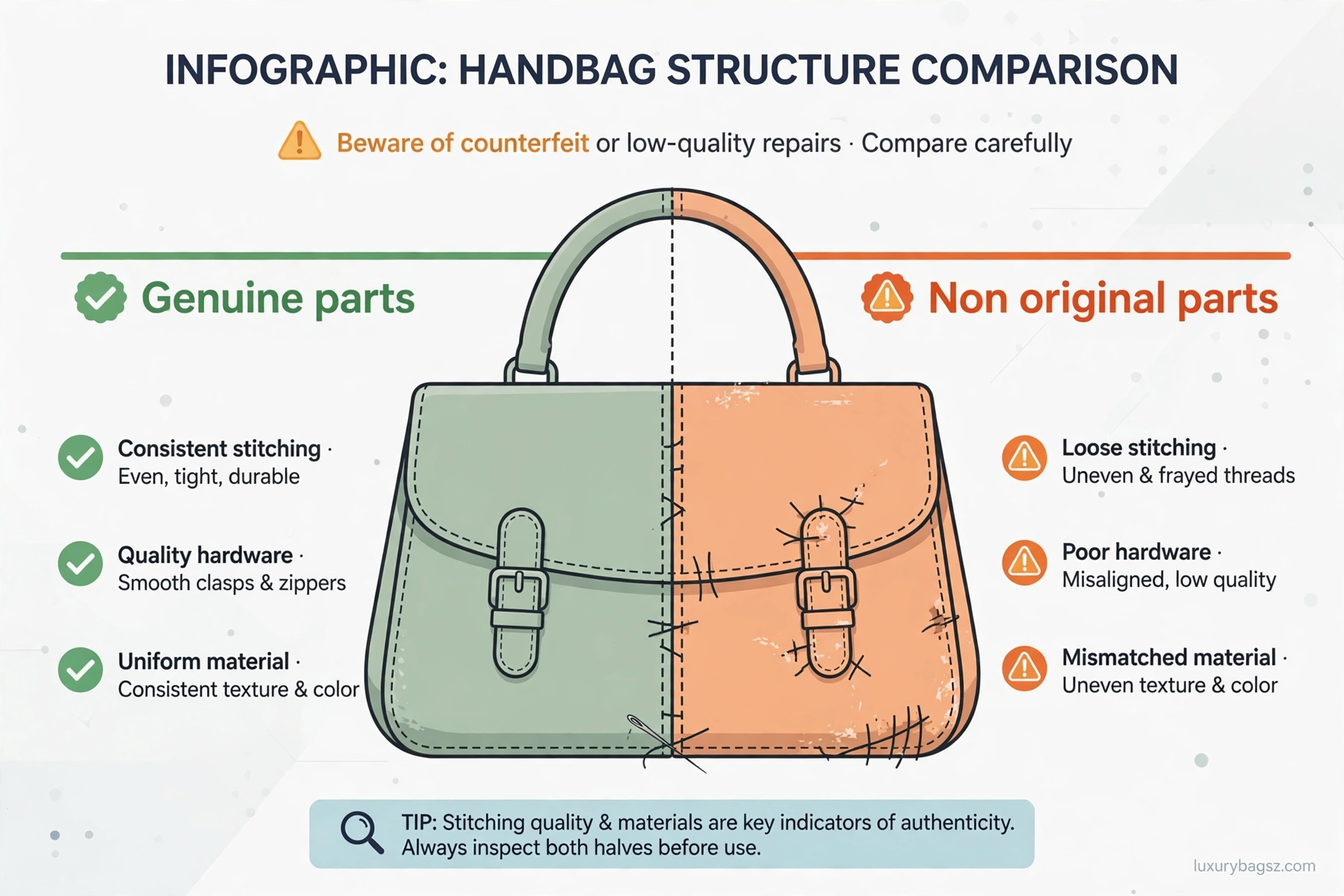
Frankenfakes break the tier logic entirely. They are not copies of a real bag; they are part real bag, rebuilt into something the brand never made in that form.
Frankenfakes: The 2026 Cases
Fashionphile's reporting described vintage Chanel Classic Flaps and Chanel Kellys rebuilt with fake porosus crocodile exteriors, sold since May 2026 at prices reported between $20,000 and $100,000.
The tell is a fact, not a feeling: Chanel never made its Kelly style in porosus crocodile. The house used alligator for that style, and it ended exotic skins entirely in 2018.
Reporting linked the scheme to a known theft: 30,000 genuine cards and hologram stickers stolen from a Milan factory in October 2012, with a serial range quoted in coverage. Genuine accessories gave fake exteriors a paper trail.
The choice of vintage styles was not random. Older bags predate microchips and modern records, their documentation is paper-based, and collectors expect variation between pieces — perfect cover for a hybrid.
Exotic skins were the profit engine. A porosus exterior implies a price in the high five figures, so a rebuilt bag wearing one could be priced like a rarity rather than a repair.
Checks That Still Help
Start with impossibility checks. Did the brand ever make this style, in this material, in this era? A bag that fails the catalogue test fails outright, however beautiful it is.
Then do the classic work. Our guide to spot a fake Chanel flap bag covers stitching, hardware, stamps and serials in the order an authenticator works through them.
Finally, price your suspicion correctly. A rare bag at a friendly price from a stranger is not luck until an expert says so.

Why Technology Alone Was Fooled
AI authentication compares a bag's details against learned patterns of genuine ones. A frankenfake's genuine parts — cards, stickers, hardware, sometimes panels — match those patterns honestly, because they are real.
That is how hybrid bags reportedly earned certificates. The machine verified the parts it was shown; the fraud lived in the combination, which is a judgement call, not a pattern.
Our explainer on luxury authentication technology sets out what these systems do well and where human review remains essential.
Genuine vs Fake, Side by Side
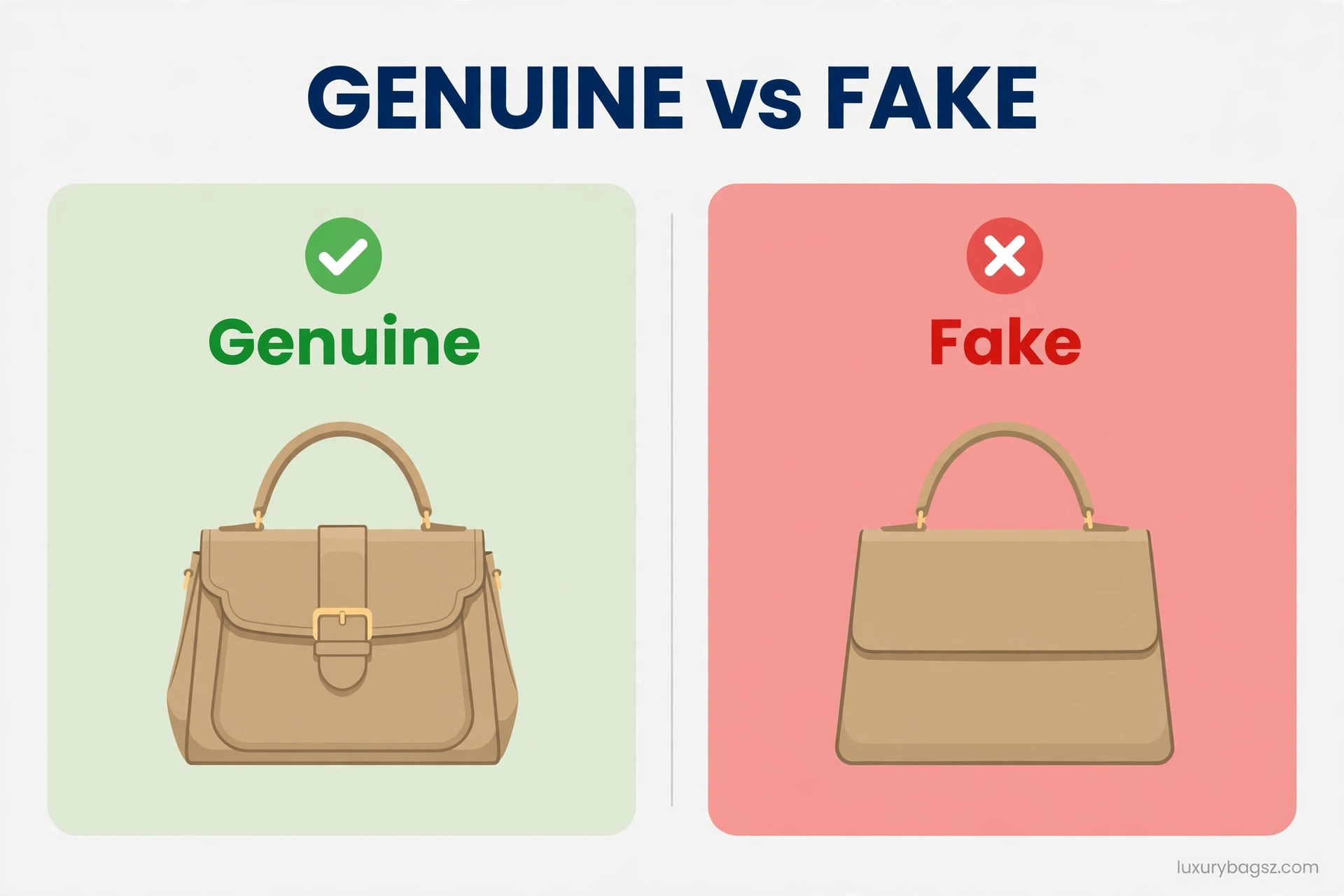
Side-by-side comparison is still the strongest public tool. Placing a suspect bag's details against a verified genuine example exposes the small wrongness that isolated photos hide.
The comparison video with this article walks through an authentic and a fake example of the Louis Vuitton Onthego tote, showing how print, canvas and construction differ up close.
Learn the method, not just the model. The same comparison habit — fonts, edges, weight, smell, symmetry — transfers to any bag you are offered.

Buying Safer
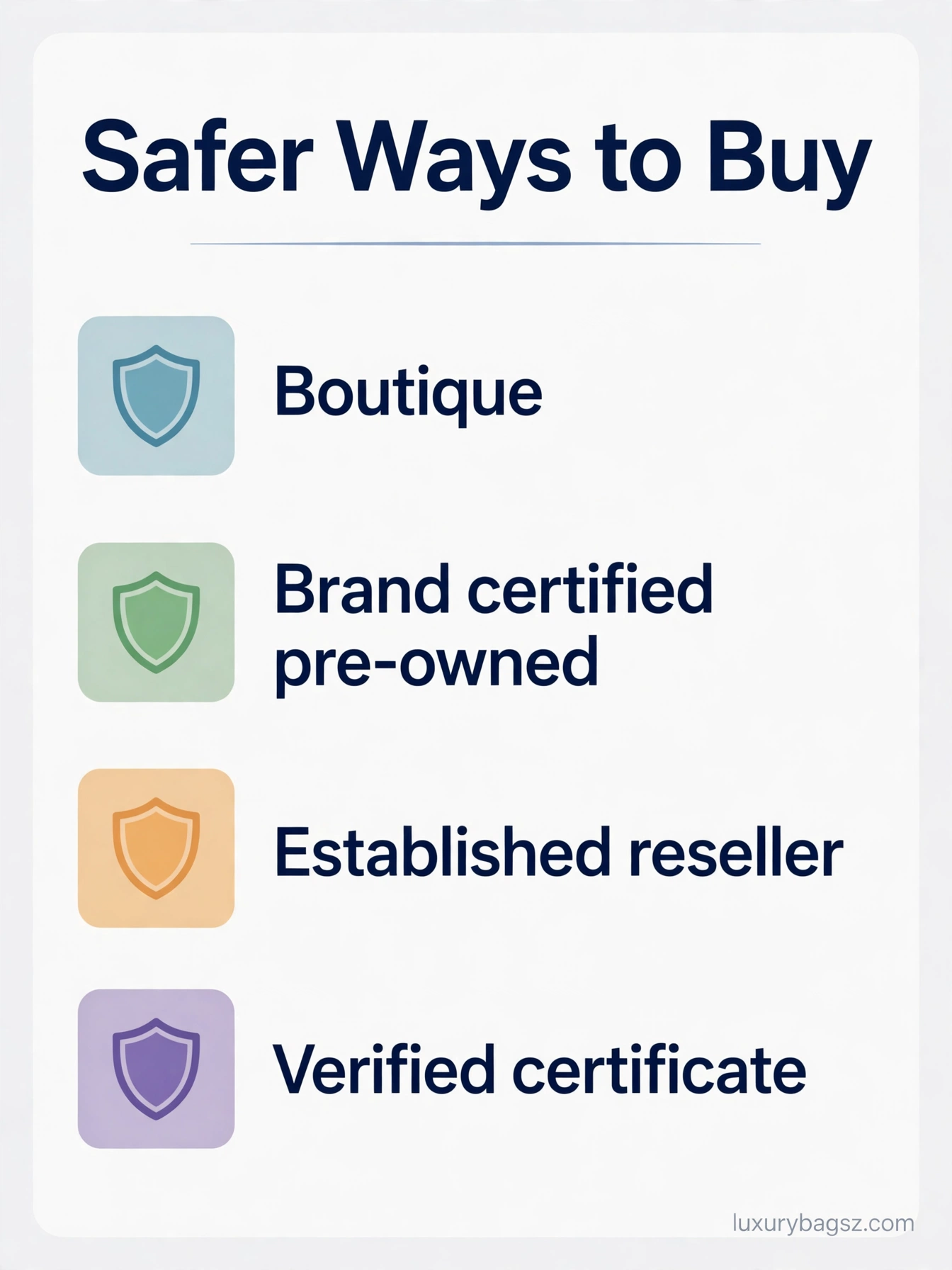
Buy from the boutique, the brand's own certified pre-owned channels, or established resellers whose guarantees survive a dispute. The channel is the first authentication.
For private purchases, follow the process in our guide to authenticate a pre-owned designer bag before money moves, not after doubts start.
Insist on the full set and a returns promise in writing. A seller who resists either is telling you something, whatever the bag looks like.
Payment method is part of buying safer. Credit cards and platform payments leave a trail and a dispute route; bank transfers and cash leave you with a story. On a five-figure bag, choose the trail every time.
Be extra careful with the exact profiles the 2026 cases used: rare vintage, exotic materials, urgent availability and paperwork that is genuine but may not belong to the bag in front of you.
If You Already Bought One
Do not resell it on. Knowingly passing on a counterfeit spreads the loss and, in many places, breaks the law. Your argument is with whoever sold it to you.
Get an independent expert opinion in writing, then pursue the platform or payment route you used. Card payments and platform guarantees exist for exactly this situation.
If it proves to be a frankenfake, tell the platform. Every reported hybrid helps map the serial ranges and styles involved, which protects the next buyer.
Frequently Asked Questions
What is a superfake bag, and what is a frankenfake?
A counterfeit made to a very high standard, with convincing materials, construction and packaging. Superfakes can fool quick inspections and are priced close to genuine resale pieces.
A bag combining authentic components with non-original ones — for example a genuine-era bag rebuilt with a fake exotic exterior. The mix is what makes it dangerous: much of it tests as real.
How much were frankenfakes sold for?
Fashionphile reported at least 30 hybrid vintage Chanel bags sold since May 2026 at prices between $20,000 and $100,000, aimed at serious collectors rather than casual buyers.
How did fake bags pass AI authentication, and what is the fastest way to spot a frankenfake?
Reportedly, the genuine parts scored as genuine. Systems verify the details they examine; a hybrid's fraud sits in the combination of parts, which needs human, catalogue-level judgement.
Check whether the exact combination ever existed. Chanel never made its Kelly style in porosus crocodile, so any example offered is wrong regardless of how its parts test.
Are certificates proof a bag is real, and can boutique staff authenticate it?
They are evidence, not proof. Certificates have reportedly been issued for hybrid bags, and stolen genuine cards exist. Provenance and expert review matter alongside any certificate.
Staff can give informal opinions, and reporting shows even they can miss a superfake in passing. Brands do not offer counter authentication as a boutique service; use independent experts.
Which bags are targeted most?
High-value, high-demand styles: classic flaps, quota bags and anything with an exotic premium. The 2026 cases centred on vintage Chanel pieces rebuilt as rare exotics.
Is buying a superfake illegal?
Buying counterfeit goods is treated differently by country, but selling them is illegal in most places, and platforms and payment providers treat the trade as fraud. Knowingly reselling one is a serious risk. My guide to whether buying a fake handbag is illegal sets out the buyer-side rules country by country.
How can I buy safely?
Use boutiques, brand-certified pre-owned or established resellers with written guarantees. For private sales, authenticate before paying, insist on the full set, and keep a returns agreement in writing.
Final Verdict
Superfakes ended the era of the confident glance, and frankenfakes ended the era of trusting parts and paper. What still works is slower: catalogue knowledge, human experts and honest sellers.
None of that should scare you off pre-owned bags. It should change how you buy them — channel first, certificate second, and any bag the brand never made, never bought.