

How to Clean Chanel Lambskin Bag Without Damaging It
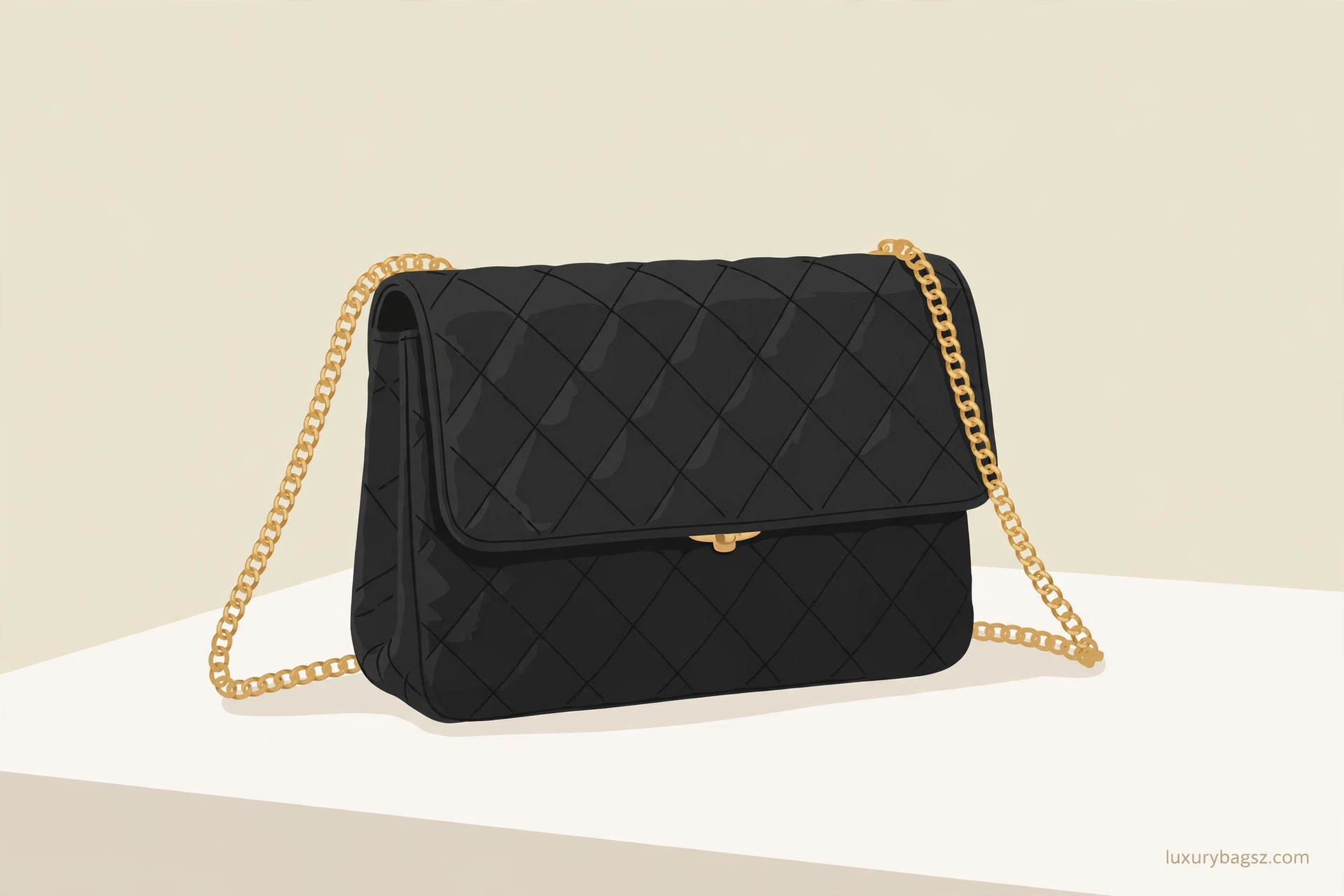
Clean Lambskin Dry, With No Water or Cleaner
To clean a Chanel lambskin bag safely, use no water and no cleaner: wipe it with a clean, white, ultra-soft microfibre cloth using light, straight strokes. First empty the bag fully, then lift dust from seams and quilting with a soft, dry brush.
Do this full dry clean roughly fortnightly to monthly, or after several outings, always with dry hands. Never use wet wipes, alcohol, vinegar, household cleaners, coloured towels, paper towels, erasers or heat, and keep perfume and sanitiser away.
For fresh marks, blot gently and stop early rather than rubbing. Ink, deep stains, colour transfer and cracked or stiff leather should go straight to a professional, as home remedies can strip colour or leave permanent rings.
The Dry Rule for Lambskin
Learning how to clean Chanel lambskin bag surfaces safely matters because lambskin is the most delicate leather Chanel uses: soft, smooth and luxurious, but it scratches, stains and marks far more easily than caviar leather.
A gentle dry routine and quick action on fresh marks will keep your bag looking new: what to use, the dry method, common stains, and when to call a professional.
Lambskin is the leather I allow the fewest liberties, and my rule matches this guide’s exactly: dry cloth, no water, no cleaner. I use a white, ultra-soft microfibre, light straight strokes, clean dry hands, and a soft brush for the seams and quilting where dust gathers. Colour transfer from denim I treat as a professional’s job from the first sight of it, because rubbing spreads what blotting might have lifted. Having examined hundreds of Chanel bags, I can read a lambskin’s history in its surface — and the happiest chapters are always the ones where nobody reached for a product.
Why Lambskin Needs Different Care
Lambskin is fine-grained leather with almost no protective coating. That is why it feels so soft, and why it absorbs oil, water, makeup, and dye so quickly.
Caviar leather's pebbled grain and tougher finish tolerate a lightly damp cloth. Lambskin does not: water leaves spots and rings, and rubbing can shine or thin the surface.
Coloured cloths transfer dye, and hand oils darken handles. Our Chanel caviar vs lambskin comparison scores the two leathers for daily wear.
Treat lambskin as dry-clean-only. If you are unsure whether your bag is lambskin, check the tag, receipt, or product description first; if you still are not sure, take it to a luxury leather specialist before trying anything.
Our guide to how to clean Chanel bags covers the routine for the tougher leathers.
What You Need — and What to Never Use
You need: one clean, white, ultra-soft microfiber cloth (dry); one soft, dry brush for dust in seams; acid-free tissue paper for stuffing; and a plain dust bag for storage. Use clean, dry hands or thin cotton gloves.
Never use: water or wet wipes; alcohol, vinegar, baking soda, or household cleaners; coloured towels, paper towels, or erasers; conditioner or oil unless a specialist recommends it for your bag; or heat for drying.
Keep perfume and sanitiser away. Safe for leather in general does not mean safe for lambskin.
How to Clean Chanel Lambskin Bag: The Step-by-Step Dry Routine
Use this routine every two to four weeks, or after every few wears.
Step 1: Empty and inspect. Empty the bag completely, pockets included, and shake it gently upside down over a clean surface. Check seams, corners, flap edges and the base for dust or fresh marks.
Step 2: Brush away dust. Use a soft, dry brush with light strokes to lift dust from seams and quilting, working in one direction. Do not press hard or brush one spot repeatedly.
Step 3: Wipe with a dry white cloth. Wipe the outside with light, straight strokes — never circles or scrubbing. On quilting, use the flat of the cloth, not a fingertip, so pressure stays even.
Step 4: Clean handles, strap, and interior. Wipe handles along their length, not across, and do not twist the chain. Wipe metal with a separate dry part of the cloth — never metal polish. Use a lint roller inside fabric lining.
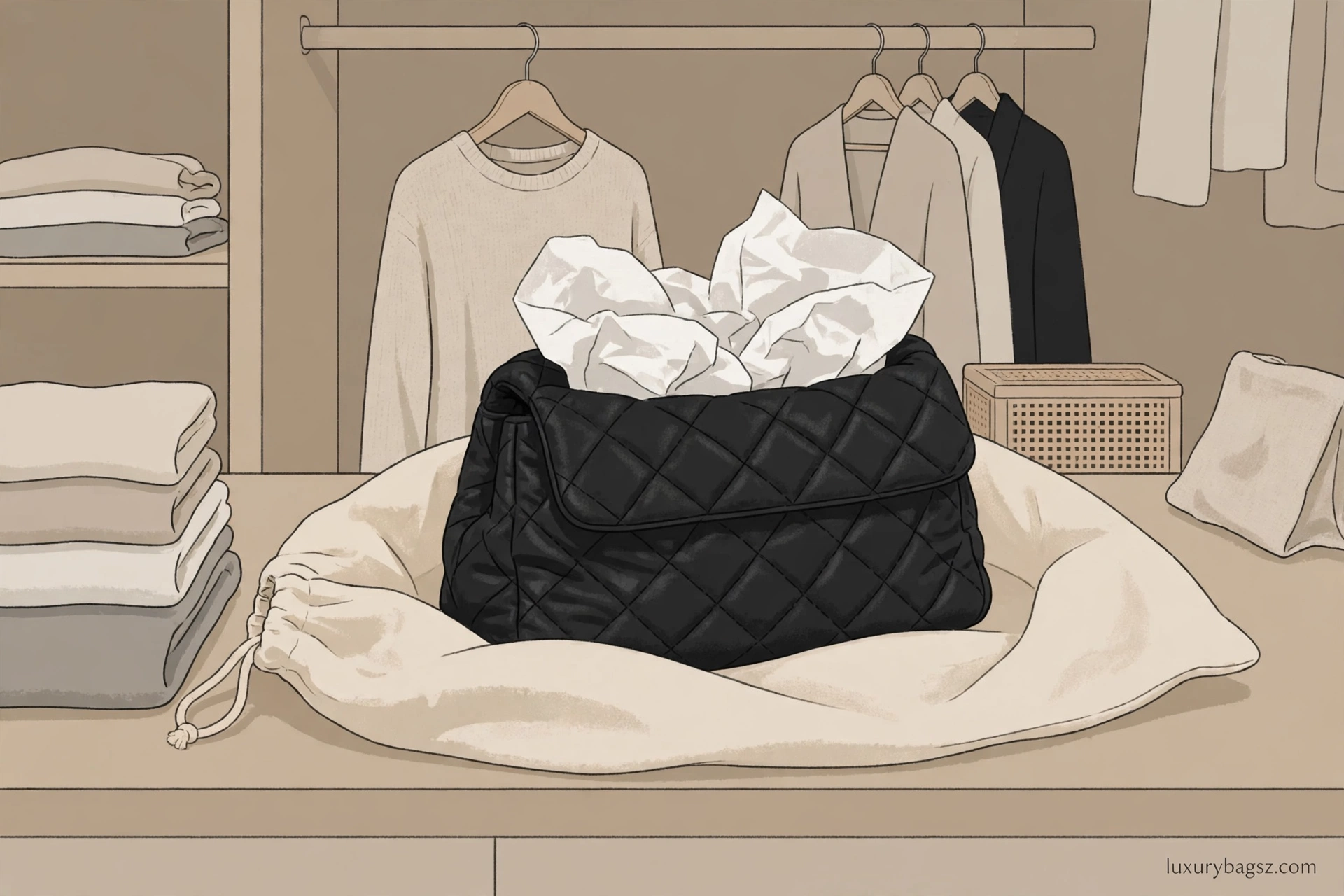
Step 5: Rest and store. Rest the bag in a cool, dry place away from sunlight. Stuff it lightly with acid-free tissue, stand it upright in its dust bag, and never hang it by the chain.
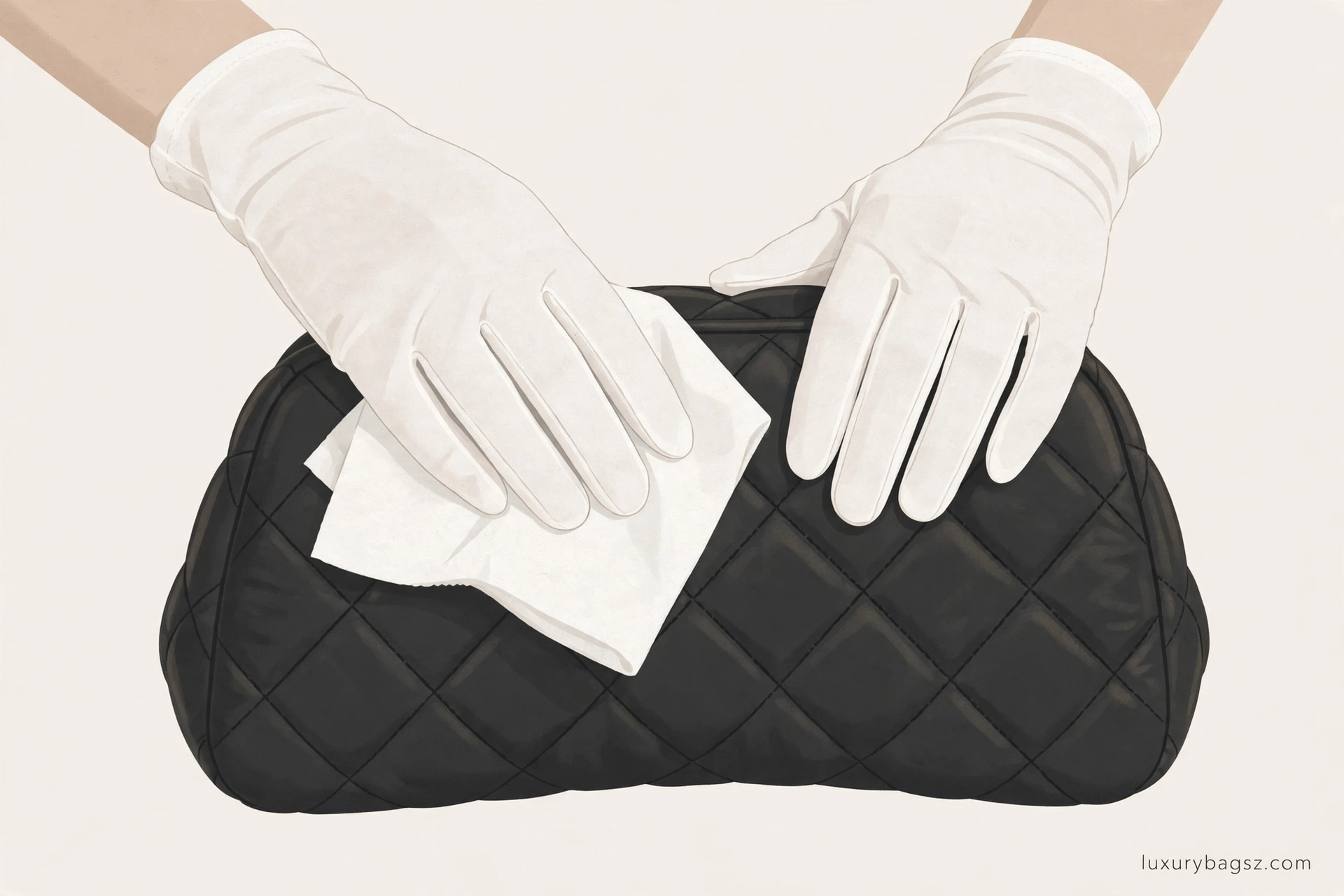
How to Handle Common Lambskin Stains
The rule for lambskin stains is simple: blot, do not rub, and stop early.
Makeup: Blot gently with a dry white cloth — lift, do not drag. If it remains after two light blots, leave it for a professional.
Ink: Never use alcohol, erasers or home remedies — they strip colour fast. Leave the area alone and see a professional promptly.
Water marks: Let the bag dry naturally, away from heat. Do not rub while wet, or try to even it out with a damp cloth.
Colour transfer: Do not scrub or use a remover at home — scrubbing pushes dye deeper. A professional can test a safe method in a hidden area.
Oil: Blot the excess with a dry cloth. No powder unless a specialist advises it; for a larger spot, seek professional cleaning.
Light Colours and Denim Colour Transfer
Light lambskin — white, beige, blush and pastel shades — shows every mark, and dark denim is its biggest everyday risk: raw and new denim sheds dye with friction, and pale lambskin can absorb it in one wear.
Prevention beats treatment: carry light lambskin against light clothing, keep new jeans for darker bags, and avoid long lap contact on denim.
Conditioning Lambskin: Where the Advice Disagrees
Ask whether lambskin should ever be conditioned and the sources disagree: Chanel's own guidance is a soft cloth and no products, because anything applied can alter the finish, while care brands and many resellers argue a lambskin conditioner replaces lost moisture and keeps leather supple as a bag ages.
Our position: the dry routine stays the default, and conditioning is the exception, never the routine.
If you do condition, use a lambskin-specific, pH-neutral, silicone-free product: patch-test a hidden area for a full day, apply thinly, and buff off residue. Never condition patent or metallic finishes.
Dry and Vintage Lambskin
Lambskin dries out with age, and a vintage bag often feels papery rather than dirty. Cleaning a bag that is simply dry adds friction it does not need, so assess before you clean.
Flex a hidden area gently: supple leather takes the dry routine safely, but brittle, cracked or colour-lost leather is professional-only — home cleaning or conditioning there can lift the finish.
Storage and Daily Habits That Protect Lambskin
Daily habits matter more than cleaning for lambskin. Store it stuffed, upright, in its dust bag, away from sunlight and humidity. Keep light and dark bags apart, never let patent leather touch lambskin, and place a soft cloth between flap and body for long storage.
Rotate bags when you can, and avoid heavy rain. Keep hand cream, sanitiser and perfume away until fully dry.
Wipe down after dusty or humid wear — our guide to how to store a Chanel Classic Flap covers stuffing and chains in detail.
When a Professional Bag Spa Is Worth It
Some jobs are beyond a cloth: ink, deep or set stains, settled colour transfer, colour loss, and leather that feels stiff or cracked.
A specialist can clean, recolour and refinish lambskin with products matched to the finish — and a good one will refuse damaging work. For a bag in regular rotation, a spa visit every one to two years stays ahead of build-up; a stored bag needs one only when a problem appears.
Frequently Asked Questions
Can I clean a Chanel lambskin bag with water, and can I use conditioner on it?
No. Keep lambskin dry: a dry white cloth only, and professional help for stains that do not lift with gentle blotting.
Only as an exception: Chanel advises no products, and many conditioners darken lambskin. If you use one, pick a lambskin-specific, pH-neutral, silicone-free product, patch-test a hidden area for a day, and apply thinly.
How often should I clean a lambskin bag, and how often should it go to a professional spa?
Wipe after every few wears, do a full dry routine every two to four weeks, and always clean before long-term storage.
Every one to two years for a bag in regular use; a stored bag only when a problem appears.
How do I remove colour transfer from lambskin?
Do not scrub at home. It needs professional cleaning — rubbing pushes dye deeper and can strip colour; fresh transfer treated early fares best.
My lambskin bag feels dry and stiff — when should I take it to a professional?
For ink, large stains, water marks, colour transfer, or anything that does not lift with two gentle dry blots.
Do not start by cleaning it. Test a hidden area: if the leather flexes, the dry routine is fine; if it feels brittle or cracked, see a professional first.
Can I condition a vintage lambskin bag?
Cautiously, yes — dry vintage leather is the strongest case. Patch-test first, apply thinly, and stop if the leather is cracked or losing colour.
How do I stop denim dye marking a light lambskin bag?
Carry light lambskin with light clothing, save raw denim days for darker bags, and avoid long lap contact. Settled dye rarely lifts fully, even professionally.
Can fine scratches on lambskin be fixed at home?
Often, yes: work a fine scratch gently with a clean, dry fingertip or the flat of a dry cloth and it may fade. One that catches a nail is professional work.
Conclusion
To clean Chanel lambskin bag surfaces safely, keep it simple: dry cloth, light strokes, no water, no harsh products, and fast, gentle blotting for fresh marks. Lambskin rewards patience and punishes scrubbing.
With a regular dry routine and careful storage, your bag can stay soft, clean and elegant for years.






