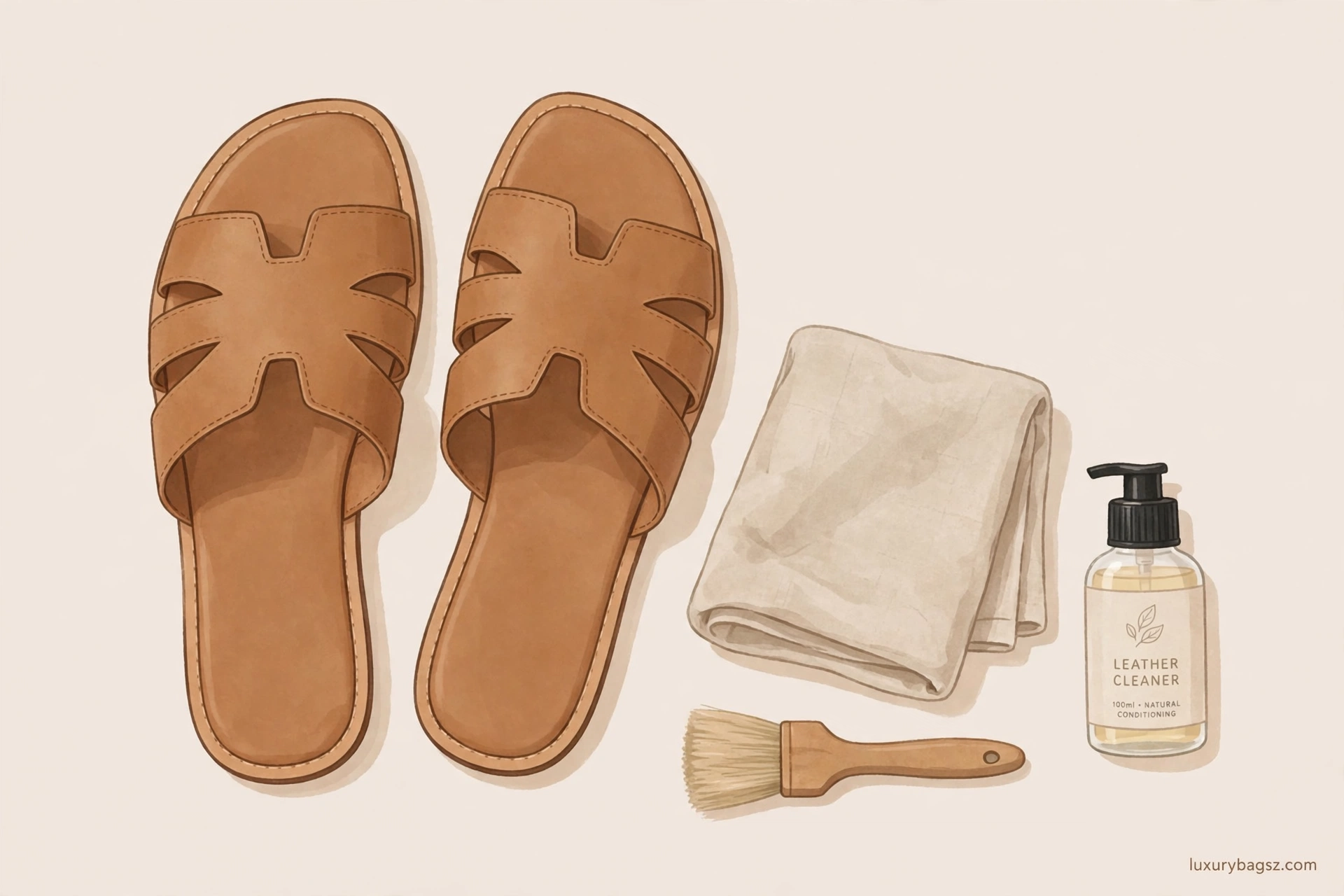
How to Remove Snow and Salt Stains from Shoes: Leather, Suede and Fabric Fixes

Removing Salt Stains, Matched to the Material
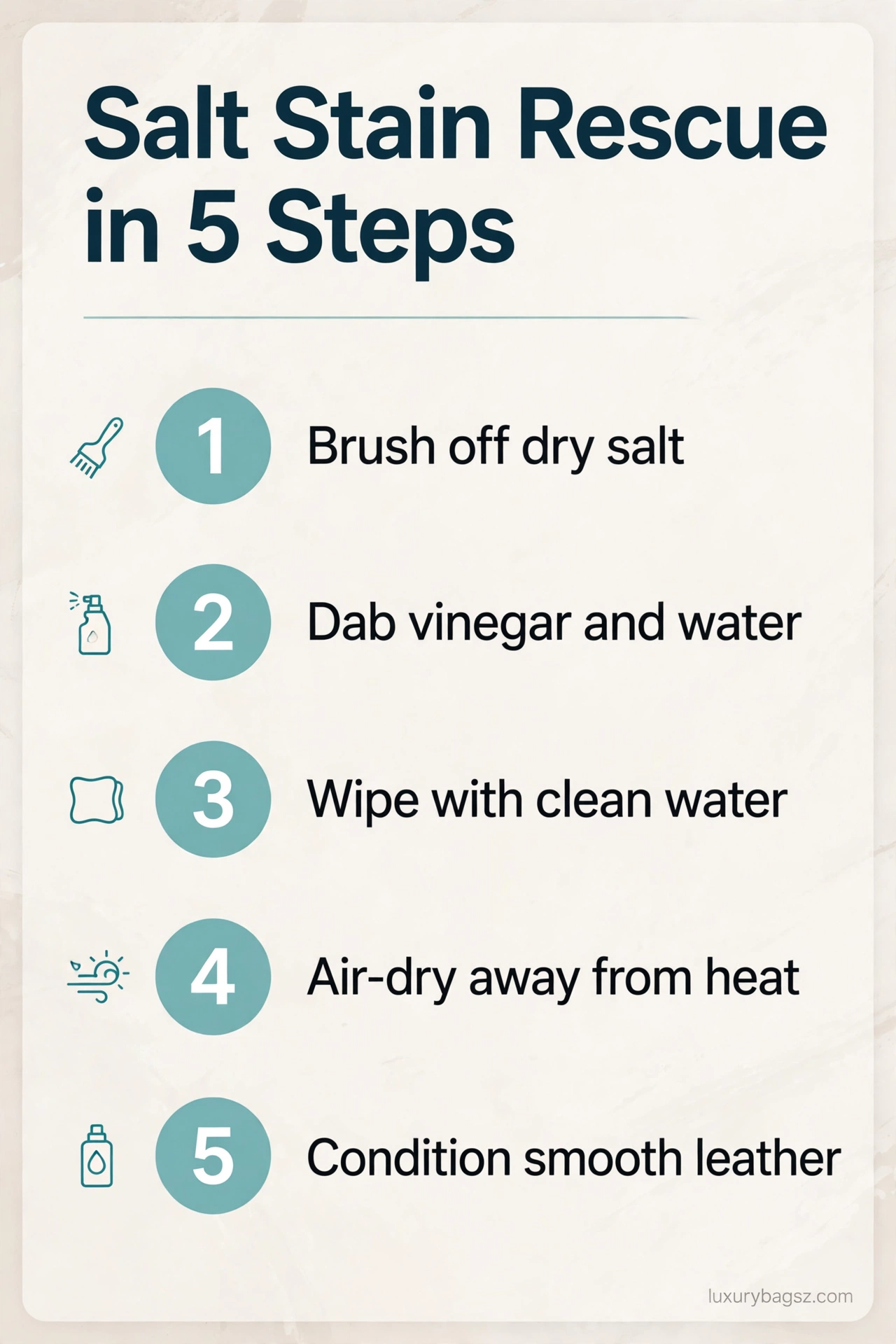
Start by brushing away loose, dry salt while the shoes are still completely dry, before any moisture is involved. On smooth leather, treat marks using a half-and-half mix of water and white vinegar, applied sparingly with a white cloth you have squeezed nearly dry. Follow with a separate damp wipe to clear any residue, let the pair dry naturally in a cool spot, and condition only once no moisture remains.
Keep suede and nubuck as dry as possible: brush in one direction, use a suede eraser, and only dab with a barely damp cloth if a line remains. For fabric and canvas, blot with mild soapy water rather than soaking the shoe.
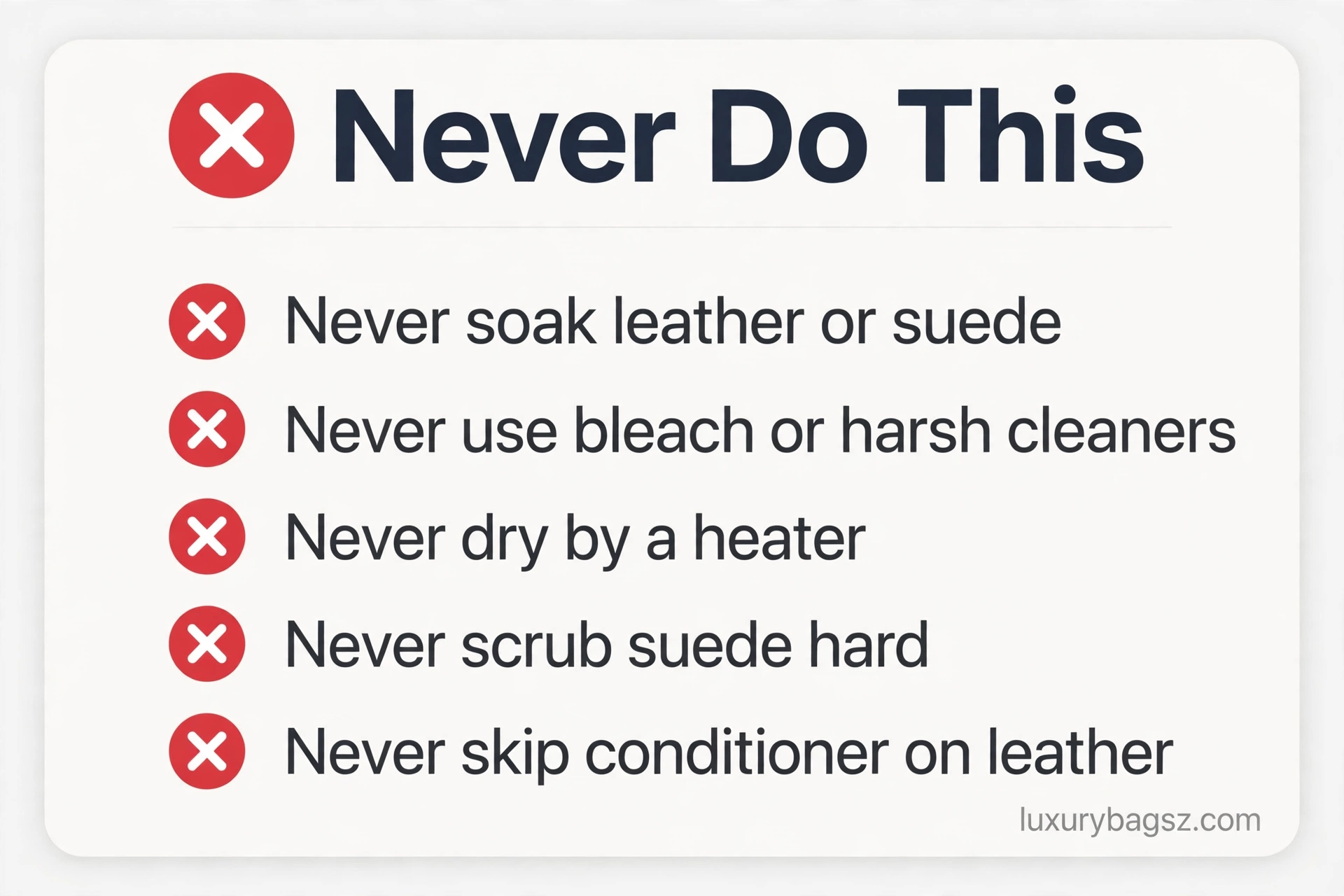
Always spot-test on a hidden area first. Never use bleach, soak leather or suede, or dry any pair beside a heater or radiator.
Salt Damage, Removed the Safe Way
Road salt keeps pavements walkable, and it punishes shoes for it. Slush splashes up, dries, and leaves chalky white rings that look harmless. Left alone, those rings pull moisture out of leather, stiffen suede, and weaken fabric over time.
Key Takeaways
- Brush off dry salt before any liquid touches the shoe, so you do not grind crystals into the material.
- Equal parts white vinegar and water is the standard leather method, though rival guides differ on ratio, as the vinegar method section explains.
- Suede stays dry as long as possible: brush, eraser, and only then a barely damp cloth if a mark survives.
- Never dry shoes by a heater or radiator. Heat cracks leather and flattens suede nap.
- Condition smooth leather after salt cleaning, since salt strips moisture from it.
First, Do This Before Any Cleaner
Whatever the material, three steps come before any cleaning solution. First, brush or wipe off loose salt and grit while it is dry. Second, check the care label, since a mixed-material shoe needs the gentlest method for its most delicate part.
Third, spot-test anything wet on a hidden spot, such as the inside of a tongue.
Safe middle path: wipe off loose slush at the door, then clean properly once dry. Stuff wet shoes with paper and keep shoes at room temperature.
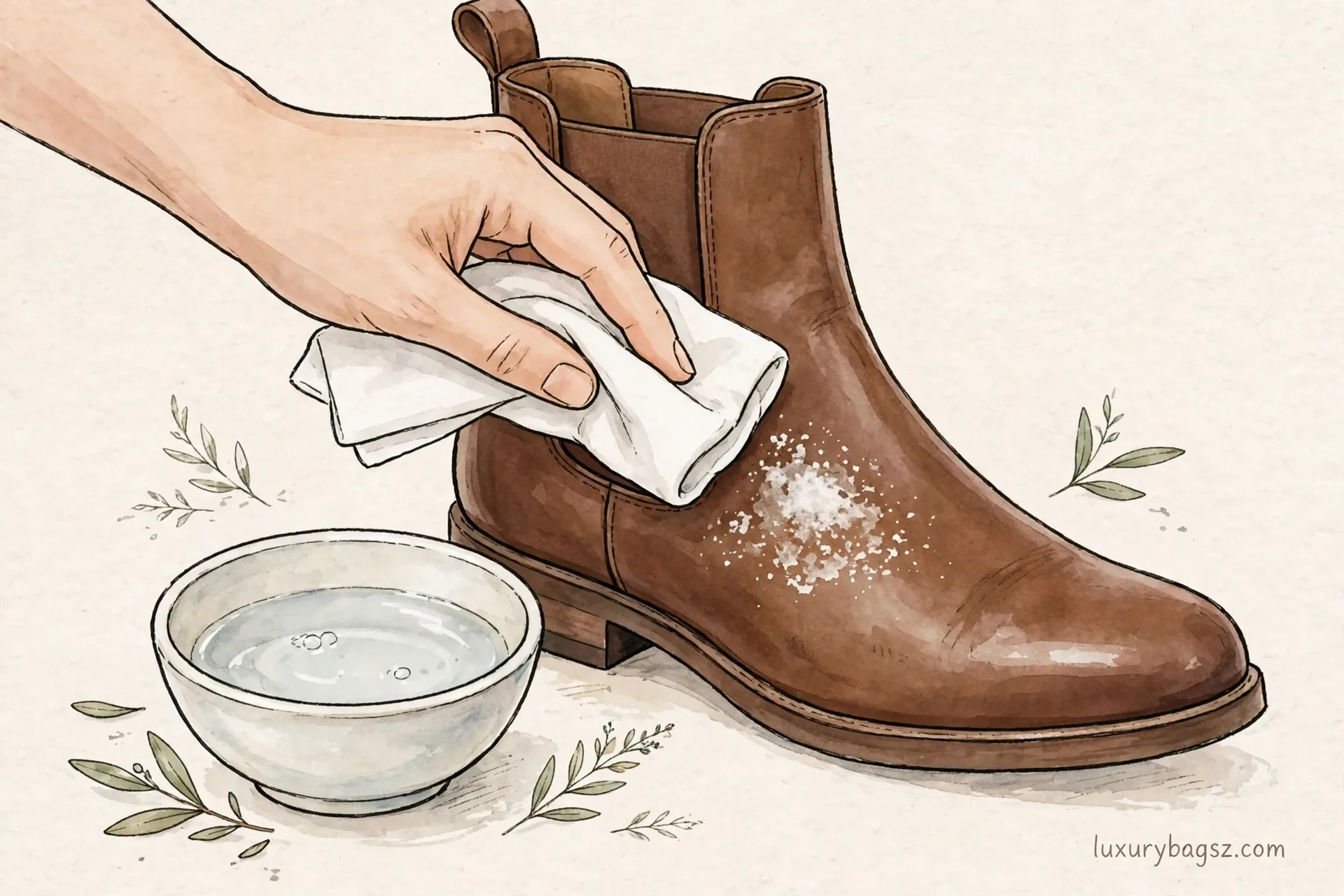
Smooth Leather: The Vinegar Method
Start dry: brush off loose salt, then wipe with a soft, slightly damp cloth.
Mix equal parts white vinegar and water, dip a clean white cloth in and wring it out well. Use a white cloth, since a coloured cloth can transfer dye onto damp leather.
Dab stains gently, from the outside of each mark inward, and do not soak the leather. Wipe with clean water, then dry with a soft cloth. If a ring remains, repeat once rather than scrubbing harder.
The ratio is disputed: most guides use equal parts, one uses two parts water to one part vinegar. Once fully dry, condition thinly and evenly, since salt strips oils from leather. The same dry-first approach used for leather boots applies here.

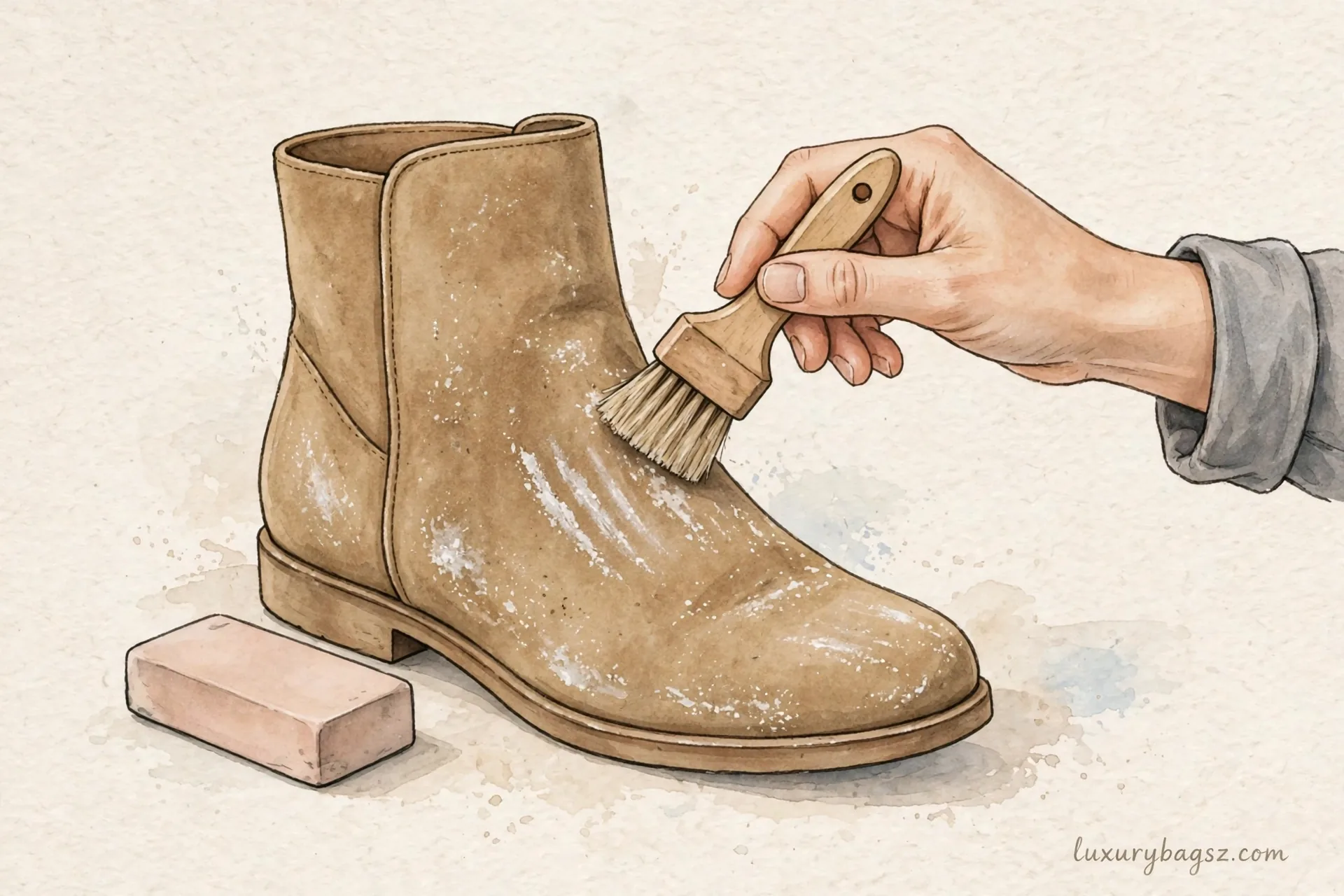
Suede and Nubuck: Brush First, Wet Last
Suede and nubuck punish impatience. Their soft nap can be flattened or stained permanently by water, scrubbing, and heavy oils, so let shoes dry fully first and never clean suede while it is wet. Start with a suede brush or a soft toothbrush, brushing lightly in one direction along the salt lines.
Next, rub a suede eraser gently over remaining lines. Do not press hard: heavy rubbing flattens the nap into a shiny patch.
Only if marks survive brushing and erasing, use a vinegar dab as a last resort: a cloth barely damp, dabbed never rubbed, since it dissolves salt rather than just moving it. Once dry, brush again and apply a suede protector spray, as you would for suede cowboy boots.
Fabric and Canvas Shoes
Fabric and canvas are more forgiving than suede, but still should not be soaked. Brush off dried salt with a soft brush, working crust out of seams and around the sole edge.
Mix warm water with a little dish soap, about half a teaspoon per cup. Dip a clean cloth in, wring it out, and blot stains gently, cleaning slightly beyond each stain to avoid a fresh outline. Air-dry at room temperature.
Do not machine-wash a fabric shoe with leather trim: the wash cycle will stiffen and crack the trim. Plain canvas sneakers can sometimes be machine-washed if their care label allows it, but hand cleaning is safer.
For mesh sneakers, go lighter on water.
What NOT to Do
Bleach, alcohol, acetone, and household detergents strip dye and oils from leather and should never go near a salt-stained shoe.
Do not soak leather or suede shoes, or machine-wash them: soaking swells leather and loosens glue, while machine agitation warps shape and heat separates soles. Do not scrub suede with a stiff brush, never dry shoes by a heater, and do not skip the spot test or use coloured cloths on pale shoes.
Prevention for Next Winter
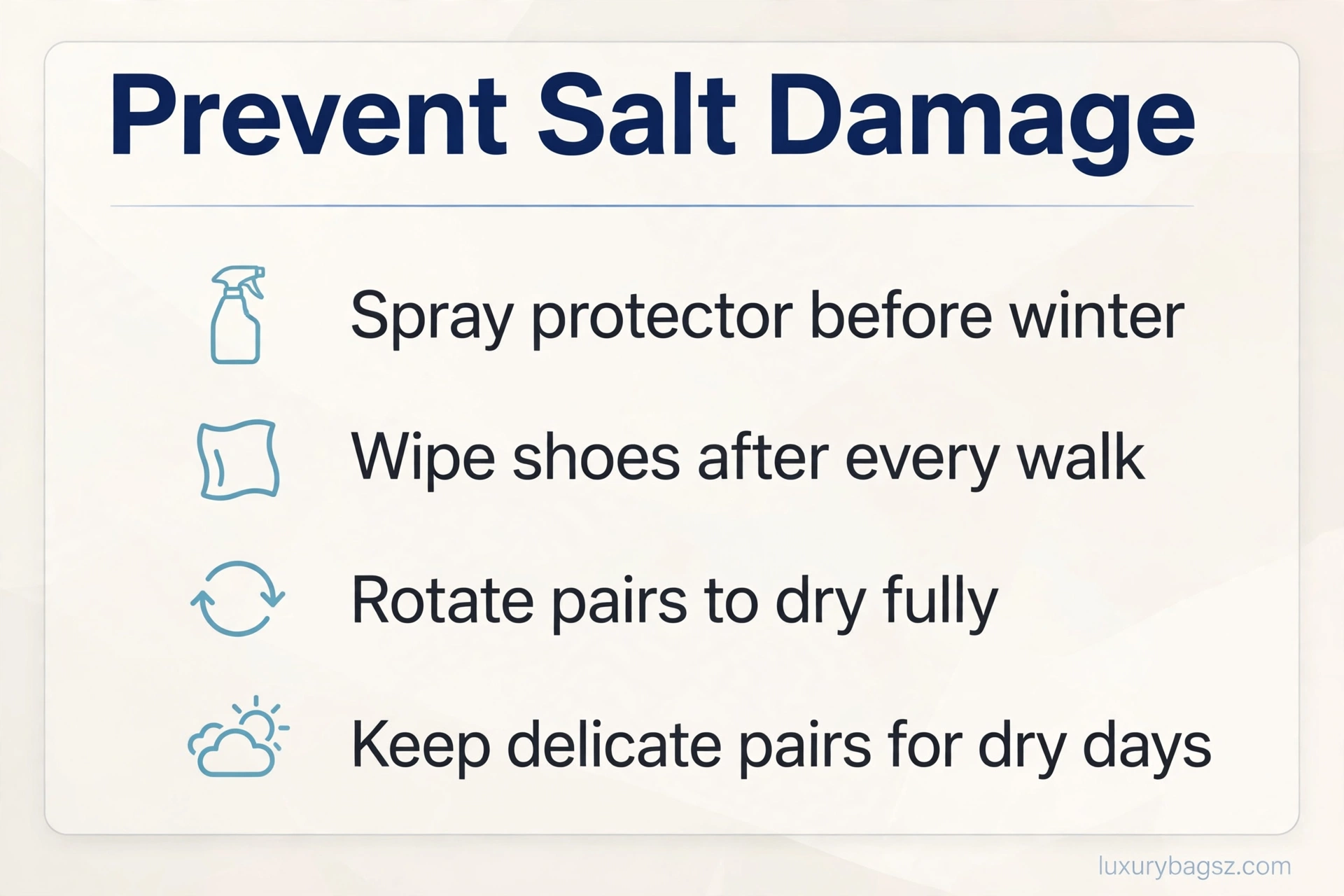
Before the first salty walk, apply a protector suited to the material: waterproofing spray for leather, suede protector for suede, fabric sealant for canvas. Spray lightly, let it dry fully, and reapply after any deep clean.
After each walk, brush off dry salt at the door, with a barely damp wipe on smooth leather. Rotate pairs so each dries fully, keep delicate pairs for dry days, and store winter shoes clean and dry at season's end. The wider routine for leather bags and shoes covers the same habits.
Why Salt Damages Shoes: The Chemistry in Plain Words
Understanding the enemy makes the method obvious. Road salt is alkaline, while leather is naturally mildly acidic, so salt sitting on leather is a slow chemical argument the leather loses: fibres dry, stiffen and eventually crack along the white tide lines where slush reached.
Salt is also hygroscopic, meaning it pulls moisture towards itself. A salt crust on a shoe keeps drawing water out of the leather beneath it even after the shoe looks dry, which is why a stain left until spring is so much worse than the same stain treated the same evening.
That is the whole logic of the vinegar method in the earlier parts of this guide: a mild acid neutralises an alkaline deposit and dissolves the crystals so they can be lifted away instead of ground in. It is also why plain water alone disappoints; it moves salt around and can set a fresh ring, while the vinegar mix actually breaks the deposit down.
Fabric and suede suffer the same deposit in different ways: suede’s nap traps crystals between its fibres, and fabric wicks dissolved salt deep into the weave, which is why both need their own patient versions of the same principle.
Old and Stubborn Stains: The Second-Line Rescue
A stain that has sat for weeks needs repetition, not force. Run the method for your material once, let the shoe dry fully for a day, then repeat. Two gentle passes dissolve what one aggressive scrub would only push deeper while damaging the surface.
For smooth leather that still shows a ghost ring after two vinegar passes, a glycerine-based saddle soap or a dedicated leather cleaner is the next step, worked gently with a soft brush or cloth and wiped away before conditioning. Dedicated salt-remover products sold in shoe shops are essentially the vinegar idea pre-mixed, sometimes foaming; they are convenient, not magical, and the homemade mix remains the benchmark.
Suede with a set stain may respond to careful steaming over a kettle to lift the nap before brushing and erasing again, keeping the shoe at a distance and the steam brief. If the nap is already flattened shiny in patches, a restorative suede spray in a matching tone can even the appearance, though it cannot rebuild crushed fibres.
Know when to stop: cracked leather, a stain that has eaten the dye or suede worn bald are cobbler conversations. A good shoe repairer can deep-clean, re-dye and refinish winter damage that home methods should not attempt.
The Daily Winter Routine: Five Minutes That Save Pairs
Prevention in the earlier parts of this guide covers products; this is the habit layer that makes products work. Wipe slush and visible salt off at the door with a cloth kept there for the purpose, before the deposit dries into a line. Thirty seconds at the door replaces thirty minutes of rescue later.
Rotate pairs through the week. Shoes worn daily in salt never fully dry or recover, while a rested pair dries completely, which is when salt does its quiet damage if left sitting. Stuff damp shoes loosely with newspaper or fit shoe trees once the surface is dry, and stand them at room temperature, away from the radiator they will be tempted towards.
Re-proof mid-season, not just in autumn: protective sprays and waxes are worn away by the same slush they repel, and a January refresh is the difference between protection that lasts the winter and protection that lasted until Christmas.
At season’s end, clean every pair properly before storage, condition the smooth leather and store them clean and dry. Salt left on stored shoes works undisturbed for six months, and spring-you deserves better than autumn-you’s shortcut.
Children’s School Shoes: The Fast Version
Children’s shoes meet the worst of the slush and the least of the patience, so keep a door-side kit: brush, cloth and the vinegar mix in a labelled bottle. A weekly five-minute pass over school shoes prevents the end-of-term wreckage that term-time neglect guarantees.
Most school shoes are coated or corrected-grain leather, which tolerates the vinegar method well but needs the conditioning step even more, because coatings crack where salt dries the surface. Trainers in the same routine follow the fabric method from earlier in this guide.
Replace honesty for perfection here: a child’s outgrown shoes need one good season, not a decade, and the routine above delivers exactly that without turning evenings into shoe surgery.
Frequently Asked Questions
Does vinegar really remove salt stains from shoes?
Yes, for smooth leather. Equal parts white vinegar and water on a wrung-out white cloth dissolves salt without bleaching dye.
Can I use vinegar on suede shoes?
Only as a last resort, with a barely damp cloth, after brushing and erasing have failed. Spot-test first.
Why do salt stains keep coming back after cleaning?
Salt inside the leather can rise again as the shoe finishes drying. Repeat the vinegar dab lightly once dry.
Can I put salt-stained shoes in the washing machine?
Only plain fabric or mesh shoes, and only if the care label allows it. Never machine-wash leather, suede, or leather-trimmed shoes.
Is it safe to dry shoes by a radiator in winter?
No. Direct heat cracks leather, flattens suede nap, and can separate soles. Air-dry at room temperature.
Should I condition shoes after removing salt stains?
Yes, for smooth leather, once the shoe is fully dry. Salt strips moisture and oils, and a thin coat of conditioner restores suppleness.
Can coconut oil or olive oil replace leather conditioner?
They can work as a stopgap, but not long-term: kitchen oils can darken leather and turn rancid in seams.
How do I remove salt from white shoes without yellowing them?
Use a white cloth, a weak vinegar mix, and clean water only, and keep the shoe out of heat and sunlight while drying.
What if the salt stain is months old?
Old stains are harder but not always hopeless. Repeat the material method twice, lightly, drying fully between passes.
How do I protect new shoes before their first winter?
Spray a protector suited to the material before the first salty walk, let it dry fully, and reapply after any deep clean.
Final Verdict
The rescue is simple when it matches the material: brush dry first, vinegar and water on smooth leather, suede kept as dry as you can, fabric blotted gently, always air-dried away from heat. Condition leather once dry and protect the pair before winter.