How to Find Unique Clothing: Vintage, Thrift, and Secondhand Gems That Stand Out
Find Distinctive Clothes by Hunting With a Brief
Decide what distinctive means for you, set a budget, then hunt across several sources rather than one shop. Combine several hunting grounds — online marketplaces and flea markets alongside estate sales, carefully chosen vintage boutiques, and charity or thrift stores — and judge every find by measurements, fabric and construction, not by the size printed on its tag.
Build a small mood board first so patterns in colour, era and shape become clear. Learn basic era clues, check labels and natural fibres, and always inspect condition before paying.
When you style a find, let one bold item lead and keep the rest simple and modern. That restraint stops an outfit tipping into costume and makes a single strong piece wearable.
Finding Clothes Nobody Else Owns: Start With Your Taste
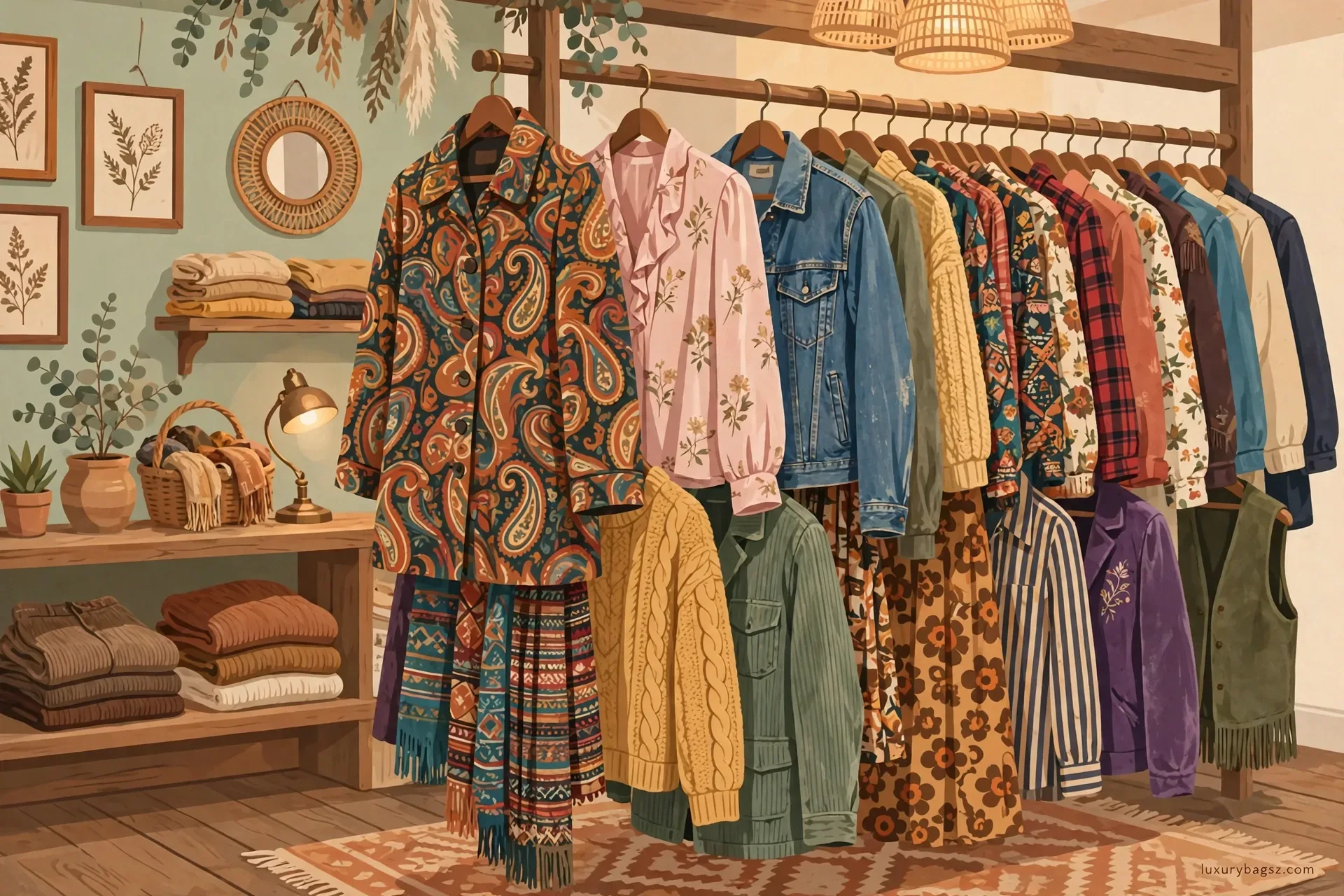
Unique clothing is not about rarity for its own sake. It is about finding pieces that carry character, history, or craft you cannot get from a new high-street rail. A 1970s paisley coat, a hand-finished silk blouse, or a perfectly worn leather jacket all count, even if none of them cost a fortune. The hunt works best when you know what you like before you start looking.
Most shoppers fail by browsing without a plan, then buying whatever is merely old. This guide fixes that. You will learn where distinctive pieces hide, how to recognise real quality and real vintage, how to shop by measurements instead of misleading sizes, and how to style one bold piece without looking like a costume. Patience is part of the method, not a flaw in it.
Key Takeaways
- Unique means distinctive to you: unusual fabric, cut, colour, detail, or history, not just an old label.
- The best sources mix local thrift shops, curated vintage boutiques, estate sales, flea markets, and online marketplaces.
- Learn era signatures, labels, fabrics, and construction, so you can spot real vintage in seconds.
- Shop by measurements, never by the size on an old tag, and always check condition before paying.
- Style one unique piece with simple modern basics, and set a budget before the hunt begins.
Decide What "Unique" Means to You
Before you shop, define your version of unique. Some people want bold prints and colours that turn heads. Others want quiet craft: a beautifully cut coat, rare fabric, or hand finishing. Both are valid, but they lead to different shops and different budgets. A clear preference stops impulse buys that never leave the wardrobe.
Build a small mood board, even a phone album of outfits you admire. After twenty images, patterns appear: maybe you favour 1970s earth tones, 1990s minimal shapes, or strong outerwear. That pattern becomes your hunting brief. When a piece matches it, you will know at once, and when it does not, you can leave it on the rail.
Think about lifestyle too. A fragile 1950s evening dress is a treasure, but a poor choice for daily commuting. If you need clothes for work, travel, or parenting, favour sturdy fabrics and shapes that survive real life. Unique clothing should earn its place by being worn, not by sitting in a cupboard.
It also helps to know the difference between distinctive and merely loud. Quiet luxury shows how restraint, fabric, and cut can stand out without logos or noise. The most memorable wardrobes often mix one striking piece with calm, well-made basics, rather than stacking bold items together.
Where Unique Clothes Actually Hide
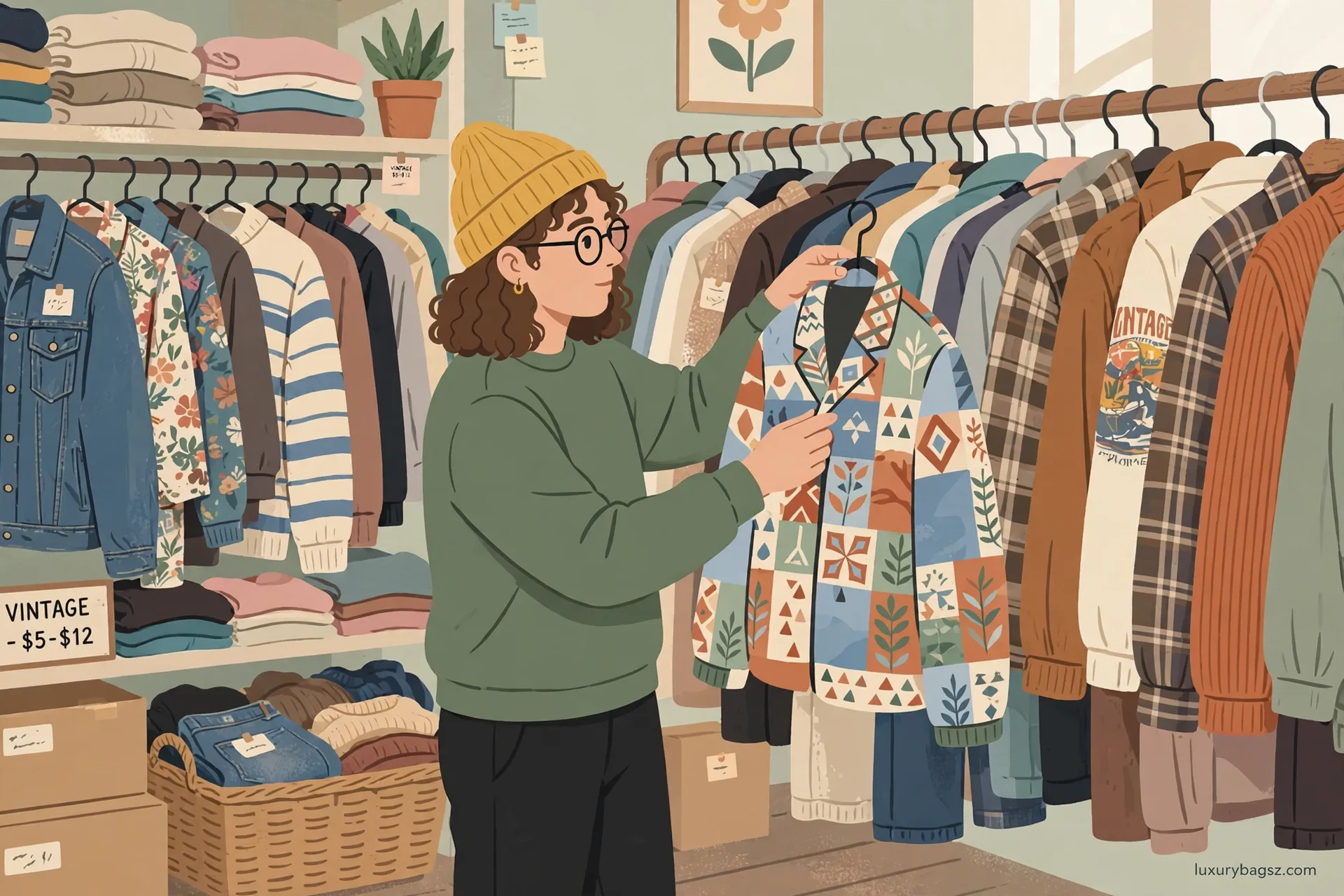
No single source holds every gem, so mix several. Charity and thrift shops offer the lowest prices and the widest variety, but demand digging and frequent visits, since stock turns over fast. Shops in affluent areas often receive better donations, though every thrift hunter knows a plain-looking shop can surprise you.
Curated vintage boutiques cost more, but save time. Owners have already sorted, cleaned, and often repaired the stock, and they can usually tell you a piece's era and story. Paying extra for that expertise makes sense when you want a specific era or a higher-end label without doing all the research yourself.
Estate sales, flea markets, and garage sales reward early risers. Estate sales often hold well-kept clothes from one wardrobe, sometimes spanning decades, while flea markets suit bargaining and bundling. Bring cash, a tape measure, and patience, and check seams, linings, and smells before you commit.
Online marketplaces widen the hunt enormously, from global vintage shops to auction sites and social-media sellers. They suit targeted searches, such as a 1980s wool coat in your measurements, far better than casual browsing. The trade-off is trust: you buy from photos and descriptions, so seller checks matter more than ever.
For bags and accessories, the same logic applies as for clothes. Comparing vintage designer bags vs new helps you judge whether a pre-owned piece offers real value or just an old label. The best finds in any category share one trait: someone cared for them before you.
Learn the Eras at a Glance
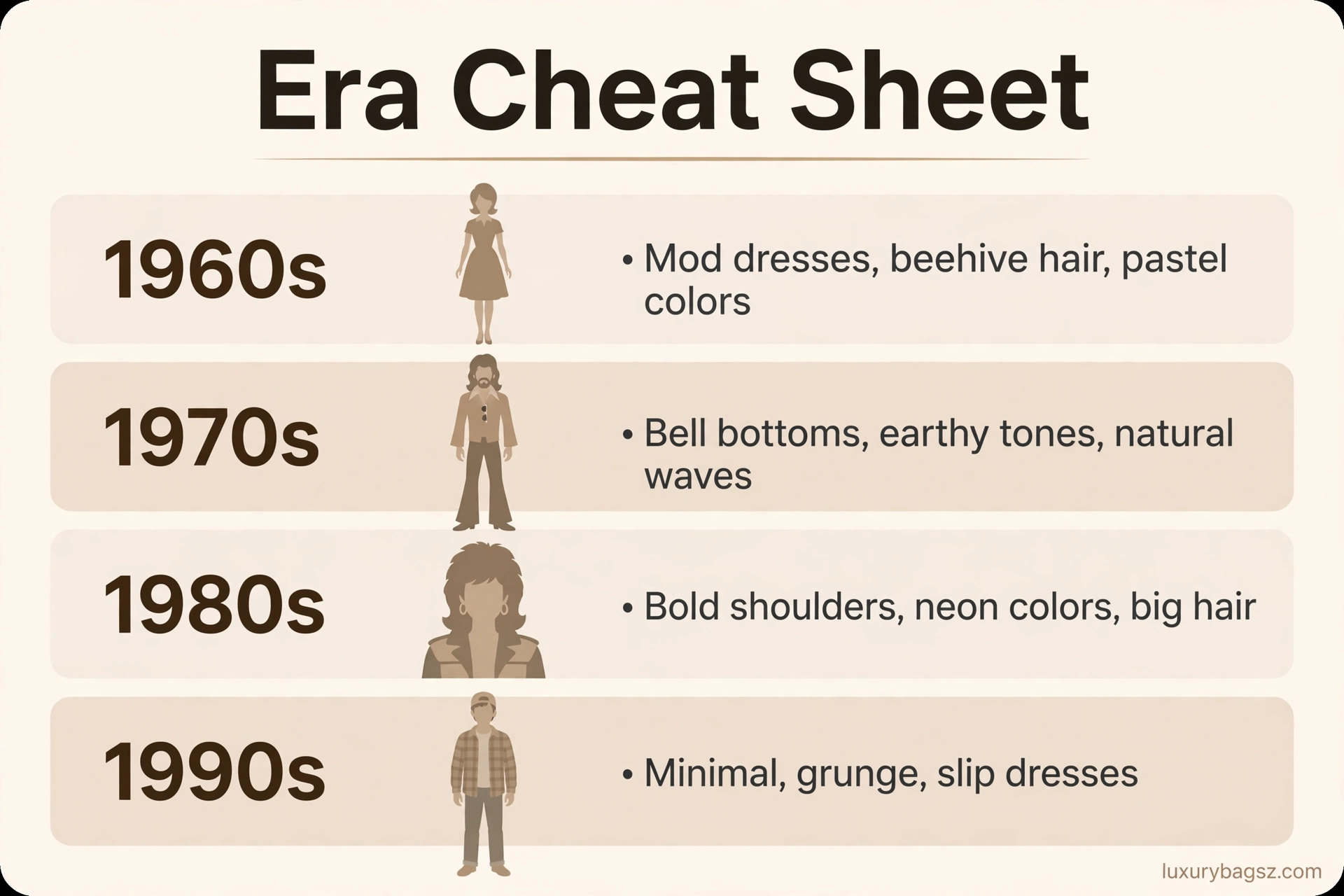
Era knowledge turns a confusing rail into a readable map. Each decade left signatures in silhouette, fabric, and detail, and recognising them helps you date a piece and judge whether its price is fair. You do not need a fashion degree, just a few anchors per decade.
The 1960s brought mod shifts, bold geometric prints, and shorter hemlines, often in crisp cotton or wool. The 1970s gave us flares, paisley, earthy tones, suede, and flowing maxi shapes. The 1980s went big: strong shoulders, bright colours, power suits, and statement leather. The 1990s swung minimal, with slip dresses, grunge layering, and clean denim.
Use those anchors as starting points, not rules. Real wardrobes in every decade included plenty of plain, ordinary clothes, and revivals copy old signatures constantly. A 1980s-style shoulder today may be a modern remake, so era style alone never proves age. Combine style clues with labels, fabric, and construction before you call a piece vintage.
Photograph details you like as you learn. A quick album of labels, zips, and hems from pieces you handle builds a personal reference library. Over time, your eye will catch the difference between a genuine period piece and a later tribute in a single glance.
Train Your Eye: Labels, Fabric, Construction
Labels are your fastest clue. Older labels often use woven fabric, older fonts, and country-of-origin marks that changed over time, while modern labels tend to be printed on white polyester with care symbols and barcodes. Research how a brand's labels evolved, because a label that does not match its claimed era is a warning sign.
Fabric tells the next part of the story. Vintage pieces often use natural fibres like wool, silk, and cotton, with a weight and drape that cheap modern synthetics rarely match. Feel the cloth, check the lining, and look at how it falls. Thin, shiny polyester in a supposedly 1950s dress should raise questions, not excitement.
Construction seals the judgement. Hand-finished seams, metal zips, bound buttonholes, and pattern-matched prints signal care and age. Mass-produced modern pieces usually show overlocked edges, plastic zips, and shortcuts at stress points. Learning how to spot quality craftsmanship in designer clothing sharpens this skill for every price level.
Condition checks come last, but they decide whether you buy. Inspect seams, buttons, underarms, linings, and hems, and smell the garment, since smoke and mildew odours are hard to remove. Small flaws are fine if the price reflects them and a tailor can fix them. Structural damage, large stains, or fragile fabric usually mean walking away.
Measurements Beat Sizes Every Time
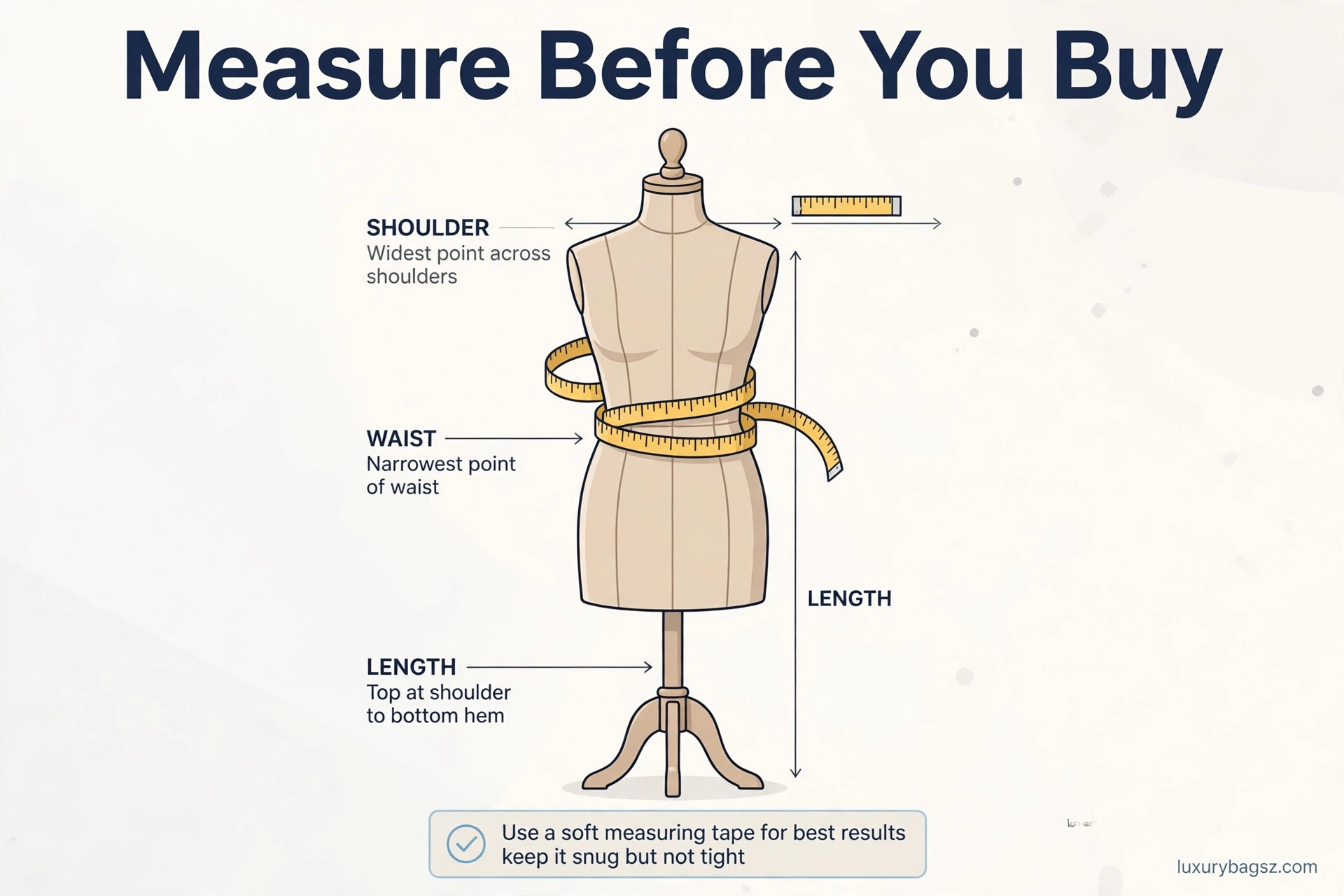
Vintage sizing bears little relation to modern sizing. A vintage size 12 can fit like a modern size 6, and bodies, brands, and countries all varied. Never trust the tag number. Carry your own measurements on your phone, and compare them with the garment's actual measurements before you buy.
Learn the five numbers that matter most: shoulder width, chest or bust, waist, hip, and length. For trousers, add inseam and rise. For coats, check shoulder and sleeve length too. A soft tape measure weighs nothing and saves more money than any other tool in vintage shopping.
When shopping in person, try pieces on over light layers if no fitting room exists. When shopping online, ask the seller for flat measurements if the listing omits them. A good seller will measure gladly, and a reluctant one tells you plenty. Also ask how the garment was measured, since methods vary slightly between sellers.
Allow for tailoring in your budget, but know its limits. Taking in a seam is easy, letting one out is often impossible, and shortening a hem is simpler than rebuilding a shoulder. Buying slightly large is usually safer than buying tight, because a tailor can remove fabric but cannot create it.
Shop Online Without Losing the Magic
Online hunting rewards specific searches. Try era plus garment plus fabric, such as 1970s wool coat, rather than the single word vintage, which returns everything. Save searches and set alerts on marketplaces, so rare pieces reach you first. Misspellings and alternate terms sometimes surface listings other buyers miss.
Vet every seller before you pay. Check reviews, response speed, photo quality, and return terms. Ask for extra photos of labels, flaws, and measurements, and read the condition description twice. A seller who answers clearly and quickly is usually a seller who describes honestly.
Compare total cost, not just the headline price. Shipping, taxes, and duties can change a bargain into an average deal, especially across borders. Check delivery times too, since vintage pieces often ship from small shops with limited hours. If a deal feels rushed or secretive, slow down or skip it.
Keep a wishlist with a maximum price for each item type. Online hunting tempts you to buy because a piece is rare, not because you need it. A cap keeps the hobby joyful rather than stressful, and patience usually brings a similar piece at a fairer price within weeks.

Style One Unique Piece at a Time
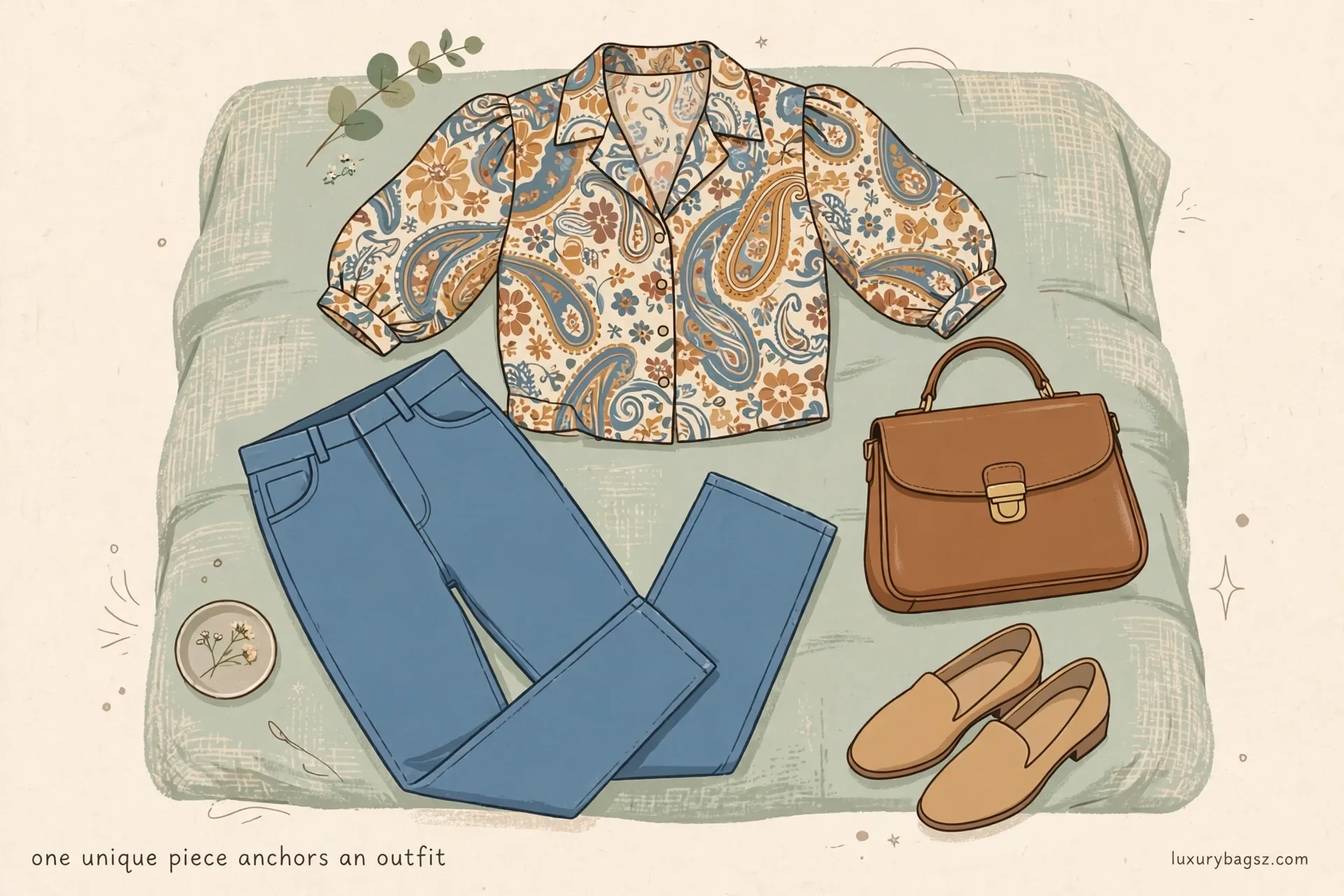
Styling is where unique clothes succeed or fail. The simplest rule works best: let one distinctive piece lead, and keep the rest calm. A vintage paisley coat shines over plain jeans and a simple top. A bold 1980s blazer works with a plain dress and quiet shoes. Two loud vintage pieces often fight each other.
Mix eras and ages freely. Vintage with modern is the easiest way to avoid a costume look, because modern basics ground the outfit in today. A 1970s blouse with current denim, or a 1990s slip dress with a modern jacket, reads as personal style rather than fancy dress. Accessories can bridge the gap: a simple bag and shoes tie the eras together.
Fit matters more than era. A unique piece should fit your body as it is, not as you wish it were. Tailoring is your friend here, and small adjustments often turn a good find into a favourite. If a piece needs major surgery to fit, it was probably the wrong piece, however beautiful.
Care keeps unique clothes wearable. Learn how to care for designer clothing so older fabrics, linings, and trims survive regular wear. Gentle washing, proper storage, and prompt repairs protect both the piece and the money you spent finding it.
Spend Smart: Budget, Patience, and When to Walk Away
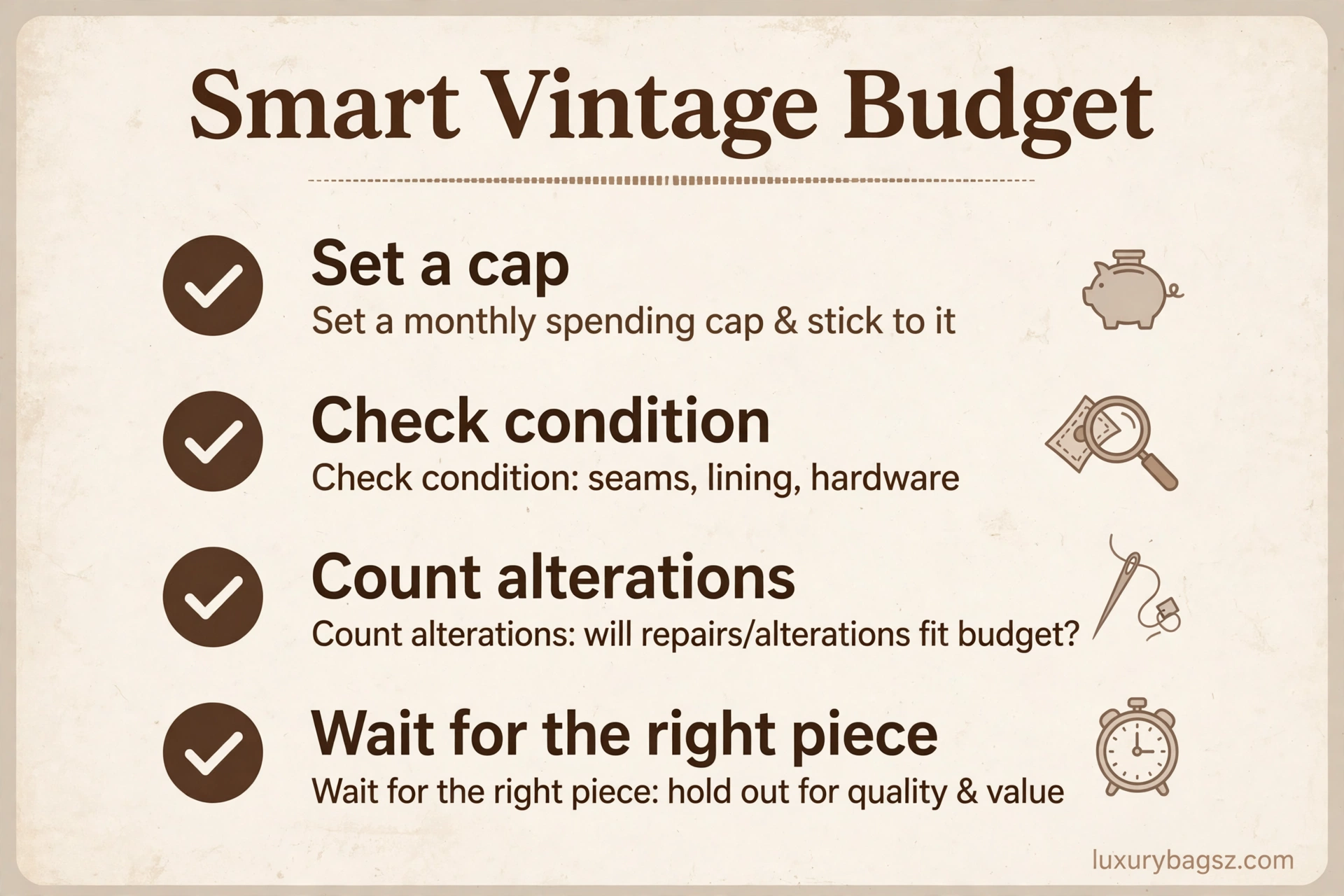
Set a monthly or per-piece budget before you hunt, and include tailoring and cleaning in it. A cheap find that needs costly repairs is not cheap. A slightly pricier piece in excellent condition often costs less overall than a bargain that needs rescue work.
Patience is the thrift hunter's real skill. Visit often, but buy rarely, and let most pieces stay on the rail. The right item at the right price appears more often than it feels like in the moment. Walking away from an overpriced or flawed piece is not a loss; it keeps your budget ready for the next find.
Beware of three traps. The first is the label trap: paying a premium for a famous name on a damaged or ordinary piece. The second is the rarity trap: assuming that because you have never seen something, it must be valuable. The third is the project trap: buying pieces that need skills, time, or money you do not have.
Keep a simple record of what you buy, what it cost, and what it needed. Over months, that record shows which sources, eras, and price ranges serve you best. It also stops duplicate buys, which happen more often than hunters admit. A wardrobe built slowly, piece by piece, ends up more personal than one bought in a single spree.
Frequently Asked Questions
What counts as unique clothing?
Unique clothing stands out through its fabric, cut, colour, detail, or history, rather than being mass-produced and common. A vintage piece, a handmade item, or a rare colour can all qualify, even when none of them is expensive or famous.
Where is the best place to find unique clothes?
Mix several sources: thrift shops for low prices, vintage boutiques for curated quality, estate sales and flea markets for hidden gems, and online marketplaces for targeted searches. No single source beats a regular routine across a few of them.
How do I know if a piece is really vintage?
Check the label style, fabric, and construction together, since no single clue proves age. Woven labels, natural fibres, metal zips, and hand finishing suggest older production, while printed polyester labels and plastic hardware suggest modern making.
Why does vintage sizing differ so much?
Sizing standards, brands, and body shapes changed over decades, and garments often shrank with washing. Always shop by flat measurements of the garment compared with your own body, rather than trusting the number on an old tag.
Should I buy unique clothes online or in person?
In person suits discovery and fit checks, while online suits targeted searches for specific eras or pieces. Online buying needs careful seller checks, extra photos, and clear return terms, since you cannot inspect the garment before paying.
How much should I spend on a unique vintage piece?
Spend what the piece is worth to you after checking condition, rarity, and recent sales of similar items. Include tailoring and cleaning in the total, and set a maximum price before you fall in love with a listing.
Can I wear vintage clothes every day?
Yes, if you choose sturdy fabrics and good condition. Delicate silks, fragile beading, and very old pieces suit occasional wear, while denim, wool, and strong cotton handle daily life well. Rotate pieces and repair promptly to extend their life.
How do I style vintage without looking costumed?
Let one vintage piece lead and pair it with simple modern basics. Avoid wearing several loud period pieces together, and keep hair, shoes, and accessories current. Fit and confidence matter more than strict era accuracy.
What should I check before buying secondhand clothing?
Inspect seams, buttons, zips, linings, underarms, and hems, and smell the garment for smoke or mildew. Ask for measurements, extra photos, and a clear condition description, and walk away if the seller cannot provide them.
Is it worth paying more at a vintage boutique?
Often, yes, when the boutique has curated, cleaned, and authenticated its stock. You pay for expertise and time saved, which matters for specific eras or higher-end labels. For everyday hunting, thrift shops offer better prices if you enjoy digging.
Summary: Hunt Slowly, Buy Boldly, Wear Often
Finding unique clothing is a skill built from taste, knowledge, and patience. Define what you love, learn the eras and the quality clues, shop by measurements, and let one strong piece lead each outfit. The best wardrobes in this style grow slowly, one memorable find at a time.
Start this week with a single hunting trip and a clear brief: one era, one garment type, one budget. Try pieces on, ask questions, and leave anything that does not earn its place. The next time someone asks where you found your coat, you will have a story worth telling, and that story is half the pleasure of dressing this way.