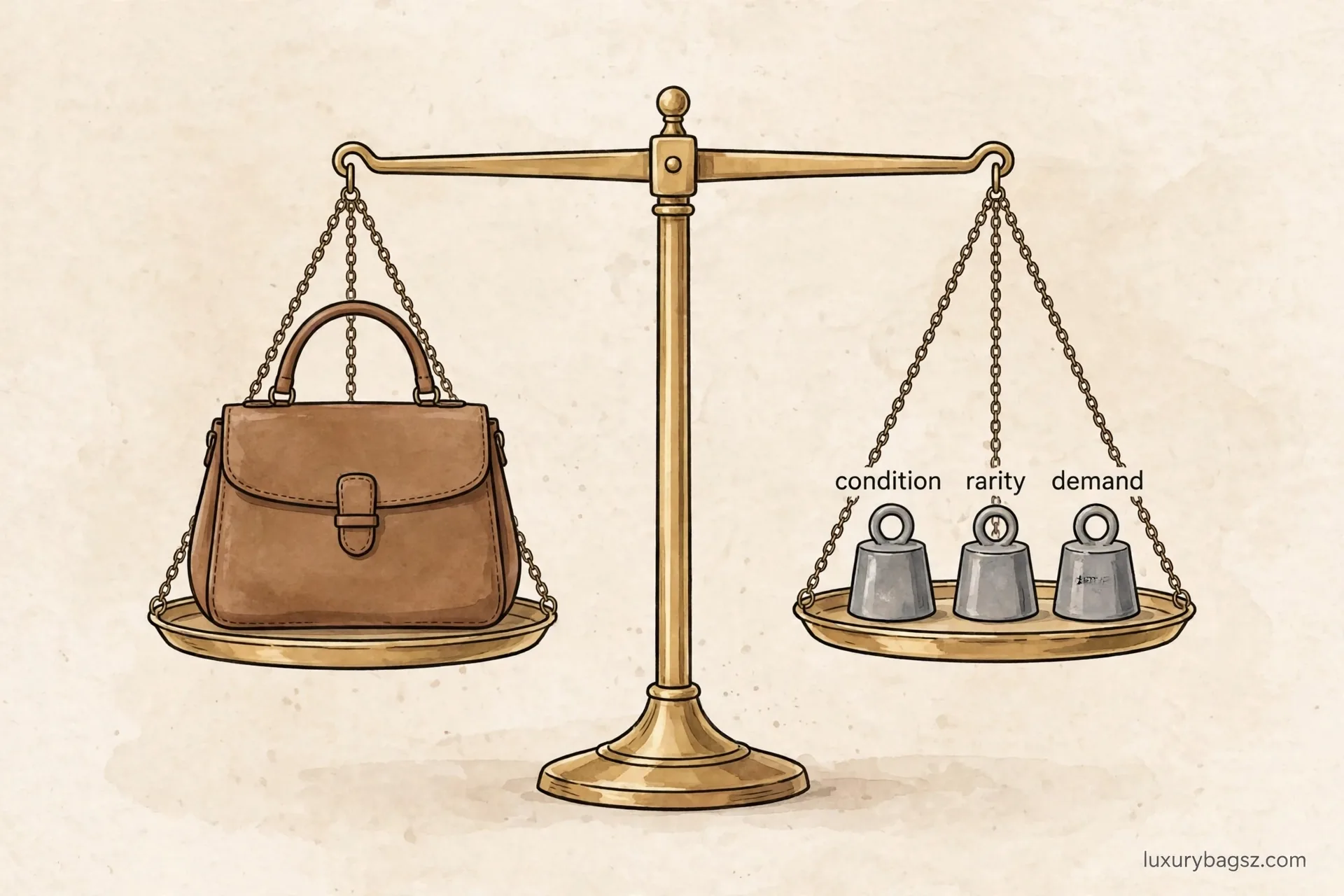
What Is Quiet Luxury: The Stealth Wealth Style Guide
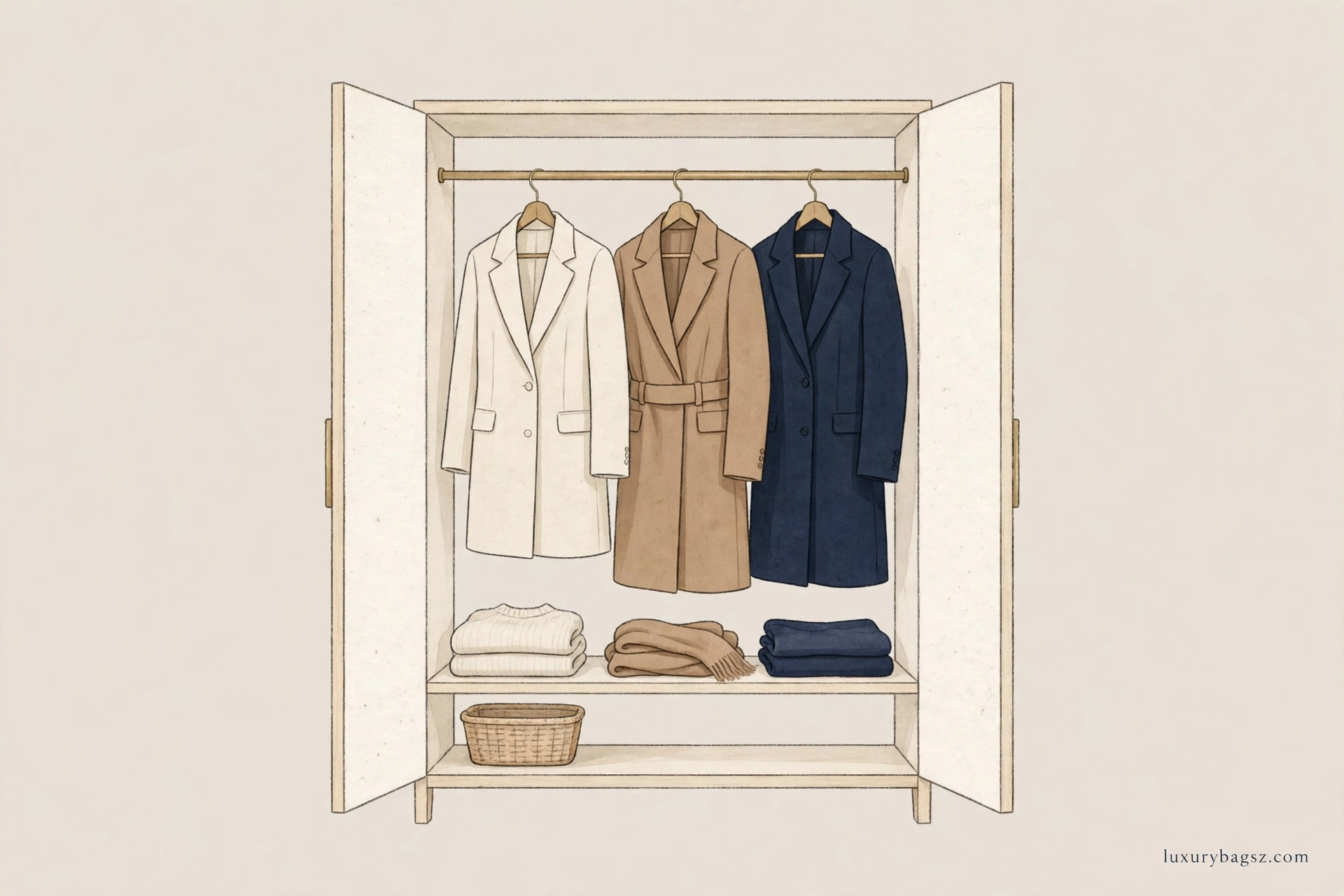
Quiet Luxury at a Glance
Quiet luxury is luxury that whispers instead of shouting: expensive-looking clothes with no visible logos, perfect fit, superb fabrics, and timeless shapes. It is also called stealth wealth, because its signals are legible mainly to people who know what to look for, such as the hand of cashmere, the cut of a coat, or the quiet hardware on a bag.
The term exploded in 2022 and 2023, fuelled by the television show Succession, by Sofia Richie Grainge's wedding wardrobe, and by Gwyneth Paltrow's courtroom outfits, all of which showcased neutral, logo-free, impeccably tailored clothing. But the style itself is far older, rooted in old-money dressing, minimalism, and the idea that true wealth does not need to announce itself.
This guide explains what quiet luxury actually is, where it came from, which fabrics, colours, and fits define it, which brands embody it, how to wear it on different budgets, and where its critics have a point. It is not about pretending to be rich; it is about choosing quality, fit, and restraint over logos and trends.
Key Takeaways
- Quiet luxury means logo-free, timeless, well-fitted clothing in superb fabrics and neutral colours.
- It is also called stealth wealth or old-money style, though the three terms are not identical.
- The trend surged in 2022-2023 through Succession, celebrity weddings, and courtroom fashion coverage.
- Key fabrics include cashmere, merino wool, linen, silk, and high-quality cotton.
- Key colours are cream, camel, navy, grey, black, and white, with muted seasonal tones.
- Fit matters more than brand: tailoring and alterations make quiet luxury work.
- True quiet luxury is expensive, but its principles, fit, fabric, restraint, can be applied on any budget.
- Critics note its elitism, its reliance on insider knowledge, and its still-high cost.
What Quiet Luxury Actually Means
Quiet luxury is a style, not a brand or a price tag, though it is often sold at luxury prices. Its core is restraint: clothes that do not carry visible logos, that avoid loud prints and trendy details, and that rely on fabric, cut, and proportion to signal quality.
A quiet luxury outfit might be a camel cashmere coat, a cream silk blouse, navy tailored trousers, and simple loafers, with a leather bag whose hardware is minimal and whose logo, if any, is tiny. Nothing shouts, but everything looks considered, and the overall effect is calm, polished, and expensive.
The opposite is loud luxury: monogram canvas, large logos, bright colours, and statement hardware designed to be recognised instantly. Loud luxury signals wealth to everyone; quiet luxury signals it only to those who know fabric and fit, which is why it is called stealth wealth.
Quiet luxury is also about longevity. Its shapes are timeless, its colours are neutral, and its fabrics are meant to last, so a coat or bag bought today should still look right in ten years. That longevity is both a style choice and, for buyers who can afford it, a value argument.

Where Quiet Luxury Came From
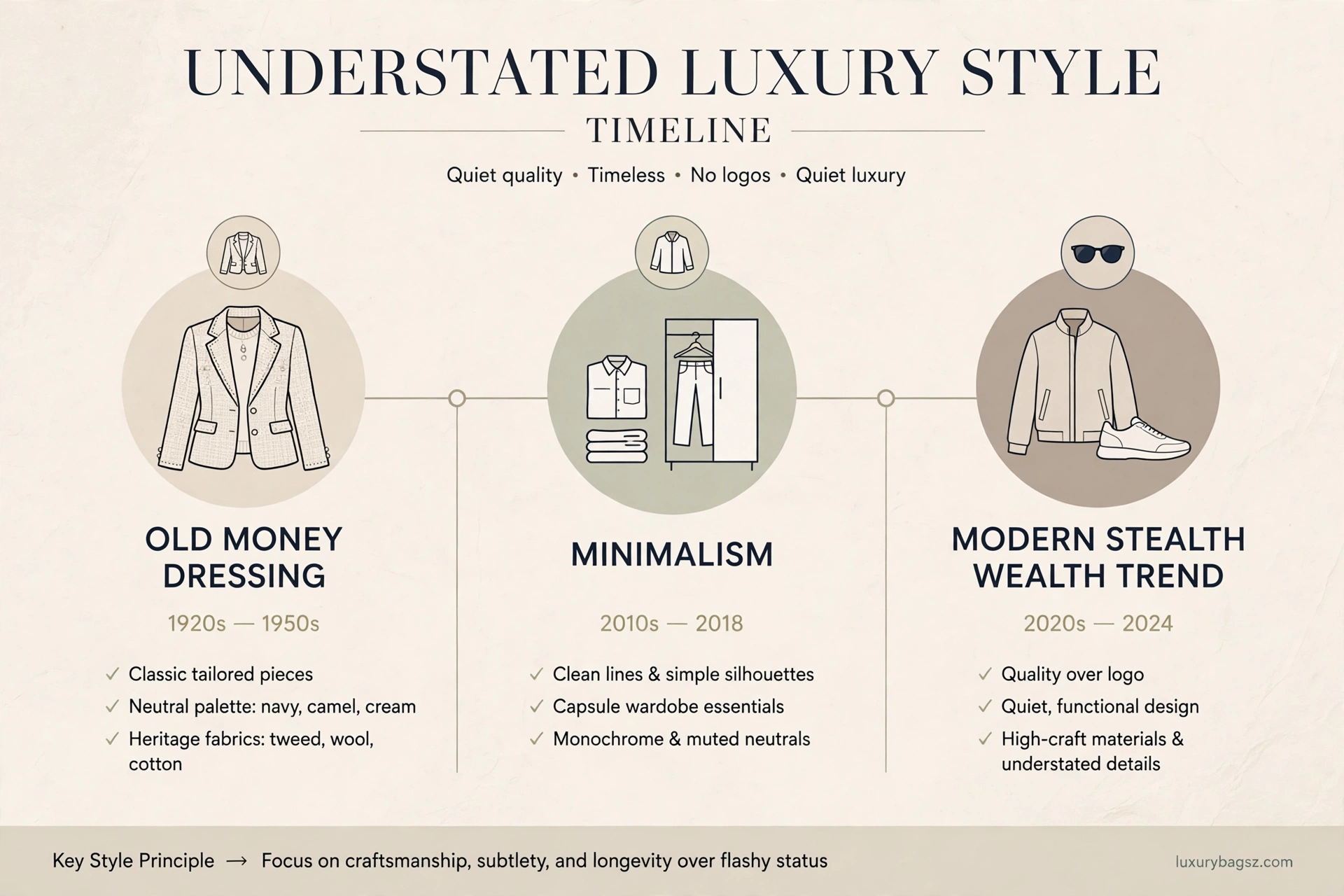
Quiet luxury's roots lie in old-money dressing, the style of families who have been wealthy for generations and who dress for comfort, tradition, and discretion rather than display. Think country houses, private schools, and clubs, where a well-worn Barbour, a cashmere sweater, and tailored trousers signal belonging without logos.
Minimalism in fashion also shaped quiet luxury. Designers from the 1990s onwards, including Jil Sander, Calvin Klein, and later Phoebe Philo at Celine, championed clean lines, neutral palettes, and quality materials over decoration. Their work taught a generation that restraint could be luxurious.
The term itself surged in 2022 and 2023. Succession's characters, especially Shiv Roy, wore logo-free, tailored, expensive-looking clothes that viewers identified as stealth wealth, while Sofia Richie Grainge's wedding outfits and Gwyneth Paltrow's courtroom tailoring generated endless coverage of the same aesthetic.
Social media amplified the trend, with creators breaking down quiet luxury outfits, fabrics, and brands, and retailers marketing neutral, minimalist collections under the label. The trend's speed also produced backlash, with critics noting that quiet luxury, for all its restraint, remains deeply expensive and exclusive.
Stealth Wealth, Old Money, and Quiet Luxury: Are They the Same?
Stealth wealth, old money, and quiet luxury overlap but are not identical, and confusing them leads to muddled shopping. Stealth wealth is a behaviour: wealthy people dressing down to avoid attention, whether for privacy, safety, or taste. It is about hiding wealth, not displaying it quietly.
Old money style is a cultural aesthetic: the dressing habits of long-established wealthy families, with heritage brands, country clothing, and a preference for worn, inherited pieces over new purchases. It values tradition and belonging over fashion, and it often looks less polished than quiet luxury.
Quiet luxury is a fashion trend: a curated, polished, minimalist style that borrows old-money and stealth-wealth codes but presents them as a deliberate, buyable aesthetic. It is cleaner, more tailored, and more commercial than genuine old-money dressing, which is often messier and more idiosyncratic.
Understanding the difference helps you shop. If you want stealth wealth, prioritise discretion and comfort. If you want old money, prioritise heritage and lived-in pieces. If you want quiet luxury, prioritise polish, fit, and fabric, and accept that it is a fashion choice, not a family history.
Fabrics: The Heart of Quiet Luxury
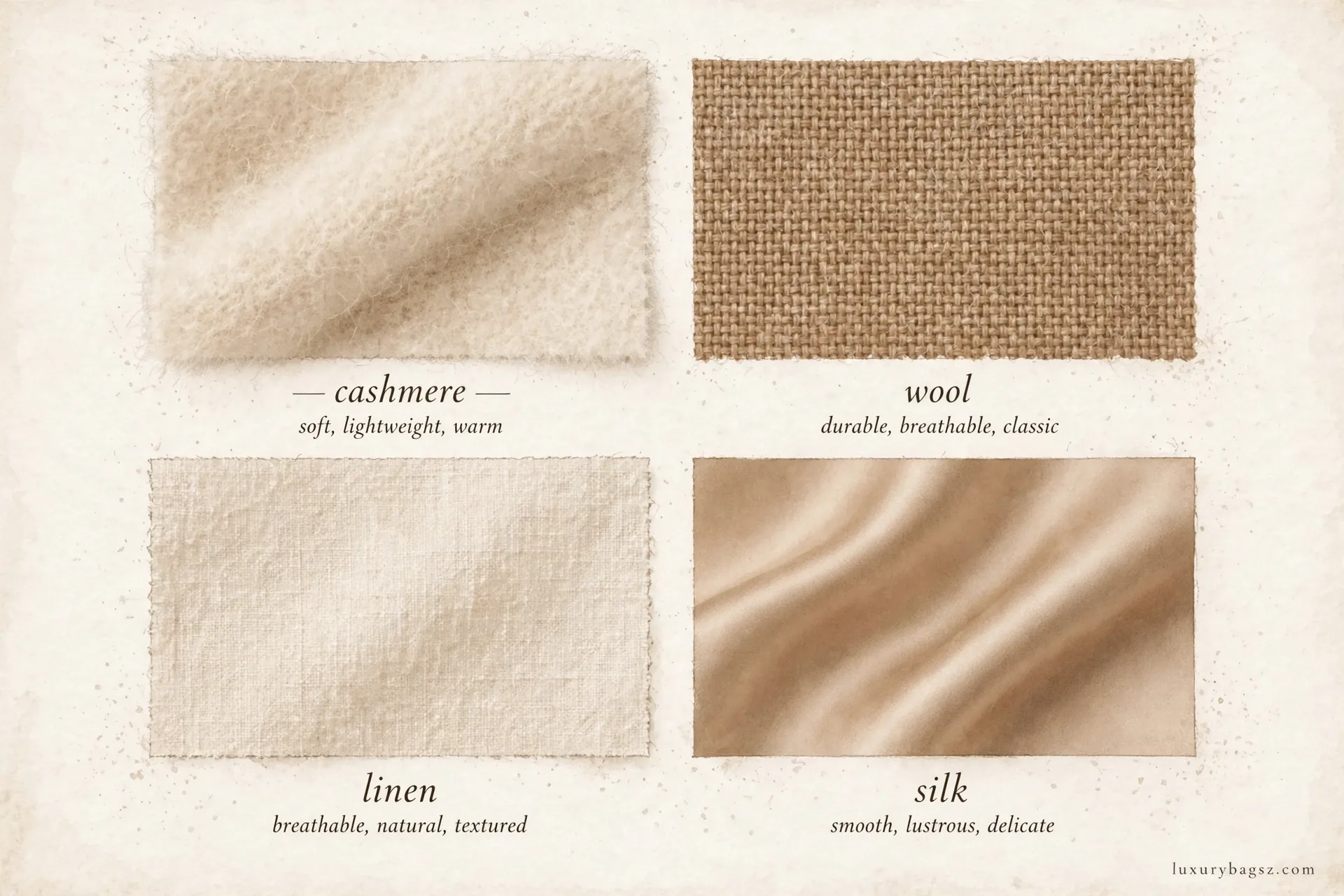
Fabric is where quiet luxury lives or dies, because without logos, material is the main signal of quality. Cashmere is the headline fabric: soft, warm, and light, used for coats, sweaters, and scarves. Good cashmere feels dense and smooth, pills less, and drapes beautifully, while cheap cashmere feels thin and pills quickly.
Merino wool offers a versatile alternative, suitable for sweaters, tailoring, and layering. It breathes, regulates temperature, and holds shape well, making it ideal for everyday quiet luxury. Look for fine, even knits and a smooth hand, not scratchy or loose fibres.
Linen suits summer quiet luxury, with a natural texture and breathability that synthetic fabrics cannot match. Its wrinkles are part of its charm, though a linen-blend with a little cotton or silk reduces creasing for work. Silk adds lustre for blouses, dresses, and scarves, with a fluid drape that signals quality instantly.
High-quality cotton, especially for shirts, T-shirts, and tailoring, completes the library. Look for dense weaves, clean finishing, and a substantial hand, not thin, shiny, or rough cotton. Fabric labels, touch, and drape matter more than brand names for judging quiet luxury quality.
Colours: The Neutral Palette, and How to Use It
Quiet luxury colours are neutral and muted: cream, ivory, camel, beige, grey, navy, black, and white dominate, with olive, taupe, and soft pastels as accents. The palette creates calm, cohesive outfits where pieces mix easily and nothing clashes.
Cream and camel are the signature colours, evoking cashmere coats and old-money wardrobes. They look expensive but show dirt and wear, so they demand care and quality fabric. A cream coat in cheap fabric looks worse than a navy coat in good fabric, so prioritise material over colour.
Navy and grey offer practical alternatives to black, suiting work and everyday wear while hiding wear better than cream. Black remains essential for evenings and formal occasions, though quiet luxury black is matte and textured, not shiny or logo-covered.
Accents should be muted, not loud. A soft blue shirt, an olive scarf, or a burgundy accessory adds interest without breaking the palette. Avoid neon, large prints, and clashing brights, which fight quiet luxury's calm, cohesive effect.
Fit: Why Tailoring Matters More Than Brand
Fit is quiet luxury's secret weapon, because a perfectly fitted modest garment looks more expensive than an ill-fitted luxury one. Shoulders should sit at your natural shoulder, sleeves should show a little shirt cuff, trousers should break cleanly, and coats should close without pulling.
Tailoring and alterations are therefore essential, not optional. Budget for hemming, taking in, and adjusting, and find a good tailor before you buy expensive pieces. A tailor can transform an off-the-rack coat or suit into a garment that looks made for you.
Proportions matter too. Quiet luxury favours balanced, timeless proportions: straight or gently tapered trousers, coats that hit at the knee or just above, and knitwear that skims rather than clings or overwhelms. Avoid extremes of oversized or skin-tight, which date quickly.
Try clothes with the shoes and layers you will actually wear, because fit changes with footwear and layering. A coat that fits over a T-shirt may not fit over a sweater, and trousers that work with loafers may not work with boots. Fit for your real life, not for a fitting-room fantasy.
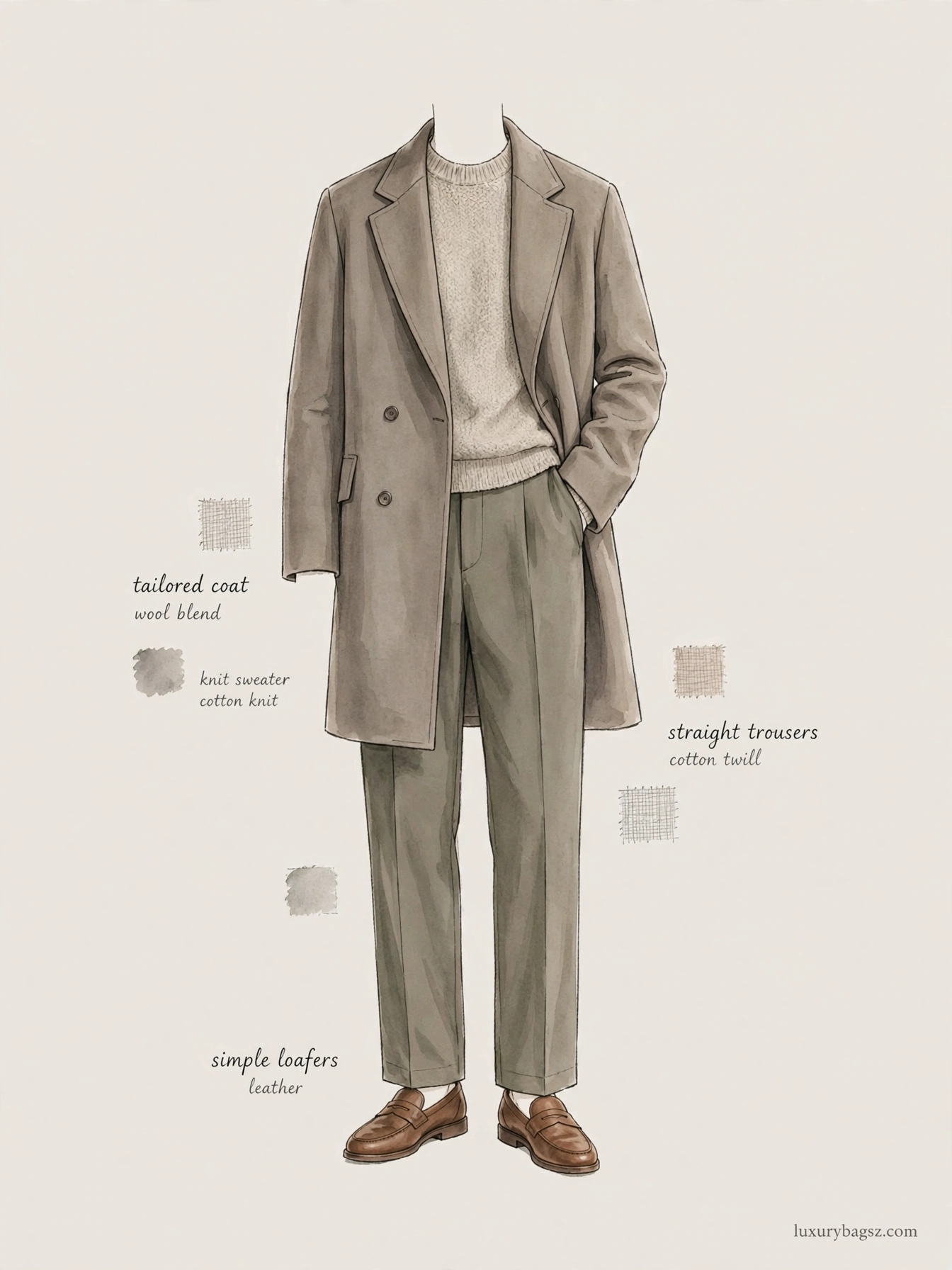
The Capsule: Building a Quiet Luxury Wardrobe
A quiet luxury capsule starts with outerwear: a camel or navy wool coat that suits your climate and lifestyle. It is the most visible piece, worn daily in colder months, and it sets the tone for everything beneath it. Choose quality and fit over trend, and care for it well.
Next, add knitwear: a cream or navy cashmere or merino sweater, a fine-knit polo or crew neck, and a cardigan for layering. Knitwear offers warmth, softness, and versatility, pairing with trousers, skirts, and dresses across seasons.
Tailoring follows: navy or grey trousers, a white or cream shirt, and a blazer or tailored jacket that fits perfectly. These pieces cover work, formal occasions, and smart casual days, and they mix with knitwear and outerwear to create many outfits.
Finish with shoes and a bag: simple loafers, clean white sneakers or leather boots, and a minimal leather bag in black or tan with quiet hardware. These accessories should be understated, well-made, and versatile, completing the capsule without stealing focus.
Quiet Luxury for Women, Men, and Everyone
For women, quiet luxury often means tailored coats, silk blouses, cashmere knitwear, straight trousers, and simple leather bags, with minimal jewellery and natural makeup. Paris label Polène built its name on exactly that formula — my Polène bags guide covers its sculptural Numéro Un and current prices. The look is polished but not fussy, and it suits work, events, and everyday elegance.
For men, quiet luxury means well-fitted tailoring, quality knitwear, simple shirts, dark denim or tailored trousers, and understated shoes such as loafers or clean sneakers. Watches, if worn, are classic and understated, not large or logo-heavy.
For non-binary and gender-fluid dressing, quiet luxury's principles, quality fabric, neutral palette, perfect fit, and restraint, translate easily across traditional gender lines. Tailoring, knitwear, and outerwear in neutral colours suit many bodies and identities without requiring gendered branding.
Across all genders, the principles stay the same: fit first, fabric second, colour third, and logos last, or never. Quiet luxury is not about dressing as a man or a woman, but about dressing with intention, quality, and calm.
Brands That Embody Quiet Luxury
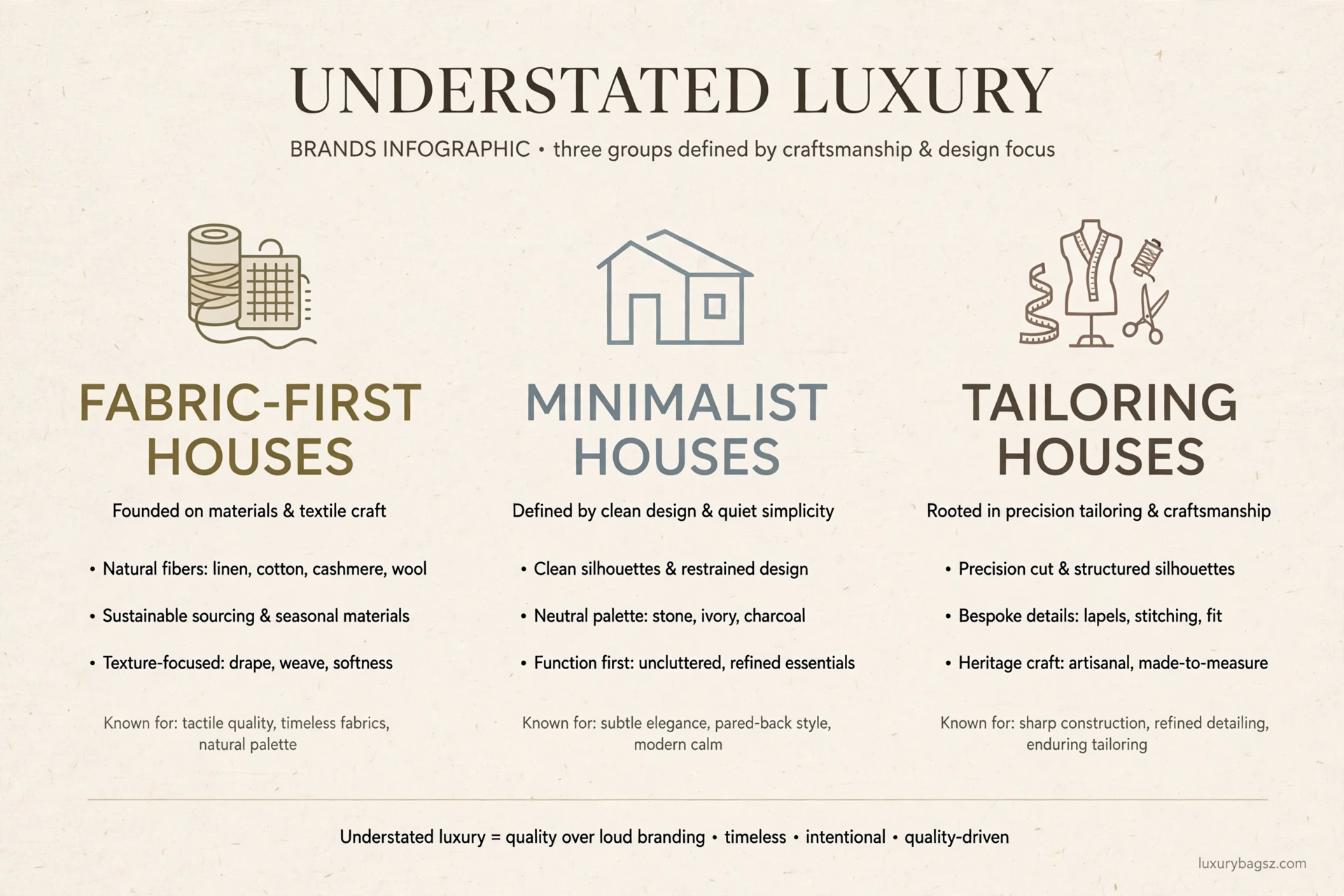
Fabric-first houses lead quiet luxury, with Loro Piana and Brunello Cucinelli famous for cashmere, vicuna, and understated Italian craftsmanship. Their clothes are expensive, logo-free, and instantly recognisable to those who know fabric, making them the purest quiet luxury brands.
Minimalist houses include The Row, Jil Sander, and Max Mara, which offer clean lines, neutral palettes, and timeless tailoring. The Row, founded by Ashley and Mary-Kate Olsen, is particularly associated with quiet luxury, with perfect tailoring and a deliberate lack of logos.
Heritage leather houses also fit, including Celine for minimal leather bags and Bottega Veneta for woven leather without logos. The quietest heritage house of all is Delvaux — my Delvaux bags guide covers its logo-free Brillant and Tempête icons. Our Celine Luggage vs Triomphe comparison shows how minimal leather bags work, and our Bottega Intrecciato care guide covers the woven leather that defines that house's quiet approach.
Tailoring houses such as Zegna, Kiton, and Brioni offer quiet luxury for men, with handmade suits and understated elegance. These brands reward buyers who value construction and fabric over visible branding, and they suit formal and professional wardrobes.
Quiet Luxury on a Budget: Is It Possible?
True quiet luxury, with cashmere coats and handmade tailoring, is expensive, and pretending otherwise is dishonest. But its principles can be applied on any budget, with patience, second-hand shopping, and a focus on fit and fabric over brand.
Second-hand is the best budget route. Charity shops, vintage stores, and resale platforms offer cashmere, wool coats, and leather bags at fractions of retail, especially in classic colours and sizes. Inspect fabric, seams, and condition carefully, and prioritise timeless pieces over trends.
High-street brands offer quiet luxury basics at lower prices, especially for cotton shirts, merino knitwear, and simple tailoring. Look for natural fabrics, clean finishing, and good fit, and avoid shiny synthetics, visible logos, and poor construction, which betray cheapness instantly.
Tailoring transforms budget pieces. A high-street coat or suit, altered to fit perfectly, looks more expensive than an unaltered luxury piece that fits poorly. Budget for alterations, and choose simple shapes that a tailor can adjust easily.
Bags, Shoes, and Accessories in Quiet Luxury
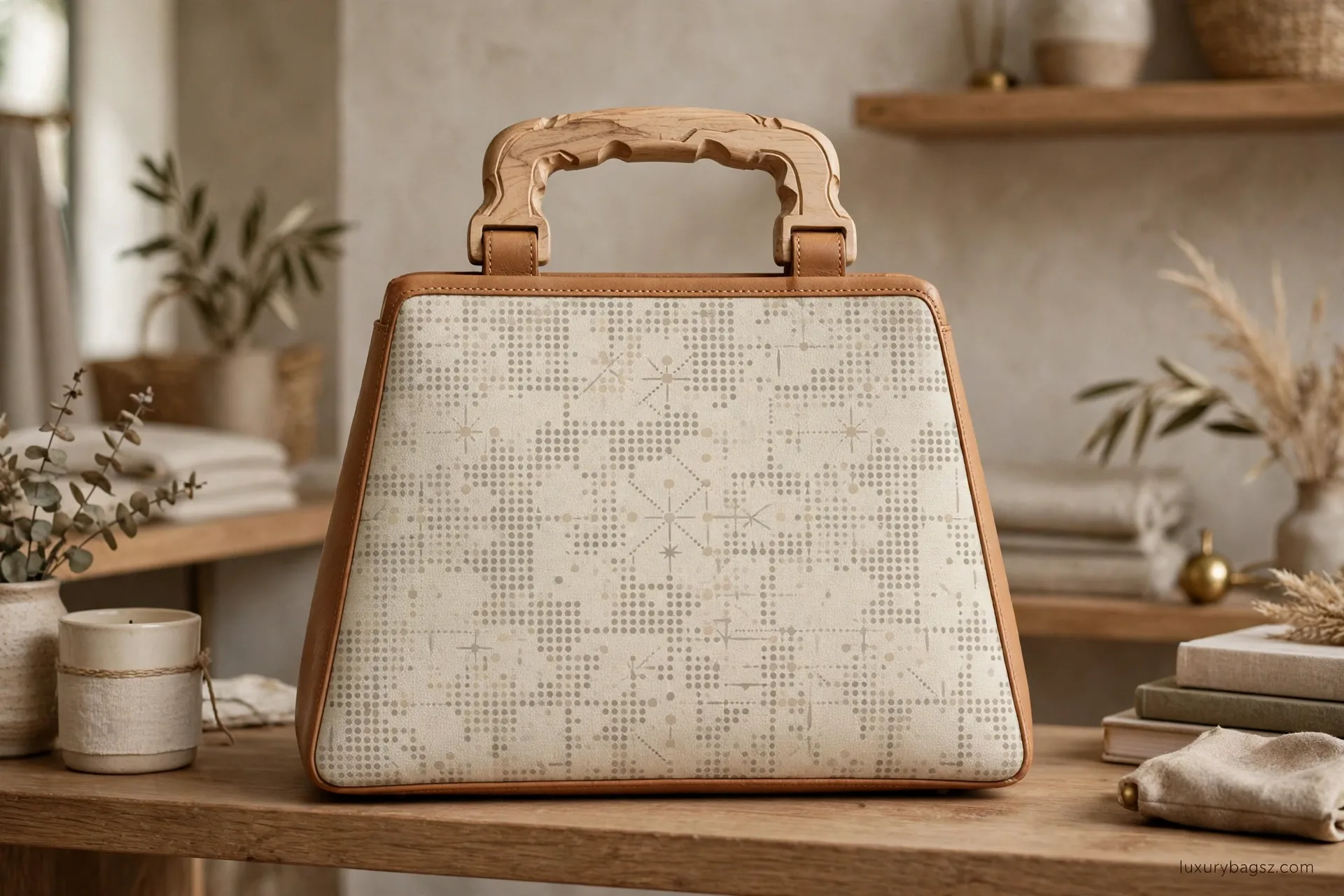
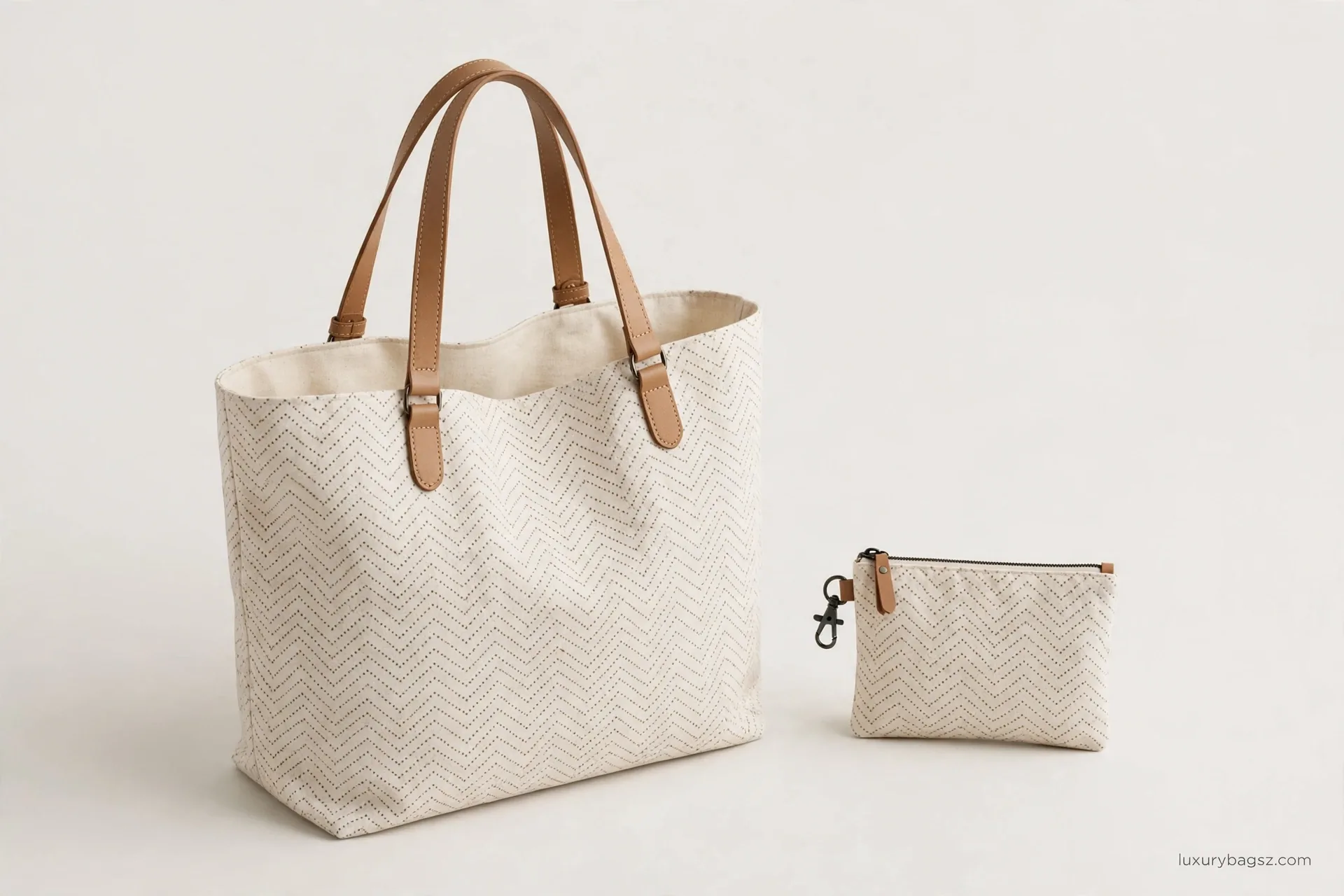
Bags in quiet luxury are minimal, well-made, and logo-free, or nearly so. Think structured leather totes, simple shoulder bags, and top-handle bags in black, tan, or navy, with quiet hardware and clean stitching. The bag should complement an outfit, not dominate it.
Shoes follow the same logic: simple loafers, ballet flats, clean sneakers, and understated boots in leather or suede, without large logos or decorative excess. Quality leather, good soles, and clean finishing matter more than brand, and shoes should be maintained and polished regularly.
Jewellery is minimal and classic: small gold or silver hoops, a simple chain, a classic watch, and a wedding or signet ring, rather than statement pieces or logo jewellery. The jewellery should feel personal and timeless, not trendy or branded.
Other accessories, including belts, scarves, and sunglasses, should be simple and high-quality. A plain leather belt, a cashmere scarf in a neutral colour, and classic sunglasses complete a quiet luxury look without adding noise. Less, well-chosen, beats more, poorly chosen.
Grooming, and the Rest of the Look
Grooming completes quiet luxury, because a polished outfit with unkempt hair, nails, or skin looks unfinished. Clean, simple grooming, well-maintained hair, neat nails, and healthy skin, supports the calm, considered effect of the clothes.
Hair should be neat and timeless, rather than trendy or overly styled. A classic cut, maintained regularly, suits quiet luxury better than a dramatic, high-maintenance style that fights the clothes' restraint. Colour, if used, should look natural and well-maintained.
Makeup, where worn, should be natural and minimal: even skin, soft lips, and understated eyes, rather than bold colours or heavy contouring. The aim is to look like yourself, polished, not like a different person.
Fragrance should be subtle and clean, not loud or sweet. A light, woody, or musky scent that stays close to the skin suits quiet luxury, while a strong, projecting fragrance contradicts its discretion. Grooming, like clothing, should whisper, not shout.
Common Mistakes, and How to Avoid Them
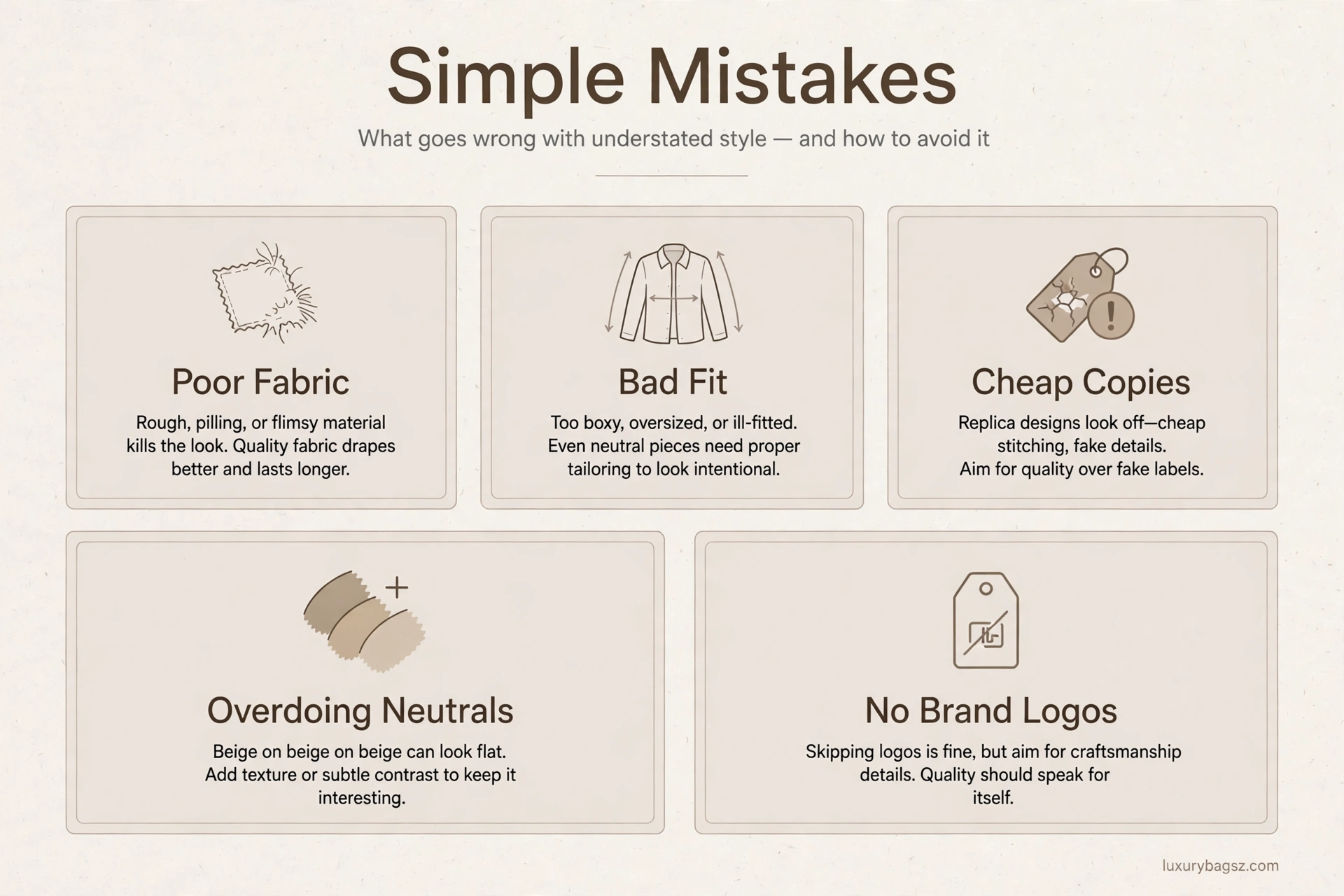
The first mistake is buying cheap, logo-free clothes and calling them quiet luxury. Without quality fabric and fit, a plain outfit looks plain, not luxurious. Prioritise fabric and tailoring, even if it means buying fewer pieces.
The second mistake is overdoing neutrals until an outfit looks washed out or boring. Quiet luxury needs contrast and texture: pair cream with navy, camel with black, and smooth leather with soft knitwear, so the outfit has depth without colour noise.
The third mistake is ignoring fit. A cashmere sweater that is too big, trousers that pool at the ankle, or a coat with dropping shoulders will not look luxurious, however expensive the fabric. Tailor, hem, and adjust until fit is perfect.
The fourth mistake is copying a celebrity outfit exactly, without considering your body, lifestyle, and climate. A courtroom outfit or a wedding look may not suit daily life, and quiet luxury should serve your real days, not a photograph.
Buying Quiet Luxury Second-Hand
Second-hand is ideal for quiet luxury, because its timeless shapes and quality fabrics age well and appear regularly on resale platforms. Cashmere coats, wool tailoring, and leather bags in classic colours are among the best second-hand buys, offering luxury quality at accessible prices.
Check fabric first: cashmere should feel dense and smooth, wool should show even weaving, and leather should feel supple with clean stitching. Pilling, thinning, stains, and odours suggest hard wear, and they should be reflected in price or avoided.
Check fit and condition together, because a second-hand coat that does not fit, or that needs expensive repairs, is not a bargain. Ask for measurements, close photos of fabric, seams, and linings, and a clear return policy before paying.
Seller checks matter as much as the piece, and our general guide on buying pre-owned safely covers those checks for bags, with principles that apply to clothing too: vetted sellers, clear photos, and returns beat a slightly cheaper listing from an unknown account.
Quiet Luxury Versus Loud Luxury, and When Each Works
Loud luxury has its place, and quiet luxury is not morally superior to it. Monogram bags, logo sneakers, and statement jewellery can be joyful, expressive, and culturally significant, especially for buyers who enjoy fashion as celebration rather than discretion.
Quiet luxury suits occasions where discretion, professionalism, or timelessness matter: important meetings, formal events, courtrooms, and workplaces where standing out through logos could distract. It also suits buyers who prefer their clothes to support them, not speak for them.
Loud luxury suits occasions where expression, celebration, and identity matter: parties, concerts, fashion events, and moments where a statement piece brings joy. It also suits collectors who love a house's history and want to show it.
Many wardrobes mix both, with quiet basics and one or two loud pieces for fun. A neutral capsule with a monogram bag, or a tailored coat with statement shoes, can balance restraint and expression. The choice is personal, not a rule.
The Criticism: Elitism, Exclusion, and Cost
Quiet luxury faces fair criticism. Its reliance on insider knowledge, knowing which cashmere is best, which tailor to use, which bag is quietly expensive, can feel exclusionary, rewarding those already inside wealthy circles and confusing outsiders.
Its cost is another criticism. A quiet luxury wardrobe, with cashmere coats and handmade tailoring, costs thousands, and marketing it as timeless and sustainable does not make it accessible. For most shoppers, it remains aspirational, not practical.
The trend also risks becoming a uniform, with creators and retailers selling the same cream, camel, and navy capsule to everyone, regardless of body, culture, or personal style. That uniformity contradicts fashion's expressive purpose, and it can feel dull rather than elegant.
Finally, quiet luxury can mask consumption. Buying many expensive, logo-free pieces is still consumption, and calling it sustainable because pieces last longer does not erase its footprint. Shoppers should judge quiet luxury by wear and longevity, not by its label.
Quiet Luxury at Work, at Home, and on Holiday
At work, quiet luxury means tailored trousers or a skirt, a silk or cotton shirt, a cashmere sweater or blazer, and simple leather shoes, with a minimal bag. The look is professional, calm, and credible, without distracting logos or trends.
At home, quiet luxury translates to quality loungewear: soft knitwear, well-fitting joggers or leggings in natural fabrics, and simple slippers, rather than branded tracksuits or worn-out basics. Comfort matters, but fabric and fit still signal care.
On holiday, quiet luxury means linen trousers, a cotton shirt, a light cashmere wrap for evenings, and simple sandals, in neutral colours that mix easily. Pack fewer, better pieces, and choose fabrics that travel well and resist wrinkling.
For evenings, quiet luxury means a simple dress or tailored suit in a dark neutral, with minimal jewellery and a small leather bag. The look is elegant without effort, and it photographs well because its simplicity does not date.
Building Quiet Luxury Slowly, Piece by Piece
Building a quiet luxury wardrobe slowly is smarter than buying it all at once. Start with the piece you wear most, usually a coat or a bag, and invest in quality and fit there. Wear it, learn what you like, and add the next piece only when the first is working hard.
Add knitwear next, then tailoring, then shoes, then accessories, each time choosing neutral colours that mix with what you already own. That sequence builds a cohesive wardrobe, rather than a collection of isolated purchases that do not work together.
Keep a list of gaps, not wants. A gap is a missing piece that prevents outfits, such as a navy sweater to pair with grey trousers, while a want is a duplicate or a trend. Filling gaps builds a wardrobe; chasing wants builds clutter.
Review annually: what did you wear, what did you ignore, and what needs repair or replacement. That review keeps a quiet luxury wardrobe honest, ensuring pieces earn their place through wear, not through price or brand.
Quiet Luxury in 2026: Trend or Timeless?
Quiet luxury surged as a trend in 2022 and 2023, and trends fade, but its core principles, quality fabric, perfect fit, neutral colours, and timeless shapes, predate the trend and will outlast it. The label may change, but the style will remain, because it answers a permanent desire for polish without noise.
Retailers will keep marketing quiet luxury collections, though the term may evolve into new labels such as stealth wealth, old money, or simply minimalism. Shoppers should focus on principles, not labels, and judge pieces by fabric, fit, and longevity rather than by a trend name.
The trend's commercialisation also means more choice at lower prices, with high-street brands offering quiet luxury basics in natural fabrics. That democratisation is welcome, provided shoppers check quality and fit rather than trusting a label.
For buyers, the message is steady: build slowly, buy quality, prioritise fit, and choose neutrals that suit your life. Whether quiet luxury is called a trend or a timeless style in 2026, those principles will serve you well.
A Quiet Luxury Checklist Before You Buy
Check fabric first: is it natural, dense, and smooth, with a good hand and drape, or thin, shiny, and rough. Fabric quality decides whether a logo-free piece looks luxurious or plain.
Check fit second: do shoulders sit correctly, do sleeves and hems fall where they should, and does the piece close without pulling. If fit is not right, budget for tailoring or choose another size.
Check colour third: does it mix with your existing wardrobe, suit your skin tone, and hide or show wear appropriately for its use. A colour that clashes with everything you own is not a bargain, however beautiful.
Check longevity last: will you wear this in five years, does its shape transcend trends, and can it be repaired and maintained. A piece that passes all four checks, fabric, fit, colour, and longevity, deserves its place in a quiet luxury wardrobe.
Quiet Luxury for Every Age, Body, and Budget Reality
Quiet luxury is often photographed on young, slim, wealthy bodies, but its principles work for every age, body, and budget when applied thoughtfully. Fit, fabric, and restraint do not belong to one body type, and a well-fitted coat in a neutral colour flatters many shapes when cut correctly.
For older buyers, quiet luxury offers elegance without trying to look young: quality knitwear, tailored coats, and simple jewellery suit mature style beautifully, and they avoid the trap of chasing youth trends that date quickly. Comfort matters too, with soft fabrics and sensible shoes that support daily life.
For plus-size buyers, quiet luxury's emphasis on fit and fabric is especially valuable, because well-cut tailoring and quality knitwear drape better than cheap, logo-heavy alternatives. Look for brands and tailors who cut for curves, and prioritise fit over size labels, which vary widely.
For younger buyers on tight budgets, quiet luxury principles offer a smarter way to shop: fewer, better basics, second-hand quality, and alterations, rather than many cheap trend pieces. A single well-fitting coat, bought second-hand and tailored, will serve a student or young professional better than five fast-fashion coats.
Quiet luxury, at its best, is inclusive in principle, even if its luxury prices are not. By focusing on fit, fabric, and restraint, any buyer can borrow its calm, polished effect, regardless of age, body, or budget, and make it their own.
Frequently Asked Questions
What is quiet luxury?
Quiet luxury is a logo-free, timeless style based on superb fabrics, perfect fit, neutral colours, and restrained design. It signals quality through material and cut rather than visible branding.
What is stealth wealth?
Stealth wealth is wealthy people dressing down to avoid attention, using discreet, logo-free clothes. It overlaps with quiet luxury but is a behaviour, not just a fashion trend.
Why is quiet luxury popular?
It surged in 2022-2023 through Succession, celebrity weddings, and courtroom fashion coverage, which showcased neutral, tailored, logo-free outfits as a polished alternative to loud luxury.
What brands are quiet luxury?
Loro Piana, Brunello Cucinelli, The Row, Jil Sander, Max Mara, and Zegna are often cited, alongside minimal leather houses such as Celine and Bottega Veneta.
Is quiet luxury expensive?
True quiet luxury, with cashmere and handmade tailoring, is expensive, but its principles, fit, fabric, restraint, can be applied on any budget through second-hand, high-street basics, and tailoring.
Can you wear quiet luxury on a budget?
Yes, through second-hand cashmere and wool, high-street natural fabrics, and alterations that perfect fit. Prioritise fabric and fit over brand, and buy fewer, better pieces.
What colours are quiet luxury?
Cream, camel, beige, grey, navy, black, and white dominate, with muted accents such as olive, taupe, and soft pastels. Avoid neon, large prints, and clashing brights.
Is quiet luxury the same as old money?
No, old money style reflects long-established wealthy families and tradition, while quiet luxury is a polished, commercial fashion trend that borrows old-money codes.
Is quiet luxury sustainable?
It can be more sustainable than fast fashion if pieces last longer and are worn often, but buying many expensive pieces is still consumption. Judge by wear and longevity, not by label.
How do I start with quiet luxury?
Start with one quality piece you wear most, usually a coat or bag, ensure perfect fit, choose a neutral colour, and add pieces slowly that mix with what you already own.
Final Verdict
Quiet luxury is not about pretending to be rich or hiding logos for their own sake; it is about choosing quality, fit, and restraint over noise and trends. Start with fabric, demand perfect fit, build a neutral capsule slowly, and buy second-hand where you can. Visit stores to feel cashmere, wool, and leather, try tailoring with your real layers, and let alterations perfect what you buy.
If you love logos, colour, and statement fashion, quiet luxury is not for you, and that is fine. If you want calm, polished, timeless dressing that serves you for years, quiet luxury is hard to beat, and its principles will reward you every single time you get dressed, in every season and for every occasion that matters.