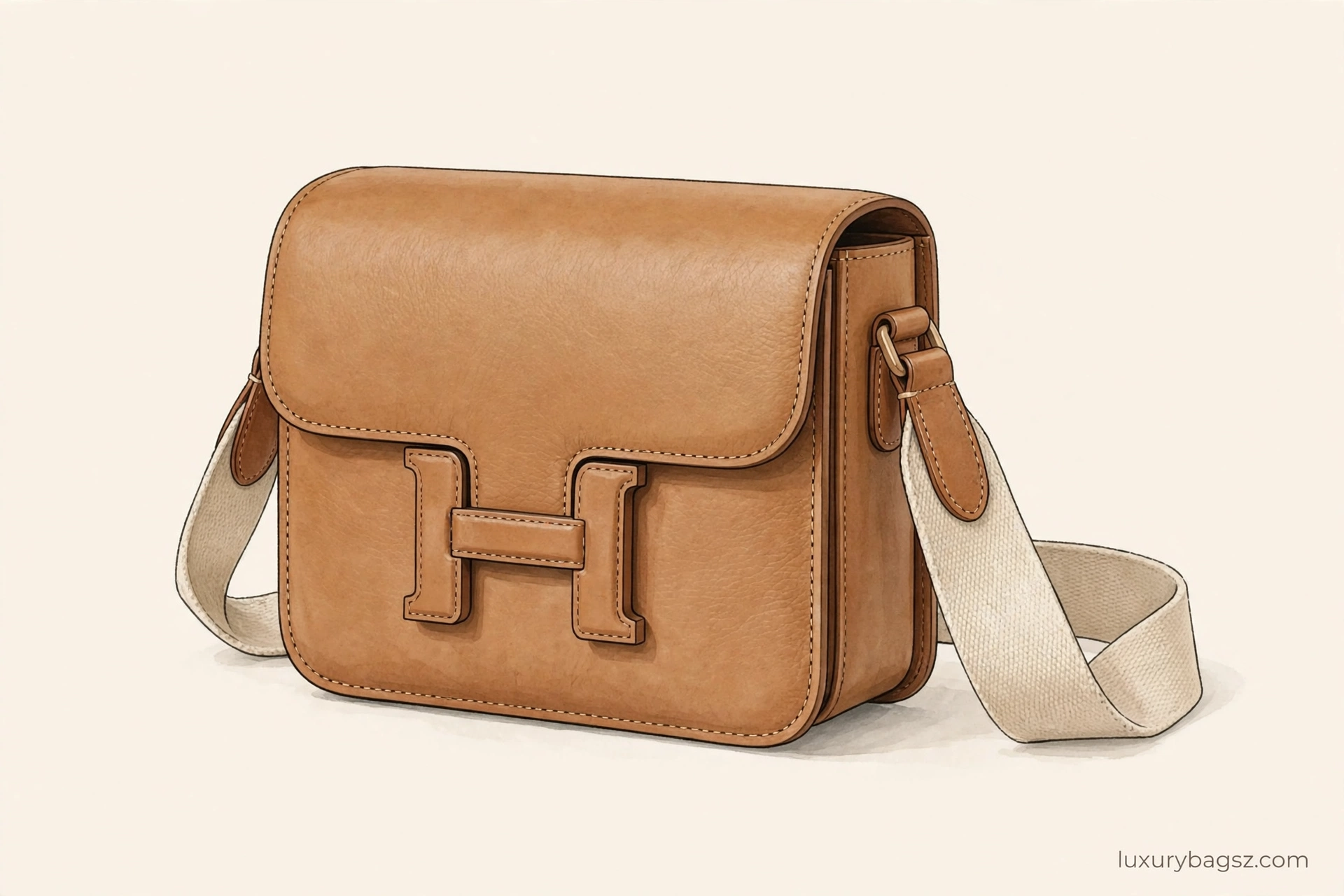
Power Dressing Guide: Authority Outfits, Tailoring, Colour and Boardroom Polish
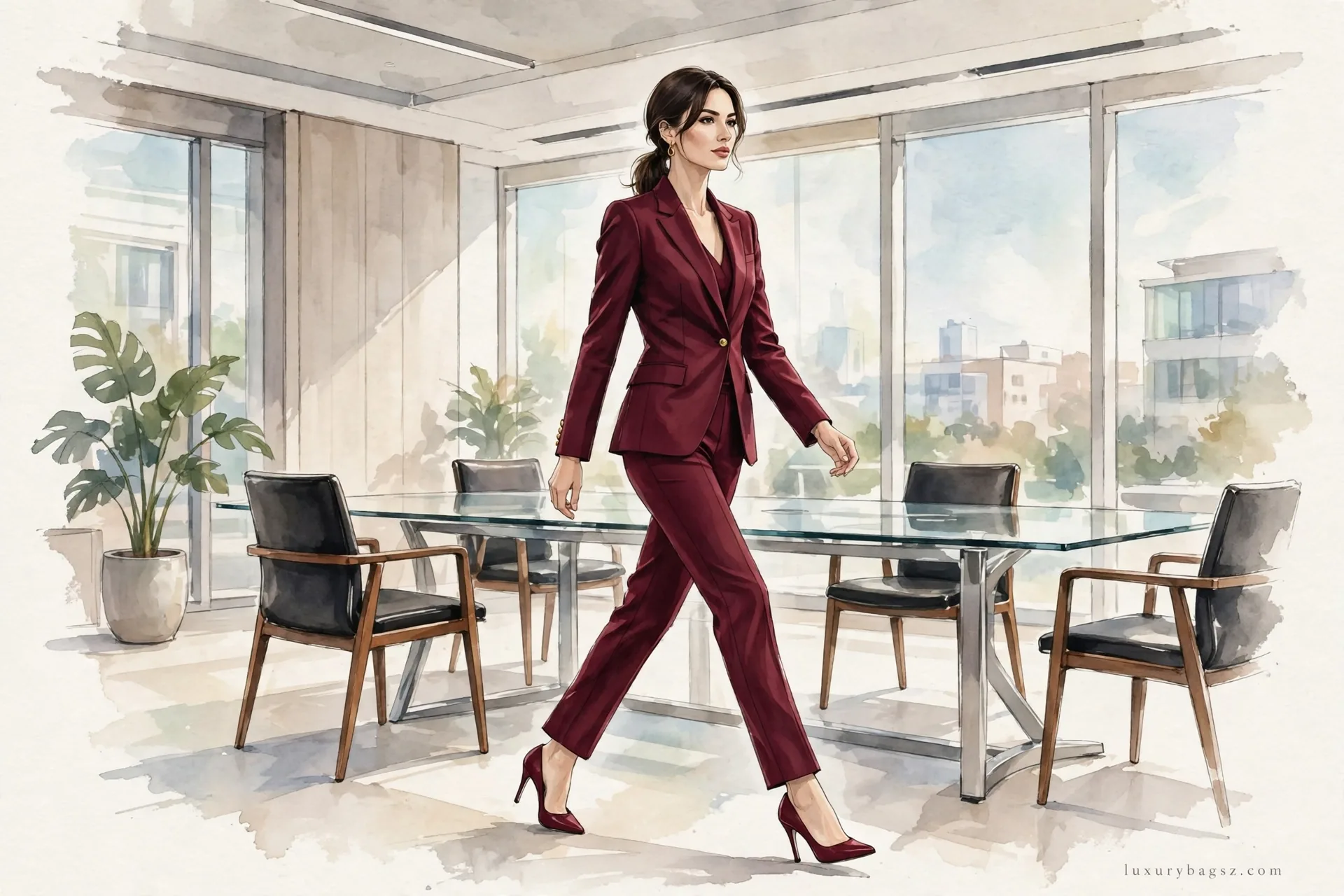
Power, Fitted to You: The Answer in One Look
Power dressing means wearing a clear, tailored silhouette that fits your own body, in a deliberate colour with one texture of interest, finished with polished shoes, a structured bag and quiet jewellery. It does not mean copying a man's suit in a smaller size. Authority comes from proportion, fit and finish, not from shoulder pads, black cloth and severity alone. Build one anchor outfit you trust, then vary it. A blazer that fits, trousers that break cleanly and shoes you can stand in will carry more meetings than a rail of trends.
Key Takeaways
- Let the shape make the statement — clean lines beat loud logos every time.
- Fit the garment to a woman's proportions, never the other way round.
- Skip the all-black habit; navy, burgundy, cream and grey read richer.
- One texture with interest — tweed, crepe, leather — lifts a plain palette.
- Accessories finish the message: structured bag, polished shoes, quiet jewellery.
- Grooming is part of the outfit — pressed cloth and clean shoes are non-negotiable.
What Power Dressing Is Really For
Power dressing is dressing with intent for rooms where decisions are made. The clothes should say you are prepared before you say a word. That intent looks different across industries. Law and finance stay conservative, while media, tech and creative fields allow colour and softer tailoring. Start from the working wardrobe you actually need — our office wardrobe essentials edit lists the staples that earn their keep daily. The goal is not to look severe. It is to look deliberate, comfortable in your clothes and impossible to mistake for someone who dressed by accident.
Notice how the effect is cumulative. No single item creates authority; the fit, colour, texture and finish all point in the same direction. If you feel physically awkward, it shows. Clothes you fidget with, hobble in or adjust all day quietly undo the message you wanted to send.
Silhouette First: Shape Makes the Statement
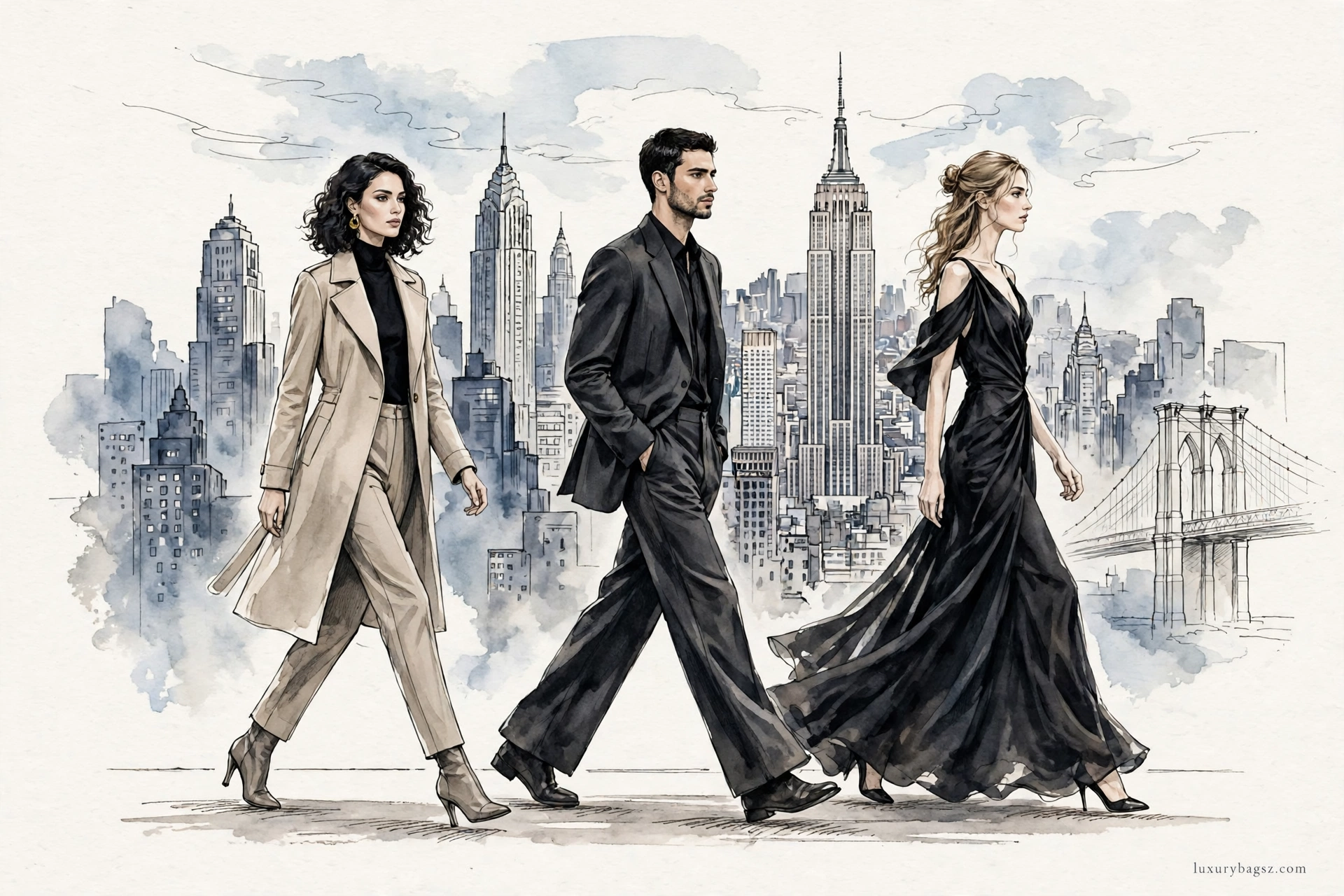
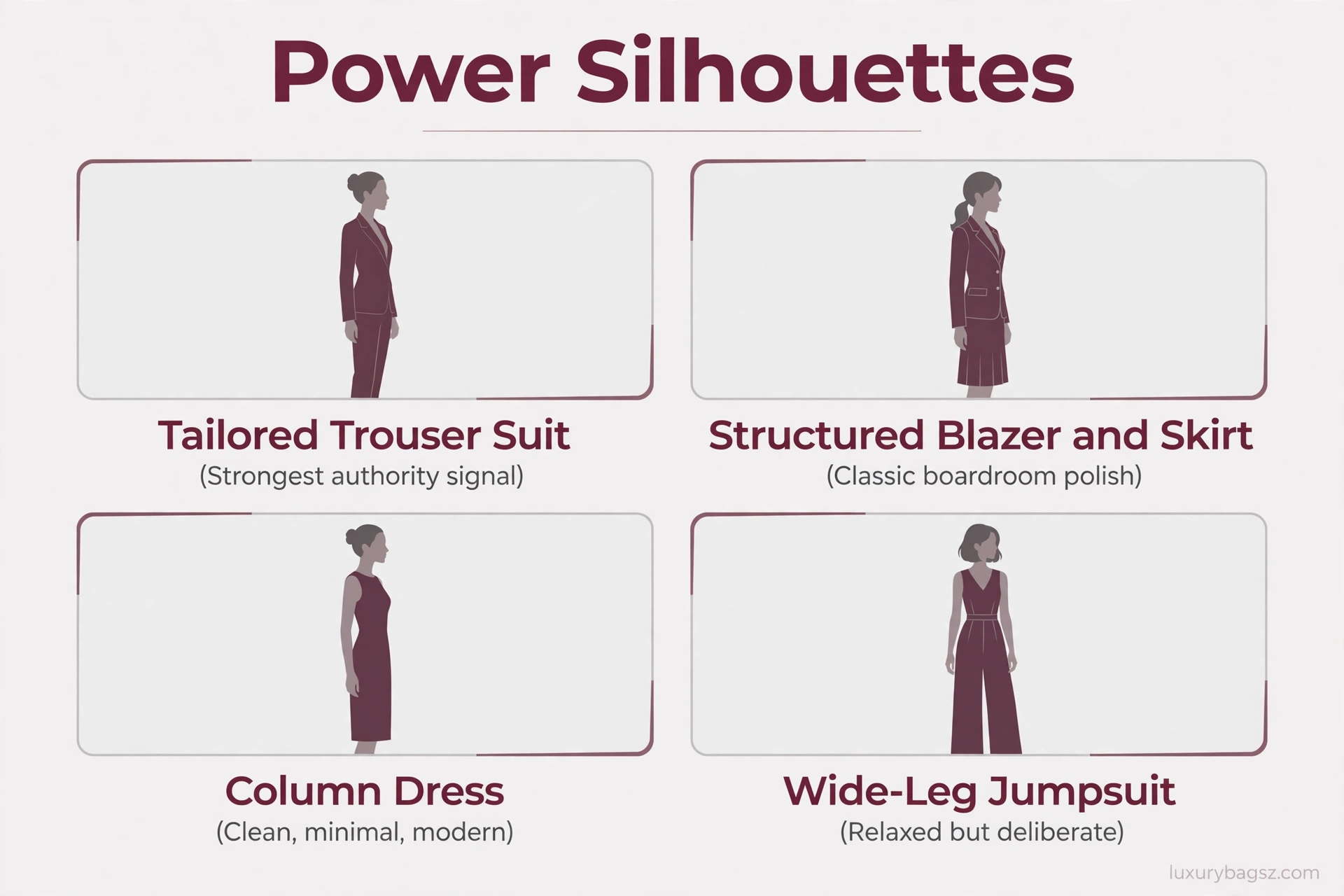
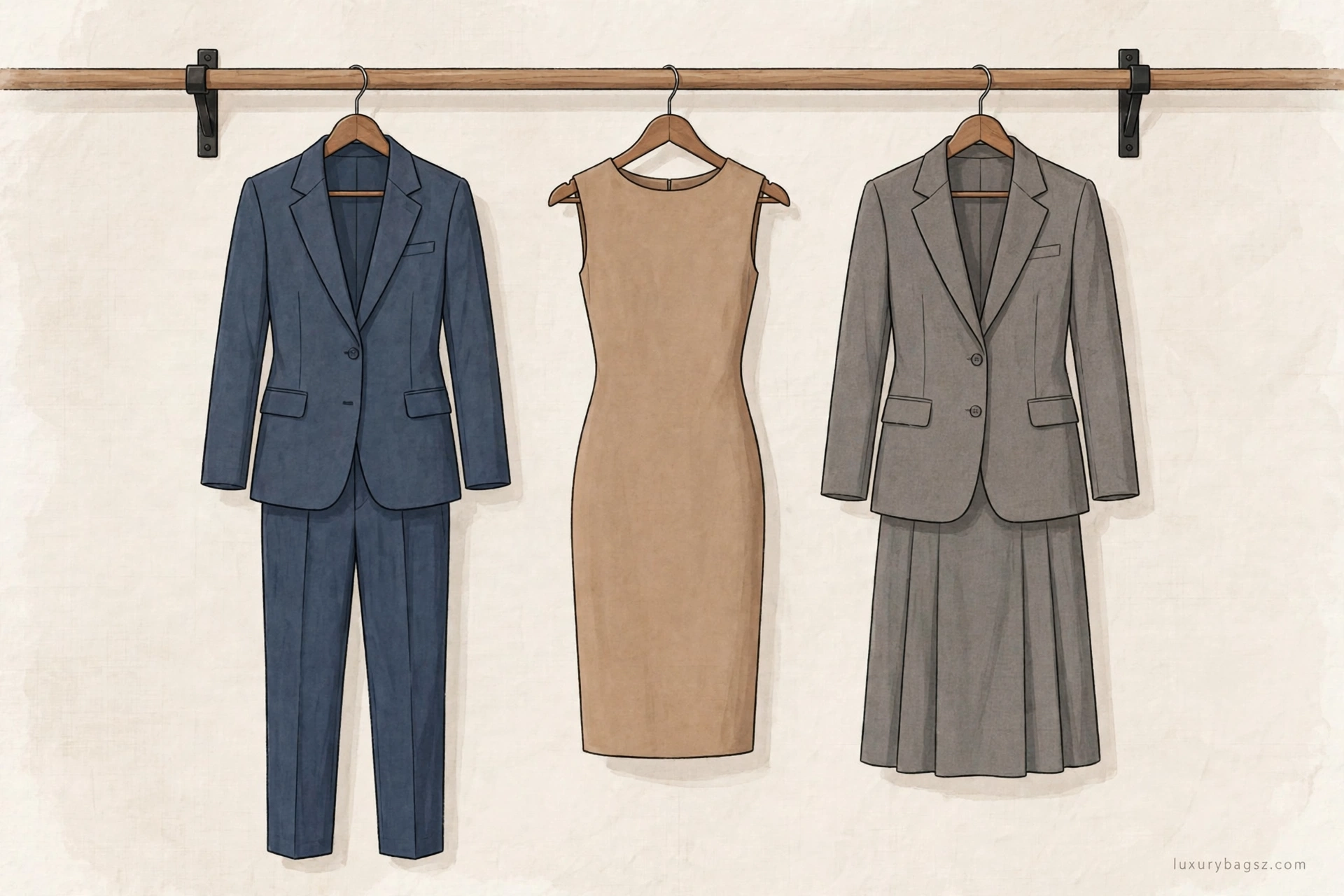
Choose one strong silhouette per outfit. A tailored trouser suit, a column dress with a blazer, or a pencil skirt with a tucked blouse all qualify. Fit is where most power looks fail. A blazer should close without strain, skim rather than squeeze, and end at a length that flatters your proportions. Women's tailoring must respect curves rather than flatten them. If you need guidance on cloth and canvas, our companion piece on how to choose a suit covers the same checks in depth. Darts, a shaped waist and the right shoulder line do the work. A boxy borrowed-from-him cut rarely reads as powerful on a woman's frame.
Length choices matter. Trousers that pool hide the shoe and shorten the leg; a clean break or a deliberate crop looks intentional. Dresses that end at or just below the knee suit most formal rooms. Very short hems and very high slits fight the authority you are building. Try the sit test and the reach test in the fitting room. Boardroom clothes must survive a full day, not just a mirror moment.
The Anchor Pieces Worth Buying Well
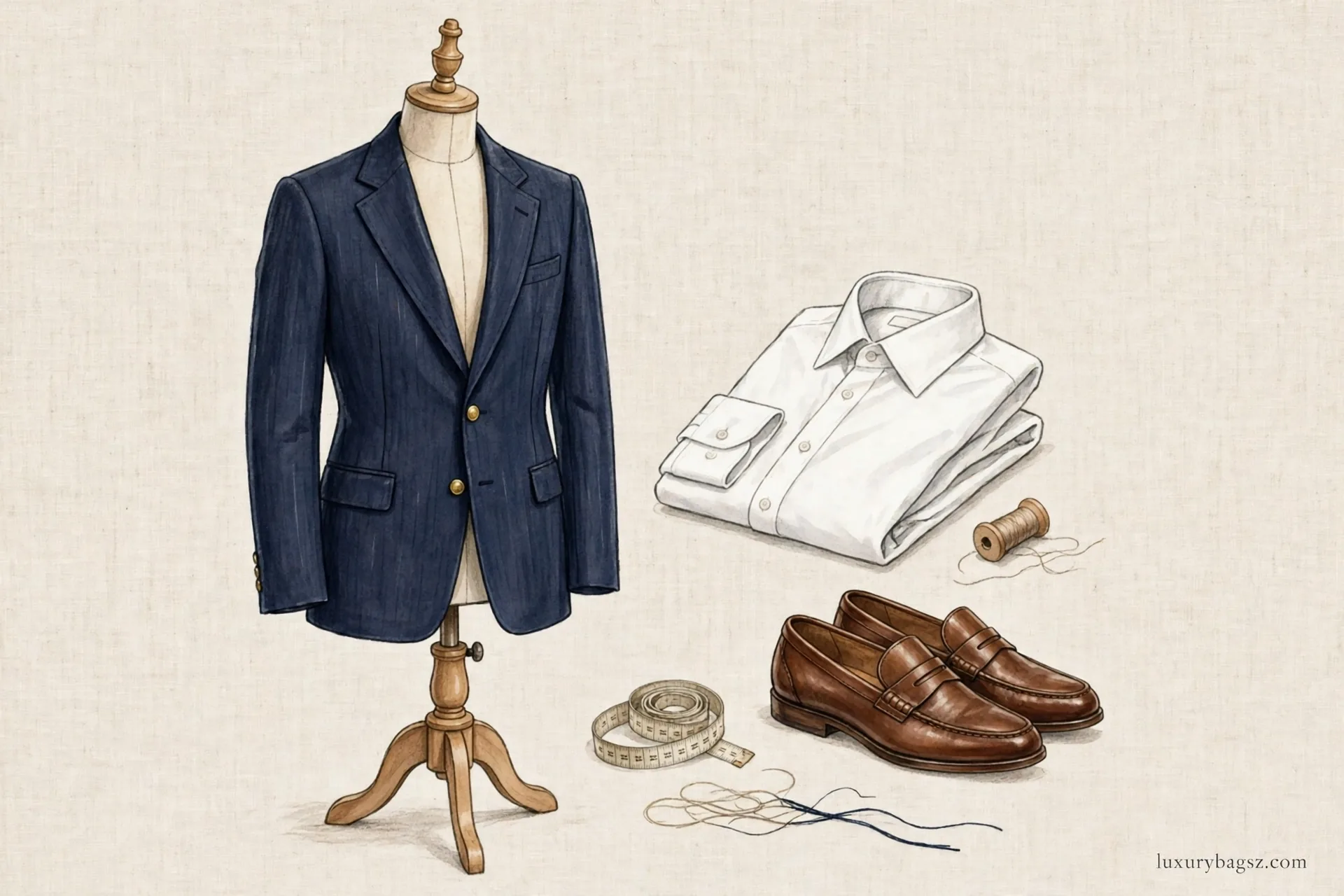
The blazer is the anchor. Buy the best you can afford in a mid-weight cloth that holds its shoulder and does not shine under office lights. Next come tailored trousers with a clean front and a waistband that sits where it should. A second pair in the same cloth extends the suit's life. A white or ivory shirt in a fabric with body, not a flimsy blouse, is the third anchor. It should stay tucked and keep its collar shape all day. Add a sheath or column dress in a firm crepe. Worn with the blazer, it is a complete boardroom outfit that takes under five minutes to assemble.
A knit top in fine merino or silk knit softens the suit on less formal days without losing polish. Keep the knit smooth, never slouchy. Shoes are anchors too. A mid-heel court shoe or a polished loafer in black, tan or burgundy will cover most of the working year. Buy anchors in your best neutral first. A second colour can come later, once the fit pattern of each piece is proven on your body.

Colour and Texture: Skip the All-Black Habit
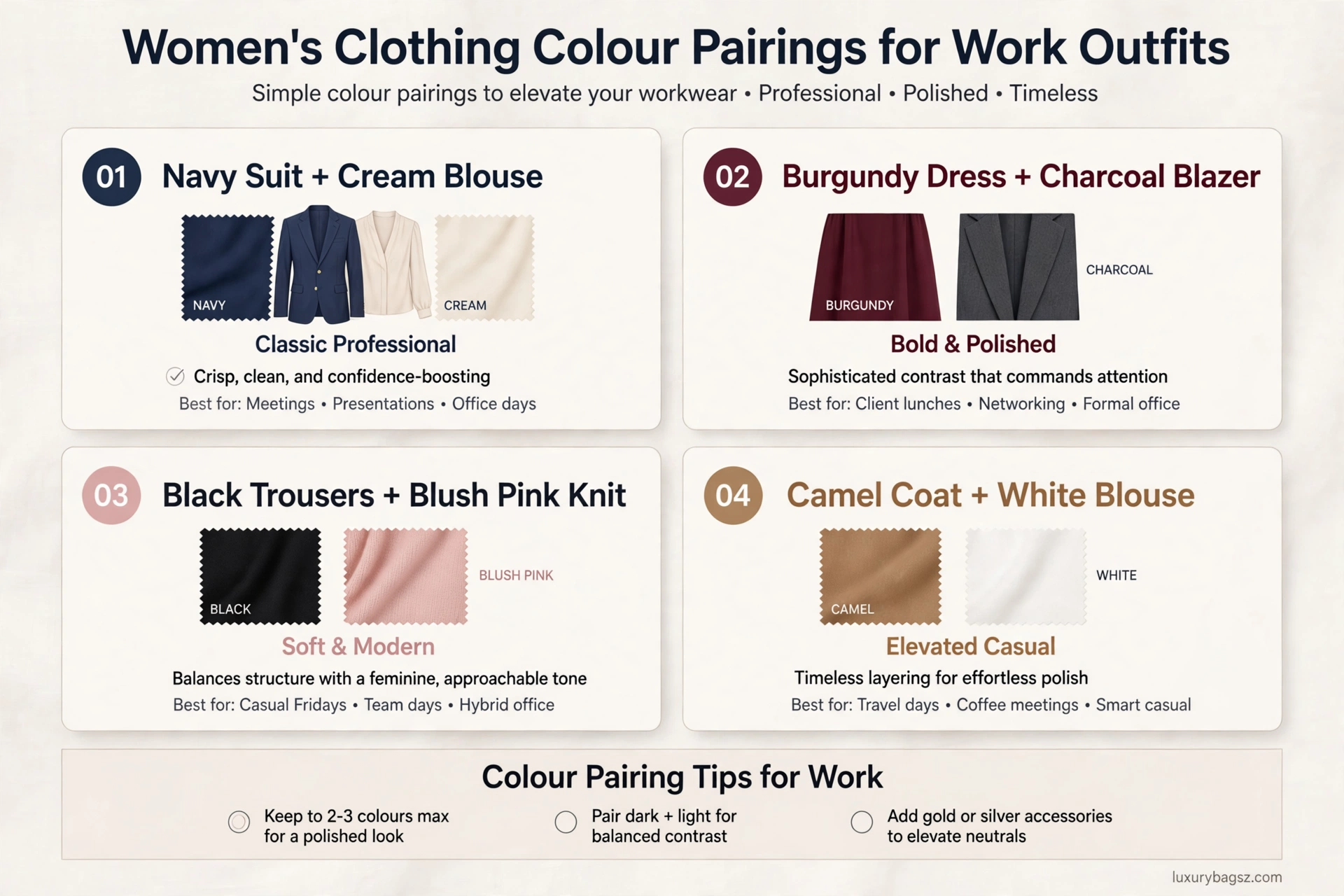
All-black is easy, but it flattens. Under harsh office light it can look dusty, and it removes colour, your cheapest tool for being remembered. Navy with cream, charcoal with burgundy, or a full column of one deep colour reads richer and photographs better in meeting rooms. Use one strong colour deliberately — a burgundy suit, a cobalt dress — rather than scattering bright pieces that compete with each other. Texture replaces pattern where formality is high. Crepe, tweed, fine herringbone and matte leather add depth without shouting.
Keep patterns small and quiet in conservative rooms. A fine stripe or a tiny check reads as texture from across a table, which is the right scale. Skin tone guides the palette more than trends do. Hold cloth near your face in daylight; the right colour makes you look rested, the wrong one tired. Metal tones in jewellery and bag hardware should agree with each other. Mixed metals can work, but in formal rooms one tone looks more deliberate.
Accessories That Finish, Not Distract
Accessories are the fourth rule for a reason: they finish the outfit once shape, colour and texture are settled. Add them last and edit them once. One piece of jewellery with presence is enough — a sculptural earring, a cuff or a good watch. Our statement jewellery styling guide shows how to dose bold pieces without clutter. A silk scarf adds colour at the face and softens a severe suit. Keep the print scale modest and the knot simple for formal rooms. Belts define the waist over dresses and blazers. A slim leather belt in the shoe colour ties the whole outfit together quietly.
Sunglasses and eyewear count in first impressions outdoors and in travel between meetings. Classic frames in a shape that suits your face beat fashion frames. Avoid jangling bracelets and novelty charms in rooms where you will speak. Noise and fidget pieces draw the eye away from what you are saying. Perfume should be discoverable, not announced. In enclosed meeting rooms, restraint is itself a form of polish.
Bags, Shoes and the Working Day Test
Your bag is seen at the table, so treat it as part of the outfit. A structured tote or top-handle that stands upright reads as organised. Our guide to the best work bags compares sizes that take a laptop, files and a pair of flats without bulging. Shoes must pass the working day test: you should be able to walk to lunch, stand through a presentation and still feel steady at six o'clock. Keep a polished pair at the office if you commute in trainers. Changing shoes on arrival is a common and sensible boardroom habit.
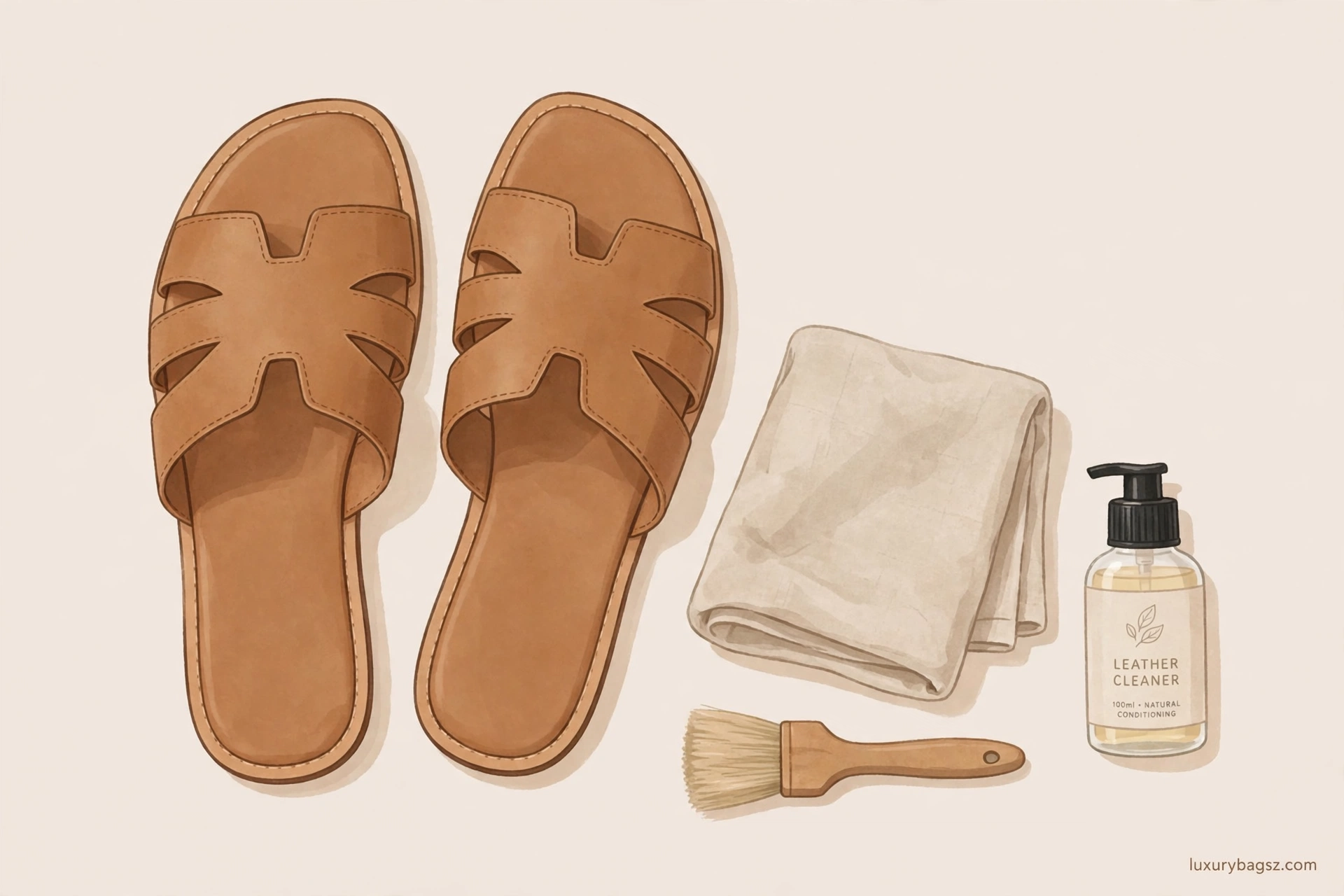
Scuffed heels and worn toe caps undo expensive tailoring in seconds. Repair heels promptly and clean leather the night before big days. A coat that fits over the suit matters in winter. A too-tight coat crushes the blazer shoulder you paid a tailor to perfect. Umbrellas, gloves and hats follow the same rule as jewellery: classic, clean and quiet, chosen to agree with the coat rather than fight it.
Grooming and the Five-Minute Polish Check
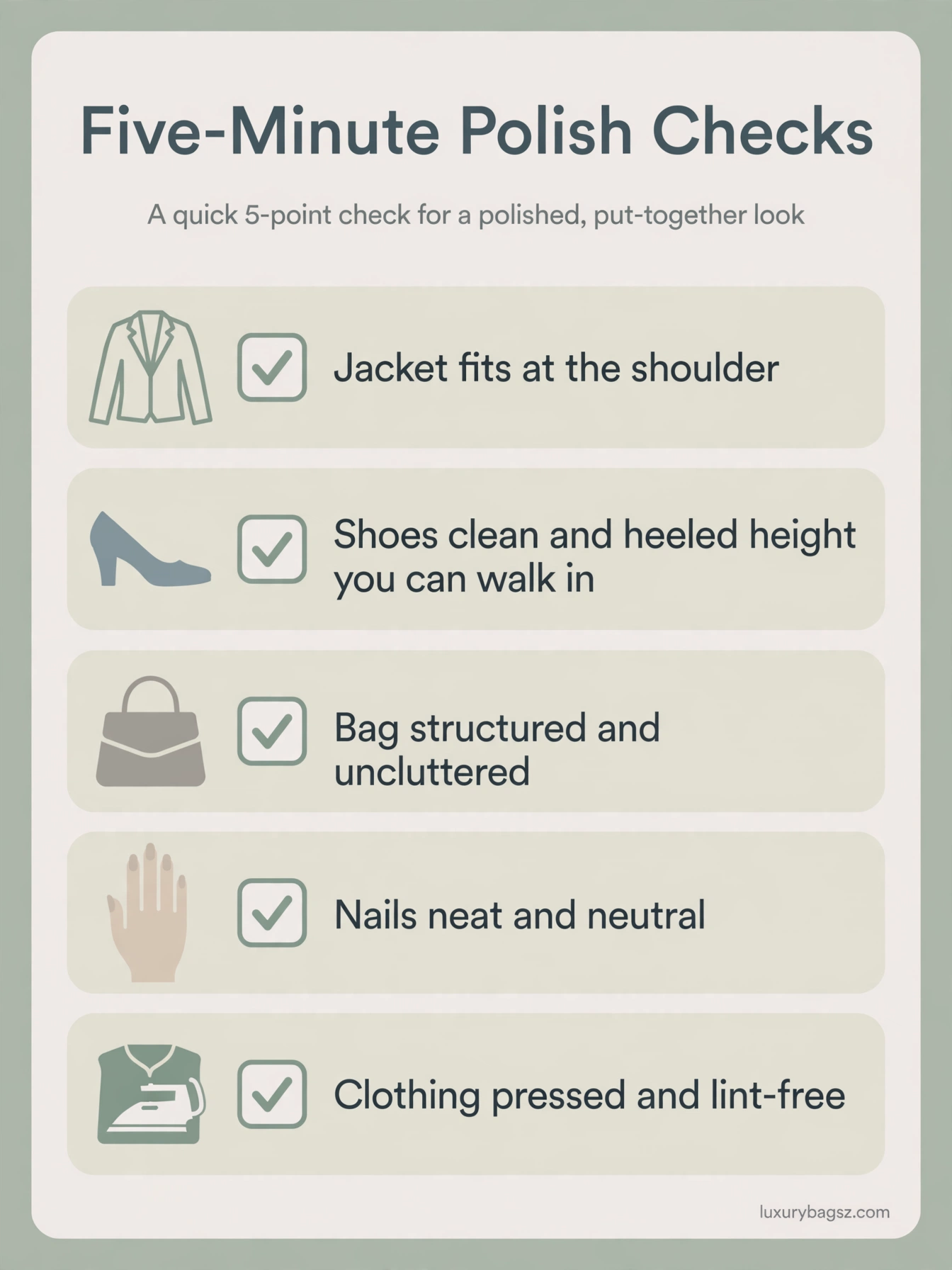
Pressed cloth is the cheapest authority signal there is. Steam or iron the night before; creased tailoring reads as rushed, however good the cut. Hair should look deliberate — tied, smoothed or styled — rather than arranged in the lift mirror. Keep a brush and pins in your desk drawer. Nails need only be clean, even in length and neutral if polished. Chipped dark polish is more distracting than bare nails. Make-up, if you wear it, works best slightly stronger than your weekend look under office light, with one focus: eyes or lips, not both at full volume.
Run the five-minute check before you leave: collar sitting flat, buttons secure, hem even, shoes clean, bag closed and nothing in your teeth. Keep a small rescue kit at work — a lint roller, a spare pair of tights, safety pins and a stain wipe solve most morning disasters. Fragrance, breath and posture finish the picture. Standing tall in clothes that fit is the oldest power dressing trick and still the best.
Building the Rotation Without Buying a New Wardrobe
Start with what you own. Try on every tailored piece, keep only what fits today, and list the gaps honestly before spending anything. Most women need fewer pieces than they think: one suit, one extra blazer, two trousers, one dress, three tops and two pairs of shoes cover a month. Add colour in tops and scarves first. They cost less than suits and change the reading of the anchors you already own. Rotate outfits on a simple cycle and note which ones earn compliments and confidence. Repeat your winners without guilt; consistency builds a signature.
When you do buy, buy the anchor in the better cloth. Power dressing is a long game, and a blazer worn weekly for five years is cheap per wear. Avoid rebuilding for a single event. A promotion interview or keynote deserves polish, but pieces bought in panic rarely join the rotation afterwards. Revisit fit yearly. Bodies change, and a small alteration keeps a good suit powerful long after a new trend would have replaced it.
Frequently Asked Questions
Does power dressing mean wearing a suit?
No. A suit is the classic route, but a tailored dress with a blazer, or trousers with a structured knit, can carry the same authority if the fit is right.
Is black the best colour for power dressing?
Black is safe but often flat. Navy, charcoal, burgundy and cream usually read richer and are kinder under office lighting and on camera.
How do I power dress in a creative industry?
Keep the tailored silhouette and polish, then loosen the palette and texture — a coloured suit, a knit instead of a shirt, or loafers instead of heels.
What heel height works for boardroom days?
A low to mid heel you can walk and stand in all day. A polished flat loafer beats a high heel you hobble in, every time.
How much jewellery is right with a power outfit?
One piece with presence — earrings, a cuff or a watch — plus plain studs or a simple band if you wear them. Edit once in the mirror before leaving.
Can I power dress on a small budget?
Yes. Fit and finish matter more than labels. One well-altered blazer, pressed trousers and clean shoes outperform an expensive but ill-fitting suit.
Should my bag match my shoes?
They should agree in tone and formality, not match exactly. A structured bag in a related colour looks modern and deliberate.
What is the biggest power dressing mistake?
Wearing clothes that fight you — pulling, hobbling or constant adjusting. Discomfort is visible and it quietly cancels the authority you aimed for.
Does power dressing work for petite frames?
Yes, with proportion care: shorter blazer lengths, a higher trouser rise and a clean trouser break keep the silhouette sharp rather than swamped.
How often should I refresh a power wardrobe?
Review it yearly. Replace worn shoes and tired shirts, re-alter what has drifted, and add one considered piece rather than a seasonal overhaul.
Conclusion: Authority Is a Fit, Not a Costume
Power dressing works when the shape is clear, the fit respects your body, the colour is chosen rather than defaulted and the finish is polished. Build one anchor outfit that passes the working day test, then rotate around it. Confidence follows clothes that never need adjusting.