

Why Everyone Is Getting Into Upcycling Clothes: The Real Reasons Behind the Rise
Why Upcycling Took Off Now
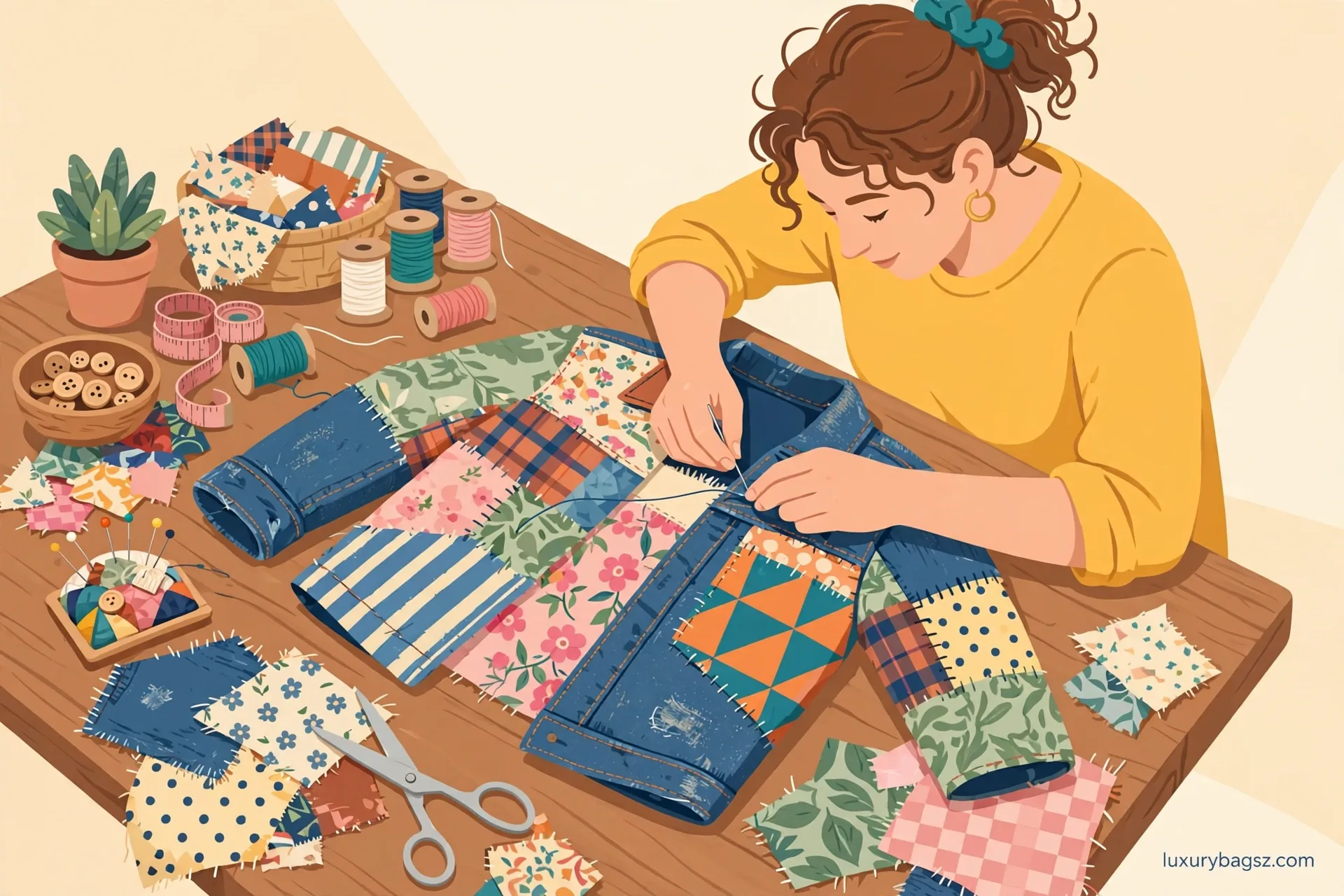
People took up upcycling for three linked reasons: creative satisfaction, concern about waste, and clothing nobody else owns. Turning old jeans into a tote or a worn shirt into patchwork gives a maker a new, wearable item while keeping existing cloth in use.
Lockdown time at home, social media sharing and fatigue with fast fashion pushed the habit wider. Shoppers tired of identical high-street outfits found remade pieces slower, more personal and visibly different.
Genuine upcycling means most of a finished item comes from pre-existing material. A new garment with a token scrap added does not meet that test, however appealing its label sounds. Upcycling will not fix fashion’s waste problem on its own.
Upcycling Takes Off: Old Clothes, New Value
Key Takeaways
- Upcycling turns existing garments or materials into something new and more desirable, rather than restoring the original item.
- The boom grew from lockdown creativity, social media, fast-fashion fatigue, and a hunger for unique clothes.
- Real upcycling uses mostly pre-existing materials; a tiny scrap on a new garment does not qualify.
- Beginners should start small, with patchwork, painting, or simple remakes, before tackling full garments.
- Upcycled pieces need gentle care, and buying them means checking materials, construction, and the maker's honesty.
What Upcycling Actually Means
Upcycling means taking existing products or materials and turning them into something new. The key test is transformation: the result should be a different item, not just a repaired version of the old one. Cutting a quilt into a jacket counts. Darning a sock so it looks as before does not, though repair is still valuable in its own right.
Most makers and writers use a rough threshold: at least half of the finished garment should come from pre-existing materials, and ideally far more. There is no official body enforcing that line, which is why shoppers must judge each piece themselves. A jacket made from old rugs is clearly upcycled. A new shirt with one vintage patch is decoration, not upcycling.
Upcycling is also older than its trendy name suggests. People mended, remade, and passed clothes along for generations before cheap clothing made disposal the default. The modern movement revives that mindset, helped by online tutorials, secondhand supply, and a generation that enjoys making things by hand.
It helps to separate upcycling from two neighbours: repair and customisation. Repair returns a garment to its original state. Customisation decorates a garment that stays essentially itself. Upcycling breaks the original down, in whole or in part, and builds something new from it.
Why It Exploded Now
Several forces collided at once. During the pandemic lockdowns of 2020, many people spent long stretches at home with wardrobes they no longer needed and time they had not expected. Sewing, painting, and remaking clothes became absorbing projects, and social media turned each finished piece into inspiration for the next maker.
The history of fast fashion explains the backlash that followed. Years of cheap, trend-chasing clothing left many shoppers tired of identical outfits and uneasy about waste. Upcycling offered the opposite: slow, personal, and visibly different. A remade jacket signals taste and effort in a way a mass-produced one cannot.
Social platforms did the rest. Short videos made transformations look quick and satisfying, even when the real work took hours. Thrift flips, where a dull charity-shop find becomes a stylish piece, became a genre of their own. Viewers who would never call themselves crafters started trying simple projects.
Cost played a part too. Remaking clothes you already own, or buying secondhand material, can cost far less than buying new. That matters in a cost-of-living squeeze, though honest makers will tell you the time cost is real. Upcycling saves money only if you enjoy the hours it takes.
Upcycling vs Recycling vs Repair
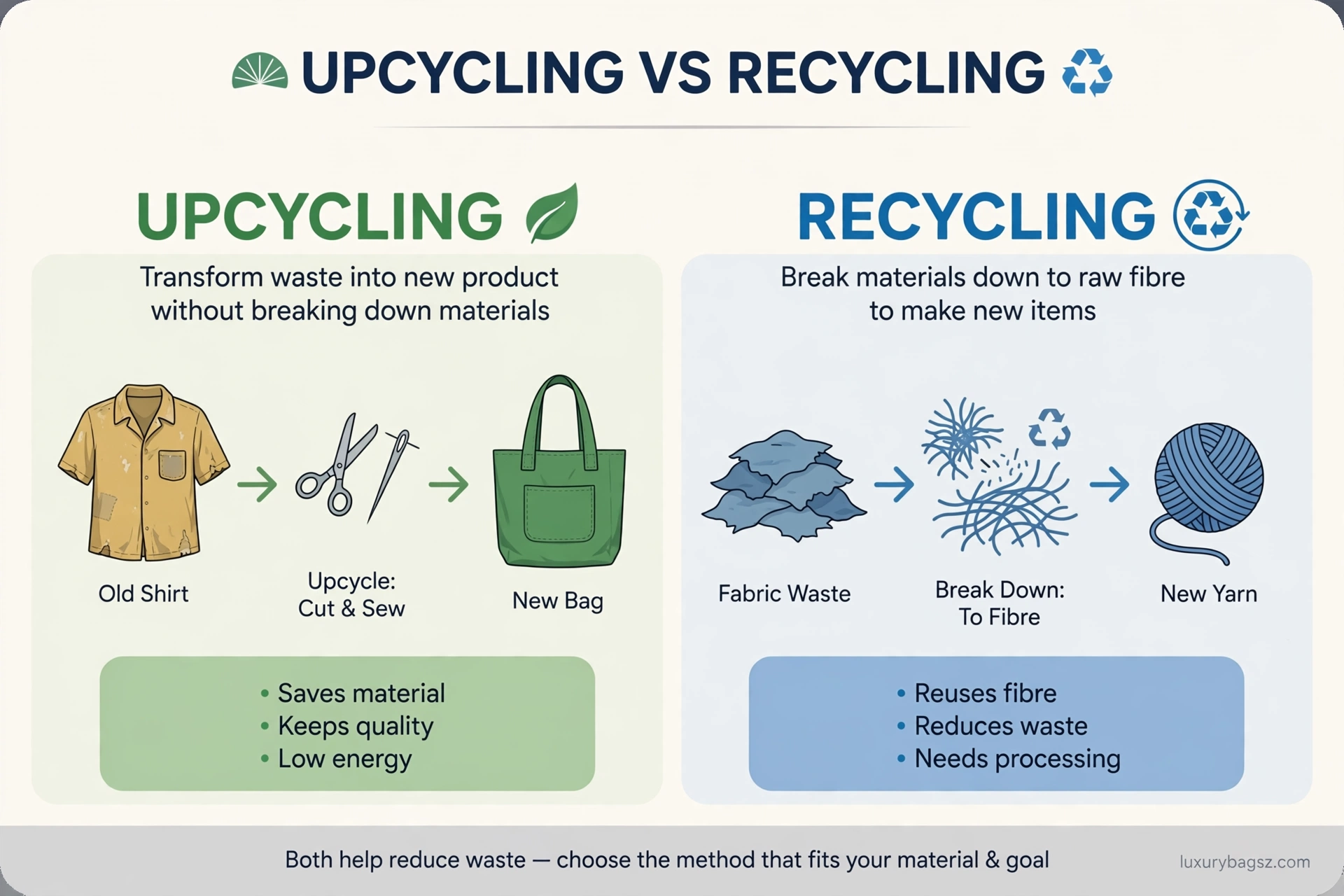
These three words get swapped constantly, and the differences matter when you buy. Upcycling keeps materials largely intact and raises their value by turning them into a new product. A pair of jeans becomes a bag. The denim stays denim, but its purpose changes.
Recycling breaks materials down before reuse. Old textiles get shredded into fibre, then spun into new yarn or pressed into insulation. That process needs machinery and energy, and the resulting fibre is often lower quality than the original. Recycling handles volume well, but it loses the character of the original garment.
Repair keeps the garment as itself. A torn seam gets stitched, a button gets replaced, a hem gets shortened. Repair extends life without changing identity, and it is often the greenest choice of all, because it needs the least material and energy. Do not let upcycling hype push repair aside.
Customisation sits between repair and upcycling. Painting a jacket, adding patches, or embroidering a shirt changes its look without changing what it is. Many makers call this upcycling, and the line is genuinely blurry. Ask a simple question: would you describe the result as a new item, or the same item decorated? Your answer tells you which word fits.
The Environmental Case, Honestly Stated
Upcycling helps the planet, but only in proportion to its scale. Every garment remade from existing cloth avoids new fabric production, dyeing, and shipping for that item. It also keeps that cloth out of landfill a little longer. For an individual wardrobe, that is a real saving.
The honest limit is scale. Upcycling works best at artisan level, because each piece depends on finding suitable old material. A maker cannot order a thousand identical vintage quilts. That scarcity is the charm for buyers, and the ceiling for the movement. Upcycling alone cannot replace the fashion industry's output, and anyone who claims otherwise is selling something.
It is also worth noting where the waste really sits. Most of fashion's environmental damage happens during production, not disposal, and much discarded clothing is too thin, damaged, or synthetic to remake well. Good upcycling needs good source material, and fast fashion produces less of it every year. That is a problem the movement cannot solve by itself.
Still, upcycling changes how people think, and that matters. A person who has remade a jacket shops differently afterwards. They notice fabric quality, they repair more, and they buy less. For broader change, read about sustainable materials in luxury fashion alongside upcycling, so you can judge both new and remade clothes fairly.
What Makes a Good Upcycling Project
Start with the material, not the dream. Strong, clean fabric remakes well: denim, canvas, wool, sturdy cotton, and good-quality table linen. Thin, stained, or heavily stretched fabric fights you at every seam. If the cloth cannot hold a stitch, no design will save it.
Check the garment's structure before you cut. Seams, pockets, buttons, and zips can all be reused, and keeping them saves time. A pair of jeans gives you a waistband, pockets, and a zip in one package. A plain T-shirt gives you soft jersey that curls and stretches, which suits bags and braids better than structured jackets.
Match the project to your skill. A first project should need straight seams and forgiving fabric, not set-in sleeves or tailored collars. Patchwork, tote bags, cushion covers, and simple skirts teach cutting, pinning, and machine control without punishing small mistakes. Save tailored jackets for later.
Wash and inspect everything first. Launder secondhand fabric, check for moth damage, weak spots, and lingering smells, and press it flat before cutting. An hour of preparation prevents a finished piece that falls apart at the first wash. If a stain will not shift, cut around it or let it become part of the design.
Beginner Projects That Actually Work
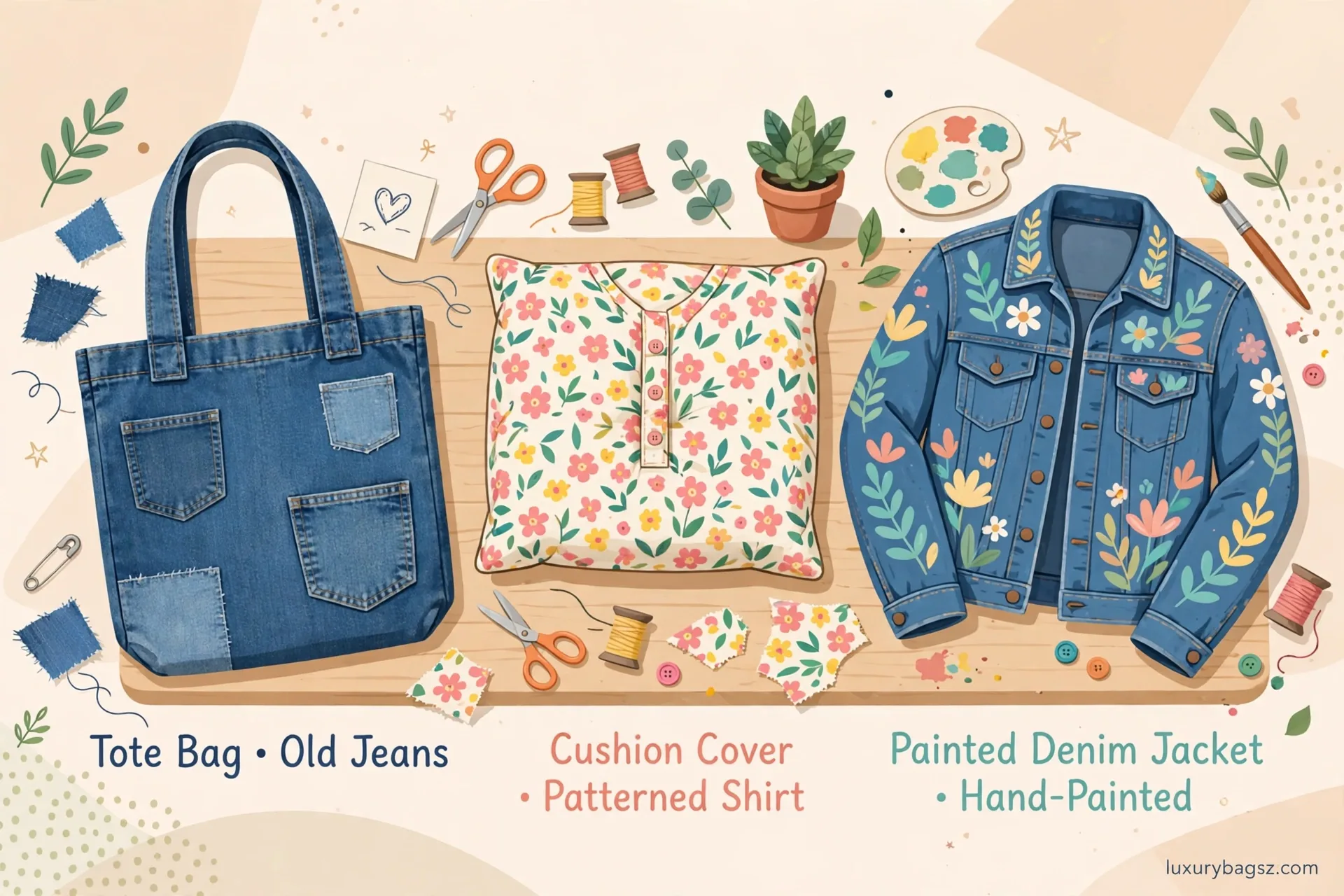
The denim tote is the classic first project for good reason. Old jeans already provide strong fabric, pockets, and a waistband, and a tote forgives uneven stitching. Cut two large rectangles, keep a back pocket for the front, add handles from the waistband or fresh webbing, and line it if you like. Most beginners finish in an afternoon.
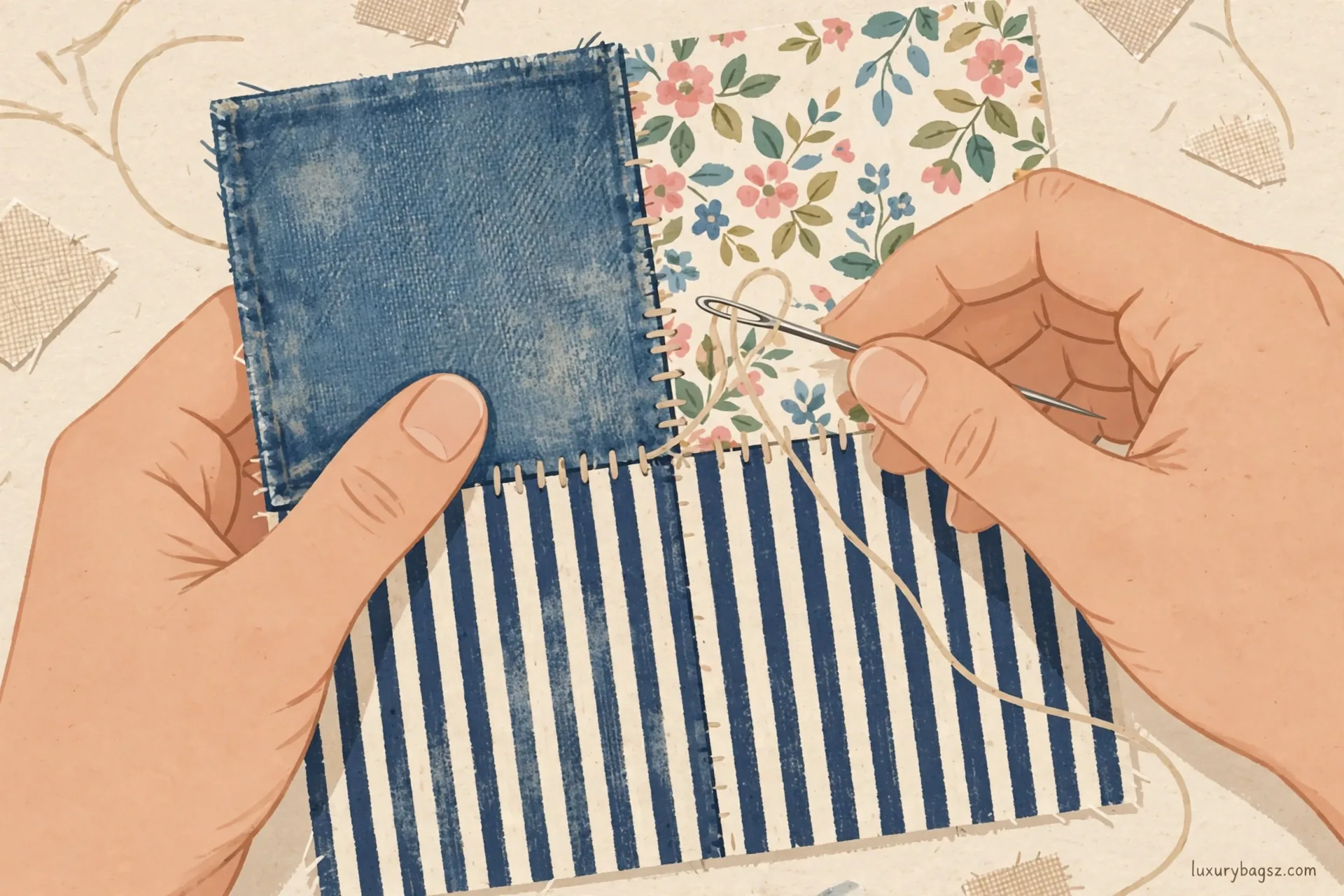
Patchwork is the most forgiving technique of all. Squares of old shirts, dresses, and curtains become cushion covers, scarves, or jacket panels, and small imperfections read as character. Press each seam as you go, and keep your squares the same size. A cushion cover needs no zip if you use an envelope back.
Fabric painting suits people who do not sew at all. Fabric paint on a plain jacket or pair of jeans creates a unique piece with only brushes and patience. Place cardboard inside the garment so paint does not bleed through, let it dry fully, then heat-set it with an iron through a cloth. Wash gently afterwards.
A jeans-to-skirt remake teaches garment surgery. Keep the jeans waistband, zip, and pockets, then open the legs and insert triangles of curtain or scrap fabric to create flare. Try it on as you pin, because vintage denim has no stretch and fit surprises are common. A tailor can rescue a project that gets stuck, so do not be proud about asking.

Tools, Skills, and Costs
You need less than you think to begin. Sharp fabric scissors, pins or clips, a tape measure, chalk, needles, thread, and an iron cover most beginner projects. A basic sewing machine speeds everything up, and a secondhand machine is a fitting first purchase for an upcycler.
Learn three skills first: straight stitching, pressing seams, and finishing raw edges. A zigzag stitch or pinking shears stops most fabrics fraying. Backstitch at the start and end of every seam so it does not unravel. These basics carry you through almost every simple project.
Budget honestly. Fabric from charity shops is cheap, but thread, zips, interfacing, and paint add up, and good scissors are worth paying for. The real cost is time: a patchwork jacket can take ten hours or more. Price your time at zero only if you enjoy it, and never compare a handmade piece with a factory price as if the hours were free.
Care for your tools and your source cloth. Keep scissors for fabric only, because paper blunts them fast. Store fabric clean and dry, and note what each piece is: cotton, wool, or synthetic behave differently under the iron. When a project needs washing advice, the guide to how to clean cotton, linen and silk covers the natural fibres you will meet most.
Buying Upcycled Clothes Without Getting Fooled
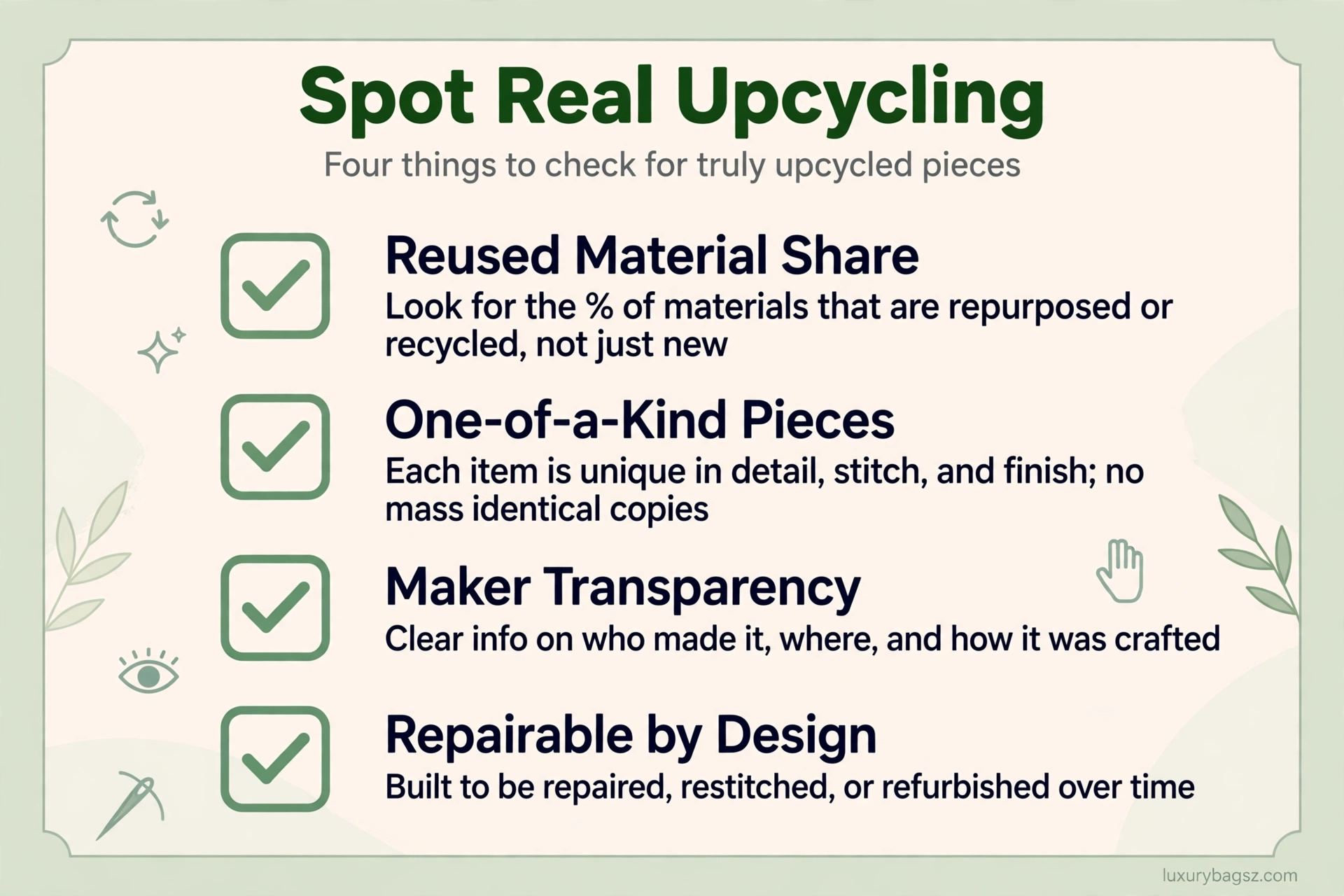
Genuine upcycled clothing is usually one of a kind, because no two batches of old material match exactly. If a shop lists fifty identical "upcycled" jackets, be suspicious. Small makers produce small runs, and each piece should differ in detail, even when the design repeats.
Ask what the piece is made from, and how much of it is reused. A trustworthy maker will name the source material, such as reclaimed denim, vintage tablecloths, or deadstock fabric. Vague phrases like eco-inspired or sustainable style, with no material detail, are warning signs. The maker's story should be specific enough to check.
Inspect construction like any garment. Seams should be even and finished, linings should sit flat, and fastenings should work smoothly. Upcycled does not mean rough, and a high price does not excuse poor sewing. Check the care label too: mixed old fabrics may need hand washing even when each fabric alone would not.
Price is the hardest judgement. Handmade, one-off work costs more than factory clothing, and good makers deserve fair pay. Compare with other handmade pieces, not with fast fashion. If a price looks too low for claimed handwork, the piece may be factory-made with a vintage look, which is retro, not upcycled.
Caring for Upcycled Pieces
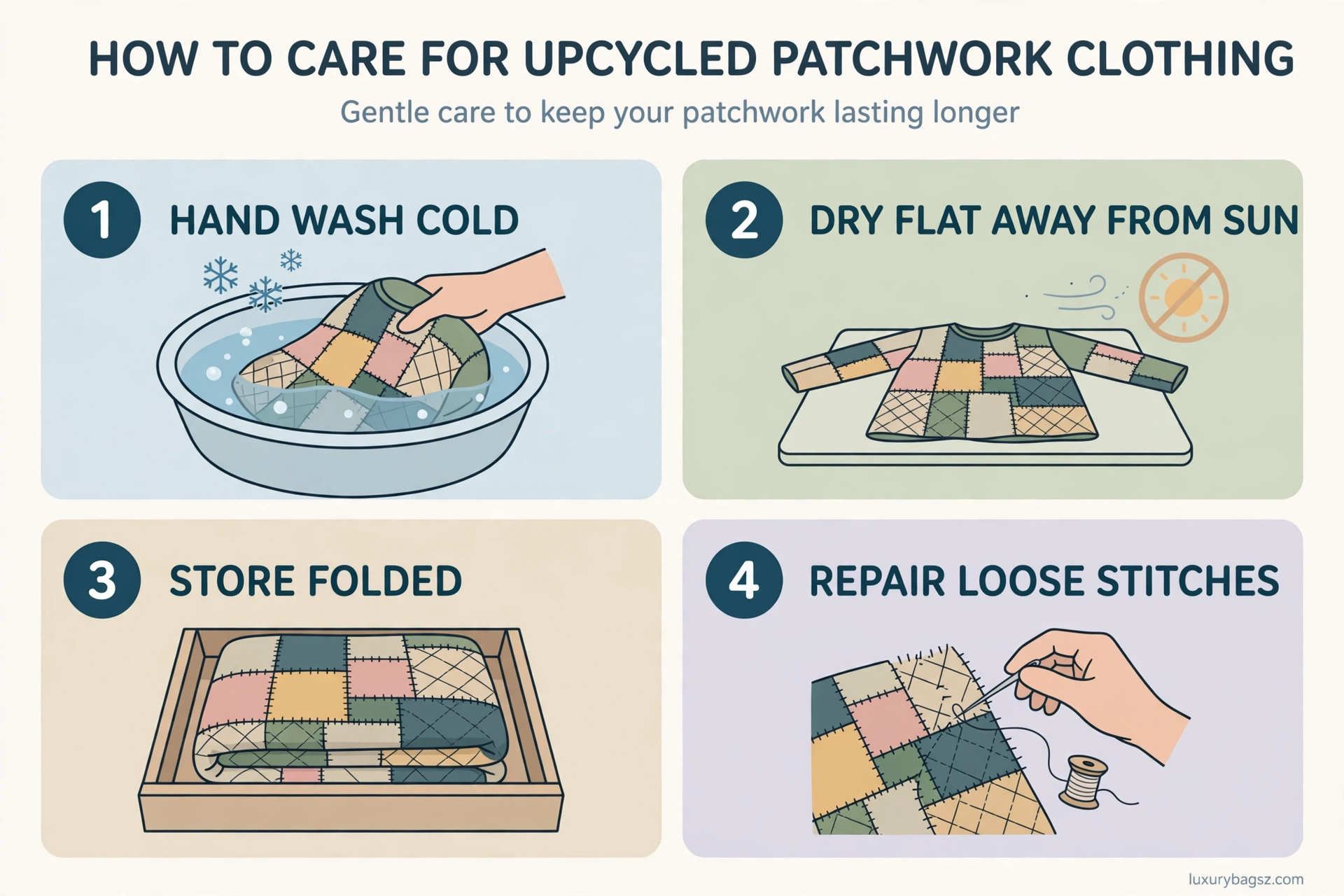
Upcycled clothes mix fabrics of different ages, so wash them gently by default. Cold or cool water, mild detergent, and air drying protect both old fibres and new stitches. Avoid tumble drying unless the maker says it is safe, because heat shrinks old cotton and weakens aged seams.
Test before you wash a painted or patched piece. Dab a hidden area with a damp cloth and check for colour transfer. Turn the garment inside out, fasten all buttons and zips, and use a laundry bag for delicate panels. If in doubt, hand wash once and watch how the piece responds before machine washing.
Store upcycled pieces like the older fabrics they contain. Keep them clean, dry, and away from sunlight, and do not hang heavy patchwork on thin hangers. Fold knit and heavy pieces instead, and check stored items for moths, especially wool. Good storage matters as much as good washing, as the guide to how to care for designer clothing explains in more depth.
Repair promptly when a seam loosens or a patch lifts. Small fixes take minutes and keep a piece wearable for years, while ignored damage spreads. Keep a few matching scraps from your own projects for future repairs. That habit closes the loop that upcycling started, and it keeps a unique piece in your wardrobe rather than in a bin.
Frequently Asked Questions
What is upcycling clothes?
Upcycling clothes means turning existing garments or materials into a new item, such as jeans into a bag or a quilt into a jacket. The result differs from the original, and most of its material comes from pre-existing sources rather than new fabric.
How is upcycling different from recycling clothes?
Upcycling keeps materials largely intact and turns them into a higher-value new product. Recycling breaks materials down into fibre or raw material first, which needs more processing and often produces lower-quality output. Both reduce waste, but they work differently.
Is upcycled clothing really sustainable?
It helps, but with limits. Each remade garment avoids new production for that item, yet upcycling cannot scale like factory production because old material is limited and varied. Think of it as one useful tool alongside repair, buying less, and choosing better new clothes.
What is the easiest upcycling project for beginners?
A denim tote bag is the easiest strong start, because old jeans supply sturdy fabric and pockets. Patchwork cushion covers and fabric painting are also beginner-friendly, since they forgive uneven stitches and need only basic tools.
Do I need a sewing machine to upcycle clothes?
No, hand sewing suits patchwork, repairs, and simple bags, though it takes longer. A basic machine speeds up straight seams and handles thick denim better. Many beginners start by hand, then buy a secondhand machine once they know they enjoy it.
How can I tell if a shop's upcycled claim is genuine?
Look for one-of-a-kind pieces, specific material details, and a maker story you can check. Identical stock in large numbers, vague eco language, and very low prices for claimed handwork are all warning signs. Ask the seller directly when details are missing.
Is upcycled clothing expensive?
Handmade upcycled pieces often cost more than factory clothing, because they take hours of skilled work and use limited materials. Prices vary widely, from affordable thrift flips to high-end designer remakes. Judge value against other handmade work, not fast fashion.
Can I upcycle clothes without sewing skills?
Yes. Fabric painting, cutting, knotting, and no-sew bag and scarf projects need no stitching at all. Iron-on patches and fabric glue also work for simple decorations, though sewn seams last longer on items you wear and wash often.
How do I wash upcycled clothes?
Wash gently by default: cool water, mild detergent, and air drying. Mixed old fabrics may react differently, so test a hidden area first and hand wash painted or patched pieces. Always follow the maker's care advice when it is given.
Where do I find material for upcycling?
Start with your own wardrobe, then charity shops, flea markets, and textile recycling points. Old curtains, tablecloths, and bedding are excellent sources of large, clean fabric. Wash and inspect everything before cutting, and keep the best pieces for projects that need strength.
Conclusion: Make Something Only You Could Own
Upcycling took off because it gives people something mass production cannot: a piece with a past, a maker, and a story. It will not single-handedly fix fashion, and it asks for time, patience, and honest labelling. Within those limits, it is a genuinely rewarding way to dress.
Start with one small project, or one carefully chosen purchase, and learn what good remade clothing feels like. Keep repairing, keep asking where materials came from, and keep the pieces you love in circulation. That is how a trend becomes a habit, and how old clothes earn a second life worth wearing.






