

How to Clean a Louis Vuitton Alma Bag: Canvas, Epi, Vachetta, and Storage
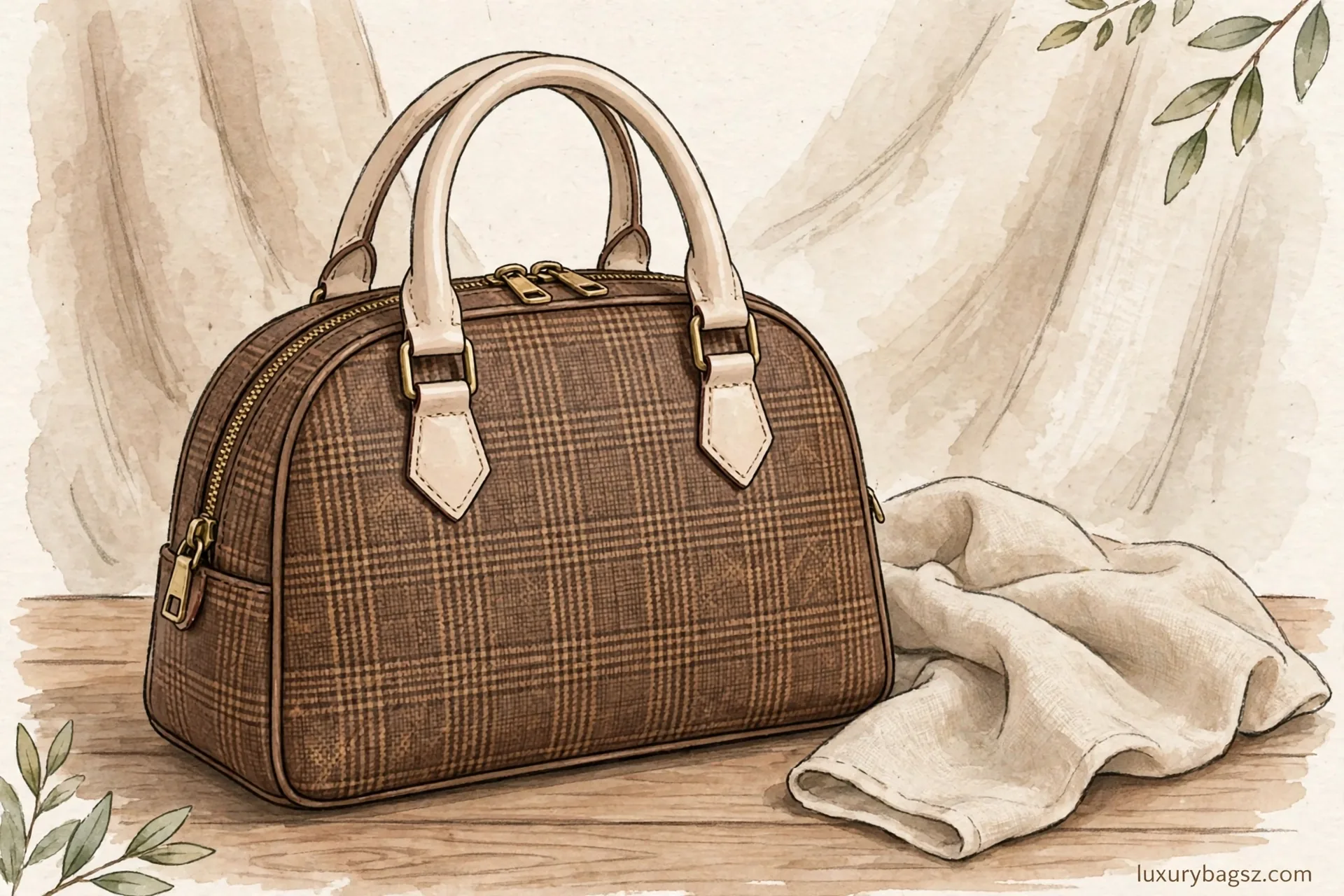
The Alma, Cleaned Inside Out
Clean a Louis Vuitton Alma from the inside out, gently, and matched to its material. Coated canvas wipes clean easily, Epi leather shrugs off light marks, and vachetta trim needs the lightest touch of all because it is untreated and absorbs water, oil, and sunlight.
The most common Alma mistake is treating the whole bag as one material. A wipe that is perfect for Monogram canvas can stain pale vachetta handles, and a leather product that suits Epi can darken or blotch untreated trim. Work slowly, keep cloths barely damp, and test anything new on a hidden spot first.
This guide covers the weekly routine, each material in turn, hardware, stains, smells, and storage. If a mark survives gentle cleaning, or the bag has structural damage, stop and take it to a professional rather than reaching for a stronger product.
Key Takeaways

- Always clean inside out: empty, brush, and lint-roll the interior before touching the outside.
- Wipe the outside weekly, and clean base corners and handles after every wear.
- Coated canvas takes an unscented baby wipe or damp cloth; keep water off vachetta trim.
- Epi leather needs only a leather wipe or damp cloth; never soak it or use harsh cleaners.
- Vachetta darkens into honey patina over time; that is normal ageing, not dirt to scrub away.
- Never use bleach, and never apply any cleaner directly to the bag — always to the cloth.
- Stuff lightly, tuck straps inside, and store in the dust bag in a cool, dry, dim place.
I clean an Alma the way I examine one: material by material, never as a single surface. Inside first, then the outside in zones — coated canvas wiped one way, Epi leather another, and the vachetta handles treated like the untreated skin they are, barely touched and never soaked. The commonest Alma damage I see is a pale water blotch across a handle where a canvas-safe wipe crossed the boundary. This guide’s inside-out order prevents exactly that. Work slowly, keep cloths barely damp, test on a hidden spot, and stop while the bag still looks like itself. Gentleness is a technique, not a compromise.
Before You Start: Know Your Alma
Alma bags come in coated canvas, Epi leather, patent leather, and seasonal materials, and many canvas versions carry vachetta handles and trim. Check your bag in good light before cleaning: note the body material, the trim colour, and any existing patina, scuffs, or stains you should not try to erase.
Gather a microfibre cloth, a second dry cloth, a lint roller, a soft brush, and — depending on material — unscented baby wipes or leather wipes. That small kit is enough, and it matches our guide to the LV mini care set, which favours gentle tools over strong chemicals.
Work on a clean, dry surface with clean hands: hand oils transfer straight onto vachetta, and grit can scratch patent or Epi finishes. If you are unsure of your Alma's material, our overview of Louis Vuitton is a useful starting point.
The Routine: Inside First, Then Outside
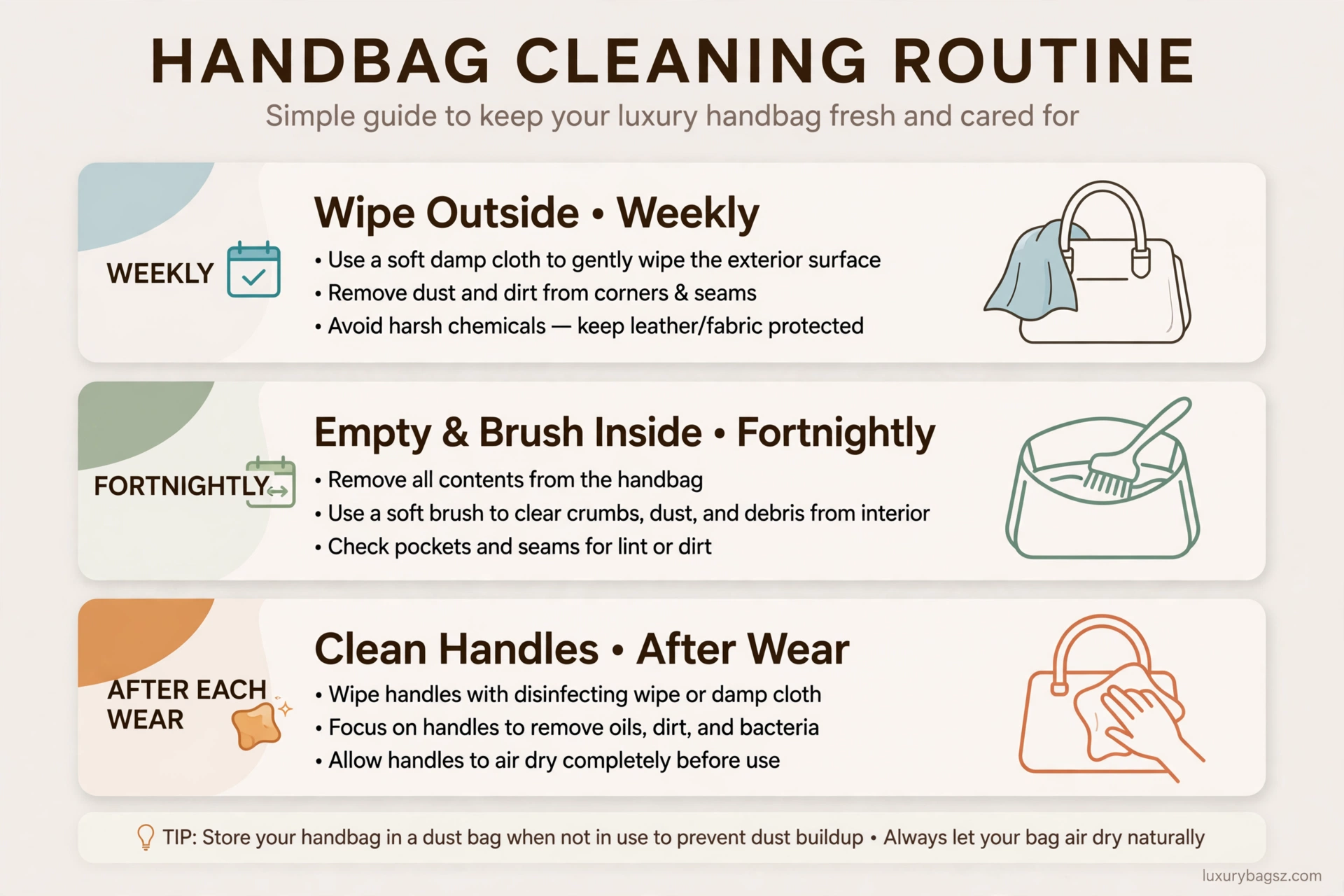
Empty the bag completely, including side pockets and pouches. Brush the interior gently to lift dust and crumbs, then run a lint roller over the lining. Repeat every couple of weeks, or after any spill inside.
Wipe the outside once a week with a dry microfibre cloth. Then, for coated canvas, follow with an unscented baby wipe, and for Epi leather, follow with a leather wipe. Finish by drying with a clean microfibre cloth so no moisture sits on seams or trim. This weekly pass takes only a few minutes and stops grime building up into stains.
Pay extra attention to the parts that take the most wear. Base corners and handles pick up dirt, hand oils, and scuffs on every outing, so give them the same wipe after every wear, not just once a week. Catching dirt early is far easier than removing a set stain later.
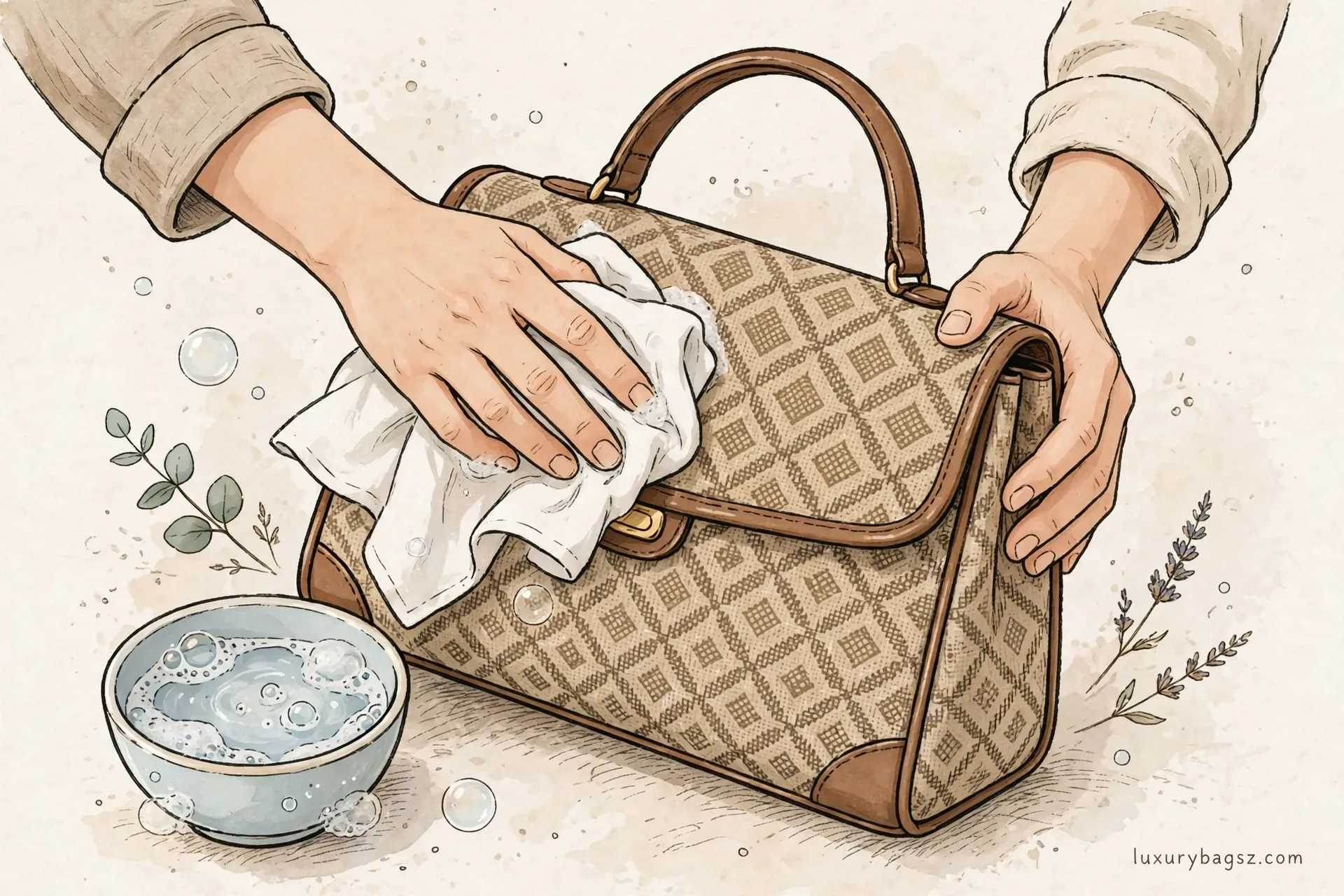
Cleaning Coated Canvas the Safe Way
Coated canvas — Monogram, Damier Ebene, and Damier Azur — is a coated cotton, not leather, and it is the most forgiving Alma material. Dust it with a dry cloth, then wipe with a cloth barely dampened with lukewarm water and a drop of mild soap, or with an unscented baby wipe. Dry it straight away with a clean cloth.
Keep the damp cloth on the canvas and away from vachetta trim. Water on untreated trim leaves hard-to-remove marks, and soap residue attracts dirt, so finish with a plain damp wipe and then a dry one. For a deeper routine, see how to clean LV canvas bag safely.
Never soak a canvas Alma, and never use bleach, solvents, or abrasive pads. Coated canvas resists water and abrasion well, but harsh cleaners can dull the coating and damage printed patterns. Gentle and regular always beats aggressive and occasional for this material.
Epi Leather and Vachetta Trim Need Different Hands
Epi leather is textured, coated, and famously hard-wearing. Wipe with a dry cloth, then a leather wipe or barely damp cloth; light marks usually lift with that alone. Epi rarely needs conditioner unless it feels genuinely dry, and it should never be soaked or cleaned with harsh chemicals.
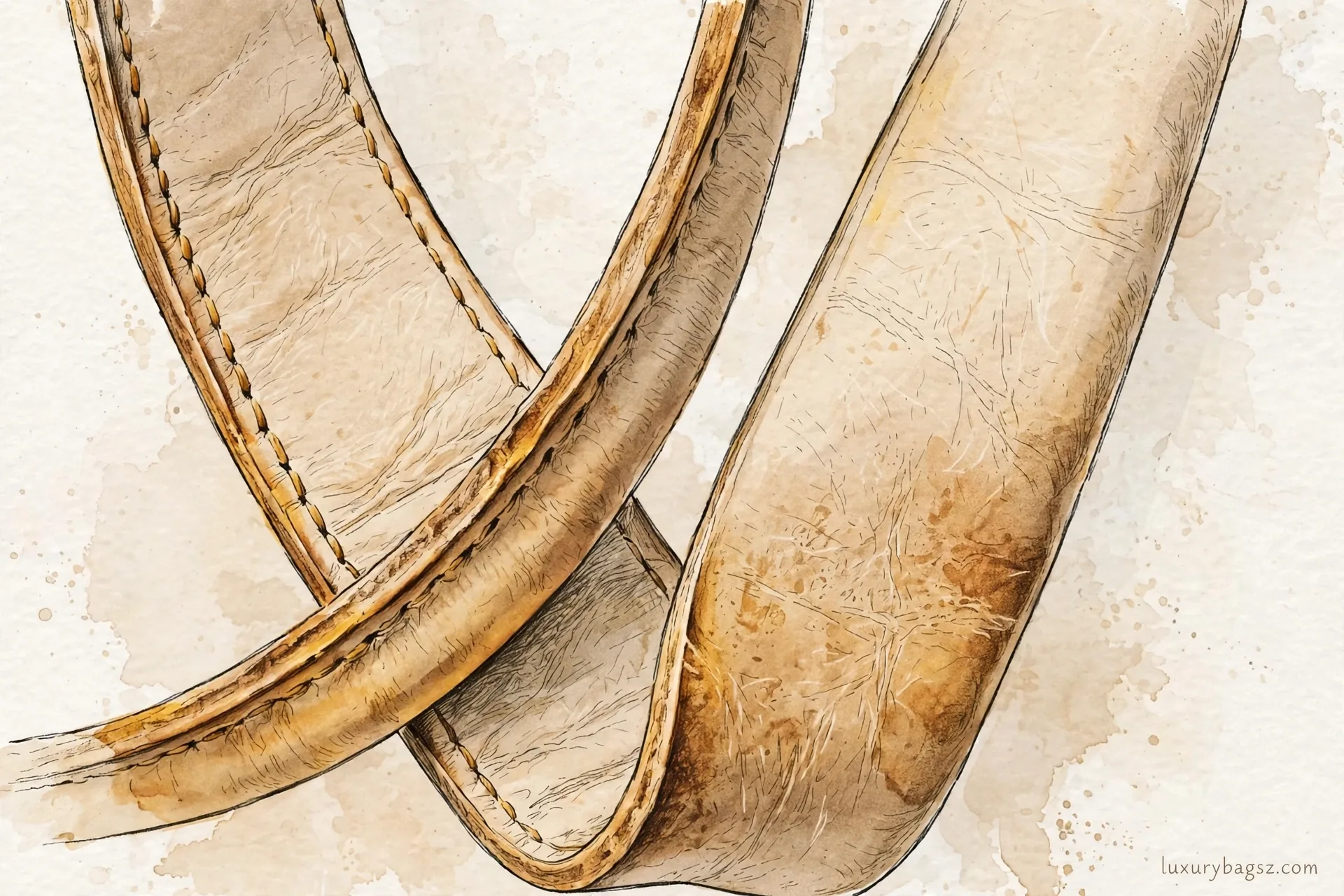
Vachetta is the opposite: pale, untreated cowhide that absorbs everything it touches and darkens into a honey patina over time. That patina is prized by many owners and is not something to scrub off.
Dust vachetta with a dry cloth, blot any water immediately with a dry cloth, and handle it with clean, dry hands. Our general guide to care for leather bags explains why untreated leather needs this lighter hand.
Sources disagree on conditioning vachetta, so be cautious: some guides suggest occasional conditioner to keep it supple, while others warn any product can darken it unevenly. If you condition, test on a hidden spot and use the smallest amount. When in doubt, leave vachetta alone and let patina develop evenly.
Hardware, Patent, Suede, and Small Stains
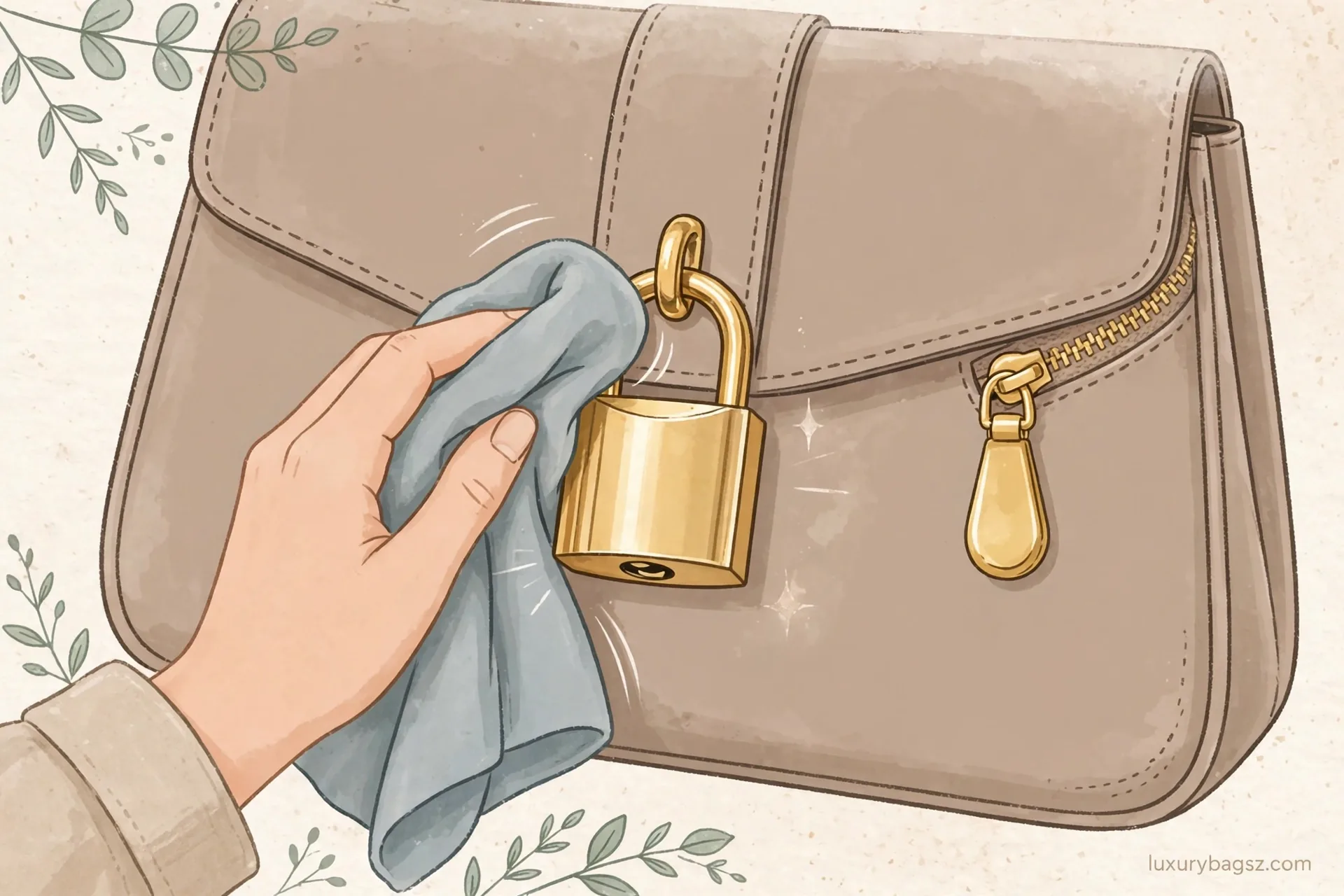
Polish hardware gently. Apply polish to a microfibre cloth — never directly to the bag — and buff tarnished fittings until they brighten. Repeat for stubborn tarnish, then wipe residue away with a dry cloth, keeping polish off canvas and leather.
For patent scuffs, dab scuff remover onto a cotton bud, work lightly, buff with a dry bud, and wipe residue away once dry. For suede, pony hair, or fur trims, brush lightly in the direction the fibres fall, and use no creams or liquids.
For small fabric stains inside or on textile parts, dab — never rub — with a microfibre cloth dipped in a gentle laundry stain remover, keeping bleach out entirely. Never apply the product directly to the bag, and stop if the stain does not lift. A stain pen can help a stubborn spot, but a stain that survives gentle treatment is a job for a professional, not for a stronger chemical at home.
Smells, Deep Marks, and When to Stop
For moderate smells, place an absorbent odour product open inside the bag, ideally facing a fan, for two to three days at most, then air the bag alone. Dryer sheets suit lighter odours, and regular airing between wears prevents most smells settling in.
Do not chase deep marks with untested home remedies. Ink, dye transfer from dark denim, and water marks on vachetta get worse most easily with aggressive cleaning, and a strong soap can leave a light patch or dulled finish that no professional can fully reverse.
Know when to hand the bag over. Structural damage, loose stitching, cracked handles, deep stains, and any Alma you suspect may not be genuine all belong with a professional.
If authenticity is ever in doubt, our fake LV bag checks help you assess the piece before you spend more on it. The same gentle-first rule applies across brands; see how to clean a Birkin bag for a leather-first comparison.
Storing Your Alma So It Keeps Its Shape
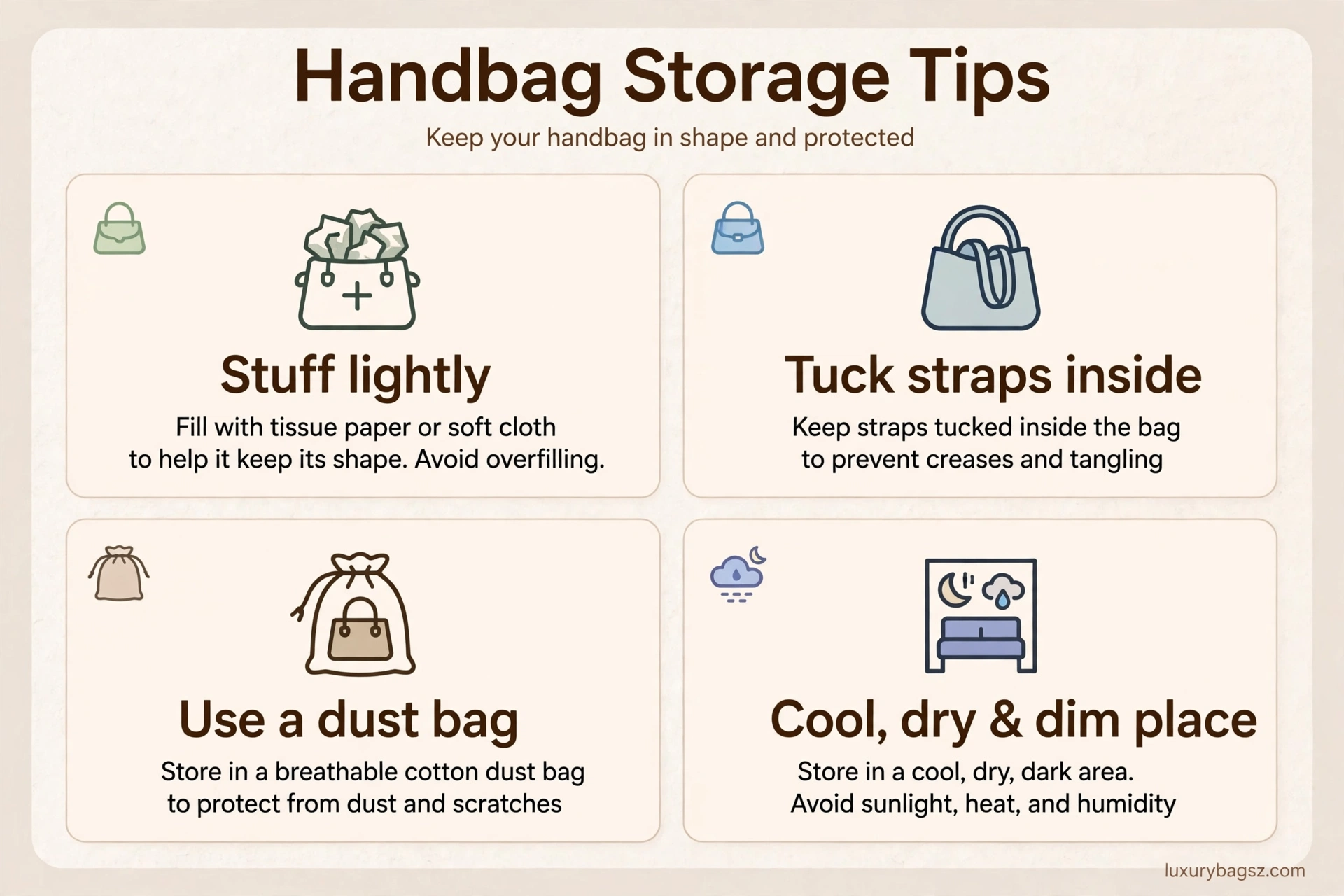
Stuff the bag lightly with a small pillow or a folded scarf so it holds its dome shape without stretching. Do not overstuff: a bag packed tight will strain seams and distort the shape you are trying to protect. Tuck any removable straps inside so they do not crease or press marks into the body.
Place the Alma in its dust bag and store it in a cool, dry, dimly lit place, away from radiators, windows, and damp walls. Sunlight fades canvas and darkens vachetta unevenly, while humidity invites mould and musty smells. Keep the bag upright on a shelf rather than hanging it, which strains handles over time.
Air the bag every few months, even when unused. A quick wipe and a few hours out of the dust bag keeps it fresh and lets you spot a loose thread or damp patch before it becomes a repair.
Frequently Asked Questions
Can I use baby wipes on my Alma, and can I wash it in water?
Yes, unscented baby wipes suit coated canvas, and leather wipes suit Epi leather. Keep wipes off vachetta trim, and always finish with a dry microfibre cloth.
No. Never soak an Alma or put it in a washing machine. Clean with barely damp cloths, and dry each part straight away with a clean cloth.
How do I clean Alma vachetta handles, and can I use conditioner on Epi leather?
Dust with a dry cloth and blot water immediately; do not soak or scrub them. Vachetta darkens into honey patina naturally, and that ageing is normal, not dirt.
Usually it is not needed. Epi is coated and hard-wearing, so a damp cloth or leather wipe is enough. Condition only lightly if the leather feels genuinely dry.
How often should I clean my Alma?
Wipe the outside weekly, clean the interior every couple of weeks, and wipe base corners and handles after every wear. Deeper spot cleaning is only needed when a mark appears.
How do I remove stains and smells from my Alma?
Dab gently with a cloth dipped in gentle stain remover, never applying product directly to the bag. Avoid bleach entirely, and stop if the stain does not lift.
Place an absorbent odour product open inside for two to three days with air circulation, then air the bag alone. Dryer sheets help lighter smells, and regular airing prevents most odours.
How do I clean Alma hardware?
Apply polish to a cloth, not to the bag, and buff gently. Repeat for stubborn tarnish, then wipe away residue with a dry cloth, keeping polish off canvas and leather.
How should I store my Alma bag?
Stuff it lightly, tuck straps inside, place it in its dust bag, and store it upright in a cool, dry, dim place. Do not hang it, and do not store it in sealed plastic.
When should I take my Alma to a professional?
For deep stains, dye transfer, water marks on vachetta, cracked handles, loose stitching, or any structural damage. Gentle home cleaning has limits, and a professional can do what home products cannot.
Conclusion
An Alma stays beautiful with gentle, regular care rather than occasional deep cleaning. Clean inside out, match every product to the material in front of you, protect vachetta from water, and store the bag stuffed, covered, and out of sunlight.
That routine takes minutes a week and protects the shape, colour, and finish that make the Alma worth owning. When a mark beats gentle cleaning, let a professional take over — knowing when to stop is part of caring for the bag well.






