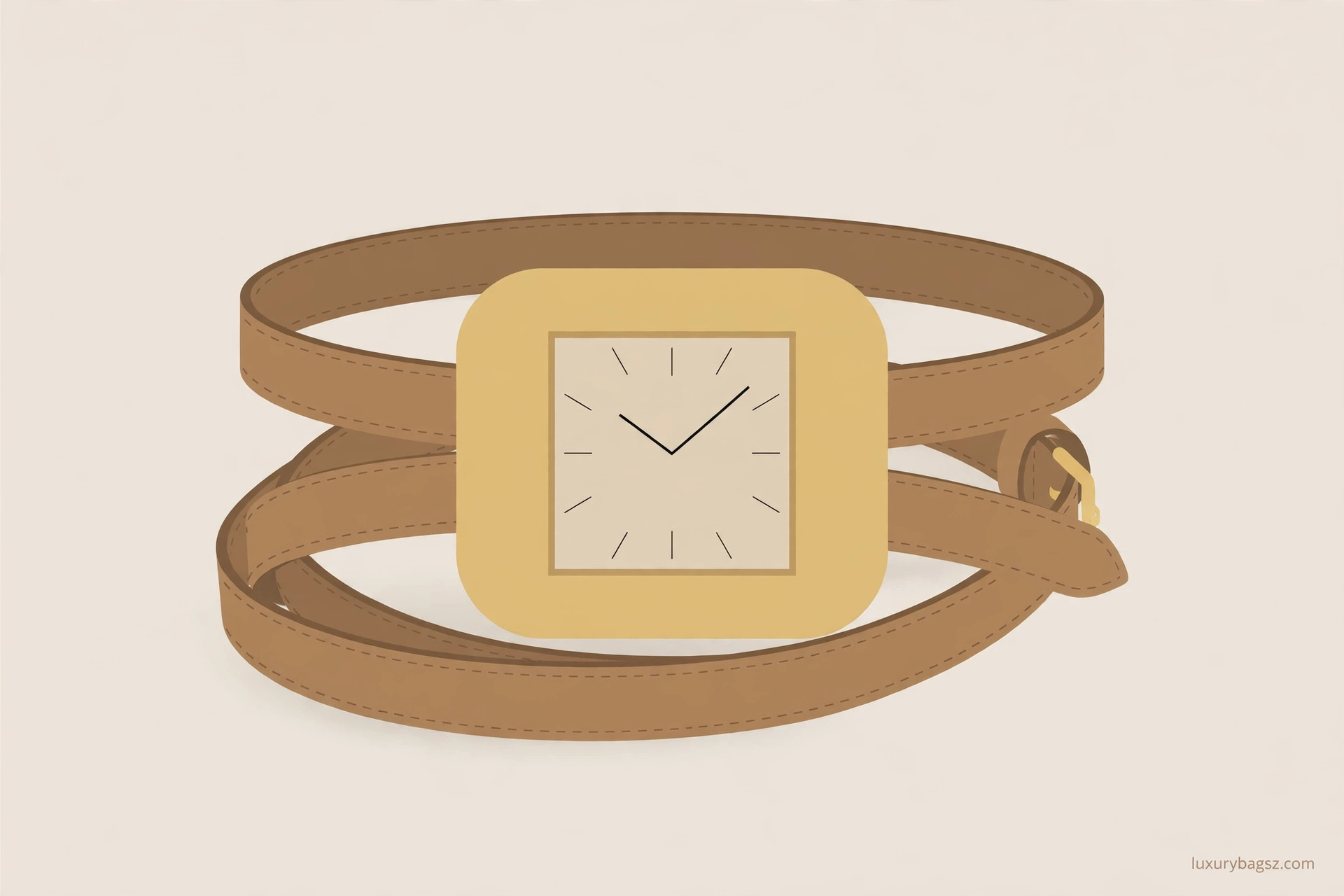
Hermès Arceau Watch: Models, Sizes and Prices of the Stirrup-Lug Classic

The Watch That Started Hermès Watchmaking
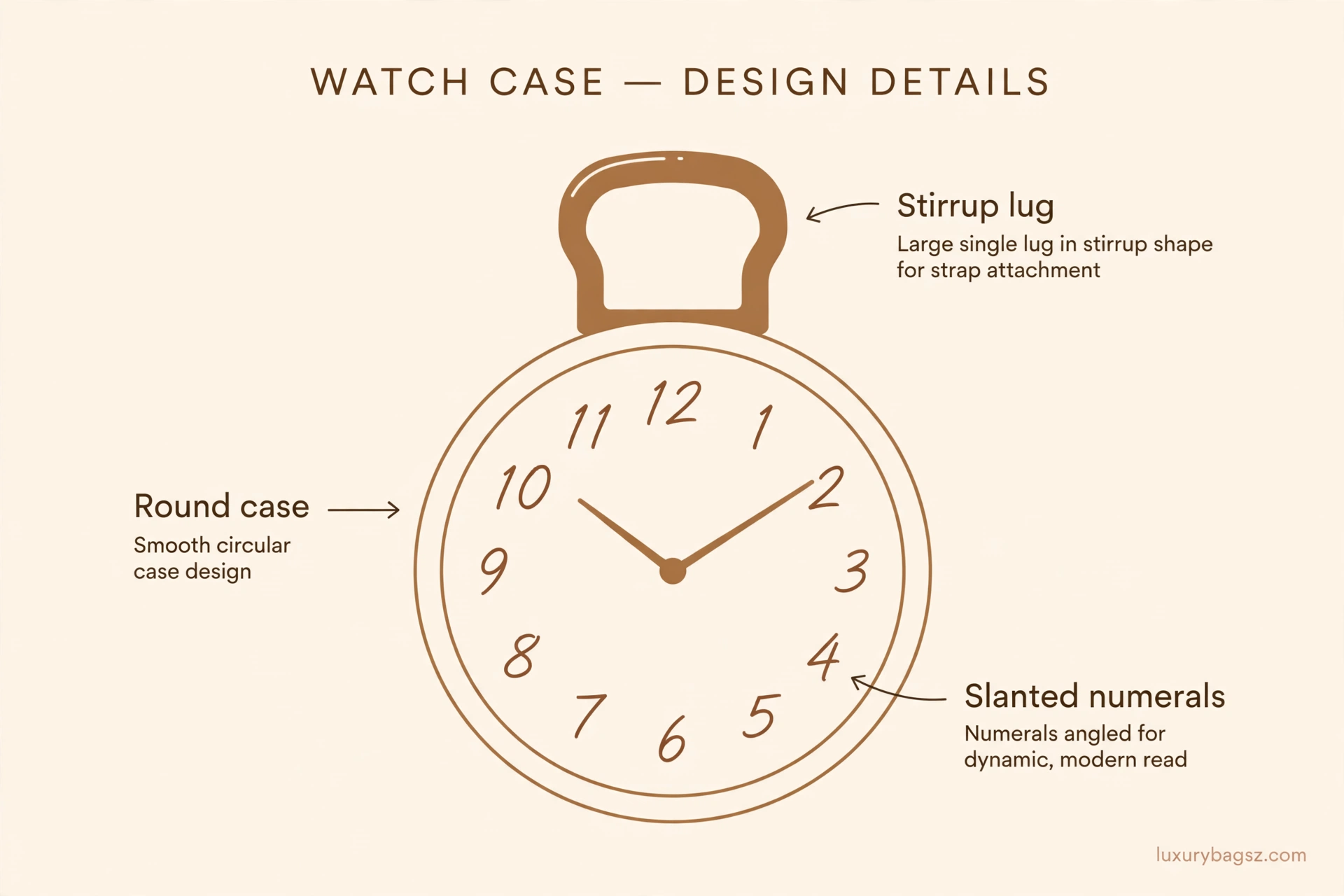
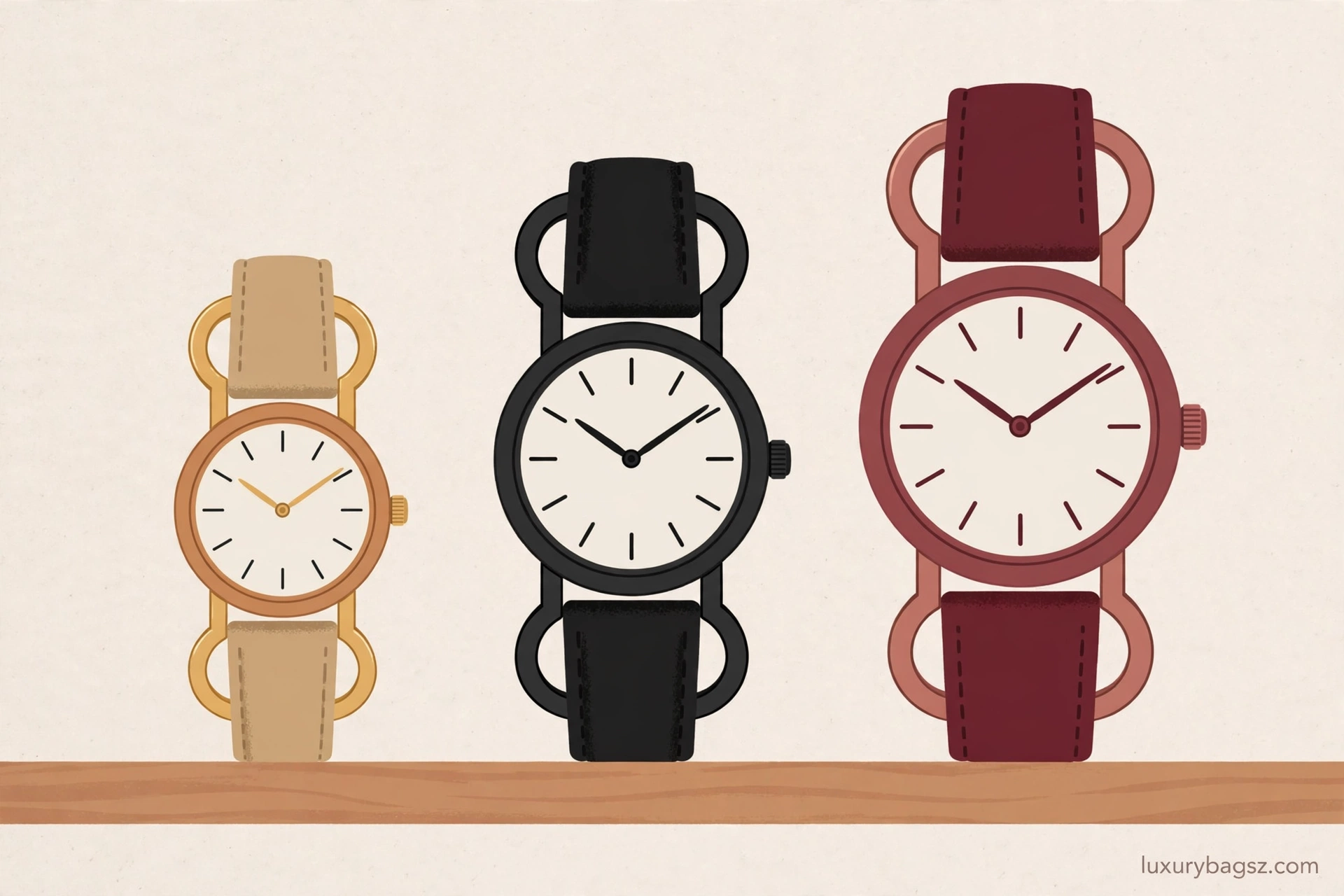
The hermes arceau watch, designed by Henri d'Origny in 1978, is where serious Hermès watchmaking begins: a perfectly round case held by asymmetric lugs shaped like stirrups, with numerals that lean as if galloping.
Arceau is the broadest Hermès watch family — quartz and automatic, 25mm to 43mm, plain time-only models up to the celebrated L'heure de la Lune with its floating double moon display.
This guide covers the design, the size range, the movements from quartz to manufacture complications, skeleton and moon models, and typical prices at each level.
Key Takeaways
- Arceau launched in 1978, designed by Henri d'Origny — Hermès' first great watch.
- Stirrup-shaped asymmetric lugs and slanted, galloping numerals define the design.
- Sizes span roughly 25mm to 43mm, in quartz and automatic versions.
- Manufacture movements power the larger and complicated models.
- L'heure de la Lune is the family's high-complication flagship.
- Prices run from the low thousands to well beyond $30,000 for top pieces.
1978: A Stirrup Becomes a Lug
D'Origny's problem in 1978 was attaching a strap without boring lugs. His answer came from the saddlery: one lug shaped like a stirrup, sweeping down from the case, the other simpler — balance through asymmetry.
The slanted numerals complete the idea. Their italic lean suggests a horse at the gallop, and the bespoke typeface remains exclusive to Hermès dials nearly fifty years later.
Arceau means the arch of a saddle in French, and the name fits: this is the watch where Hermès stopped decorating watches and started designing them from its own world.
The design has barely changed since 1978, which is a compliment few watches earn. Hermès resisted the urge to enlarge, thicken or modernise it, so a vintage Arceau and a current one read as the same watch across five decades.
Sizes and Case Shapes
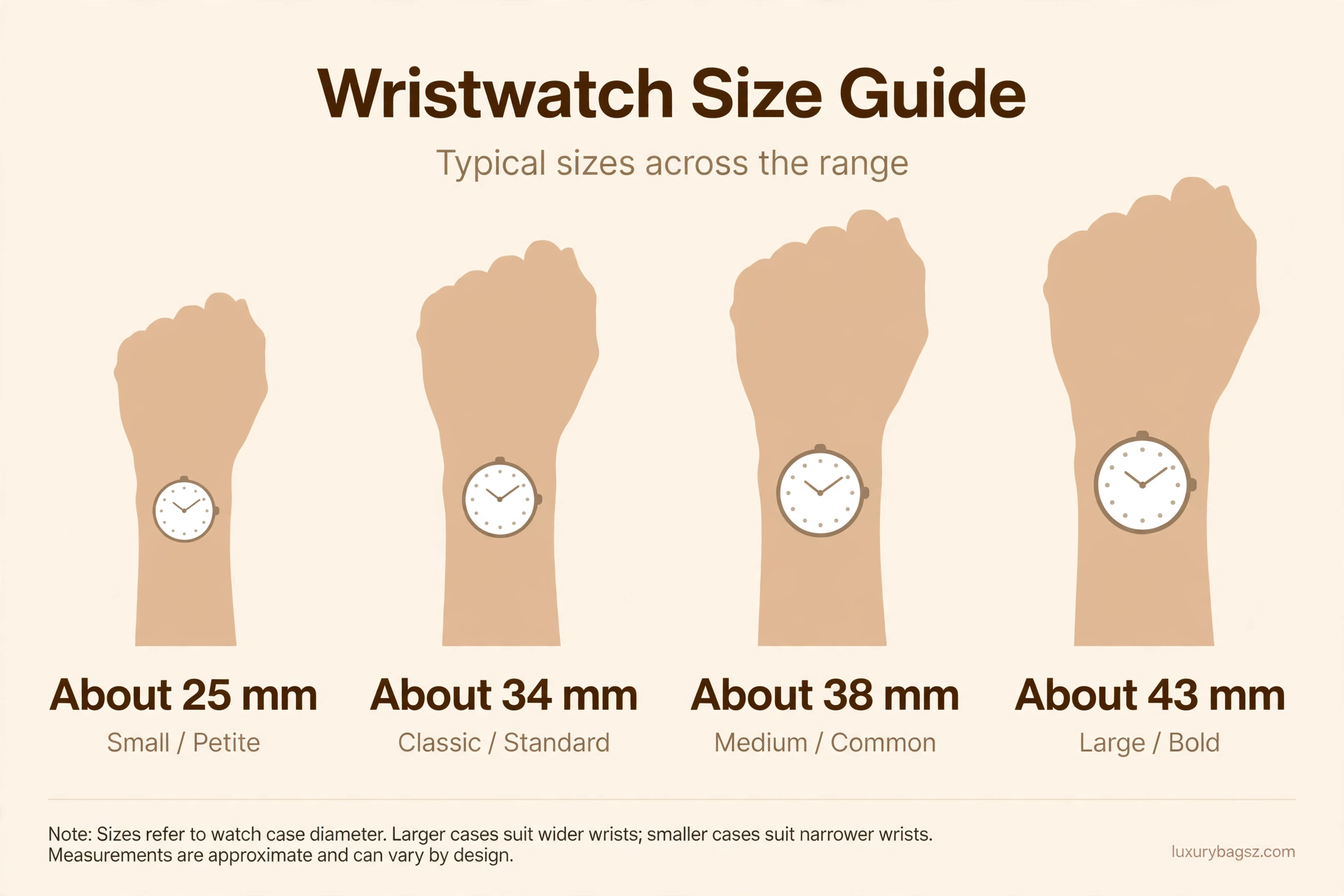
Small Arceau models around 25–28mm are mostly quartz and wear as refined dress watches, popular in gold and diamond-set versions as jewellery watches.
Mid sizes around 34–36mm suit most wrists and come in both quartz and automatic forms. They are the heart of the range and the easiest to buy well pre-owned.
Large models at 40–43mm carry the manufacture automatic movements and the complications. They wear modern and unisex, with the stirrup lug keeping the case visually light for its size.
Case materials follow the usual ladder — steel for daily wear, gold for dress, diamond-set bezels on the jewellery editions — but the stirrup lug is constant across all of them, which keeps even the grandest Arceau recognisably itself.

Movements: From Quartz to Manufacture
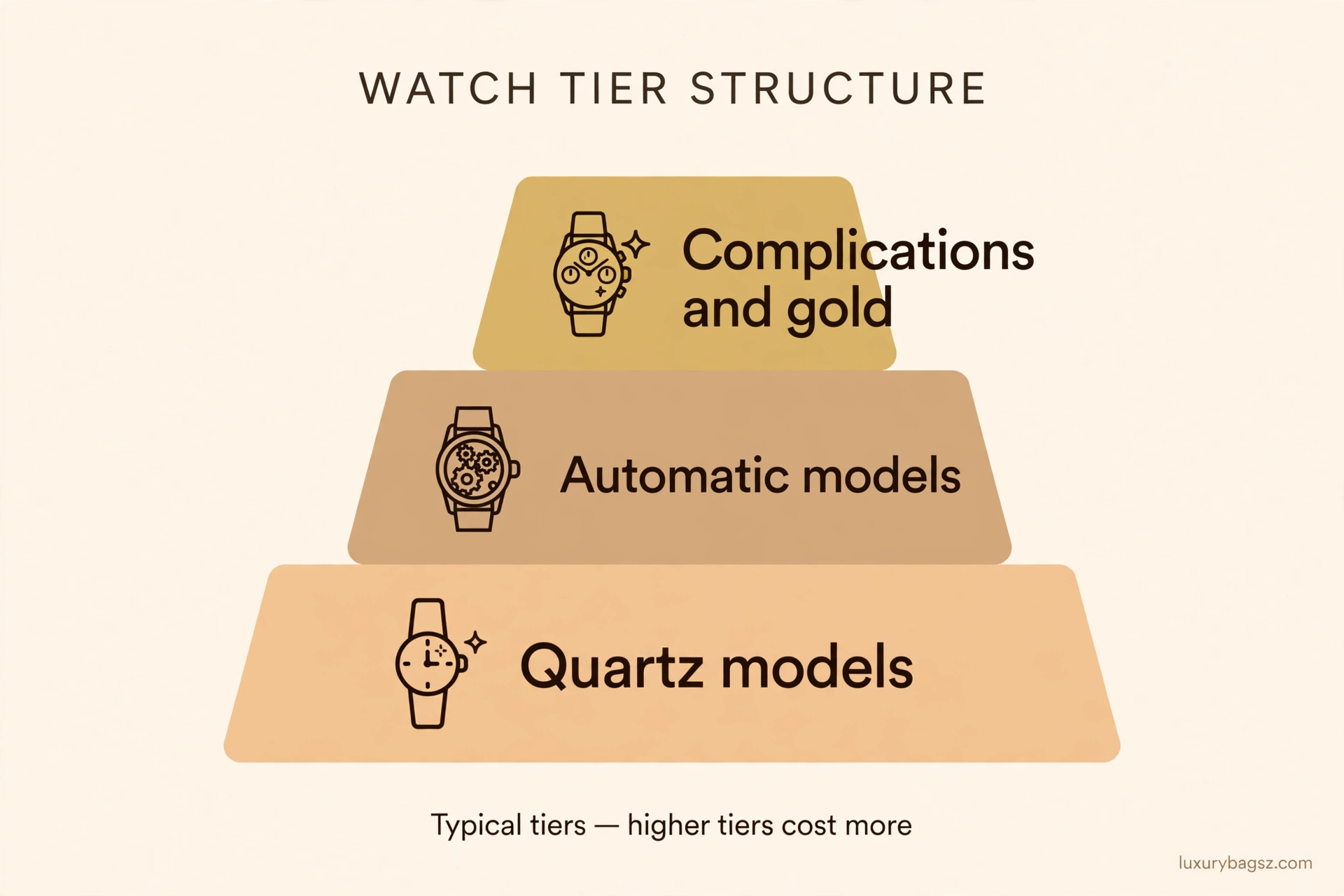
Entry Arceau models use Swiss quartz. Step up and the manufacture calibres arrive — automatic movements made with Vaucher, decorated with the house's repeating H pattern on the rotor.
Time-only automatics offer power reserves around two days and the smooth sweep that quartz cannot give. Servicing costs more than quartz, and intervals of around five years are typical advice.
The movement ladder is the honest structure of the range: same beloved case, escalating horology. Buy the rung your interest — and budget — actually reaches.
Women's automatic Arceau models deserve a mention: the 34mm automatic is one of the few mid-size mechanical watches designed from the start for smaller wrists rather than shrunk from a men's case, and collectors rate it highly for that.
Complications: Moons, Skeletons and Time Suspended
L'heure de la Lune is the showpiece: two mother-of-pearl moons float over the dial while two lacquered subdials drift above them, showing time and date upside-down to convention. It won watchmaking prizes on merit.
Skeleton Arceau models open the dial to the movement, and the family has also hosted playful complications across the years. Our overview of watch complications retrograde explains how such displays work.
These pieces cost serious money — the moon models are reported well beyond $30,000 in precious metal — and are bought by collectors, not first-time watch buyers.
Dials, Straps and Special Editions
Arceau dials range from plain lacquer and sunburst finishes to enamel, stone and métiers d'art editions where miniature painting and marquetry turn the watch into wearable art.
Straps follow the Hermès leather palette — alligator, Barenia, Swift and calf in house colours — and the stirrup lug accepts them with an elegance round watches rarely achieve.
Limited and artistic editions hold value best in this family, because production is small and the craft is the point. Standard dials in standard sizes are the value buys pre-owned.
Alligator straps are the classic pairing, but the Arceau also takes the house's woven and Barenia leathers beautifully. A strap change is the cheapest way to move the watch between boardroom, weekend and evening registers.

Typical Prices by Level
As a typical guide, quartz Arceau models commonly retail from around $2,800–$3,500, automatic time-only models from roughly $4,000 upward, and gold versions considerably more.
Skeleton and complicated models climb steeply — five figures is normal, and the flagship moon watches in gold are reported beyond $30,000. Treat all figures as ranges that vary by market.
Pre-owned, standard automatic models offer the keenest value in the family: genuine manufacture watchmaking, the iconic case, and prices well under current retail.
One caution on headline prices: alligator straps, diamond settings and precious-metal cases stack quickly on this model. Price the exact configuration you tried on, not the entry reference in the window, before setting a budget.
Arceau vs the Other Hermès Watches
Against the Heure H watch, Arceau is the traditionalist — round, mechanical, rooted in watchmaking rather than graphics. Against the Cape Cod watch, it is the warmer, more equestrian design.
Buyers who want one Hermès watch for decades usually land on Arceau. Buyers who want a Hermès accessory that tells time land on the other two. Neither answer is wrong.
In the wider market, Arceau competes with slim dress watches from the Swiss houses — and wins its share of buyers purely on the stirrup lug, a detail no rival can copy.
Set against dedicated dress watches, the Arceau's trump card is recognisability without a visible logo. Watch people identify it across a room by the lug alone — a form of quiet branding no dial signature could achieve.
Buying Notes and Servicing
Match the size to your wrist in person; Arceau's long stirrup lug makes larger sizes wear larger than their diameter suggests. Try before you buy wherever possible.
On pre-owned automatics, ask for service history and check the subdials and date change if fitted. Complicated models should go only through Hermès or a specialist for work.
Keep box and papers: in this family more than most Hermès watches, paperwork supports both servicing and resale, especially on manufacture-movement models.
Frequently Asked Questions
When was the Arceau watch designed?
In 1978, by Henri d'Origny. Its stirrup-shaped asymmetric lugs and slanted numerals made it Hermès' first truly original watch design.
What sizes does the Arceau come in?
Roughly 25mm to 43mm depending on model and era. Small sizes are usually quartz dress models; 40mm and above carry the automatic manufacture movements and complications.
What is Arceau L'heure de la Lune?
The family's flagship complication, with two floating moon discs and two drifting subdials for time and date. It is made in precious metal and priced well beyond $30,000.
Is the Arceau quartz or automatic?
Both. Entry models are quartz; mid and large sizes offer Hermès manufacture automatic movements made with Vaucher, and the complications sit at the top of the range.
How much does an Arceau watch cost?
Quartz models typically start around $2,800–$3,500, automatics from roughly $4,000, and complicated or gold models rise through five figures to beyond $30,000 for the moon editions.
Why do the Arceau numerals lean?
The bespoke italic typeface suggests a horse at the gallop — a deliberate equestrian gesture that has been part of the design since 1978.
Is the Arceau a good first luxury watch?
In automatic form, yes — a distinctive case, a genuine manufacture movement and strong finishing. Quartz versions suit buyers who prioritise the design over mechanics.
Does the Arceau hold its value?
Standard models resell below retail, with limited and artistic editions performing best. Manufacture automatics with papers hold up better than quartz versions.
Can the Arceau be worn by men and women?
Yes. The family spans jewellery-sized quartz models to 43mm automatics, and the design itself is neutral — size and strap set the tone.
How often does an automatic Arceau need servicing?
Around every five years is typical advice, through Hermès or a qualified watchmaker. Keep service records — they support both reliability and resale value.
The Arceau: The Stirrup Lug Started It
Arceau is the Hermès watch that watch people respect: an original 1978 case, real manufacture movements, and complications that win prizes rather than borrow prestige.
Start with a mid-size automatic in a classic dial for the fullest expression at a sane price — or simply enjoy knowing that the stirrup lug on your wrist began Hermès watchmaking itself.
The Arceau is the Hermès watch I point design lovers to, because its case does what the best bags do: one idea, completely resolved. The leaning numerals and stirrup lug are the kind of details I check for a living — small, deliberate, and impossible to fake convincingly. Buy the mid-size automatic and you own the fullest expression of it.