Where to Buy Designer Fashion: Retailers, Resale Platforms, Fees and Safety Checks Compared
Every Route, Weighed Fairly: Start With Your Risk Level
Buy designer fashion from brand boutiques and authorised department stores for certainty, or from established resale platforms for lower prices and sold-out styles, accepting more checking in return. Our guide to telling a legitimate reseller from a risky one sets out exactly what that checking involves.
The right route depends on the piece: current-season staples suit retail; rare, vintage and bargain hunting suit resale. Fees, authentication and returns differ widely, so read each platform's current terms before paying.
Key Takeaways
- Boutiques and brand sites offer certainty, service and full prices.
- Department stores add multi-brand ease and seasonal sales.
- Resale platforms offer lower prices and rare pieces, with more buyer homework.
- Authentication ranges from expert-checked to peer-based; know which you get.
- Fees and return windows vary and change; always check current terms.
- For any route, keep receipts, photograph arrivals and pay by protected methods.
Brand Boutiques and Brand Websites
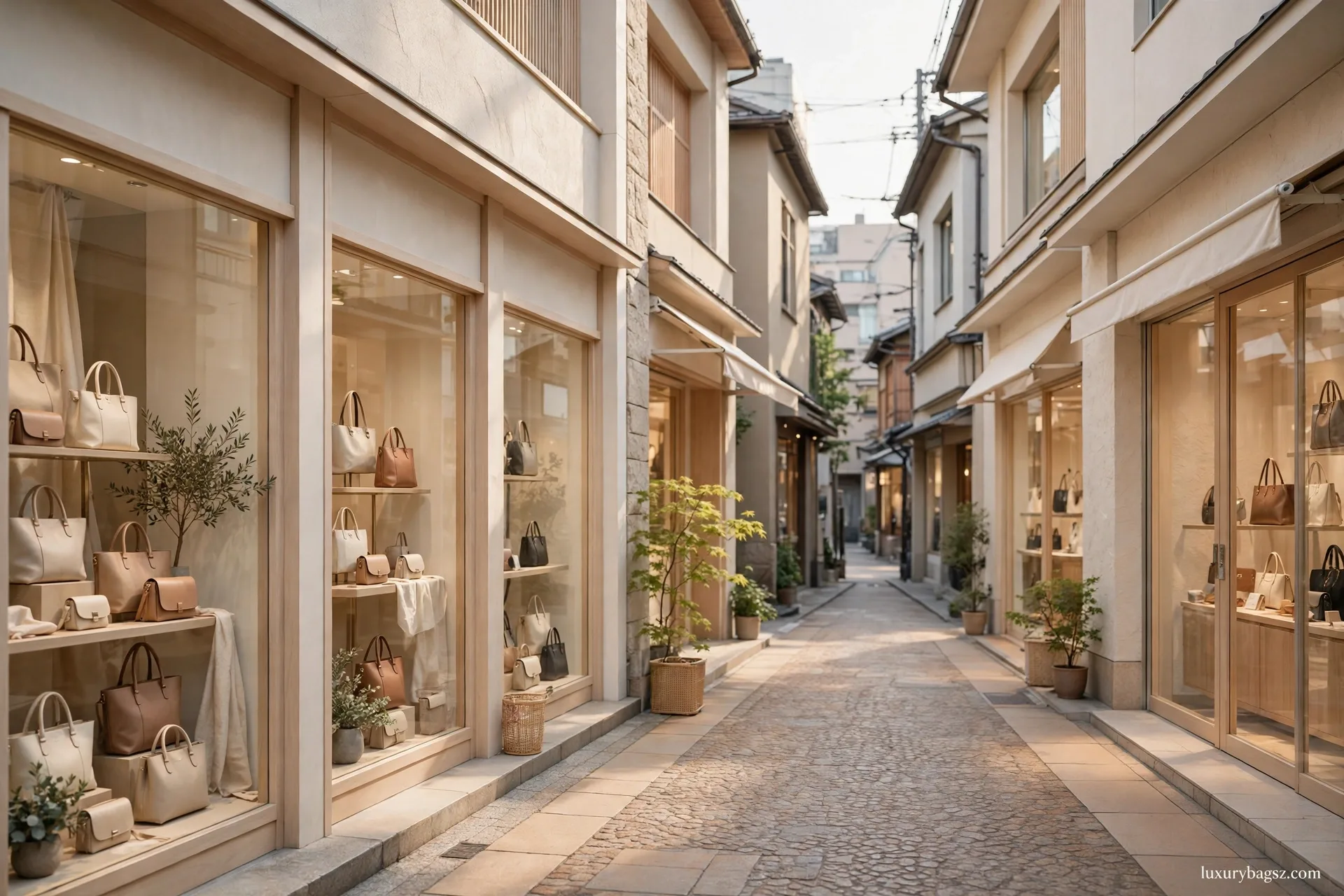
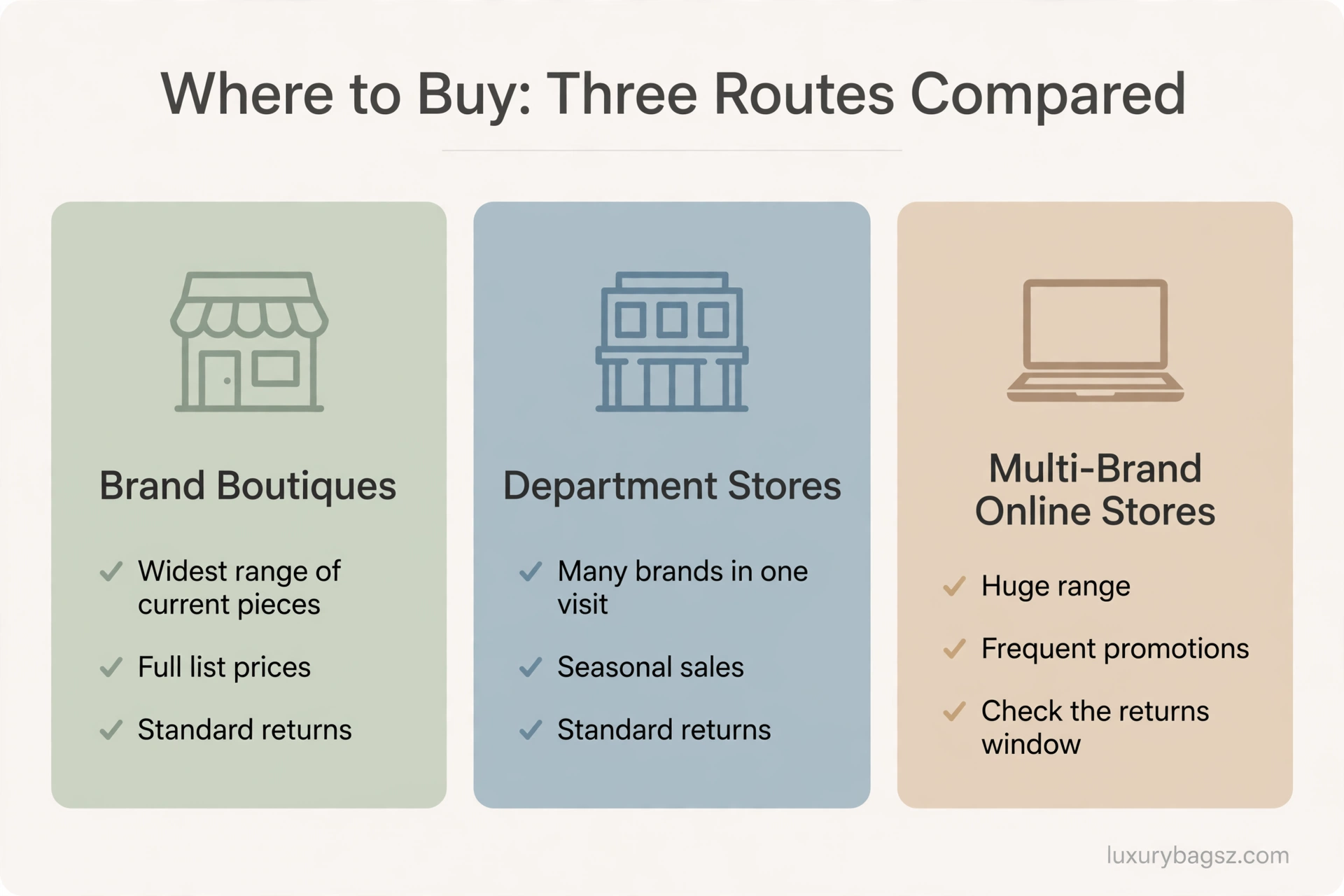
The brand's own shops and sites are the reference route: full range, correct pricing, proper packaging and direct aftercare.
Staff knowledge is deepest here, and repairs and alterations run through the house's own workshops and policies.
You pay full price, and popular pieces may need patience or a waitlist. What you buy is certainty and a relationship.
For houses with allocation systems, boutique history can matter, and some pieces are offered to known clients before they ever reach a shelf.
Gift purchases favour retail, where exchanges are painless if the size, colour or idea misses its mark.
Department Stores and Multi-Brand Retailers
Established department stores and luxury multi-brand sites gather many houses under one returns policy, one delivery and one sale season.
That convenience is real: comparing two brands in one basket, with easy returns, suits considered purchases very well.
Authorised stockists are the key phrase. A familiar store name selling through its own site is different from a marketplace seller using a similar name.
Sales here are the safest discount route in fashion: genuine stock, reduced openly, with consumer rights fully intact.
Archive and sample sales from houses and stores reward the patient and the local, with genuine stock at honest reductions.
Resale Platforms: How They Differ
Resale splits into expert-checked platforms, where staff inspect pieces, and peer marketplaces, where buyers judge listings themselves.
Expert-checked routes cost more and feel calmer. Peer routes cost less and reward knowledge, patience and sceptical photograph reading.
Our how luxury consignment works guide explains the selling side, which helps buyers judge platforms too.
Specialist vintage dealers form a third route: curated, knowledgeable and personal, often best for era pieces and rare sizes.
Some platforms offer payment in instalments; treat that as a budgeting tool, never as a reason to raise the budget itself.
Authentication: What Protection Really Means
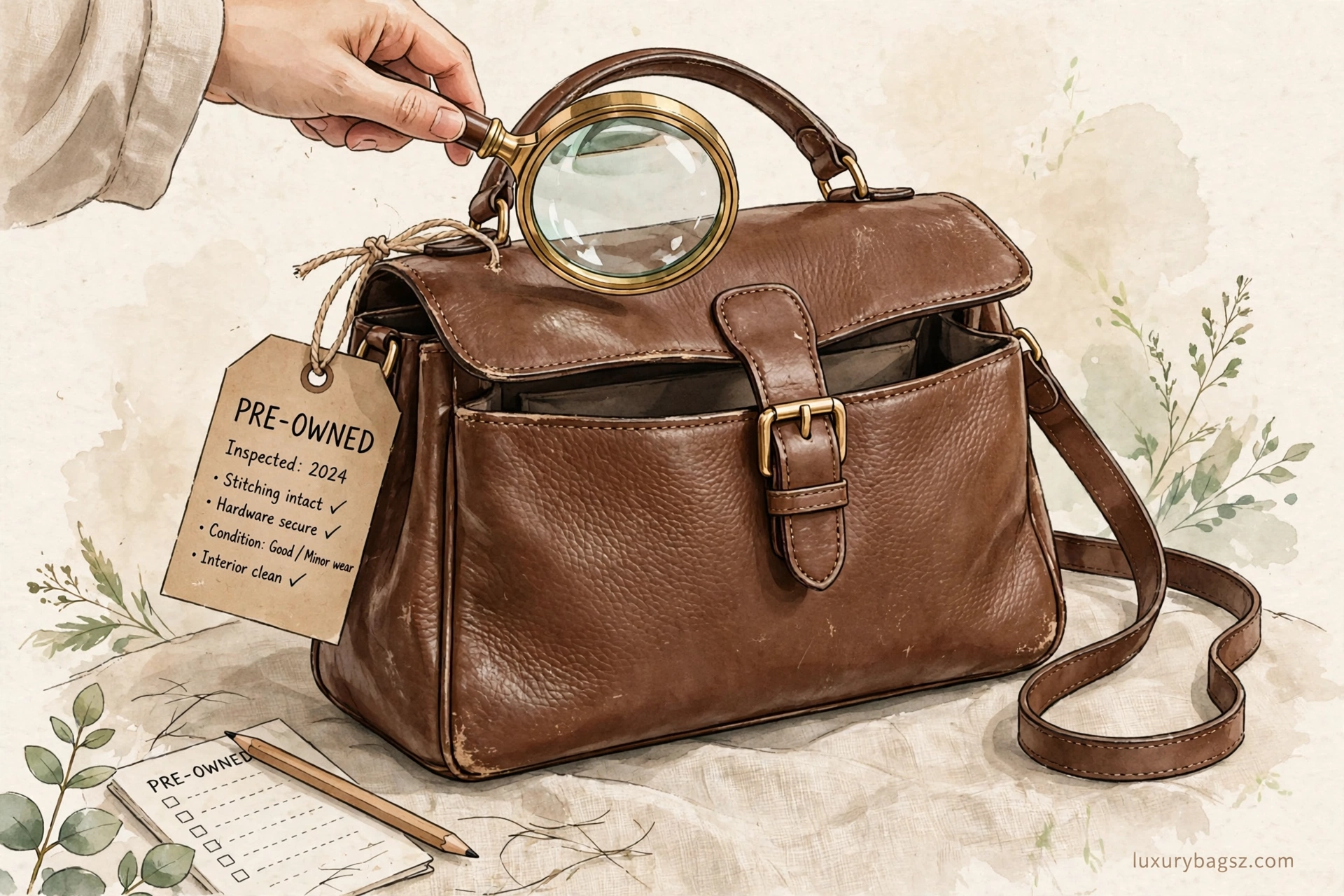
Ask what the check involves: who inspects, against what references, and what happens if a piece is later found inauthentic.
Good platforms state a clear remedy, typically a refund route, and stand behind their experts in writing rather than in slogans.
Our pre-owned bag authentication guide shows the checks experts make, so you can judge listings yourself too.
No check is magic. Buy the seller and the remedy, not only the certificate, especially at higher prices.
Duty and tax on cross-border orders can arrive as a separate bill; a bargain that ignores it is not yet a bargain.
Fees, Prices and the True Total
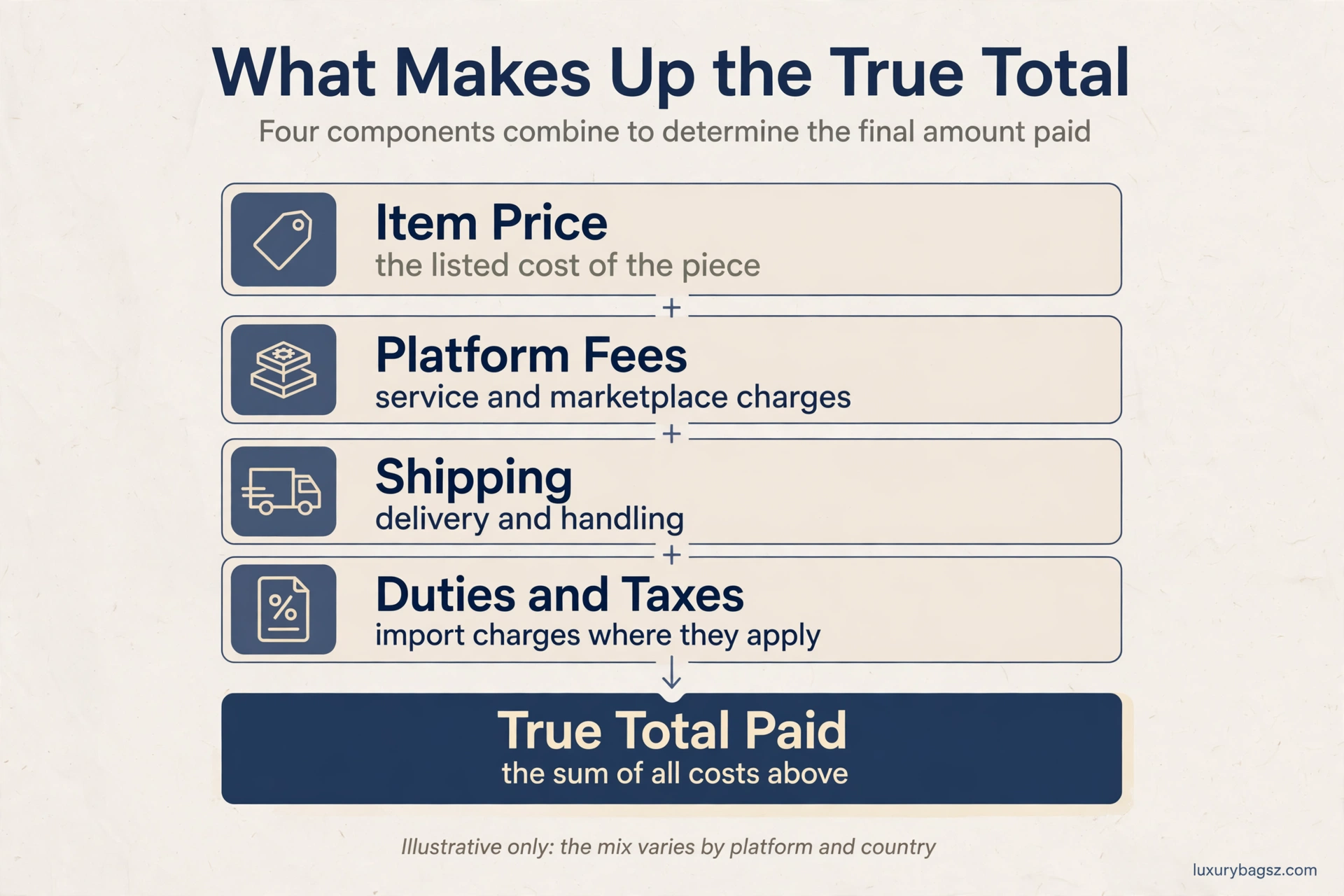
Platform fees, buyer premiums, duties and shipping can narrow an apparent bargain considerably. Compare totals, never headline prices.
Fee structures differ between platforms and change over time, so treat any figure quoted away from the platform itself as out of date until checked.
Sellers' fees also shape prices: a platform that charges sellers heavily will rarely be the cheapest place to buy the same piece.
Work out your walk-away total before browsing. Resale rewards discipline and punishes the late-night, must-have scroll.
Keep a simple record of where each major piece came from and what you paid; future repairs and resale both thank you.
Returns, Condition Grades and Photographs
Return windows vary from generous to final-sale, and resale is often stricter than retail. Know the window before the parcel arrives.
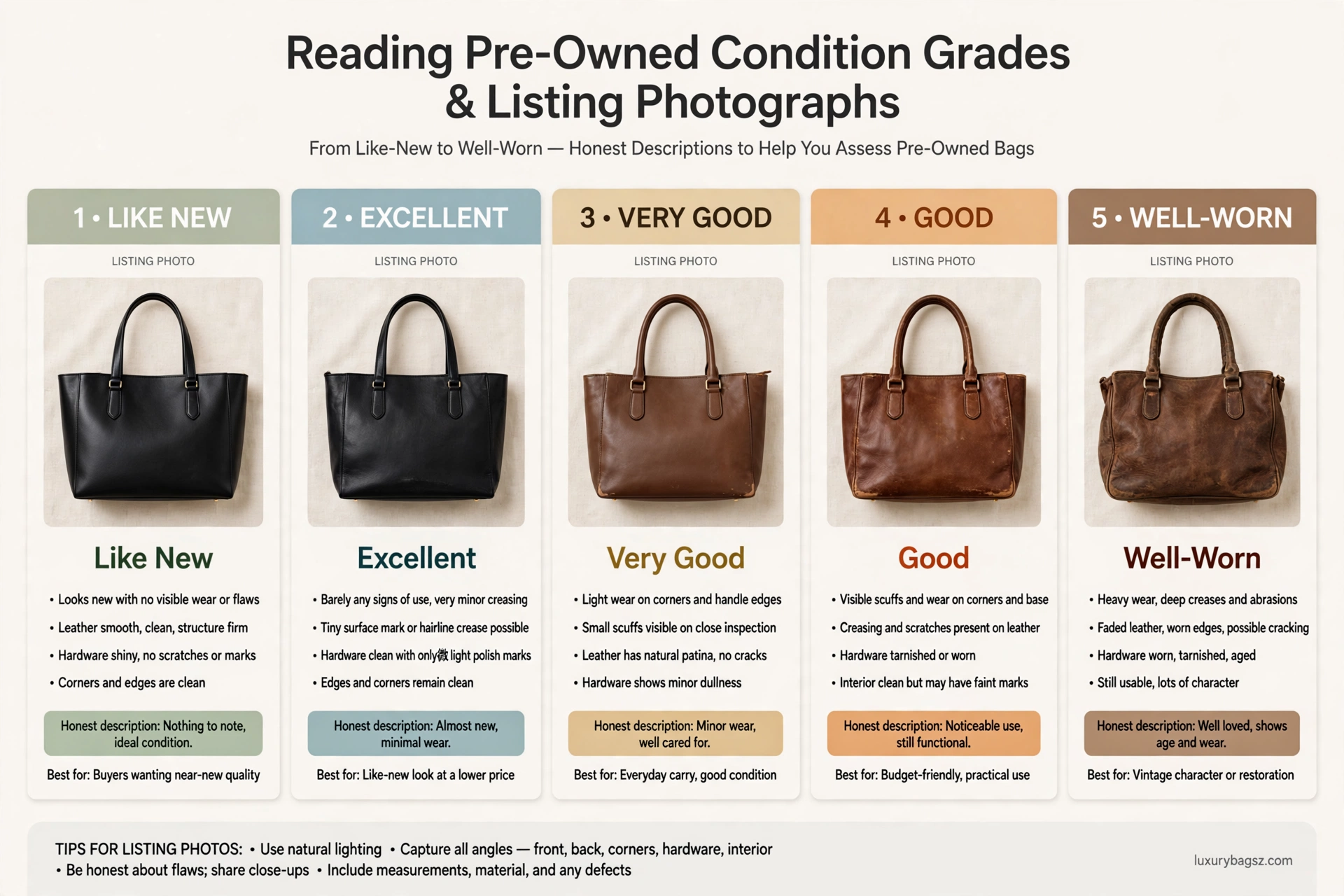
Condition grades are not standardised between platforms. Read the words and photographs, not the label: one site's excellent is another's good.
Our pre-owned condition grades explainer translates the common terms into honest expectations.
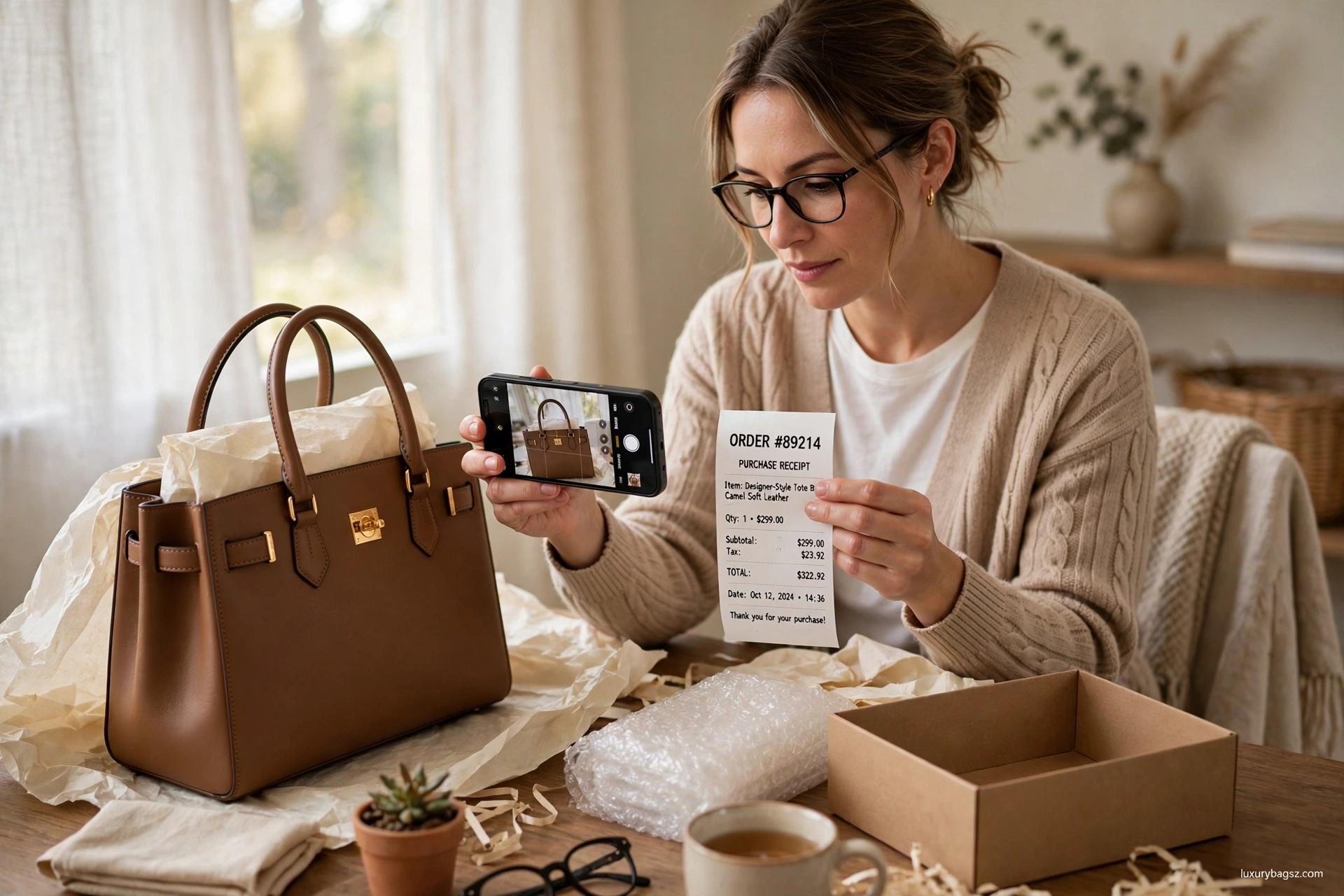
Photograph your piece on arrival, keep tags and packaging, and report problems inside the stated window, calmly and in writing.
Brand repair services usually require proof of purchase from an authorised route, another quiet value in buying retail first.
Safety Habits for Every Route
Pay by methods with buyer protection, and be wary of deals moved off-platform to private payment, a classic warning sign.
Too-cheap current icons, stock photographs only, and pressure to decide quickly are three signals to slow down or walk away.
Keep receipts, confirmations and correspondence. They support returns, insurance, repairs and any later resale of your own.
Our buying a pre-owned bag safely guide gathers these habits into one checklist worth saving.
When two platforms list the same piece, compare remedies and return windows before comparing the last few pounds of price.
Which Route for Which Piece?
Current-season, full-price certainty: boutique or department store. Sold-out, vintage or discontinued: resale or a specialist dealer.
First designer purchase: retail, where fit, service and returns teach you the house without risk muddying the lesson.
Confident, knowledgeable bargain hunting: resale, with time budgeted for checks and the humility to pass on doubtful pieces.
Most wardrobes end up mixed, and that is the healthy answer. Match the route to the piece, the price and your own appetite for homework.
Trust builds with use: start a new platform with a smaller purchase and judge its grading honesty before a major one.
Frequently Asked Questions
What is the safest place to buy designer fashion?
Brand boutiques, brand websites and authorised department stores offer the most certainty, service and straightforward returns.
Are resale platforms trustworthy?
Established platforms with expert checking and clear remedies are widely used and generally reliable. Peer marketplaces need more buyer knowledge.
How do resale fees work?
They vary by platform and change over time. Check the platform's current fee and buyer-premium terms, and compare total cost, not headline price.
Do resale platforms authenticate items?
Some inspect every piece with in-house experts; others rely on sellers and reporting. Read the stated process and remedy before buying.
Can I return a resale purchase?
Sometimes, within a stated window, but resale returns are often stricter than retail. Check the exact terms for the listing you are buying.
Is it cheaper to buy designer fashion abroad?
Prices, taxes and duties differ by country, and refunds of tax add complexity. Compare the full landed total and your return rights.
What payment method is safest?
Methods with buyer protection, used on the platform itself. Avoid moving a deal to private payment at a seller's suggestion.
How can I spot a risky listing?
Prices far below market, stock-only photographs, vague condition words and pressure to act fast are the common warning signs.
Should a first designer buy be new or pre-owned?
New, for most people: fit help, easy returns and aftercare make the first experience clean. Resale rewards experience.
Where can I find sold-out designer pieces?
Resale platforms and specialist vintage dealers are the main routes, with patience and condition checks as the price of rarity.
Conclusion: Match the Route to the Piece
There is no single best place to buy designer fashion, only the best match: retail for certainty, resale for rarity and value, dealers for the truly scarce.
Check fees, authentication and returns in the platform's own current terms, pay protected, and every route becomes a safe one.