Luxury Clothing Brands: The Names Worth Knowing, by Wardrobe Job
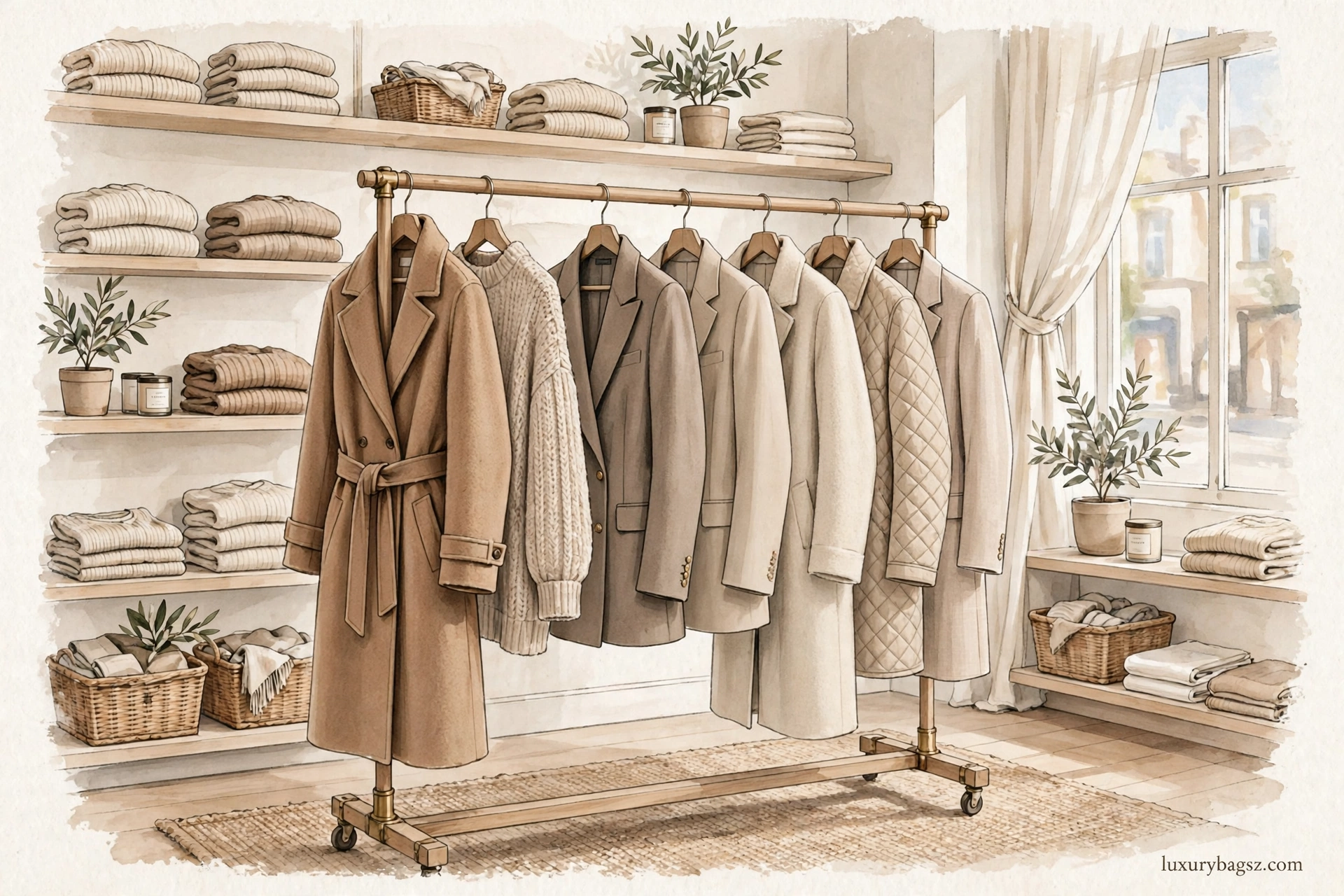
The Brands That Matter, Sorted by Job: Luxury Clothing in Brief
The best luxury clothing brands are not one list; they are specialists. Max Mara owns the coat rail, Loro Piana owns knitwear, Brunello Cucinelli owns soft tailoring, and The Row owns quiet, perfect basics. Start with the job you need done, then pick the house that built its name on it. That one habit avoids the costliest mistake in luxury clothing: paying a famous logo for a piece it never specialised in. This guide sorts the key names by category, gives honest typical price bands, and shows the checks that tell a true luxury garment from an expensive label sewn into ordinary cloth.
Key Takeaways
- Buy the specialism, not the logo: coats, knitwear and tailoring each have clear leaders.
- Heritage houses sell cloth and cut; fashion houses sell silhouette and mood. Both can be right.
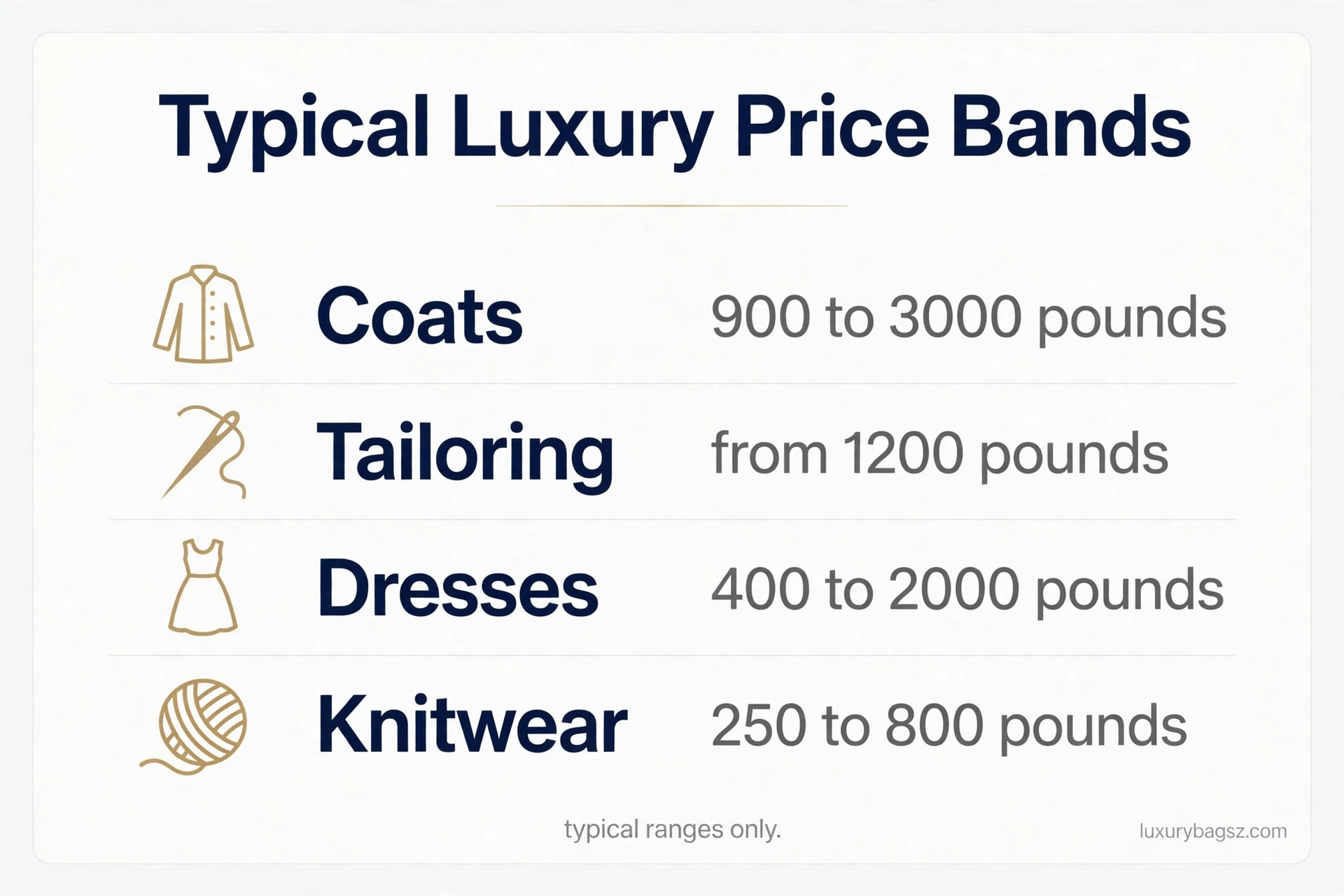
- Typical entry points: knitwear from around £250, coats from around £900, tailoring from around £1,200.
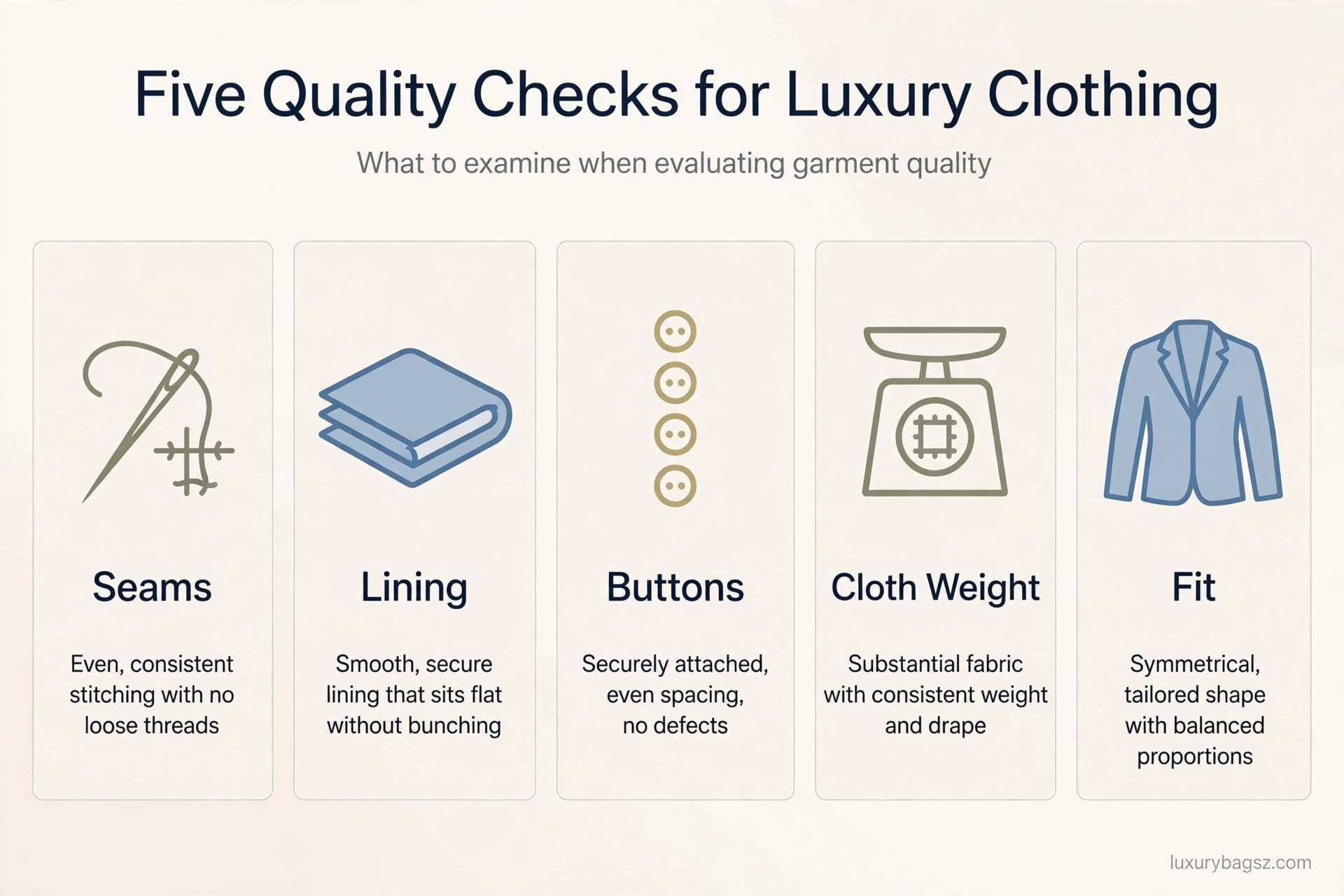
- Check seams, lining, buttons and cloth weight before you check the brand name.
- Casualwear is where luxury markup is hardest to justify; buy it on sale or pre-owned.
- Two or three well-chosen houses can cover a whole wardrobe without overlap.
How to Read a Luxury Brand List Without Wasting Money
Every brand list mixes three kinds of house: heritage makers, fashion houses and quiet specialists. Heritage makers built reputations on one cloth or craft over decades. Fashion houses change direction with each creative lead, so last year's perfect blazer may vanish next season. Quiet specialists skip logos and spend the budget on yarn, cut and finishing. Knowing which kind you are buying from sets fair expectations. Heritage pieces hold shape and value; fashion pieces date faster but say more about the moment. If a list ranks brands without saying what each is best at, it is a shopping advert, not advice. The useful question is always: best for what, and for whom?
Start with the label inside the garment, not the name on the shopfront. Composition tells you more in ten seconds than any campaign: a coat that is 100% wool, cashmere or a named blend is playing a different game from one padded out with polyester. Two houses at the same price can differ enormously here, and the label never flatters.
The Three Tiers, and Where Quiet Luxury Sits
The top tier is heritage: houses such as Loro Piana, Brunello Cucinelli, Max Mara and Kiton, where cloth quality is the whole point and logos are nearly invisible. The fashion tier holds names like Gucci, Saint Laurent, Balenciaga and Prada, where design voice leads and quality varies more between lines and seasons. Between them sits the modern quiet tier: The Row, Lemaire, Toteme and Khaite, selling calm shapes in very good cloth at high but not couture prices. Our explainer on what quiet luxury means shows why that middle tier grew so fast: buyers wanted the quality signal without the branding.
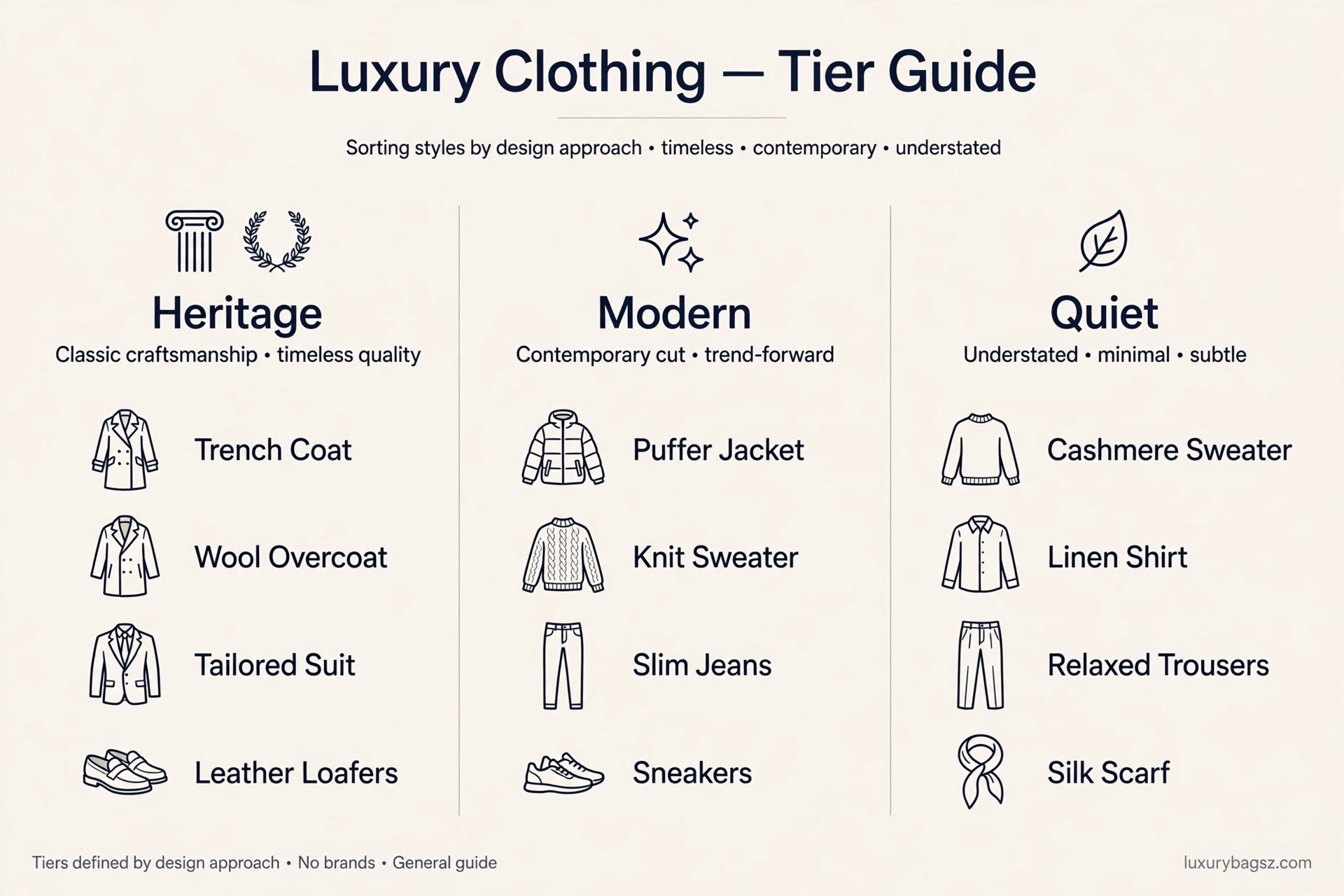
The tiers also explain the shopping experience. Heritage houses sell slowly, with appointments, alterations and repairs built into the relationship. Modern houses sell drops and collaborations. Quiet brands barely sell at all in public — no logos, little advertising, and clothes that you have to handle to understand. None of these models is dishonest; they just reward different buyers.
Best for Coats and Outerwear
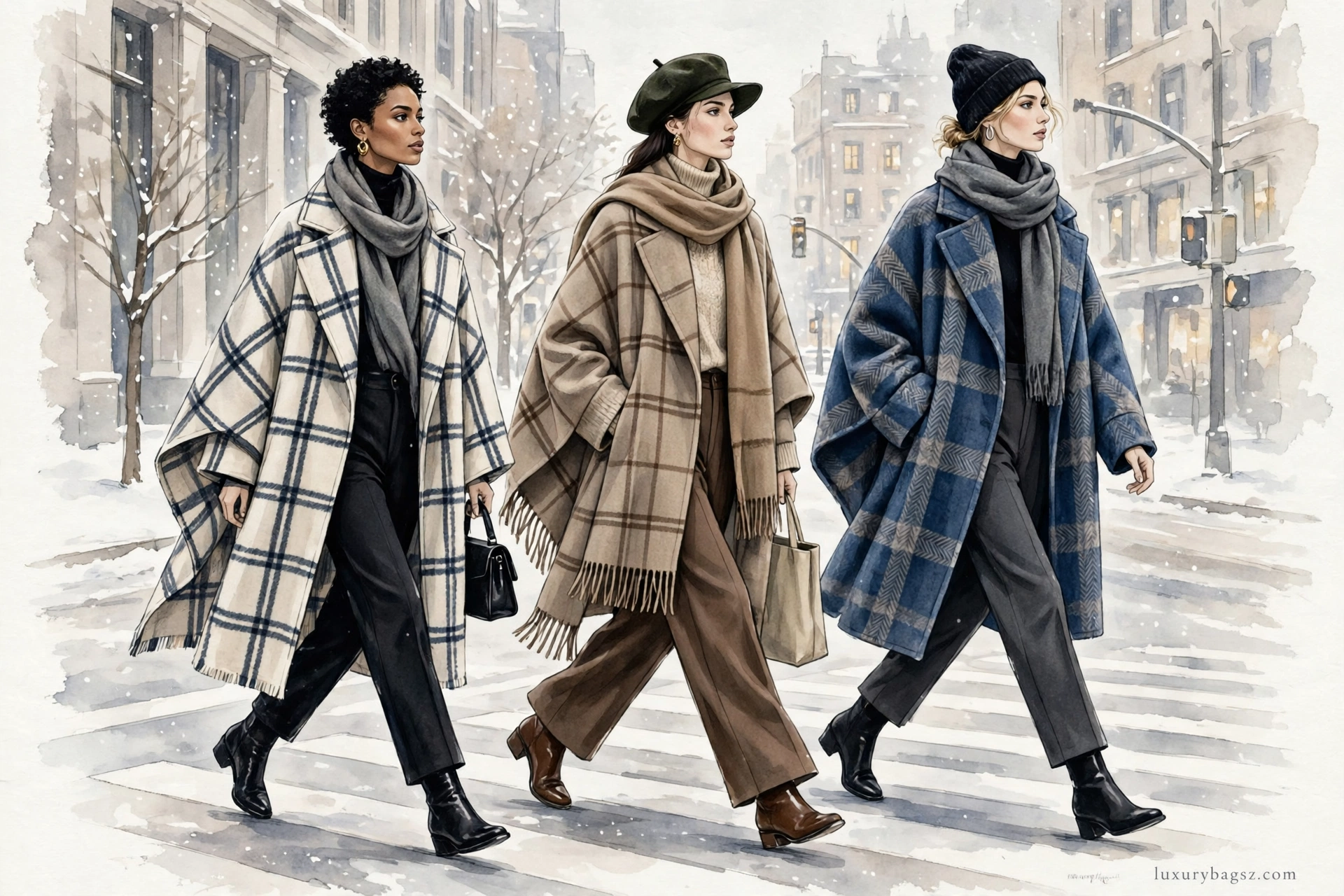
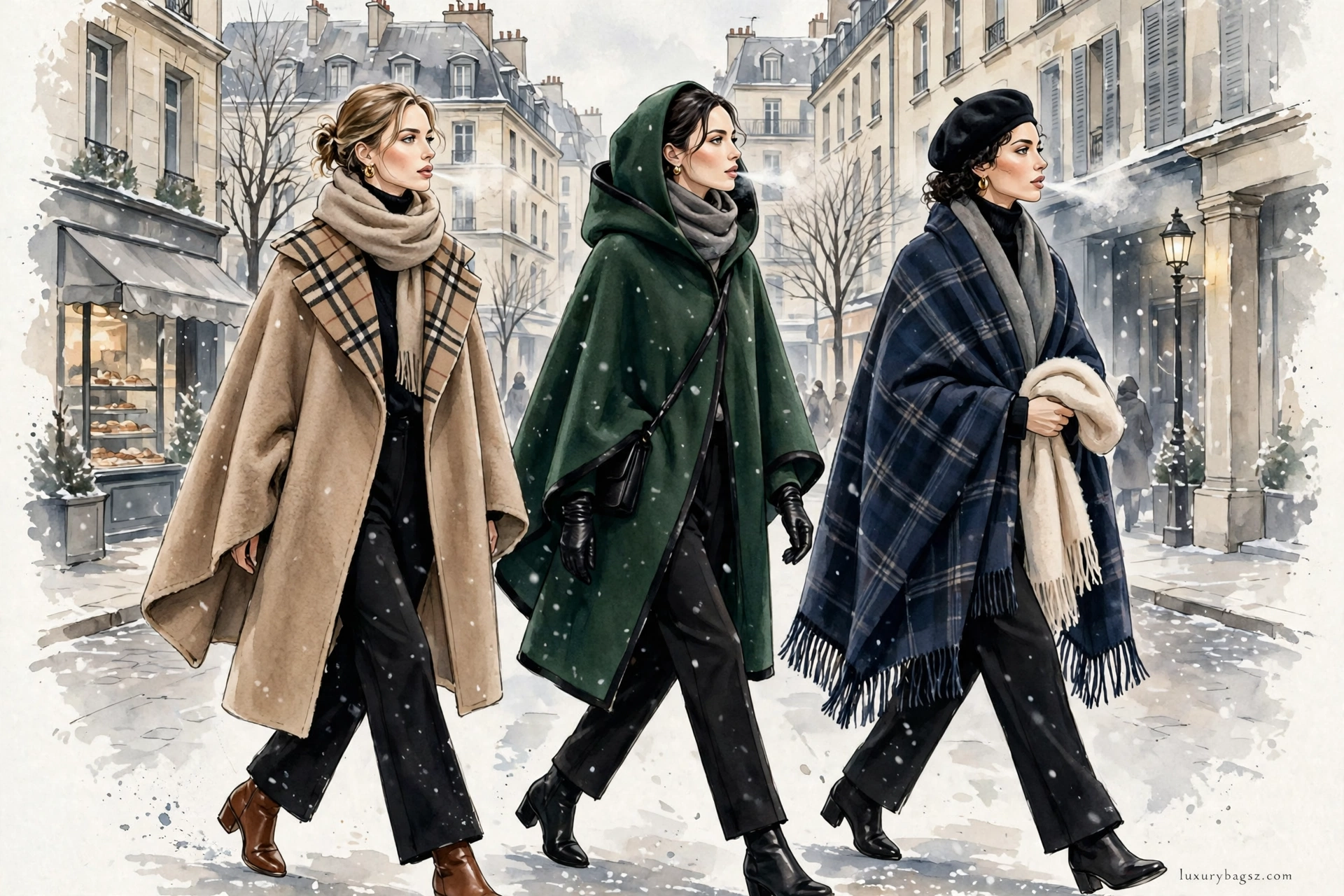
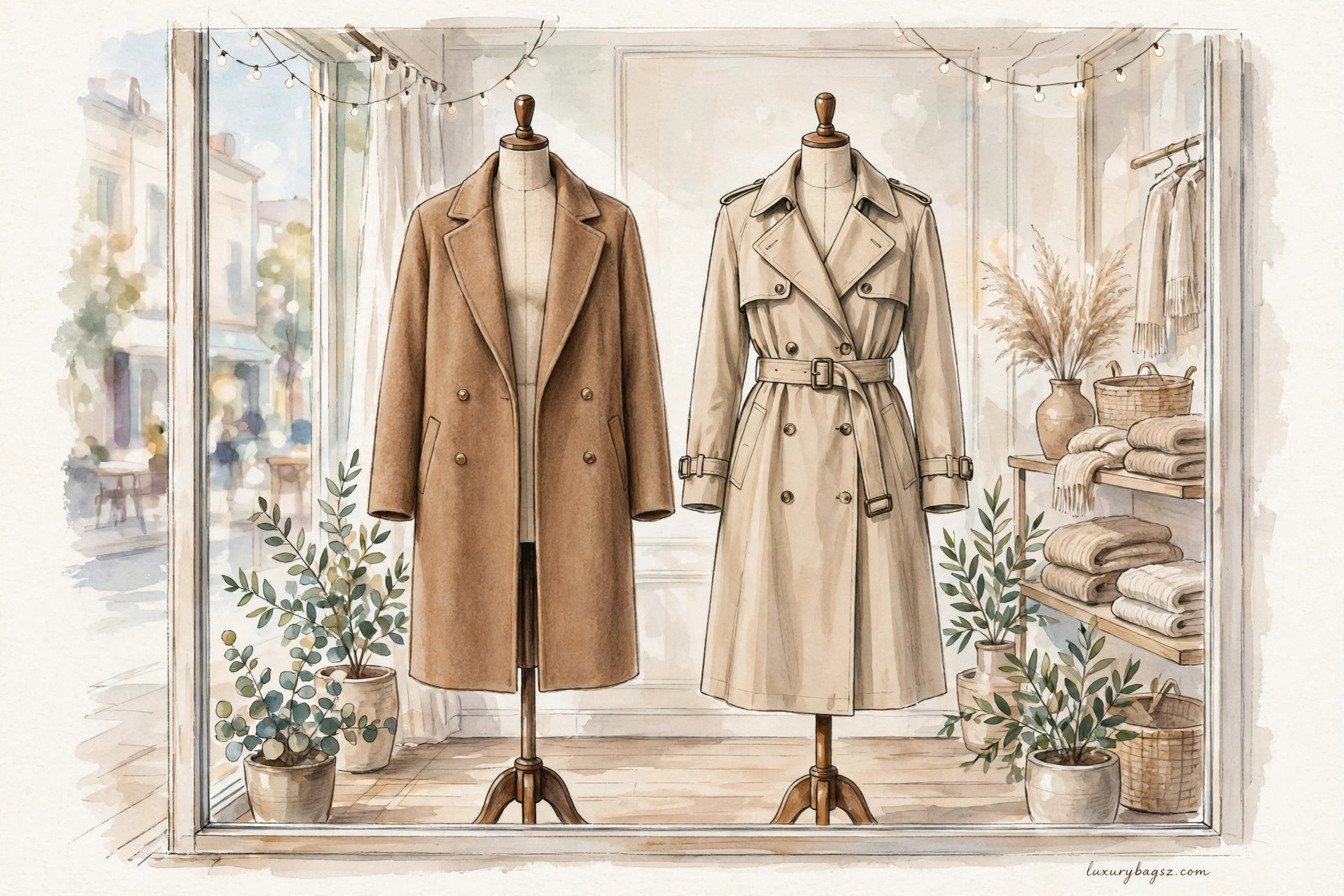
Max Mara is the default answer for a wool coat: the house built its name on camel coats, and its cuts suit more bodies than most rivals at the price. Burberry remains the trench reference, with gabardine cloth and a check lining that has barely changed in a century. Loro Piana leads for cashmere-blend storm coats. For leather and shearling, Saint Laurent and Loewe both cut sharply, but sizes run slim; try before you commit, and check shoulder fit first. A luxury coat should feel substantial in hand. If the cloth feels thin or the lining is loose, the price is buying the label, not the garment. Fit decides more than label at this level. Shoulders should sit cleanly without pulling, sleeves should show a sliver of cuff, and the coat should close over knitwear without strain across the back. Check the details that reveal the maker: hand-finished buttonholes, a lining that is set in smoothly, patterned cloth matched at the seams, and buttons sewn on with a thread shank so they sit flat and last.
When you try a serious coat, check three things the mirror will not show you. Lift it: good cloth has weight without stiffness. Open it: the lining should be smooth, generously cut and stitched, not glued. Then look at the buttonholes and the inside pockets. Houses that finish the hidden parts properly almost never cut corners on the visible ones.
Best for Knitwear and Soft Tailoring
Loro Piana and Brunello Cucinelli set the knitwear standard: fine-gauge cashmere and silk blends that keep their shape instead of sagging by spring. Johnstons of Elgin and Fedeli offer similar yarn quality for less, and both reward hand-feel checks: good cashmere feels dry and dense, not slippery. For soft tailoring, Cucinelli, Zegna and Kiton cut jackets that move like knitwear. The trade-off is structure; if you need a boardroom-sharp shoulder, look elsewhere. Knitwear is also the safest pre-owned luxury buy. Moths, not fashion, are the main risk, so check cuffs, elbows and underarms under bright light before paying.
Knitwear quality hides in the ply and the linking. A two-ply or four-ply cashmere knit costs more because there is simply more yarn in it, and it holds its shape through a winter of wear. Seams that are linked stitch by stitch, rather than cut and overlocked, sit flatter and survive longer. If a knit feels thin and papery at a luxury price, trust your hands.
Best for Tailoring, Dresses and Evening Pieces
Saint Laurent and Tom Ford cut the sharpest evening tailoring for women, with strong shoulders and long lines that photograph beautifully. For dresses, Emilia Wickstead, Roland Mouret and Victoria Beckham favour clean, structured shapes, while Zimmermann and Etro own print and movement. Denim is its own specialism: Frame, Agolde's premium lines and Brunello's casual range all beat most big-logo jeans on fit and fade. Whatever the category, run the checks in our guide to how to spot quality craftsmanship in designer clothing before the card comes out.
Denim and shirting reward the same discipline. Japanese selvedge denim from a specialist house fades beautifully and lasts a decade; a fashion logo on ordinary denim buys you neither. For shirts, long-staple cotton and mother-of-pearl buttons are the genuine upgrades — visible in five years of washing, not in the first photograph.

Casualwear: Where to Spend and Where to Save
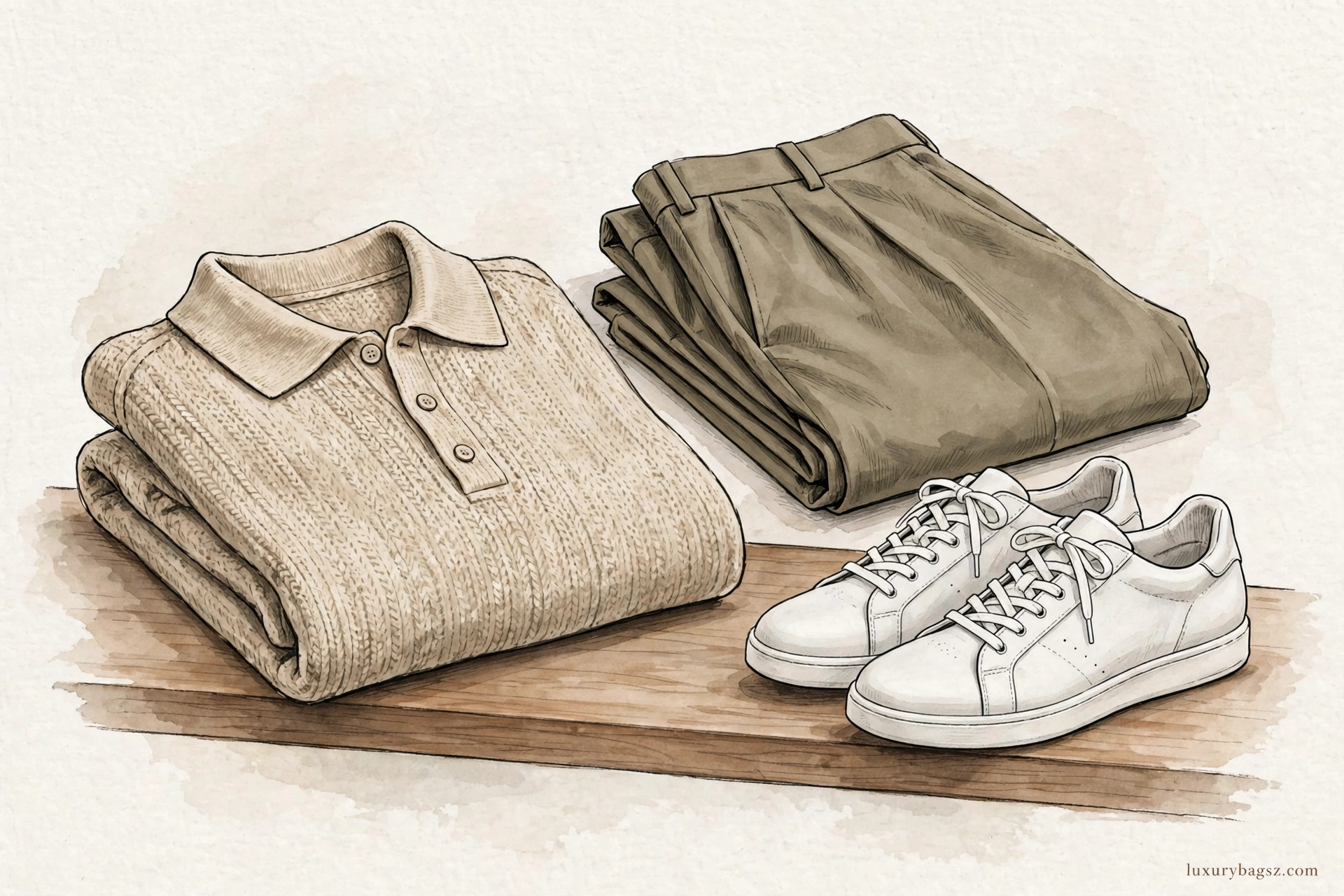
Luxury casualwear is the hardest sell in the wardrobe. A plain logo tee rarely outlasts a good mid-range one, and hoodies date with their prints. Spend instead on the casual pieces with real construction: knit polos, tailored joggers in wool blends, white trainers with stitched soles, and overshirts. Houses such as Ami, APC and Lemaire pitch this middle ground well, while the big fashion houses charge most for the logo, not the cloth. A fair rule: if the piece would look identical with the label removed, buy it in the sale or buy the quieter brand's version. Trainers deserve the same honesty. A stitched cup sole, full leather lining and restrained branding separate the pairs that last from logo footwear priced on fame alone. Cashmere-blend joggers and fine knit shorts sit at the sensible end of luxury casualwear: real cloth, real comfort, and shapes that survive more than one summer.
Evening pieces deserve a stricter test than day clothes, because they are worn rarely and photographed often. A beautifully cut dress in a plain cloth will outlast three embellished ones, and it can be restyled with different shoes and jewellery for years. Spend on the cut and the cloth; let accessories supply the novelty, because those are cheaper to replace.
Honest Price Bands, and What Drives Them
As a rough guide, expect luxury knitwear from around £250 to £800, coats from around £900 to £3,000, and tailored suits from around £1,200 upward. Dresses span the widest range: around £400 for modern quiet labels, rising past £2,000 for runway pieces from the fashion houses. Price rises with cloth origin, hand-finishing and country of making, but also with marketing. Two coats in similar wool can differ by £800 on voice alone. Care protects the spend, so follow the routines in our guide on how to care for designer clothing from the first wear.
Expect prices to climb steadily rather than stay still. Most large houses raise clothing prices at least once a year, and the increases land hardest on the icons — the coat, the knit, the bag-adjacent pieces everyone wants. Buying a classic a season earlier is rarely a mistake; waiting for a discount on a core piece usually is, because core pieces are exactly what sales exclude.
Building a Wardrobe From Two or Three Houses
Pick one house for your outerwear, one for knitwear or tailoring, and let everything else be quiet support. That keeps silhouettes coherent across outfits. Try the same size in store where you can; luxury sizing varies wildly between houses, and a brand's online size guide is a starting point, not a promise. Shoppers weighing fibre impact can compare cloth choices in our piece on sustainable materials in luxury fashion before building the list. Buy slowly, one strong piece per season. A wardrobe built over three years from two houses will out-dress a single-season spree every time.
Finally, judge a house by its repairs desk. The best clothing brands resole, reline, re-heel and re-button their own pieces for years, and they keep cloth and parts for older collections. A brand that will maintain what it sold you believes in its own quality in the only way that costs it money. Ask before you buy; the answer is a tier signal in itself.
Frequently Asked Questions
Which luxury clothing brand is best overall?
There is no single winner. Max Mara leads for coats, Loro Piana for knitwear and Saint Laurent for sharp tailoring. Best overall depends on the job the piece must do.
Are luxury clothes actually better quality?
Usually, in cloth and finishing, but not always by the full price gap. Check seams, lining and cloth weight in hand; some fashion lines charge mainly for design voice.
Which luxury brand holds its value best?
Heritage and quiet pieces in classic colours resell steadiest. Logo-heavy seasonal fashion pieces tend to lose the most once the season passes.
What is a sensible first luxury clothing buy?
A coat or a fine knit. Both get heavy wear, show quality clearly, and cost less per wear than almost any other luxury category in the wardrobe.
How can I tell real cashmere quality?
It should feel dense and dry, not slippery, and spring back when gently stretched. Very soft, shiny cashmere often uses shorter fibres and pills quickly.
Do luxury brands ever go on sale?
Yes. End-of-season sales, private client events and reputable outlets cut many lines by around a third or more. Core classics in black and camel are discounted least.
Is quiet luxury just a trend?
The look cycles, but the buying logic lasts: good cloth, plain colours and no logos date slowly. Pieces bought that way stay wearable long after louder fashion fades.
Which brands suit a smaller budget?
Look at modern mid-luxury names, the quieter diffusion care labels in store, and pre-owned heritage pieces. A used Max Mara coat often beats a new high-street one.
Why do sizes differ so much between houses?
Each house cuts for its own fit model and market. Italian tailoring often runs slim, while American and British cuts allow more room. Always try or check garment measures.
Should I buy luxury clothing online or in store?
In store for first buys from a house, so you learn its fit. Once you know your size in that label, online buying, including pre-owned, becomes far safer.
Final Verdict: Pick the Specialist, Then the Piece
Luxury clothing rewards buyers who shop by specialism: Max Mara for coats, Loro Piana for knitwear, sharp houses for tailoring, quiet labels for basics. Learn the quality checks, buy one strong piece at a time, and let two or three houses carry the whole wardrobe.