Zegna Brand Guide: History, Triple Stitch, Tailoring and Buying
Zegna in Brief: Start With the Fabric, Then the Fit
Zegna is an Italian menswear house that began as a wool mill and still builds its reputation on cloth. If you buy one thing first, make it a piece in a fabric you understand: a soft tonal suit for work, or a Triple Stitch shoe for everyday luxury. Either way, buy the fit you have tried, not the size you assume, because Zegna's soft, relaxed tailoring behaves differently from stiff formal suits.
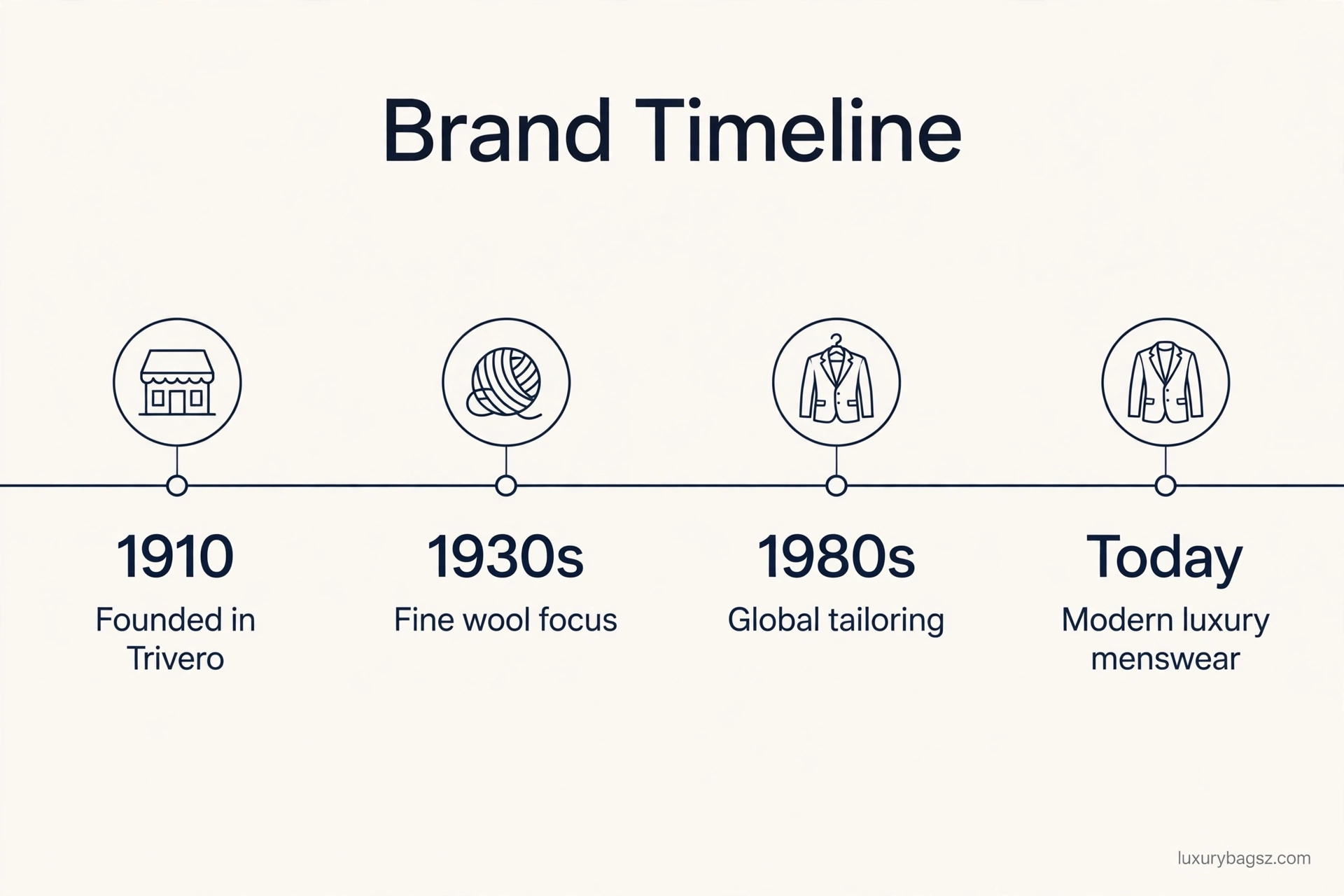
The house was founded in 1910 in Trivero, in the Biella Alps of northern Italy, when Ermenegildo Zegna took over his father's small wool mill. It grew from cloth into finished garments, became a global menswear business, and listed on the New York Stock Exchange in 2021, when the consumer brand shortened its name from Ermenegildo Zegna to ZEGNA. The family remains in control, four generations on.
Key Takeaways
- Zegna was founded in 1910 as a wool mill in Trivero, Piedmont, Italy, by Ermenegildo Zegna.
- The house still develops its own cloths, including Oasi Cashmere and Oasi Lino linen.
- The Triple Stitch slip-on shoe, introduced in 2014 and redesigned under Alessandro Sartori, is the modern icon.
- Artistic director Alessandro Sartori, back in the role since 2016, moved the house toward softer, tonal luxury leisurewear.
- Buy for fabric and fit first, check shoes for sole and elastic wear pre-owned, and keep tailoring soft rather than stiff.
From Wool Mill to Menswear House
Ermenegildo Zegna was twenty when he took over the family mill in 1910, with an ambition to make the finest fabric in the world. Rather than buying through brokers, he imported raw wool directly from Australia, Mongolia and South Africa, so the house could control fibre quality from the start. That vertical control — owning the mill, weaving the cloth and then making the garment — remains Zegna's clearest advantage over houses that buy cloth in.
The business moved from cloth into finished garments in the 1960s and grew into one of the largest menswear businesses in the world. Its early retail steps included a first boutique in Paris, followed by Milan and New York in the 1980s, and a first boutique in China in 1991. In the 1930s the founder also planted trees and built roads and a school around the mill, land later named Oasi Zegna, a protected landscape the house still opens to the public.
Leadership changed over the decades, but the family thread held. Alessandro Sartori, born in Trivero, first joined Zegna as a designer in 1989, later led the Z Zegna line, spent time at Berluti, and returned as artistic director in 2016. Under Sartori, Zegna shifted away from strict formal suits toward softer tailoring and tonal outfits, a move that explains both the Triple Stitch shoe and the house's current leisurewear feel.
The Triple Stitch Shoe Explained
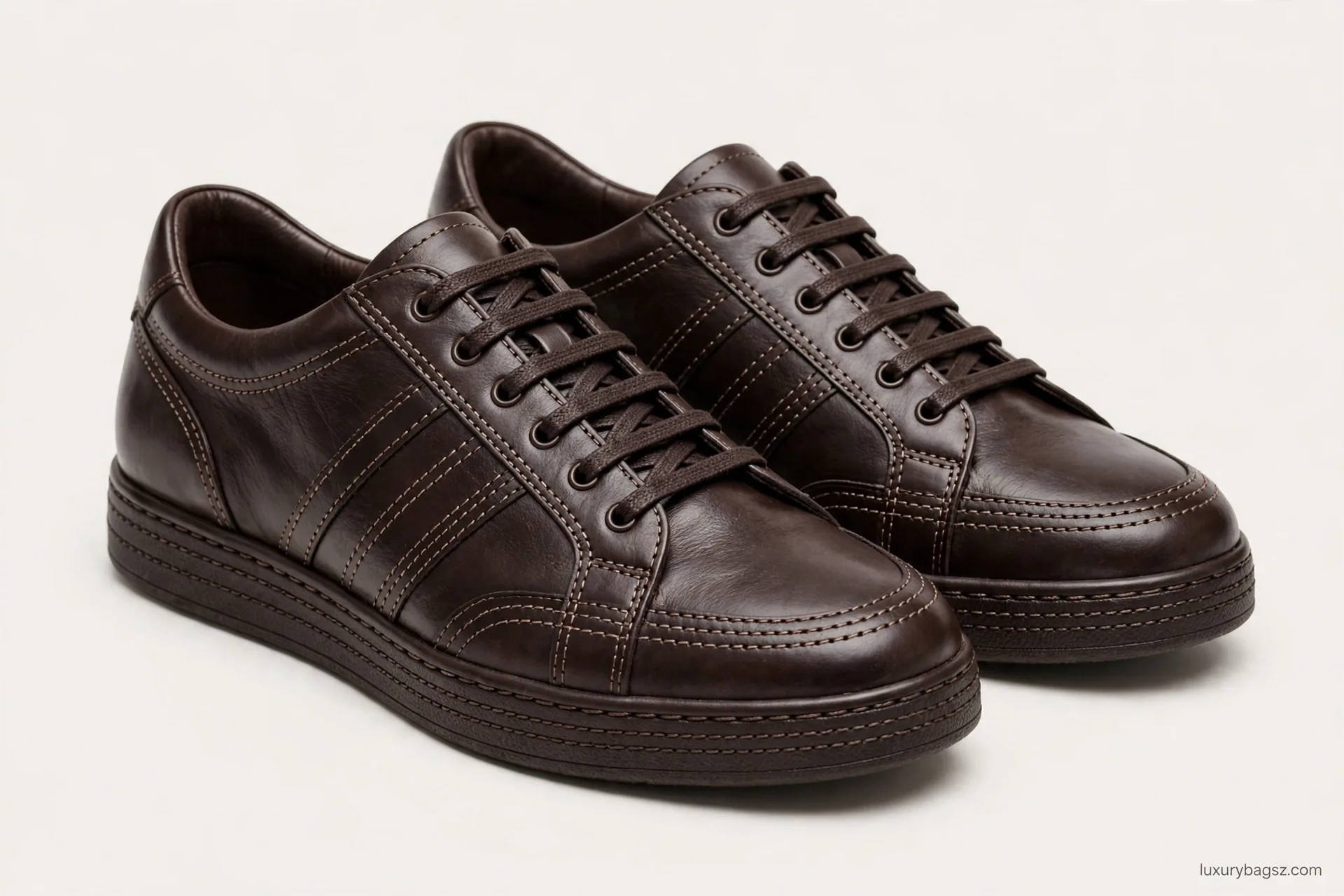
The Triple Stitch is Zegna's signature slip-on shoe, and it explains the modern house better than any suit. It is a laceless shoe with crossed elastic bands over the instep, designed to slip on like a loafer while looking refined enough for smart settings. The name comes from the triple-crossed stitching detail, which the house presents as both a symbol of tailoring heritage and a functional fastening.
Sources differ slightly on dates, so treat them with care. The Triple Stitch was introduced in 2014, and Sartori redesigned it around 2019 to 2020 into the softer, lighter form most buyers know today. Later versions use materials such as SECONDSKIN glove leather, suede and deerskin, and newer lines such as the Triple Stitch Vetta take the idea toward a more outdoor, hiking-influenced shape. The core remains the same: no visible logo, soft leather, light sole and easy slip-on wear.
Fit needs attention because the shoe has no laces to adjust. Try your usual size first, but check the instep, the heel grip and the toe room while walking, not just standing. A shoe that slips at the heel in the shop will slip more once the leather softens, while a shoe that pinches across the instep rarely stretches enough to become comfortable. If you are between sizes, prioritise heel grip and instep comfort over toe length alone.
Tailoring, Leisurewear and the Sartori Look
Sartori's Zegna is built on soft shoulders, tonal colour and fluid shapes rather than stiff structure and sharp contrast. Suits, overshirts, knitwear and trousers are often worn in a single colour family, creating a long, calm line that looks expensive without shouting. That tonal approach suits many body types, because it avoids breaking the figure at the waist or ankle with harsh colour changes.
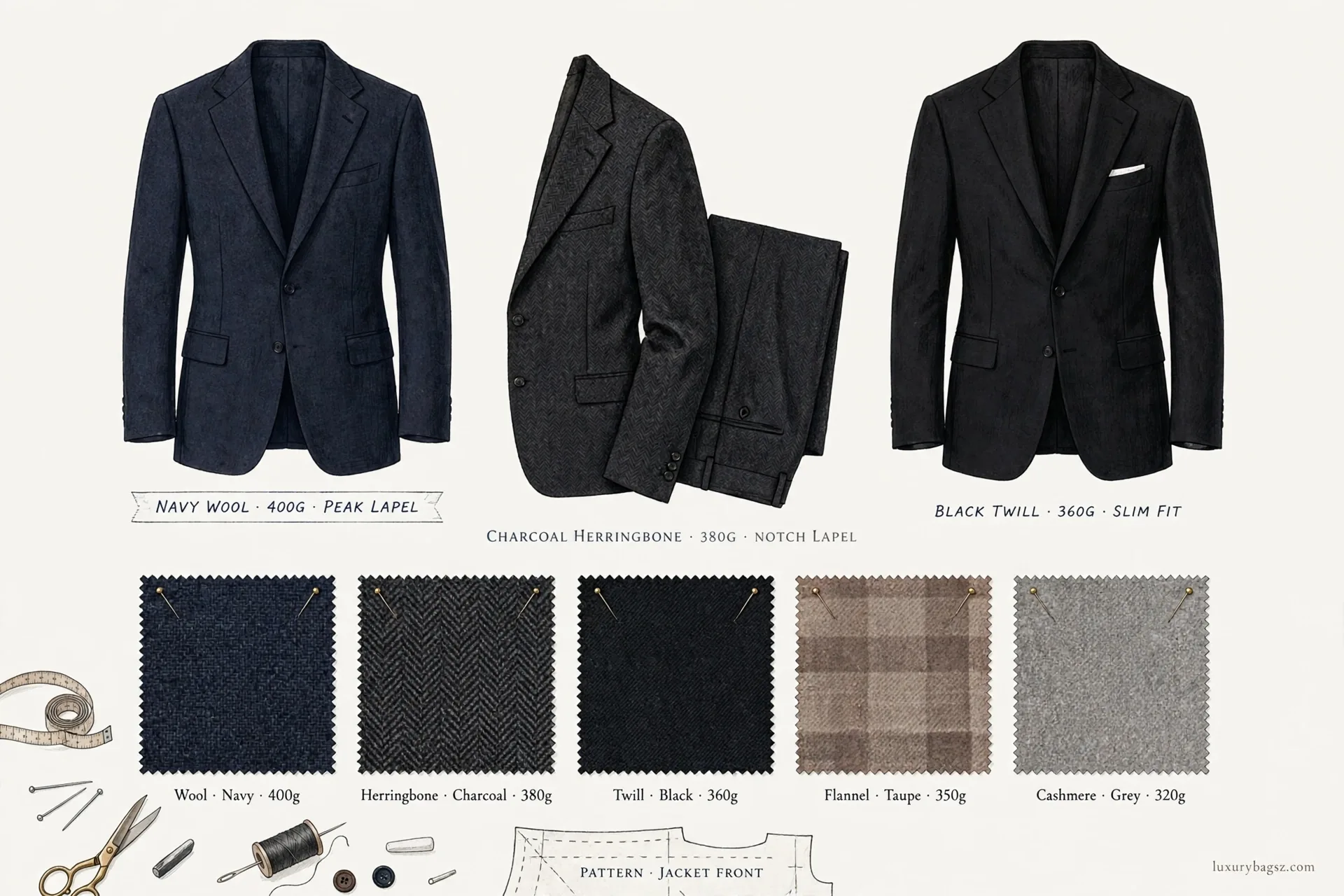
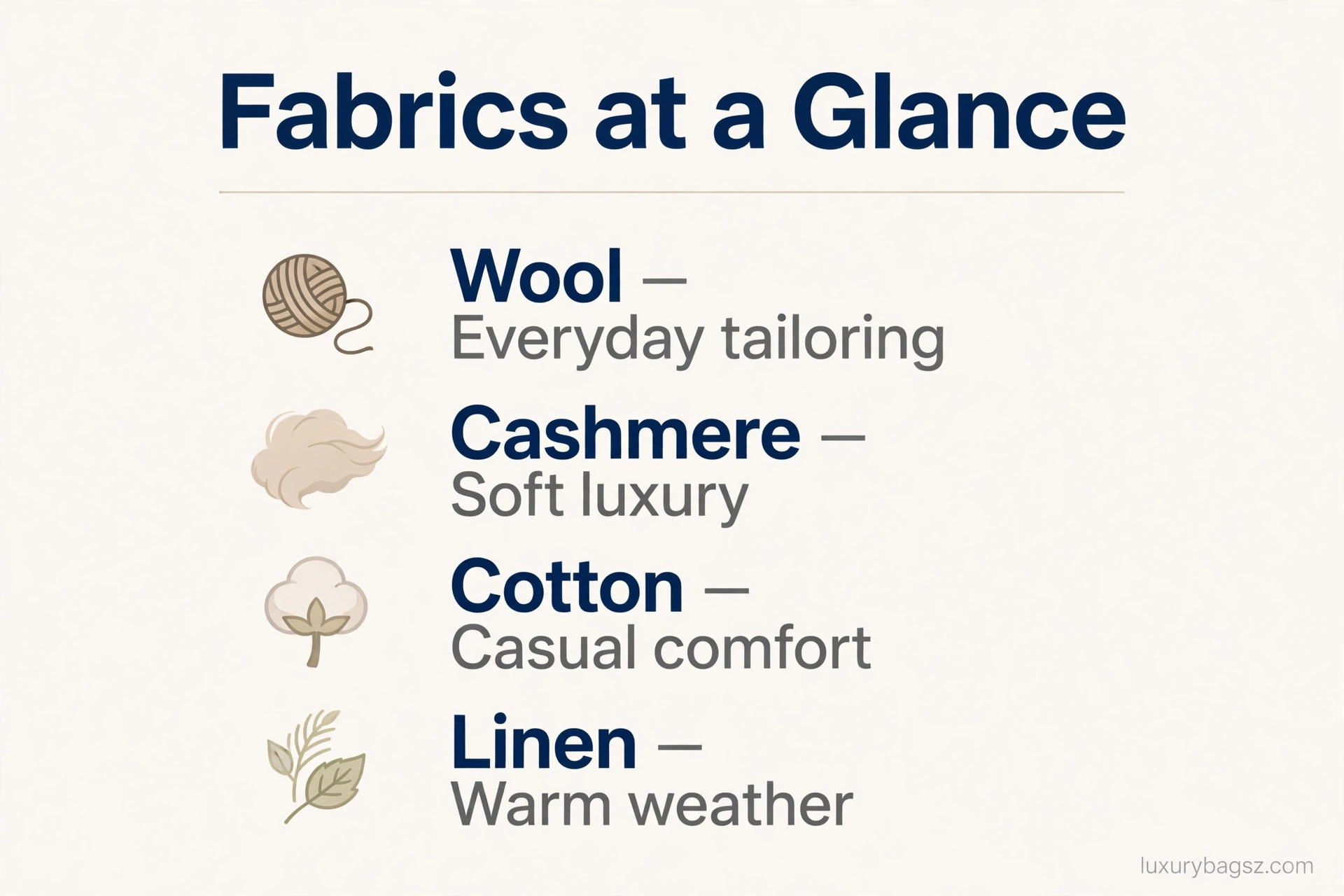
Fabric is where the money goes, and Zegna's own cloths are the reason to choose the house over a cheaper lookalike. Trofeo wool, 15milmil15 and Centoventimila are among the house's fine wool cloths, while Oasi Cashmere covers traceable cashmere knitwear and Oasi Lino covers linen for summer. You do not need to memorise every cloth name, but you should feel the difference: Zegna cloth drapes softly, recovers well from creasing, and feels substantial without heaviness.
Su Misura, the house's made-to-measure service, is worth considering when off-the-peg fits almost but never quite work. It suits buyers with a long torso, broad shoulders, a short leg or any combination that standard sizes handle poorly. For most buyers, however, a good off-the-peg fit plus a skilled local tailor for hemming and waist adjustment gives most of the benefit at a fraction of the cost.

Fabrics: What Oasi Cashmere and Oasi Lino Mean
Oasi is the name Zegna gives to its nature and traceability project around its home in Trivero, and to the fibres linked with it. Oasi Cashmere refers to cashmere that the house presents as traceable, while Oasi Lino refers to linen developed for summer tailoring and leisurewear. Both are marketed as part of a longer commitment to the landscape, farming partners and fibre quality that began with the founder's tree planting in the 1930s.
In practical terms, cashmere knitwear from Zegna should feel soft, dense and even, with no thin patches or rough handling. Check the cuffs and hems for stretching, and check the underarms and sides for pilling after wear. Linen, by contrast, will crease, and that is not a fault: Oasi Lino is designed to look relaxed, so judge it by drape and comfort rather than by expecting a crisp, wrinkle-free finish.
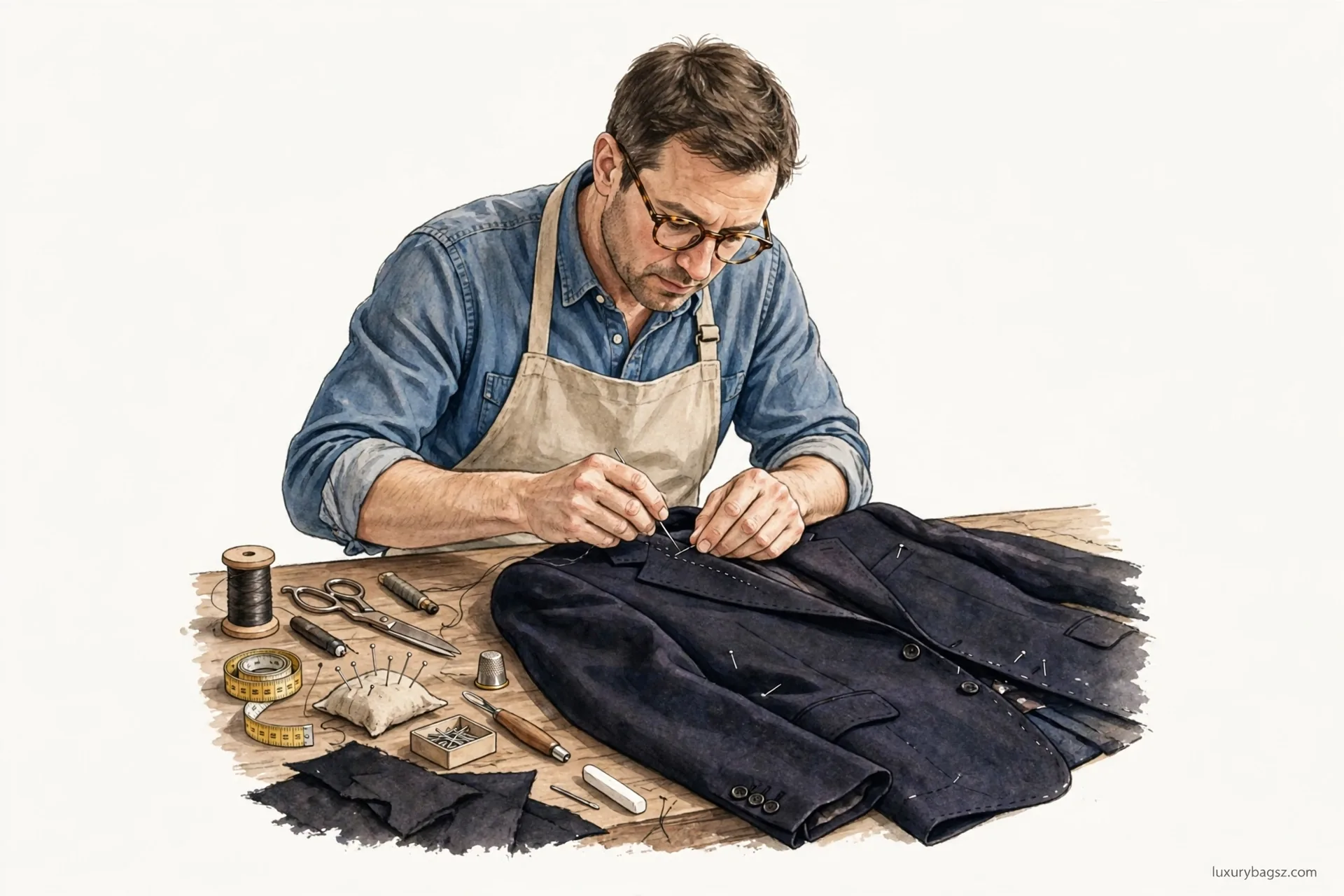
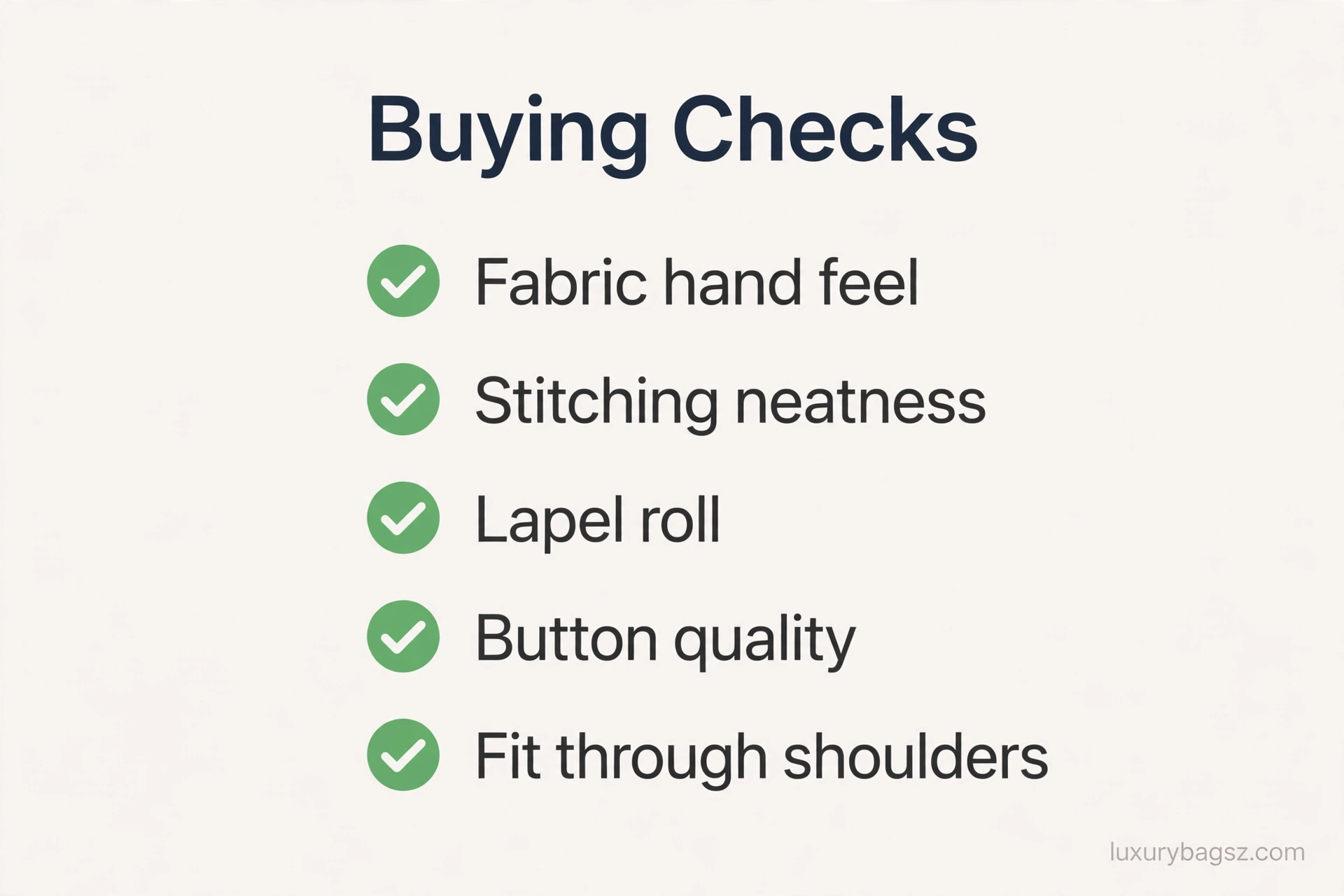
Wool suits need a different check. Hold the cloth up to the light for thin spots, feel for an even weave, and check that the jacket's shoulders, collar and lapels lie flat without rippling. A well-made Zegna suit should feel soft in the hand but hold its shape on the body, without the stiffness of a heavily canvassed formal suit or the limpness of an unstructured jacket that collapses at the shoulder.
Sizing, Fit and Buying New
Zegna sizing follows European conventions, and its relaxed tailoring means your usual size in a stiff formal brand may feel different here. A soft-shouldered jacket in your normal size should still sit cleanly at the shoulder, close without pulling, and allow a full range of arm movement. If the shoulder extends past your natural shoulder, the jacket is too big, however comfortable it feels.
Trousers deserve equal care. Zegna's tonal outfits depend on a clean trouser line, so check the waist, seat and break at the shoe. A trouser that pools heavily at the ankle breaks the long line the house designs for, while a trouser that pulls at the seat will not improve with wear. Hem to the shoe you will actually wear most, not to a dress shoe you rarely use.
Buy new from Zegna boutiques, its website or authorised department stores when you want the current fit, a full guarantee and a reliable return. Prices vary widely by fabric and construction, so compare like with like: a suit in a fine house cloth is a different product from a leisurewear set in a simpler fabric, even when both carry the same brand name. Ask what the cloth is, not just what the label says.
Building a Zegna Wardrobe That Works
A small Zegna wardrobe works better than a large, scattered one. Start with one tonal outfit — for example, a soft suit or a knit-and-trouser combination in navy, grey or a warm neutral — plus a pair of Triple Stitch shoes in a colour that matches it. That foundation covers work, dinners and travel, and every later piece should earn its place by pairing with it.
Our guide to a minimalist capsule wardrobe for men follows the same logic: fewer pieces, more outfits, and no orphan items that match nothing else. Apply that test ruthlessly to Zegna, because tonal pieces that look beautiful alone can still fail if their shade matches nothing you own. Hold a new piece against your existing wardrobe in daylight before committing.
Leather goods complete the picture. A structured briefcase or a soft tote in a neutral leather carries the same quiet luxury as the clothing, and it should be chosen for function first. Our advice on leather briefcase buying covers size, compartments and carry comfort, all of which matter more than a visible logo. Zegna's appeal is precisely that it does not need one.
Care, Pre-Owned Checks and What to Avoid
Care for Zegna tailoring is gentle and regular. Brush wool suits after wear, rest them between wears, and dry clean sparingly rather than after every outing, because over-cleaning wears cloth faster than careful wear. Store jackets on shaped hangers with room to breathe, and keep knitwear folded rather than hung, so it does not stretch out of shape.
Shoe care matters just as much. Clean suede and leather Triple Stitch shoes after wet or dusty days, use a suitable protector before first wear, and rotate shoes so no pair is worn two days running. Our notes on leather bag and shoe care apply directly, and the same gentle-first approach suits Zegna leather goods. When choosing between leather colours, our comparison of brown vs black leather jacket thinking — buy the colour you already wear most — transfers well to shoes and bags.
Pre-owned Zegna needs sharp checks. On shoes, inspect the soles, the elastic bands, the heel lining and the insole for wear, because slip-on shoes show use faster than laced shoes. On tailoring, check shoulders, collar, cuffs and trouser seat for wear, shine or repair, and ask for measurements rather than trusting a size label. Avoid heavily worn slip-ons, however cheap, because resole and elastic repair may cost more than the saving.
Frequently Asked Questions
1. When was Zegna founded? Zegna was founded in 1910 in Trivero, Piedmont, Italy, as a wool mill by Ermenegildo Zegna.
2. Is Zegna the same as Ermenegildo Zegna? Yes, in consumer terms. The brand shortened its name from Ermenegildo Zegna to ZEGNA in 2021, while the parent group keeps the longer name.
3. What is the Triple Stitch shoe? It is Zegna's laceless slip-on shoe with triple-crossed elastic bands over the instep, introduced in 2014 and redesigned under Alessandro Sartori.
4. Does the Triple Stitch run true to size? Try your usual size first, but prioritise heel grip and instep comfort, because there are no laces to adjust a loose or tight fit.
5. What is Oasi Cashmere? Oasi Cashmere is Zegna's traceable cashmere range, linked to its Oasi nature and fibre project around its Trivero home.
6. What is Oasi Lino? Oasi Lino is Zegna's linen range for summer tailoring and leisurewear, designed to drape softly and look relaxed, including natural creasing.
7. Who is Zegna's artistic director? Alessandro Sartori, who returned to the role in 2016 and moved the house toward softer, tonal luxury leisurewear.
8. Is Zegna worth the price? For buyers who value house-woven cloth, soft tailoring and quiet design, yes, especially in core fabrics. Compare cloth and construction, not just the label.
9. How do I care for a Zegna suit? Brush after wear, rest between wears, dry clean sparingly, and store on a shaped hanger with room to breathe.
10. What should I buy first from Zegna? A tonal suit or knit-and-trouser outfit in a neutral you already wear, plus Triple Stitch shoes in a matching colour, is the classic foundation.
Conclusion: Quiet Cloth, Honest Fit, Long Wear
Zegna is at its best when you buy cloth you can feel, a fit you have walked in, and colours that already live in your wardrobe. Start with one tonal outfit and one pair of Triple Stitch shoes, care for them gently, and add only pieces that pair with that foundation. That restraint is the house's whole philosophy, and it is also the surest way to get your money's worth from it.