Givenchy Antigona Bag: History, Sizes and Prices Explained
The Givenchy Antigona at a Glance
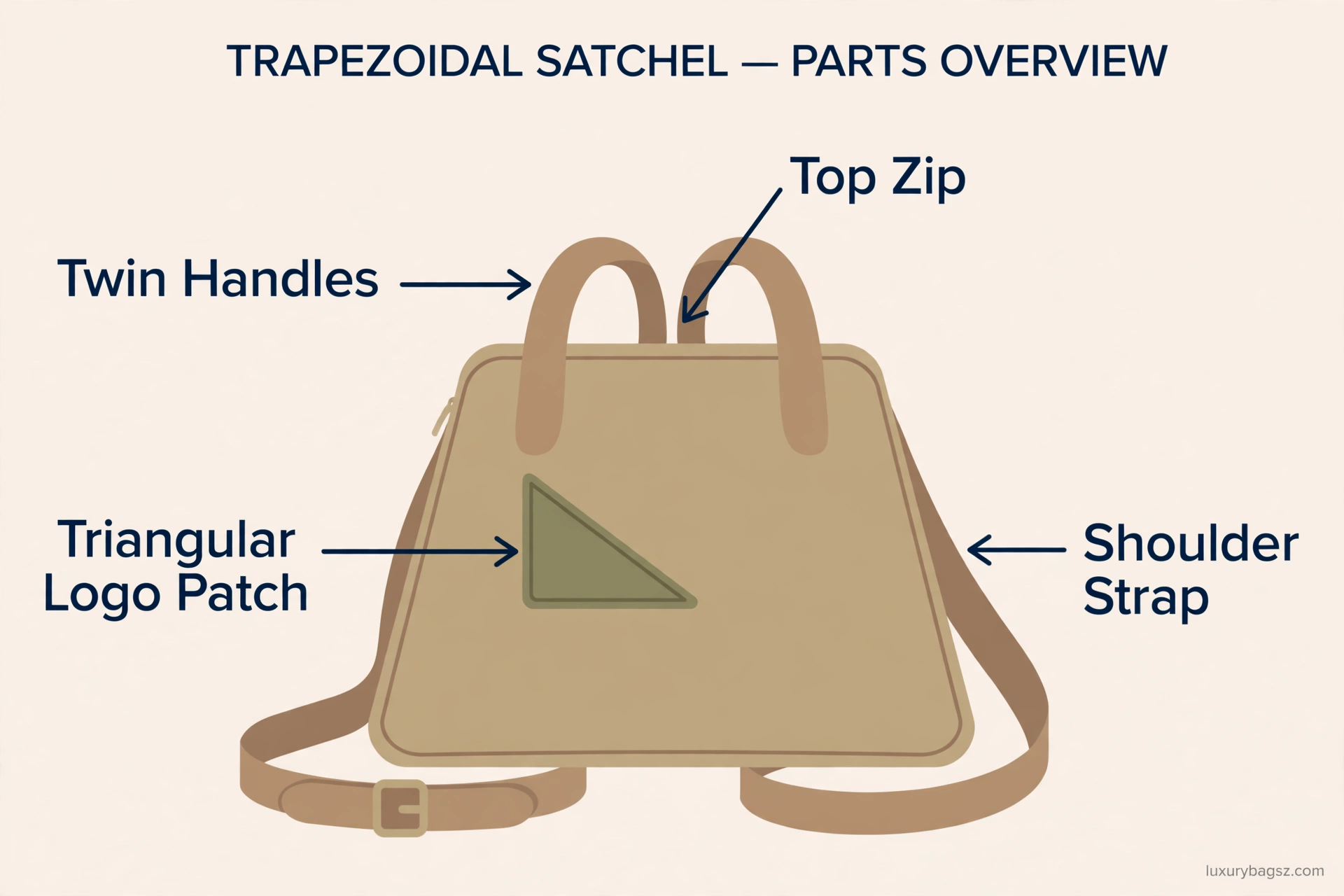
The Givenchy Antigona is a rigid, trapezoidal satchel with two top handles, a top zip, and a detachable shoulder strap. It was unveiled in 2011 by then creative director Riccardo Tisci, as the structured successor to the relaxed Nightingale from 2005. Its name comes from Antigone, the Greek mythological heroine whose name means "unbending", a fitting label for such a firm, architectural bag.
The Antigona became a modern Givenchy icon because it balances masculine structure with feminine polish. It looks sharp with tailoring, yet it carries like a work bag. That mix is why it survived the end of Tisci's tenure and keeps being reissued under later creative directors.
Prices in this guide are dated where stated, because Antigona prices have risen repeatedly. Guides from 2016 to 2017 put the mini near $1,595 to $1,750, the small near $2,125 to $2,280, and the medium near $2,435. Treat those as history, and check current Givenchy retail before you budget.
Key Takeaways
- The Antigona launched in the Fall/Winter 2011 collection under Riccardo Tisci, following the 2005 Nightingale.
- Its signature shape is a rigid trapezoid with twin top handles, a top zip, and a triangular logo patch.
- The three main sizes are mini, small, and medium; an earlier large was renamed to medium by some guides.
- The mini suits essentials, the small is the most popular everyday size, and the medium works as a work bag.
- Early Antigona straps were fixed; later versions have a removable strap released by aligning breaks in the rings.
- The Antigona Soft, from Spring 2020, is a relaxed, slouchier take on the same design.
- Hardware is usually goldtone or silvertone, with a rare gunmetal Kenya Metal edition.
History: The Structured Answer to the Nightingale
Givenchy needed a second icon after the Nightingale's success in 2005. The Nightingale was relaxed and slouchy, so Tisci went the opposite way: a firm, upright satchel with clean lines and no softness to hide behind. The Antigona arrived in the Fall/Winter 2011 collection and became popular almost at once.
The name choice was deliberate. Antigone is a strong, unbending figure from Greek myth, and the bag borrows that character. Its rigid walls hold their shape empty or full, which is the whole point. A bag named for unbending should not flop, and the classic Antigona does not.
That rigidity also explains its long life. Trends moved from slouchy to structured and back again, but a well-made trapezoidal satchel always has a place. Under later directors, Givenchy kept the shape and changed the details, which is how a 2011 bag still feels current.
Design: What Makes an Antigona Recognisable
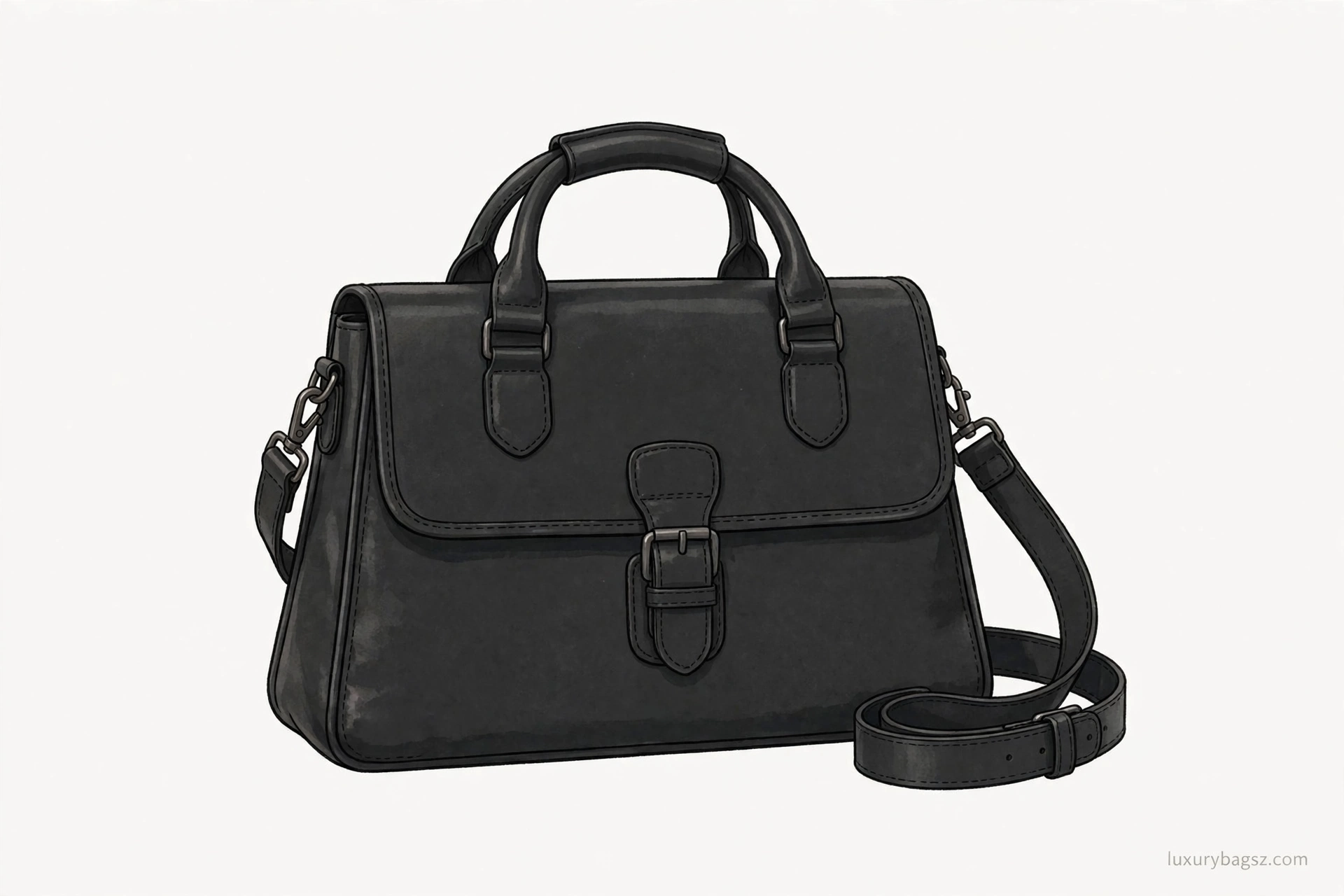
Strip away the branding and the Antigona is still easy to spot. Look for a trapezoid that is wider at the base than at the top, two upright top handles, a full top zip, and a triangular logo patch on the front. The silhouette reads like a refined duffle, shorter and more tailored than a weekend bag.
Inside, the layout is simple and practical. The classic Antigona has two interior slip pockets and one interior zip pocket, with a shoulder strap for hands-free wear. There is no maze of dividers, which keeps the bag light and easy to pack, though small items can drift without a pouch.
The strap deserves attention when you shop. Several of the first Antigona versions did not have removable shoulder straps. Givenchy later updated the hardware so the strap could be removed by aligning breaks in the rings to slip them off. If a removable strap matters to you, confirm it in photos rather than assuming it.
Sizes: Mini, Small, and Medium
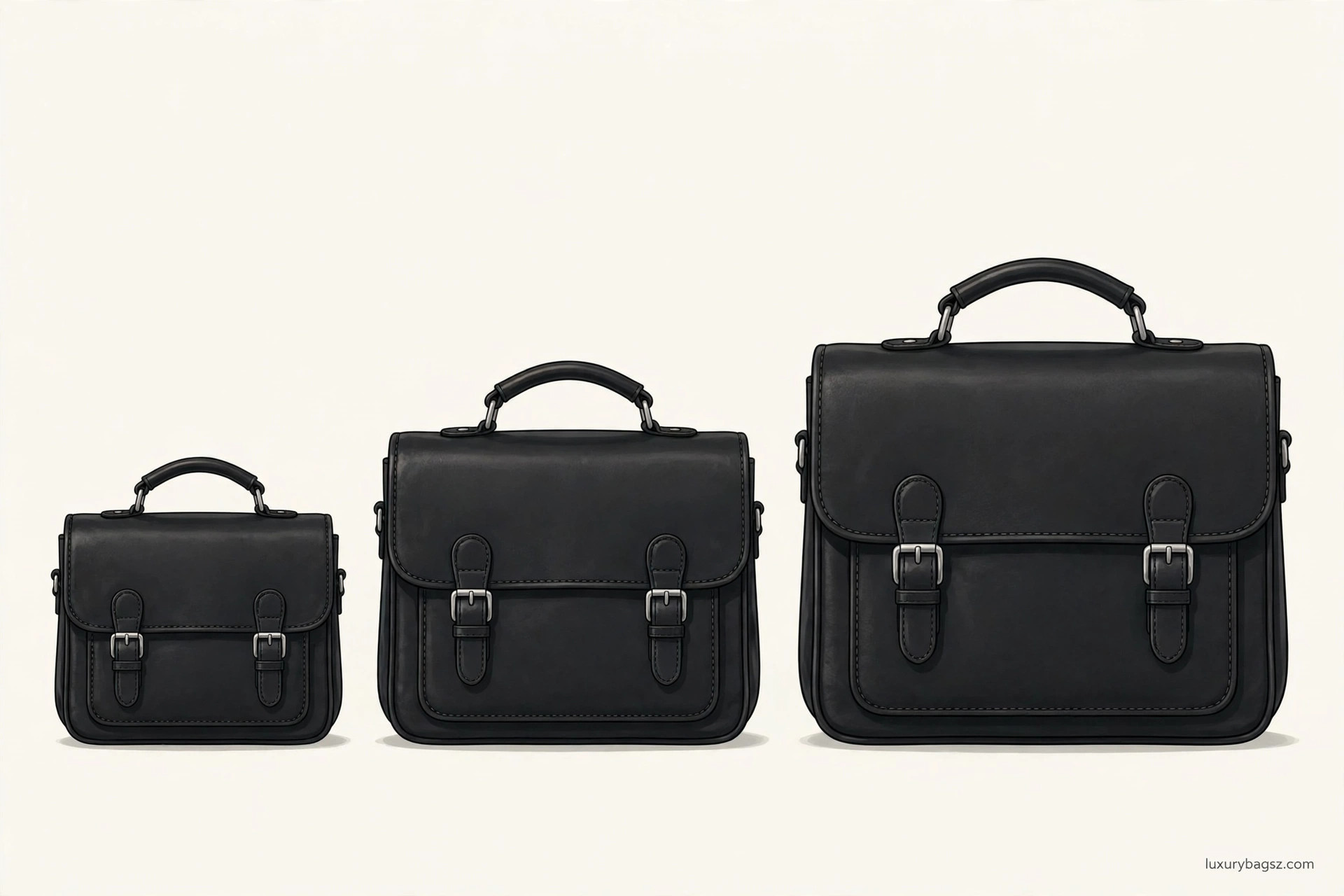
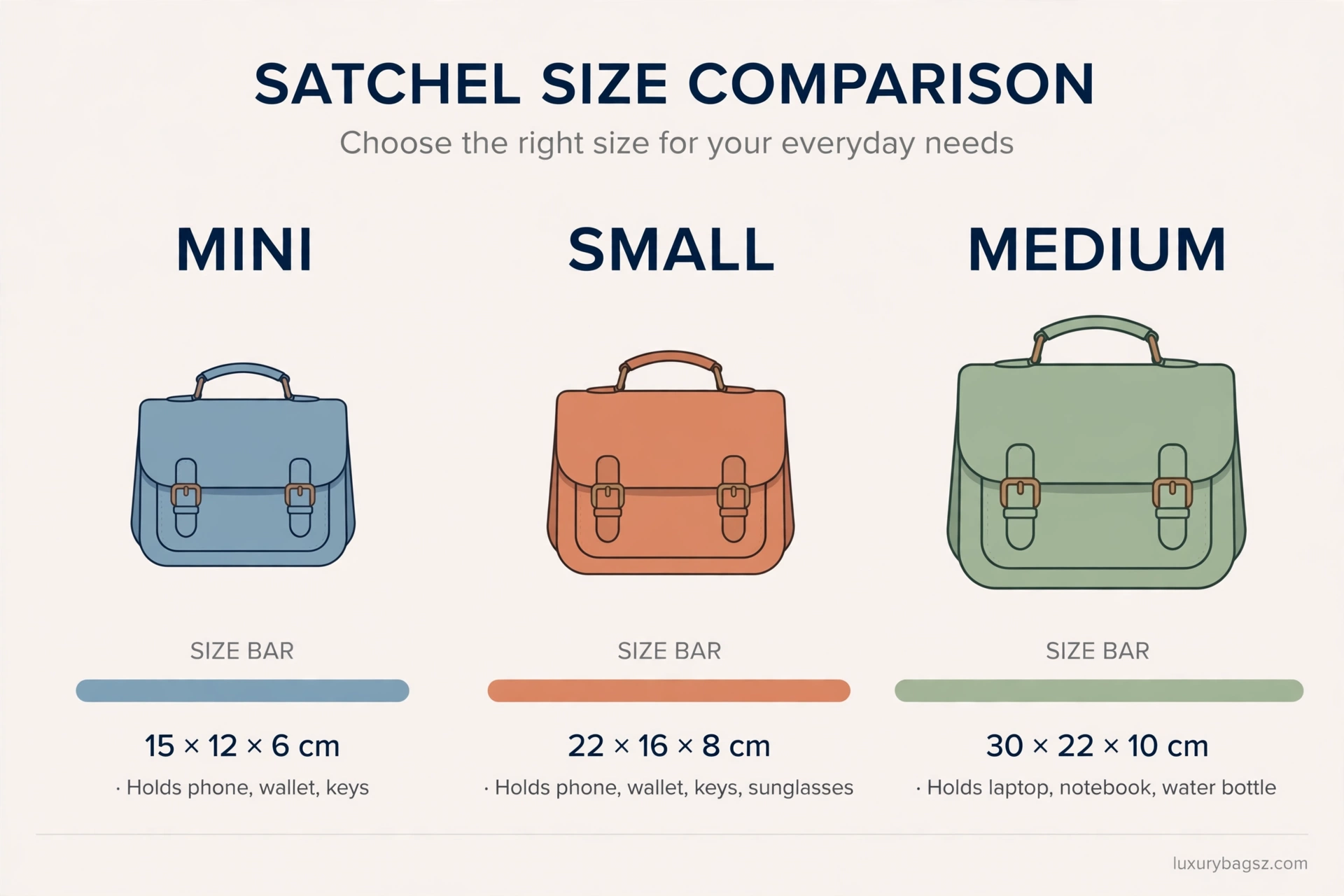
The Antigona's range of sizes is a big part of its appeal, because the same design serves very different lives. The three main sizes are mini, small, and medium. Guides disagree on the past: some list four sizes including a large, while others note the original large was later renamed to medium. For current shopping, mini, small, and medium are the sizes to compare.
The mini is a crossbody-sized bag for essentials. The small is widely described as the most popular size, and it suits most everyday needs. The medium feels large in hand, almost like a small weekender, and it is the pick for work or travel days when you carry more.
Newer tiny formats have joined the family in recent years, including micro, toy, and cube versions, plus an east-west shape introduced under Sarah Burton. Those are worth knowing about, but they are not the classic Antigona most guides mean. Start with mini, small, and medium, then explore the newer formats only if you want something smaller or wider.
Size Chart: Dimensions and What Fits
Reported dimensions vary slightly between guides, so use these as a comparison, not a promise down to the millimetre. The mini measures about 8.7 by 7.7 by 5.3 inches. The small measures about 11 by 9.45 by 6.5 inches. The medium measures about 13.4 by 11.4 by 7.5 inches.
What fits follows naturally from those numbers. The mini holds a phone, card case, keys, and lipstick, and little else. The small holds a wallet, phone, sunglasses, keys, and a small pouch, which is why it suits daily life so well. The medium holds all of that plus a small tablet, a book, and a makeup pouch, and it can stand in as a light work bag.
One warning: the medium's depth makes it look bigger on the body than its width suggests. If you are petite or you dislike a bag that projects far from your side, try the small first. If you carry a tablet daily, the medium earns its size.

Materials, Hardware, and the Antigona Soft
The classic Antigona is most often seen in grained and smooth leathers, with patent and nubuck versions surfacing over the years. Grain matters here: a grained finish hides scuffs and keeps the rigid shape looking crisp, while smooth leather looks dressier but marks more easily. Choose grain for daily wear and smooth for occasion wear.
Hardware is deliberately simple. Givenchy has stuck mostly to goldtone and silvertone options on the Antigona. One exception is the limited Kenya Metal edition, which uses slightly darker gunmetal hardware. If a listing shows an unusual hardware colour, check the edition name before assuming it is standard.
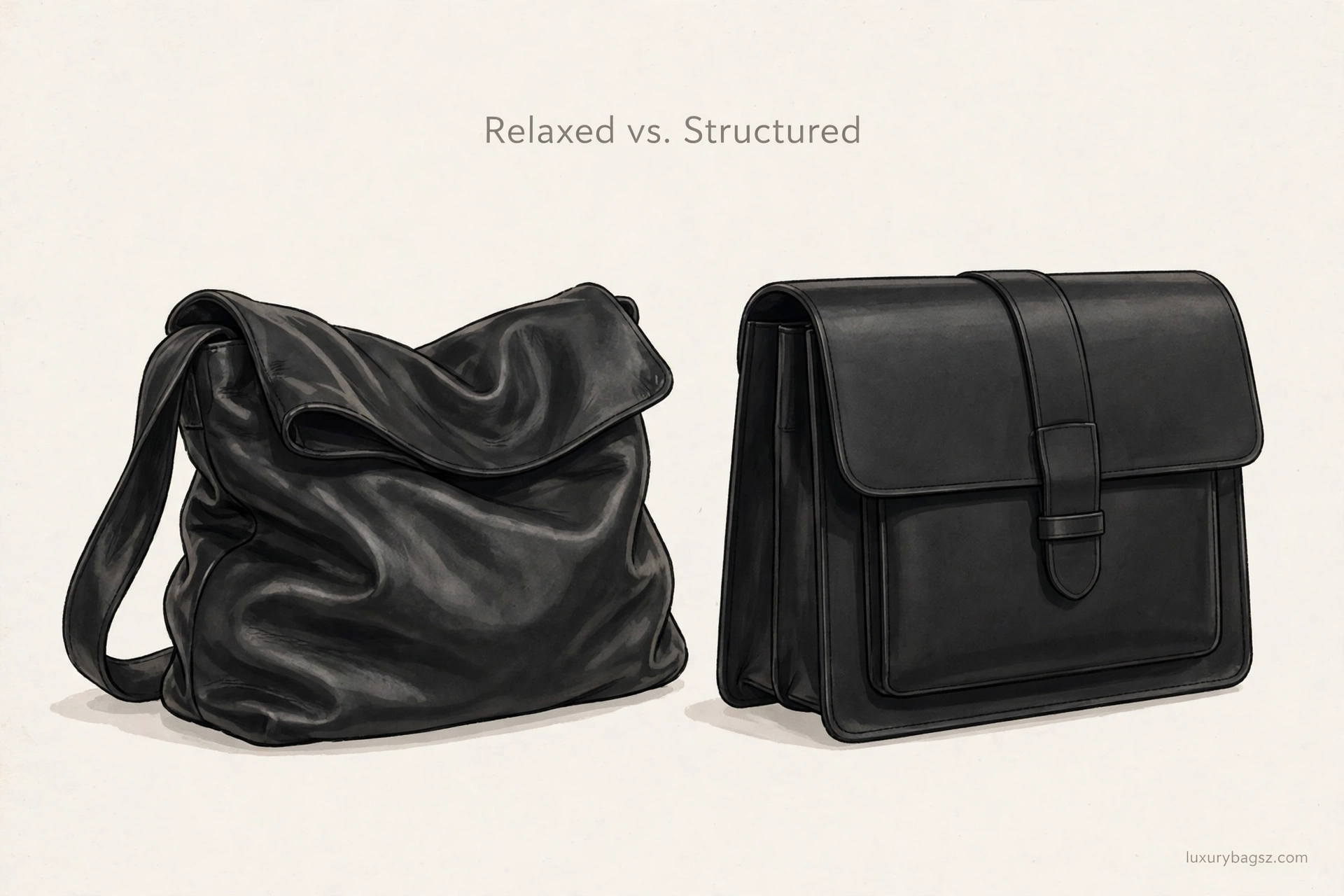
In Spring 2020, Clare Waight Keller introduced the Antigona Soft, which blends the Antigona's design with the Nightingale's relaxed feel. It is made in more pliable calfskin and slouches where the classic stands firm.
Later, Matthew Williams reworked the bag again with industrial hardware and a monogrammed padlock inspired by Paris love locks. Soft or classic is a real fork in the road, so decide which character you want before you fall for a colour.
Prices, Value, and Care
Antigona pricing rewards patience and punishes impulse. Dated guides put the classic line near $1,595 to $1,750 for the mini, $2,125 to $2,280 for the small, and $2,435 for the medium in 2016 to 2017. More recent reports put the largest classic size near $2,650, with smaller newer formats below that. Always check current retail for the exact size and material, since leather and hardware move the price.
On resale, the Antigona holds up best in classic colours and grained leather, with the full set of accessories. Condition, rarity, and completeness drive the result, as our guide to resale value explains. Loud seasonal colours and heavily worn corners discount fastest, while black and neutral small bags stay easiest to sell.
Care is straightforward but strict. The rigid shape depends on its structure, so store the bag stuffed and upright, never folded or crushed under other bags.
Wipe leather with a soft dry cloth, protect it from prolonged rain, and condition only with a product suited to the finish. Our leather bag care guide walks through each finish so you do not soften a structured bag by accident.
Buying Pre-Owned: Checks That Matter
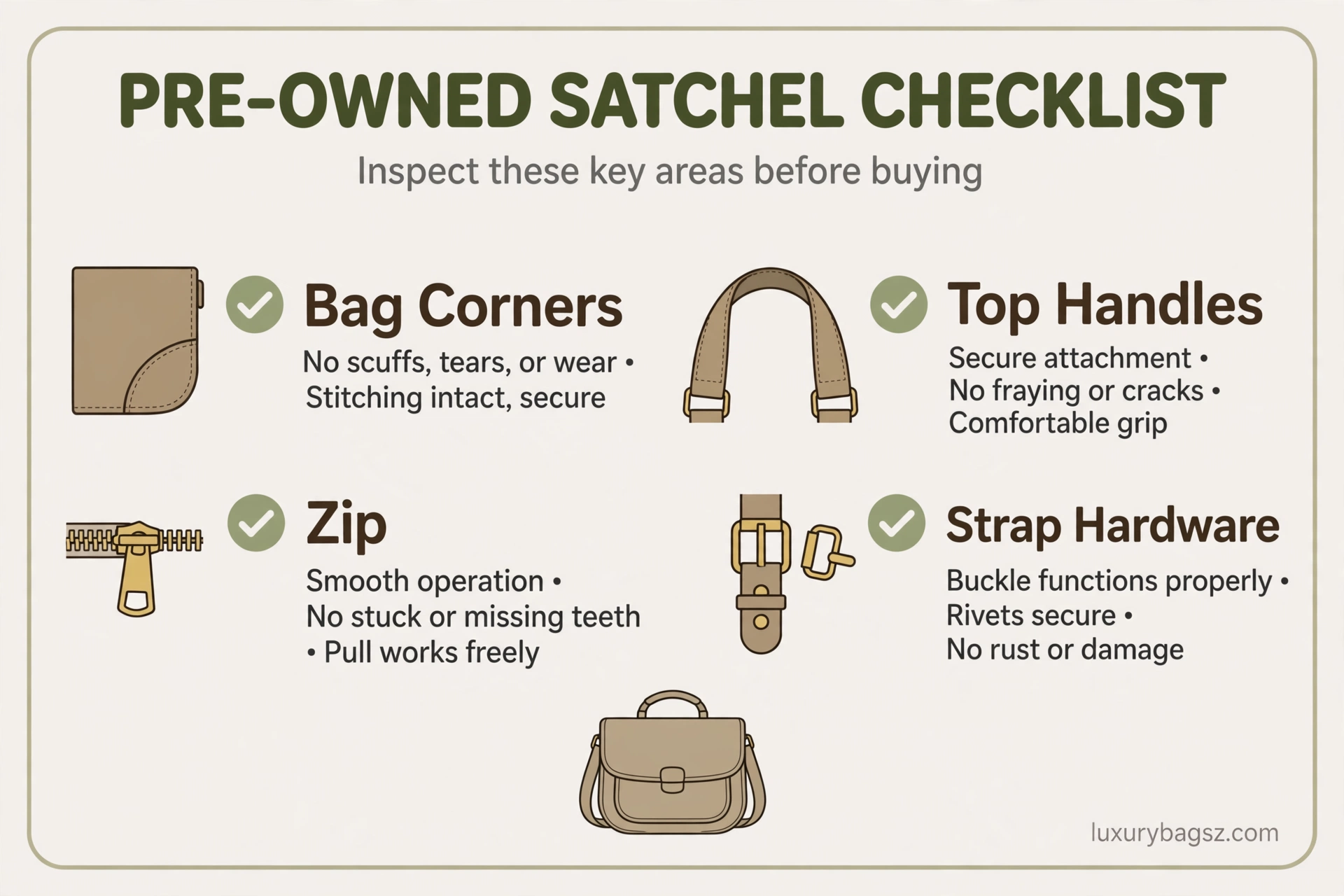
The Antigona is a frequent resale bag, which means good stock and good fakes both circulate. Start with the shape: the trapezoid should be symmetrical, the walls should stand firm, and the top handles should rise straight without leaning. A classic Antigona that slumps empty has usually lost its structure or been stored badly.
Next, check the corners, the base, and the handle attachments, where wear shows first. Test the top zip along its full run, since a catching zip is a costly repair. If the listing promises a removable strap, confirm the ring breaks line up and release cleanly, and check the strap for stretching and edge wear.
Inside, look for stains, odour, and worn pocket linings, and compare the logo patch and stitching with known genuine examples.
Read our guide to authenticate a pre-owned bag before you pay, and run through our buy pre-owned safely checklist at checkout.
Grade the listing against standard condition grades. For fake tells, our spot a fake designer bag guide shows the same discipline applied to another house.
Frequently Asked Questions
What is a Givenchy Antigona bag?
It is a rigid trapezoidal satchel by Givenchy, launched in 2011, with twin top handles, a top zip, a shoulder strap, and a triangular logo patch.
Who designed the Antigona?
Riccardo Tisci, then Givenchy's creative director, unveiled it in the Fall/Winter 2011 collection, following the success of the 2005 Nightingale.
What sizes does the Antigona come in?
The three main sizes are mini, small, and medium. An earlier large appears in older guides, but several sources say it was renamed to medium.
Which Antigona size is most popular?
The small is widely described as the most popular size, since it fits a wallet, phone, sunglasses, and a small pouch without feeling bulky.
What is the difference between the Antigona and the Antigona Soft?
The classic Antigona is rigid and structured, while the Antigona Soft, introduced in Spring 2020, uses pliable calfskin for a relaxed, slouchier shape.
Is the Antigona shoulder strap removable?
On later versions, yes: the strap releases by aligning breaks in the rings. Several early versions had fixed straps, so confirm removability in photos.
How much does a Givenchy Antigona cost?
Dated 2016 to 2017 guides put the mini near $1,595 to $1,750, the small near $2,125 to $2,280, and the medium near $2,435. Current retail is higher, so check live prices.
What fits in an Antigona mini?
A phone, card case, keys, and lipstick fit comfortably. It is an essentials bag, not a wallet-plus-pouch everyday bag; step up to the small for that.
Is the Antigona a good pre-owned buy?
Yes, in classic colours and grained leather with its full set, since those hold value best. Check structure, corners, zip, and strap hardware carefully before paying.
How do I care for an Antigona?
Store it stuffed and upright, wipe it with a soft dry cloth, keep it out of prolonged rain, and condition only with a product suited to its leather finish.
Conclusion
The Antigona earned its icon status the hard way: by being useful. It is structured enough for work, clean enough for evenings, and sized sensibly from a crossbody mini to a genuine workhorse medium. The Soft version covers buyers who love the look but not the rigidity, and the newer tiny formats cover the evenings-only crowd.
Pick the small if you want the classic everyday Antigona. Pick the medium if you carry a tablet or travel light for work. Pick the Soft if structure feels too formal for your life. Whichever you choose, check the strap, the zip, and the corners before you pay, and you will own the rare icon that still works as hard as it looks.