Luxury Apparel Investment Pieces: 12 Buys That Earn Their Keep
Buy Once, Wear for a Decade: Investment Pieces in Brief
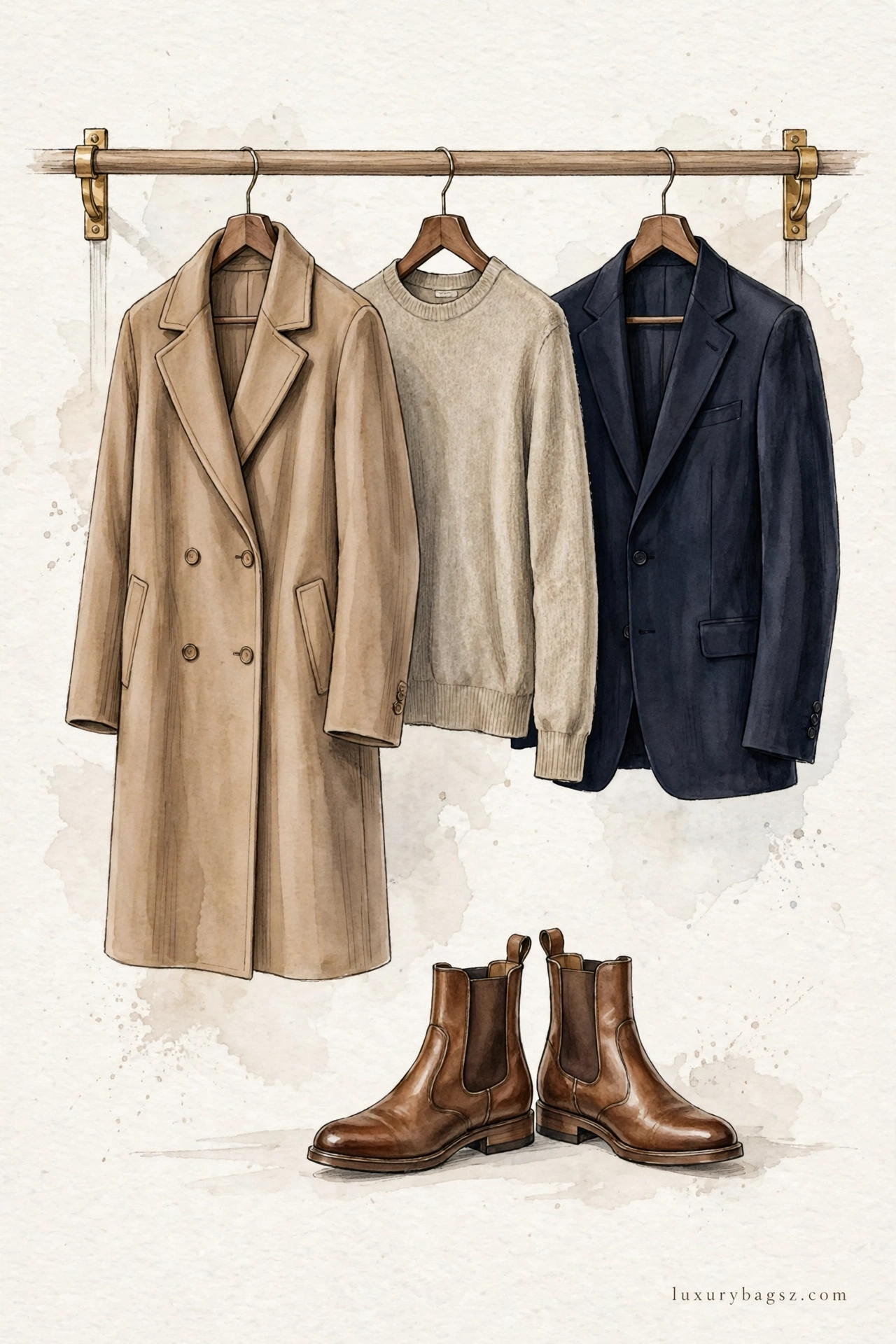
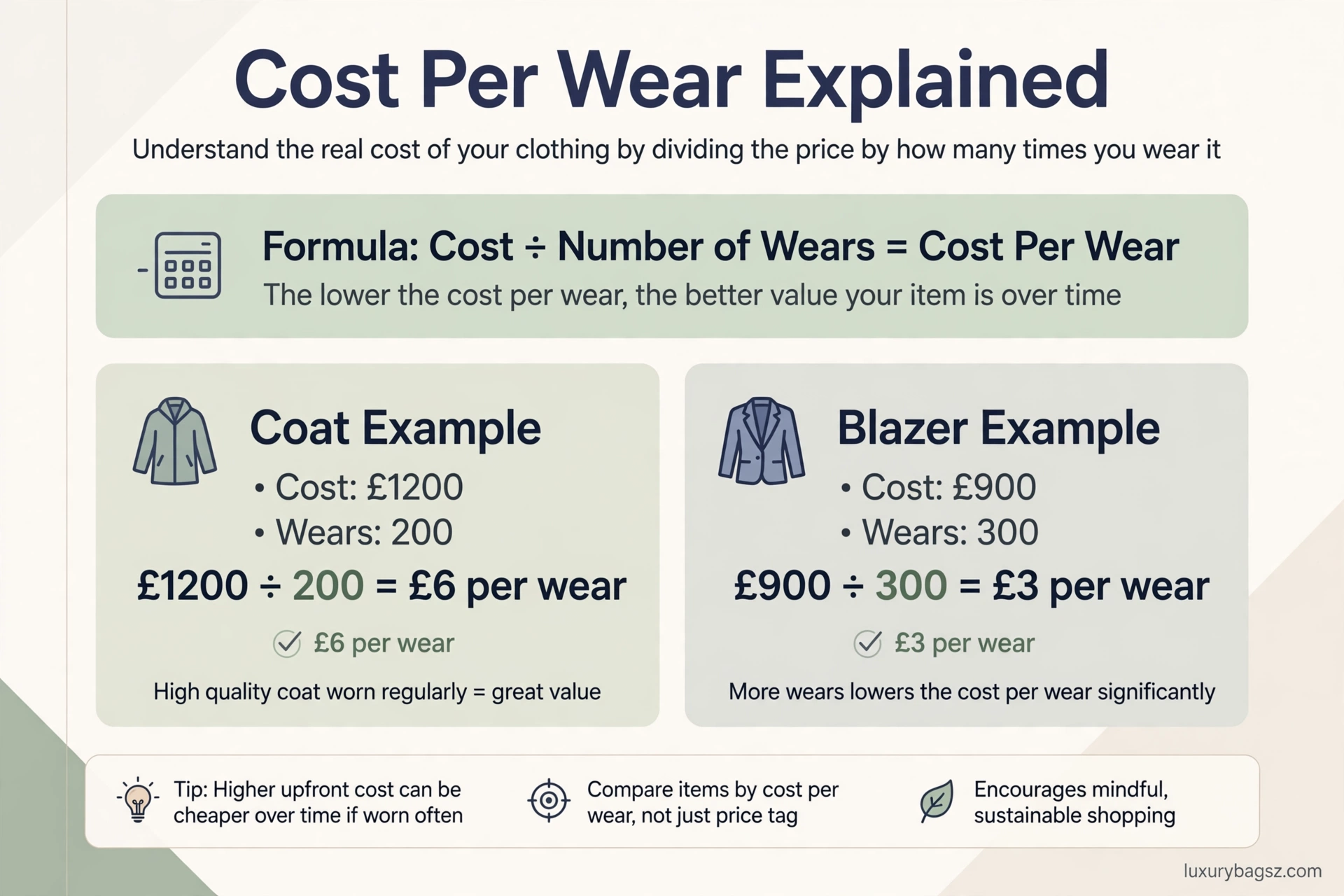
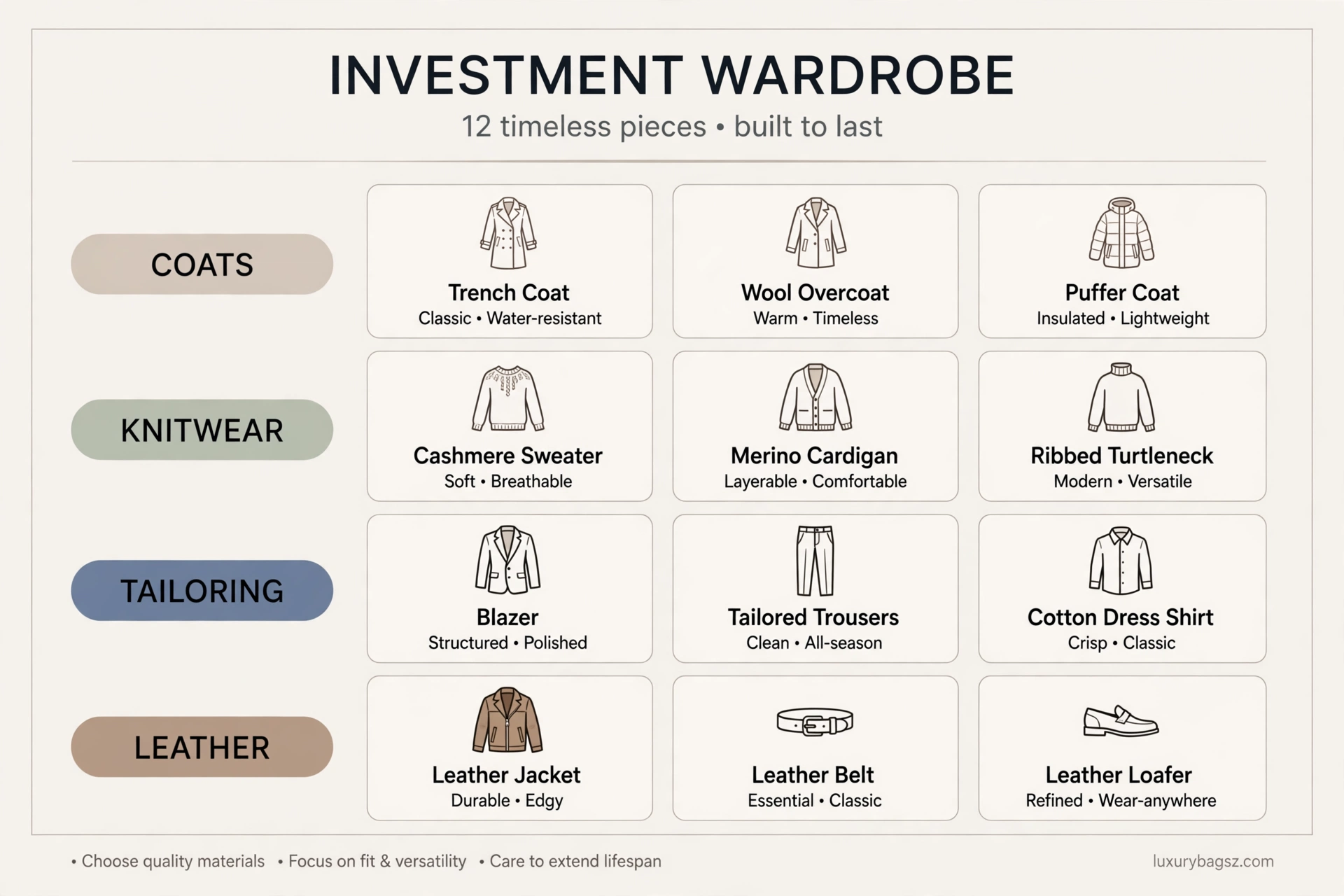
The luxury apparel pieces that genuinely pay you back are a wool coat, a cashmere crew, a tailored blazer, straight trousers, a leather jacket and resoleable boots. Each earns its price the same way: heavy wear, slow dating and construction that can be repaired. A £1,200 coat worn 200 times costs £6 a wear; a trend buy worn twice never recovers. This guide ranks the buys by cost per wear, gives the checks that separate a decade piece from a season piece, and flags the categories where the investment story is mostly marketing.
Key Takeaways
- Cost per wear decides value: aim for pieces you will wear 50-plus times.
- The safest buys are coats, knitwear, blazers, trousers, leather and boots.
- Natural fibres, repairable build and plain colours are the three shared traits.
- Avoid investment language for prints, logos and anything tied to one season.
- Fit is the real risk: a perfect cloth in the wrong cut earns nothing back.
- Storage and care decide whether a ten-year piece actually lasts ten years.
What Makes a Piece an Investment, Honestly
An investment piece is not a promise of profit. Clothing rarely resells above retail, so the return here is wears, not resale, and honesty matters from the start. Three traits mark the real ones. The cloth is natural and dense, the build can be repaired, and the shape ignores the current season's extremes. A fourth trait is personal: it suits your actual week. A silk gown is no investment for someone who attends one formal dinner a year, however fine the cloth. Judge every candidate against your own calendar first, the label second. That order is what turns a luxury buy into a working asset in the wardrobe.
Before any maths, do the audit. Lay out what you actually wore in the last three months — most people discover that a fifth of their wardrobe does four fifths of the work. Investment buying simply means spending properly on that working fifth and stopping the leaks elsewhere: the duplicate knits, the almost-right trousers, the shoes bought for one event.
Cost Per Wear: The Only Maths That Counts
Divide the price by realistic wears. A £900 blazer worn twice a week for three winters lands near £3 a wear, which beats most high-street buys on the same maths. Be strict with the wear count. Count only the life you live now, not the life a new wardrobe is meant to inspire, or every figure flatters the purchase. Accessories follow the same rule, which is why our guide to Hermes investment pieces ranks by use and staying power, not hype. Write the figure down before you buy. If the cost per wear still looks steep on paper, the feeling in the fitting room will not fix it later.
The maths only works if the piece fits your real life. A dry-clean-only silk trouser suit is a poor investment for someone who cycles to work, however fine the cloth. Climate, commute, children, pets — the honest variables. Investment pieces are not the most expensive version of a category; they are the version that survives your Tuesdays.
The Coat and the Knit: Your Two Biggest Wins
A long wool or wool-cashmere coat in camel, navy or charcoal is the single hardest-working luxury buy most wardrobes ever make. Under it, a fine-gauge cashmere crew in a plain colour does similar work across nine months of the year, layering under jackets and over shirts. Buy the coat with room for knitwear beneath, and the knit with a neckline that sits cleanly under your blazers. The two pieces should be planned as a pair. Check coat cloth by weight in hand and knit by density: hold the knit to the light, and a good one shows an even, tight surface with no thin patches. Colour discipline binds the pair together. Camel over navy, charcoal over grey, black over everything dark: buy both pieces inside one palette and they will combine with most of what you own. Sizing deserves patience here. Try the coat over the actual knit you plan to wear, sit down in both, and lift your arms. Investment pieces are worn all day, not posed in for a minute.

A word on pilling, because it frightens new cashmere owners. Soft natural fibres shed a little at first, especially under arms and where a bag strap rubs. A cashmere comb used gently after the first few wears removes it, and good yarn settles down. What should worry you is thinning, holes at friction points and seams opening — those are quality failures, not settling.
Tailoring and Trousers That Outlast Trends
A single-breasted blazer in navy or charcoal, with a natural shoulder and a hem at the hip, sidesteps nearly every tailoring trend of the last thirty years. Straight or gently tapered trousers in wool twill do the same below the waist. Extreme widths, in either direction, are what date trousers fastest. The same slow-dating logic drives investing in vintage designer bags: classic shapes in plain leathers hold both use and value longest. Alterations are part of the plan, not a failure. Budget for a tailor visit with any tailored buy, because investment value lives in the final fit.
Leather, Boots and the Repairable Test
A plain leather jacket, a leather skirt or trousers in black or deep brown, and boots built to be resoled form the durable end of the wardrobe. Ask one question before paying: can a local cobbler or tailor repair this? Stitched soles, replaceable zips and lined construction all pass; glued soles fail. Leather quality shows in the crease. Fine leather folds in soft, close lines; coated or corrected leather creases in pale, papery cracks. Boots deserve the same cost-per-wear maths as coats. A resoleable pair at £500, worn all winter for five years, is cheaper per wear than annual replacements.
Blazers earn their keep through construction you cannot see in a photograph. A half-canvassed chest moulds to you over time and keeps the lapel rolling softly; a fully fused front feels fine in the shop and bubbles after dry cleaning. Ask how the jacket is made, and if nobody can tell you, assume the cheaper method and price it accordingly.

Where the Investment Story Falls Apart
Prints, logos and runway shapes are the weak ground. They are bought for the moment, and the moment is exactly what investment buying tries to avoid. Even strong houses have weak lines, so judge piece by piece. Our analysis of are Chanel bags worth the investment makes the same point for bags: model and condition decide, not the name alone. White and pale pieces carry a hidden cost in cleaning and risk, which belongs in the maths for anyone who travels or eats out often. Treat trend buys as rentals in your head: fine to buy, but price them against a handful of wears, and never at investment-piece money. Occasion dressing is the other honest exception. If your life holds two black-tie events a year, one superb dress worn proudly on repeat beats a rotation of cheaper ones. The test is never the category alone; it is the match between piece and calendar. Mismatched buys fail even when the garment itself is beautifully made.
Silhouette is the quiet trap. Very oversized coats, extreme shoulders and cropped everything photograph beautifully in the season they launch and date quickly afterwards. The investment versions of the same pieces are cut close to the body's natural lines, with room to move and nothing exaggerated. Boring on the rail, brilliant in year six — that is the pattern to learn.
Care and Storage: Protecting the Return
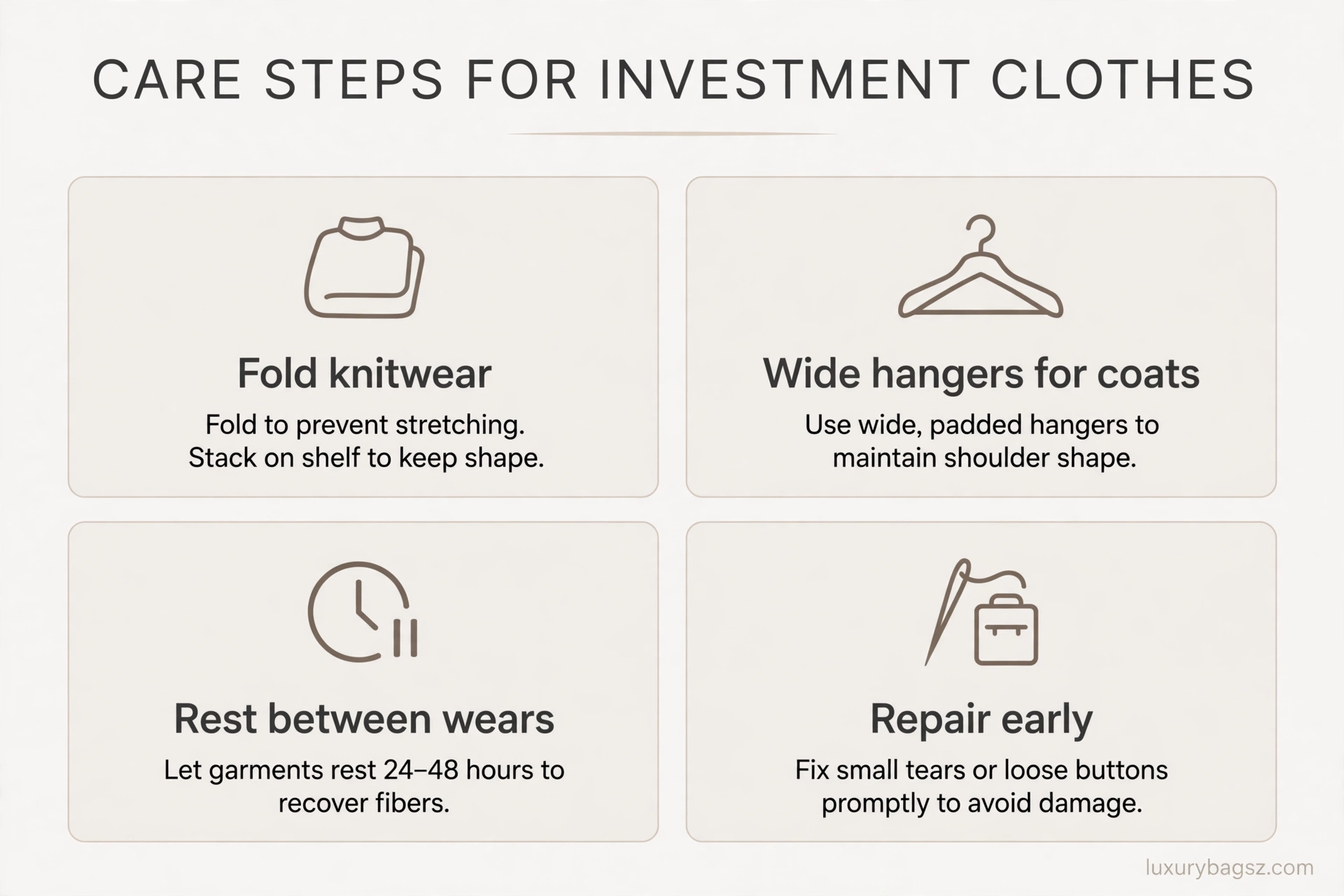
Knitwear rests folded, never hung, and coats rest on wide hangers with room to breathe. Crowded rails quietly ruin shoulders and crease cloth. Follow the habits in our guide on how to store luxury clothing and accessories and most decade pieces reach year ten looking current. Rest pieces between wears where you can. Wool and cashmere recover their shape in a day of rest, which is why two good knits outlast three worn in rotation daily. Repair early: a loose button or thinning elbow fixed this month is cheap; the same fault after a season of wear often ends the garment.
Boots deserve a rotation rule: never the same pair two days running. Leather needs a day to dry and recover its shape, and cedar trees drawn in while they rest will double the life of the uppers. Resole before the sole wears through to the welt — a £60 resole at the right moment saves a £600 boot, which is the whole investment idea in miniature.
A Sensible Buying Order for Most Wardrobes
Start with the coat, then the knit, then boots, because those three carry the most wears across the year for most climates and jobs. Add the blazer and trousers next, fitted together, then leather once the core is earning its keep. Dresses and evening pieces come last for most people. Buy one piece per season at full quality rather than a full set at half quality. The maths only works when the cloth and build are genuinely there. Keep a simple list of what each piece cost and roughly how often it is worn. Two years of honest notes will teach you more than any trend report.
Frequently Asked Questions
Do luxury clothes really hold their value?
Most hold use value, not cash value. Expect strong cost per wear from classics, but do not count on reselling clothing above what you paid for it.
What is the best first investment piece?
A wool coat for most people. It is worn daily for months, works over nearly everything, and shows the clearest quality gap over cheaper versions.
How many wears make a piece worth it?
Around 50 wears is a fair bar for a major buy. At that point most quality pieces beat cheaper rivals on cost per wear and still have years left.
Is cashmere a good investment?
Yes, in dense, fine-gauge knits in plain colours. Very soft, loose cashmere pills fast and fails the test, so judge density in hand before buying.
Should I buy investment pieces on sale?
Yes, if the piece was on your list at full price. Sale buying works when it follows the plan; it fails when the discount writes the plan for you.
Are designer jeans an investment piece?
Rarely at full luxury prices. Good denim lasts, but the quality gap over strong mid-range denim is small. Buy them for fit, not as an investment.
What colours date slowest?
Camel, navy, charcoal, black and deep brown for outerwear and tailoring. They pair with everything and sit outside seasonal colour stories.
How do I check if boots can be resoled?
Look for stitching around the sole edge and ask the maker or a cobbler. A stitched welt can be resoled; a purely glued sole usually cannot.
Is pre-owned a smart way to buy investment pieces?
Often the smartest. Heritage coats and knits in good condition deliver the same wears for far less. Check for moth damage, thinning and altered fits.
How long should a true investment piece last?
Five to ten years of regular wear is a realistic aim for coats, tailoring and leather with proper care. Knitwear varies most with cloth quality.
Conclusion: Let Cost Per Wear Make the Call
Investment dressing is simple maths plus honest self-knowledge: plain colours, natural cloth, repairable build and a shape your real life will use weekly. Buy the coat, knit, blazer and boots in that order, care for them properly, and the wardrobe pays you back for a decade.