

Are Chanel Bags Worth the Investment? Resale, Prices, and Honest Answers
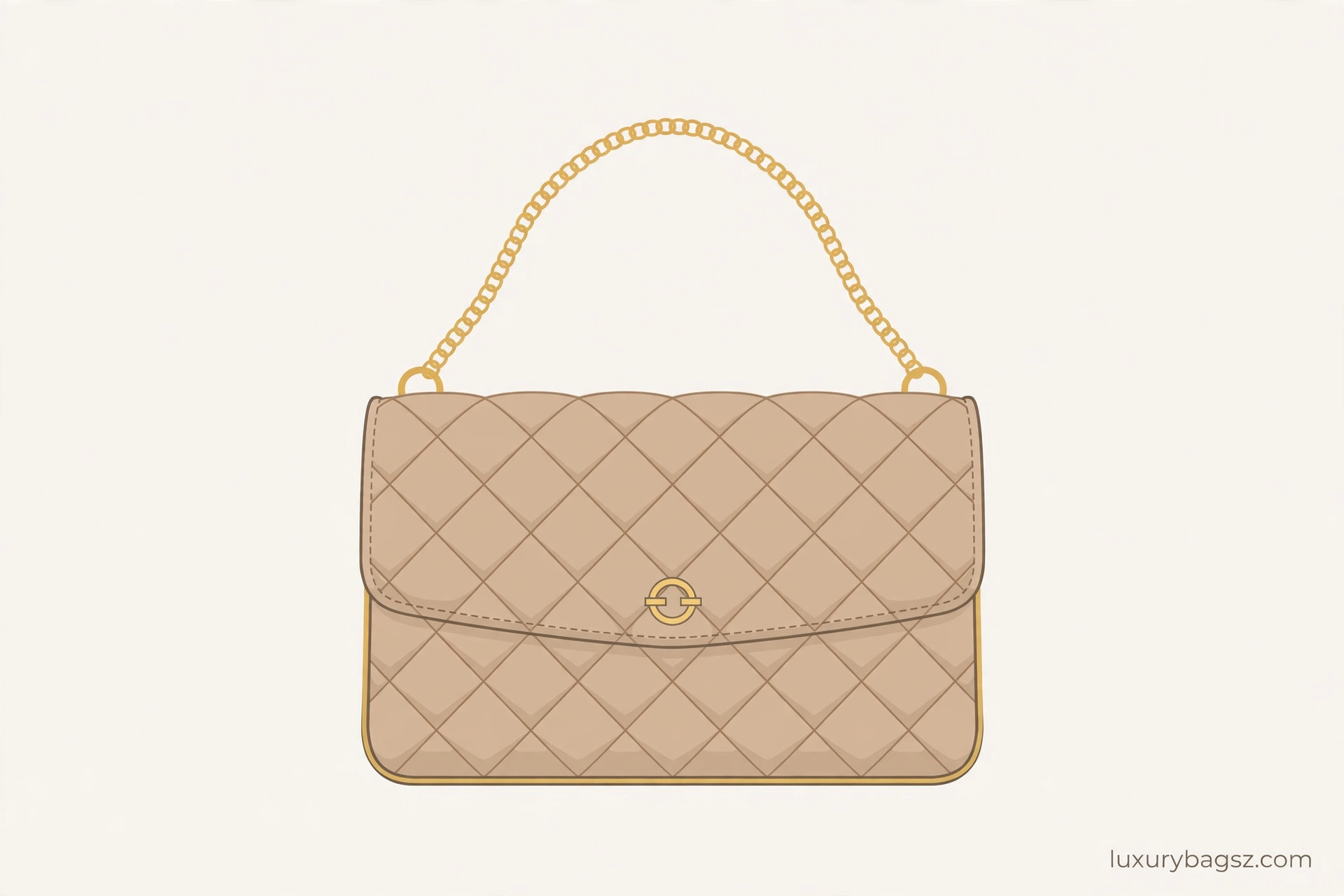
The Honest Answer: Classics Hold Value, Most Bags Do Not Make You Rich
Are Chanel bags worth the investment? For the classic styles in black caviar leather, the answer is mostly yes, with a catch. They hold value better than almost any other designer bag, but buying new at boutique prices means you start underwater against what the resale market would pay that same day.
The smarter financial route for most buyers is a classic style bought pre-owned and authenticated, in excellent condition, with its full set of accessories. You skip the steepest drop, and you still own a bag that buyers want.
If you love a seasonal or novelty piece, buy it for joy, not for return. Those bags are far less predictable on resale, and some sell for much less than retail once the season passes.
Key Takeaways

- Classic Flap and 2.55 styles in black caviar leather hold value best, with reported retention around 80 to 92 percent of retail.
- Chanel has raised classic prices repeatedly, with the Medium Classic Flap rising from $5,800 in 2019 to about $11,300 by 2026 in one guide, and to $11,700 after an April 2026 increase in others.
- Buying pre-owned usually beats buying new on pure value, because the first owner absorbs the boutique-to-resale gap.
- Condition, completeness, and authenticity documents decide what you actually pocket when you sell.
- Seller commissions can take a large bite, so the headline resale price is never the amount you keep.
My own Chanel bags are pre-owned, so the investment question is one I have answered with my own money. My rule is the one this guide sets out: a classic style, in black caviar, bought pre-owned in excellent condition with its full set — but only after the bag has passed my checks, from quilting and stitch count to the serial era or microchip. A Classic Flap that holds its value is worth little if it is not genuine. Ten years in the bag trade has taught me that authentication is not a step before the investment decision; it is the decision.
Why Chanel Prices Keep Climbing
Chanel has raised prices on its core bag lines at least once a year since 2016, often twice a year. The Medium Classic Flap is the headline example, rising from about $3,000 in 2008 to $5,800 in 2019 and then to about $11,300 in 2026 according to one detailed guide.
Other 2026 guides report $11,700 for the same bag after an April 2026 increase of roughly 2 to 5 percent. Sources disagree on the exact current figure, which is itself a useful lesson: treat any single price as a snapshot, and check the date behind it before you rely on it.
Chanel points to rising production costs, premium materials, and craftsmanship. Critics argue the rises are also a deliberate move upmarket, pushing Chanel closer to Hermes territory through scarcity and purchase limits.
Whatever the motive, the effect on owners is real. Each boutique increase lifts the anchor price for pre-owned examples too, which is why a Classic Flap bought years ago can now sell for more than its original purchase price.
The pace is worth noting. Guides describe the Medium Classic Flap as nearly doubling between 2020 and 2025 alone, a faster climb than the longer-run trend. That speed is why timing matters so much for buyers: waiting a year has often meant paying hundreds more for the same bag.
Chanel also controls supply tightly. Bags are not sold online, there are no outlets, and there are no sales, so the boutique price is the price. Purchase limits on classic bags add further friction, and popular colours can be hard to secure without a relationship with a sales associate.
None of that guarantees future rises. Past increases are a fact, future ones are a bet on Chanel's pricing policy continuing. Treat the price history as context for a purchase you love, not as a promise of profit.

Which Models Hold Value Best
The Medium Classic Flap in black caviar leather with gold or silver hardware is the benchmark. It is timeless, always in production, and always in demand, which is why resale guides rank it first.
The Jumbo Classic Flap follows close behind, helped by repeated discontinuation and reintroduction that keeps pre-owned examples scarce. The Boy Bag in black or neutral caviar is next, with retail reported between $6,700 and $7,600, and the Wallet on Chain works as a lower-priced entry point with strong demand.
Our Classic Flap sizes guide compares Mini through Maxi, and the Classic Flap vs Boy comparison helps if you are torn between the two icons. Size matters here: small and medium sizes lead on resale, while very large sizes lag.
Seasonal and limited pieces sit at the other end. A beautiful novelty flap or a canvas tote may delight you daily, but resale guides consistently warn that their values are unpredictable, and many sell below retail.
Colour discipline matters within the classics too. Black is the safest resale colour, followed by neutrals such as beige and navy, while bright or pastel shades narrow the buyer pool. A red or pink classic can still sell well, but it usually takes longer to find its buyer.
Size discipline matters just as much. Mini and small flaps attract strong demand from buyers entering the brand, medium is the all-rounder, and very large sizes appeal to fewer people. If value is your priority, medium in black caviar is the default answer.
Caviar vs Lambskin and Hardware Choices
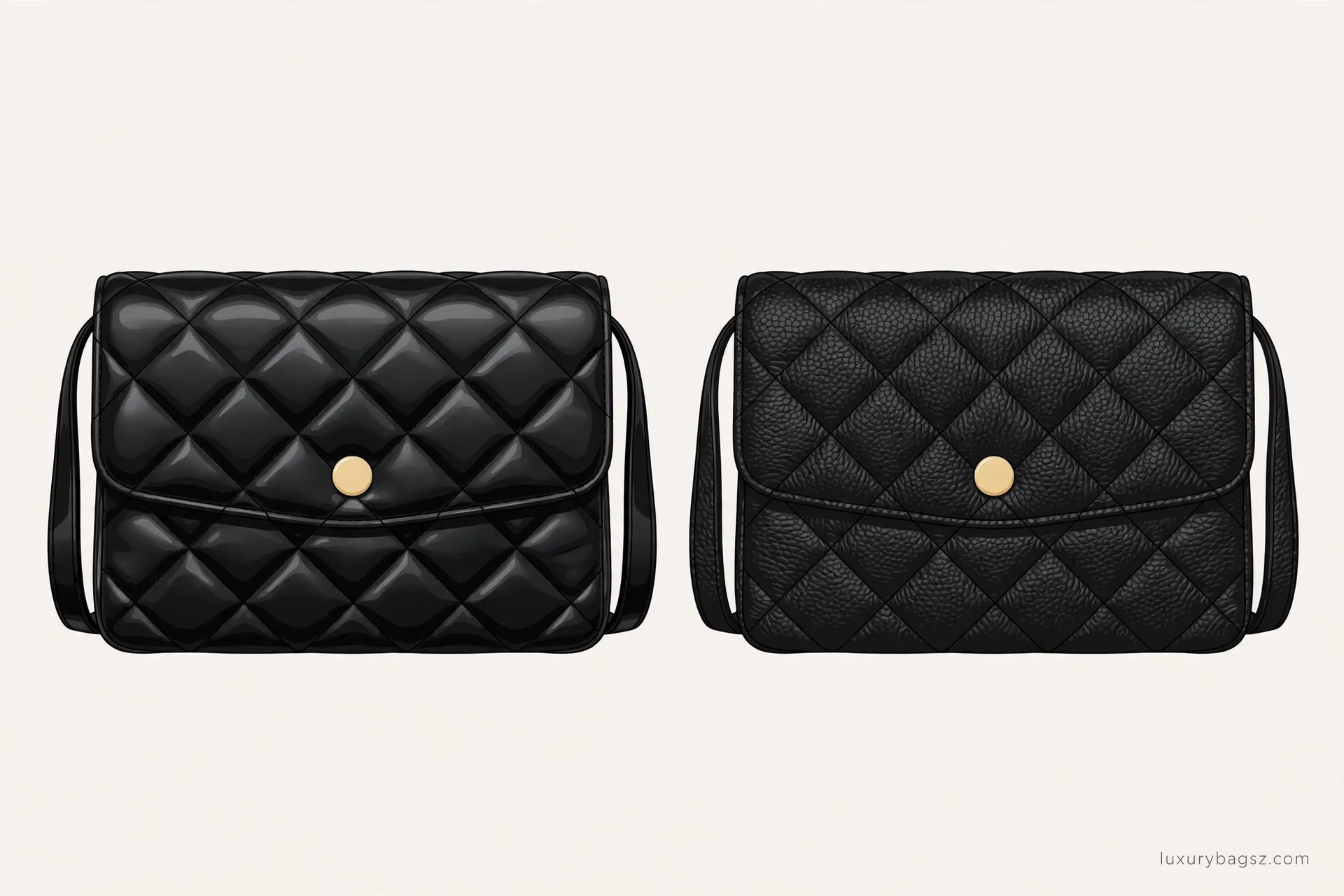
Leather choice is a value decision, not just a style one. Caviar leather, which is grained calfskin, resists scratches and holds its shape better than smooth lambskin, so it shows less wear over time.
Lambskin feels softer and looks more luxurious, but it scuffs and dents more easily. For a daily bag you plan to resell one day, caviar is the safer pick, while lambskin suits lighter, occasional use.
Hardware matters too. Gold hardware is the most sought-after option on the resale market for black classic bags, with silver close behind. Unusual hardware finishes can look striking but narrow the pool of buyers.
Our caviar vs lambskin guide walks through wear, care, and repair for both leathers. Read it before choosing, because the leather you love in the boutique is not always the leather you love after a year of daily use.
New vs Pre-Owned: Where the Money Goes
Buying new from a boutique gives you pristine condition, full packaging, and the strongest documentation. It also gives you the highest price and, on day one, a resale value below what you paid.
Buying pre-owned from an authenticated reseller flips that maths. You pay below current retail for a bag that has already proven its durability, and your downside is smaller if you later sell.
Guides report that Chanel bags retain an average of 80 to 92 percent of retail value, based on Rebag's 2025 Clair Report figures quoted in resale coverage. That range covers all models together, so classic styles sit at the top and seasonal styles sit far lower.
As our guide to what affects resale value explains, condition, rarity, demand, and completeness drive the outcome. Our vintage vs new buying comparison is also worth reading if you are weighing a boutique purchase against a pre-owned one.
One more honest point: a bag you buy new and carry hard will not fetch an investment-grade price. Daily wear, corner scuffs, and missing accessories all cut the return, so buy the bag you will actually enjoy, not the one you hope to flip.
Cost per wear is a healthier lens than resale alone. A Classic Flap carried three times a week for five years costs far less per outing than a novelty bag carried ten times, even if the novelty bag cost less upfront.
When shopping pre-owned, compare like with like. Filter by the same size, leather, hardware, and condition grade, and ignore listings that mix sizes or hide corners. A "bargain" in a different leather or a lower condition grade is not the same bag at a better price.
Also check whether the price includes duties or shipping if you buy across borders. A headline price that looks low can rise fast once taxes and insured delivery are added, and returns across borders are slower and costlier.
Selling: Commissions, Condition, and Timing
The resale price you see online is not the amount you keep. Consignment platforms take a commission, and some sellers report keeping only around 70 percent of the sale price, less if the item goes on sale.
That is why the selling route matters. A fixed-price buyout quote lets you decide before committing, while a consignment listing can drift downward through markdowns you do not control.
Condition is the other lever you control. Keep the box, dust bag, authenticity card, and any booklets, and photograph the bag in good light before listing. Buyers pay more for complete sets, and missing items invite low offers.
Timing helps too. Selling just after a boutique price increase, when buyers compare new prices with pre-owned ones, can work in your favour. Selling in a rush, or with worn corners and no accessories, rarely does.
Choose your selling channel deliberately. A buyout quote gives you a fixed price and a fast decision, consignment can reach a higher headline price but takes commission and time, and a private sale keeps more of the price but puts authentication and payment risk on you.
Photography is part of the sale. Shoot in daylight, show the front, back, base, corners, interior, chain, and any wear honestly, and include the full set of accessories. Buyers discount listings with dark or partial photos, since they assume the worst about what is hidden.
Keep records of your own purchase too. The original receipt, authentication report, and seller details all reassure the next buyer and support a stronger price when your turn to sell arrives.
What to Avoid If Value Matters
Seasonal and novelty pieces top the avoid list for value buyers. Ombre finishes, novelty shapes, and one-season colours are exciting, but their resale markets are thin and unpredictable.
Canvas and fabric styles also hold less value than leather classics. They wear faster, show age more visibly, and attract softer demand, even when the design is recognisable.
Micro and very small novelty bags deserve caution too. They trend hard and fade fast, and a bag that is too small for daily use has a smaller buyer pool when you sell.
None of this means you should never buy them. It means you should buy them with your eyes open, at a price you are happy to keep, rather than as a financial plan.
Be especially careful with bags bought mainly for a trend cycle. A style that dominates social feeds for one season can feel dated fast, and resale buyers discount it just as fast. Classic shapes survive trend cycles, which is exactly why they hold value.
Also watch for bags with heavy personalisation or visible repairs. A monogram, a replaced chain, or a re-dyed panel may suit the first owner perfectly, but each one shrinks the second-hand audience and the price it will pay.
Buying Checks Before You Pay
Authentication comes first. Buy from a reputable authenticated reseller, or use an independent authentication service before completing a private purchase, and check the original authenticity card, dust bag, box, and serial or microchip details.
Our guide on how to spot a fake Chanel flap lists ten checks, from stitching and quilting alignment to hardware weight and interior markings. Use it as a checklist, not a shortcut, and walk away from any listing that resists close-up photos.
Inspect the corners, base, chain, and flap edges for wear, and ask whether the bag has been repaired or re-dyed. Repairs are not always a deal-breaker, but undisclosed repairs are.
Finally, confirm the return policy in writing. A bag that looks flawless in photos can feel tired in hand, and a short return window protects you from that surprise.
Know which authenticity era you are buying into. Older Chanel bags carry serial stickers and cards, while newer ones use microchips, and the checks differ between eras. A seller should be able to tell you which system your bag uses and show it clearly.
Check the chain and leather strap for even wear and correct weight, and look at the quilting alignment across the flap and body. Uneven quilting, light hardware, or a musty chemical smell are all reasons to pause and seek a second opinion.
If anything feels off, walk away. Another Classic Flap in black caviar will always come along, and the money you save by avoiding one bad bag outweighs any single "deal" you might miss.
Living With a Chanel Bag You Love
The best investment advice for Chanel is also the simplest: buy the bag you love and will use. A Classic Flap kept in a cupboard for fear of wear gives you neither joy nor a great return, since unused bags still age.
Use it, but use it kindly. Rotate it with other bags, keep it out of heavy rain, wipe it with a dry soft cloth, and store it stuffed in its dust bag. Small habits protect both the look and the resale case.
For special occasions, a smaller flap or an evening style can be the smarter buy than a second large classic. Our illustration below is a reminder that the right bag is the one that fits the life you actually lead, from coffee runs to evenings out.
And if you ever rent a style first to test it, that is money well spent. A month of living with a Boy or a 19 teaches you more than a hundred boutique visits about whether the size and weight suit you.
Set a simple care routine from day one. Keep the bag in its dust bag when not in use, stuff it lightly to hold its shape, and keep it away from direct sun, damp, and sharp objects. Lambskin owners should be extra careful with rings, keys, and denim dye, which all leave marks faster than most people expect.
If wear does appear, use a reputable leather specialist rather than a quick fix. A careful professional repair protects value, while a poor dye job or glued edge can cut it sharply. Keep receipts for any work done, since honest repair records reassure the next buyer far more than silence does.
Frequently Asked Questions
Are Chanel bags a good investment in 2026, and should you buy one purely as an investment?
For classic styles in black caviar leather, yes, in the sense that they hold value unusually well. They are not a guaranteed profit, and seasonal styles are far less reliable.
No, buy a bag you love and will use, and treat any appreciation as a bonus. A bag kept unworn for investment still ages, and strict condition demands make pure investment buying risky.
Which Chanel bag holds its value best?
The Medium Classic Flap in black caviar leather with gold or silver hardware leads resale guides. The Jumbo Classic Flap, the Boy Bag, and the Wallet on Chain follow.
Is it better to buy Chanel new or pre-owned, and what hurts a bag’s resale value most?
For pure value, authenticated pre-owned usually wins, since you pay below current retail. Buy new for pristine condition, full documentation, and the exact colour you want.
Heavy wear, missing box, dust bag, or authenticity card, undisclosed repairs, and seasonal or novelty designs all cut value. Seller commissions also reduce what you keep.
Do Chanel bags appreciate in value, and how much has the Classic Flap price risen?
Some classic bags bought years ago now sell above their original purchase price, thanks to repeated boutique increases. That does not mean every Chanel bag appreciates, and it does not mean future rises are certain.
One guide tracks the Medium from $5,800 in 2019 to about $11,300 in 2026, while other 2026 guides report $11,700 after an April 2026 increase. The exact figure depends on the date and source.
Is caviar or lambskin better for investment?
Caviar leather is the safer investment pick because it resists scratches and holds shape better. Lambskin feels softer but shows wear faster, which matters at resale.
Is the Boy Bag a good investment?
The Boy Bag in black or neutral caviar is a strong performer, though resale guides rank it below the Classic Flap. It is a more accessible entry point than the Flap.
How do I authenticate a Chanel bag?
Buy from authenticated resellers, check the authenticity card, dust bag, box, and serial or microchip details, and use an independent authentication service for private purchases.
Final Verdict: Classics Yes, Hype No, and Pre-Owned First
Chanel classics are worth buying, and for many buyers they are worth buying pre-owned. The Classic Flap in black caviar leather has held value through years of price rises, and it remains the safest choice in the house.
Seasonal pieces, canvas styles, and novelty bags are worth buying only if you love them for themselves. Treat them as fashion, not finance, and you will never be disappointed by their resale.
Buy the classic you will carry, keep it complete and well cared for, and let any appreciation be a welcome extra rather than the reason you bought it. A bag chosen carefully on those terms rarely disappoints, whether its resale value rises, holds steady, or simply gives you years of daily pleasure and pride.






