

How to Store a Louis Vuitton Bag: The Complete Care and Storage Guide
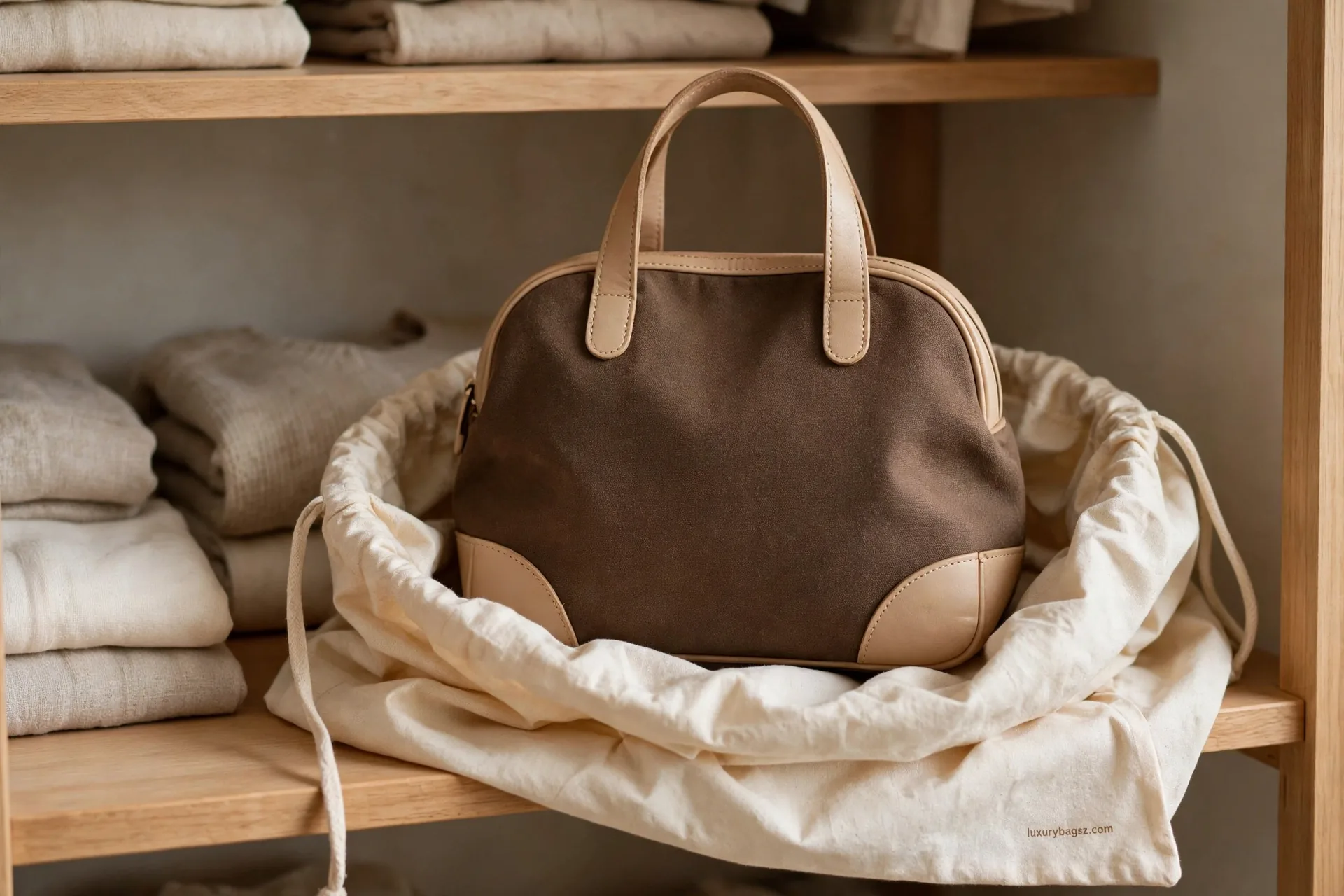
Storage That Keeps Your Louis Vuitton Looking New
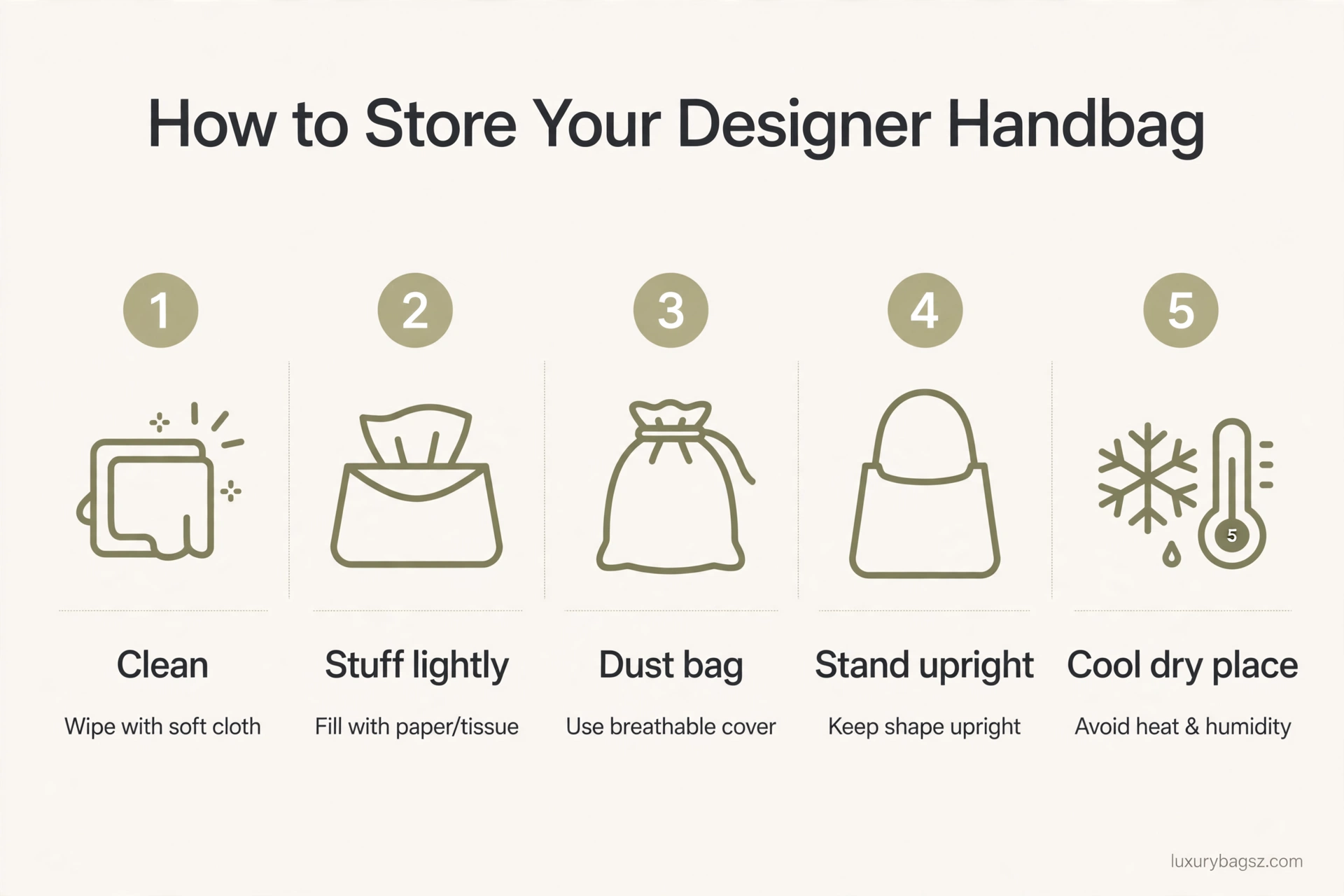
A Louis Vuitton bag stored well can look beautiful for decades, while one stored badly can sag, fade and mark in a single season. The good news is that proper storage is simple: clean the bag, support its shape, protect it in a breathable dust bag, and keep it upright in a cool, dry, shaded spot. No special equipment is needed, and the whole routine takes about ten minutes.
The details matter most for Louis Vuitton, because the house mixes materials that age differently. Coated canvas is tough and forgiving, but the untreated vachetta leather trim darkens unevenly if it meets water, sunlight or dye transfer. Epi and Empreinte leathers have their own needs too, and structured bags lose their shape faster than soft ones when left empty. This guide covers every material and every common mistake.
Start with the golden rule: never store a dirty, damp or squashed bag. Empty it fully, wipe it down, let it air briefly, stuff it lightly, and place it in its dust bag. If you follow only that routine, you will avoid most storage damage, and the rest of this guide simply refines it for your bag type and your home.
Key Takeaways
- Always empty, clean and dry a Louis Vuitton bag before storing it.
- Stuff lightly with acid-free tissue or a soft organiser, never overstuff.
- Store upright in a breathable cotton dust bag, never in plastic.
- Keep bags cool, dry and out of direct sunlight and away from radiators.
- Vachetta trim needs special care: keep it dry and away from dye transfer.
- Never hang a heavy bag by its handles for long periods.
- Air stored bags every few months and re-check stuffing and dust bags.
Storage is where vachetta keeps its secrets, so my Louis Vuitton routine starts before the dust bag. I clean the bag, let it dry fully, support the shape lightly, and stand it upright somewhere cool, dark and ventilated — because pale untreated trim darkens unevenly when it sleeps against dye, damp or sunlight, and I have examined too many bags wearing one dark patch like a fingerprint. Ten minutes of care, as this guide says, and the bag can rest for a season unharmed. My own pre-owned Vuittons were stored by strangers before they reached me; the well-kept ones announce their previous owners’ habits at a glance.
Clean Before You Store, Every Time
Storage damage often starts with what is left inside or on the bag. Crumbs, pen marks, perfume residue and damp tissues can stain linings and attract mustiness over months, while surface dust grinds into canvas and leather each time the bag moves. A quick clean before storage prevents all of it, and it takes only a few minutes.
Wipe coated canvas with a soft, dry or very slightly damp cloth, then let the bag air for an hour before it goes into its dust bag. For leather bags, use a soft dry cloth and nothing harsher, and keep water away from untreated vachetta trim, which spots at the slightest dampness. Empty every pocket, including the interior zipped pocket, and shake out loose dust over a bin.
For a fuller routine by material, read how to clean a Louis Vuitton canvas bag before your first long storage stretch. Never use baby wipes, household cleaners or leather conditioner unless the product is made for that exact material. Harsh products can strip finishes and darken trim unevenly, and the damage only shows weeks later.
Stuff Lightly to Hold the Shape
An empty soft bag collapses, and a collapsed bag sets into creases along the same fold lines. The fix is gentle internal support: acid-free tissue paper, a clean cotton scarf, or a purpose-made bag organiser that fills the interior without stretching the sides. Stuff until the bag holds its natural shape, then stop; a drum-tight bag strains seams and zips.
Structured bags such as the Alma need less stuffing, since their shape holds itself, but a light fill still protects the base and sides. Soft totes such as the Neverfull need more, because their open tops let the sides fall inward. Tuck detachable straps and pouches inside the bag so nothing is lost, and wrap metal hardware in tissue if it presses against leather.
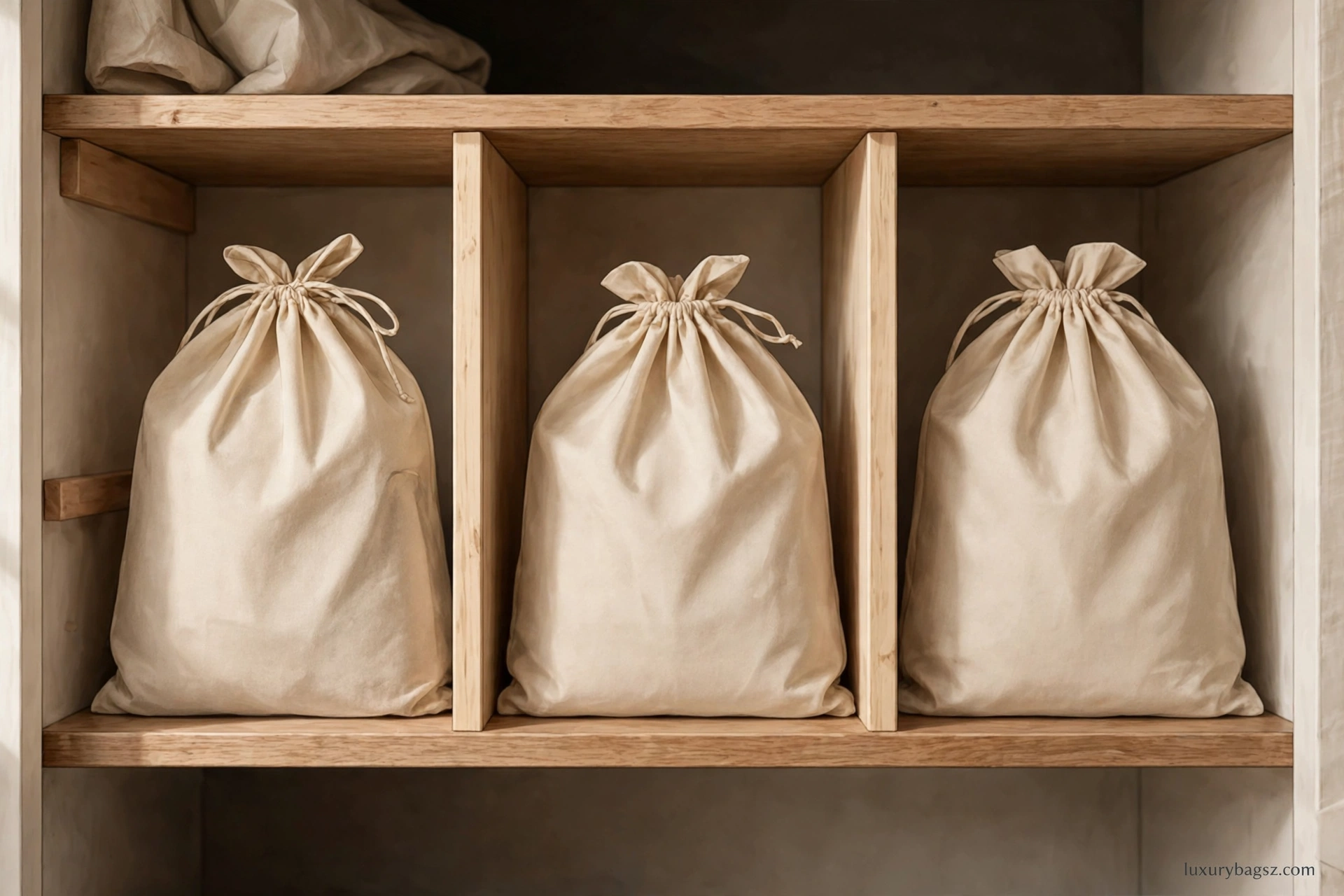
Keep the dust bag on for the final step, drawing it closed loosely rather than knotting it tight. A breathable cotton dust bag keeps dust off while letting air move, which is exactly what leather and canvas need. The same principle applies across brands, as the guide to how to store a Chanel Classic Flap shows for structured flap bags.

Vachetta, Canvas and Leather Need Different Care
Louis Vuitton's most famous combination is coated canvas with natural cowhide vachetta trim, and the trim is the fragile partner. New vachetta is pale honey in tone and darkens with light and handling into a deeper caramel patina, which collectors prize when it is even. Water spots, rain splashes and uneven sun exposure break that evenness permanently.
Keep vachetta dry at all times, and never store a bag where one side faces a window while the other faces a wall. Rotate the bag occasionally if it sits near light, and keep it away from dark denim, printed magazines and coloured tissue, all of which can transfer dye onto pale trim. If the trim does get wet, blot gently and let it dry naturally, away from heat.
Full-leather bags follow slightly different rules. Epi leather is grained and fairly resistant, while smooth leathers mark more easily, so give each bag its own dust bag and never let bags rub against each other. For general leather habits, the guide to how to care for leather bags and shoes is a useful companion to this one, especially for conditioning schedules.
The Right Spot: Cool, Dry, Dark and Upright
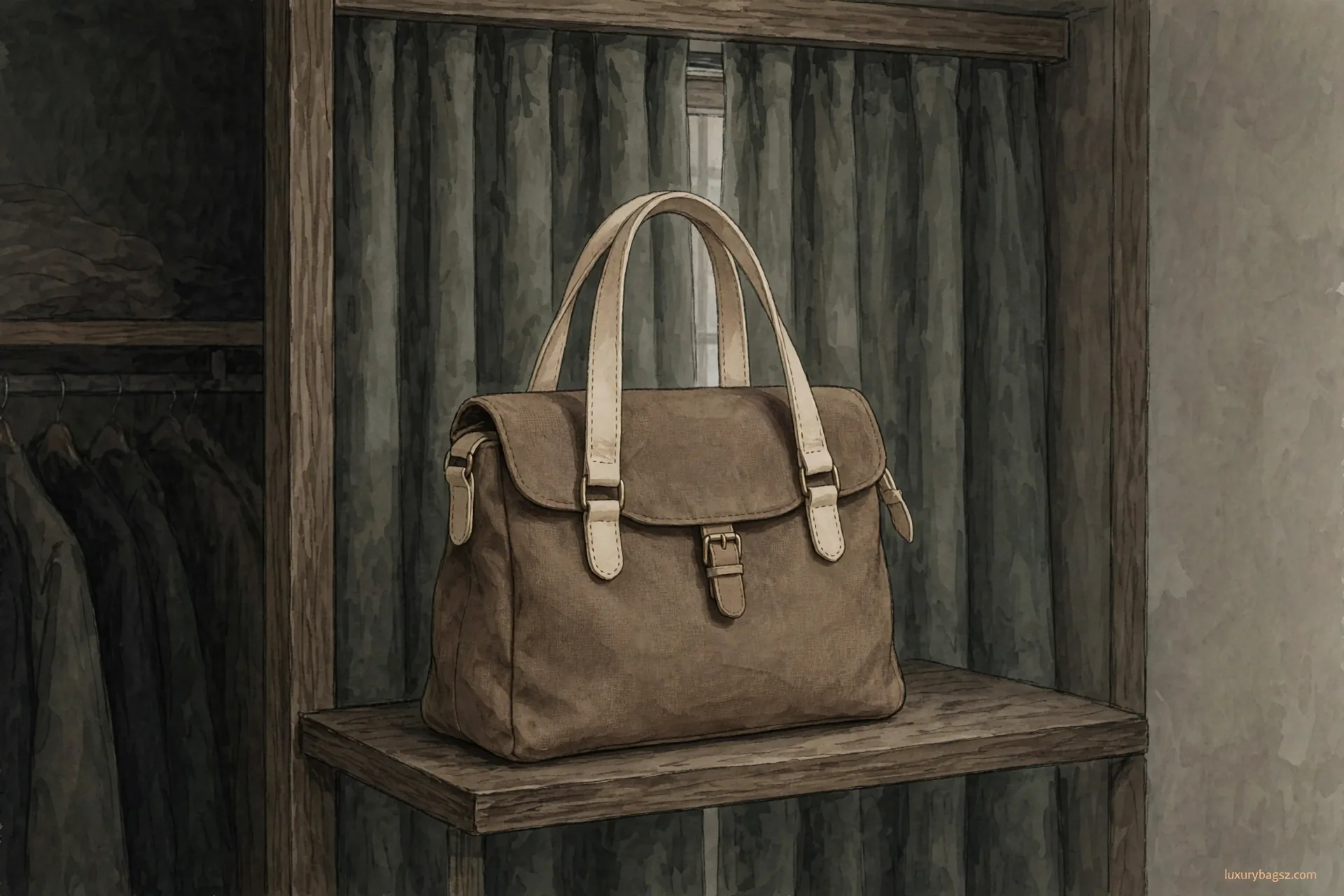
Where a bag lives matters as much as how it is packed. The ideal spot is a cool, dry, ventilated room at stable temperature, out of direct sunlight and away from radiators, heaters and damp outside walls. Bedrooms and dressing rooms usually suit this well, while attics, garages and basements usually do not, because temperature and humidity swing wildly there.
Store every bag upright, never stacked under other bags and never squeezed flat at the back of a shelf. Weight from above flattens structured bags and creases soft ones, and a squashed bag can take months to recover, if it recovers at all. Shelf dividers or cubbies help enormously, since they stop bags leaning on each other and keep heavy neighbours apart.
Humidity deserves attention, especially in warm or coastal homes. Aim for a dry, comfortable indoor level, use silica gel sachets in the room if damp is a problem, and never seal a bag in plastic, which traps moisture against canvas and leather. A little airflow around each dust bag is worth more than any airtight container.
Mistakes That Quietly Ruin Bags
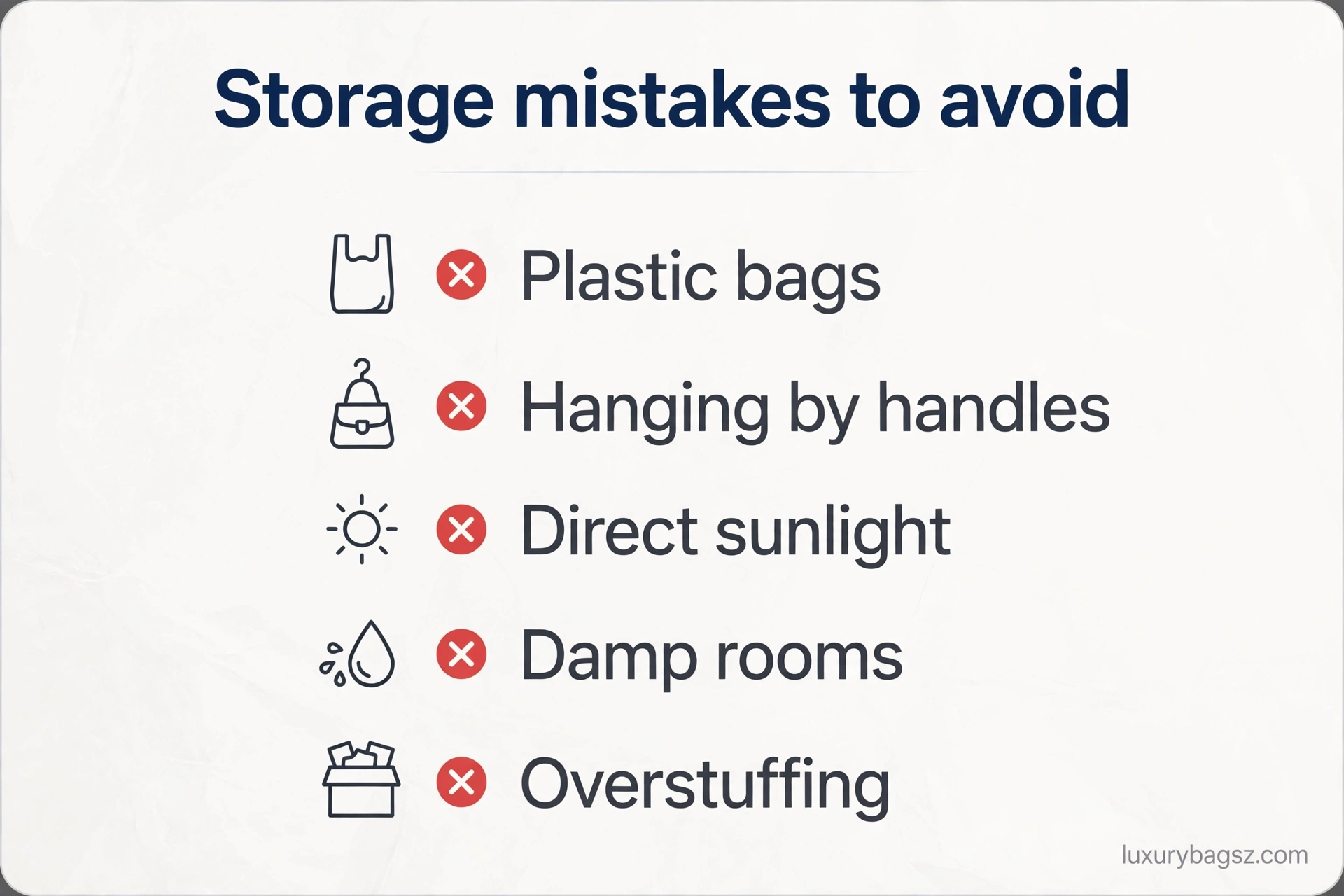
The most common storage mistake is the plastic bag. It seems protective, but trapped moisture condenses inside, encouraging mould, mustiness and sticky coatings, and it can mark vachetta badly. Always use the breathable cotton dust bag that came with the bag, or a plain cotton pillowcase if the original is lost.
Hanging a bag by its handles is another slow destroyer. The full weight of the bag pulls on the same stitching for months, stretching handles and distorting the top edge. Hooks suit empty, light bags for a day or two, not long-term storage. Similarly, overstuffing stretches the sides and can pop stitching, while understuffing lets the bag slump.
Finally, do not store bags next to perfumes, cleaning products or strongly dyed items. Fumes and spills damage finishes, and dye transfer is hard to reverse. When buying pre-owned, remember that poor storage also hides fakes poorly kept; the checks in how to spot a fake Louis Vuitton bag help you judge condition as well as authenticity before you pay.
Travel, Rotation and Small Spaces
Travelling with a Louis Vuitton bag needs a different routine from home storage. For flights, place the bag inside its dust bag within your luggage, stuff it lightly, and keep it away from liquids and sharp objects. Never check a bag you care about if you can carry it on, and unpack it promptly on arrival rather than leaving it compressed in a suitcase for days.
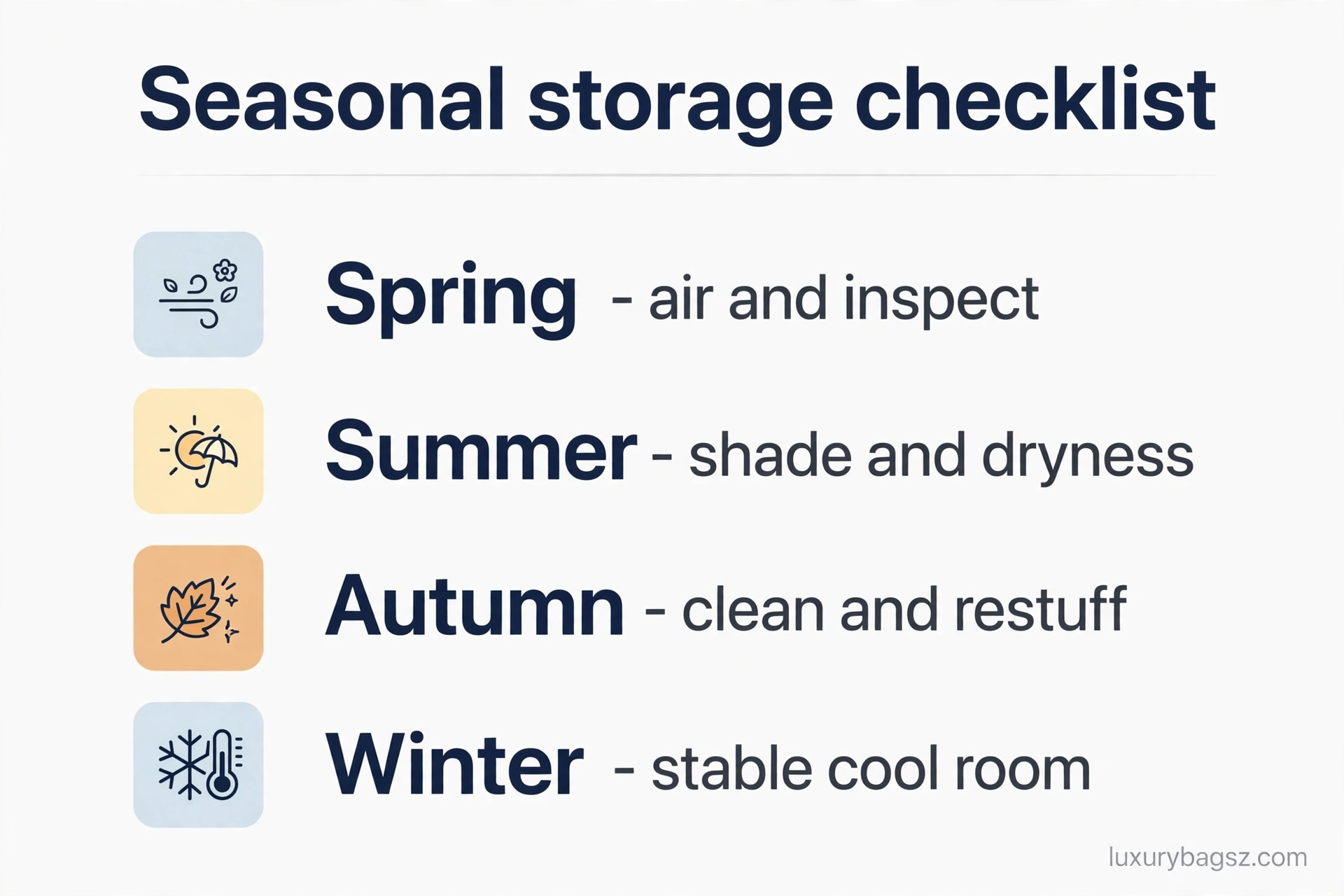
Rotation protects both bags and wardrobes. If you own several bags, rotate them through use, and air each stored bag every two or three months: take it out, check for damp or marks, re-stuff if it has slumped, and let it breathe for an hour. This habit catches problems early, when they are still easy to fix.
Small spaces call for smarter solutions, not worse ones. Use shelf dividers, store small leather goods inside larger bags only when wrapped in tissue, and keep travel pieces such as duffels folded only if the maker intends it. The Louis Vuitton Keepall guide explains why soft travel bags tolerate folding while structured handbags do not.
Long-Term Storage and Resale Value
For storage beyond six months, repeat the full routine with extra care. Clean thoroughly, stuff with fresh acid-free tissue, place the bag in its dust bag, and store it upright in a stable, dark spot. Note the date on a small card outside the dust bag, and set a reminder to air it every season. Long neglect is what turns a good bag into a tired one.
Keep the original box, dust bag, lock, keys and receipt together but stored separately from the bag itself, since boxes can trap humidity if sealed. Photograph the bag before long storage, including trim, corners and hardware, so you can compare condition when it comes back out. This record also helps enormously if you ever sell or insure the bag.
Good storage is one of the strongest resale levers a pre-owned seller has. Even patina, crisp corners, uncreased canvas and clean linings all read as careful ownership, while sagging, sun-faded panels and water-spotted trim cut value fast. The same care applies to every house, as the guide to how to store a Hermès Kelly bag shows for another structured icon.
Frequently Asked Questions
Should I store my Louis Vuitton bag in its dust bag or its original box?
Yes. The breathable cotton dust bag protects against dust and light scratches while letting air circulate. Never substitute a plastic bag, which traps moisture and can cause mould and marks.
Yes, if air can circulate and the box stays in a cool, dry room. Keep the bag in its dust bag inside the box, open the box occasionally, and avoid damp or hot rooms.
Should I stuff my Louis Vuitton bag when storing it, and can I hang it on a hook?
Yes, lightly. Acid-free tissue or a soft organiser holds the natural shape and prevents creases. Do not overstuff, since stretching strains seams, zips and handles over time.
Only briefly. Long-term hanging stretches handles and distorts the top edge under the bag's own weight. Store bags upright on a shelf for anything longer than a day or two.
How do I protect vachetta leather trim in storage?
Keep it dry, out of direct sunlight, and away from dark or printed materials that transfer dye. Let its honey patina darken evenly, and blot any water gently, drying naturally away from heat.
What humidity level suits Louis Vuitton storage?
A normal, comfortable indoor level suits most bags, roughly equivalent to a dry living room. Avoid damp rooms and attics, and use silica gel sachets in the room if your home runs humid.
How often should I air a stored bag, and what if it smells musty?
Every two to three months is ideal. Take it out, inspect it, re-stuff if it has slumped, and let it breathe for about an hour before returning it to its dust bag.
Air it in a dry, shaded room for a day, empty it fully, and wipe the interior gently. If the smell persists, seek professional cleaning rather than spraying perfume or harsh products inside.
Can I store small bags inside a larger Louis Vuitton bag?
Yes, if each smaller item is wrapped in tissue and the larger bag is not overfilled. Unwrapped hardware can scratch leather and canvas, so wrap buckles and chains separately.
Does good storage really affect resale value?
Yes, significantly. Even patina, crisp corners, uncreased canvas and clean linings signal careful ownership to buyers. Sagging, fading and water spots reduce what a pre-owned bag can command.
Final Verdict: Clean It, Stuff It Lightly, Keep It Upright
Storing a Louis Vuitton bag well comes down to a short routine done consistently: clean it, stuff it lightly, slip it into its breathable dust bag, and stand it upright somewhere cool, dry and shaded. Protect the vachetta from water and dye, never use plastic, and air the bag every few months. Do that, and your bag will reward you with decades of good looks and strong resale value.






