A Gentleman’s Style Guide: Wardrobe Staples, Fit Rules and Timeless Details
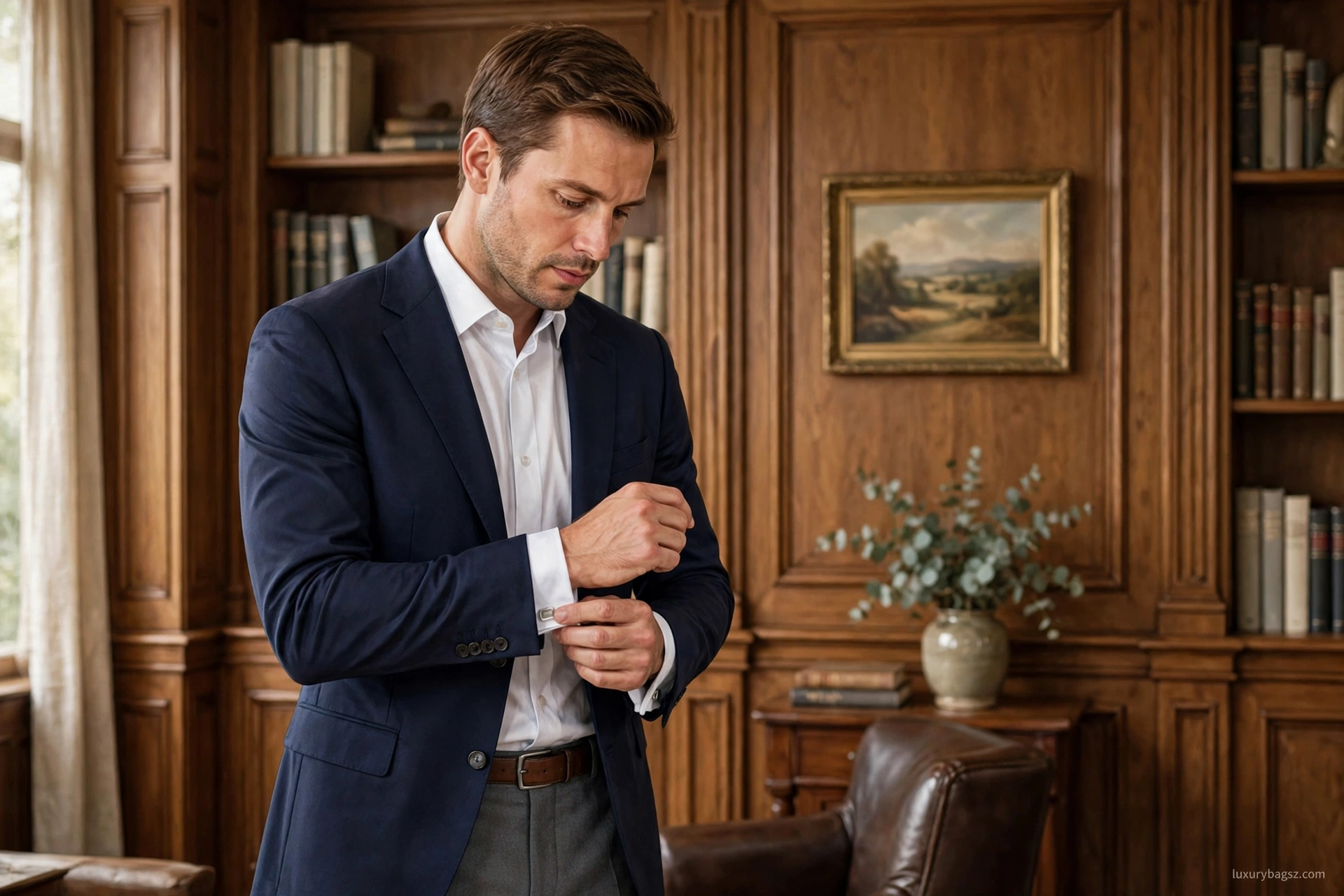
The Gentleman's Shortcut: Fewer, Better, Properly Fitted
A gentleman's wardrobe is built on a small set of timeless staples that fit properly — a navy blazer, grey trousers, white and blue shirts, dark denim, a good suit and classic shoes. Fit and grooming do most of the work. Clothes that sit cleanly on the shoulder, break neatly at the shoe and are kept pressed and polished look expensive at almost any price. Buy slowly, choose natural cloth, avoid loud logos and dress for the occasion in front of you. That restraint, repeated daily, is what people actually notice.
Key Takeaways
- Timeless beats fashionable: navy, grey, white and brown carry a wardrobe for years.
- Fit is the first rule — shoulders, sleeve length and trouser break matter most.
- Five classic shoe styles cover formal, smart and relaxed days.
- Details should whisper: a pocket square, a good watch, clean nails.
- Grooming and pressed, polished clothes are half the effect.
- Care and rotation make good clothes last a decade, not a season.
The Principles Behind the Look
Gentlemanly style is not a costume and not a brand list. It is a set of habits: dress appropriately, fit your clothes, and keep them in good order. Appropriateness comes first. The best-dressed man in the room is rarely the most formal or the most casual — he is the one pitched exactly at the occasion. Restraint comes second. Quiet colours, plain cloth and no visible logos let fit and grooming carry the impression instead of a label. Consistency comes third. A personal uniform of shapes and colours that suit you will always beat a wardrobe rebuilt around every trend.
None of this needs wealth. A modest wardrobe, well fitted and well kept, reads better than expensive clothes worn creased and unpolished. Age is no barrier either. The same principles suit a man of twenty-five and a man of seventy; only the fit and cloth weights change. Start by dressing well on ordinary days. Formal events become easy when smart dressing is already your daily default.
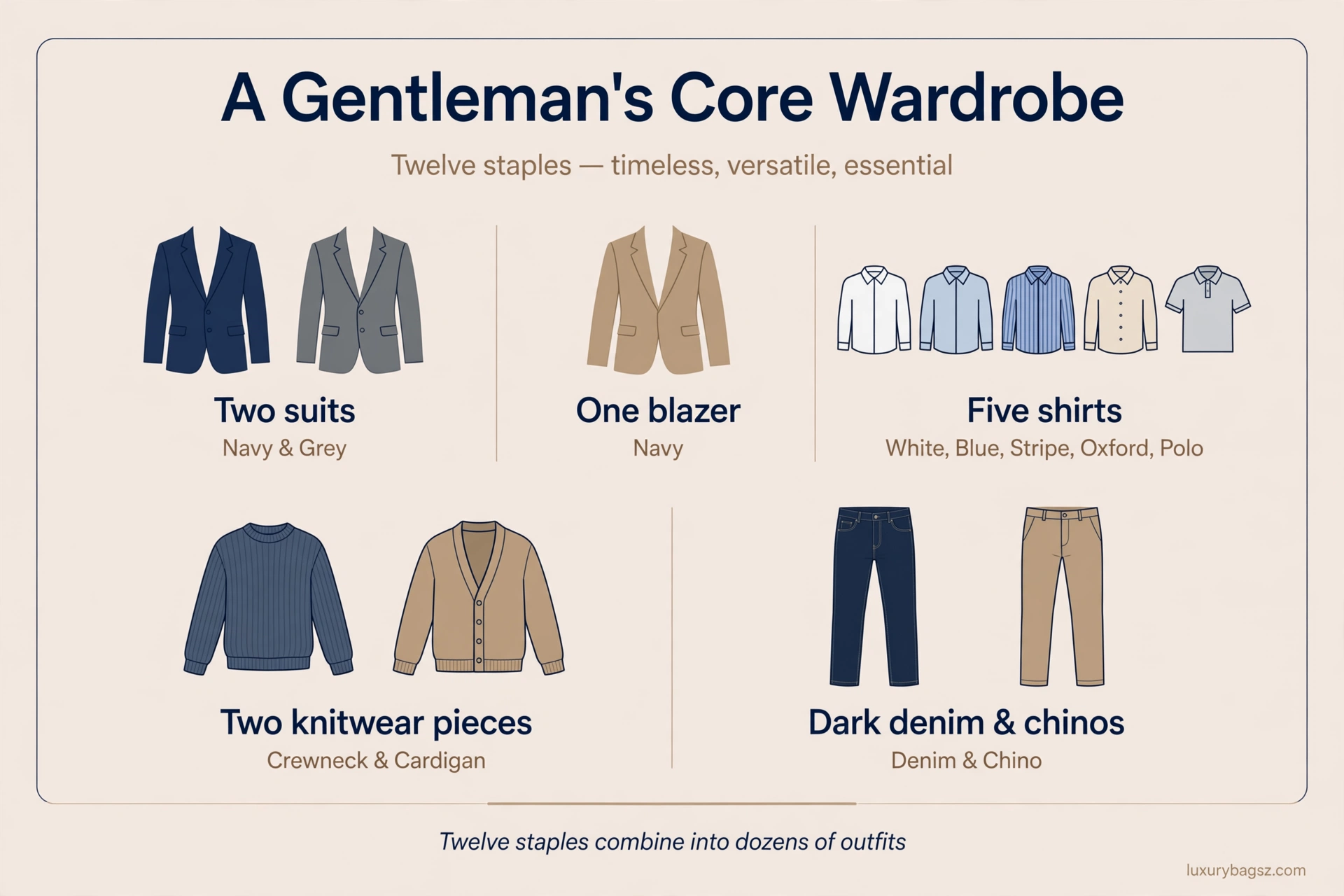
The Core Wardrobe: Twelve Staples
Begin with a navy blazer in a cloth with some texture. It dresses up denim and dresses down suit trousers, and works in three seasons. Add grey flannel or twill trousers, chinos in stone and navy, and dark indigo denim with no fading or rips. Those four cover most lower-half needs. Shirts in white and pale blue, in Oxford cloth for relaxed days and poplin for formal ones, form the centre. A fine knit or two adds winter options. Our minimalist capsule wardrobe for men guide shows how few pieces can still produce weeks of outfits.
Outerwear completes the set: a navy or camel overcoat, a raincoat and one casual jacket in suede, waxed cotton or a simple bomber shape. A charcoal or navy suit is the formal anchor. Buy it for the most formal regular event in your life, not for a fantasy calendar. Count combinations before you buy item thirteen. If a new piece does not work with at least three things you own, it is probably a mistake.
Fit Rules That Never Change
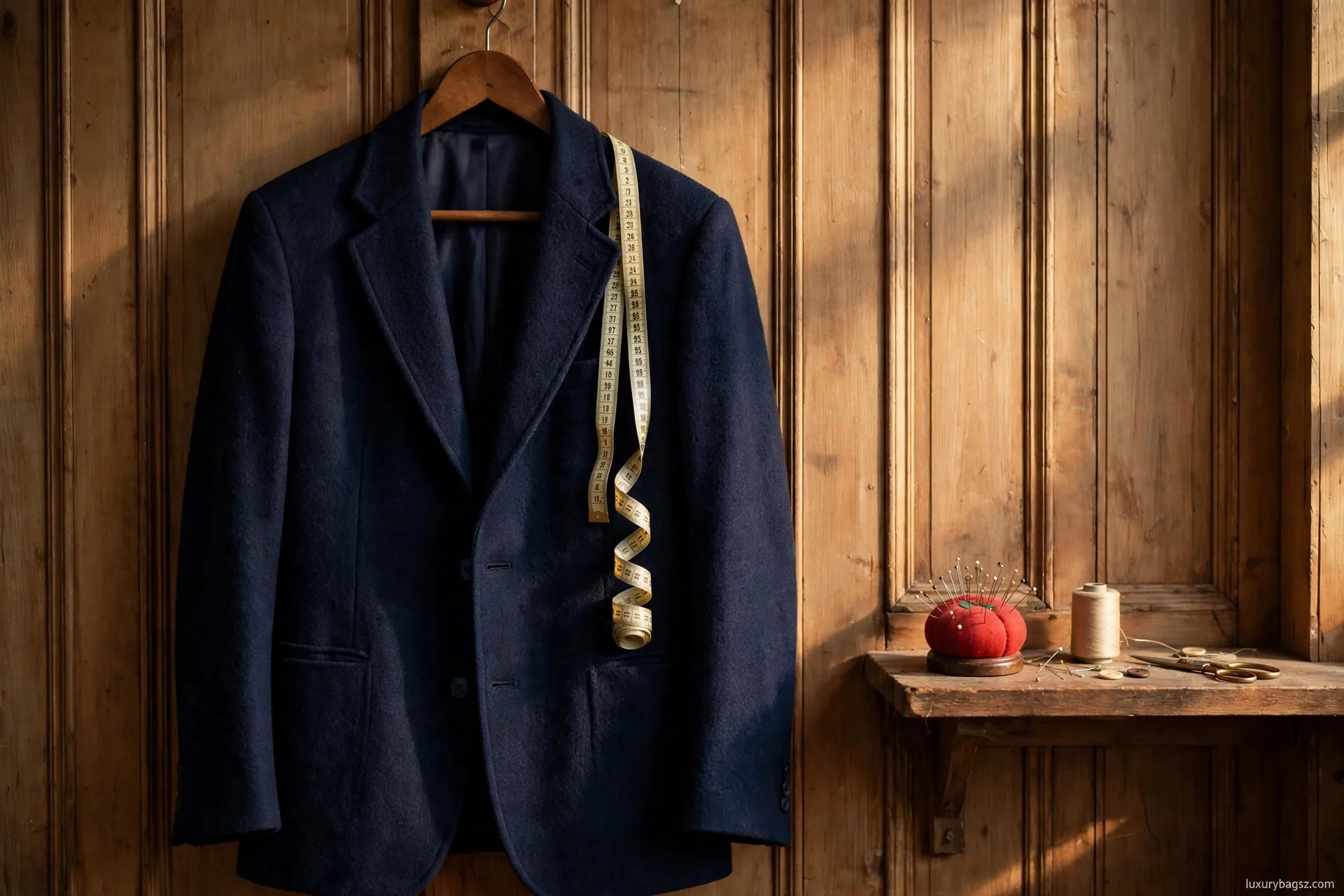
The jacket shoulder should end at your shoulder. Sleeves should show a sliver of cuff, and the jacket should button without pulling across the front. Trousers should sit at the waist and touch the shoe lightly. Cloth pooled over the shoe shortens your leg and frays the hem. Shirts should allow two fingers at the collar and end sleeves at the wrist bone. A collar that strangles or swallows ruins any tie or open neckline. For the full set of checks on cloth and canvas, read our companion guide on how to choose a suit before you spend on tailoring.
Knitwear should skim, not cling or sag. A jumper that ends at the belt line and sits flat at the shoulder suits nearly every build. Coats follow the same rules with room for layers. Try an overcoat on over your thickest jumper before you decide the size is right. Use a tailor for the cheap fixes. Hemming, sleeve length and a nipped waist cost little and change how the whole wardrobe reads.
Colour, Cloth and Pattern Without Fuss
Build the palette on navy, grey, white, stone and brown. These colours combine with each other in almost any order, which is the point. Add colour in small doses: a burgundy knit, an olive chino, a striped tie. One coloured piece per outfit is a safe and elegant limit. Natural cloth ages best. Wool, cotton, linen and cashmere breathe, drape and repair better than synthetics, and they look better in daylight. Patterns should be quiet and to scale. Fine stripes, small checks and herringbone read as texture across a room and never shout in photographs.
Match cloth weight to season. Flannel and tweed belong to cold months; fresco wool, linen blends and seersucker belong to warm ones. Texture mixing is the advanced move. A smooth shirt under a flecked tweed jacket with suede shoes shows range without a single loud colour. When in doubt, go plainer and darker for the evening, lighter and softer for the day. That single rule settles most colour doubts.

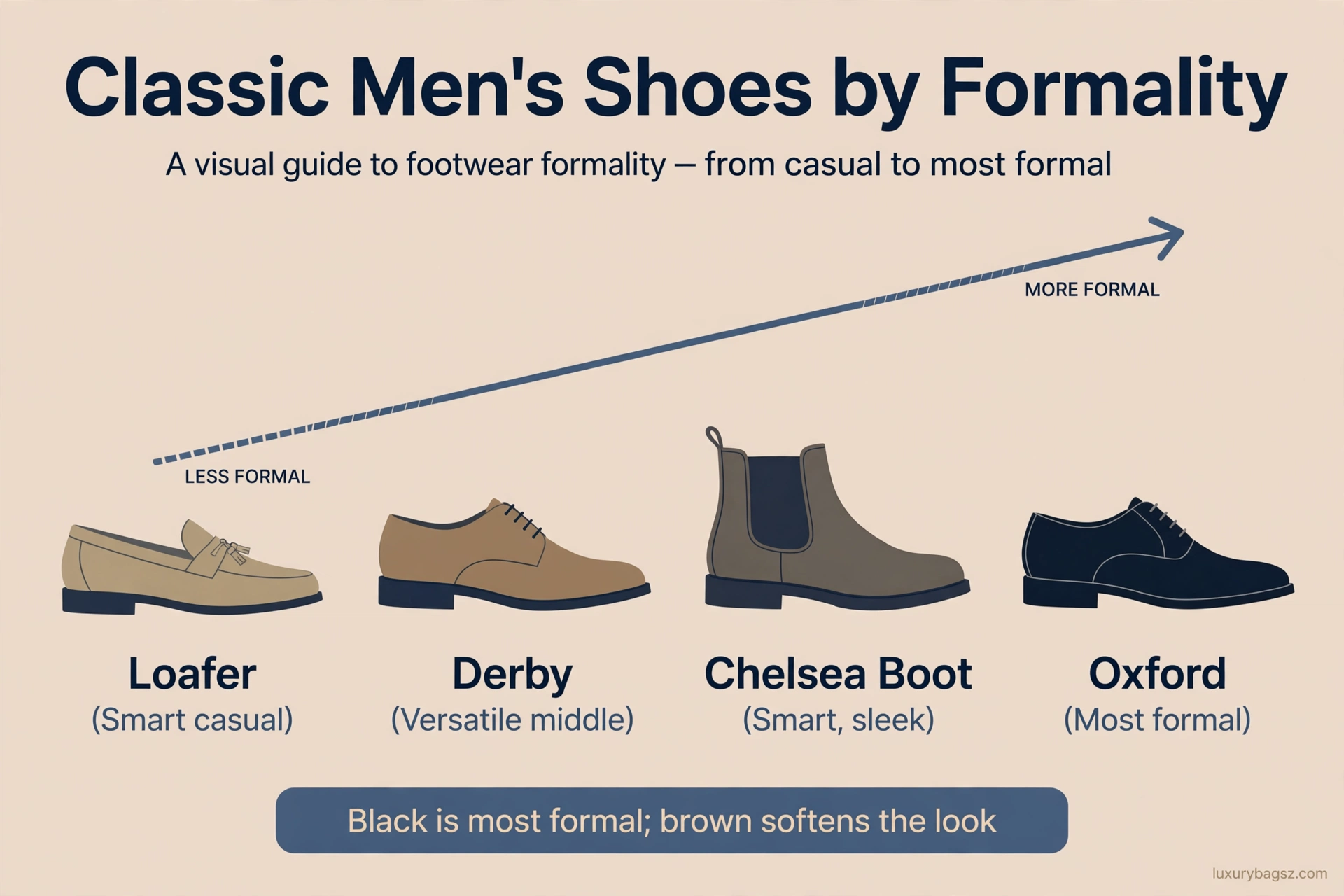
Shoes: Five Styles Cover a Life
Oxfords in black are the formal standard. In dark brown they cover most suits and smart trousers a man will wear in a year. Derby shoes are a touch more relaxed and kinder to high insteps. Suede derbys and loafers handle smart-casual days with ease. Our piece on how to wear loafers with a suit covers the loafer's formal limits and best pairings in detail. Boots — a Chelsea or a brogue boot — carry winter and country wear. Clean minimal trainers in white leather finish the relaxed end of the wardrobe.
Keep shoes on trees, rest them a day between wears and polish leather weekly if worn often. Shoes are the most judged item a man wears. Socks should cover the calf in formal dress and match the trouser or the shoe tone. Novelty socks have one home: deliberately relaxed outfits. Replace heel caps before they wear to the core. A clicking, uneven heel is audible in a quiet room and cheap to prevent.
Details, Grooming and Dress Codes
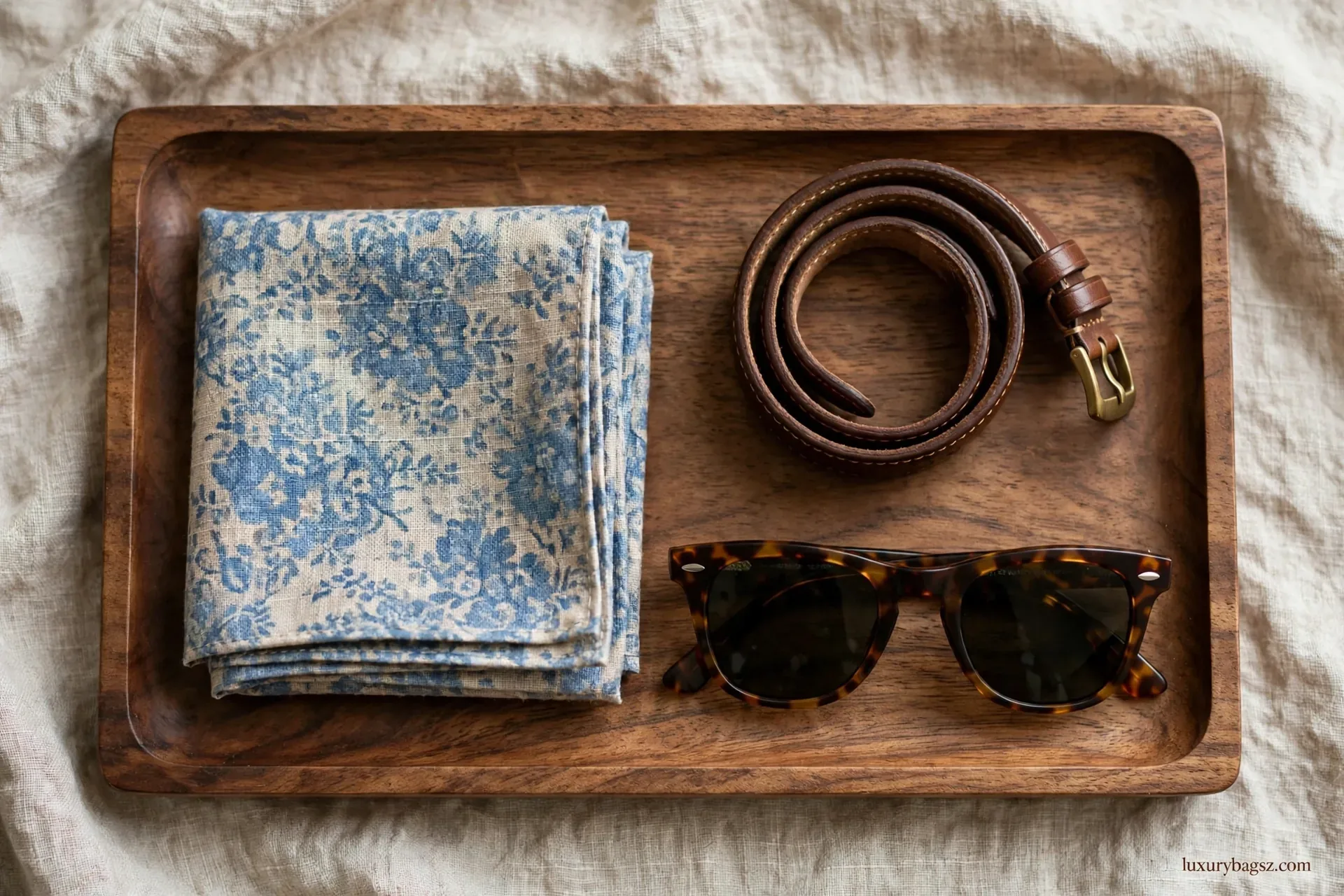
Details should be few and good: a plain pocket square, a watch that suits your wrist, a leather belt that matches the shoes and plain cufflinks for formal shirts. Fragrance follows the same rule — one or two sprays, close to the skin. A room should never smell your arrival before it sees you. Grooming is non-negotiable: clean trimmed nails, tidy hair, a managed beard or a clean shave, and shoes and clothes kept pressed and brushed. Learn the dress codes rather than guessing them. Our explainer on what is smart casual dress code for men untangles the code that confuses most men.
Black tie and morning dress have fixed rules; follow them exactly rather than improvising. Creativity lives in smart and casual codes, not formal ones. When no code is given, ask the host or pitch one step above your guess. Being slightly overdressed is forgiven far faster than the reverse. Carry a clean handkerchief, keep breath fresh and stand well. Manners are part of the outfit, and people remember them longer than cloth.
Care and Rotation: Making Clothes Last
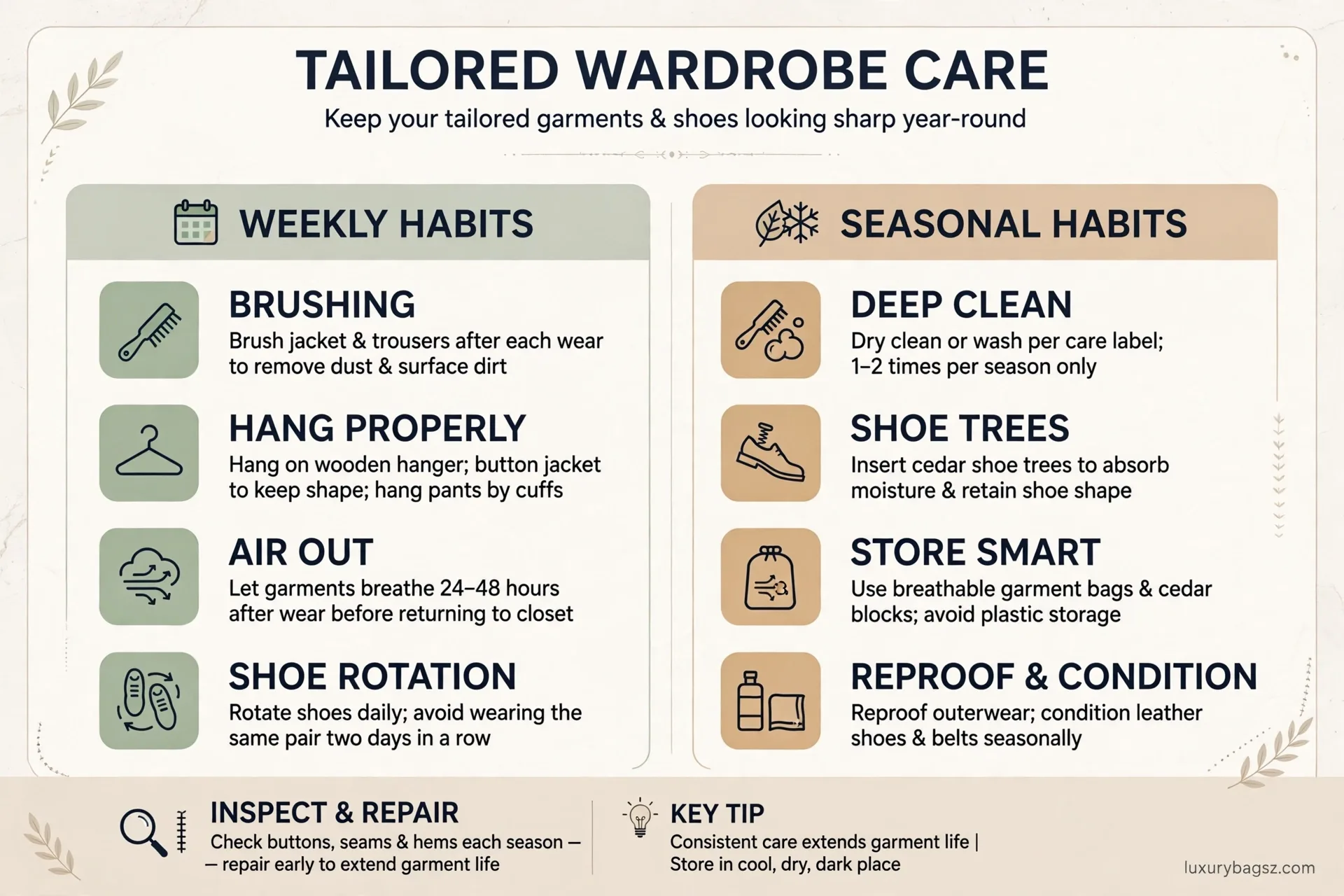
Rest tailored clothes for a day or two between wears on wide hangers. Airing clears odour and lets cloth and canvas recover shape. Brush jackets and trousers after wear and store them in breathable covers. Cedar helps against moths; cleanliness helps more. Wash shirts after each wear, knitwear rarely, and dry clean suits sparingly. Most gentlemanly cloth prefers air and a brush to chemicals. Rotate shoes strictly. Leather needs a full day to dry from the inside, and rotation can double the life of a good pair.
Mend early. A loose button, a small moth hole or a worn heel is a minor repair today and a ruined garment next season. Keep a simple kit: a cloth brush, shoe trees, polish in your shoe colours, a lint roller and a small sewing kit for buttons. At each season change, review the wardrobe. Clean everything before storage and note gaps calmly, rather than shopping in a panic later.
Buying Well on Any Budget
Spend first where fit and wear are hardest: the suit, the overcoat and the most worn shoes. Save on items that date or wear out quickly. Pre-owned tailoring and shoes from good makers can be superb value. Check cloth for shine and moth damage, and shoes for cracked leather uppers. Mid-priced staples in natural cloth usually beat designer versions in blends. The label is hidden; the cloth and fit are on display. Buy one good thing at a time, in wardrobe order. A planned purchase joins your combinations; an impulse purchase usually demands three more.
Avoid sale fever. A reduced price on the wrong colour or fit is still the wrong garment, and gentlemen's wardrobes suffer from almost-right pieces. Know your measurements and keep them in your phone. Chest, waist, inside leg and shoe size in UK, EU and US sizings prevent most buying errors. Finally, keep a short list of trusted makers and tailors for your staples. Rebuying a proven shape in a new cloth is the quiet secret of stylish men.
Frequently Asked Questions
What should a gentleman buy first?
A navy blazer, grey trousers, a white shirt and brown leather shoes. That single combination covers more occasions than any other starting set.
How many suits does a man need?
One good navy or charcoal suit covers most men. Add a second only when work or your social calendar genuinely demands weekly suit wear.
Are trainers acceptable in a gentleman's wardrobe?
Clean, minimal leather trainers suit relaxed and smart-casual outfits. They do not belong with formal tailoring or at formal events.
What watch suits a gentleman's style?
A plain dress or classic sports watch sized to your wrist, on a leather strap or a simple bracelet. Size and restraint matter more than brand.
How do I look stylish without following trends?
Fit your clothes, keep to a quiet palette of navy, grey and brown, groom carefully and keep everything pressed, brushed and polished.
Should a belt match the shoes exactly?
They should agree in colour family and finish — brown with brown, black with black. An exact match of shade is welcome but not essential.
What is the most common style mistake men make?
Wearing the right clothes in the wrong size — long trousers, long sleeves and jackets that pull. Simple tailoring fixes most of it cheaply.
How should a pocket square be worn?
Plain white linen, folded flat or with a soft puff, sitting modestly above the pocket. It should never match the tie exactly, pattern for pattern.
Is a gentleman's wardrobe expensive to build?
It can be built slowly at most budgets. Buy staples in order, prefer natural cloth, use tailoring for fit and consider quality pre-owned pieces.
How do I dress well as I get older?
Keep the same principles and adjust fit and cloth weight for comfort. Timeless shapes flatter every age; chasing youth trends flatters none.
Summary: Habits, Not Hauls, Make the Gentleman
A gentleman's style is a routine: timeless staples, honest fit, quiet colour, groomed detail and clothes that are cared for and rested. Build the twelve staples slowly, tailor what you own and dress exactly for the occasion. The result looks effortless because the effort is habitual.