

How to Wear Denim Trousers: Fits, Washes and Outfits for Men
Denim Trousers, in Brief
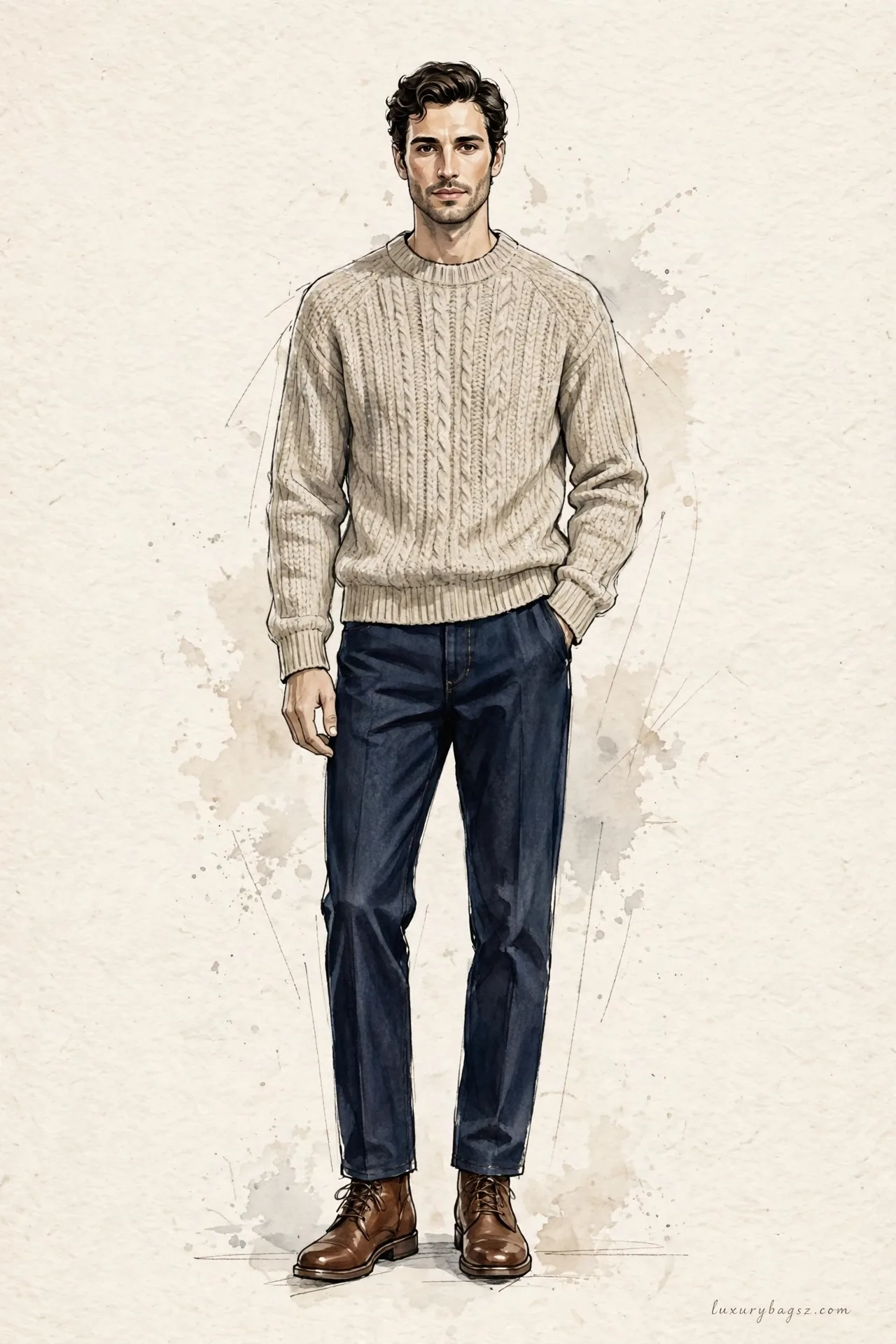
Denim trousers, better known as jeans, are the most versatile trousers most men own. They work when the fit suits your build, the wash suits the occasion, and the shoes and top match the level of polish you are aiming for.
Start with fit. Slim and straight cuts suit most men and most outfits, while tapered, baggy and bootcut cuts each suit a narrower set of looks. Buy the fit first, and worry about wash second.
For occasions, dark washes dress up, light washes stay casual, and black denim sits between the two. A clean dark pair with a shirt and dress shoes can handle smart-casual days, while light jeans belong to weekends.
Key Takeaways- Fit first: slim and straight cuts are the most versatile starting points.
- Dark, clean washes dress up; light and distressed washes stay casual.
- Match shoe formality to the occasion, not just to the jeans.
- Hem or cuff so the leg ends cleanly at the shoe, without pooling.
- Quality denim, neat stitching and solid rivets outlast fast-fashion pairs.
The Fits, Explained Simply
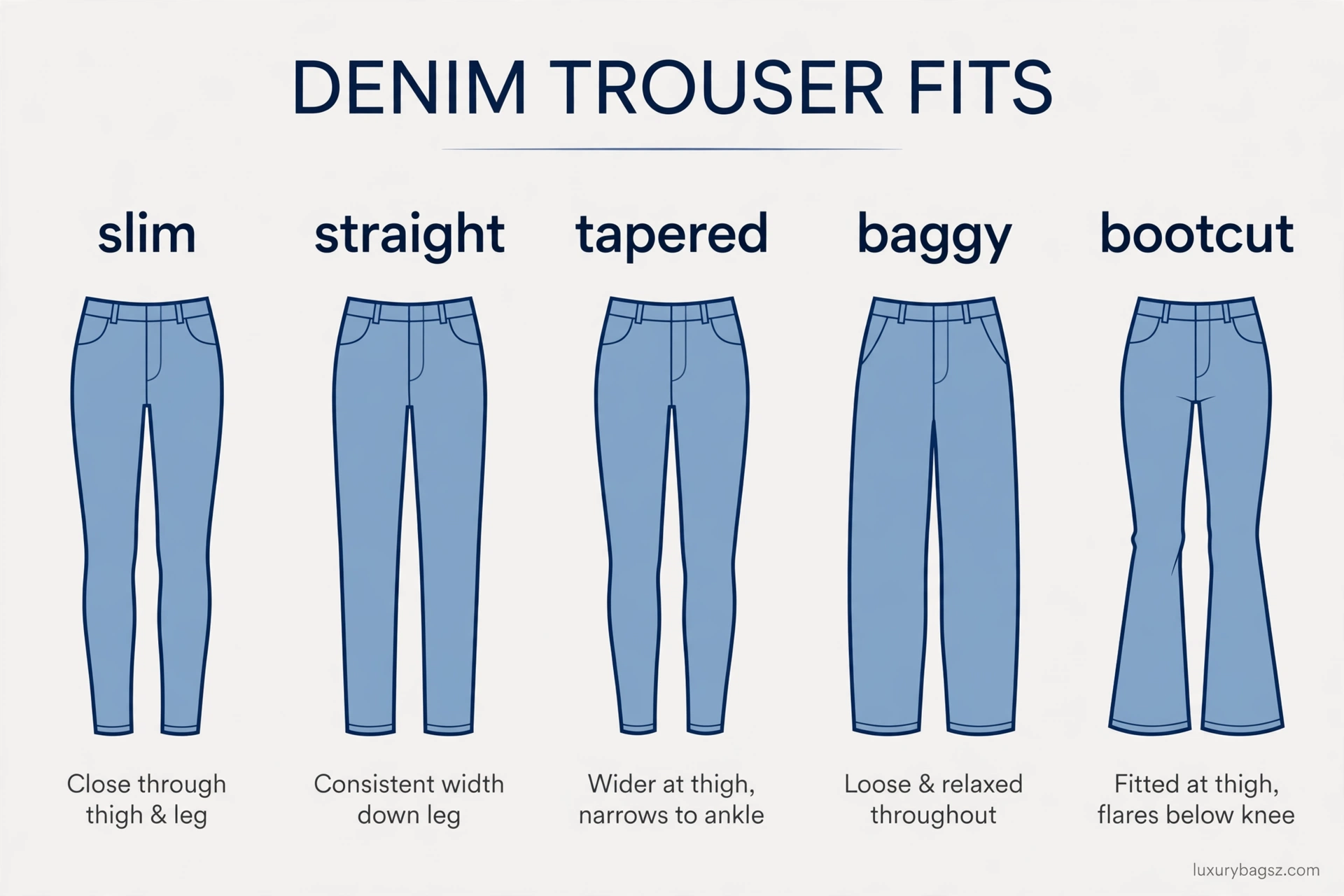
Slim jeans follow the leg without squeezing it, making them the best starting point for most men. They pair with fitted tees, shirts, knitwear and casual blazers, and they suit both sneakers and boots.
Straight jeans fall straight from knee to hem, with the same width at thigh, knee and ankle. They are more relaxed than slim cuts, suit looser layers, and flatter men who want room without a baggy silhouette.
Tapered jeans are roomier at the thigh and narrower at the ankle. They give a modern silhouette, show off shoes well, and suit men with larger thighs who still want a clean ankle line.
Baggy jeans are relaxed throughout, with a wide leg and a low, easy drape. They need a fitted or hip-length top to balance the volume, and they suit streetwear and casual looks best.
Bootcut jeans fit close on the thigh and flare from the knee, leaving room over boots. They suit boot wearers and taller men, and they pair best with simple tops that do not fight the flare.
Raw, unwashed denim is a separate choice within any fit. It starts stiff and dark, then fades uniquely with wear, but it needs weeks of breaking in and careful first washes to avoid dye transfer.
Choosing a Fit for Your Build
Slimmer men can wear slim, straight or tapered cuts comfortably, with tapered cuts adding shape without bulk. Very skinny cuts suit only slimmer builds, and they can look restrictive on anyone else.
Men with larger thighs should look at straight or tapered cuts, which give room where it is needed and narrow at the ankle for a clean finish. Going up a size in a slim cut often creates a baggy waist instead of solving the thigh issue.
Taller men can carry straight, baggy and bootcut cuts well, since a longer leg balances extra volume. Shorter men benefit from tapered or slim cuts with a clean hem, which lengthen the leg line visually.
The test is simple: sit down in the jeans. If they pull hard at the waist or thigh, or if you cannot sit comfortably, the fit is wrong, however good it looks standing up.
Outfits for Every Occasion
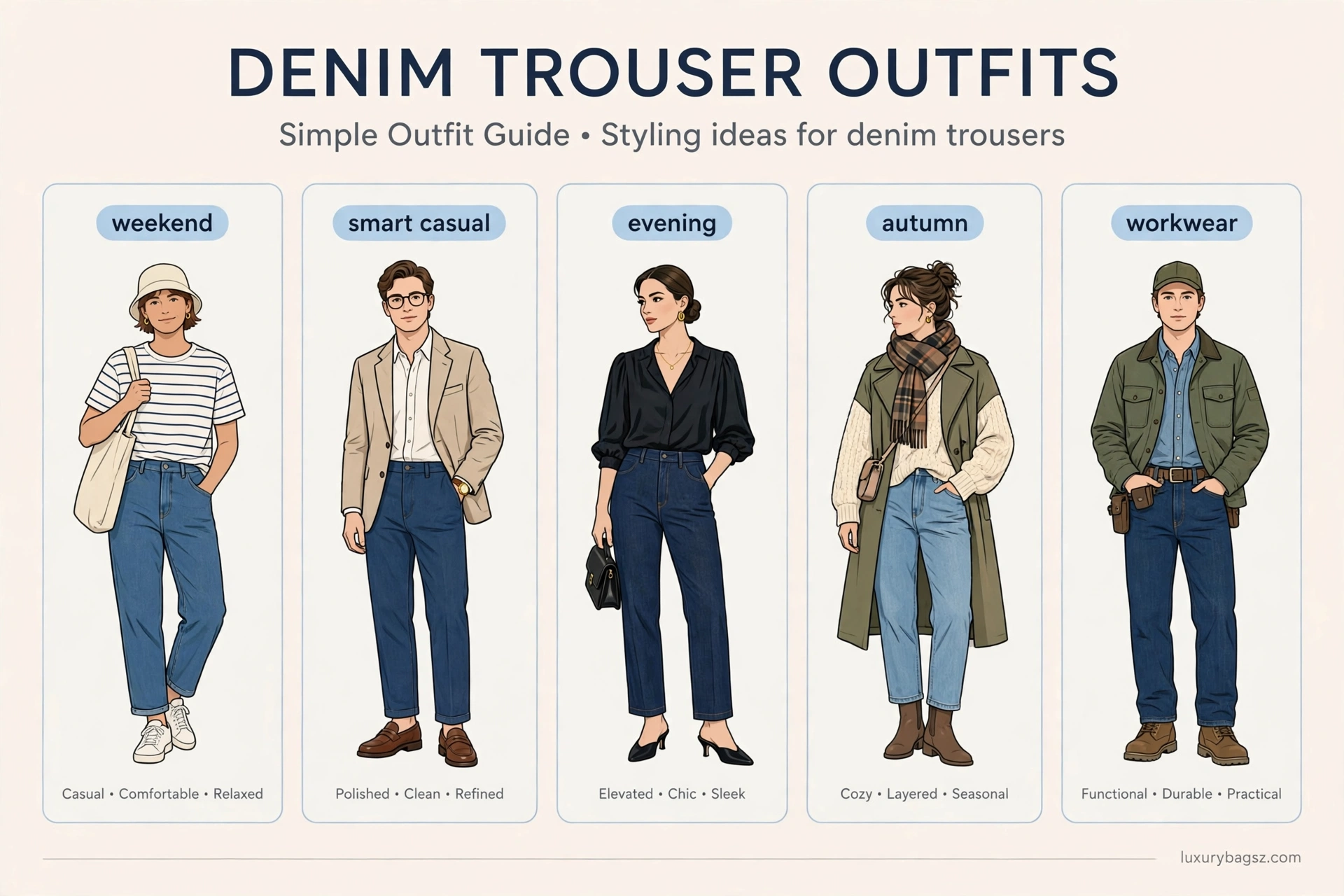
The weekend standard is jeans with a plain tee and clean sneakers. A mid-wash straight pair, a white or grey tee and white leather trainers is effortless, and it works for errands, lunches and casual meet-ups.
For smart-casual days, dark straight jeans with a button-down shirt and loafers or derbies are reliable. Tuck the shirt in, add a leather belt, and the outfit reads polished without feeling formal.
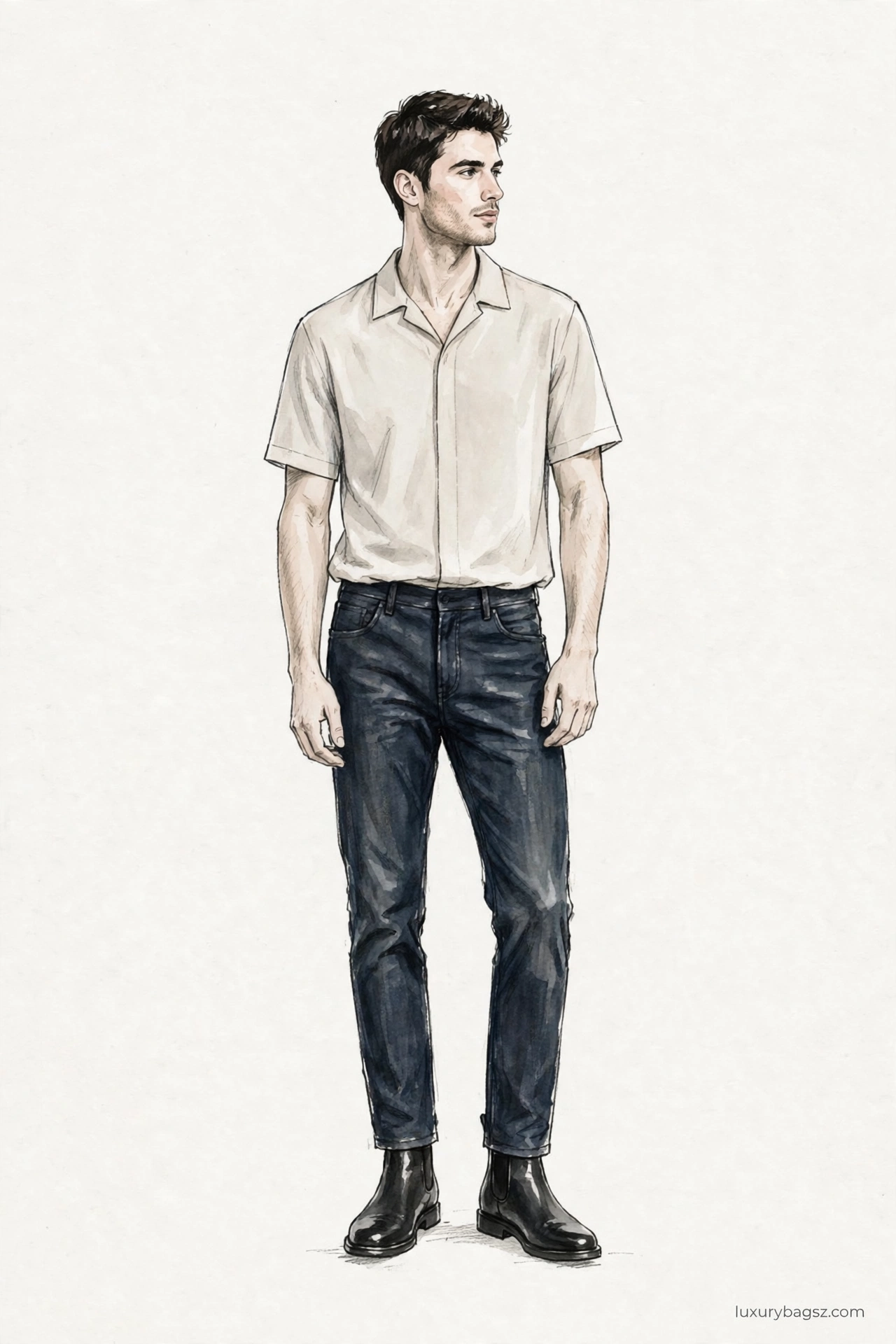
Evenings suit dark or black jeans with a dark shirt or knit polo and Chelsea boots. The darker palette sharpens the outfit, and a leather jacket or blazer on top adds a finished edge after dark.
For layered autumn days, dark jeans anchor a sweater and a coat beautifully. A crew-neck knit, an overcoat and leather boots turn jeans into a cold-weather outfit that still looks intentional.
Workwear-inspired days pair jeans with a flannel shirt, a chore coat and work boots. The textures complement each other, and the outfit feels rugged without tipping into costume, provided colours stay muted.

Washes: Dark, Mid, Light and Black
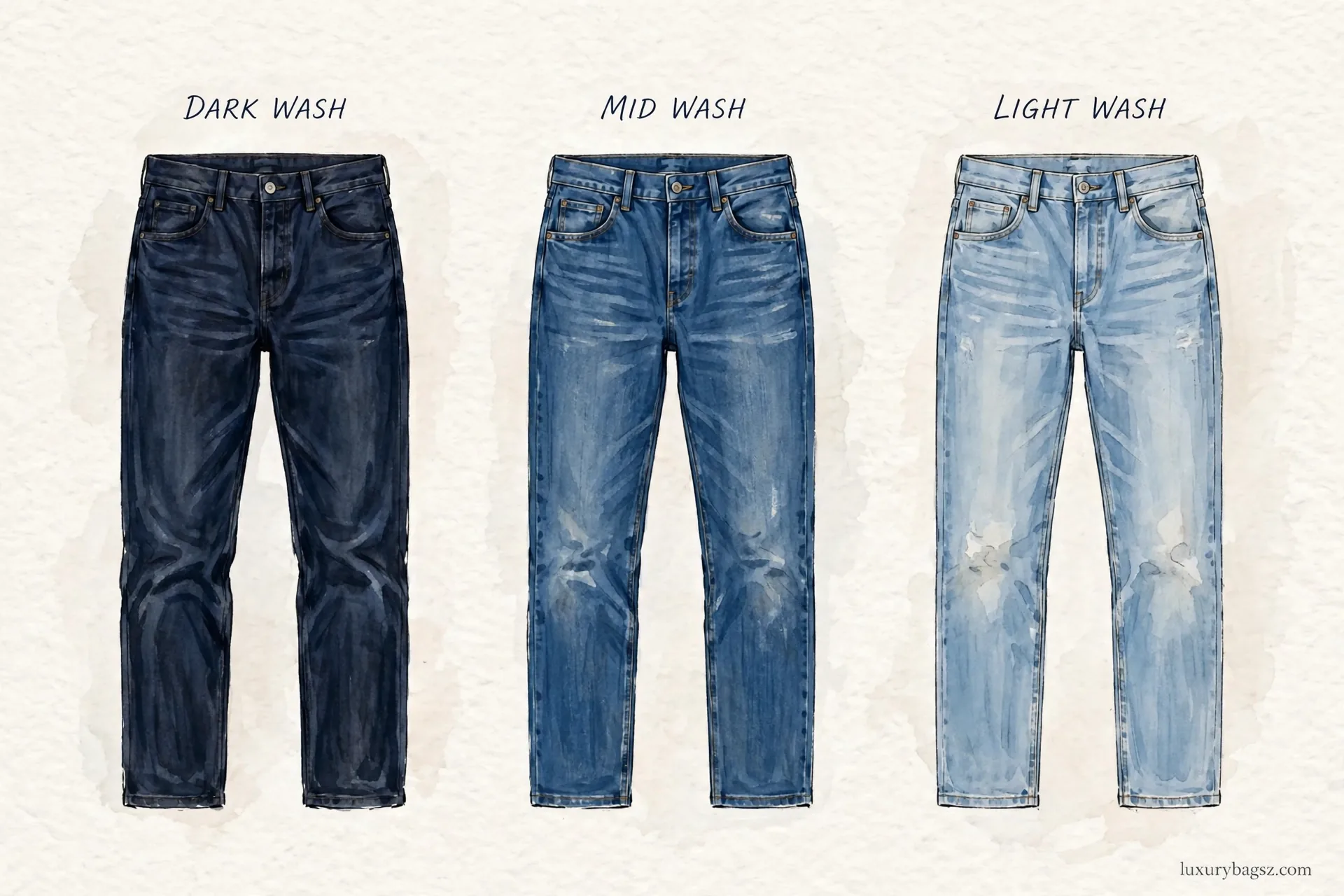
Dark indigo is the dressiest wash. It suits smart-casual outfits, evenings and workplaces that allow denim, especially when the wash is clean, with minimal fading, whiskering or distressing.
Mid-wash blue is the everyday wash, versatile for weekends, casual workdays and travel. It pairs with most colours, from white tees to rust knits, and it hides everyday wear better than very dark denim.
Light wash reads summery and relaxed. It suits holidays, weekends and daytime outfits, especially with white, cream or pastel tops. Save it for casual settings, since it rarely looks polished enough for smarter days.
Black denim sits between dark indigo and formal trousers. It works for evenings, monochrome outfits and smart-casual days, but it fades with washing, so cold washes and hanging to dry matter even more.
Dressing Denim Trousers Up
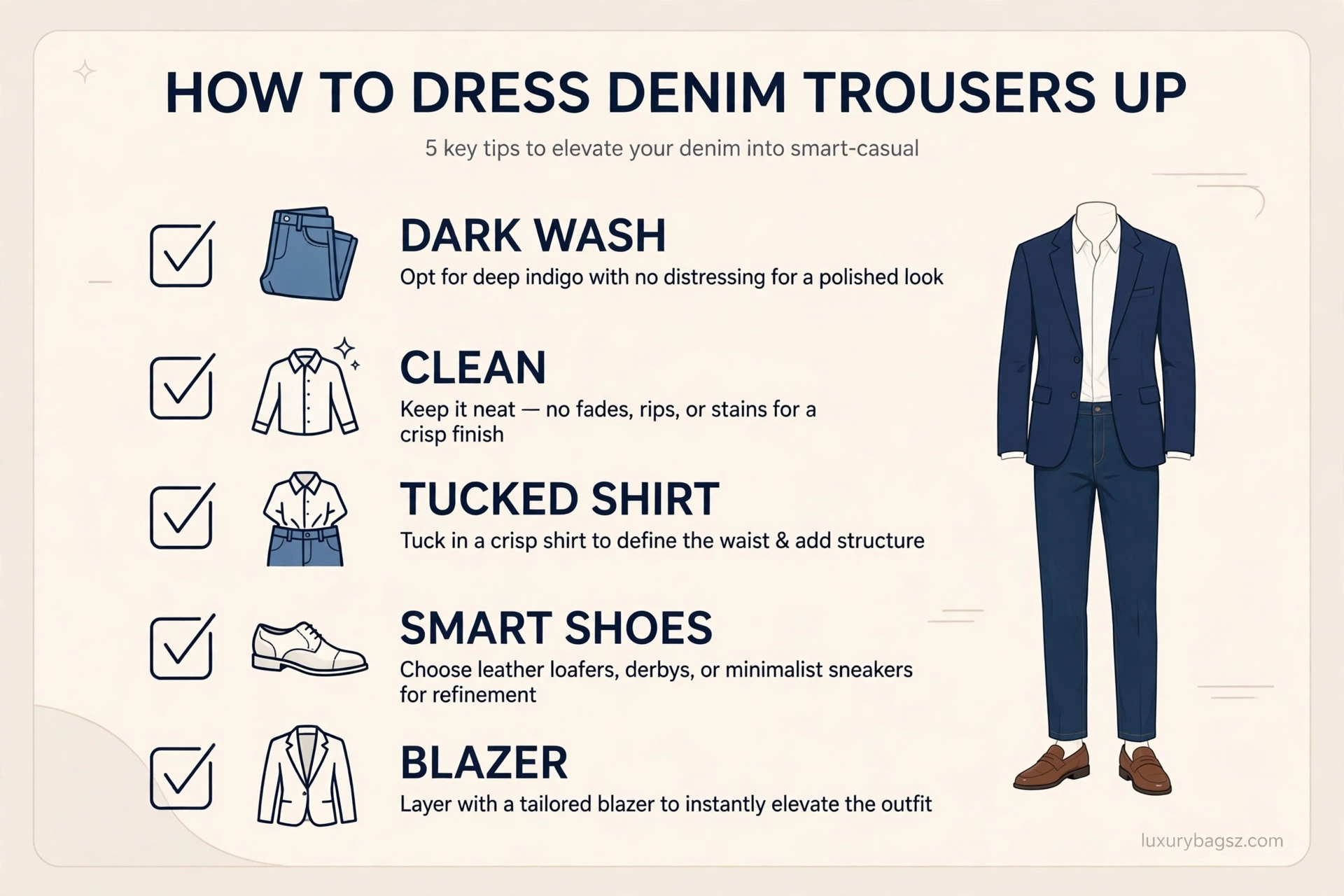
Dressing up starts with a clean, dark wash in a straight or tapered fit. Avoid distressing, heavy fading, whiskering and contrast stitching, all of which signal casual wear instantly.
Pair the jeans with a crisp shirt, tucked in, and a leather belt that matches your shoes. An unstructured blazer or a smart knit on top adds polish, while the jeans keep the outfit relaxed rather than formal.
Shoes make the difference. dress shoes, loafers and sleek Chelsea boots lift dark denim into smart-casual territory, while chunky trainers pull it straight back to weekend wear.
Keep the rest simple. A plain shirt, a simple watch and a clean belt are enough. Statement prints and heavy accessories fight the polished effect that dark, clean denim creates.
Shoes, Hem and Proportion
Sneakers suit most denim outfits, from white leather trainers for clean looks to canvas sneakers for relaxed days. Avoid overly sporty trainers with smarter jeans, since the mix reads confused.
Boots pair naturally with denim, especially Chelsea boots, service boots and chukkas. The hem should sit just above the boot shaft or break slightly over it, never pooling in folds around the ankle.
Loafers and derbies suit smart-casual denim, particularly in suede or polished leather. They need a tapered or straight leg with a clean hem, so the shoe itself stays visible rather than hidden under fabric.
Hem length is a small detail with a large effect. Cuffing works for casual outfits and shows off boots or sneakers, while a tailored hem suits smarter looks. Either way, avoid fabric pooling at the ankle.
Tucking also changes the proportion with jeans. A full tuck suits smart-casual outfits with a belt, a French tuck suits relaxed shirts, and leaving a shirt untucked suits tees and casual layers, provided the hem is not too long.
Mistakes to Avoid
Buying jeans that are too tight is the most common mistake. Skin-tight denim restricts movement, highlights every seam and wears out faster at the stress points. Comfort when sitting is the real fit test.
Wearing light, distressed jeans to a smart occasion is the second mistake. Fading and rips read casual, however expensive the jeans are, and they cannot be rescued by a blazer or smart shoes.
Matching denim top and bottom washes exactly is the third mistake, creating a denim suit effect. Build in contrast with wash, colour or a layer that breaks the denim block.
Finally, neglecting the hem spoils otherwise good jeans. Dragging, frayed or heavily pooled hems look careless, while a quick hem or a neat cuff sharpens the whole outfit for very little cost.
Buying, Fabric and Care
Look for denim with a high cotton content and a little stretch, around one to two percent elastane, for comfort. Pure rigid denim lasts longer and fades more characterfully, but needs breaking in.
Check stitching, rivets and pocket construction before buying. Neat, even stitching, solid rivets and sturdy back pockets signal a pair that will hold up. Thin, uneven stitching is a warning sign.
Selvedge denim, with its clean finished edge, is the premium option, known for durability and distinctive fading. It suits enthusiasts, but good non-selvedge denim serves most men perfectly well for daily wear.
Wash jeans sparingly, in cold water, inside out, and hang to dry. Frequent hot washing fades colour and weakens fibres, while spot-cleaning small marks extends the life of the wash considerably.
Frequently Asked Questions
What is the most versatile denim fit?
Straight and slim cuts are the most versatile, suiting most builds and most outfits. They work with tees, shirts, knitwear and blazers, and pair with sneakers, boots and loafers alike.
Can you wear jeans to a smart-casual event?
Yes, in a dark, clean wash with a straight or tapered fit, a tucked shirt and smart shoes. Avoid distressing, fading and light washes for smarter occasions.
What wash of jeans dresses up best?
Dark indigo, with minimal fading and no distressing, dresses up best. Black denim is a close second for evenings, while light wash stays firmly casual.
Should jeans be cuffed or hemmed?
Both work. Cuffing suits casual outfits and shows off shoes, while a tailored hem suits smarter looks. Avoid pooling fabric at the ankle either way.
What shoes go with jeans?
White sneakers, Chelsea boots, service boots, loafers and derbies all suit jeans, depending on the outfit. Match shoe formality to the occasion, not just to the denim.
Are skinny jeans still in style?
Slim and straight cuts are the safer current choices for most men. Very skinny jeans suit slimmer builds and specific looks, but they are less versatile than slim or tapered cuts.
How often should you wash jeans?
As rarely as practical. Spot-clean marks, air them between wears, and wash in cold water only when needed. This preserves colour, fit and fabric life.
Can you wear double denim?
Yes, with contrasting washes. A light denim shirt with dark jeans, or vice versa, works well. Matching washes exactly creates a denim suit effect to avoid.
Do jeans suit all body types?
Yes, with the right fit. Slim and tapered cuts suit slimmer builds, straight and tapered cuts suit larger thighs, and clean hems help shorter men lengthen the leg line.
What is selvedge denim?
Selvedge denim is woven on old-style shuttle looms, giving a clean, non-fraying edge inside the outseam. It is prized for durability and fading character, though good regular denim serves most wearers well.
Conclusion
Denim trousers reward a simple approach: get the fit right for your build, choose the wash for the occasion, and finish with shoes that match the level of polish. Do that, and one or two good pairs will carry you from weekends to smart-casual workdays without ever feeling like a compromise.






