Zimmermann Dresses: The Spring-Summer Edit of Florals, Lace and Ruffles
Zimmermann in Brief: Romance, Engineered Properly
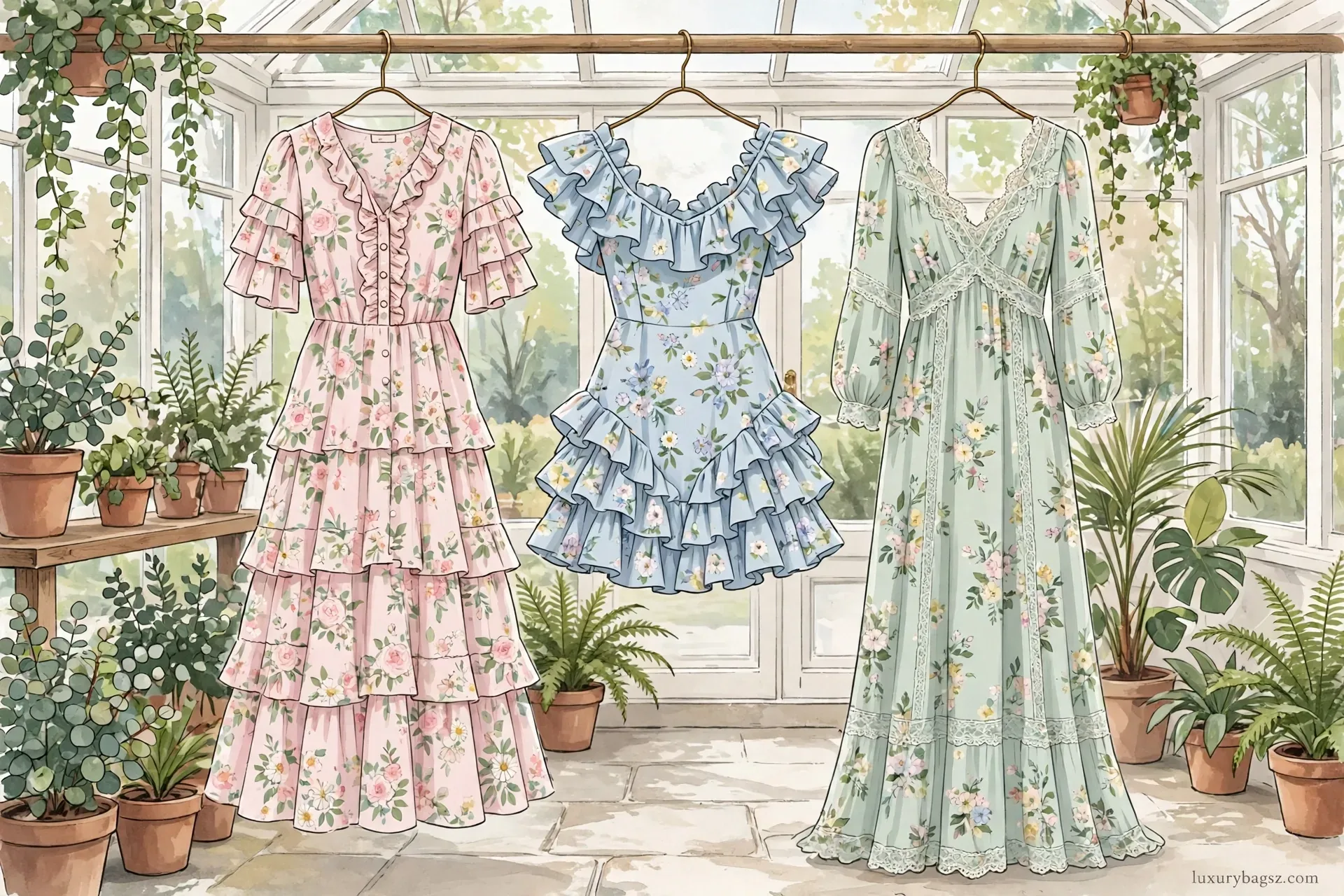
A Zimmermann dress is recognisable across a garden party: painterly florals, lace trim, ruffles placed with intent, and a silhouette that moves like it was cut for a breeze. For spring and summer, it is the label to buy when the occasion deserves romance and you want the engineering to match. Start with the midi. The label's floral midi dresses are its signature for a reason — they cover weddings, race days, holidays and long lunches in one garment, and they hold their value better than almost any pretty dress on the market.
Key Takeaways
- The signature is detail: floral prints, lace trim, ruffles and broderie anglaise.
- Midi is the classic length; minis skew younger and sweeter, maxis own weddings.
- Prints are the label's own artwork — check alignment at seams on any purchase.
- Typical new prices run from the mid-hundreds upward; resale demand stays strong.
- Pre-owned buys need care: lace, embroidery and silk must be checked panel by panel.
- Style simply — flat or heeled sandals, one bag, little jewellery. The dress is the event.
The House Style, and Why It Endures
Zimmermann is an Australian label, founded in Sydney in the early 1990s, that built its name on feminine dresses with serious construction underneath the romance. That pairing is the whole story. Where a lesser pretty dress is a print on a simple shape, a Zimmermann piece layers techniques: printed silk, embroidered cotton, lace inserts, tiered ruffles, smocking and carefully placed cut-outs. It endures because the dresses answer real occasions. Weddings, holidays and summer parties return every year, and a dress that solves them beautifully, and photographs like a painting, earns its place in a wardrobe. The Australian light is in the clothes, too. The palette — sun-washed pastels, garden florals, white broderie — was designed for bright days, which is why the dresses look as right in the Mediterranean or the Caribbean as they do in Sydney.
The Signature Details to Know
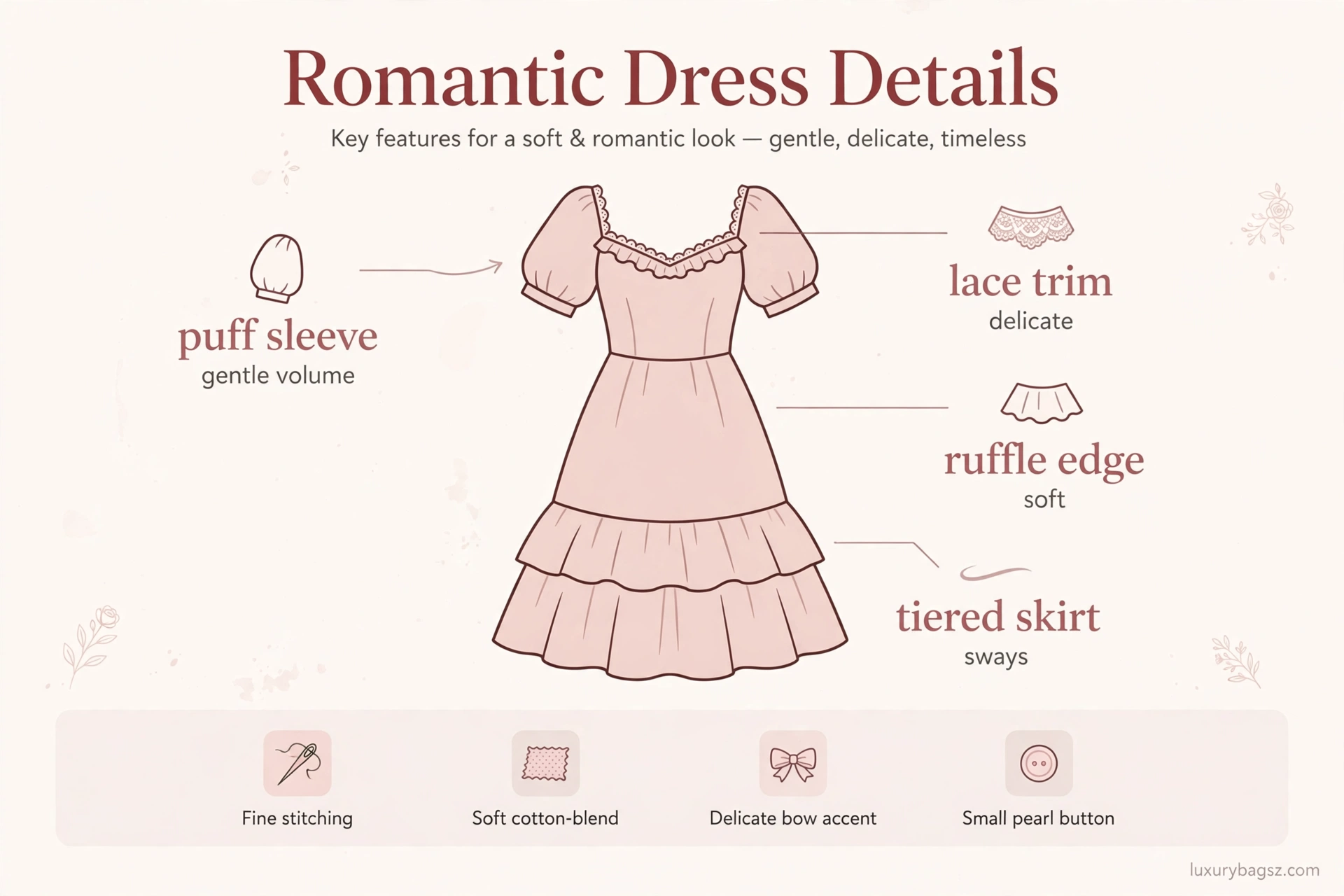
Florals first: the prints are developed in-house and range from ditsy small-scale flowers to large painterly blooms. Scale decides formality — small prints for day, large blooms for events. Lace trim and broderie anglaise do the label's delicate work along hems, sleeves and necklines. On a genuine piece the lace is crisp, even and firmly attached, with no loose threads at the joins. Ruffles and tiers build the movement. They are cut on the bias or in graduated layers so the skirt swings rather than bounces, and sleeves often carry the same ruffle language as the hem. Smocking and shirring deserve a mention: they give bodices their forgiving fit and some of their prettiest texture. On a genuine dress the shirring is even and elastic; puckered, uneven smocking is a quality warning.
Lengths: Mini, Midi, Maxi
The mini dresses are the playful end: short, often with volume in the sleeve or skirt, aimed at parties and holidays. They suit younger styling — flat sandals, minimal jewellery, hair down. The midi is the signature buy, falling below the knee to mid-calf, in wrap, shirt or fit-and-flare shapes. It is the length that anchors our wider edit of designer dresses for spring whenever a truly romantic option is needed. The maxi is the wedding and event length: long florals, often tiered, that carry a whole outfit. A maxi in this label's prints needs nothing but a shoe and a clutch, and adding more is the classic beginner's error.

Fabrics: Silk, Cotton, Linen and Lace
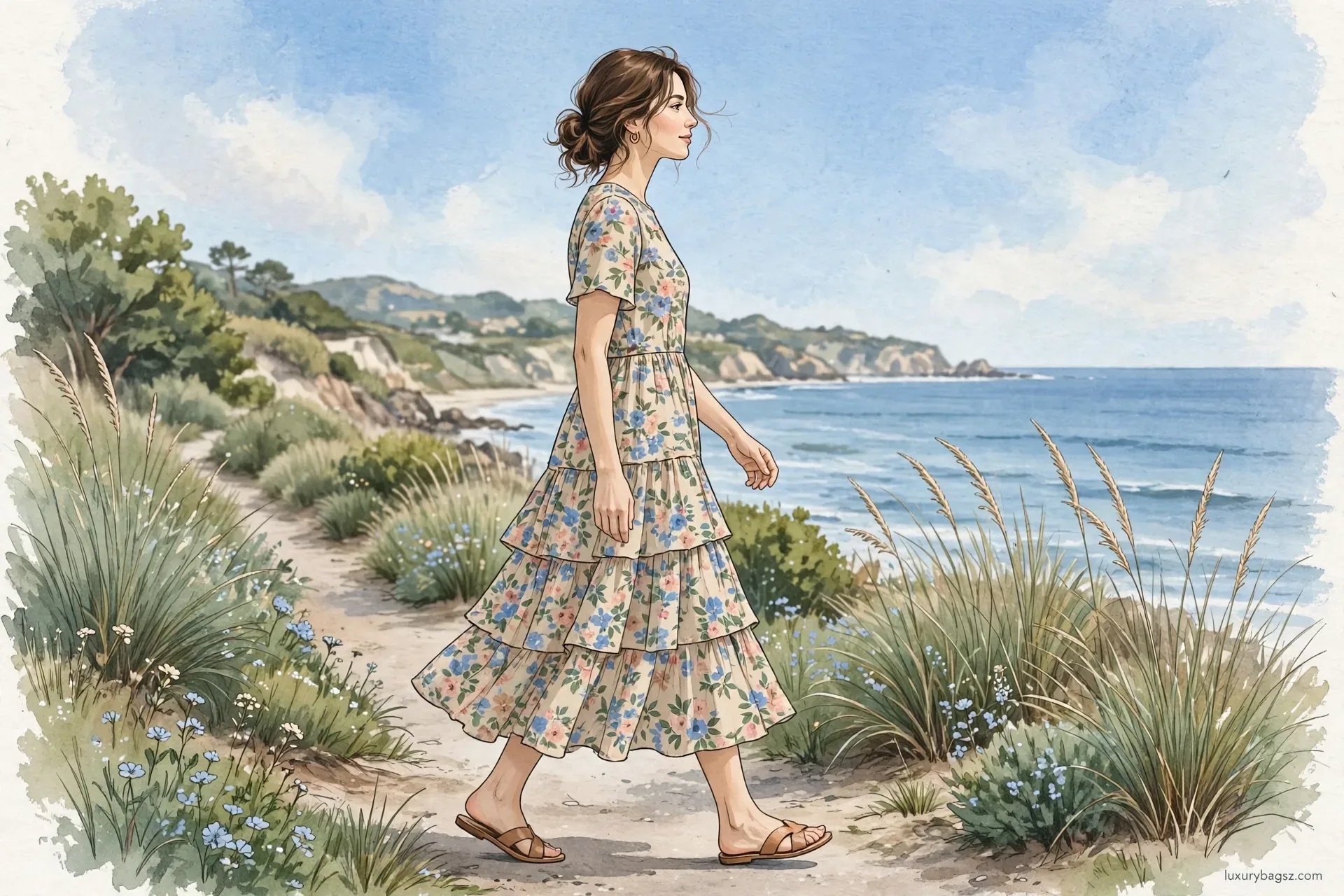
Silk and silk blends carry the occasion dresses — fluid, luminous and printed with the richest colour. They ask for careful wear and proper cleaning, and they repay it in photographs. Cotton and broderie anglaise carry the day dresses: cooler, washable with care, and made for holidays and lunches. The weave knowledge in designer cotton clothing for summer helps judge these pieces cloth by cloth. Linen blends appear in the resort ranges, cut looser and plainer. Whatever the fabric, linings matter: the label typically lines its dresses properly, and an unlined version at full price deserves a question. Chiffon and georgette handle the floatiest maxis. They are also the fabrics that snag and pull most easily, so a chiffon dress is a seated-occasion dress, not a festival dress, however romantic the idea sounds.
Weddings and Big Occasions
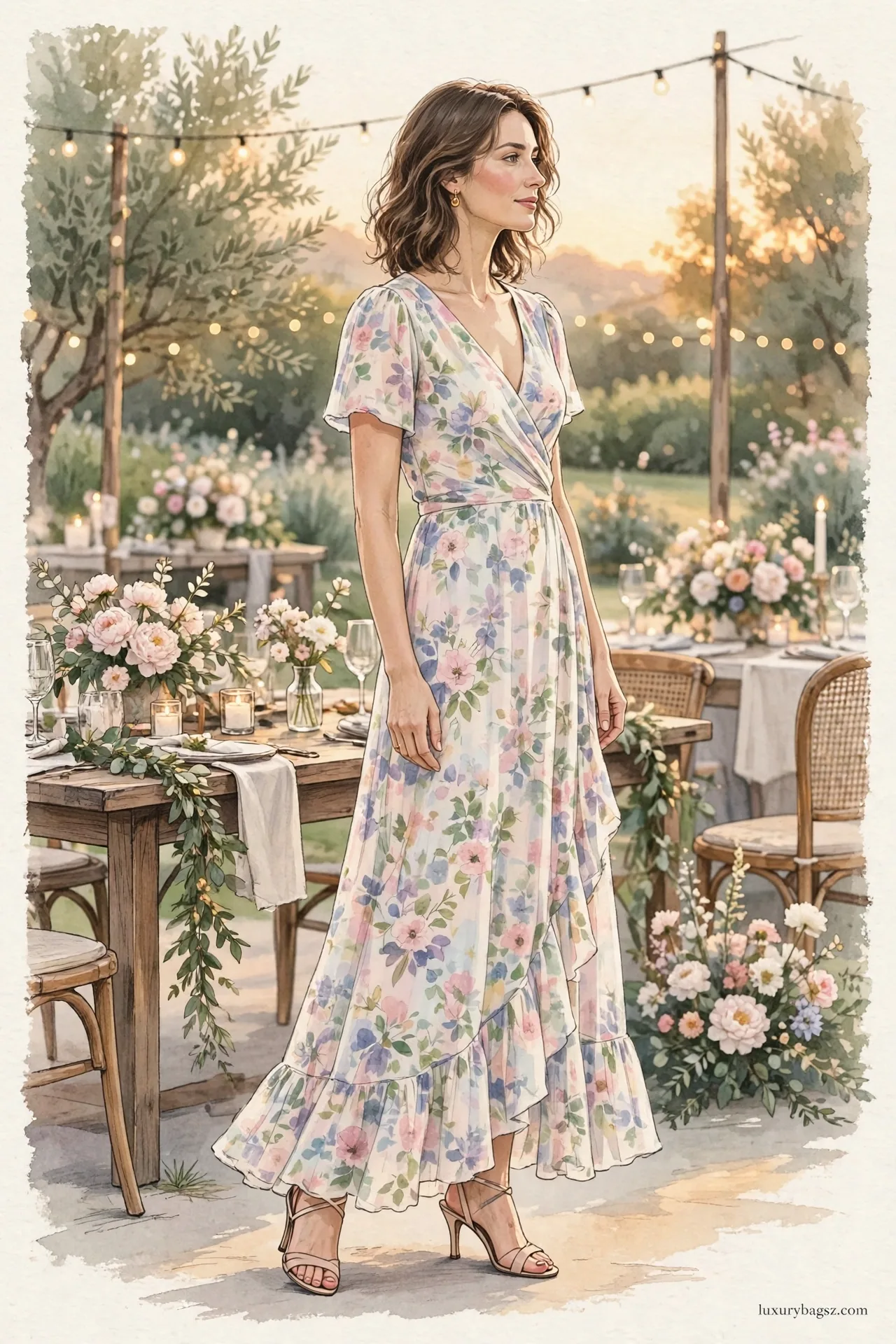
As a wedding guest, a Zimmermann floral midi or maxi is one of the most reliable choices in modern dressing: festive, romantic and clearly not bridal, provided you avoid the ivory and white-based prints. Shoes should stay quiet — sandals and wedges that survive lawns, as the edit of designer wedding shoes sets out. The dress supplies all the detail the outfit needs. For race days and formal garden parties, add structure through the bag, not the dress: a small, neat clutch keeps the romance tidy. Hats are optional; the dress already makes the entrance. Christenings and daytime celebrations suit the paler prints and broderie styles best. Save the deepest colours and the longest maxis for evening weddings, where they photograph richly under warm light.
Styling Without Fighting the Dress
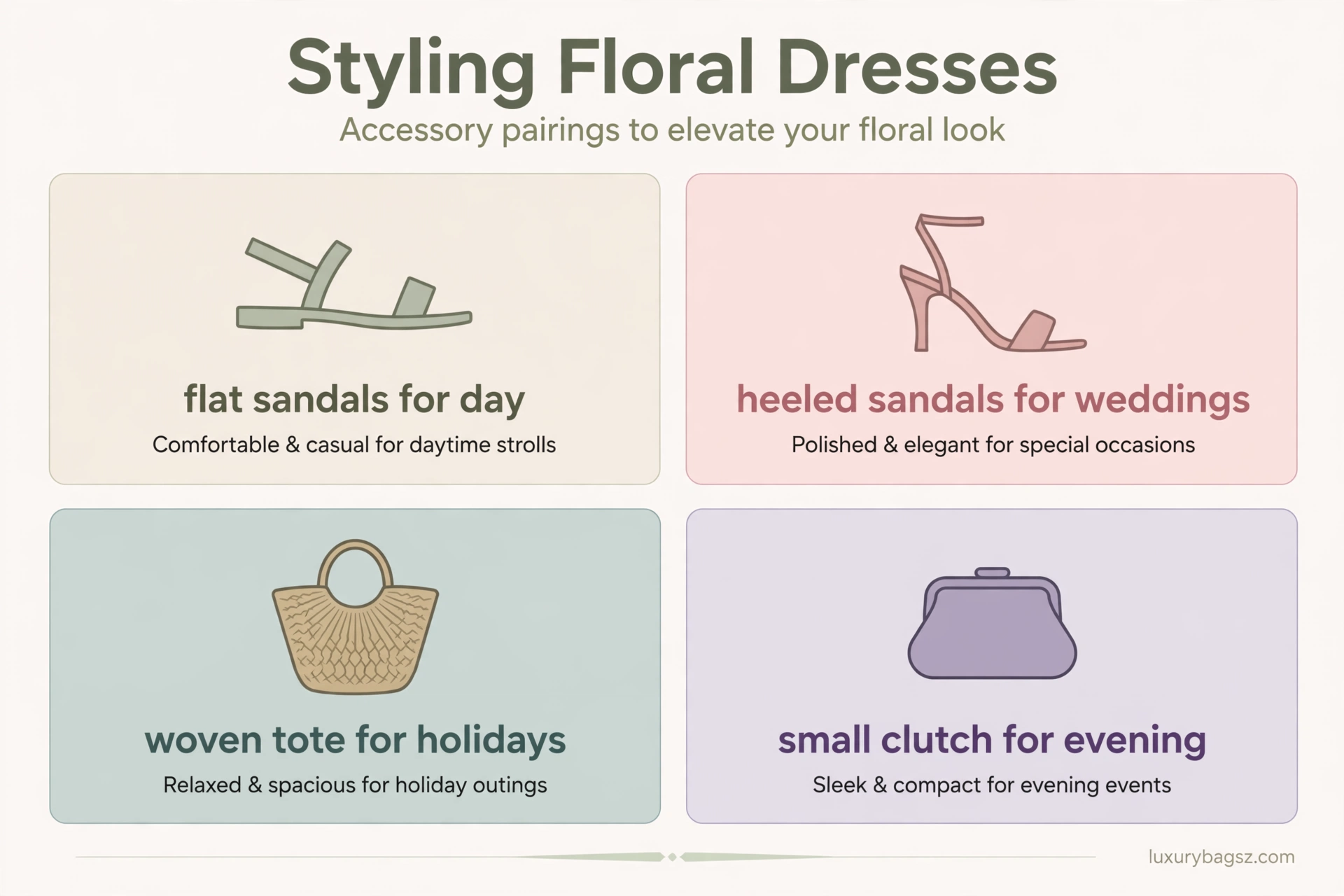
The standing rule: everything else goes quiet. Flat leather sandals for day, a heeled sandal for evening, a woven tote on holiday, a small clutch after dark — and stop there. Jewellery should be small and warm-toned: fine gold hoops, a thin bracelet. Statement earrings plus ruffles plus a print is three conversations at once, and the dress loses all of them. Hair follows the same logic. Loose or softly up lets the neckline and shoulders do their work; an elaborate hairstyle on a romantic dress tips the whole look towards costume. On holiday, the same dress works harder: over a swimsuit at lunch with flat sandals, then alone at dinner with the sandals swapped. That two-shift day is exactly what the label's resort dresses are designed for.
Prices and Pre-Owned Checks
New, expect typical dresses from around the mid-hundreds of pounds upward, with silk occasion and maxi styles often reaching higher; the label sits firmly in the luxury tier and discounts modestly at season's end. Resale is strong, which cuts both ways: genuine pieces hold value, and copies exist. Buy pre-owned from sellers with clear photographs, measurements and returns, and check the details in person. Checks: print alignment at the seams, lace edges complete, embroidery unbroken, ruffle hems clean, zips smooth, and the label's tags and fabric content consistent with the claimed fabric. One failed check is a negotiation; three is a walk-away.
Care for Lace, Silk and Embroidery
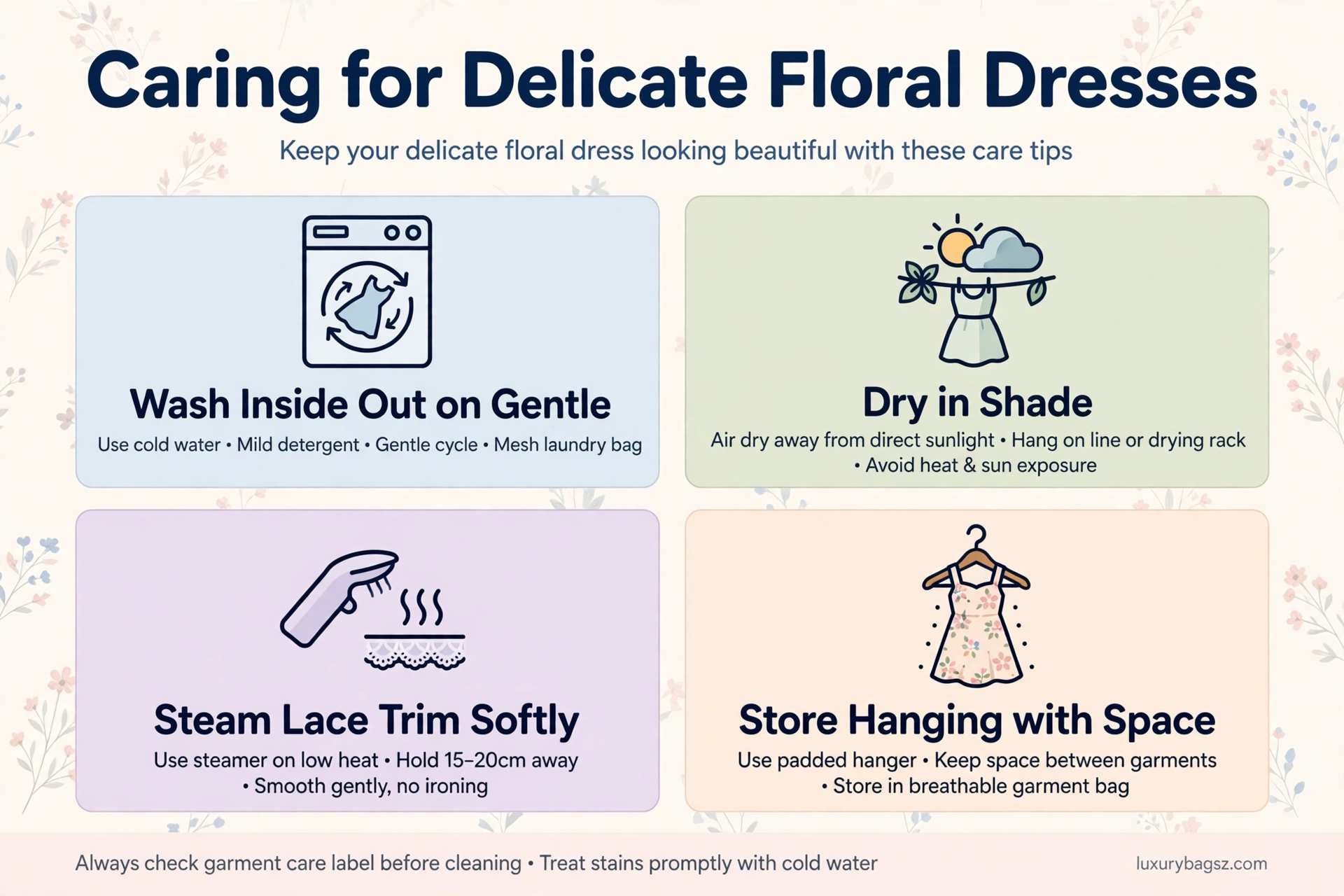
Air dresses after wearing and store them on padded hangers in cloth bags, away from light. Ruffles crush in a packed wardrobe, so give statement sleeves and tiered skirts breathing room. Silk and heavily embroidered pieces go to a trusted dry cleaner, with lace and trim pointed out at the counter. Cotton and broderie styles can usually be hand washed cool, inside out, per the label's own instructions. Repair small things at once — a loose lace join, a lifting ruffle seam. On dresses built from detail, ten minutes with a needle in June saves a specialist bill in September. Pack them properly for travel: tissue in the sleeves and tiers, the dress on top of the case, hung in a steamy bathroom on arrival. Ruffles forgive travel surprisingly well when they are given air and steam instead of an iron.
Frequently Asked Questions
Why are Zimmermann dresses so recognisable?
The combination is distinctive: in-house floral prints, lace and broderie detail, ruffles and tiers, all on carefully engineered silhouettes. No other major label layers those elements in quite the same way.
Which length should I buy first?
The midi. It is the label's signature, covers the widest range of occasions from weddings to lunches, and tends to hold its resale value best of the three lengths.
Do Zimmermann dresses run true to size?
Generally close to standard sizing, but shapes vary — wrap and smocked styles forgive, fitted silk styles do not. Check the garment measurements for the exact style rather than relying on the number alone.
Can I wear one to a wedding?
Yes, it is one of the most popular guest choices. Choose coloured or clearly printed styles and avoid white or ivory bases, very bridal lace, and anything that reads as a wedding dress in photographs.
Are the dresses worth the price?
For occasion wear, the construction and prints justify the luxury tier better than most pretty dresses. Cost per wear improves fast because the same dress serves weddings, parties and holidays for years.
How can I spot a copy when buying pre-owned?
Weak print alignment at seams, flimsy lace, uneven embroidery, rough ruffle hems and inconsistent labels are the tells. Buy from reputable resale platforms with authentication or returns.
What shoes go with a Zimmermann dress?
Flat leather sandals by day, heeled sandals for evening, wedges for grass. Keep shoes simple and let the dress carry the detail — busy shoes fight busy dresses.
How do I wash a cotton broderie dress?
Cool hand wash, inside out, with mild detergent, unless the care label says otherwise. Dry flat or on a hanger in shade, and steam gently rather than pressing lace and embroidery flat.
Do the dresses ever go on sale?
Yes, modest end-of-season reductions appear, and past-season prints reach outlets and resale at lower prices. Core sizes in popular prints sell through first, so waiting carries a real risk of missing out.
What age suits these dresses?
The label is worn from the twenties to the sixties and beyond. Minis skew younger, midis and maxis are genuinely ageless — fit, print scale and styling decide far more than age does.
Final Verdict: Buy the Midi, Let It Speak
Choose the floral midi with the print scaled to your occasions, check lace, seams and lining like an inspector, and style everything else down to a whisper. A Zimmermann dress bought that way is not a trend purchase — it is the romantic dress your wardrobe reaches for every spring and summer for years.