Designer Dresses Under $200: Where the Real Value Hides
Under $200 Is a Strategy, Not a Compromise
Designer dresses under $200 exist in real numbers — in diffusion lines, end-of-season sales, outlets and the pre-owned market — but the good ones go to shoppers who know the five quality checks and buy at the right weeks of the year. The rule is simple: spend the $200 on one dress with neat seams, a lining and fabric with body, not on three dresses with a famous label and nothing underneath it. A label is not a quality; the checks below are.
Key Takeaways
- Diffusion lines, sales, outlets and pre-owned are the four honest routes under $200.
- Cost per wear beats ticket price: a $180 dress worn 30 times costs $6 a wear.
- Run five checks — seams, lining, zip, fabric weight, buttons — before any purchase.
- Black, navy and jewel tones hide budget origins best; cheap pale satin hides nothing.
- January and July sales are the peak weeks; sizes go early, so shop the first days.
- Care at home doubles the life of a budget dress and protects the bargain.
The Four Honest Routes Under $200
Diffusion lines — the second lines of major houses — put real design and decent cloth at high-street-plus prices. The cut is usually simplified, but the pattern and colour sense of the main line survives. Sales are the second route: main-line dresses drop under $200 at 40–60 per cent off, especially in January and July. The spring edit in designer dresses for spring is worth reading before those sales, so you know which shapes to hunt. Outlets and pre-owned complete the map. Outlets mix past-season main-line stock with made-for-outlet pieces — check the label and cloth — while pre-owned offers the best fabric per dollar of all, bought with care. Sample sales and archive sales are the fifth, irregular route: irregular dates, queues, no changing rooms worth the name — and main-line dresses at a third of retail for shoppers who know their size in the label.
Cost Per Wear: The Only Maths That Matters
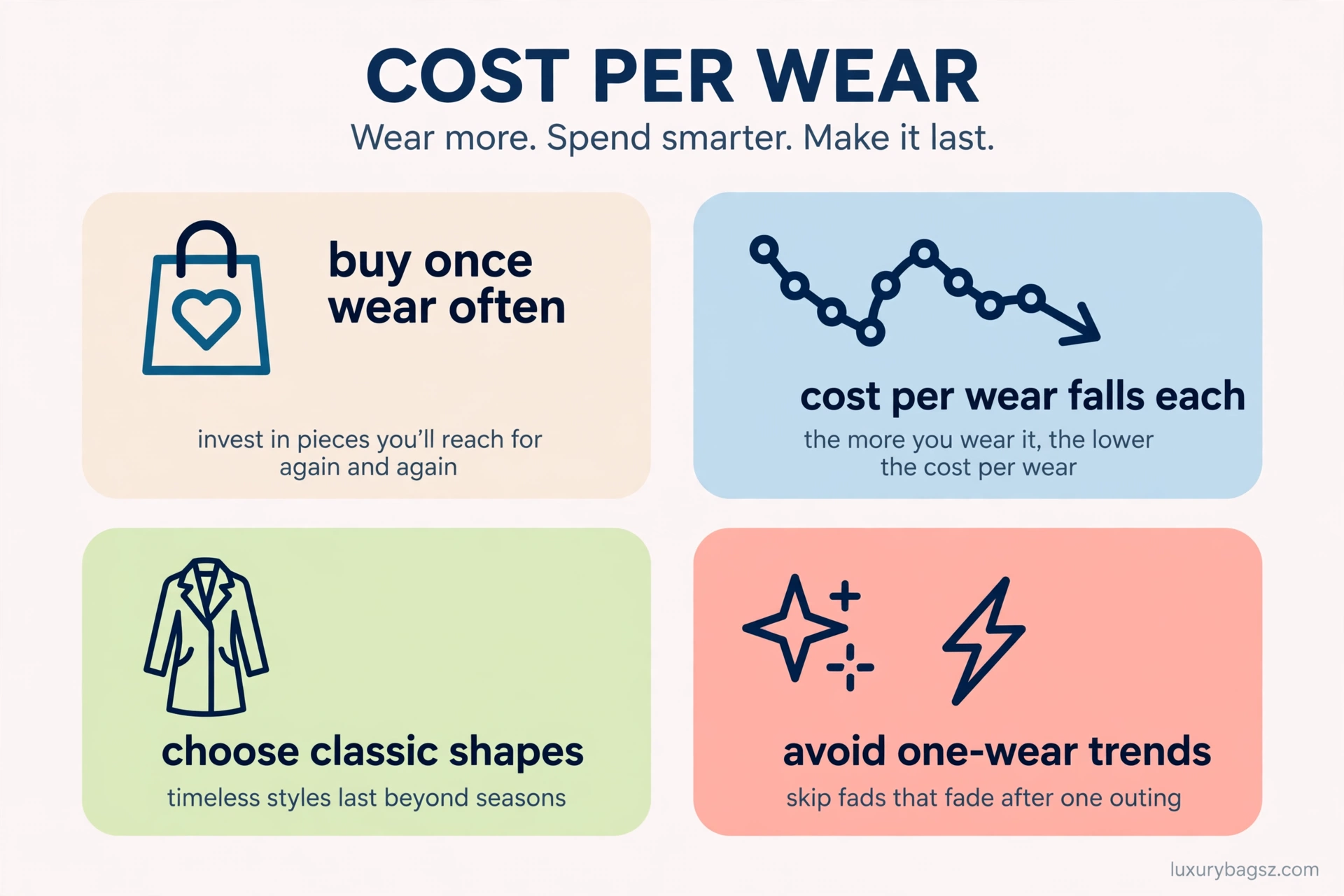
Divide the price by the honest number of wears. A $190 dress worn twice a month for a year costs about $8 a wear. A $60 dress worn twice costs $30 a wear and looks it by the second outing. This maths favours classic shapes in colours you already wear. It punishes novelty: the dramatic print bought for one party is the most expensive dress most people own, per wear, whatever its ticket said. Budget for the whole outfit, too. A dress that needs new shoes, a specific bra and a tailor is not a $180 dress; it is a $280 project wearing a $180 disguise.
Styles That Look Expensive at This Price
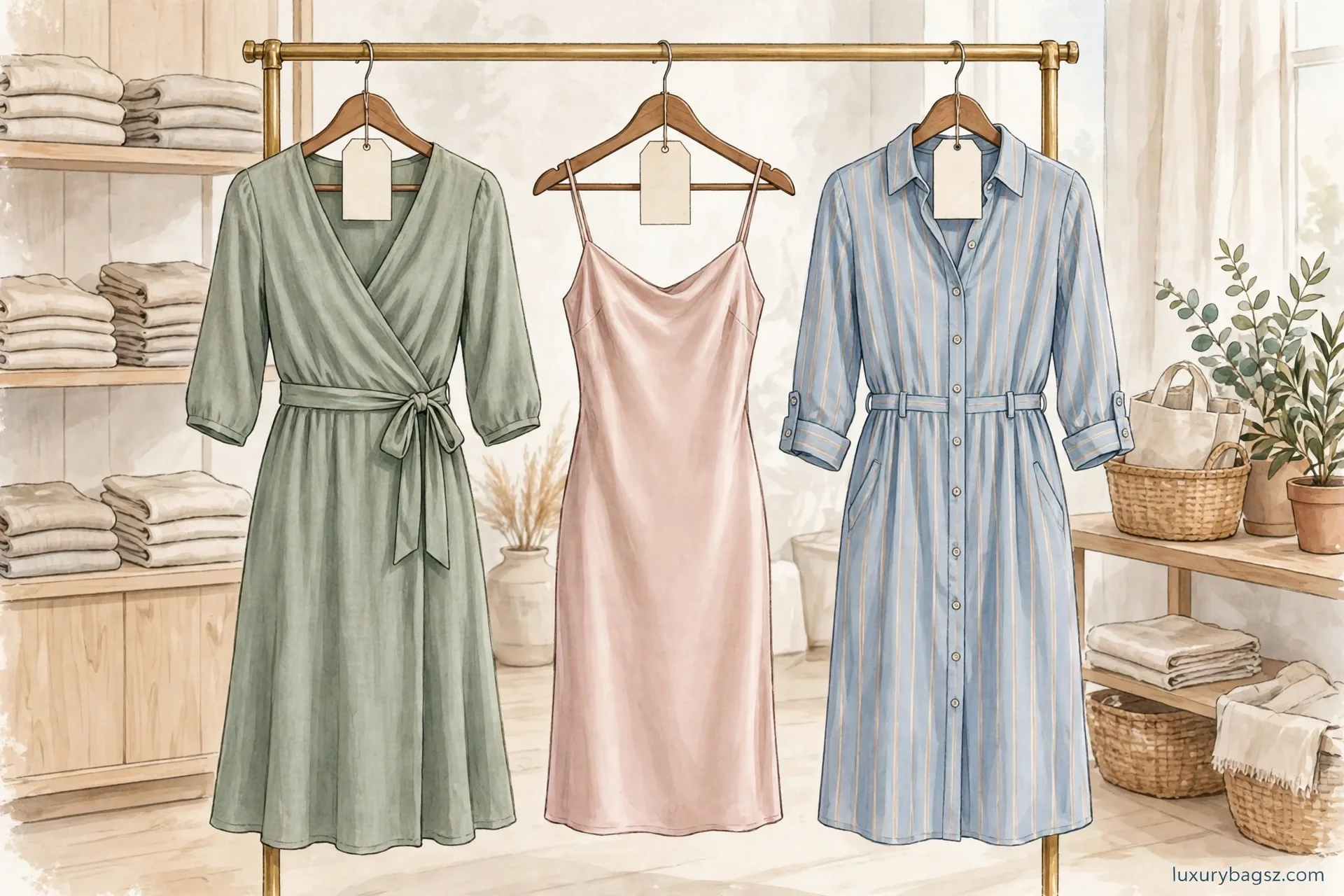
The shirt dress is the budget champion: its structure — collar, buttons, belt — reads as tailoring, and tailoring reads as money. In navy, white or a stripe, it passes in offices far above its price. The knit midi is the second champion. A firm knit with weight drapes like a much dearer dress, forgives fit at the margins and needs no ironing to look composed. Wrap dresses and A-line day dresses complete the safe list. What to avoid at this price: pale satin, heavy embellishment and anything sheer — all three advertise their budget in daylight. Monochrome is the budget stylist's friend. A dress, shoes and bag in one colour family looks composed and deliberate, which reads as expensive even when every piece was a bargain.

Building Outfits Around One Good Dress
One dress, three frames: trainers and a denim jacket for weekends, loafers and a blazer for work, heeled sandals and one strong accessory for evening. The dress stays; the story changes. Separates stretch the budget further — the same thinking that makes designer skirts such good value applies here: pieces that combine beat outfits that only work one way. Accessories should be few and good rather than many and loud. One real-leather bag and one pair of clean shoes will carry a budget dress further than a drawer of costume extras. Underwear is part of the frame at this price, too. The smoothest dress fails over the wrong bra lines, so budget for one good seamless set before a second dress joins the rail.
The Five Quality Checks
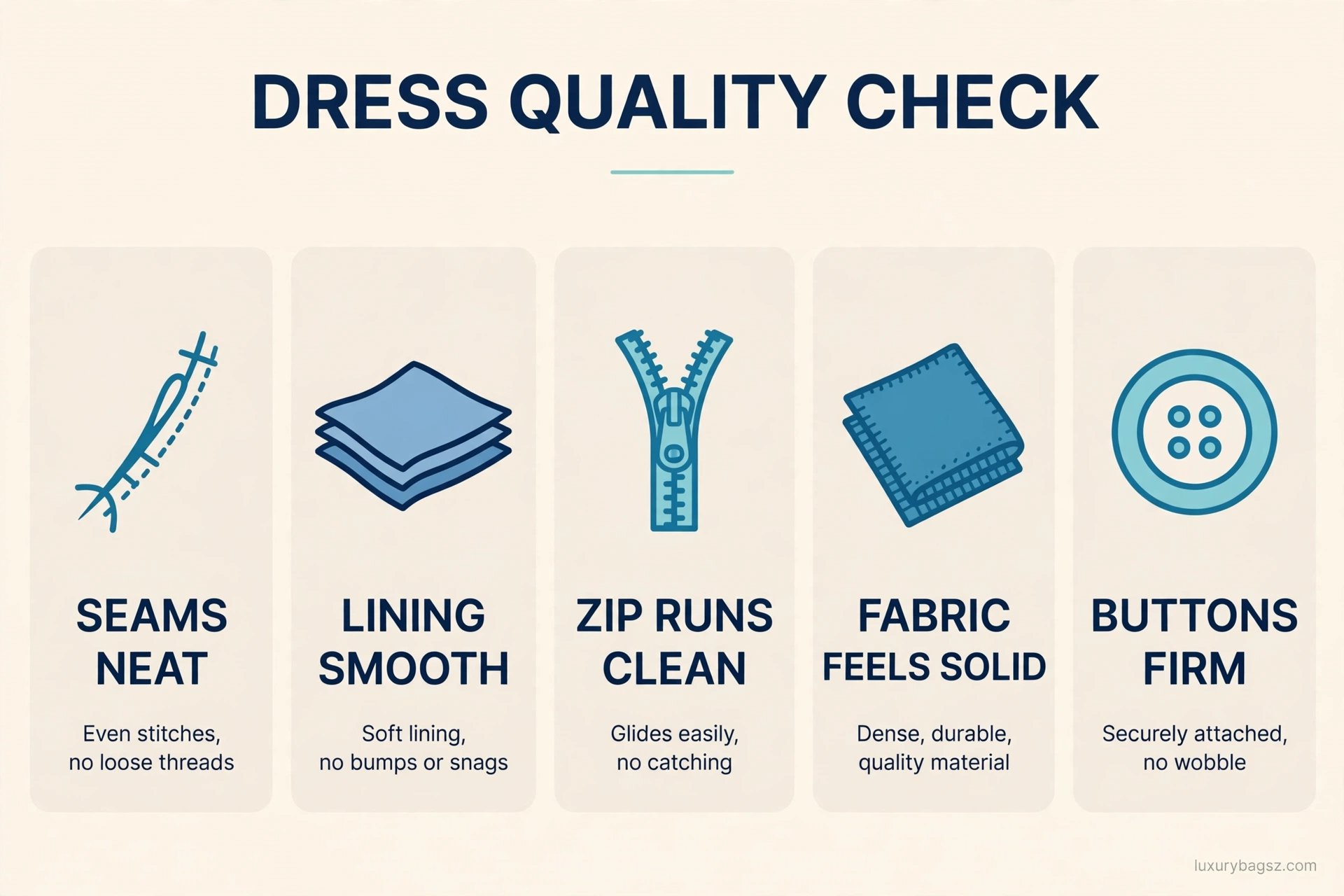
Seams: neat, straight, finished inside, with no loose threads at the joins. Lining: present in fitted dresses, smooth, and not twisted — a twisted lining cannot be fixed at home. Zip: run it twice, up and down, before paying; it should glide without catching cloth. Fabric: hold it to the light and rub it — it should feel solid, even and smooth for its type. Buttons: firm, sewn through, with a spare inside. If a dress fails two of the five checks, walk away however famous the label is; the checks are the quality, the label is only the rumour of it.
Evening Dresses on a Budget
Evening is where budgets show most, so choose matte richness over shine: black crepe, deep velvet-look fabrics and jewel tones photograph far above their price. Borrow the shine from accessories — metallic shoes, one jewelled clutch, strong earrings. A plain dress plus shining extras reads as designer; a shining dress plus shining extras reads as trying. Fit matters double after dark. A simple black dress tailored to you for $30 beats a glamorous one worn as it came, and tailoring money is the best-kept secret of every well-dressed budget you admire. Length is the other evening lever: a midi reads as intentional and expensive at almost any price, while a too-short hem on a budget dress is the detail most likely to give the game away.

Care That Protects the Bargain
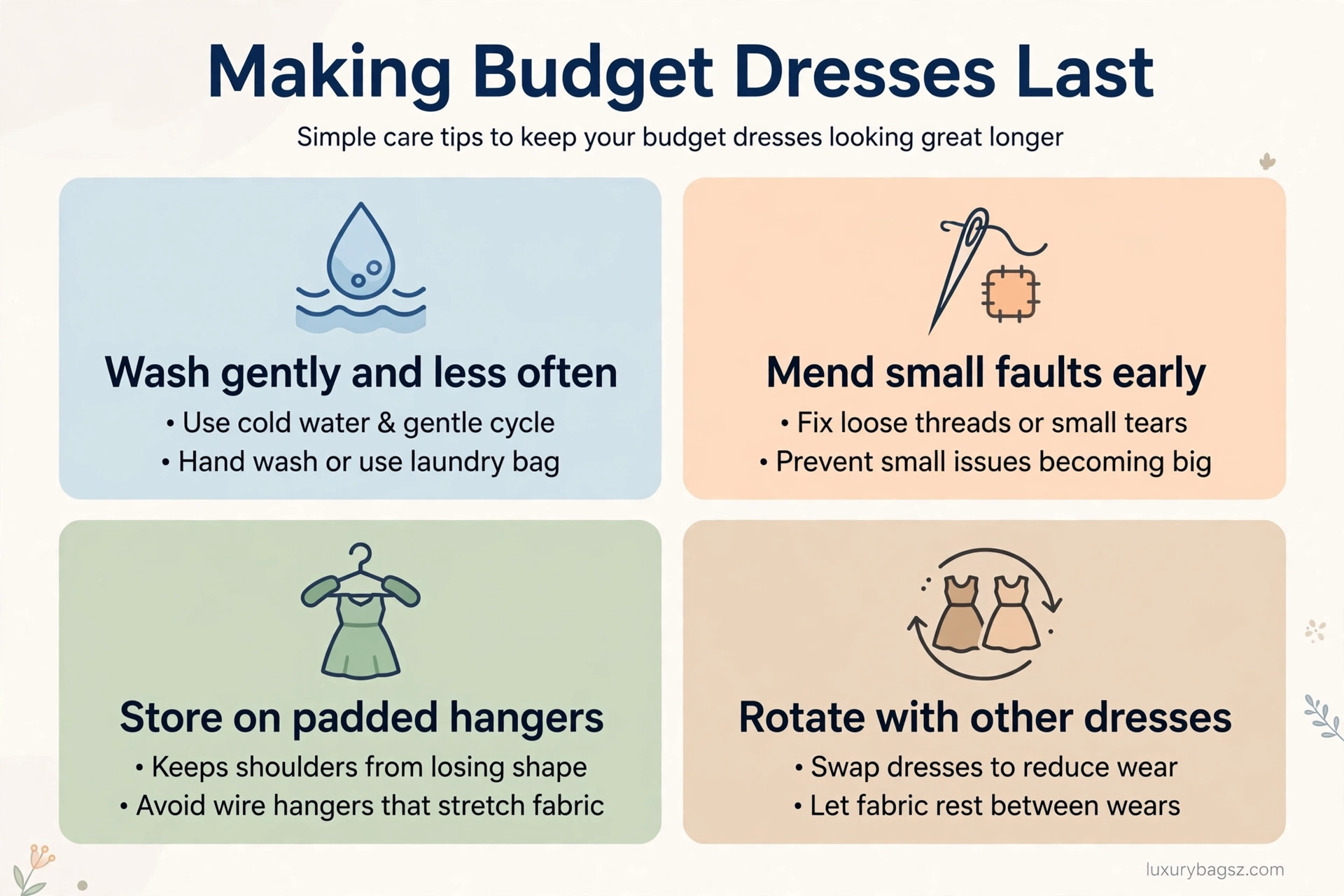
Budget fabrics punish rough handling faster than luxury ones, so gentle care is not optional. Wash cool and inside out, skip the tumble dryer, and hang dresses to dry holding their shape. The full routine in how to care for designer clothing applies at every price point — steaming instead of hard ironing, airing between wears, storing out of sunlight. Small repairs done early — a button re-sewn, a hem caught — keep a dress in the rotation for years. A $180 dress that lasts five years is a better buy than most $400 dresses ever make.
A Buying Calendar for the Year
January: the deepest discounts on winter dresses, velvet and party styles. Buy next Christmas's dress now if your size is there; festive classics keep perfectly for eleven months. April to May: spring dresses at first markdowns as summer stock lands. July: the second great sale — summer and occasion dresses drop, and wedding-guest bargains peak. Keep a standing list of your sizes, your colours and the shapes from the styles section, and check it before every sale. Bargains reward the prepared; they punish the browser with a rail of almost-right dresses. Sign up for the two or three labels you actually buy, and no more. Their early-access sale emails are worth real money; twenty labels' emails are just noise you will stop reading by March.
Frequently Asked Questions
Are designer dresses under $200 genuinely good quality?
The good ones are — usually diffusion-line, sale or pre-owned pieces with real cut and cloth. Quality varies far more at this price, which is why the five checks matter more than the label.
What is a diffusion line?
A more affordable line from a design house, using simpler cuts and less costly fabrics while keeping the house's shapes and colours. It is the most reliable full-price route under $200.
When is the best time to buy?
The first days of the January and July sales, when discounts are deep and sizes remain. Mid-season mini-sales in April and October are the second-best windows.
Is pre-owned worth it for dresses?
Yes, often the best value of all: silk and wool dresses from strong labels appear under $200 regularly. Check condition notes, measurements and the returns policy before buying.
Which colours look most expensive on a budget?
Black, navy and deep jewel tones. They hide cheaper cloth and dye faults well. Pale colours and shiny fabrics are the least forgiving and should be bought only after strict checks.
How many wears make a dress good value?
Ten wears is a fair line: under $20 a wear at this budget. Classic shapes in your real colours reach ten wears easily; novelty dresses rarely reach three.
Are outlet dresses the same as shop dresses?
Sometimes — past-season main-line stock is genuine. Made-for-outlet pieces are a separate, simpler product. The label, fabric and five checks will tell you which you are holding.
Should I pay for tailoring on a budget dress?
Yes, for the right dress. $25–40 of tailoring on a well-made $160 dress produces a result that looks bespoke. Tailor the waist and hem; those two changes show most.
What styles should I avoid under $200?
Pale satin, heavy beading, very sheer fabrics and complicated cut-outs. All four are expensive to do well and advertise a tight budget when done cheaply.
Can a dress under $200 work for a wedding?
Easily — a jewel-tone knit midi, a shirt dress in a rich colour or a pre-owned silk wrap all pass as guests. Follow the usual rules: no white, nothing bridal, shoes planned for the venue.
Summary: Checks First, Label Second
Hunt the four routes — diffusion lines, sales, outlets, pre-owned — in January, April and July, run the five checks on every candidate, and judge each dress by cost per wear. Do that, and $200 buys a dress that looks, fits and lasts like one that cost far more.