

Oscar de la Renta Dresses: Styles, Prices, Sizing and Buying Guide
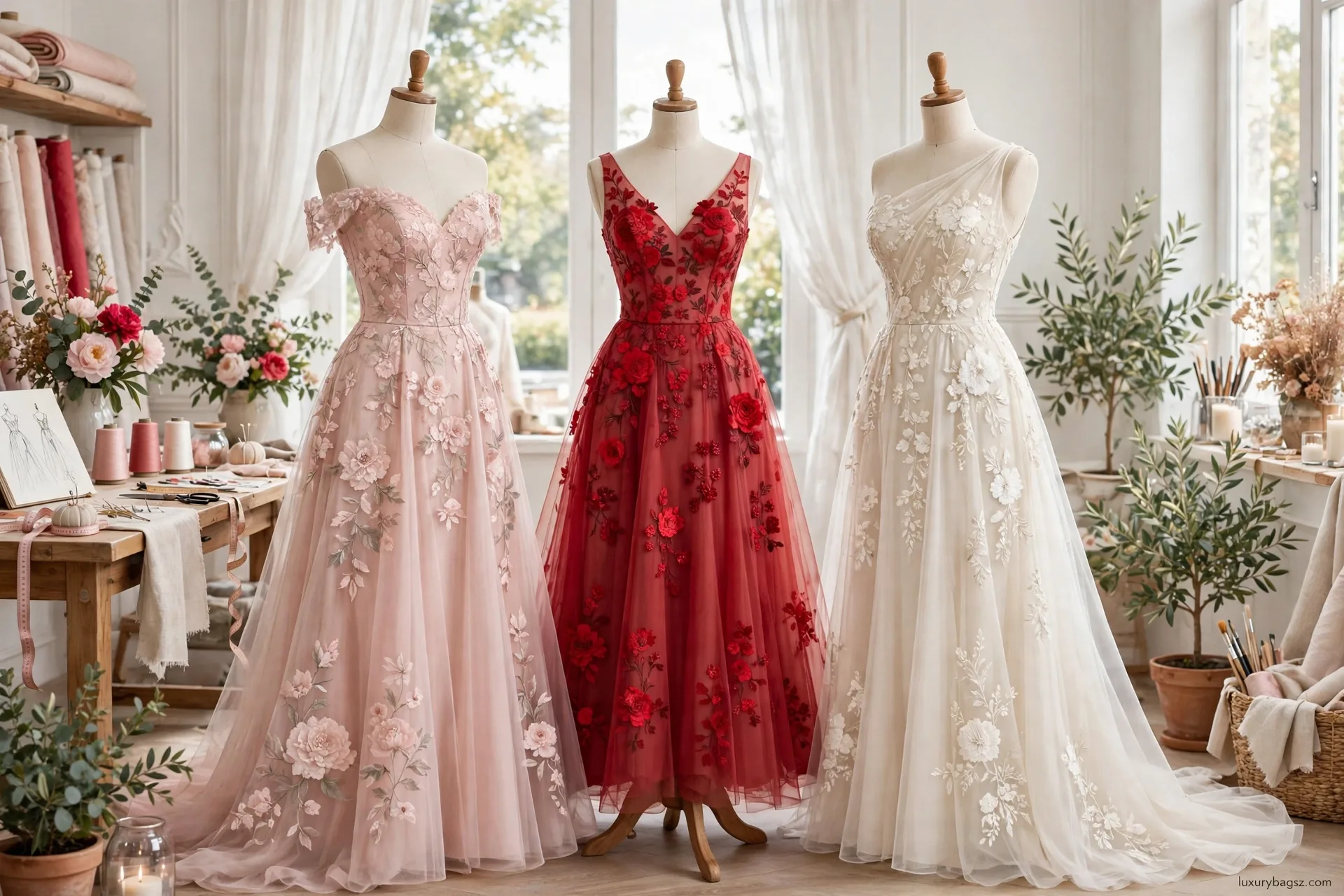
Oscar de la Renta Dresses in Brief: Romance, Flowers and Polish
Oscar de la Renta dresses are the polished, romantic end of designer occasionwear: expect floral embroidery, full skirts, lace and colour, cut for weddings, galas and garden parties rather than the office. Day dresses and cocktail styles typically sit in the high hundreds to low thousands of pounds, while embroidered gowns rise well beyond that. Fit is structured and feminine, and the house is generous with sizes compared with many European labels. If you want one dress that photographs beautifully and never dates, this is the house to start with. If you want minimal or edgy, it is not.
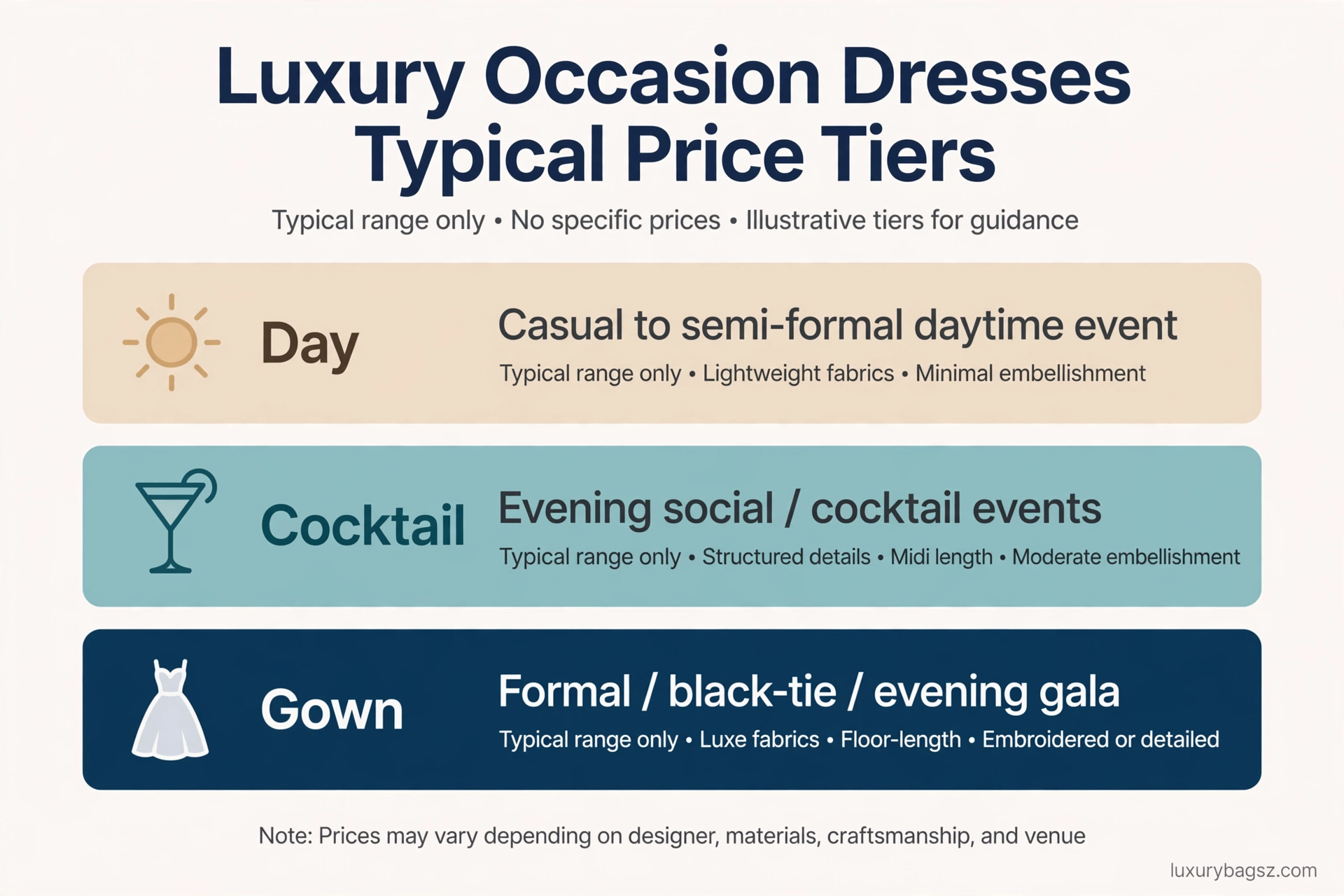
Think of the range as a garden in three seasons: day styles are the spring border, cocktail dresses the summer show, and gowns the full hothouse display. The further you travel, the more handwork you meet.
Key Takeaways
- The signature look is floral: embroidered, printed or appliquéd flowers on full or A-line skirts.
- Three families cover most needs — day dresses, cocktail dresses and evening gowns.
- Prices climb with handwork; heavy embroidery and lace cost the most.
- Sizing is comparatively forgiving, but structured bodices still reward trying on.
- Pre-owned value is strong for classic floral gowns in popular sizes.
- Embroidered pieces need specialist cleaning and loop hanging, never wire hangers.
The House Style: What Makes It Oscar
Oscar de la Renta founded his house in New York in 1965 after training in Madrid and Paris, and the dresses still carry that mix of European polish and Latin warmth. The recurring ingredients are easy to spot: flowers in every form, lace, tulle, taffeta and silk faille, and silhouettes that give the waist definition and the skirt room to move. Colour is confident here. Expect garden pinks, reds, marigold and sky blue alongside black and ivory, rather than a wall of neutrals. The result suits women who want to look dressed up without looking severe. It is romantic dressing with the tailoring kept sharp underneath.
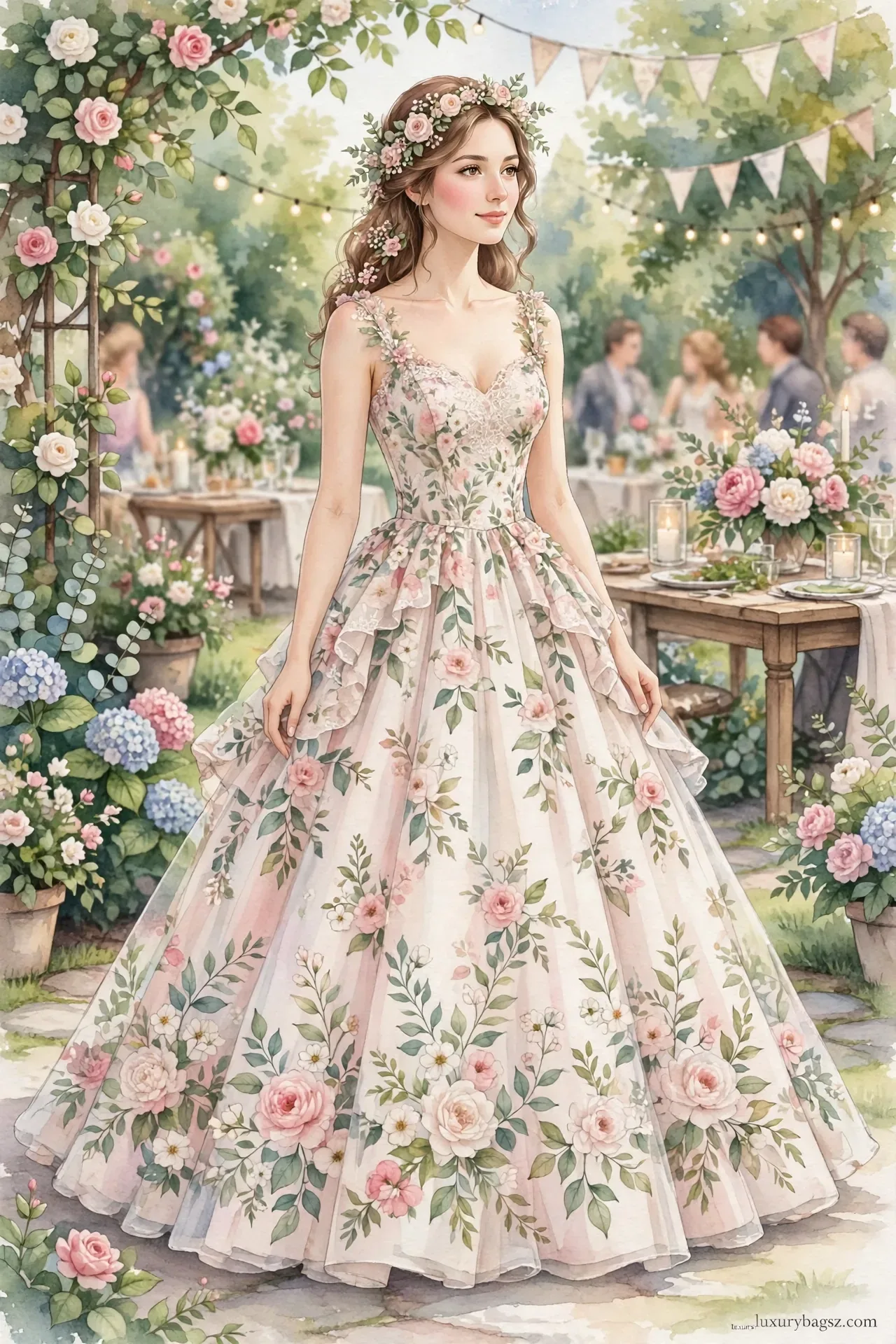
The house also dresses the whole wedding party in one language: bridesmaids in matching floral chiffon, mothers in lace, and flower girls in miniature versions. Few labels coordinate a party this completely.
The Three Dress Families
Day dresses are the entry point: fit-and-flare shapes in cotton, poplin or light wool, often with a floral print or a bow. They work for lunches, race days and smart summer events. Cocktail dresses shorten the hem and raise the finish. Lace, embroidered tulle and structured strapless bodices appear, ready for weddings and evening parties. Gowns are the full production: floor-length skirts, hand-finished embroidery and trains on some styles. These are gala, red-carpet and mother-of-the-bride territory. Bridal sits alongside, and the house's wedding dresses carry the same floral language into ivory and white. The video in this guide tours that bridal side.
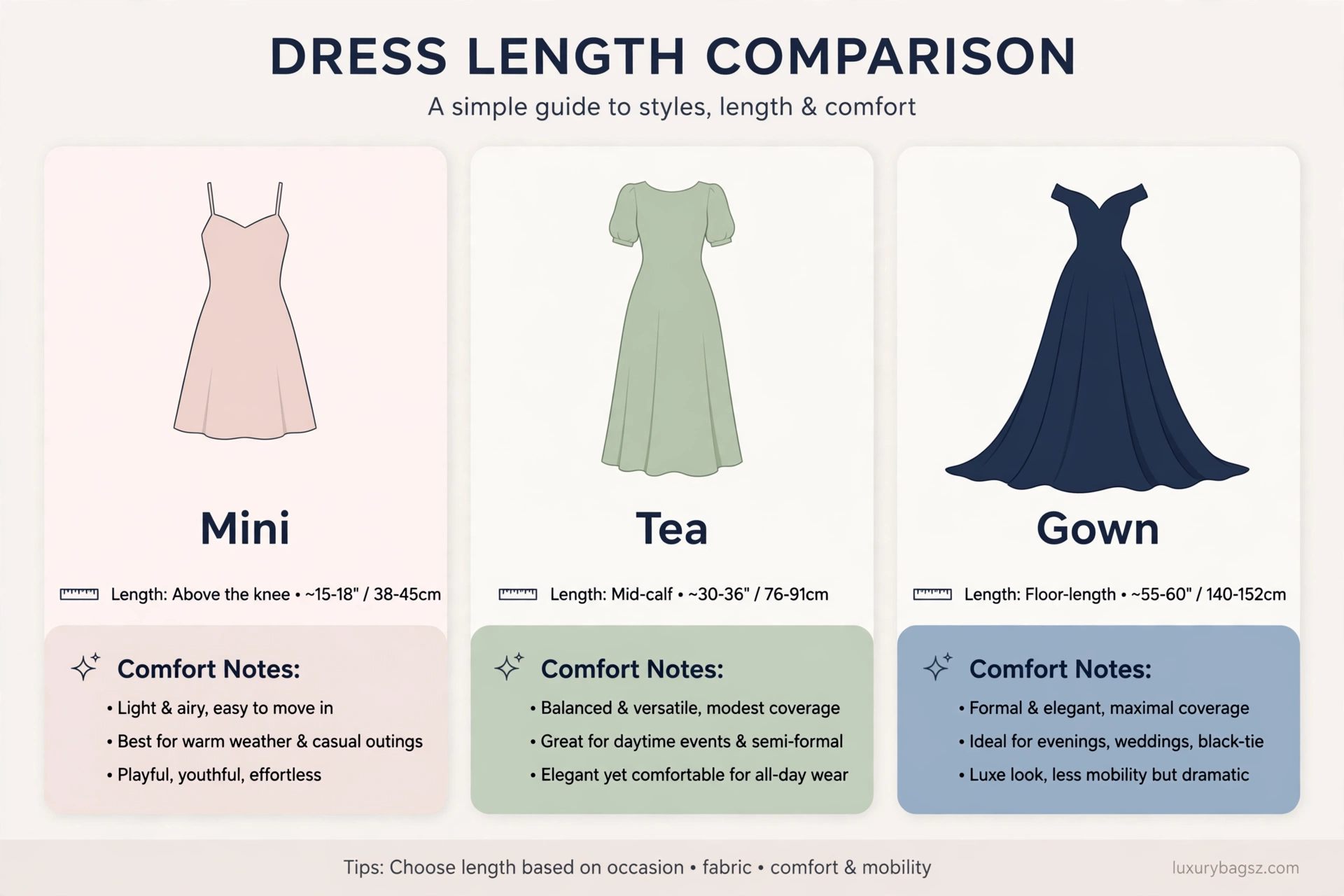
Length also decides the alteration bill. Gowns nearly always need hemming, tea dresses often need none, and a wise buyer tries every length with the exact heel height planned for the day.
Resort and spring lines lean lighter — cotton, eyelet and shorter hems in citrus and floral prints — while autumn brings jewel tones and heavier lace. The silhouette grammar stays constant across all of them.
Choosing a Length That Suits the Event
Length decides how formal a dress reads before fabric even enters the conversation. A mini or knee-length style says daytime or cocktail; floor length says evening. Tea length, ending mid-calf, is this house's sweet spot. It shows the shoe, moves well when dancing and flatters most heights, which is why it recurs every year. Petite wearers should watch skirt volume more than length. A full tea skirt can swamp a small frame where a slimmer A-line keeps the same romance in proportion. For work-adjacent events, our guide to designer formal dresses shows how to judge which lengths read professional rather than party.
Prints deserve a word too: the garden florals are printed on silk and cotton with the same care as the embroidery, and the best of them use a dozen screens to build depth in each flower.
Fabrics and the Handwork Behind the Price
Silk faille and taffeta give the sculpted skirts their structure. They hold a fold crisply and catch light with a soft sheen rather than sparkle. Lace and embroidered tulle carry the floral signature. Appliqué flowers are cut and stitched by hand, which is slow work and a large part of the ticket price. Cotton and poplin day dresses are simpler cloth, but the cutting stays precise. You are paying for pattern work and finish as much as for fibre. Handle embroidery as jewellery, not clothing. It snags on rough surfaces, catches on bracelets and hates being crushed in a packed suitcase.
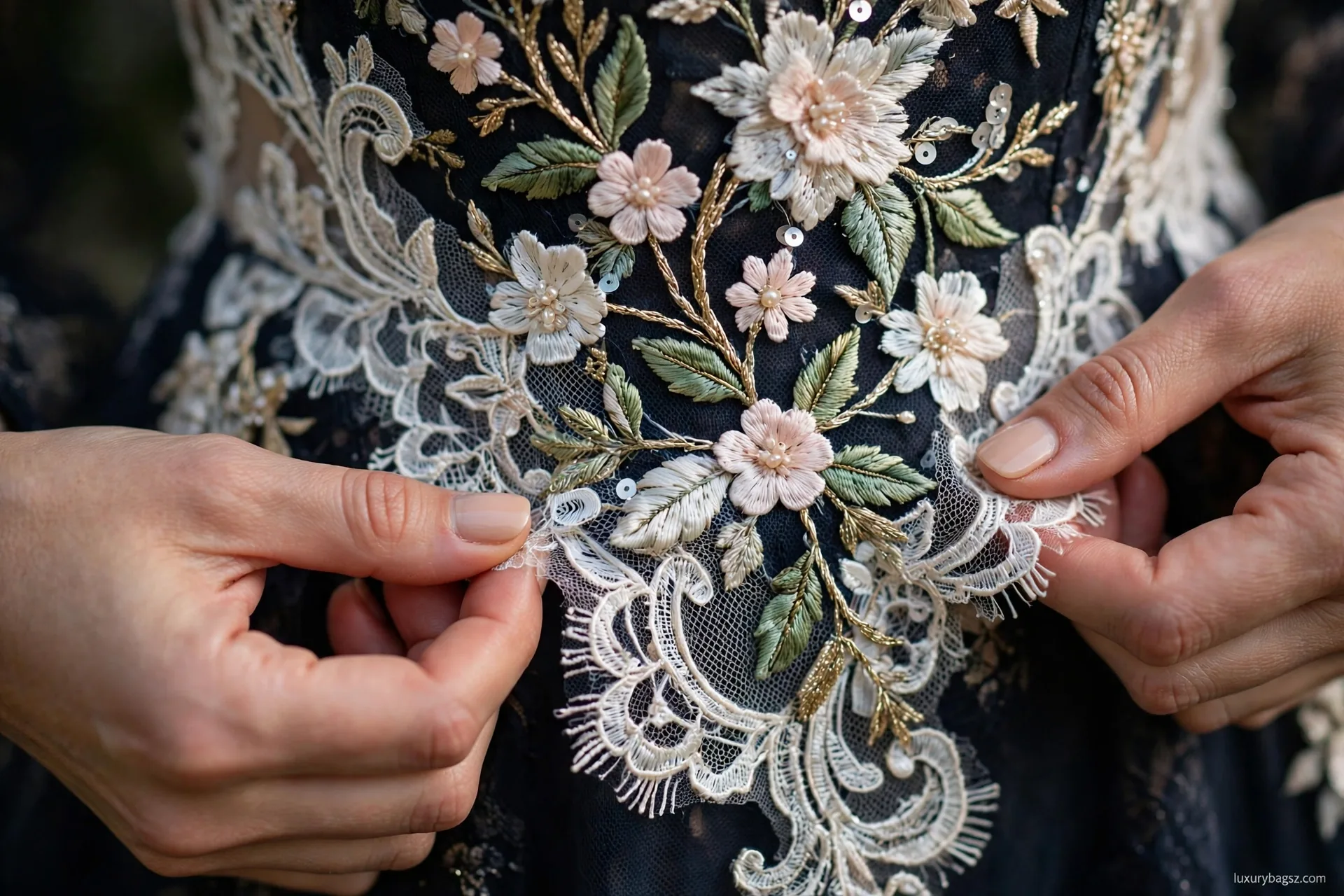
Alterations on embroidered bodices need a tailor who works with appliqué. Ask the boutique who they trust; moving a waist seam through stitched flowers is specialist work, not standard hemming.
Sleeve options widen the fit picture: cap sleeves and three-quarter lace sleeves suit brides and guests who want arm coverage, and the house cuts them generously rather than as an afterthought.
Sizing and Fit: What to Know Before Ordering
The house uses US sizing and cuts with more room through the hip than many French or Italian labels. Most wearers take their usual dress size. Structured bodices are the exception. Strapless and boned styles fit close by design, so if you are between sizes, the larger one usually alters down more happily. Skirt length runs long on gowns. Budget for hemming with your event shoes, and keep the cut-off fabric in case a future owner wants the length back. Try sitting, stairs and a dance-floor turn in the fitting room. These dresses are bought for movement-heavy days, and the mirror alone will not tell you enough.
Accessories rarely need to shout with this house. A plain clutch and one piece of jewellery let the dress carry the room, and keep the cost per wear falling every time the dress comes out.
Cost per wear favours the cocktail tier in most real wardrobes. A gala gown may be the masterpiece, but the lace tea dress worn to six weddings is the purchase that quietly justifies the whole line.

Prices: Where the Money Goes
Day dresses form the lowest tier, cocktail dresses the middle, and embroidered gowns the top. Within each tier, handwork is what pushes a style upward. A plain silk cocktail dress and a fully appliquéd one can share a silhouette yet sit far apart in price. The difference is hours of hand stitching, not branding alone. Sales and sample events change the picture, and our festive party dresses guide shows the same tier logic across houses for the party season. Pre-owned prices follow condition closely. A gown with intact embroidery and a clean hem holds value; snagged tulle and missing flowers cut it sharply.
Buy from sellers who photograph the dress on a body or a form, not flat on a bed. Fit and drape are half of what you are paying for, and flat photographs hide both completely.
Buying Pre-Owned: Checks That Matter
Check every flower. Appliqué should sit flat with no lifting edges, and sequins or beads should show no bare patches where they have shed. Inspect the hem and underarms in daylight. Hems pick up floor dirt and heel catches; underarms show perspiration marks that cleaning cannot always lift. Ask for the dress unsteamed in photos if you can. Steam hides creasing that reveals how a skirt has been stored, crushed or carefully hung. Seasonal colour helps dating: the reds and deep greens in our Christmas dresses guide appear in this house's winter lines most years.
Rotate wears with rest: silk and embroidery recover their shape given a day or two hanging free between events. Back-to-back weddings in the same gown are how hems and flowers suffer most.
For travel to destination weddings, ship the dress ahead to the hotel in its bag where possible. A night hanging in a steamy bathroom releases most journey creases from silk and tulle without an iron.
Care and Storage for Embroidered Dresses
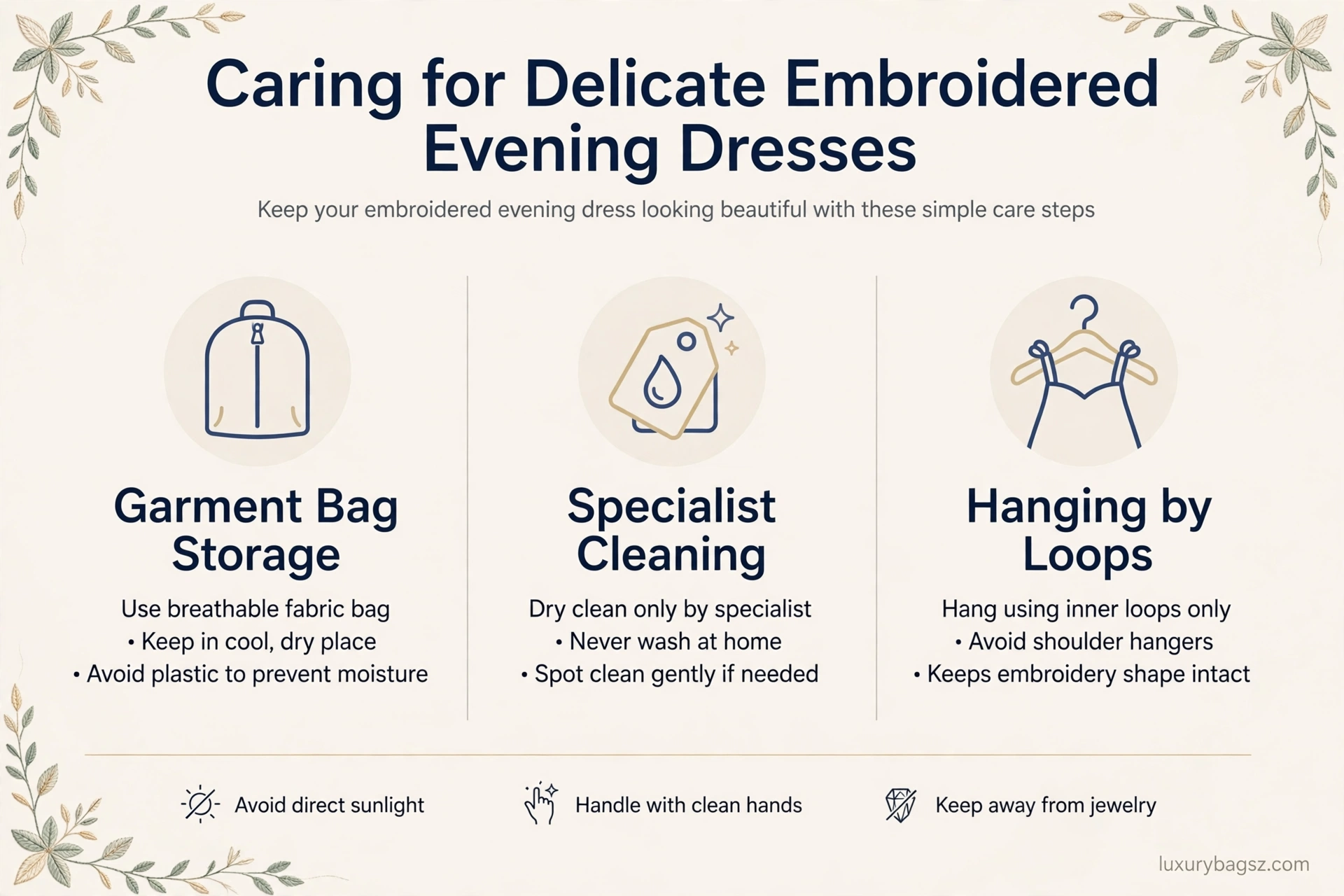
Clean embroidered and lace dresses with a specialist who works on occasionwear, and point out every bead and appliqué before the dress leaves your hands. Hang by the inner loops, never by delicate straps or sleeves. The loops carry the skirt's weight so the bodice does not stretch on the hanger. Store in a breathable garment bag in a cool, dry wardrobe. Plastic traps moisture, and attics and basements swing too widely in temperature for silk. Steam rather than iron, from a distance, and never press directly on embroidery. A cool iron on plain silk faille, through a cloth, is the safer limit.
Keep the original garment bag and any spare beads or fabric the boutique supplies. Restorers can match repairs from those spares years later, when the exact thread shade has left production.
Frequently Asked Questions
Are Oscar de la Renta dresses true to size?
Mostly, yes. The cut is more generous through the hip than many European houses, so most wearers take their usual size. Boned and strapless bodices fit closer by design, so between sizes, choose the larger and alter down.
What is the most famous Oscar de la Renta dress style?
The floral fit-and-flare gown is the signature: a defined waist, a full or A-line skirt and flowers worked as embroidery, appliqué or print. It returns in new colours and fabrics almost every year.
How much do Oscar de la Renta dresses cost, and do they hold their value?
Day dresses typically sit in the high hundreds, cocktail dresses in the low thousands, and heavily embroidered gowns well beyond that. Handwork is the main driver, so plainer silk styles cost less than fully appliquéd ones.
Classic floral gowns in popular sizes resell well when embroidery and hems are intact. Trendy colours and very small or very large sizes move more slowly on the pre-owned market.
Can I wear one to a wedding as a guest, and are they suitable for mothers of the bride?
Yes, the cocktail and tea lengths are made for weddings. Follow the usual guest rules: no white or ivory, and let very full gowns stay for evening dress codes rather than afternoon ceremonies.
They are a classic choice for it. Tea lengths, lace sleeves and structured jackets in the same palette give coverage and polish without looking matronly, and the colours photograph well.
How should I clean an embroidered dress, and where is the best place to buy pre-owned?
Use a specialist occasionwear cleaner and flag the embroidery, beads and appliqué in writing. Never machine wash, and avoid standard dry cleaners with no experience of hand-finished gowns.
Established luxury resale platforms and specialist occasionwear resellers, where condition is graded and returns exist. Private listings need the embroidery, hem and underarm checks done from clear daylight photos.
What shoes suit these dresses?
A clean court shoe or strappy sandal in a tone from the dress works best. The skirts carry the decoration, so shoes can stay simple; metallics suit the evening lace styles well.
Does the house make plus sizes?
Extended sizes appear on some lines and through some stockists, though availability varies by style. The fit-and-flare cut is forgiving, and pre-owned searching widens the choice.
Final Verdict: Romantic Dresses, Honestly Priced by the Hour
Buy Oscar de la Renta when you want colour, flowers and a full skirt that still looks tailored. The price follows the handwork, so choose the level of embroidery you will actually wear. Day and cocktail styles give the house look for the least money; the great gowns earn their tier. Check pre-owned flowers stitch by stitch, and the dress will outlast the occasion by decades.






