

What Makes Signed Jewelry Valuable? Maker’s Marks and Signatures Explained
Signed Jewelry in Brief: a Name That Proves Origin, Quality, and Date
Signed jewelry carries the name of its maker engraved or stamped on the piece, and that small mark can transform its value. A signature proves origin, helps date the piece, and tells buyers the work meets a known house standard.
The premium can be dramatic. Auction specialists report that a top-maker signature can add 50, 100, or even 300 percent to value, and in rare cases far more when the signature reveals a sought-after period design.
But not every signature pays. Prolific houses, mass-produced lines, and worn or fake marks all limit the premium, so the mark is the start of the investigation, never the end of it.
Key Takeaways

- Signed jewelry bears a maker's name or mark, while hallmarks prove metal purity and assay origin, and the two are different things.
- Makers began signing work widely from about 1860, during the Arts and Crafts and Art Nouveau periods.
- Top signatures, including Cartier, Van Cleef and Arpels, Faberge, Harry Winston, and JAR, can multiply value, especially on rare period pieces.
- A signature that is too bright, too fresh, or wrong for the period is a warning sign, and fakes exist.
- Unsigned pieces can still be valuable, and some unsigned pieces are simply signed pieces whose marks have worn away.
What "Signed" Actually Means
A signed jewel is one that carries the name of its house or maker, engraved on the underside of the piece or inside a ring band. The mark may be a full name, initials, or a recognised symbol, and it functions like an artist's signature on a painting.
It is a common misconception that great houses always signed everything. Cartier, for example, did not sign every item that left its workshops, so an unsigned piece is not automatically a lesser piece or a fake.
The signature matters because it links a jewel to a workshop, a date range, and a quality standard. Specialists use it to authenticate a piece, place it in time, and compare it with archive records.
Start every examination with a 10x jeweler's loupe and good light. Turn the piece over, look inside bands and clasps, and check the back of brooches before you form any view on value.
The Three Kinds of Marks on a Jewel
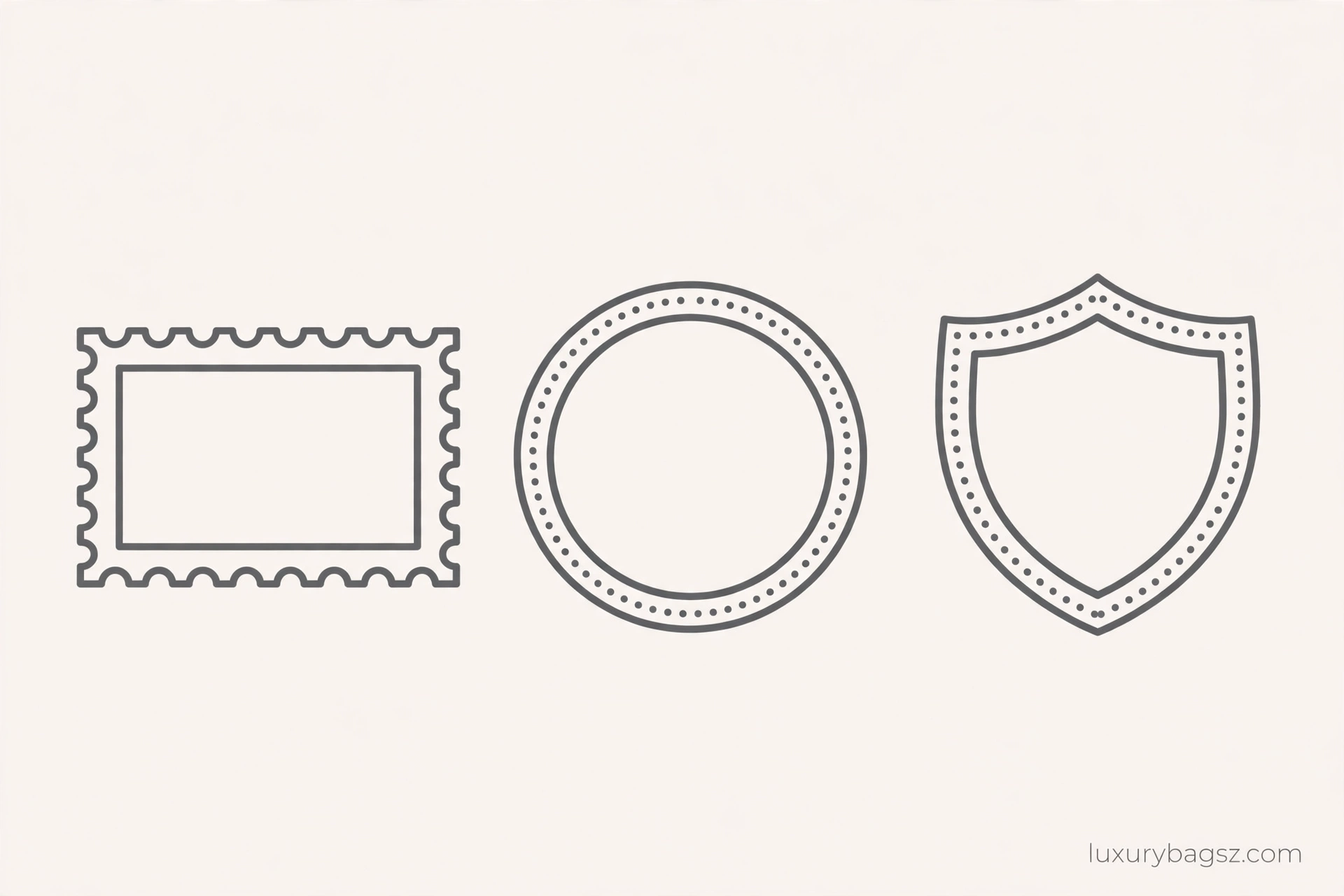
Three kinds of marks appear on fine jewelry, and confusing them is the most common beginner error. The maker's mark names the house or workshop that made the piece, and it is the mark collectors mean by "signed."
The hallmark is different. Hallmarking began centuries ago as consumer protection, with precious metals tested and marked for purity. French gold often carries an eagle's head mark, while French platinum carries a dog's head mark, and British pieces carry assay office marks.
The third kind is the purity or fineness mark, such as 750 for 18-karat gold or 925 for sterling silver. It tells you metal content, not maker, though it helps confirm that a piece matches its claimed materials.
A piece can carry all three, only one, or none at all. Value comes from reading them together, alongside design, stones, and construction, rather than from any single stamp.
Where to Look on Rings, Bracelets, and Brooches
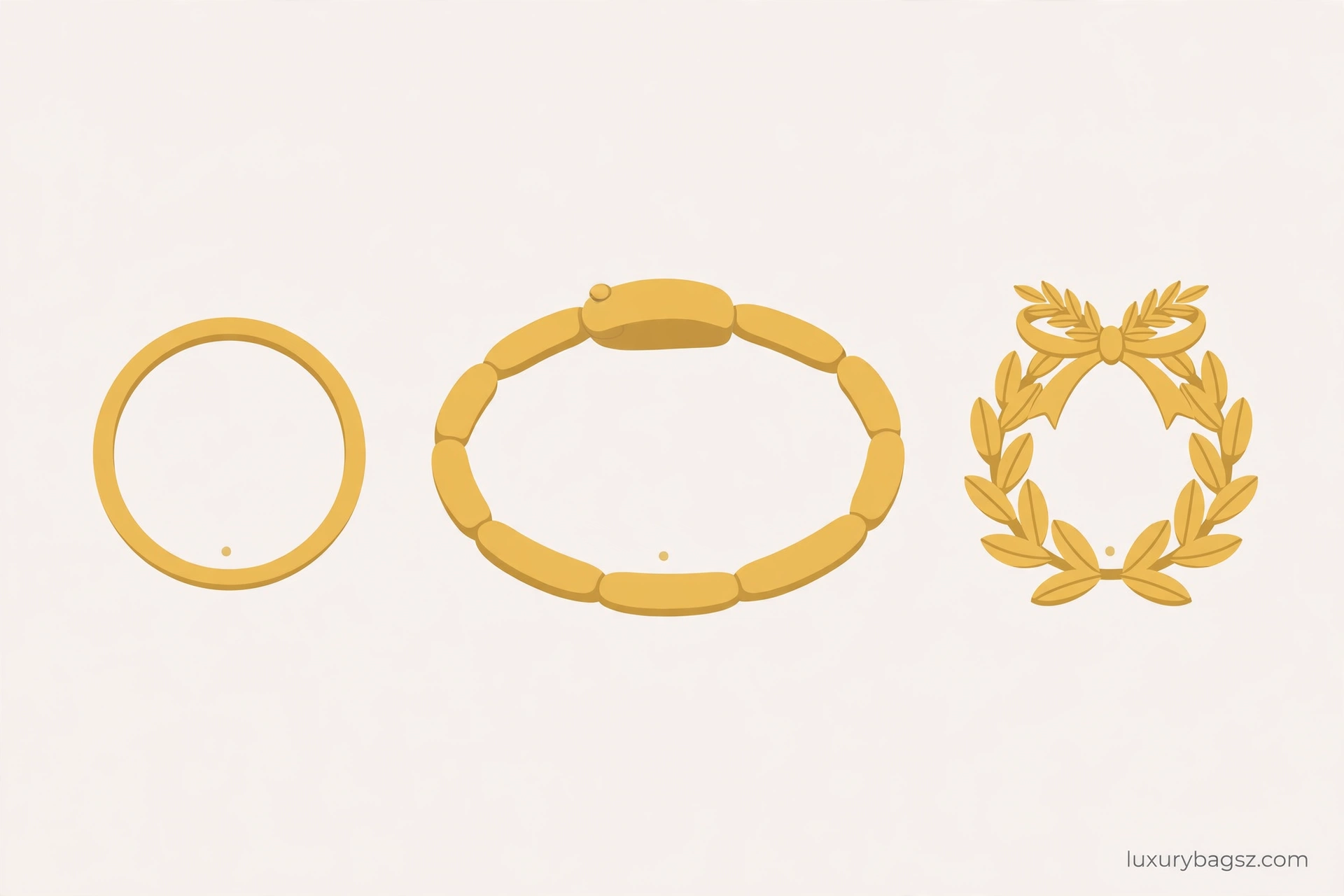
On rings, check inside the band first, then the shoulders and any gallery work beneath the stone. Small signatures hide in the curve of the band, and worn marks may need a loupe and angled light to read.
On bracelets and necklaces, check clasps, links near the clasp, and the underside of central motifs. On brooches, turn the piece over and check the back plate, the pin, and the catch, since makers often signed the reverse.
On earrings, check clips, posts, and backs, and on watches, check inside the case back. If a piece is part of a set, remember that often only one piece, usually the necklace or brooch, was signed.
Photograph every mark you find before cleaning or repairing anything. Cleaning can soften fine engraving, and a photo preserves evidence that a later polish might erase.
Why a Signature Can Multiply Value
A signature adds value in three ways: it guarantees a quality floor, it makes the piece liquid, and it connects the jewel to a collecting story. Auction houses note that a Cartier or Van Cleef and Arpels signature on a modern high jewel acts as a guarantee of liquidity.
The classic proof is a 1920s bracelet that specialists first estimated at £8,000 to £12,000. Closer study revealed remnants of a Van Cleef and Arpels signature, the house confirmed and dated it, and the rare Art Deco piece later sold for £250,000 with premiums.
Period matters as much as maker. Auction specialists rank Art Deco first for collector interest, followed by Belle Epoque, the Retro period, Art Nouveau, and Arts and Crafts work.
Rare designs gain most. A signature on a 1920s Cartier Tutti Frutti piece can lift value into the millions, while the same signature on a routine, traditionally designed item improves value more modestly. Our Alhambra collector's guide shows how one house motif builds its own collecting market.
When a Signature Adds Little
Not all signatures enhance value. Houses that produced prolifically, or lines made in large numbers, gain less from a mark, since supply is plentiful and the design is common.
Condition limits the premium too. A signed piece that has been embellished, divided, or heavily altered loses value even with its mark intact. A long necklace cut into several shorter ones, for example, is no longer in original condition.
Worn marks also cut value, though they do not erase it. Specialists can sometimes trace a faint mark through house archives, as happened with an emerald necklace that appeared unsigned until faint letters pointed to Cartier Paris, a piece that later sold for $3 million.
Finally, the market decides. Contemporary makers with strong followings, such as JAR, Viren Bhagat, Wallace Chan, and Edmond Chin, command premiums today, but tastes shift, and today's fashionable name is not a guaranteed future premium.
Spotting a Fake Signature
A fake signature often looks too new for the piece. Specialists warn that a mark engraved yesterday looks bright and shiny, which sits badly with the age and patina of a genuinely old jewel.
Learn how each house signed its work in each era. Early Cartier pieces, for example, often show a faint guide line beneath the neatly written name, a detail fakers frequently miss.
Check that the mark matches the piece. A signature on the wrong model, in the wrong script, or in a place the house never used is a warning sign, as is a mark that sits over fresh scratches or recent polishing.
A signature is the first step toward authentication, not the last. Our guide on how to authenticate Tiffany jewellery shows the same principle applied to one house, and the lesson holds for every maker: trust the seller's reputation, seek a second opinion, and get important claims in writing.
Unsigned Pieces That Still Deserve Attention
Unsigned does not mean worthless. Some pieces were never signed, some lost their marks through wear, and some belong to sets where only one piece carried the signature.
Experts identify unsigned work through construction, materials, and design language. A hand-wired bead pattern, a distinctive clasp, or a particular stone setting can point to a maker even when no name survives.
Costume jewelry follows the same logic. Signed pieces by Chanel, Schiaparelli, Miriam Haskell, and Trifari command premiums, but unsigned pieces by the same workshops can still be desirable when the work itself is strong.
If a piece has no provenance at all, auction specialists advise assuming it is wrong until proven right. For a low-value item the risk is small, but for a valuable one, review provenance carefully and trust only a reputable seller.
Buying, Selling, and Keeping Records
Buy the piece you love, in the best condition you can afford, from a seller you trust. Keep the box, paperwork, receipts, and any archive letters with the jewel, since complete documentation supports both value and resale.
Before selling, get an honest condition review. Ask a specialist to check whether the jewel has been altered, since undisclosed changes cut value and damage trust with buyers.
Our guide on how to price designer jewellery for resale and our guide on how to resell luxury jewellery cover pricing, channels, and timing. Read both before listing a signed piece, since the selling route affects what you keep.
Care matters after purchase too. Our guide on how to care for gemstone jewelry covers cleaning and storage by stone type, and gentle care protects both the jewel and the fine marks that carry its value.
Frequently Asked Questions
What does signed jewelry mean?
Signed jewelry bears the name or mark of its maker, engraved or stamped on the piece. It proves origin and helps specialists authenticate and date the jewel.
Is signed jewelry more valuable than unsigned jewelry?
Generally yes for top makers, with auction specialists reporting premiums of 50, 100, or even 300 percent. The gain depends on maker, period, rarity, and condition.
What is the difference between a signature and a hallmark?
A signature names the maker, while a hallmark proves metal purity and assay origin. A piece can carry either, both, or neither, and value comes from reading them together.
Where do I look for a maker's mark?
Check inside ring bands, on clasps, on the backs of brooches, and inside watch cases. Use a 10x loupe and good light, and photograph marks before cleaning.
Which signatures are most valuable?
Cartier, Faberge, Harry Winston, JAR, Lalique, and Van Cleef and Arpels rank among the most valuable, especially on rare period pieces such as Art Deco designs.
Does every Cartier piece carry a signature?
No, Cartier did not sign every item, so an unsigned piece is not automatically fake or lesser. Design, construction, and archives matter alongside any mark.
How do I spot a fake signature?
A fake mark often looks too bright and fresh for an old piece, uses the wrong script, or sits in a place the house never used. Compare it with known examples and seek a second opinion.
Can an unsigned piece still be valuable?
Yes, unsigned pieces can be valuable, especially when construction and design point to a known maker, or when a mark has simply worn away over time.
Does period matter for signed jewelry value?
Yes, Art Deco pieces generally attract the most interest, followed by Belle Epoque, Retro, Art Nouveau, and Arts and Crafts work, though exceptions always exist.
How should a new collector start with signed jewelry?
Pick a maker, a period, or both, such as Art Deco Cartier from the 1920s, and build slowly around that theme. Buy pieces you love that also work together when worn.
Final Verdict: Buy the Mark, but Verify the Jewel
Signed jewelry earns its premium when the mark, the maker, the period, and the condition all line up. A top signature on a rare, original, well-kept piece is one of the safest buys in collecting.
Treat the signature as a clue, not a verdict. Check it with a loupe, compare it with known examples, confirm provenance, and keep your records. Do that, and the small name on the back of a jewel becomes the reason it holds its value for decades.






