

How to Resell Luxury Jewellery
The Short Version: Proof First, Price Second, Buyer Third
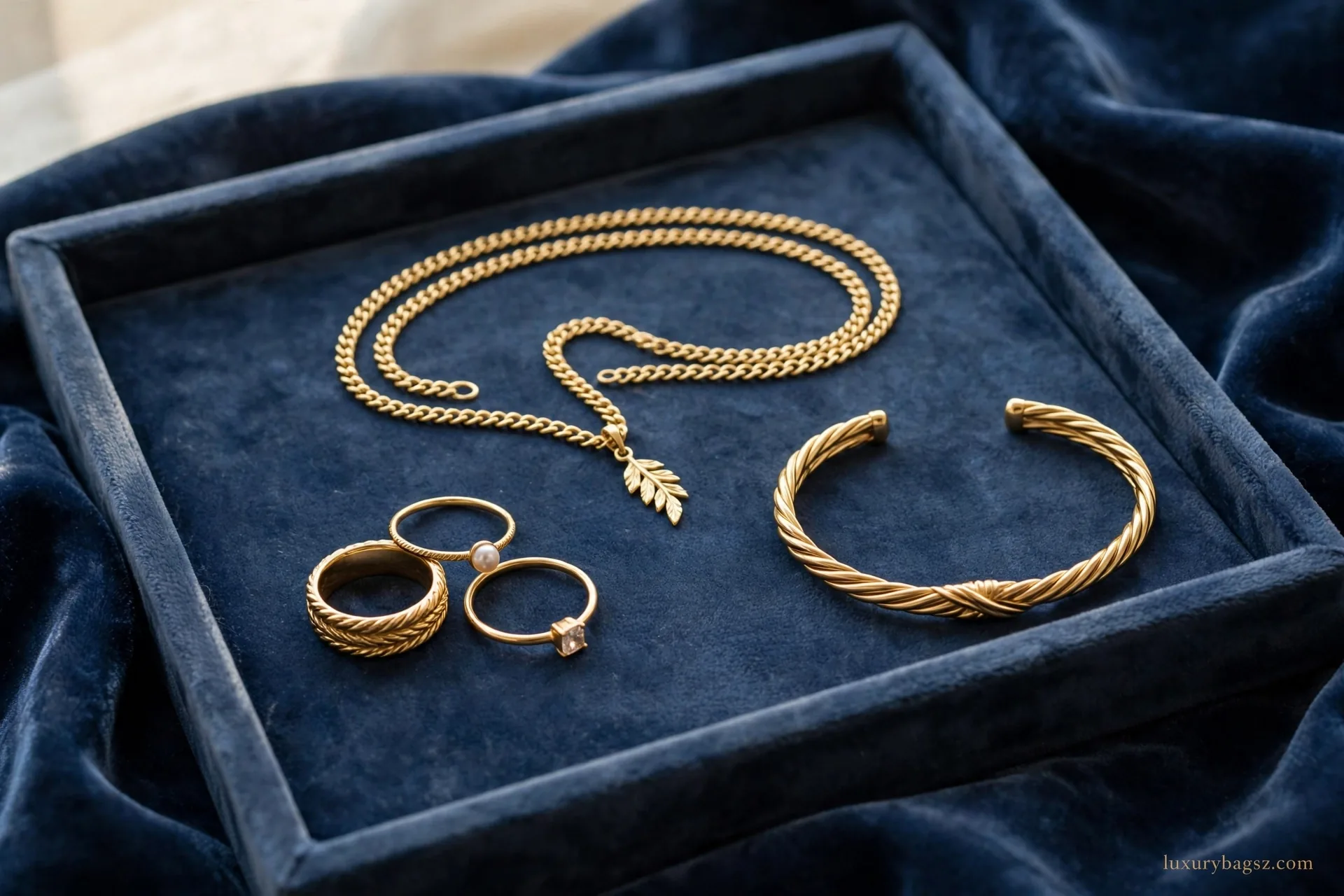
Reselling luxury jewellery rewards preparation more than haggling. The sellers who do best are not the ones who push hardest for a high price. They are the ones who can prove what a piece is, describe its condition honestly, and place it in front of buyers who already want that kind of piece.
That order matters. Authenticity comes first, because no serious buyer will pay a luxury price for a piece with doubtful origins. Valuation comes next, because it tells you which selling route makes sense and which offers are worth considering. Only then does the choice of dealer, auction, consignment platform, or private buyer become a sensible decision rather than a guess.
Jewellery also behaves differently from bags or watches. A signed piece from a famous house can sell for far more than its metal and stones would fetch alone, while an unsigned piece of similar quality may sell mainly for its materials and craftsmanship. Knowing which kind of piece you hold, before you talk to anyone about selling it, protects you from both low offers and unrealistic hopes.
This guide follows the process in order: identifying the piece, checking authenticity, understanding valuation, reading market trends, choosing a route, and completing a safe sale.
Key Takeaways
- Identify the piece fully first: maker, design, metal, stones, weight, hallmarks, and any repairs or replacements.
- Authenticity evidence matters more than a brand name alone. Signed pieces, hallmarks, certificates, and receipts all strengthen a sale.
- Valuation reflects metal and stone value, brand and design demand, condition, and completeness, not just what the piece cost new.
- Market trends shift by house, era, and style. A piece that sold strongly last year may sit this year, and the reverse is also true.
- Different selling routes suit different pieces. Dealers offer speed, auctions offer reach, consignment offers a wider audience, and private sales offer control with more work.
- Never clean, polish, or repair a piece before advice, and never accept payment through an untraceable route.
Part 1: Identify Exactly What You Are Selling
Start by writing down everything you know about the piece, before anyone else looks at it. The maker or signature, the design name if you know it, the metal and its purity, the stones and their sizes, the weight if it is stamped or recorded, and the length or size for necklaces, bracelets, and rings. Photograph the piece from several angles, including the clasp, the back, and any markings.
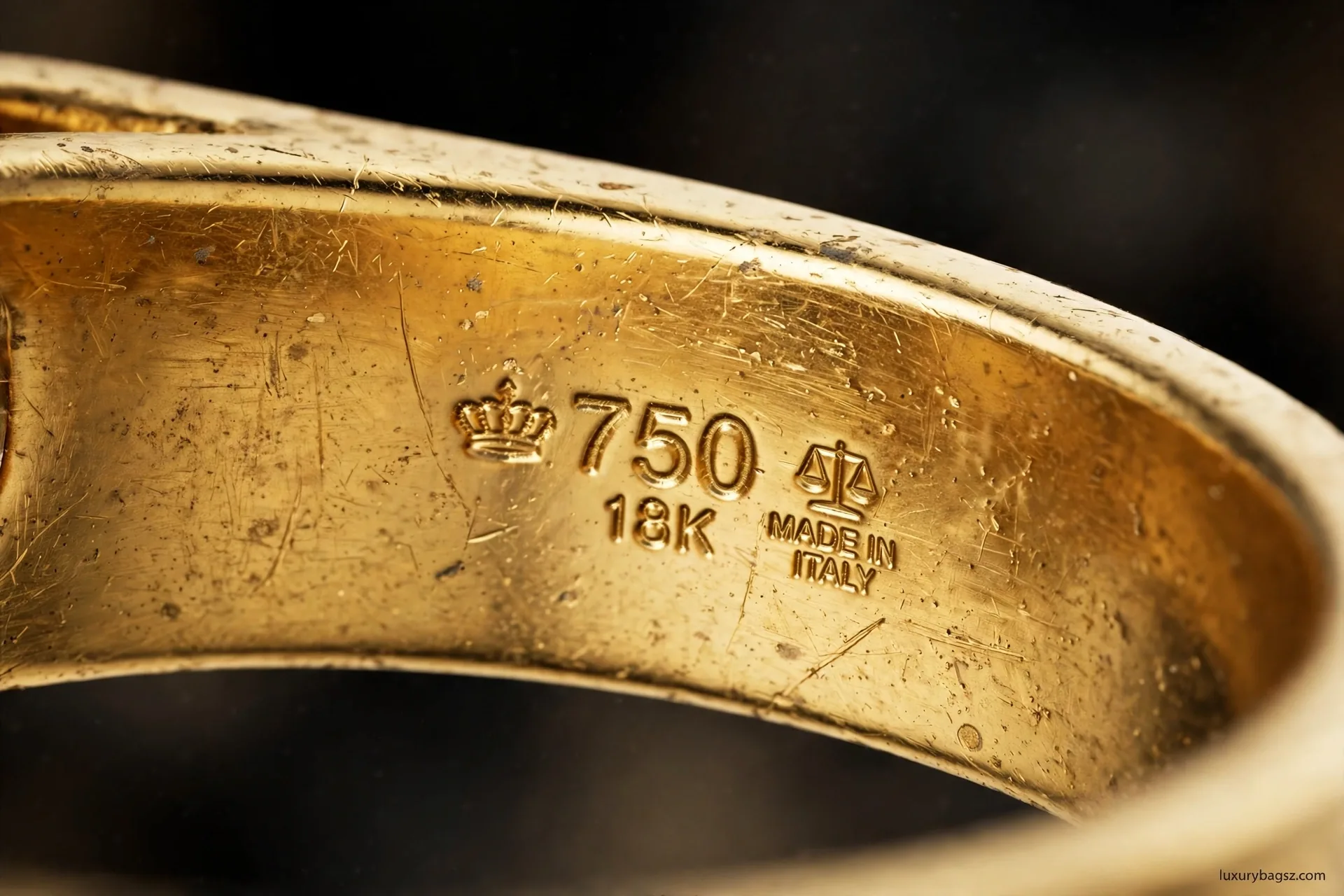
Check for signatures and hallmarks with a magnifier and good light. A signature may sit on a clasp, inside a band, or on the back of a pendant. Hallmarks vary by country and era, and they can confirm metal purity, assay office, and sometimes the year. A missing hallmark does not automatically mean a piece is fake, especially for older or imported pieces, but its absence is something a buyer will ask about, so note it honestly.
Look for signs of change. Has a ring been resized? Has a stone been replaced? Has a bracelet been shortened, a necklace restrung, or a clasp swapped? Repairs are not shameful, and many well-loved pieces carry them, but undisclosed changes damage trust and can lead to a return. If you know about a repair, record it. If you suspect one, say that you suspect it rather than stating a fact you cannot prove.
Gather the paperwork as well. Original receipts, certificates, valuations, boxes, and pouches all help, even when they are old. A certificate from a gem laboratory matters most for important stones, while a house receipt matters most for signed pieces. Keep copies for yourself, and do not send originals anywhere unless a buyer or platform genuinely needs them and you have a written record of what you sent.
Part 2: Authenticity — How Genuine Pieces Are Checked
Authenticity in jewellery is rarely settled by one test. Specialists look at the whole piece: design details, construction, finishing, hallmarks, stone setting, metal behaviour, and how the piece compares with known examples from the same house and era. A single correct mark, on its own, proves very little, because marks can be copied. Consistency across the whole piece proves much more.
For signed pieces, the signature itself is studied closely: its style, depth, placement, and spelling, and whether it matches the period. Construction details matter too, such as how a clasp is made, how stones are set, and how the back of a piece is finished. High-end houses finish parts of a piece that most owners never see, and counterfeits often cut corners exactly there.
For stones, laboratory reports are the strongest evidence for important diamonds and coloured stones. A report states identity, weight, and key qualities, and for coloured stones it may state origin and whether treatment has been detected. Treatments are common and not automatically a problem, but they must be disclosed, because they affect value and buyer expectations. An undisclosed treated stone is a dispute waiting to happen.
Independent authentication is worth considering for valuable pieces, even when a dealer or platform also checks the piece. An independent report gives you a document you can show to several buyers, and it can speed up a sale. For lower-value pieces, the cost of a full report may exceed its benefit, and a dealer's in-house check may be enough. Judge the cost against the piece's likely price, not against your attachment to it.
Be wary of any buyer who dismisses paperwork without looking at it, or who claims a piece is fake without explaining why. A serious buyer explains the concern in terms you can check: a wrong hallmark, a modern clasp on a supposedly vintage piece, or stones that do not match the stated period. Vague claims are often a bargaining tactic, and you are entitled to a second opinion before accepting them.
Part 3: Condition — What Buyers Actually Inspect
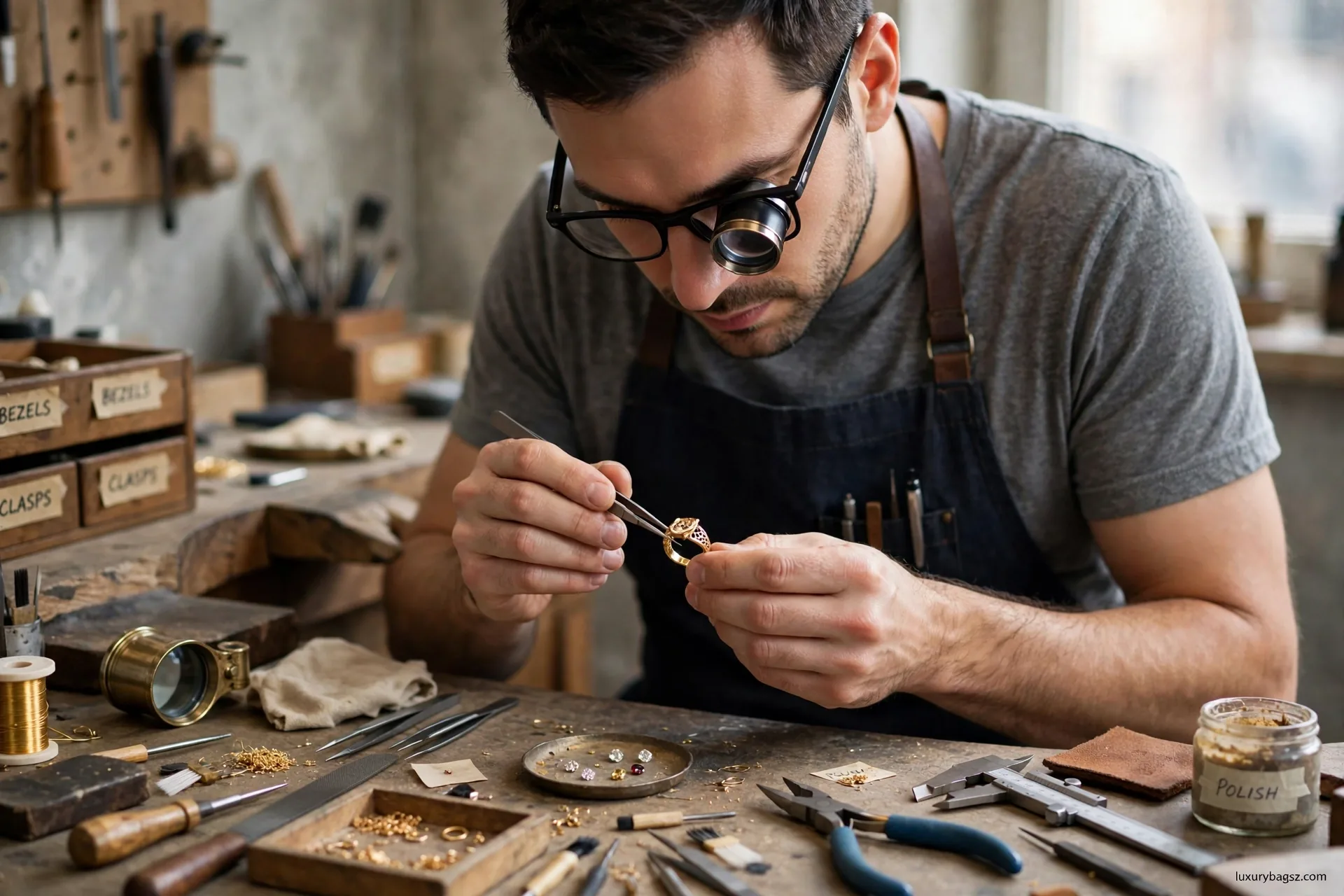
Condition in jewellery is more than shine. Buyers and specialists check wear, damage, and originality, and each affects the price differently. A light surface scratch from normal wear is expected. A bent prong, a cracked stone, a worn clasp, or a thinned band is a repair cost, and buyers will price it in whether you mention it or not.
Check prongs and settings first, because loose stones are both a value issue and a safety issue. A stone that moves in its setting needs attention before sale, and a missing stone changes the piece entirely. Check clasps and catches next, since a bracelet or necklace that does not close securely is hard to sell at any price. Then check the metal for thinning, dents, and signs of heavy polishing, which can soften engraved details over time.
For pearls and beaded pieces, check the stringing, the knots, and the surface of each pearl. For enamel pieces, check for chips and cracks, which are difficult to repair invisibly. For watches sold as jewellery, the same logic applies to cases, dials, and bracelets, though movement condition adds another layer that a specialist should assess.
Do not polish a piece aggressively before sale. Heavy polishing removes metal, softens hallmarks, and can change the finish a collector values, especially on vintage pieces where a soft patina is part of the appeal. A gentle clean with a method suited to the material is usually enough, and for anything valuable, ask a jeweller what is safe before you touch it. When in doubt, present the piece as it is and let the buyer see honest wear.
Part 4: Valuation — What Creates Value Beyond the Materials
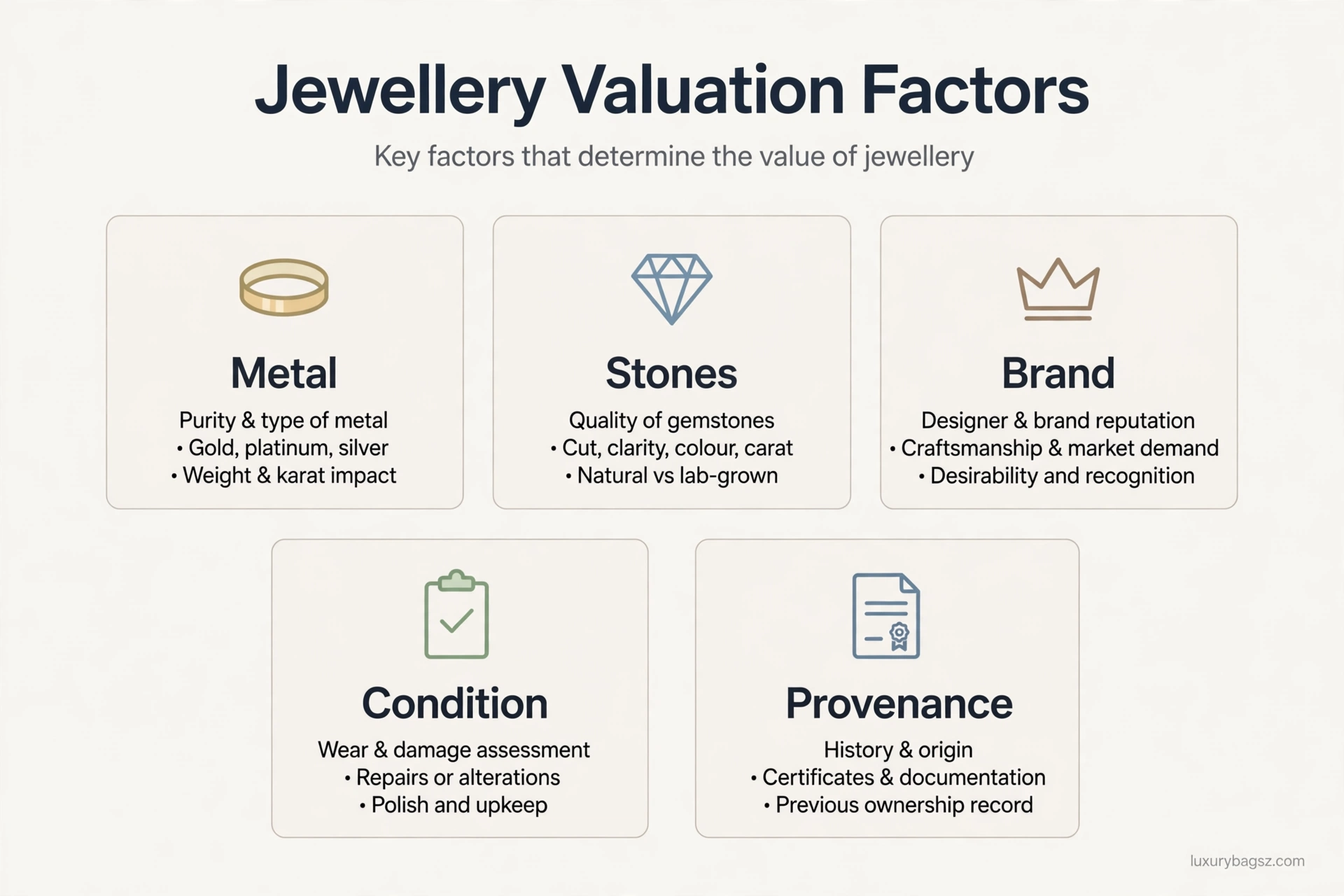
Valuation is the process of judging what a piece is worth in the current market, and it draws on several factors at once. Metal weight and stone quality give a floor, especially for unsigned pieces, but brand, design, rarity, and condition often decide how far above that floor a piece can go. Two pieces with the same gold weight can therefore sell for very different sums.
Signed pieces from houses with strong collector followings usually command a premium, because buyers are paying for design history and for the house's own quality control as well as for materials. Limited designs, discontinued lines, and pieces from a popular era can also carry a premium. By contrast, a fashionable piece from a weak period for its house may sell close to its material value, however attractive it looks.
Completeness lifts value too. Original boxes, certificates, and matching pieces, such as earrings sold with their necklace, reassure buyers and widen the buyer pool. A single earring, a ring without its certificate, or a necklace missing its original clasp will still sell, but the buyer pool narrows and the price reflects the extra uncertainty.
Valuation is not a single number that holds everywhere. A dealer buying for stock, an auction estimate, an insurance replacement value, and a private sale price are different figures, produced for different purposes. Insurance values are often the highest, because they reflect replacement cost rather than resale value. Auction estimates are usually given as a range, and the final hammer price can fall outside it.
When you compare figures, compare like with like, and ask what each figure actually means.

Part 5: Market Trends — Reading Demand Without Chasing Headlines
Market trends in jewellery move more slowly than fashion headlines suggest, but they do move. Certain houses gain or lose favour, certain eras come back into fashion, and certain stones attract new buyers while others cool. The trick is to read trends from actual sales, not from social media excitement about a single auction result.
Recent auction results and dealer listings for comparable pieces are the most useful evidence. Look for pieces of the same house, era, material, and condition, and note what they actually sold for rather than what they were listed for. A piece listed at a high price for a year tells you about the seller's hopes, not about the market. A piece that sold quickly at a lower price tells you where buyers currently meet sellers.
Gold and stone prices also matter, especially for unsigned pieces. When gold rises, the material floor for gold jewellery rises with it, and dealers may pay more even for plain pieces. When a particular coloured stone becomes fashionable, signed and unsigned pieces using it can both benefit. These movements do not guarantee a good price for your piece, but they explain why an offer today may differ from an offer a year ago.
Seasonal patterns exist too. Jewellery often sells more strongly around gifting periods and auction seasons, while quiet months can mean slower sales rather than lower value. If you have no deadline, waiting for a stronger season can be sensible. If you have a deadline, a dealer offer that looks modest may still be the right choice, because a later auction slot is not guaranteed to beat it after fees.
Sources disagree on trends more often than sellers expect. One auction house may report rising demand for a style while a dealer reports flat sales, because they serve different buyers. Treat any single trend claim as a clue, not a verdict, and weigh it against comparable sales you can see for yourself.
Part 6: Paperwork, Provenance, and the Story of a Piece
Provenance is the documented history of a piece: who owned it, where it was bought, and what has happened to it since. Strong provenance does not make a plain piece valuable, but for signed or historic pieces it can add real value and buyer confidence. A receipt from the house, a dated photograph, or a record of a previous auction sale all count, even when they feel ordinary.
Be careful with stories that cannot be documented. A family story about a piece's origin may be true, but buyers pay for evidence, not for narrative alone. Present the story as a story, and the documents as documents, and let the buyer judge each on its own terms. Inventing or exaggerating provenance is a fast way to lose a sale and a reputation, and for valuable pieces it can create legal trouble.
Hallmarks and assay marks form part of provenance too, because they tie a piece to a place and a time. Learn what the marks on your piece mean, or ask a specialist to explain them, before you describe the piece to buyers. A wrong claim about a hallmark, even an innocent one, undermines every other claim you make about the piece.
If a piece came to you through inheritance or a gift, you may not have full paperwork, and that is common. Say so plainly. Buyers understand incomplete histories, and a clear statement that you hold no certificate is far better than a vague hint that one might exist somewhere. Honesty about gaps builds the same trust as a complete file, just in a different way.
Part 7: Preparing a Piece for Sale
Preparation should be minimal, honest, and reversible. Start with a gentle clean only if you know the method is safe for the materials involved. Gold and platinum tolerate more cleaning than pearls, turquoise, opals, or enamel, which can be damaged by chemicals, heat, or ultrasonic cleaning. When you are unsure, leave the piece alone and say so.
Have any safety issue checked by a jeweller before listing, such as a loose stone or a failing clasp, and decide whether to repair it or sell as is with the fault disclosed. A repair can widen the buyer pool, but it costs money and, if done poorly, can reduce value. A disclosed fault narrows the pool but protects you from a return.
There is no rule that always favours one choice; it depends on the repair cost, the piece's value, and how much the fault affects wearability.
Photograph the piece after preparation, in daylight, against a plain background, with close-ups of signatures, hallmarks, stones, clasps, and any wear. Include a photograph of the piece worn or held for scale if that helps, but keep the main images clean and factual. Buyers of jewellery look closely, and a single sharp image of a hallmark can do more for trust than a page of description.
Write the listing or dealer brief from your notes, not from memory. Include maker, design, metal, stones, weight where known, size, condition, repairs, paperwork, and what is included. If a detail is unknown, say it is unknown. A listing that admits one gap is more believable than a listing that claims certainty about everything.
Part 8: Choosing a Selling Route
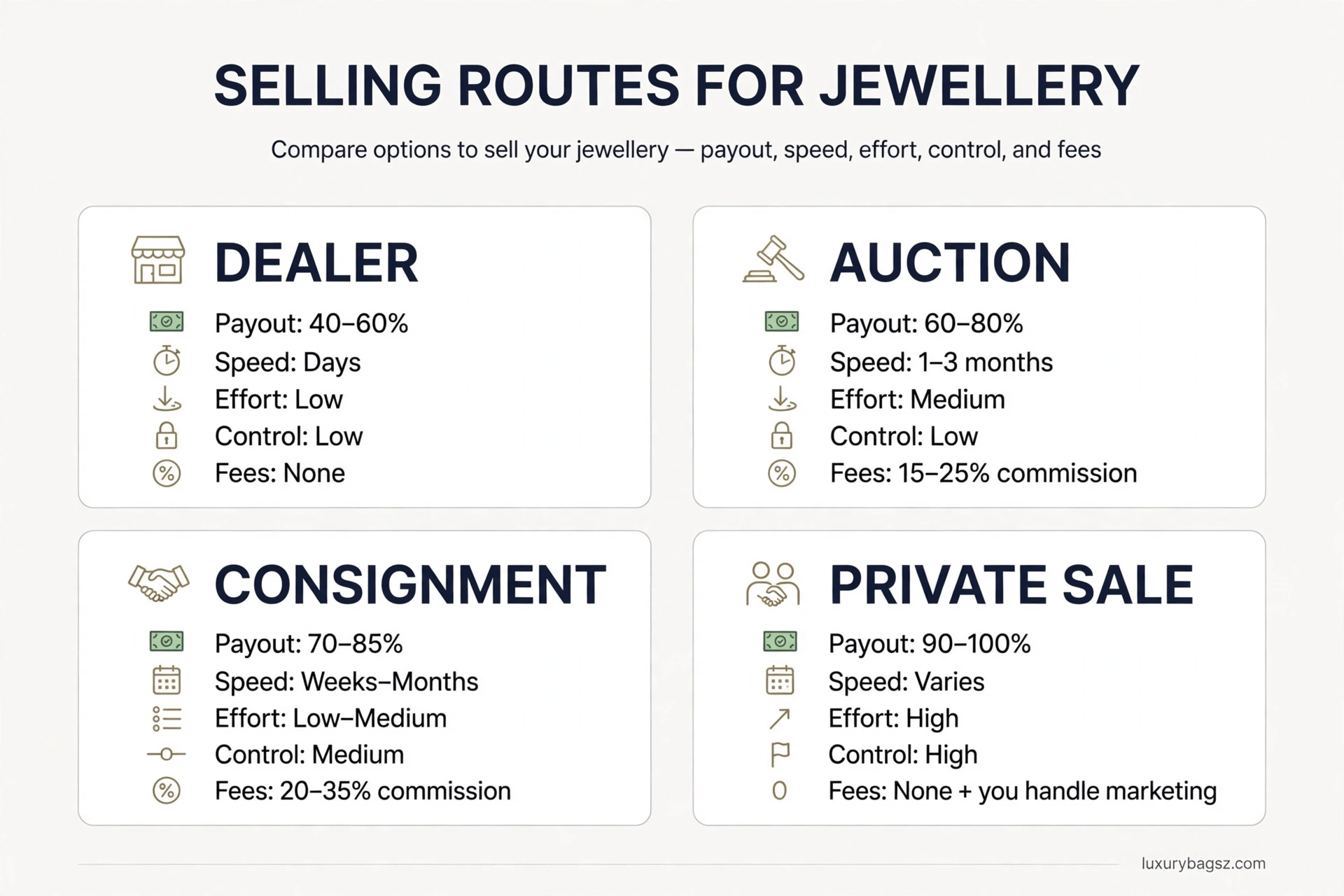
Dealers offer the fastest route. A specialist dealer or jeweller can assess a piece, make an offer, and pay quickly, often on the same day. The price will usually be below what a private buyer might pay, because the dealer must resell at a profit and carry stock risk. For common pieces, or when speed matters, that trade can be fair.
Auction houses offer reach. They place a piece before collectors and dealers who may compete for it, and a competitive auction can exceed expectations. Auction also costs commission on both sides in many cases, takes weeks or months, and carries the risk of a low result if the right buyers are absent on the day. Estimates are guides, not promises, and reserve prices should be agreed in writing before consignment to auction.
Consignment platforms and specialist resellers offer a middle path. They list the piece, handle buyers, and take a commission when it sells, which can suit pieces that need a wide audience but are not strong auction candidates. The same care about agreements, price drops, and payout timing that applies to other luxury consignment applies here, so read the terms before sending a valuable piece anywhere.
Private sales can achieve the highest price, because no commission is deducted, but they demand the most work and carry the most risk. You must find buyers, answer detailed questions, arrange safe viewing or insured delivery, and handle payment securely. For high-value pieces, meeting through a bank, a jeweller, or a solicitor's office, and using a traceable payment method, is far safer than meeting a stranger with cash.
Part 9: Comparing Offers Without Being Played
Get more than one opinion for any piece of real value, and give each buyer the same information. If one offer is far higher than the rest, ask why before celebrating, because it may reflect a different understanding of the piece, a buyer who needs that exact design, or a tactic to secure the piece before a closer look lowers the price.
If one offer is far lower, ask what the buyer saw that others missed, because it may be a genuine concern you should investigate.
Compare offers on net terms, not headline figures. An auction estimate is not a payout. A dealer offer may be net of nothing, while a consignment payout is net of commission and fees. A private buyer may offer more but pay slowly or with conditions. Write each offer down with its fees, timescale, and conditions, and compare the numbers that would actually reach your bank account.
Beware of pressure tactics. A buyer who insists an offer expires in an hour, who refuses to put terms in writing, or who asks you to send a piece before payment is agreed, is not offering a better deal. Genuine buyers of luxury jewellery expect checks, paperwork, and a short period for reflection, especially on valuable pieces. Walking away from a pressured offer is rarely a mistake.
Keep notes of every conversation, including dates, names, and terms discussed. If a dispute arises later, those notes, together with your photographs and paperwork, form the record that protects you. A seller who can show a clear trail is much harder to mislead than a seller relying on memory.
Part 10: Completing a Safe Sale
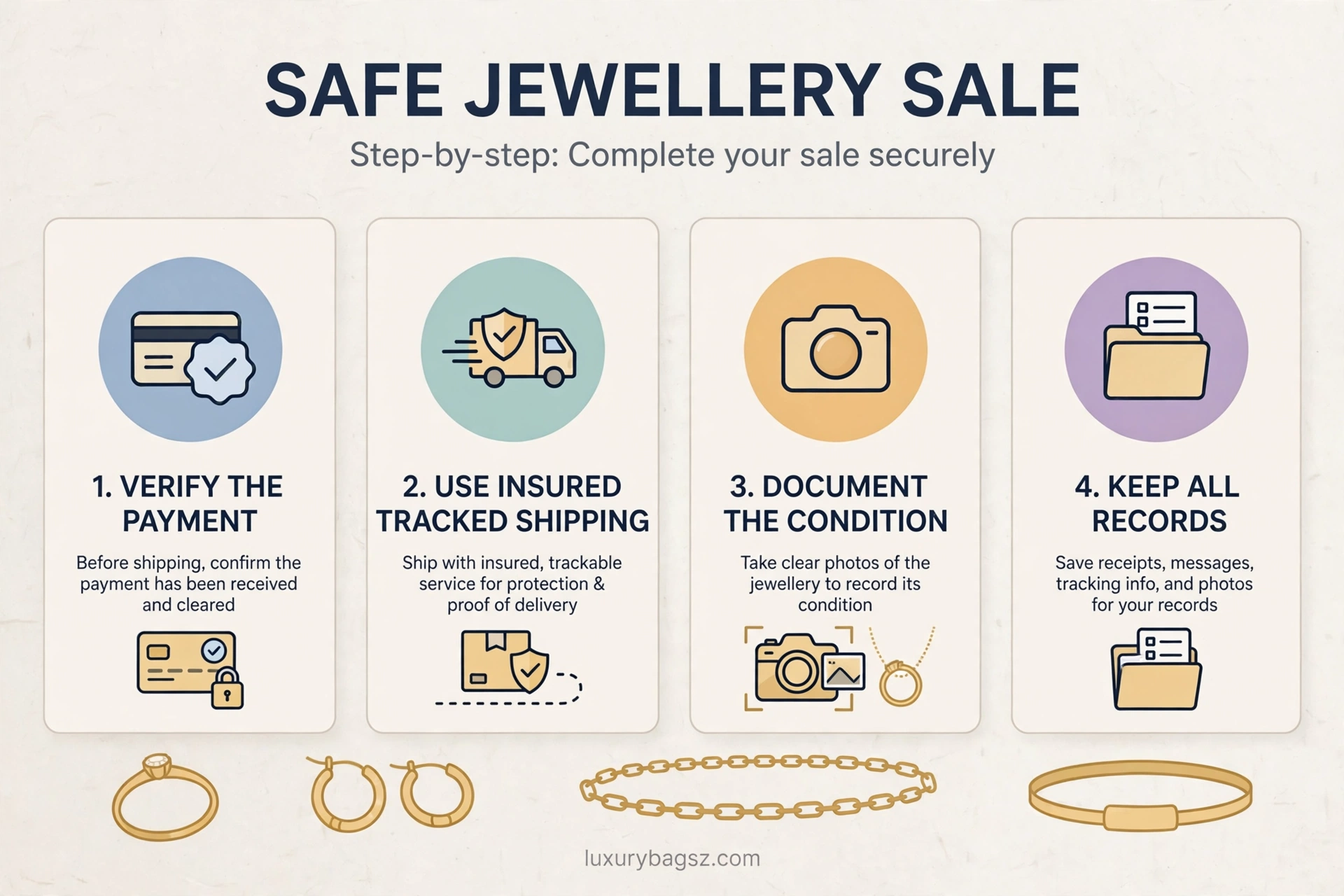
Agree the price, the payment method, and the delivery or handover method in writing before the piece leaves your hands. Bank transfer is the standard for most jewellery sales, because it is traceable and final in a way cash and informal payment apps are not. For very valuable pieces, an escrow-style arrangement through a bank or a professional intermediary can protect both sides, though it adds cost.
Insure the piece for transit at its full agreed value, and use tracked, signed delivery with a reputable carrier that accepts jewellery. Pack the piece discreetly, with no external clue to its contents, and keep the tracking number and proof of posting. If the buyer collects in person, meet in a safe, public, professional place, such as a jeweller's shop or a bank, and confirm payment has cleared before handing the piece over.
After the sale, keep copies of everything: the listing or agreement, the payment record, the delivery proof, and any certificates you passed on. If the buyer later raises a concern, a complete file lets you answer quickly and factually. If no concern arises, the file is simply good record-keeping for tax or insurance purposes, depending on your country's rules.
Finally, consider what the sale means for the rest of a collection. Selling one piece well, with paperwork and a clear record, sets a standard for the next sale. Selling in a rush, with gaps and pressure, teaches buyers that you can be pushed. Jewellery resale is a small world, and a reputation for honest, well-documented pieces travels further than any single price.
Part 11: Special Cases — Inherited Pieces, Broken Items, and Odd Lots
Not every piece arrives with a tidy story, and special cases need slightly different handling. Inherited jewellery is the most common example. You may hold a collection you did not choose, with mixed paperwork, mixed condition, and strong family feeling attached to some pieces and none to others. Start by sorting the collection into three groups: pieces to keep, pieces to investigate, and pieces to sell.
Do not let a dealer sort them for you before you have had a chance to decide, because a dealer's interest is in buying, not in preserving your choices.
For inherited pieces, check whether any piece is subject to a will, an estate process, or a shared ownership arrangement before selling. Selling a piece that belongs partly to someone else creates a dispute that no price is worth. If ownership is unclear, pause and clarify it.
Once ownership is clear, the normal process applies, with one addition: keep a photograph and a note of each piece sold, so family members can see what happened and why, even years later.
Broken jewellery still has routes to sale, but they differ by piece. A broken gold chain, a ring with a missing stone, or a bracelet with a failed clasp may sell for material value, for repair value to a jeweller, or for parts to a specialist. Be honest about the break, photograph it closely, and do not attempt a home repair with glue or soft solder, which can complicate a professional repair later and can damage stones.
A jeweller can tell you quickly whether repair is economical or whether the piece is best sold as it stands.
Single earrings, odd lots, and unmatched pieces are harder but not unsellable. A single earring from a sought-after design may attract a buyer who lost its pair, while a group of small gold pieces may sell together for material value. Listing odd pieces honestly, with clear photographs and a plain statement that only one earring is offered, avoids the returns that follow when a buyer assumed a pair.
If a lot contains mixed metals or stones, separate them in your notes, because a buyer valuing gold will not pay a gold price for a mixed lot priced as if it were all gold.
Stones removed from settings deserve care too. Loose diamonds and coloured stones sell through different channels from set jewellery, and they usually need laboratory reports to achieve strong prices. Keep loose stones in labelled, padded containers, never loose in a bag together, where they can scratch each other.
A scratched stone loses value for a reason that was entirely avoidable, so small, boring storage habits matter more here than anywhere else in resale.
Finally, consider the emotional side of selling, especially for inherited or gifted pieces. A price that looks fair on paper can still feel wrong if the piece carries memory, and a quick sale made under pressure can bring regret that no later purchase fixes. Give yourself a waiting period for pieces with strong feeling attached, and sell the straightforward pieces first.
The market will still be there next month, and a decision made calmly is almost always a better one than a decision made in a rush.
Frequently Asked Questions
How do I resell luxury jewellery for the best price?
Prove authenticity, document condition and paperwork, check comparable recent sales, and place the piece with buyers who want that house, era, or style. A well-documented piece with a realistic price usually beats a hopeful price with thin evidence.
Do I need a certificate to resell luxury jewellery?
Not always, but certificates help greatly for important stones and signed pieces. A gem laboratory report supports stone claims, while a house receipt supports a signed piece. Without paperwork, a specialist check becomes more important, and the buyer pool may narrow.
How is luxury jewellery valued for resale?
Valuation weighs metal and stone value, brand and design demand, rarity, condition, and completeness. Insurance replacement values are usually higher than resale values, and auction estimates are ranges, not guaranteed payouts, so compare like with like.
Should I get my jewellery appraised before selling it?
For valuable pieces, yes. An independent valuation or authentication report gives you a document to show buyers and a baseline for judging offers. For lower-value pieces, a dealer's free assessment may be enough, provided you understand it is an offer, not an independent valuation.
What jewellery sells best on the resale market?
Signed pieces from houses with strong collector demand, classic designs, and pieces in good condition with paperwork tend to sell best. Trends shift by era and style, so check recent sales of comparable pieces rather than relying on a house name alone.
Is it better to sell jewellery to a dealer or at auction?
Dealers offer speed and certainty at a lower price, while auctions offer wider reach and possible competition at the cost of time, fees, and uncertainty. The better route depends on the piece's rarity, value, and how quickly you need payment.
Should I clean or repair jewellery before reselling it?
Clean gently only with a method safe for the materials, and get advice before any repair. Heavy polishing can damage hallmarks and finishes, and a poor repair can reduce value. Disclose any fault you choose not to repair, rather than hiding it.
How do I avoid being scammed when selling jewellery privately?
Use traceable payment, meet in a safe professional place, insure transit at full value, and put price, payment, and delivery terms in writing before the piece leaves your hands. Refuse pressure tactics, vague offers, and any request to send a piece before payment is agreed.
Do market trends really affect jewellery resale prices?
Yes, though slowly. House popularity, era fashion, and metal and stone prices all move demand. Gold price rises lift the floor for gold pieces, while a fashionable stone can lift both signed and unsigned pieces that use it. Comparable recent sales are the best guide.
What paperwork should I keep after selling jewellery?
Keep the sale agreement, payment record, delivery proof, listing details, and copies of any certificates passed to the buyer. These records protect you if a concern arises later and help with tax or insurance records, depending on your country's rules.
Final Verdict
Reselling luxury jewellery is a process, not a single negotiation. Identify the piece, prove what it is, understand what the market currently pays for comparable pieces, and then choose the route that fits its value and your deadline.
Sellers who rush to the first offer, or who polish away the very details that prove a piece, usually pay for haste. Sellers who document, compare, and complete the sale safely keep more of the value they already own, and they build a record that makes every future sale easier.
If you remember one rule, make it this: no offer is worth accepting before you know what you hold and what comparable pieces have actually sold for. That single pause, taken before any negotiation, protects you from low offers, from pressure tactics, and from the regret of selling a piece well below its true market standing.
It costs nothing, it takes only the time needed to gather your paperwork and check a few comparable sales, and it is the difference between selling with confidence and selling with doubt.






