What Happened to Allen Edmonds? The Rise, Decline, and Survival of an American Shoemaker
The Short Answer: Still Trading, But a Different Company Now
Allen Edmonds did not go out of business. The Wisconsin shoemaker founded in 1922 still trades today, still makes shoes in Port Washington, Wisconsin, and still sells its best-known style, the Park Avenue cap-toe Oxford. But the company behind the name has changed hands four times since leaving family ownership and survived a near-collapse in 2008.
The honest summary: the brand survived, but what made it famous — American-made, Goodyear-welted dress shoes built to be resoled for decades — now describes only part of what it sells. The price tag alone will not tell you which shoes still match that description.
Key Takeaways
- Founded in Belgium, Wisconsin, in 1922; took the Allen Edmonds name in 1931 when salesman Bill Edmonds joined founder Elbert Allen.
- Fame rested on Goodyear-welted, American-made dress shoes, a wide range of sizes and widths, and a factory recrafting service.
- Decline had several causes at once: casual dress codes, cheaper sleeker rivals, the 2008 recession, and owners pushing the brand toward faster fashion.
- Ownership moved from the Allen family to John Stollenwerk in 1980, Goldner Hawn in 2006, Brentwood Associates in 2013, and Caleres in December 2016 for $255 million.
- Today the brand sits under Caleres, with a Port Washington factory and a 2024 Reserve Collection priced from $800 to $3,000.
- Quality now varies by model and pair, so check origin and construction before paying full price.
Part 1: A Wisconsin Workshop in 1922
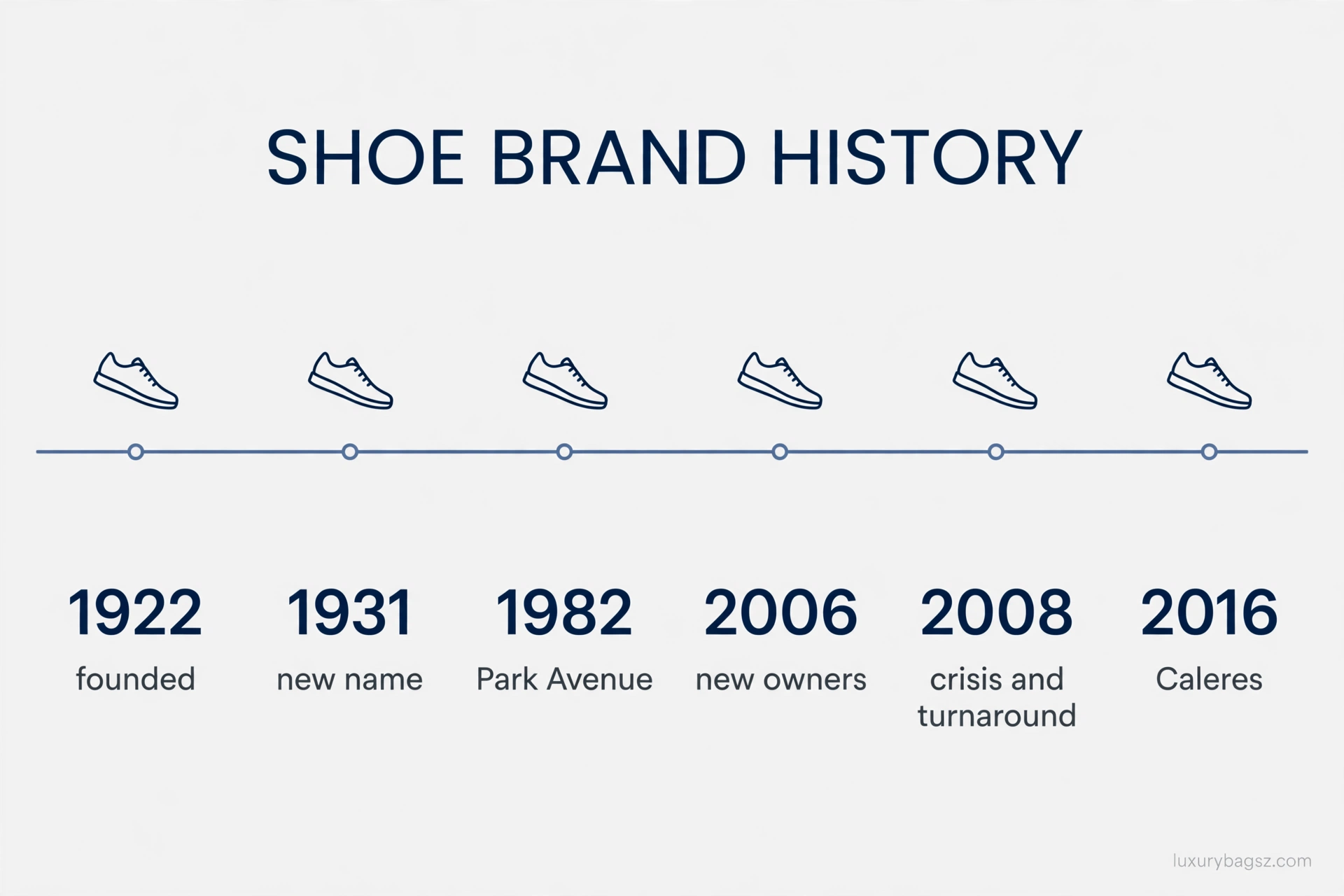
Elbert W. Allen began making men's shoes by hand in Belgium, Wisconsin, in 1922, under the name Allen-Spiegel Shoe Company. He knew how to make a dress shoe, but not how to sell one at scale. That gap shaped the company's next step and its name.
In 1931, Allen partnered with Bill Edmonds, a salesman, and the two formed the Allen Edmonds Corporation. It stayed in family hands for decades, passing to Allen's son Bert in 1946, then to Bert's younger brothers in 1968.
Part 2: The Rise — War, Presidents, and the Park Avenue
Allen Edmonds gained much of its following by supplying shoes to the United States Army and Navy during the Second World War. Men who wore the brand in service often stayed loyal to it for life.
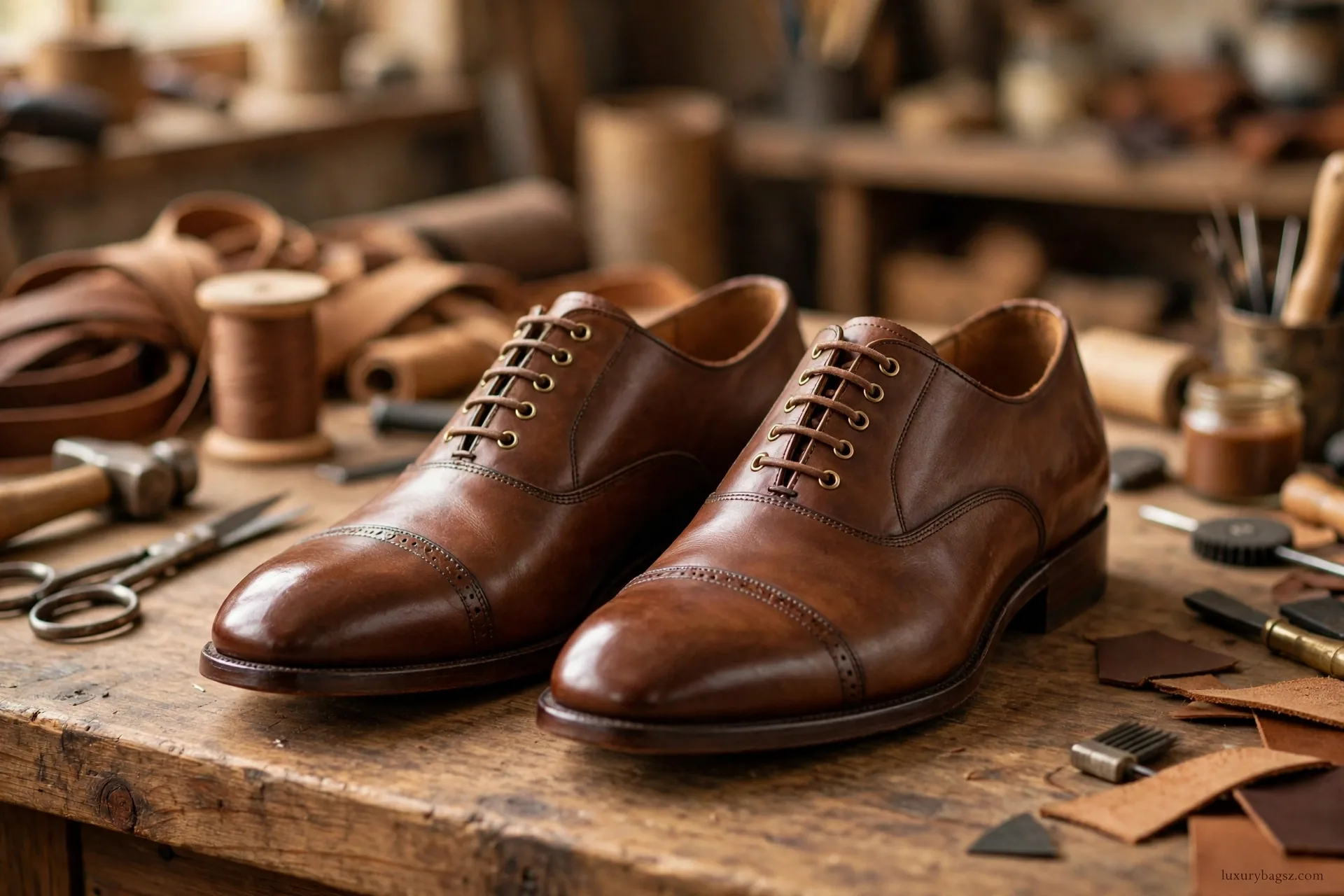
The brand's most quoted claim is presidential: Ronald Reagan, George H. W. Bush, Bill Clinton, and George W. Bush all wore Allen Edmonds shoes on inauguration day, according to Forbes in 2022. The shoe at the centre of that image is the Park Avenue, a plain cap-toe Oxford introduced in 1982 and still in production.
It is the style most associated with the brand's presidential inauguration claim.
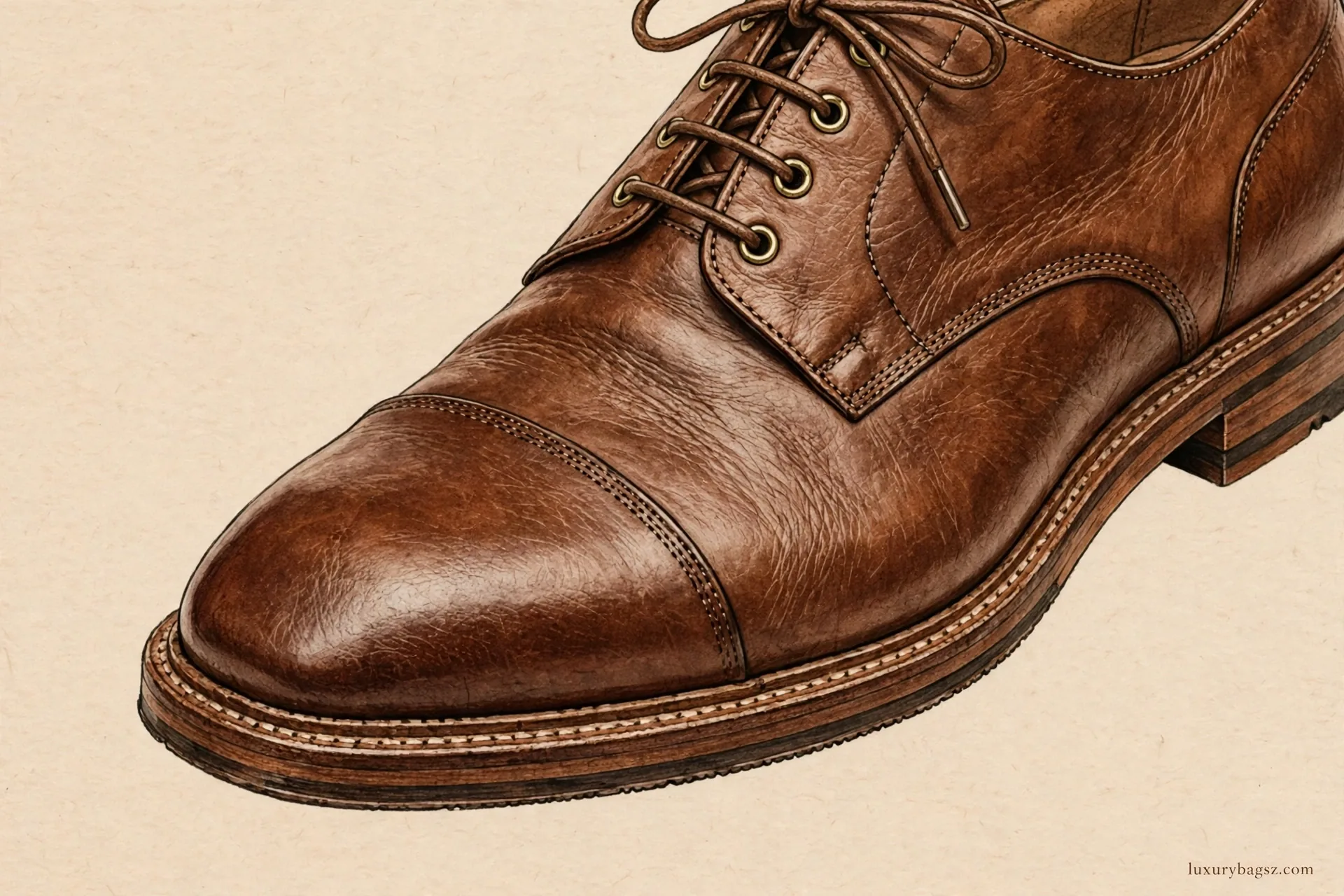
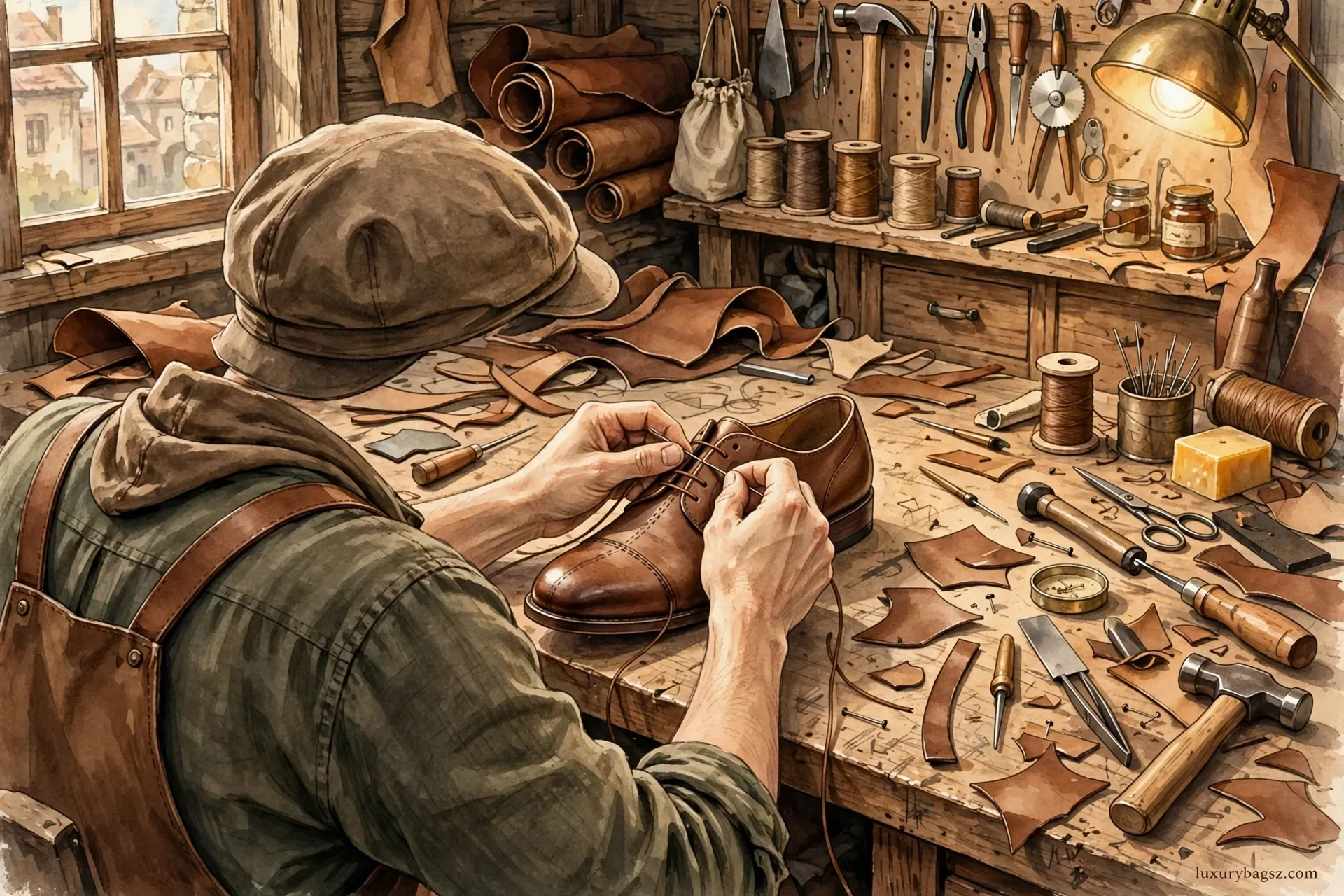
The construction behind the fame was practical. The shoes were Goodyear-welted, so the sole was stitched to a leather welt rather than glued to the upper, and a worn sole could be replaced without damaging the shoe.
Fit was the other advantage: a wide range of sizes, widths, and lasts suited men with hard-to-fit feet. Our guide to what dress shoes are explains these styles, and our look at how boots are made shows the bench work behind them.
Part 3: What Made It Famous — Craft, Service, and Recrafting
Three things made Allen Edmonds famous, all about the long life of the shoe rather than its first impression. The first was construction: Goodyear welting, leather soles, full leather linings, and premium uppers, including Horween shell cordovan on some models.
The second was factory seconds: pairs with small cosmetic flaws, sold at a deep discount. The third was recrafting: owners could send worn shoes back for new soles and heels, a new cork base, a refinished upper, and new laces.
The company reports about 26,000 pairs recrafted a year, around one million since the programme began, and about four recrafts per pair. The same logic applies beyond dress shoes, so it is worth knowing which boots can be resoled before buying any welted footwear.
Part 4: The First Cracks — Casual Dress and Cheaper Rivals
The first cracks came from the market rather than the factory. For about twenty years before the 2008 crash, fashion moved toward business-casual dress and Italian styling, and demand for the traditional American dress shoe softened.
At the same time, online shopping widened the competition. Around 2000 to 2005, European brands and new American upstarts offered Italian-made shoes in the $300 to $350 range: lighter, sleeker, and seemingly more modern than a $600 American-made Allen Edmonds, even when the cheaper shoe was not as well made. Most shoppers chose the cheaper, trendier option.
The qualities that justified the higher price — a cork footbed, a full leather lining, a welted sole — only reveal themselves through wear.
The company also hurt itself by cancelling several classic styles to chase fast fashion, then learning, when the classics returned and sold well, that customers wanted the old shoes after all.
Part 5: Ownership — Family Firm to Private Equity to Caleres
Allen Edmonds left family ownership in 1980, when it was sold to John Stollenwerk, who was committed to keeping production in America. In 2006, Minneapolis investment firm Goldner Hawn Johnson & Morrison bought 90 percent of the shares for $100 million, and the company closed its Lewiston, Maine, plant, moving hand-sewn production to a company-owned factory in the Dominican Republic.
Sources disagree about the next sale, and the disagreement is worth stating plainly. Wikipedia, citing the Wall Street Journal, dates the Brentwood Associates acquisition to an announcement in 2013, while BizTimes says Brentwood purchased the company in 2011 for an undisclosed price.
Brentwood owned the brand next, growing its stores from 45 in 2013 to 70 by late 2016. In December 2016, Caleres — the group behind Famous Footwear — acquired Allen Edmonds from Brentwood for $255 million, saying the brand would operate fairly independently and retain its employees.
Part 6: The 2008 Crisis — Near-Collapse and Turnaround
The 2008 financial crisis nearly finished the company. Sales fell by about one-third, profitability all but evaporated, and the business struggled to meet its debt payments. Paul Grangaard stepped in as interim chief executive, and a $10 million investment from Goldner Hawn helped avoid bankruptcy.
The rescue involved painful cuts: about 50 employees, roughly 8 percent of the workforce, were let go, management pay and bonuses were cut, and factory wages were frozen for a couple of years. The company kept more master craftspeople than its shrunken business justified, to protect the skills any recovery would need.
The turnaround was a return to roots. Four cancelled classic styles were reintroduced, and all four became top-ten sellers. Since 2009, revenues more than doubled and recrafting volume rose from about 35,000 pairs a year to about 60,000.
Part 7: Where the Brand Stands Now
Today Allen Edmonds is a Caleres subsidiary headquartered in Port Washington, Wisconsin, selling men's dress shoes, casual shoes, boots, sneakers, apparel, and accessories.
Manufacturing today is mixed, and this is the most important fact for buyers. Core styles are still made in Port Washington through the 212-step process, but uppers for the hand-sewn collection have been cut and sewn in the Dominican Republic since 2006, then finished in Wisconsin, and other styles are made elsewhere, including Italy. The brand's own product pages state where each shoe is made.
It has also moved upward with the Reserve Collection launched in August 2024 — eight styles priced from $800 to $3,000, made in limited quantities in Port Washington, according to Caleres.
Nordstrom listed the Park Avenue at $450 to $550 in October 2026, and recrafting at $150 standard and $175 for a fuller package.
Part 8: The Quality Debate — What Reviewers Actually Say
No part of the story is more argued about than quality, and the honest answer is that sources disagree and pairs vary. Long-time owners and repairers report older pairs were heavier, with thicker leathers and soles and more careful stitching. The shoe-care writer Brillaré reported thinner leathers and soles and poorer stitching on more recent pairs.
Brillaré also claimed in 2022 that only 8 of 206 website styles were then made in America. That is one writer's count at one moment, not a current audited figure. What it does capture is a real shift in the mix, and buyers can no longer assume American manufacture from the brand name alone.
Other reviewers still praise fit and core-model durability, while noting finish varies pair to pair. The fair summary is not that the brand collapsed or that nothing changed: consistency, once its calling card, must now be verified pair by pair.
Part 9: What Buyers Should Know Today
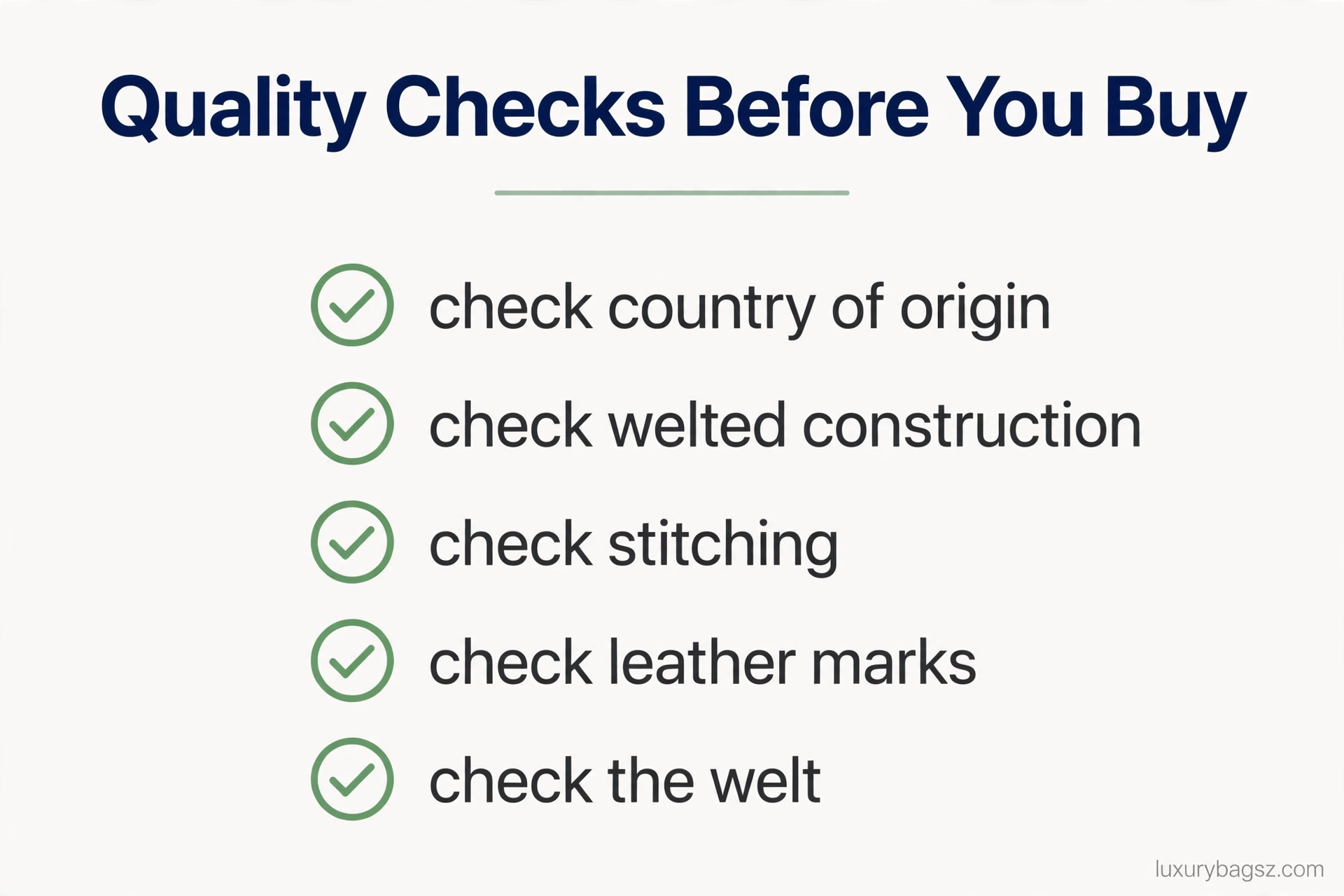
Start with the label, not the logo. Check the product page for the country of origin and the construction. A Goodyear-welted, Port Washington-made core style is a different purchase from a cemented casual shoe carrying the same brand name.
Second, buy the fit, not the reputation. The wide range of sizes, widths, and lasts is still the brand's clearest practical advantage, especially for narrow or very wide feet. Try the exact model, size, and width, ideally later in the day when feet are slightly larger.
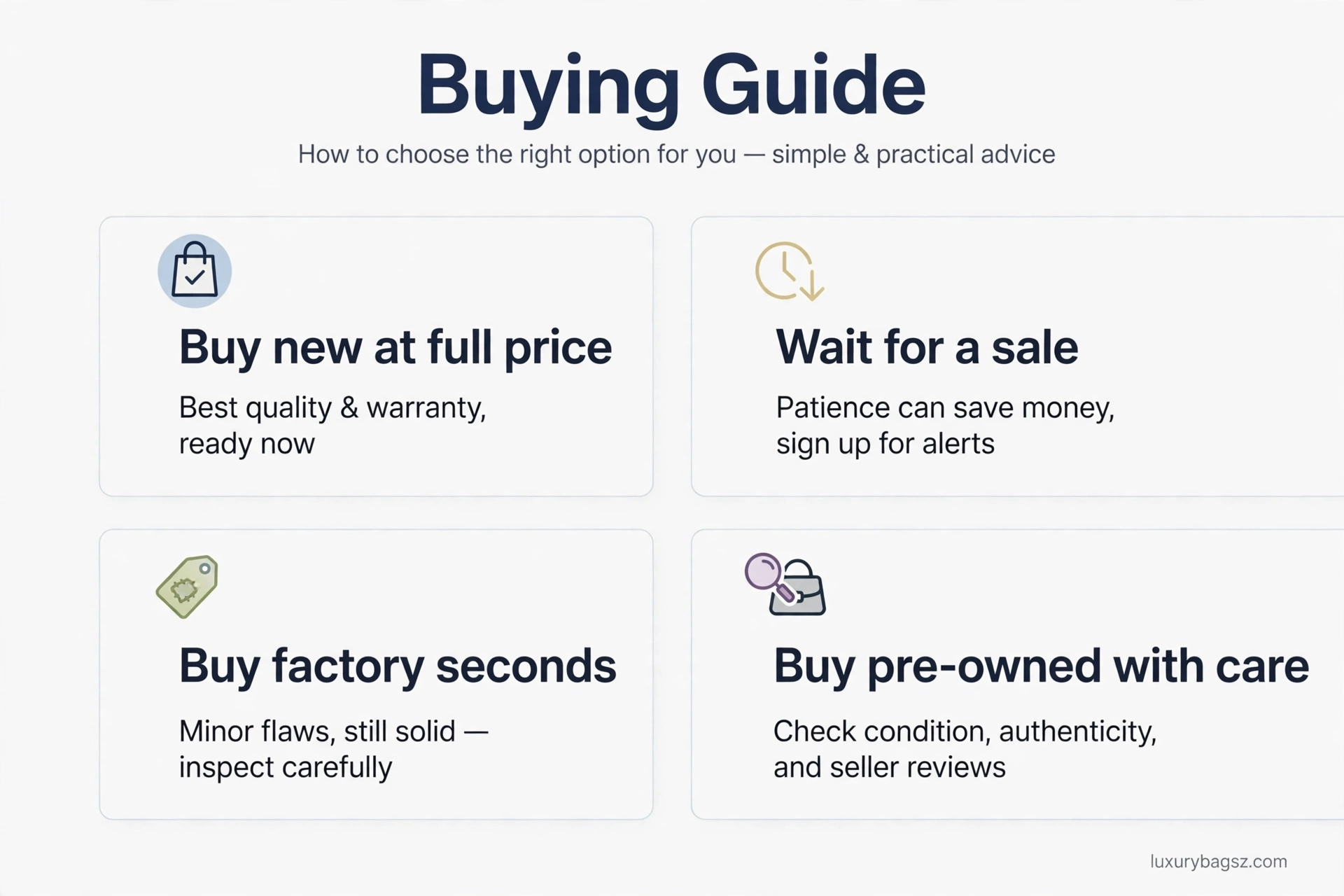
Third, rarely pay full price. The brand discounts often, and factory seconds offer the same welted construction and recrafting eligibility at a large discount. Inspect any pair on arrival for even stitching and sound welting. Fourth, plan for recrafting: repair soles before wear reaches the welt, and keep shoe trees in the shoes between wears.
If you are buying pre-owned, use a proper method to grade designer shoe condition before paying, since resoling history and welt damage change the value.

Frequently Asked Questions
Is Allen Edmonds still in business?
Yes. Allen Edmonds still trades as a Caleres subsidiary, headquartered in Port Washington, Wisconsin, selling through its website, its own stores, and department stores.
Who owns Allen Edmonds now?
Caleres has owned Allen Edmonds since December 2016, when it bought the brand from Brentwood Associates for $255 million. Goldner Hawn bought a majority stake in 2006, and Brentwood acquired the company in the early 2010s, with sources disagreeing on whether that deal dates to 2011 or 2013.
Are Allen Edmonds shoes still made in America?
Some are, and some are not. Core styles are still made in Port Washington, Wisconsin, and hand-sewn uppers are cut and sewn in the Dominican Republic before being finished in Wisconsin. Other styles are made elsewhere, so check the origin for the exact pair.
What happened to Allen Edmonds quality?
Older pairs were heavier and more consistently finished, while newer pairs vary more pair to pair. Quality is now model- and pair-dependent, not uniform.
What is the Park Avenue?
The Park Avenue is Allen Edmonds' best-known shoe, a plain cap-toe Oxford with closed lacing, introduced in 1982 and still in production.
Did four presidents really wear Allen Edmonds?
The claim, widely repeated including by Forbes in 2022, is that Ronald Reagan, George H. W. Bush, Bill Clinton, and George W. Bush wore Allen Edmonds shoes on inauguration day. It is brand-reported, not independently audited.
How much do Allen Edmonds shoes cost?
Core styles cost several hundred dollars at full price. Nordstrom listed the Park Avenue at $450 to $550 in October 2026, Sale prices and factory seconds are often far lower, and the 2024 Reserve Collection is priced from $800 to $3,000.
What does Allen Edmonds recrafting cost?
The company's website listed standard recrafting at $150 and a fuller package at $175 in October 2026, with a turnaround of about four to six weeks. A pair can usually be recrafted about four times.
Are Allen Edmonds shoes worth buying today?
Yes, if the fit suits you, the pair is a welted core style, and you buy at a sale or seconds price and plan to resole it for years. At full price, or for a non-welted model, the value is much harder to defend.
What should I buy instead if I want the old Allen Edmonds?
Alden is the most cited American-made heritage rival. Spanish makers such as Carmina and Meermin are frequently recommended at overlapping prices, while English makers such as Crockett & Jones and Edward Green usually cost more.
Final Verdict: A Survivor, Not the Same Shoe
Allen Edmonds survived what killed many heritage brands: a changing dress code, cheaper rivals, a financial crisis, and four changes of ownership. The Port Washington factory, the recrafting service, and the Park Avenue remain genuine assets. The brand did not die. It adapted, and adaptation always costs something.
What it cost here was uniformity. The old Allen Edmonds was a safe assumption: almost any pair was a well-made American shoe. The new one must be chosen carefully, model by model and pair by pair — welted core styles, origin checked, bought on sale or as seconds.