Watch Trends Explained: Smaller Cases, Colour Dials, Dress Revival and Integrated Bracelets
Trends in Brief: Smaller, Brighter, Dressier
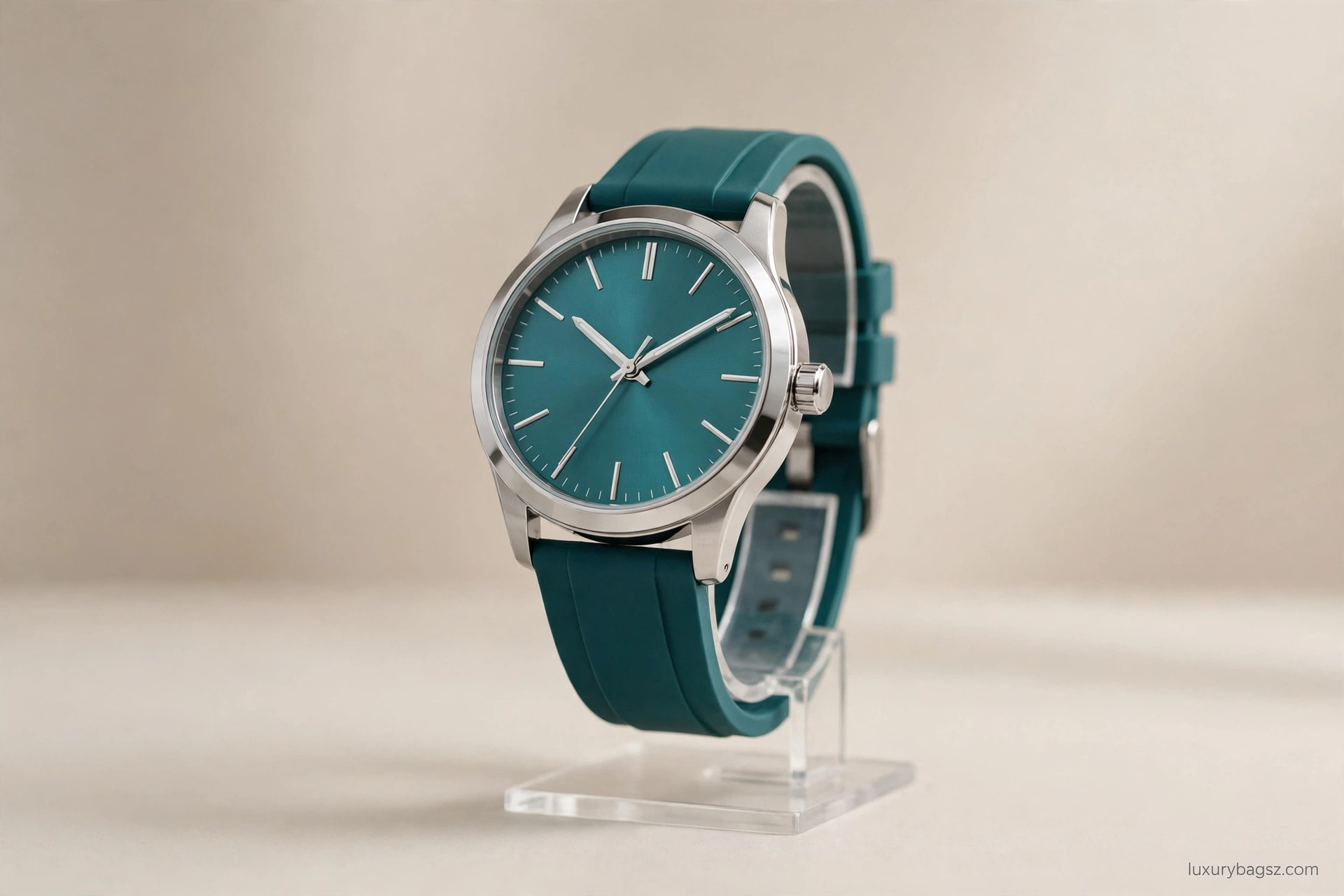
The clearest watch trends of recent seasons point the same way: cases are getting smaller, dials are getting more colourful, and slim dress watches are back beside the sports models that dominated for years. The short answer for buyers is to treat trends as a menu, not an order. Take the parts that suit your wrist and wardrobe, typically the smaller case and one colour you love, and skip the rest without fear of missing out.
Key Takeaways
- Smaller cases, often under 40 mm, are the defining size trend after years of oversized sports watches.
- Colour has moved from accents to whole dials, including pastels, greens and stone dials.
- Dress watches and vintage-inspired reissues are sharing the spotlight with divers and chronographs.
- Integrated bracelets and shaped cases continue the 1970s-inspired design revival.
- Trends cycle; classic proportions and colours survive every cycle.
- Try sizes on your own wrist before following any trend, because fit beats fashion.
Smaller Cases Take Over
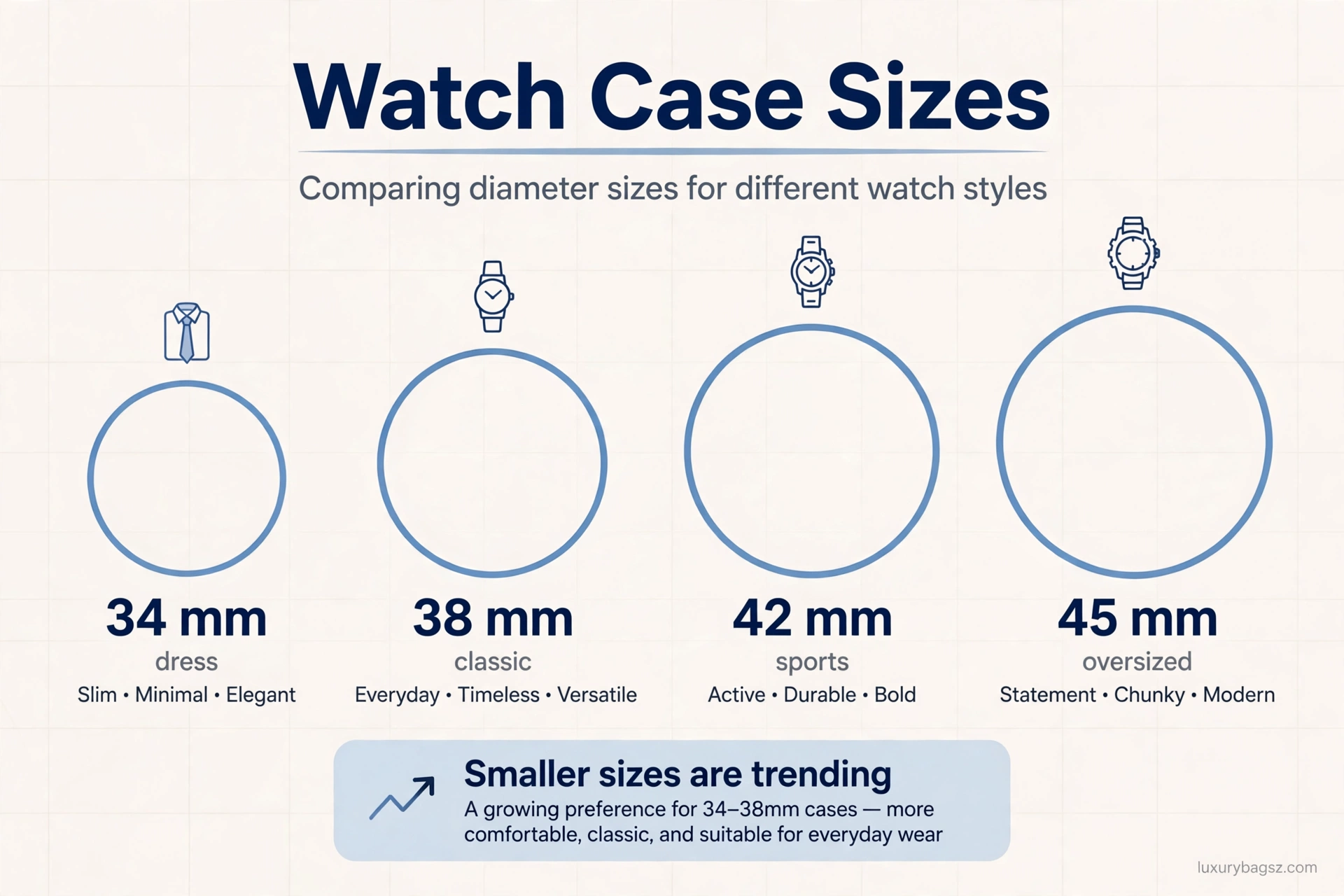
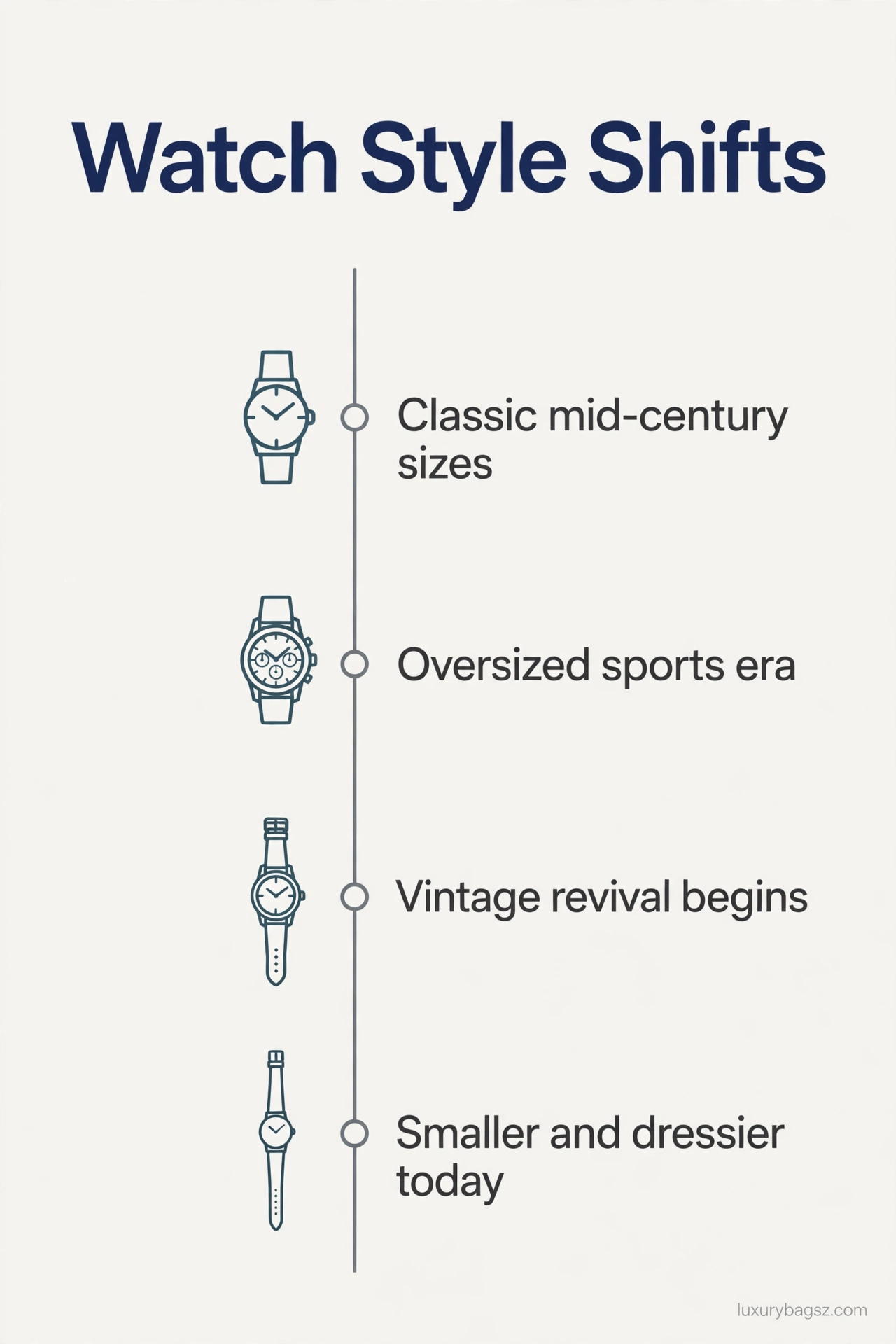
Retailers confirm the shift in behaviour, not just design. Buyers increasingly ask for the smaller version of a model first, and brands have responded by launching flagship lines in two or three sizes at once rather than treating small as an afterthought. After a long run of 42–45 mm sports watches, the centre of gravity has shifted down. Many new releases and reissues now sit around 34–39 mm, closer to mid-century proportions. Our Rolex Datejust guide shows why the classic mid-30s size never really left: it suits most wrists, slides under a cuff and reads as elegant rather than loud. Smaller does not suit everyone. Broad wrists can carry larger cases well, and some sports watches need size for legibility. The trend is best read as permission to choose smaller, not a rule against bigger.
The Dress Watch Revival
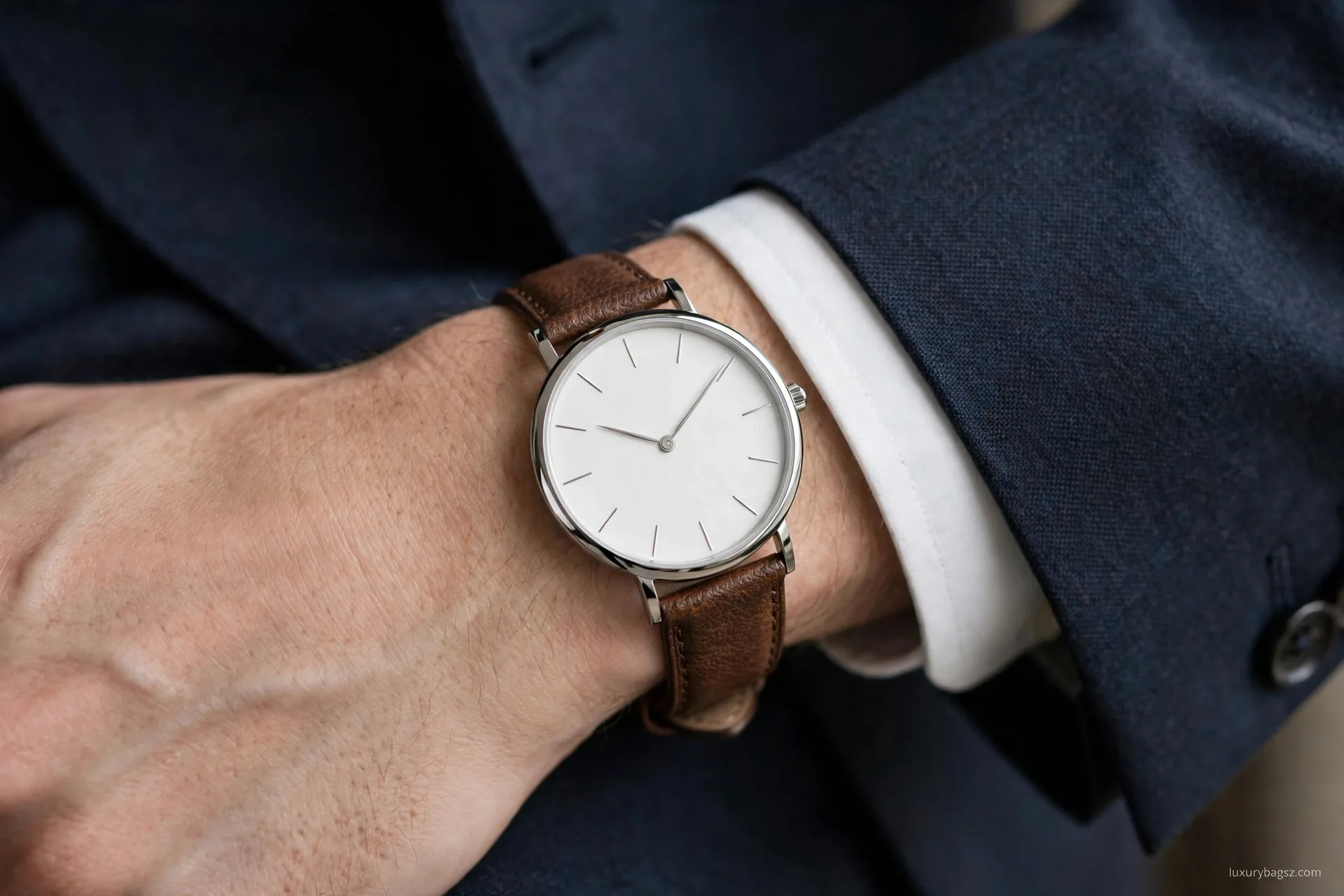
Slim, simple three-hand watches are fashionable again. Buyers who spent years in steel sports watches are adding a quiet dress piece for evenings, work and occasions where a diver looks out of place. The template is old. Our Cartier Tank watch guide covers a design from 1917 that still anchors the category, proof that a good dress watch outlives every trend cycle around it. Modern dress revivals add useful touches: better water resistance, automatic movements and sizes that work across genders. The look stays restrained, which is precisely the point.
Colour Everywhere, Including Stone
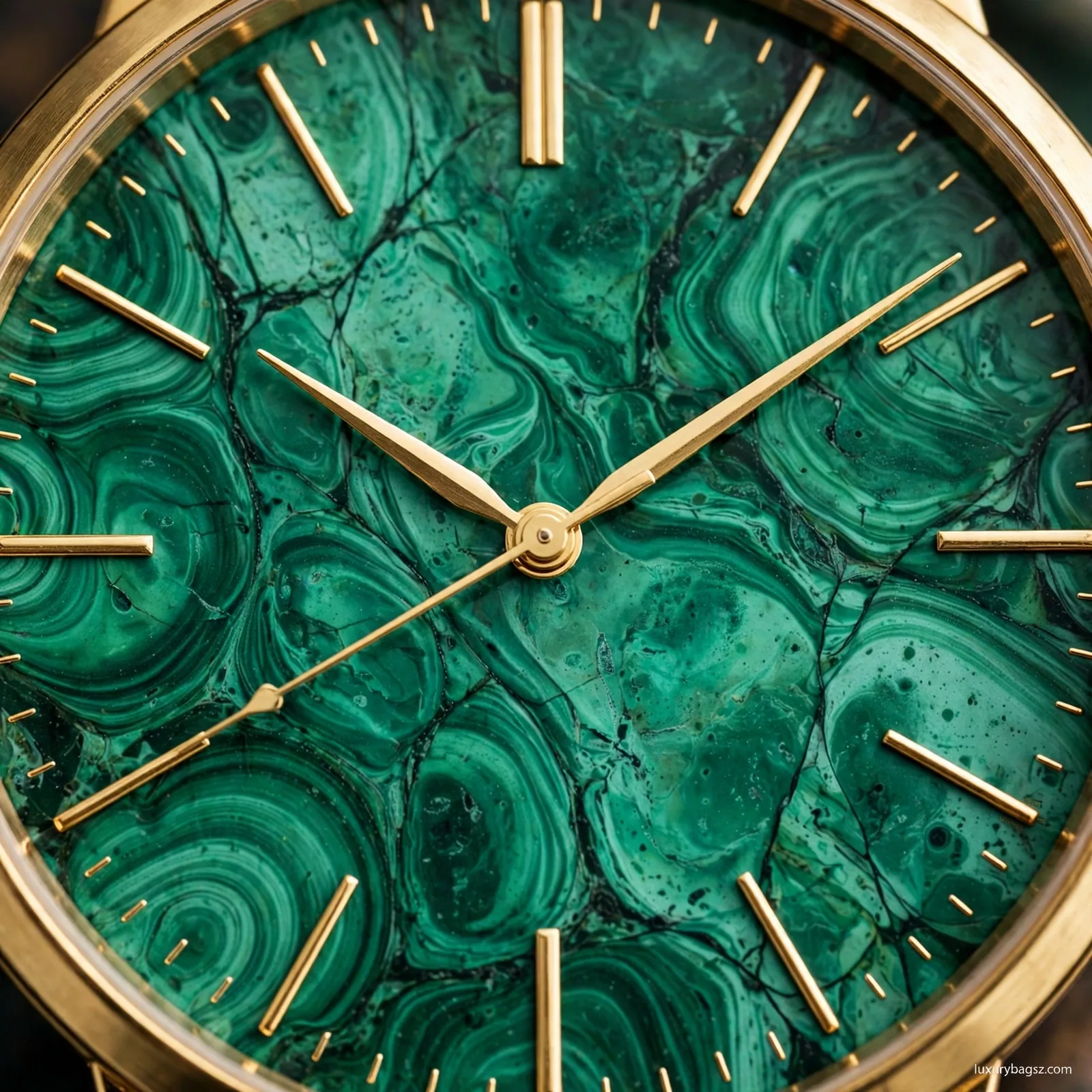
Colour also changes how a watch photographs, and in a market discovered through screens that matters commercially. A green or pastel dial is recognisable in a thumbnail in a way a black dial, however excellent, simply is not anymore. Dial colour is the loudest current trend. Beyond the safe blues and greens, brands are using pastels, purple, salmon and sandy tones, often across whole collections rather than one special edition. Stone dials sit at the expressive end of the same movement. Thin slices of materials such as malachite, lapis or tiger's eye make every dial slightly different, which appeals to buyers tired of identical steel watches. Our Chanel J12 watch guide shows an earlier version of this instinct, using ceramic colour as identity. Today's colour wave is broader, cheaper at entry level and faster-moving, so choose a colour you would wear in five years.
Vintage Reissues and Honest Heritage
Brands keep mining their archives, reissuing 1950s to 1970s designs with modern movements and materials. Done well, a reissue gives vintage charm without vintage fragility or hunting. The best reissues keep original proportions, which feeds the smaller-case trend, and change only what ownership requires: better seals, modern lume and a movement a watchmaker can service easily. Be wary of reissues that only borrow a name. Compare the new piece with photographs of the original; the honest ones are recognisably the same watch, refined rather than reinvented.

Integrated Bracelets and Shaped Cases
One caution travels with the look: integrated bracelets limit strap changes and can complicate fit, because links replace the flexibility of a strap. A badly fitting integrated model cannot be rescued with a leather strap, so buy it in person where possible. The integrated bracelet, where case and bracelet flow as one design, remains a strong trend with roots in 1970s luxury sports watches. It gives a watch a complete, designed look that a strap cannot copy. Our Audemars Piguet Royal Oak history and sizes covers the watch that defined this idea in 1972. Modern versions at many prices follow its logic, though quality of finishing varies widely. Shaped cases travel with the same revival: tonneau, cushion and rectangular cases are all back. They suit buyers who find round sports watches interchangeable, but try one on, because shaped cases wear larger or smaller than their numbers suggest.
Materials: Ceramic, Titanium and Gold Tones
Sustainability claims form a quieter material trend beside the visual ones: recycled steel, straps from alternative fibres and longer service commitments. Judge these as you would any claim, by documentation rather than by the colour of the marketing. Ceramic and titanium continue to spread from specialist models into everyday lines. Ceramic holds colour and resists scratches; titanium cuts weight, which matters more as bracelets get wider. Warm metals are also back. Yellow and rose gold tones, long unfashionable beside steel, suit the dress revival and the colour trend, since a warm case flatters pastel and stone dials. Two-tone steel and gold, a 1980s signature, has returned with them. It divides opinion, which is often the sign of a trend with energy, but it dates faster than plain steel if the cycle turns.
Buying a Trend Without Regretting It
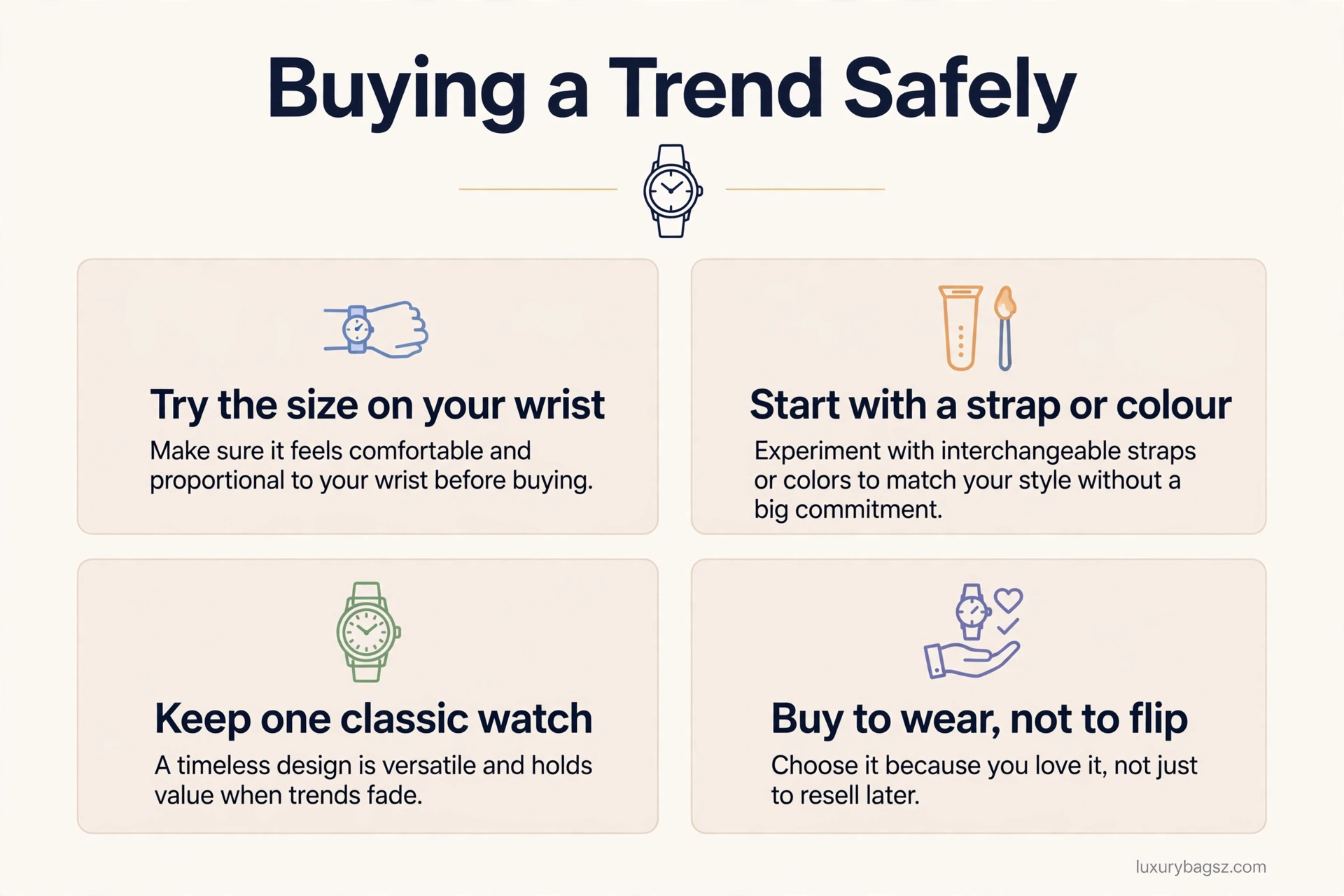
Start with fit. A trend-led watch in the wrong size will sit unworn, however fashionable it looks online. Try the case size on your wrist, with your usual sleeve, before paying. Then choose your risk level. A coloured strap or dial at an affordable price is a cheap experiment; the same experiment in a precious-metal watch is a long commitment of money. Finally, keep one classic in the collection. A plain steel or simple dress watch guarantees something wearable on the days the trend piece feels like too much, and it steadies resale value across the box.
What Lasts After the Cycle Turns
Watch history rewards the patient observer. The oversized era looked permanent in 2008, just as today's smaller, brighter moment looks permanent now, and both impressions were simply a cycle photographed at its peak by the people living through it. History suggests the survivors will be proportion and quality. Smaller cases suit how watches are actually worn, so that shift may hold; the wildest colours and shapes will likely soften into options rather than defaults. Collectors take the long view. Our F.P. Journe collecting guide shows how independent watchmaking builds value on design coherence over decades, not on chasing each season. Buy trends the same way: enjoy them, wear them hard, but let coherence with your wrist, wardrobe and taste make the final call. A watch that fits your life is never out of fashion for long.
Frequently Asked Questions
What is the biggest watch trend right now?
Smaller cases are the clearest trend, with many new watches around 34–39 mm. Colourful dials, stone dials and a dress watch revival run closely behind it.
Are oversized watches out of fashion?
They are less dominant than they were, but not unwearable. Large sports watches still suit big wrists and tool-watch purposes; the market has simply rebalanced towards choice.
Which dial colours are trending?
Pastels, greens, salmon, purple and sandy tones are prominent, alongside stone dials in materials such as malachite and lapis. Blue and black remain the safest long-term colours.
Are dress watches really back?
Yes. Slim three-hand watches are selling beside sports models again, helped by smaller-case taste and a general turn towards quieter, more tailored style.
What is an integrated bracelet watch?
It is a watch whose bracelet is designed as part of the case, flowing from it without standard lugs. The style was defined in the 1970s and remains a strong current trend.
Should I buy a vintage reissue or a real vintage watch?
A reissue offers modern reliability, warranty and water resistance. A real vintage watch offers originality and character but needs careful buying and servicing. Choose by temperament.
Do trend-led watches hold value?
Most do not especially well, because fashion moves on. Classic sizes, plain colours and strong brands hold up best; buy a trend piece mainly to wear it.
How do I try a trend cheaply?
Change a strap, or buy the trend in an affordable watch first. A colourful dial or smaller case at entry price teaches you what suits you before any large spend.
Are stone dials durable?
Stone dials are thin and can crack if the watch is knocked hard, and repairs are specialist work. They suit careful wear better than rough daily tool use.
Will smaller watches suit a large wrist?
Often yes, within reason. Lug-to-lug length and case shape matter as much as diameter, so try before judging by numbers alone.
Conclusion: Follow Fit First, Trends Second
The current moment in watches is genuinely enjoyable: smaller, prettier, more varied watches at every price, with dress pieces and colour welcomed back after years of steel uniformity. Let the trends widen your options, then let fit and taste decide. A well-fitting watch in a colour you love will outlast the cycle that introduced it, and that is the only trend worth banking on.