Van Cleef & Arpels Resale Value Guide
The Short Answer on Van Cleef & Arpels Resale Value
Van Cleef & Arpels is among the strongest performers in fine jewellery resale, led by Alhambra. Core Alhambra pieces typically retain 70 to 86 percent of retail, with some reports putting the wider brand range at 65 to 90 percent, and the most coveted vintage and limited pieces regularly reaching or exceeding retail. That is exceptional for modern jewellery, and it is driven by design stability, boutique-only distribution and steady retail price rises.
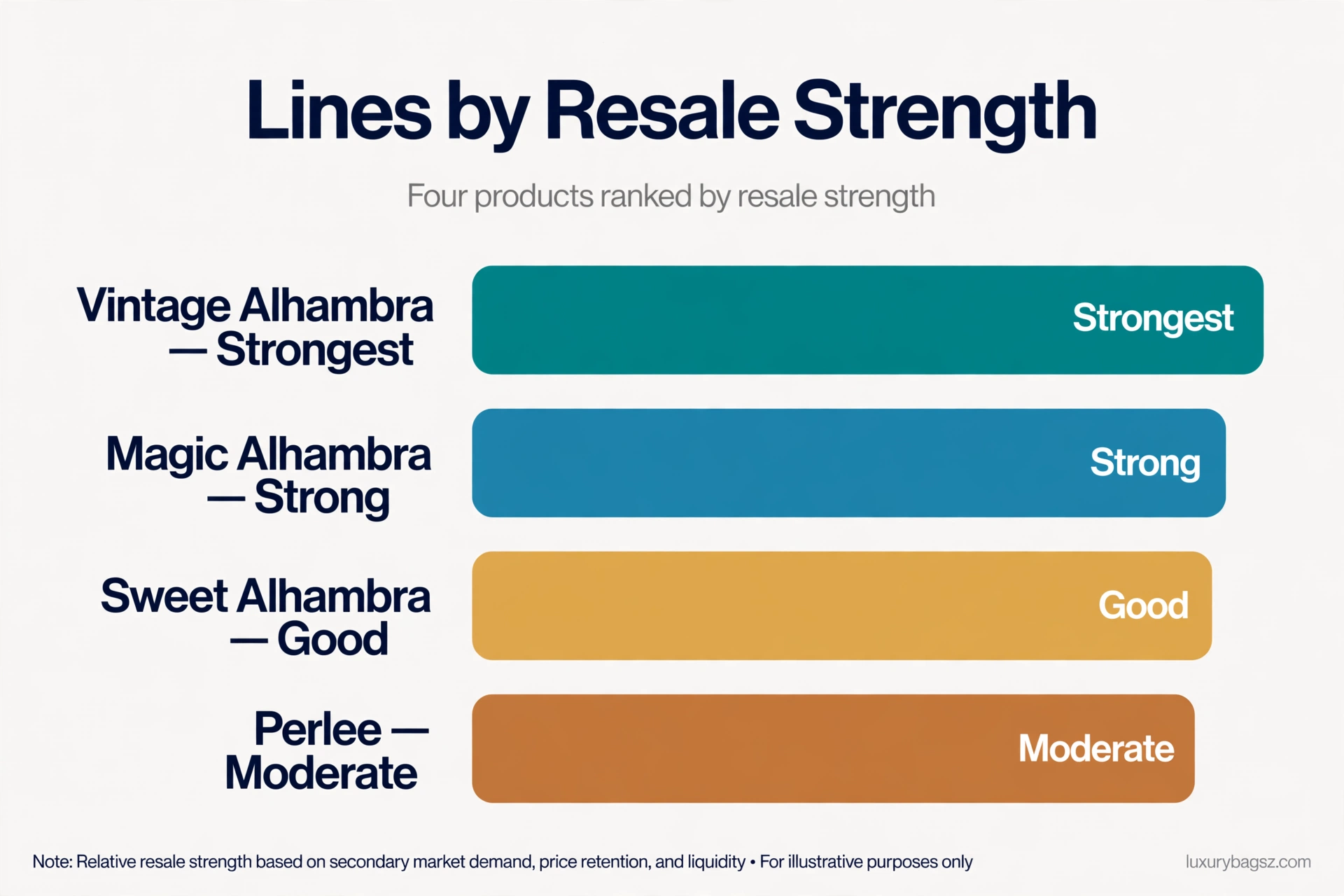
The caveat matters as much as the headline. Not every piece performs equally: Vintage Alhambra leads, Magic Alhambra follows closely, Sweet Alhambra punches above its entry price, and Perlée and less iconic lines retain less. Stone choice moves the needle more than any other single factor, with malachite leading, mother-of-pearl the most liquid, and onyx vintage examples appreciating strongly.
Buy the icon, in a stone collectors want, in excellent condition, with box and papers, and you have one of the safest jewellery purchases available. Buy an obscure line, a damaged stone or a piece without papers, and you will feel the discount immediately.
Key Takeaways
- Alhambra accounts for the majority of Van Cleef & Arpels secondary market volume.
- Vintage Alhambra is the strongest line, with malachite and mother-of-pearl leading by stone.
- Retail price rises of over 20 percent on popular Alhambra models between 2023 and 2025 support pre-owned values.
- Original box, certificate and receipt can add 10 to 15 percent to resale value.
- Malachite is soft and porous, so chipped or clouded stones cut value sharply.
- Alhambra is among the most counterfeited fine jewellery lines, so authentication is essential.
Why Alhambra Leads the Resale Market
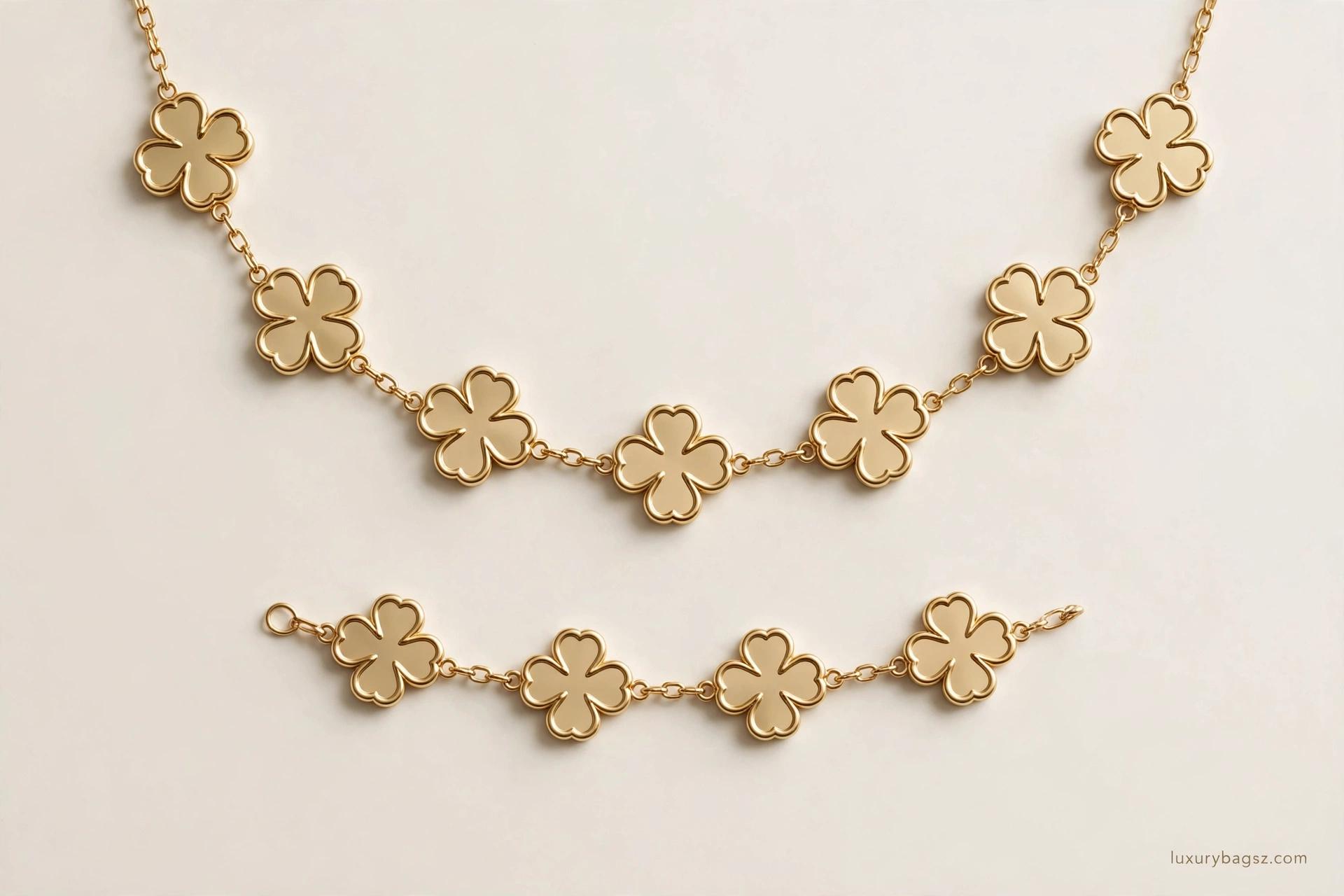
Alhambra launched in 1968 with a four-leaf clover motif, inspired, in the house story, by Jacques Arpels finding a clover in the gardens of the Palais Royal in Paris. The motif has barely changed in over fifty years, and that continuity is the investment case: an older piece remains visually current, so buyers do not discount it for looking dated.
One detailed guide put Alhambra at 62 percent of Van Cleef & Arpels secondary market volume, meaning demand is concentrated, deep and liquid. Pieces built around a single enduring icon rarely depreciate in the way fashion-led designs do, because the buyer pool is not waiting for the next trend, it is waiting for the next available example.
The Alhambra guide covers lines, materials and value in detail, and it is the best starting point before you buy. The single-motif pendant and the 20-motif necklace are the two most actively traded formats, and the 20-motif malachite necklace is widely considered the strongest individual piece in the collection for long-term value.
Retail pricing supports the pre-owned market rather than undermining it. In April 2025, retail prices rose by an average of 4.8 percent in the United States and 5.1 percent in Europe, with some malachite pieces rising by up to 14 percent in a single adjustment. Every rise lifts the relative value of pieces already in circulation.
Vintage, Magic, Sweet and Perlée Compared
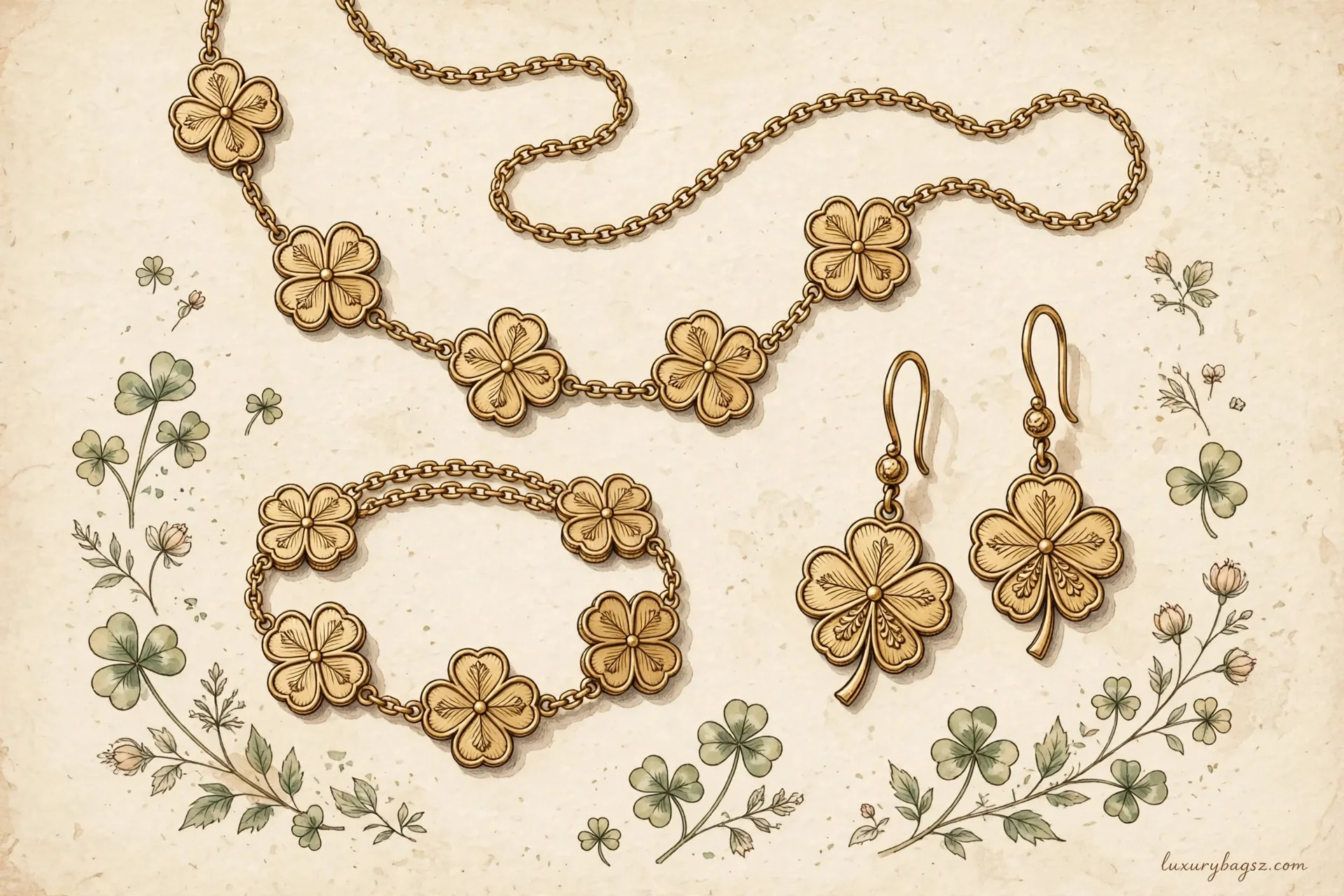
Vintage Alhambra is the heart of the house and the strongest performer. The full-size clover motif, about 15 millimetres across, in 18-karat gold with a hand-applied bead border, is what collectors seek first. Malachite has seen the most aggressive appreciation, rising 20 percent at retail between 2023 and 2025, while mother-of-pearl rose 16.6 percent and guilloché enamel 17.3 percent over the same period.
Magic Alhambra offers the same motif in a more fluid, irregular format, with motifs of varying sizes on supple chains. It appeals to buyers who want the Alhambra look with a more contemporary feel, and it still reliably holds 75 to 85 percent of retail, with long necklaces and bracelets the most liquid formats. Its collector base is narrower than Vintage, so it performs slightly below that line.
Sweet Alhambra is the smaller, more delicate interpretation, and the entry point to the collection. In favourable conditions, Sweet bracelets have reached or exceeded retail, driven by younger buyers entering at lower price points combined with deliberately constrained boutique supply. That makes Sweet a surprisingly strong performer for its price, though individual pieces are smaller and less dramatic.
Perlée, launched in 2008 and drawing on 1920s pearl-motif heritage, typically retains 50 to 70 percent of retail, with plain yellow gold the most liquid format. The Perlée guide explains the beaded gold construction and sizing. Compared with the Cartier bracelets investment picture, Van Cleef offers more upside potential on vintage and limited pieces, while Cartier offers faster liquidity to a broader buyer pool.
Stone Choice Matters More Than Anything Else
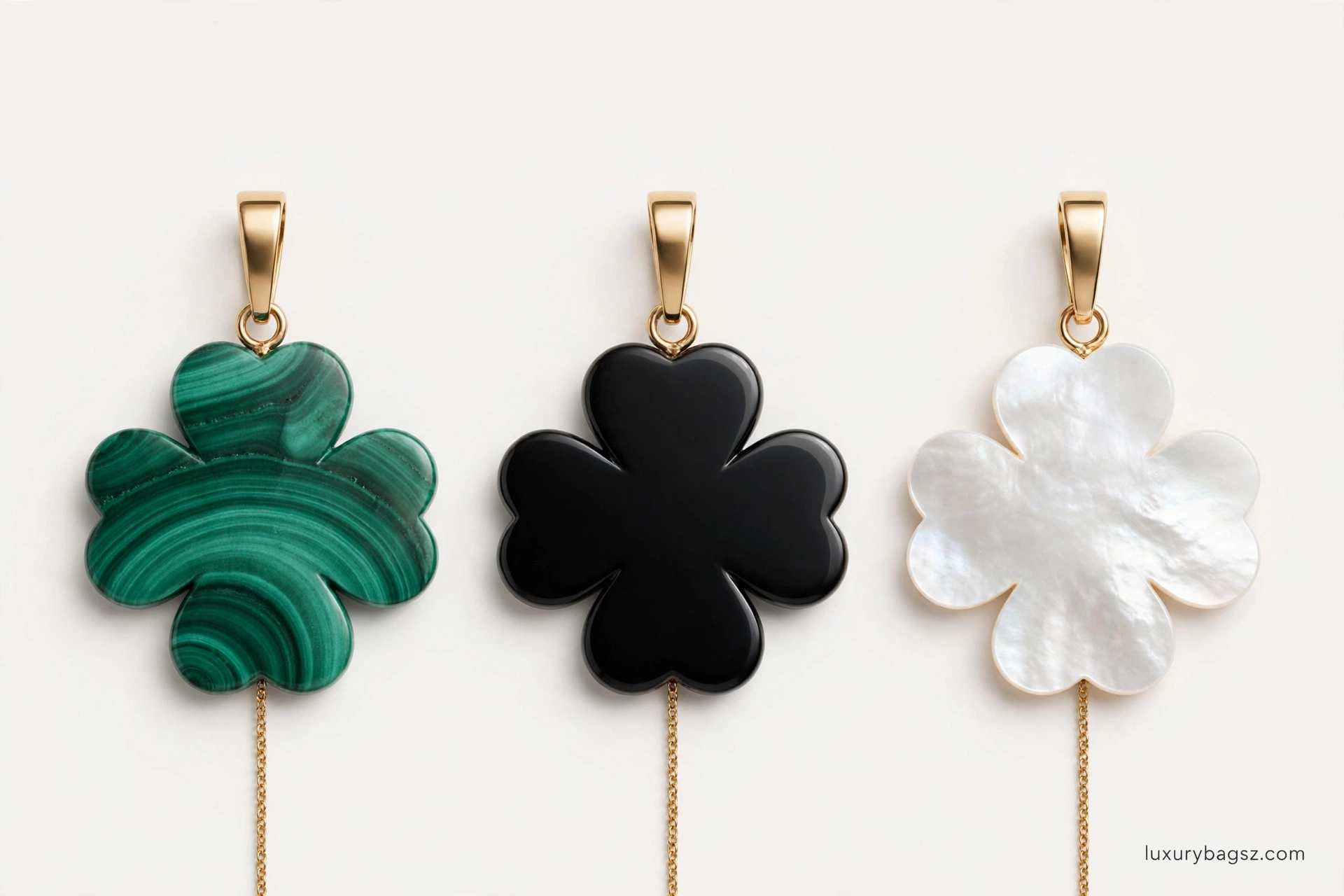
No single factor moves Van Cleef resale value more than the stone. Malachite is the top performer, driven by the rarity of high-quality material, but it is also the most demanding: the stone is porous, can absorb moisture, and the green can deepen or cloud with prolonged exposure to water or perfume. A malachite bracelet worn daily on a bare wrist is correct use, and also the use that requires the most attention.
Mother-of-pearl is the most liquid stone, the easiest to sell and the most accessible entry point, though it too needs care, since it should not get wet and can shift inside its setting if mishandled. Onyx pieces, particularly vintage examples, have appreciated approximately 75 percent since 2020 in one guide's estimate, a reminder that a quiet, classic stone can outperform a fashionable one.
Guilloché enamel holds well, diamonds add intrinsic value when certified, and pavé settings without certification are harder to value at resale. Discontinued materials command premiums: tiger's eye, lacquered wood and certain guilloché finishes are prized, and limited-edition holiday releases and the retired Lucky Alhambra, with twelve different motifs, fetch serious premiums.
Sources disagree on exact bands, and you should expect that. One report put Alhambra at 85 to 100 percent of retail on average, another at 70 to 86 percent, and a third at 80 to 90 percent, with a 20-motif necklace reported selling at up to 113 percent of retail. The direction is consistent even where the numbers differ: Alhambra holds value exceptionally well, and the best stones and formats do best.
That consistency is itself a buying signal. When several independent sources, using different samples and dates, all point the same way, the conclusion is sturdier than any single percentage. Treat the top of any band as the outcome for a pristine, documented piece in a sought-after stone, and the bottom as the outcome for an ordinary example sold quickly, and you will rarely be surprised.

Authentication: The Checks That Actually Matter
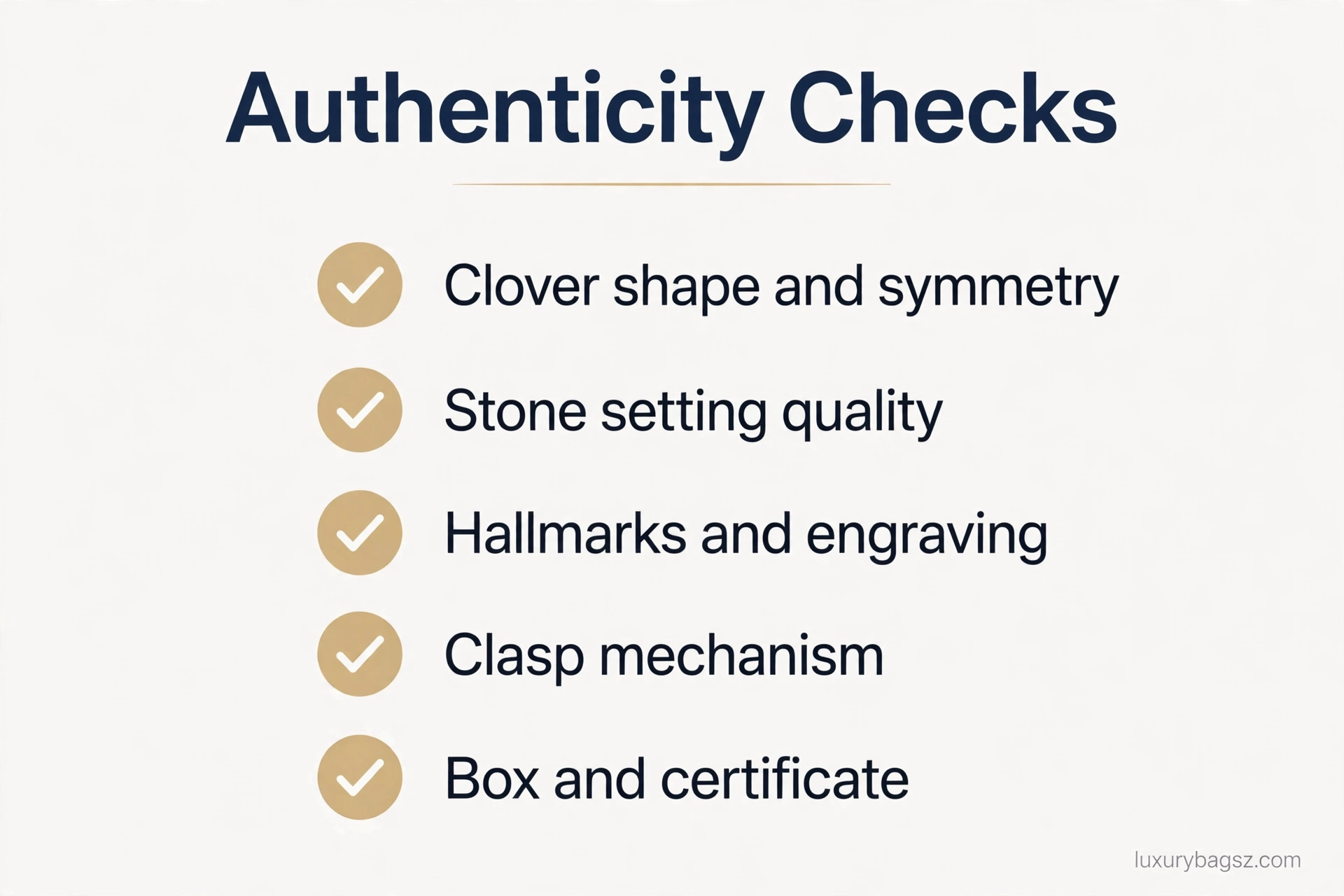
Alhambra is widely regarded as one of the most frequently counterfeited fine jewellery lines in the world, so authentication is not optional. Genuine pieces carry both the VCA abbreviation and the full Van Cleef & Arpels name as hallmarks, accompanied by a gold purity mark such as Au750 or 750. Check that the beading is crisp, even and hand-applied, rather than flat or machine-stamped.
Condition checks are stone-specific. Light surface wear on gold is normal and does not significantly affect value, but chipped or scratched stones, particularly malachite, substantially reduce resale quotes. Store pieces in their original pouches, avoid contact with harsh surfaces, and keep mother-of-pearl and malachite away from water, perfume and prolonged sunlight.
Papers matter more here than for many brands. An original box, certificate of authenticity and receipt can add 10 to 15 percent to resale value, and without paperwork, authentication is harder for buyers, which lowers offers. Always retain the full set: pouch, box, certificate, receipt and any service records, since the house offers complimentary cleaning and inspection that also creates a documented service history.
Buy from a boutique, the house website or a trusted pre-owned specialist who guarantees authenticity and accepts returns. If a listing hides hallmarks, uses only distant photographs, or prices a supposedly pristine 20-motif necklace far below every comparable piece, treat that as a reason to pause rather than a bargain to seize.
What to Pay, by Format and Line
Necklaces and bracelets are the most liquid formats, because they are not size-dependent in the way rings are, and they suit the widest buyer pool. Earrings take longer to sell, since buyers need a matching pair in identical condition, which narrows the pool, while rings are size-dependent and limit the audience for non-standard sizes.
For Vintage Alhambra, the best version to buy for resale is a 20-motif necklace in malachite or mother-of-pearl, followed by the five-motif bracelet and the single-motif pendant. For Magic Alhambra, choose a long necklace in mixed stones. For Sweet Alhambra, choose a bracelet or pendant in mother-of-pearl. For Perlée, choose a signature ring or bracelet in yellow gold.
The price designer jewellery guide explains how to compare like with like across lines, stones and conditions. One United Kingdom price snapshot for the wider market put the average Van Cleef resale value at 3,462 pounds, but that average hides the spread between a Sweet pendant and a high-jewellery Mystery Set piece, so always price the exact configuration.
High jewellery and Mystery Set pieces occupy a different tier entirely. A vintage Mystery Set bracelet at Christie's New York in November 2025 sold for 310 percent of its estimate, and a diamond Tie necklace achieved 3.6 million dollars at auction. If you own a piece in this category, a specialist auction is the right route, not a general resale platform.
Where to Sell, and What Each Route Costs
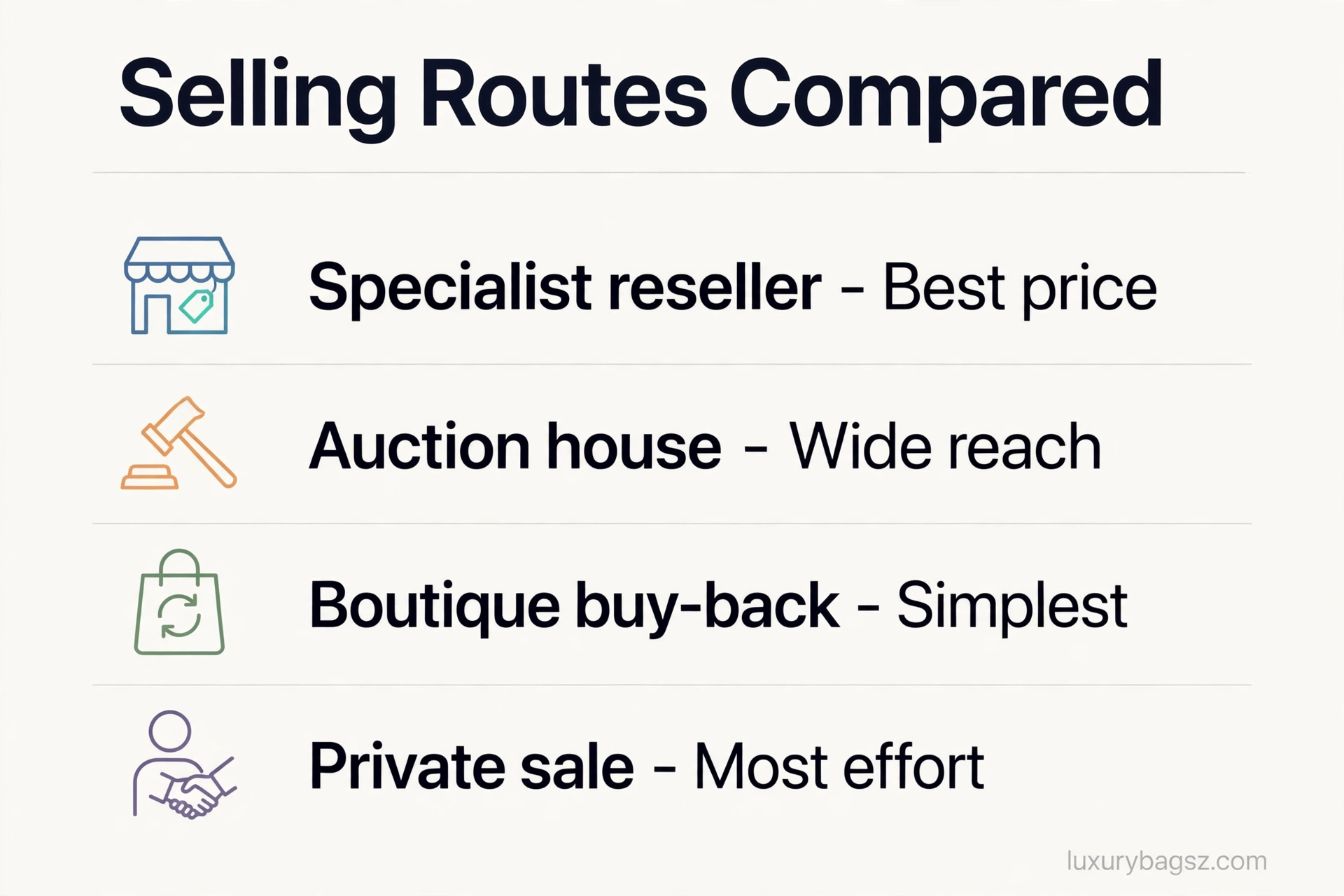
A curated resale platform suits core Alhambra pieces, where demand is deep and buyer protection helps both sides. Pre-owned Alhambra in good condition with original paperwork regularly achieves 70 to 85 percent of retail on such platforms, and in some cases older or rarer examples have exceeded contemporary retail pricing.
A specialist auction suits vintage, limited and high-jewellery pieces, where a collector audience and catalog-verified provenance can lift results above estimates. A specialist buyer suits a fast sale, but expect a cash offer below the eventual resale value, since one report put Van Cleef cash offers at around 77 percent of resale value. That is the price of speed, not a sign of a bad offer.
The resell luxury jewellery guide covers photography, timing and fees. Photograph the beading close up, the hallmarks, the clasp and any stone wear, in daylight, and state the stone, metal, motif count and inclusions precisely. A vague listing invites low offers, while a precise one invites competition.
Do not over-clean before sale, and do not have stones replaced without disclosure. A replaced stone, even a good one, changes the piece's story and its value, and undisclosed repairs are discovered more often than sellers expect. Honesty about wear, especially on malachite and mother-of-pearl, builds the trust that lifts the final price.
Buying Smart: New, Pre-Owned, or Vintage
Buying new has clear advantages: guaranteed authenticity, full original papers and box, a registered purchase, and the ability to specify exactly the piece you want. The disadvantages are price, since retail is usually the highest price the piece will ever be, and availability, since some stone-metal combinations have waitlists and malachite is perennially difficult to source new.
Buying pre-owned is often the smartest way in. You pay less than retail for the same craftsmanship, you can find discontinued stones and formats, and you start from a position of value. The trade-off is that you must authenticate carefully, check stone condition in close photographs, and confirm that the box and papers are genuinely for that piece.
Vintage pieces from the 1970s and 1980s, particularly Mystery Set bracelets and early Alhambra necklaces, now sell at auction for two to three times their original prices in some cases. If you come across a well-preserved vintage piece with provenance documentation, it is almost always worth more than a comparable contemporary piece, but only if the stones are sound and the documentation matches.
Whatever route you choose, wear the piece. Van Cleef's resale strength is a safety net, not a reason to keep a beautiful necklace locked away. The Tiffany brand guide offers a useful contrast for a more accessible entry point, but for lasting value in fine jewellery, Alhambra remains the benchmark other collections are measured against.
One last check before you buy: compare the exact motif count, stone and metal against recent sales, not against a different line. A five-motif bracelet and a ten-motif necklace are different markets, just as malachite and mother-of-pearl are different stones with different buyer pools. Sellers who blur those distinctions, by pricing a Sweet pendant against a Vintage necklace or a plain gold piece against a pavé one, are not giving you a comparable price. Insist on like-for-like comparisons, and walk away from any listing that cannot provide the motif count, stone, metal and condition in plain terms.
Frequently Asked Questions
Does Van Cleef & Arpels hold its value?
Yes, very well. Core pieces typically retain 65 to 90 percent of retail, with Alhambra at 70 to 86 percent in many reports and the most coveted pieces reaching or exceeding retail. Exact bands vary by source, date and configuration.
Which Van Cleef collection holds value best?
Vintage Alhambra leads, especially the 20-motif necklace in malachite or mother-of-pearl. Magic Alhambra follows at 75 to 85 percent, Sweet Alhambra performs strongly for its entry price, and Perlée typically retains 50 to 70 percent.
Which Alhambra stone is best for resale?
Malachite has appreciated most aggressively, but it is soft and needs careful handling. Mother-of-pearl is the most liquid, onyx vintage examples have appreciated strongly, and discontinued stones like tiger's eye command premiums.
Do Van Cleef boxes and papers add value?
Yes, typically 10 to 15 percent. An original box, certificate and receipt confirm provenance, ease authentication and lift buyer confidence, especially for pre-owned Alhambra.
Is pre-owned Alhambra worth buying?
Often it is the smartest way to buy. Pre-owned pieces in good condition with papers regularly achieve 70 to 85 percent of retail, and rarer examples can exceed retail, while costing less than a new boutique purchase.
How can I tell if Alhambra is real?
Check crisp, even hand-applied gold beading, VCA and full-name hallmarks, Au750 or 750 gold marks, clasp quality and stone setting. Buy from a boutique or trusted specialist who photographs hallmarks and accepts returns.
Does malachite Alhambra need special care?
Yes. Malachite is porous and relatively soft, so keep it away from water, perfume and harsh surfaces, store it in its pouch, and have it inspected periodically. Chipped or clouded malachite cuts resale value sharply.
Are Van Cleef pieces a good investment?
They are among the safest jewellery purchases, but they are not a guaranteed investment. Buy a piece you love, in an iconic line and stone, and treat strong resale as a safety net rather than a promised return.
Where should I sell Van Cleef & Arpels?
Use a curated resale platform for core Alhambra, a specialist auction for vintage, limited or high-jewellery pieces, and a specialist buyer only when speed matters more than achieving the highest price.
What is the most liquid Van Cleef format?
Necklaces and bracelets, especially Vintage Alhambra necklaces and five-motif bracelets. Earrings take longer because buyers need a matching pair, and rings are limited by size.
Conclusion: Alhambra First, Stone Second, Papers Always
Van Cleef & Arpels rewards the disciplined buyer: choose Vintage Alhambra where you can, pick a stone collectors actually want, insist on excellent condition and full papers, and buy from a seller you trust. Do that, and you own one of the few modern jewellery pieces that can reasonably be expected to hold most of its value, and occasionally more.