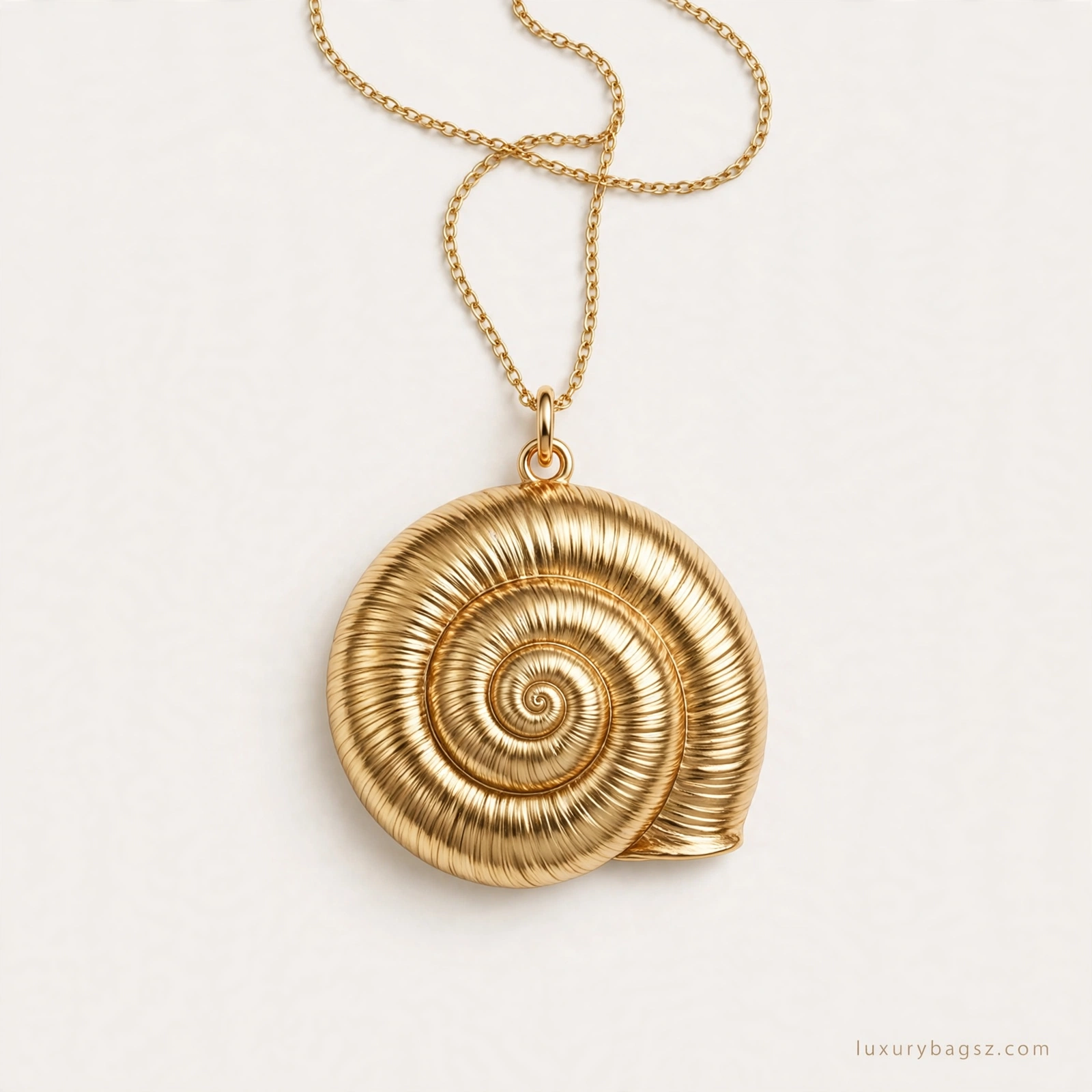
Stefan Hafner Jewellery Design: The Bologna House Behind the Jewels of Joy
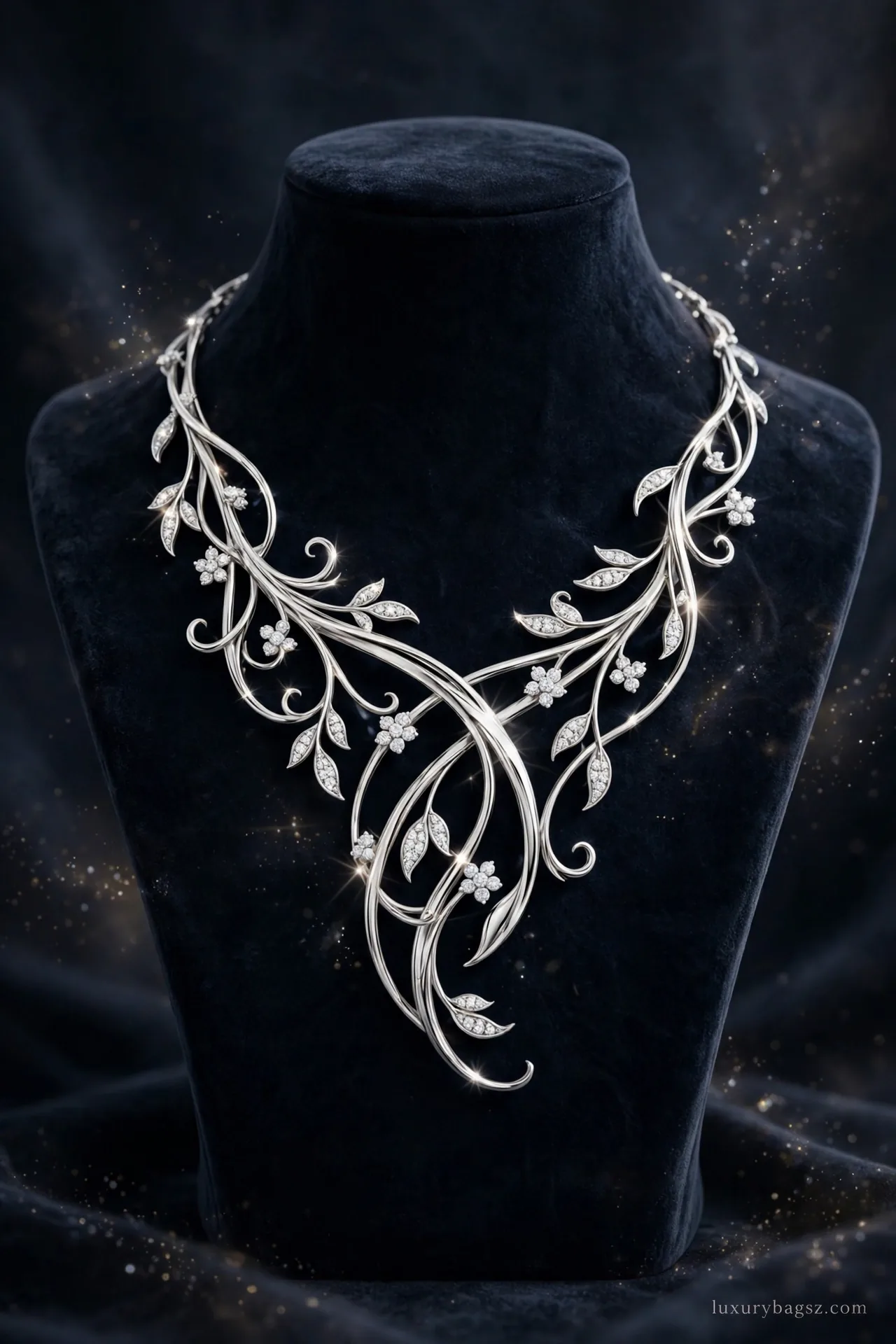
Jewels of Joy From Bologna, Explained in One Minute
Stefan Hafner is an Italian fine jewellery house founded in Bologna in 1967, known for joyful, colourful, technically ambitious jewels that borrow from art, nature, and fabric itself.
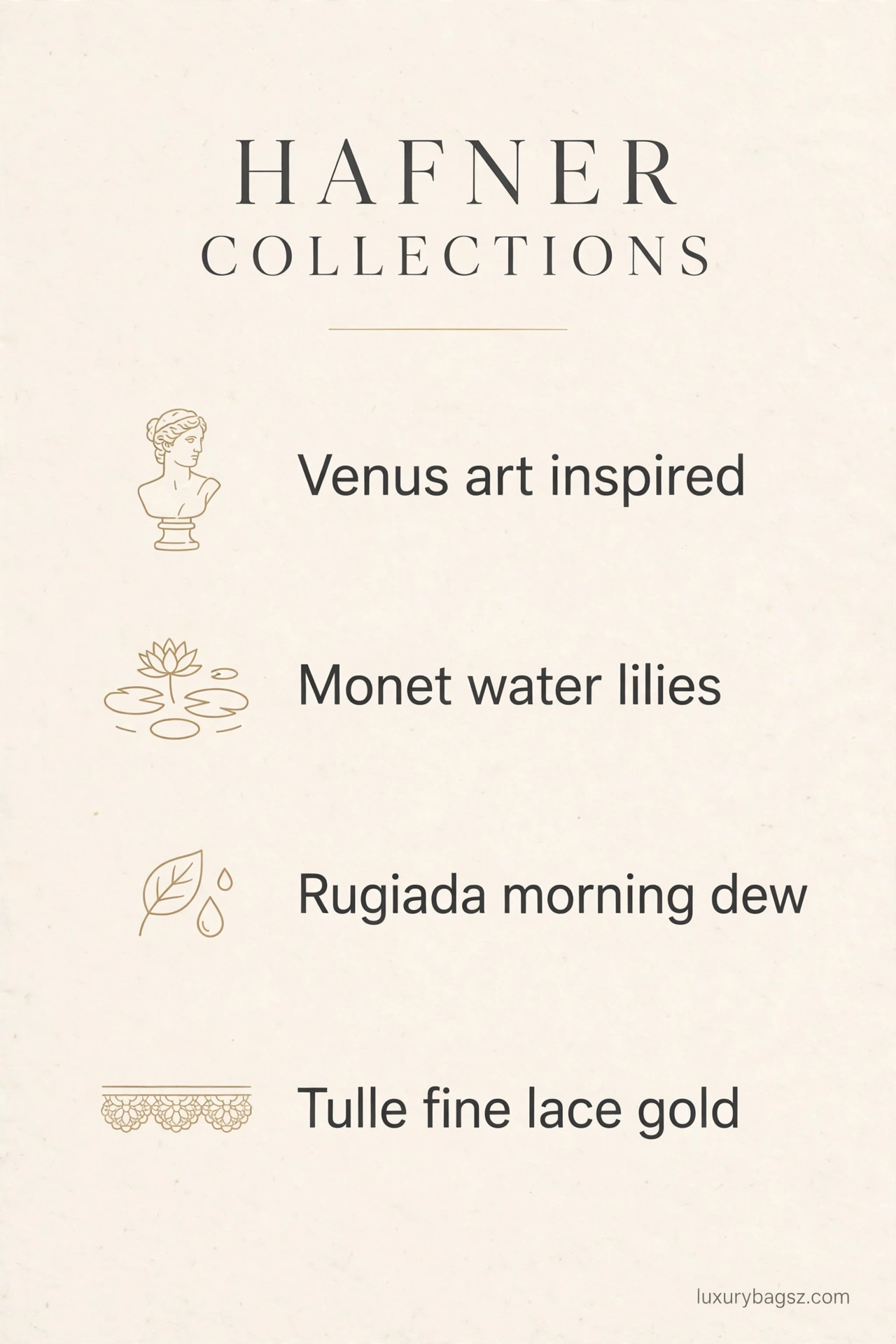
Its best-known collections include Venus, inspired by Botticelli's Birth of Venus, Monet, inspired by the Water Lilies paintings, Rugiada, which captures morning dew, and Tulle, which turns fine lace netting into white gold and diamonds. If you remember those four names, you understand the house.
Key Takeaways
- Stefan Hafner opened in Bologna, Italy, in 1967, named after its founder.
- The house blends Italian goldsmith craft with Swiss precision roots in its founder's training.
- Venus, Monet, Rugiada, and Tulle are the four collections to learn first.
- Hafner won Best Design in Diamonds three years running at the JCK Couture show, plus Best Design in Show in 2011.
- Signed Hafner pieces reward checks of maker marks, certificates, and setting quality before purchase.
A Bologna House With Swiss Precision in Its Blood
Stefan Hafner, the founder, trained in precision watchmaking traditions before turning to jewellery, and that background still shows in the work. Hafner jewels are engineered as well as decorated: clasps close cleanly, stones sit securely, and articulated pieces move like silk rather than rattling.
The house opened in Bologna in 1967, and it grew by travelling. Hafner and his designers attended personally to clients around the world, including royal families, building a reputation for jewels made to be worn and enjoyed rather than locked away.
That travelling habit also shaped the design team. Hafner worked with goldsmiths alongside fashion designers, graphic artists, photographers, and architects, united by a shared appetite for experiment. The result is jewellery that often looks modernist and playful at once, never stiff.
What "Jewels of Joy" Actually Means
The phrase "jewels of joy" is used often for Hafner, and it is more than marketing. The house designs for movement, colour, and light: stones that catch the eye as the wearer moves, gold that flows rather than sitting flat, and colour combinations that feel celebratory.
That joy has a practical side. Many Hafner pieces are designed to be comfortable for long wear, with balanced weight and smooth edges. A jewel that looks joyful but pinches or snags will not be worn, and Hafner's best work avoids that trap.
For a buyer, the test is simple: hold the piece, move it, and watch how it behaves. Good Hafner work feels alive in the hand, with stones that shimmer as the angle changes and no rough edges where gold meets skin.
Venus and Monet: Jewellery Borrowed From Paintings
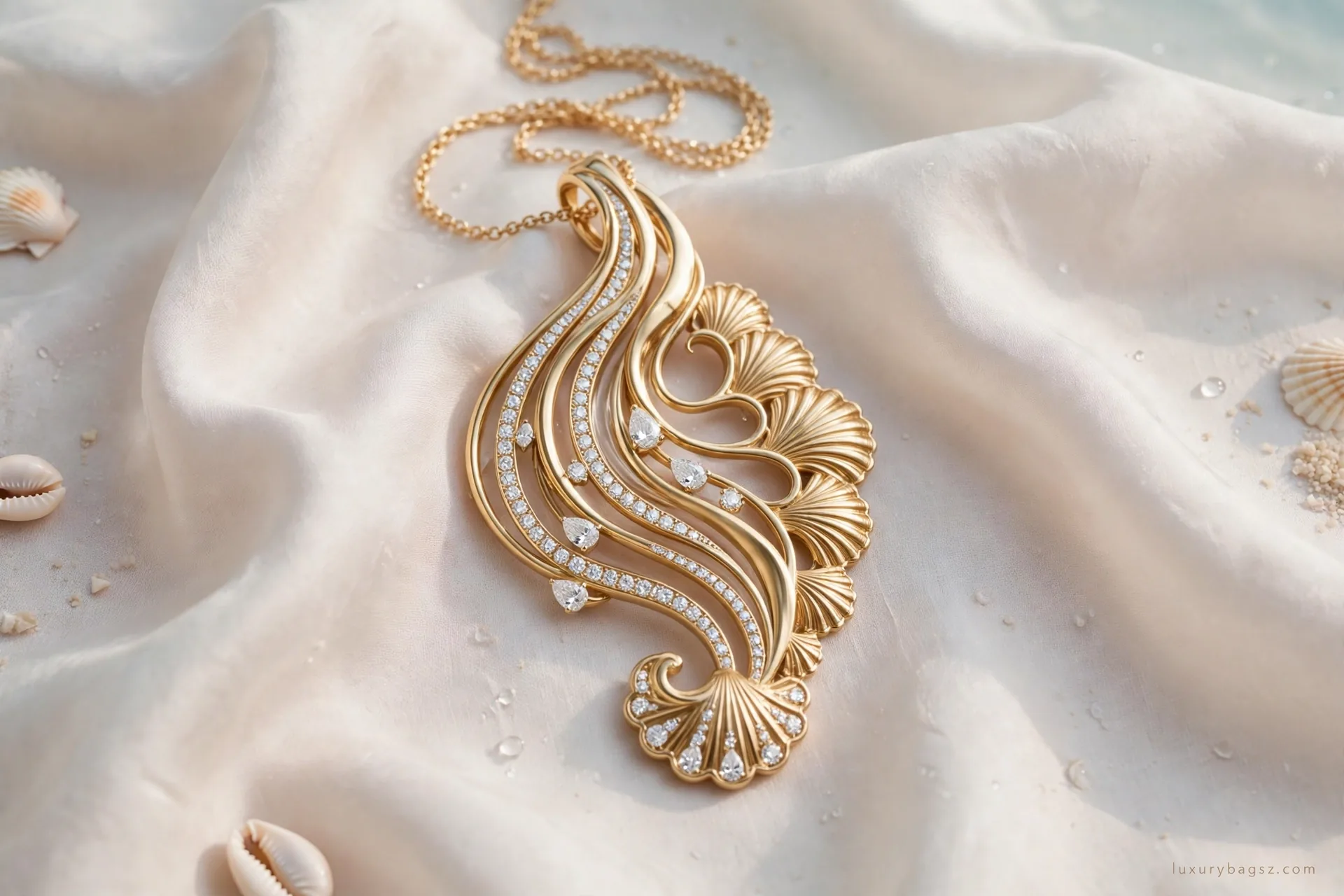
Two collections show the house's art habit most clearly. The Venus collection takes inspiration from Botticelli's Birth of Venus, translating flowing hair, shell curves, and classical grace into gold and gemstones.
The Monet ring collection pays tribute to Claude Monet's Water Lilies series, using colour and soft, layered surfaces to suggest water and light rather than copying a painting literally. The point is atmosphere, not illustration.
Both collections reward close looking. Check how colour is distributed across a piece, whether stones graduate smoothly, and whether the design reads clearly from a normal viewing distance as well as under a loupe.

Rugiada and Tulle: Nature and Fabric in Gold
The Rugiada collection captures morning dew, with dewdrop-like stones set to suggest freshness and lightness. It is the house at its most delicate, and it suits buyers who want sparkle without weight.
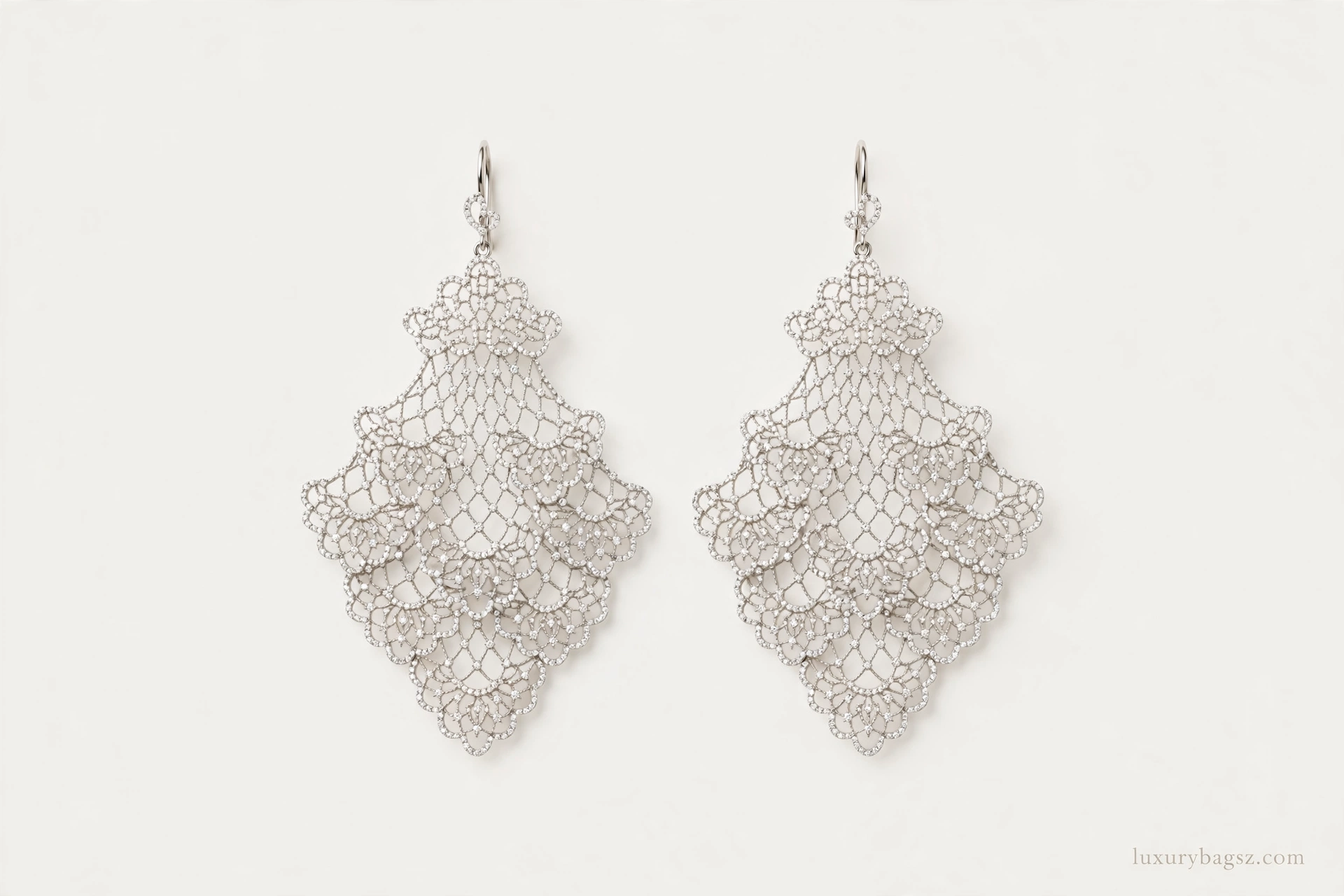
The Tulle collection does something harder: it reproduces the weave of fine tulle fabric in white gold and diamonds, across necklaces, chandelier earrings, and cocktail rings. The effect is lace made permanent, with air between the stones rather than a solid sheet of metal.
Tulle is also a useful authenticity clue. Copies tend to look heavy and flat, because true openwork is labour-intensive. If a supposed Tulle piece feels like a solid plate, treat it with suspicion and seek expert advice.
For everyday wear ideas, our guide to everyday diamond jewellery explains which designs survive daily life and which are best saved for evenings.
Awards, Recognition, and Where Hafner Sits in the Market
Hafner's modernist jewellery has won serious trade recognition. The house received Best Design in Diamonds three years running at the JCK Couture Jewellery Show in Las Vegas, and took Best Design in Show there in 2011.
Those awards matter because they come from trade peers, not advertising. They confirm that Hafner's technical ambition, especially its articulated and openwork designs, impressed jewellers who handle fine pieces daily.
In the resale market, Hafner sits in the signed-jewellery tier below the giant maisons but well above unsigned fashion jewellery. Pieces appear regularly through major dealers and auction houses, with prices varying widely by size, stones, and collection. Always compare recently sold comparable pieces, not asking prices alone.
Buying Stefan Hafner Pre-Owned: Checks That Matter
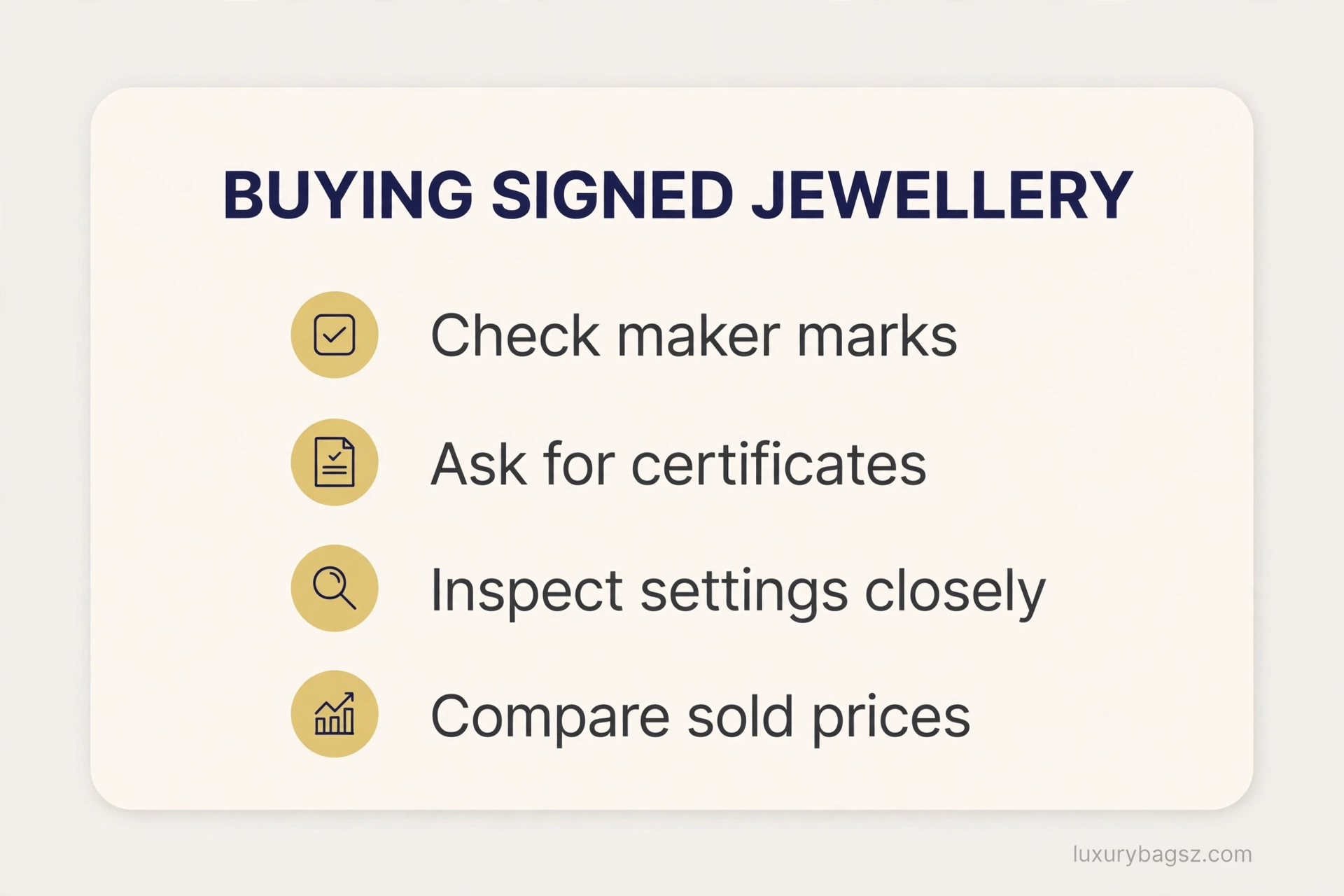
Start with maker marks and any certificates. Signed jewellery gains value from its signature, so confirm the mark is crisp, correctly placed, and consistent with known Hafner marks. Blurred or oddly placed marks deserve a second opinion.
Next, inspect settings under magnification. Stones should sit level, prongs should be even, and articulated joints should move smoothly without stiffness or looseness. A single loose stone can cost far more to repair than the discount you saved.
Ask for the piece's history where possible: previous ownership, repairs, and any replaced stones. Honest sellers welcome these questions, and evasive answers are themselves information.
Our guide to what makes signed jewellery valuable explains maker marks in depth, and if you later sell, our advice on reselling luxury jewellery covers pricing and channels.
Caring for Hafner Jewellery at Home
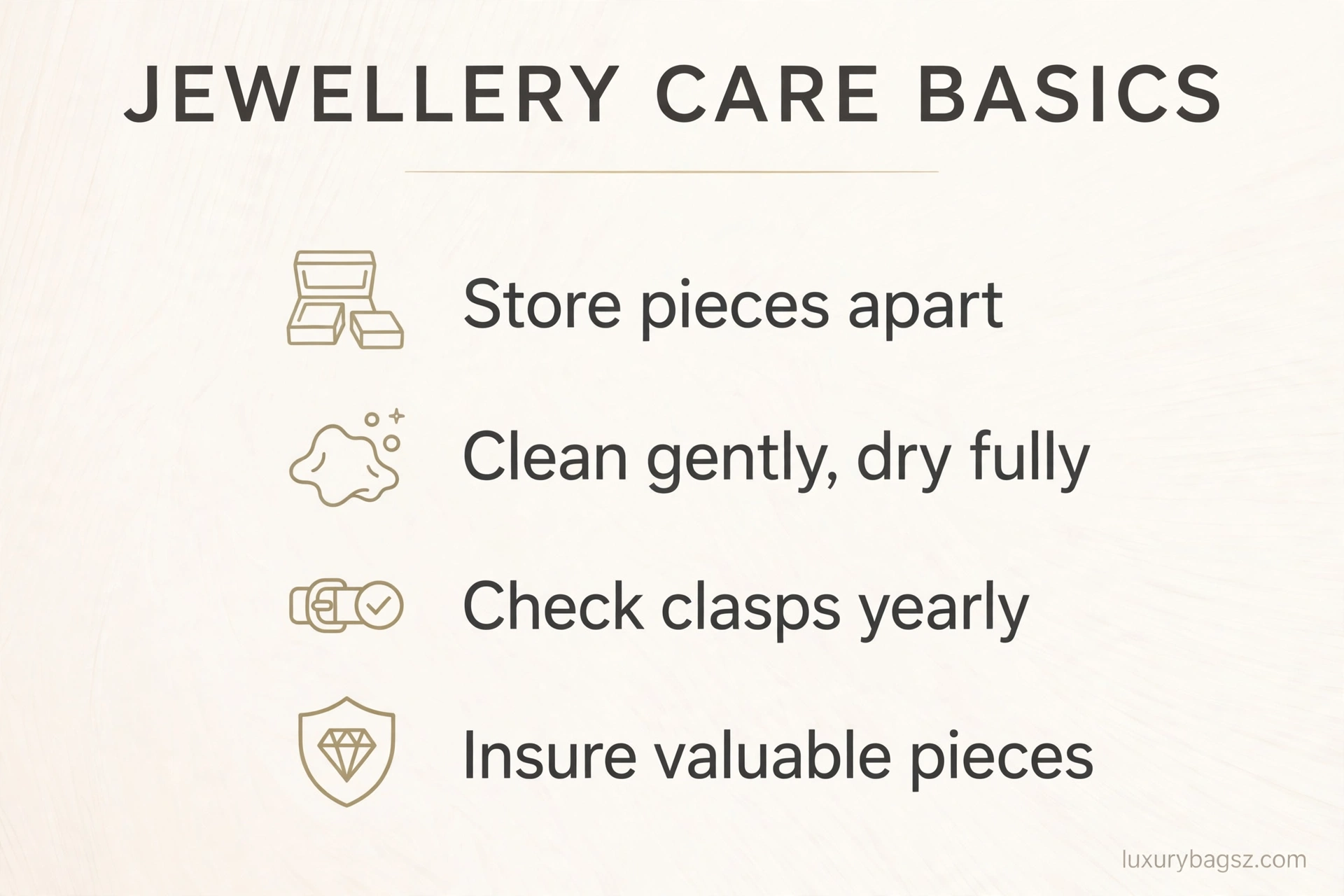
Store Hafner pieces separately, ideally in soft pouches or lined compartments, so diamonds do not scratch softer stones or gold. Articulated pieces especially benefit from lying flat rather than tangled in a pile.
Clean gently with warm water, mild soap, and a soft brush, then dry fully before storing. Avoid ultrasonic cleaners for pieces with fragile stones or complex settings unless a jeweller confirms they are safe.
Have clasps, prongs, and articulated joints checked yearly by a trusted jeweller, and keep valuable pieces insured with up-to-date valuations. A yearly check costs little and catches the loose prong before it becomes a lost stone.
Our broader gemstone jewellery care guide lists which stones should never be soaked and how to store mixed collections safely.
The House Today: The DIT Group and a Global Clientele
Hafner does not stand alone. The house belongs to the DIT Group, an Italian jewellery grouping whose other names, Nouvelle Bague, Io Si and Porrati, share the same commitment to design-led fine jewellery. Group membership matters to buyers mainly as reassurance: the brand behind a decades-old piece still exists, still trades and still stands behind its work.
Retail presence has always been international rather than high-street. Hafner’s travelling tradition matured into boutiques and partnerships in the world’s jewellery capitals, including a long-standing presence in the Middle East through Damas’s exclusive boutiques in Dubai, a market whose taste for colour and celebration suits the house exactly.
That geography explains the pre-owned map: Hafner pieces surface most often where they were sold most, in Europe, the Gulf and the United States, and regional taste shows in what appears, bold coloured suites from one market, white-gold openwork from another.
For a house founded in 1967, survival itself is a credential in an industry of vanished names. Hafner’s continuity, through fashion cycles that punished exuberance more than once, is part of what a buyer is purchasing.
The Pre-Owned Market in Numbers
Marketplace snapshots give the brand’s resale shape. On 1stDibs, a leading marketplace for signed jewellery, listed Hafner pieces have ranged from a few hundred dollars for small or simpler items to six figures for major suites, with an average asking level in the region of several thousand dollars. Treat any single snapshot as a photograph of a moving market, not a valuation.
Within that spread, the pricing logic is consistent. The four signature collections in this guide command the strongest interest, with Tulle’s openwork and the art-led Venus and Monet pieces drawing collectors who know the house. Unattributed-looking generic pieces, even when signed, trade closer to their material value.
Condition weighs heavily because Hafner’s virtues are mechanical as well as visual: articulation that still moves silkily, clasps that still close with authority and openwork undamaged by careless repair all protect value, while a stiffened joint or a crushed tulle panel discounts a piece sharply.
Boxes, certificates and original paperwork add their usual premium, and for once the paperwork matters beyond ritual: with a design-led house whose copies imitate silhouettes, documented provenance is a working part of the price.
Signature Techniques: Movement and Colour
Two technical habits unify the collections in this guide and give buyers something concrete to examine. The first is articulation: Hafner engineers joints, links and drops so pieces move with the wearer, a watchmaking inheritance visible in the way a necklace settles and an earring swings without twisting.
Examine articulation on any piece you are considering. Movement should be free but not loose, silent rather than rattling, and symmetrical between a pair. A joint that grinds, sticks or has been soldered still by a past repair changes both the wearing and the value.
The second habit is colour construction. Hafner’s coloured work graduates stones deliberately, shifting tone and saturation across a piece the way the Monet collection suggests water, rather than setting one flat colour throughout. Under changing light a well-kept piece should shift and deepen, not sit static.
Copies fail these two tests together: they photograph the silhouette but freeze the movement and flatten the colour. Your hands and a window’s daylight remain the fastest authentication instruments this house’s work asks for.
Wearing Hafner: Styling Jewellery That Moves
Hafner pieces are designed as the outfit’s event, and they style best against calm clothes: a Tulle necklace over a plain neckline, Monet colour against black or white, Rugiada’s drops with hair worn up so the movement shows. Our statement jewellery styling guide sets out the general rules these pieces obey beautifully.
One piece at a time is the house’s own logic. Collections were built as complete statements, so a necklace and earrings from the same suite can pair happily, but mixing a bold Hafner jewel with an unrelated bold jewel from elsewhere usually starts an argument neither wins.
Daylight is Hafner’s friend and evening its stage: the articulation and colour work described above need movement and light to perform, which is why these jewels photograph in motion better than in still life. Choose them for dinners, galleries and celebrations rather than the desk, unless the piece is one of the house’s quieter designs.
If you are new to the house, the closing advice of this guide stands: begin with the piece you will actually wear, a Tulle design, a Venus jewel or one bold ring, and let ownership teach you the rest.
Frequently Asked Questions
1. When was Stefan Hafner founded? In 1967, in Bologna, Italy, named after its founder Stefan Hafner.
2. What is Stefan Hafner known for? Joyful, colourful, technically ambitious fine jewellery, including articulated designs and openwork inspired by art, nature, and fabric.
3. What are the Venus and Monet collections? Venus draws on Botticelli's Birth of Venus, while Monet rings pay tribute to Claude Monet's Water Lilies paintings.
4. What is the Rugiada collection? A delicate collection capturing morning dewdrops in sparkling stones and light gold settings.
5. What is the Tulle collection? White gold and diamond necklaces, chandelier earrings, and rings that reproduce fine tulle lace netting in metal.
6. Has Stefan Hafner won awards? Yes, including Best Design in Diamonds three years running at JCK Couture, and Best Design in Show there in 2011.
7. Is Stefan Hafner jewellery a good investment? Signed pieces from known collections can hold value well, but buy for design and condition first, since resale varies by piece.
8. How do I check a pre-owned Hafner piece? Confirm maker marks, certificates, setting quality, articulation, and repair history, and compare with recently sold pieces.
9. How should I clean Hafner jewellery? Warm water, mild soap, and a soft brush, dried fully, with yearly professional checks of prongs and clasps.
10. Where can I find Stefan Hafner pieces? Through major jewellery dealers, auction houses, and specialist pre-owned sellers with clear returns policies.
Summary: Start With Tulle, Venus, or a Single Bold Ring
Stefan Hafner rewards buyers who look closely. The house's best work is joyful without being frivolous, and technical without showing off.
Start with one collection that speaks to you, check its marks and settings carefully, and wear it often. That is, after all, what jewels of joy were made for.