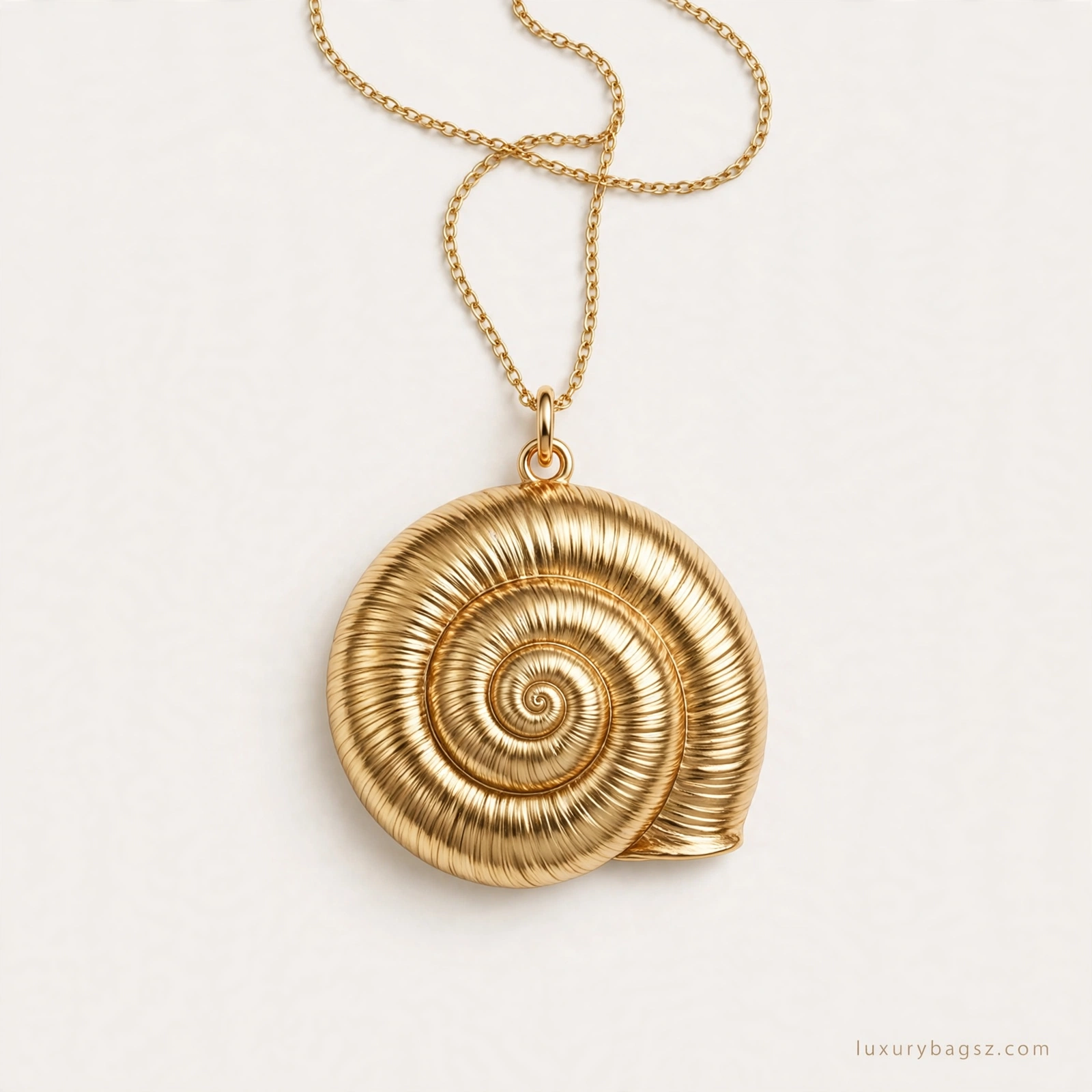
Sculptural Gold Jewelry: When Gold Is the Design
Sculptural Gold at a Glance
Sculptural gold jewelry treats the metal itself as the design, not as a frame for a gemstone. Thick cuffs, substantial necklaces, and oversized earrings get their impact from volume, contour, and surface, from the way gold catches light, holds a shape, and moves on the body.
Gold is having a bold moment again. After years dominated by platinum, white gold, and delicate pieces, yellow gold has returned with more weight, volume, and presence. That shift has renewed interest in vintage gold, where makers from earlier decades already knew how to let the metal speak.
The good news is that sculptural does not always mean heavy. Techniques like repoussé create volume from sheet metal, and coiled or woven construction can look substantial while staying wearable. Buy for form, finish, and fit, and the piece will earn its place.
Key Takeaways
- Sculptural gold gets its impact from volume, contour, and surface, not from a center gemstone.
- Hammering, repoussé, engraving, chasing, and Tubogas each change how gold reflects light, holds volume, and moves.
- Some techniques create the impression of volume without a solid mass of gold, so bold looks can still be wearable.
- One hero piece per outfit, with everything else kept small, is the most reliable styling rule.
- For vintage gold, check hallmarks, clasps, repairs, weight, and karat before you pay, and favor documented makers.
What Makes Gold Jewelry Sculptural
A sculptural piece leads with form. Instead of relying on a prominent gemstone for impact, the jeweler works with scale, silhouette, and surface to give the metal its own visual presence. A broad cuff, a twisted collar, or a domed ring reads as an object first and as jewelry second.
That approach stretches across periods and makers, from ancient goldworking methods revived in later centuries to modern experiments in volume and texture. The through-line is intention: every curve, edge, and hammer mark exists to shape how light and shadow play across the piece.
Sculptural gold also changes how a piece relates to the body. A flat chain follows the body, while a cuff or collar stands away from it, creating shadow and depth. That distance is part of the appeal, and it is why fit matters more here than with delicate jewelry.
Finally, sculptural gold rewards looking closely. Two cuffs of similar size can feel entirely different, one soft and fluid, the other sharp and architectural, because of how the surface was worked. Learn to read those surfaces and you will shop with far more confidence.
Techniques That Shape the Metal
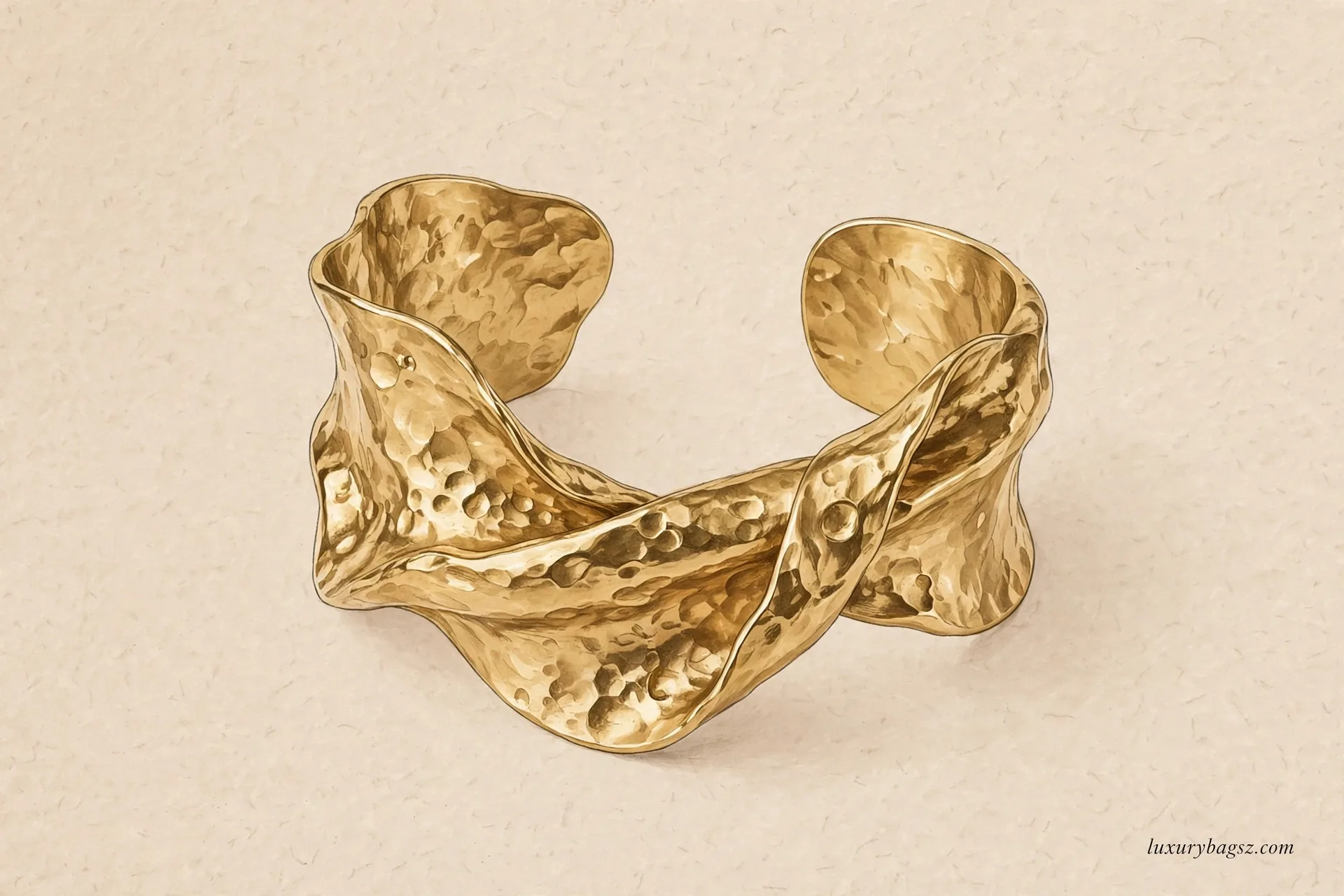
Hammering is the most immediate technique. Striking gold until its surface catches light unevenly creates a lively, dimpled texture that hides small scratches and gives the piece movement. Hammered cuffs and bangles are among the most wearable sculptural forms, since the texture forgives daily wear.
Repoussé works from the reverse side, pushing sheet metal into raised relief to create volume without a solid mass. A repoussé cuff can look bold and deep while weighing less than a cast piece of the same size, which makes it a smart choice for larger silhouettes.
Engraving and chasing cut or press patterns into the surface. Engraving removes fine lines, while chasing pushes the metal with punches to create texture and relief. Both reward close inspection and give a piece a hand-finished character that machine-polished gold cannot match.
Casting, twisting, and carving round out the toolkit. Cast gold holds complex, organic shapes; twisted wire adds rhythm and structure; carved surfaces create facets that catch light like a cut stone. Makers often combine techniques, so a single piece may be hammered, chased, and polished in different areas.
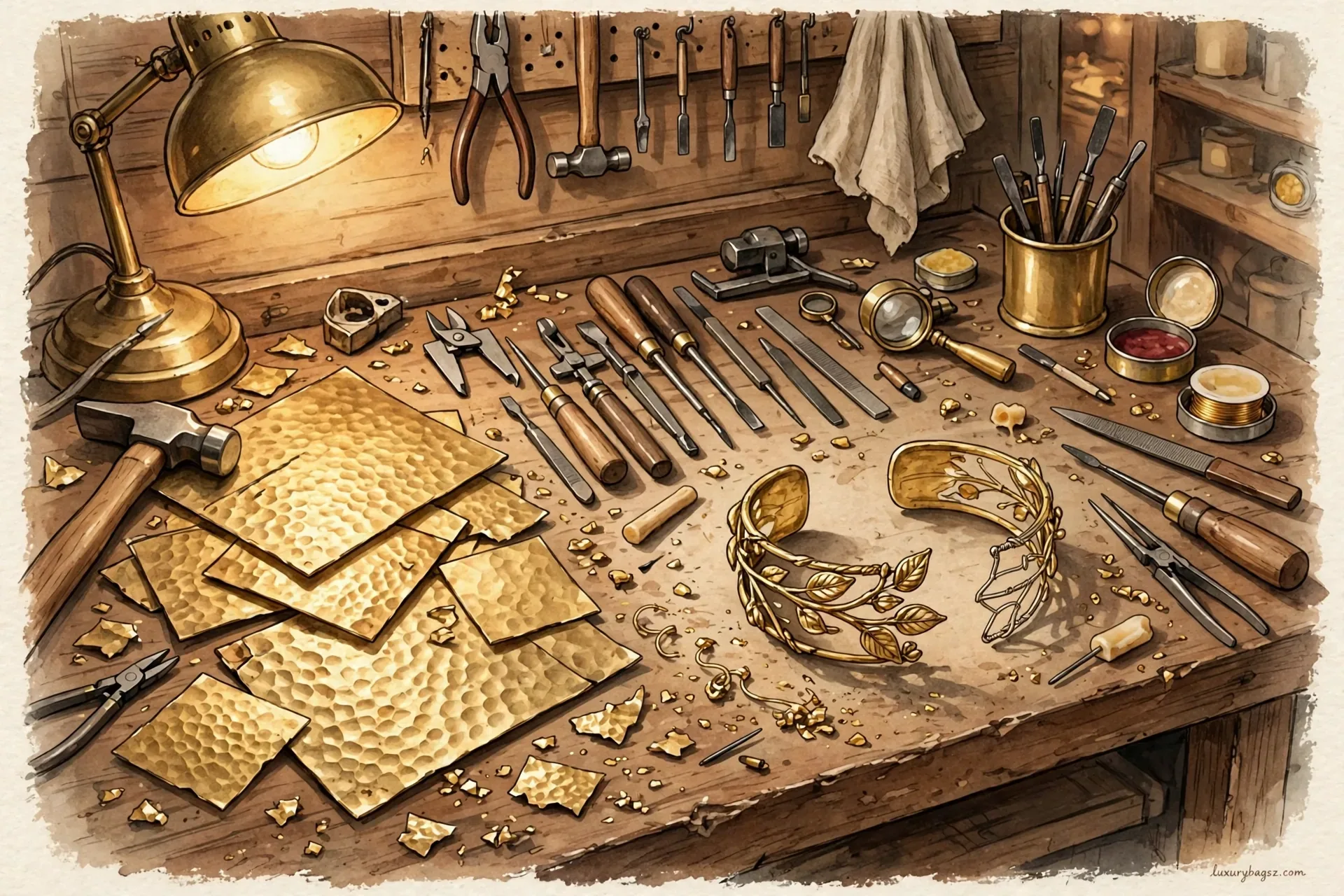
Tubogas, Woven Gold, and Forms That Move
Tubogas is one of the most ingenious sculptural techniques. Instead of soldered links, thin bands of gold coil into a flexible tube that wraps the wrist or neck without a traditional chain. The result moves almost like fabric while keeping a bold, continuous gold surface.
Woven gold works on a similar idea. Fine gold strands or bands are woven, braided, or meshed into forms that flex with the body, giving a substantial look with surprising lightness. These pieces suit buyers who love volume but dislike rigid cuffs that fight the wrist all day.
Fluid forms are the opposite of architectural ones, and both belong in the sculptural family. A liquid gold collar drapes and pools, while a geometric cuff holds a sharp line against the skin. Neither is better; they simply suit different wardrobes, necklines, and moods.
When trying a moving form, test it properly. Bend your wrist, raise your arm, and sit at a desk, since a coil or weave that pinches or flips in motion will annoy you daily. Sculptural jewelry should feel considered on the body, not just impressive in a photograph.
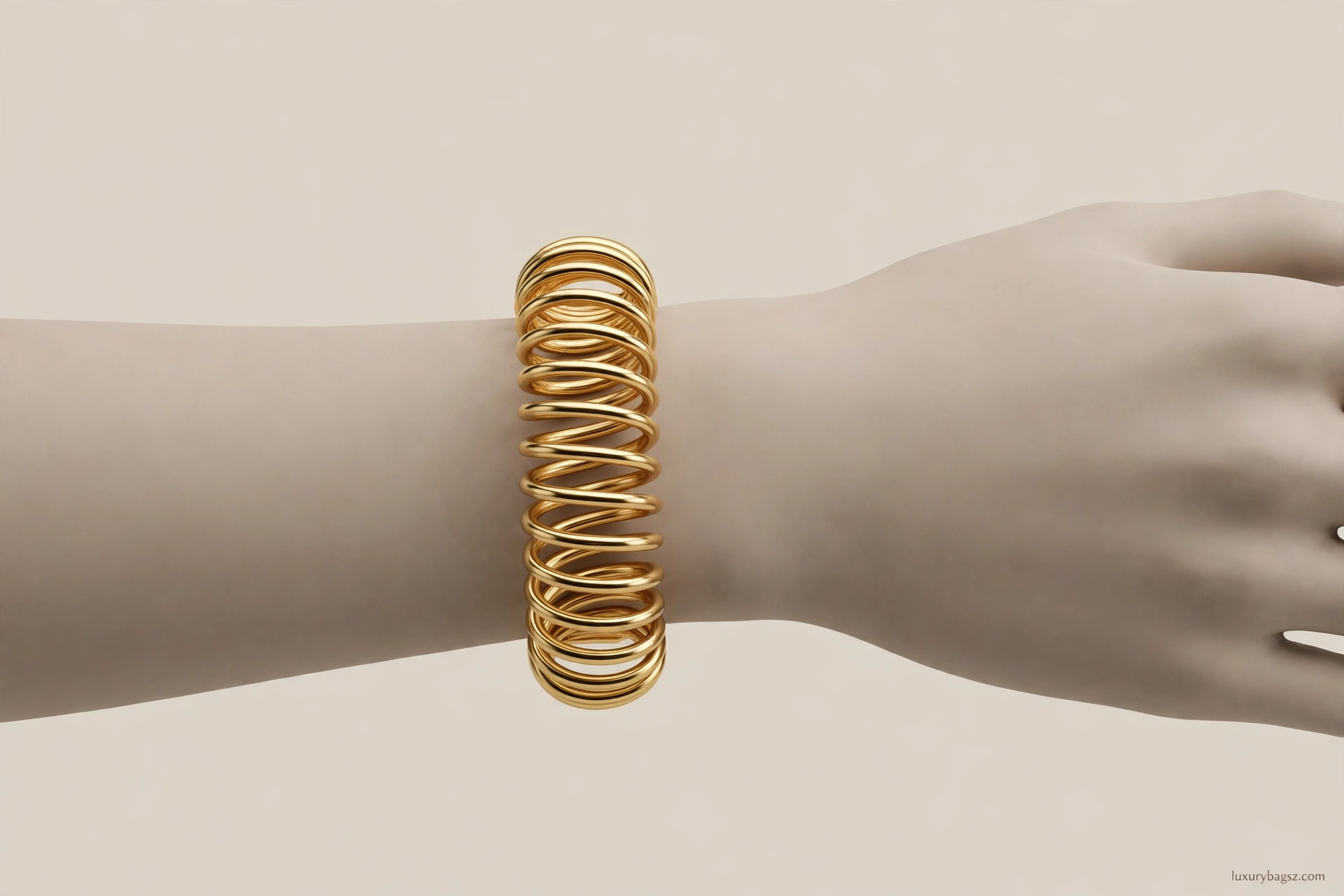
Cuffs, Earrings, Necklaces, and Rings: Choosing a Form
Cuffs are the easiest entry into sculptural gold. An open cuff slides on without a clasp, a hinged cuff opens and closes securely, and a wide cuff can stand in for a whole bracelet stack. A medium-width cuff with a clean profile suits most wrists and most sleeves.
Earrings make the fastest statement. Oversized organic silhouettes, sculpted drops, and bold hoops frame the face, but they also carry weight, so check backs, posts, and comfort before committing. A beautiful earring you cannot wear for more than an hour is a display piece, not jewelry.
Necklaces divide into collars, chains, and pendants. A sculptural collar sits high and architectural, a chunky chain brings texture and movement, and a bold pendant gives you a focal point without committing the whole neckline. Match the scale to your neckline: bold pieces need breathing room.
Rings reward restraint in one place and boldness in another. A wide sculptural band or a domed cocktail ring can carry an outfit, but it must clear your knuckle, sit comfortably against neighboring fingers, and survive typing, driving, and daily handling. Try rings at the end of the day, when fingers are at their largest.
Vintage and Designer Pieces Worth Knowing
Vintage gold feels current again because earlier decades already solved the problems modern buyers face: how to make gold bold without making it unwearable. Mid-century makers, in particular, treated gold as a sculptural material, with generous proportions, textured surfaces, and confident silhouettes.
Several names recur whenever sculptural gold is discussed. Jean Schlumberger brought natural, organic forms to fine jewelry, Elsa Peretti turned simple, sensual shapes into modern icons, and Andrew Grima pushed gold toward rugged, textured, almost geological forms. Houses such as Bvlgari pushed yellow gold toward generous proportions of their own.
Contemporary designers carry the same ideas forward. Some work in hand-hammered pure gold, others in recycled 18-karat gold paired with unexpected materials, and still others in bold, minimal forms that suit everyday wear. The maker matters because technique and point of view are what separate a sculptural piece from a merely large one.
If you are weighing a designer piece partly as an asset, read our analysis of whether Cartier bracelets are a good investment, since the same questions apply: model desirability, condition, documentation, and realistic resale. Buy the design first, and let any investment case be secondary.
Styling One Bold Piece Without Overdoing It
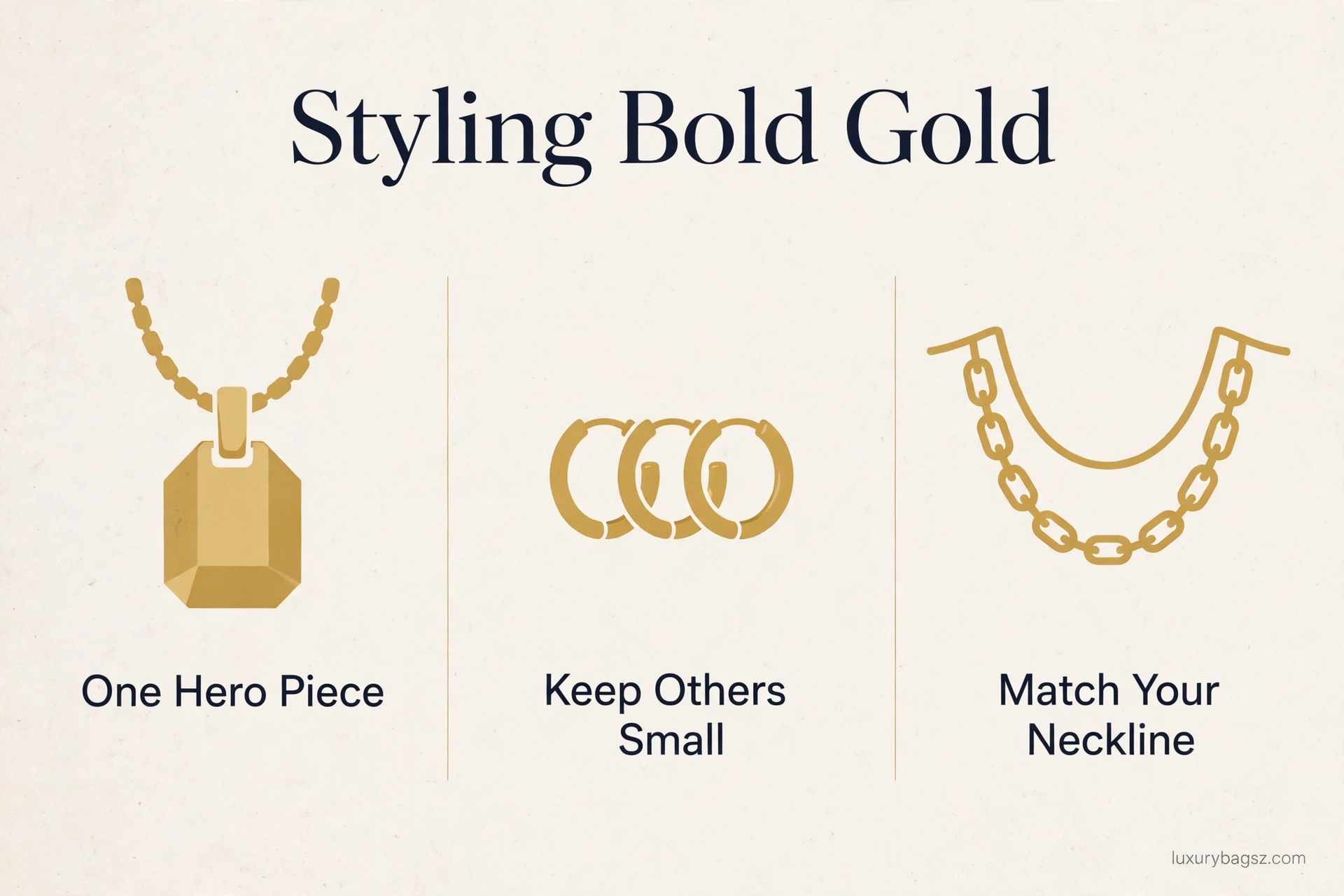
The most reliable rule is one hero per look. Choose a single statement piece, give it space, and let everything else step back. One bold piece reads as confidence; three bold pieces read as noise, no matter how beautiful each one is alone.
Decide which zone leads today: ears, neck, wrist, or hand. Then let the other zones support it. A wide cuff pairs with a fine ring, a sculptural earring sits above a bare neckline, and a bold pendant needs an open collar rather than competing earrings.
Balance scale across the body. When one area goes big, the area next to it goes small: a wide cuff with a bare other wrist, or bold ears with no necklace. If you want more than one bold piece, keep them far apart, such as a wide cuff and a structured stud, never a big pendant and big earrings together.
Sleeves and necklines do quiet work. A cuff needs a sleeve that clears it, whether a three-quarter sleeve, a turned shirt cuff, or a bare arm. A collar needs an open neckline, and a chunky chain needs a simple top that does not fight it for attention.
For day, keep the rest of the outfit calm: a crisp shirt, tailored trousers, or a simple dress lets the gold carry the look. For evening, the same piece can stand alone against black, where its volume and surface do all the talking without any extra help.
Buying Vintage Gold: Checks Before You Pay
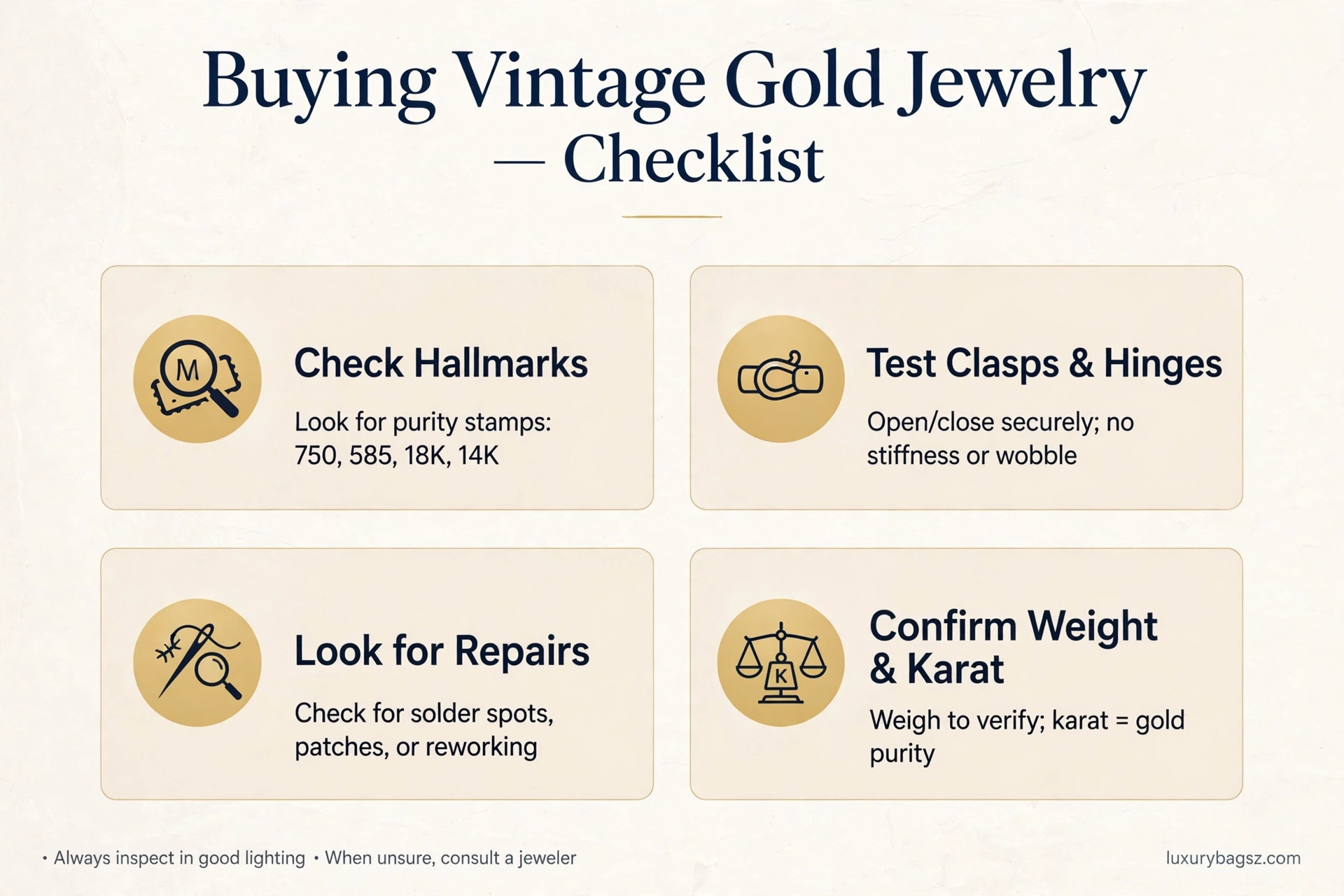
Start with hallmarks. Look for purity stamps such as 750 for 18-karat, 585 for 14-karat, and 18K or 14K marks, plus any maker's stamp. Worn or missing marks are common on old pieces, but a seller should explain them honestly rather than invent a story around them.
Test every moving part. Clasps should open and close securely, hinges should swing without stiffness or wobble, and cuff openings should flex and spring back. Repairs are normal on vintage gold, but they should be disclosed, well executed, and priced into the piece.
Look for repairs with a loupe: solder spots, patches, reworked edges, and mismatched gold tones where a repair used a different alloy. None of these automatically disqualifies a piece, but each one affects value, and undisclosed repairs are a reason to walk away.
Weigh the piece and compare it with similar examples. Weight supports karat and construction claims, and a suspiciously light "solid" cuff may be hollow, filled, or plated rather than solid gold. Ask how weight and karat were verified, and get the answer in writing.
Keep resale in mind from the start. Our guide to how to resell luxury jewellery explains why documentation, condition, and honest pricing matter more than optimistic asking prices. A documented, well-kept piece will always find a buyer more easily than a mystery piece.
Caring for Bold Gold So It Lasts
Gold is durable, but sculptural surfaces show wear in their own way. Hammered textures hide small marks gracefully, while high-polish domes and coils show scratches more readily. Choose your finish with your life in mind, not just your mirror.
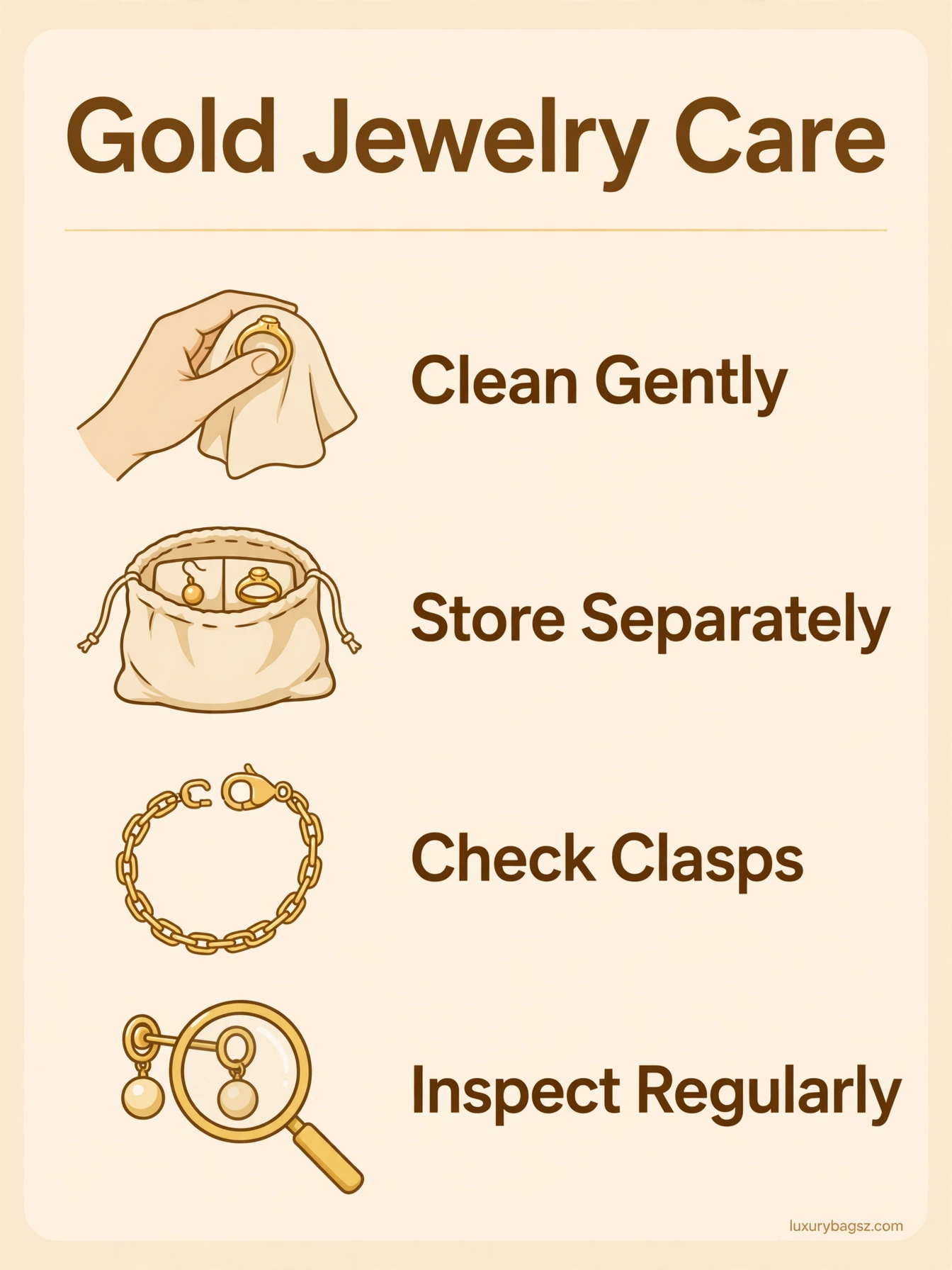
Clean gently with mild soap and lukewarm water, using a soft brush for crevices and a soft cloth for drying. Avoid abrasive cloths and harsh chemicals, which can dull textured surfaces and damage any patina you actually want to keep.
Store each piece separately in a lined box or soft pouch. Gold scratches gold, and a bold cuff tumbling against chains will mark both pieces over time. Separate compartments, like those in a proper jewelry box, cost nothing and save the finish.
For rings and pieces with gemstones, the cleaning advice in our guide to gold and diamond rings applies alongside these tips, since settings and accents need the same gentle hand. The same goes for mixed pieces: our guide to gemstone care covers stones that should never be soaked or steamed.
Finally, have clasps, hinges, and cuff tension checked periodically, especially on vintage pieces. A quick jeweler visit catches a weakening hinge before it becomes a lost bracelet, and it keeps a sculptural piece doing what it was made to do: being worn.
Frequently Asked Questions
What is sculptural gold jewelry?
Jewelry where gold itself is the design, not a frame for a gemstone. Thick cuffs, substantial necklaces, and oversized earrings get their impact from volume, contour, and surface, from how the metal catches light, holds shape, and moves on the body.
Is sculptural gold jewelry heavy to wear?
Not always. Techniques like repoussé create volume from sheet metal, and Tubogas or woven construction can look substantial while staying flexible and light. Always try a piece in motion, bending your wrist and raising your arm, before committing.
What is Tubogas gold?
Tubogas is a technique where thin bands of gold coil into a flexible tube that wraps the wrist or neck without traditional soldered links. It moves almost like fabric while keeping a bold, continuous gold surface, and it is prized for both comfort and presence.
What karat is best for sculptural gold?
18-karat gold is the most common for fine sculptural pieces, balancing rich color with durability, while 14-karat is harder and more affordable. Pure 24-karat gold is softer and used by fewer makers, mostly for hand-hammered work where softness is part of the craft.
Who are the key sculptural gold designers?
Jean Schlumberger, Elsa Peretti, and Andrew Grima are frequently cited for organic, sensual, and textured gold, while houses such as Bvlgari pushed yellow gold toward generous proportions. Contemporary designers continue the tradition in hammered, recycled, and minimal sculptural forms.
How do I style bold gold jewelry without overdoing it?
Wear one hero piece per outfit and keep everything else small. Decide which zone leads, ears, neck, wrist, or hand, then let the other zones support it. Match scale to sleeves and necklines, and give a bold piece breathing room rather than competing pieces.
Is vintage sculptural gold a good buy?
It can be, when the maker, technique, and condition are documented and the price reflects them. Check hallmarks, clasps, hinges, repairs, weight, and karat before paying, and buy the design first. Treat any investment case as secondary to wear and enjoyment.
How do I check a vintage gold piece before buying?
Look for purity stamps such as 750 or 585, test clasps and hinges, inspect for solder spots or patches with a loupe, and verify weight and karat. Ask the seller to put condition and any repairs in writing, and get an independent opinion when doubt remains.
How should I clean sculptural gold jewelry?
Clean gently with mild soap and lukewarm water, use a soft brush for crevices, and dry with a soft cloth. Avoid abrasive cloths and harsh chemicals, store each piece separately, and have clasps and hinges checked periodically, especially on vintage pieces.
Can I wear sculptural gold every day?
Yes, if the form suits your life. A medium cuff, a sturdy chain, or a well-fitted ring can be daily wear, while very wide cuffs, heavy earrings, or delicate coils may suit occasional wear better. Comfort in motion, not appearance alone, should decide.
Summary: Let the Metal Do the Talking
Sculptural gold works when the maker trusts the material. Hammering, repoussé, engraving, Tubogas, and weaving are not decorations applied to gold; they are ways of letting gold behave like itself, catching light unevenly, holding volume, and moving with the body.
Shop the same way. Choose a form that fits your life, a surface you love up close, and a maker or vintage piece whose condition you have actually checked. Style it with restraint, one hero piece, everything else quiet, and let the gold carry the outfit.
That is the whole appeal, and it is why sculptural gold keeps coming back. Long after delicate trends fade, a well-made cuff, collar, or coil still looks like itself: confident, physical, and unmistakably gold.