Queen Elizabeth II Facts and Style: The Rainbow Wardrobe, Hats and Royal Uniform
Queen Elizabeth II Style at a Glance
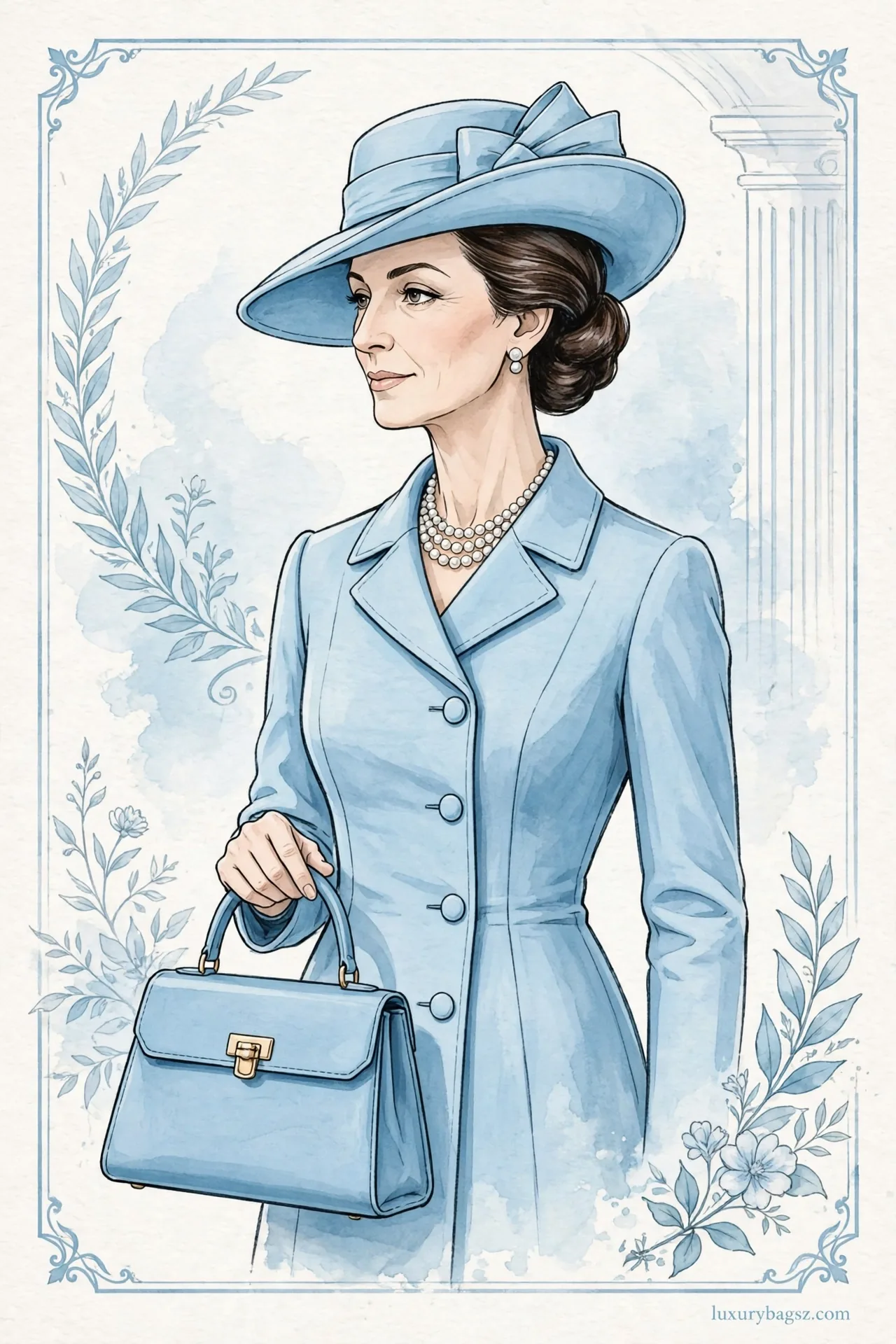
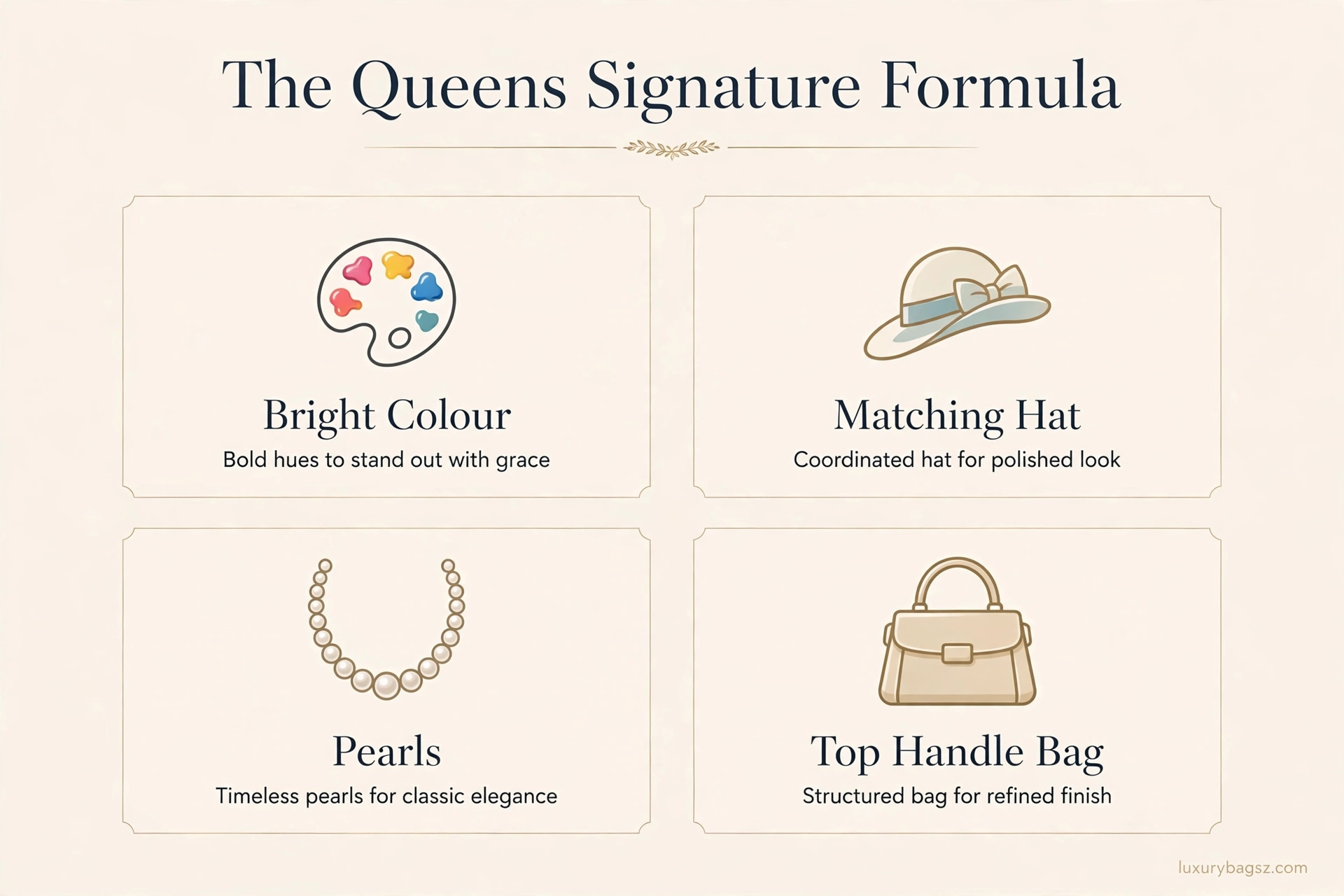
Queen Elizabeth II style was a uniform with a purpose. Bright coats, matching hats, pearls and a structured bag made her easy to spot in any crowd. The look stayed steady for decades, which is why it became so famous.
She reigned from 1952 until her death in 2022, at the age of 96. That long reign meant her wardrobe had to work for state visits, church services, garden parties and country weekends. Each setting called for a different version of the same disciplined look.
This guide separates fact from myth. It explains why she wore bright colours, how her hats were designed, and what she wore off duty. It also shows how to borrow the formula today.
Key Takeaways

- Queen Elizabeth II wore bright, single-colour outfits so crowds could see her easily.
- Her signature pieces were a coatdress, a matching hat, gloves, pearls and a top-handle bag.
- Norman Hartnell designed her 1947 wedding dress and her 1953 coronation gown.
- Hardy Amies served as her official dressmaker from 1955 to 1990, and Angela Kelly later shaped her daily wardrobe.
- Off duty she favoured headscarves, tweed, raincoats and boots, a very different but equally practical look.
The Facts Behind the Reign
Elizabeth II was born in 1926 and became queen in 1952, at the age of 25. She was Britain's longest-reigning monarch, with a reign of 70 years. During that time she carried out thousands of public engagements across the United Kingdom and abroad.
Her early style was more fashion-led than her later look. In the 1950s she wore full-skirted gowns, pastels and floral prints, often by Norman Hartnell. As decades passed, she settled into a clearer uniform that suited a working monarch. Royal dressing rules reach their strictest form at the races, set out in our Royal Ascot dress code guide.
That shift was practical, not lazy. A consistent look saved time, avoided fashion headlines and kept attention on the event. In modern terms, it was closer to quiet luxury than to trend-chasing, since quality and repetition mattered more than novelty.
Why Bright Colours Mattered
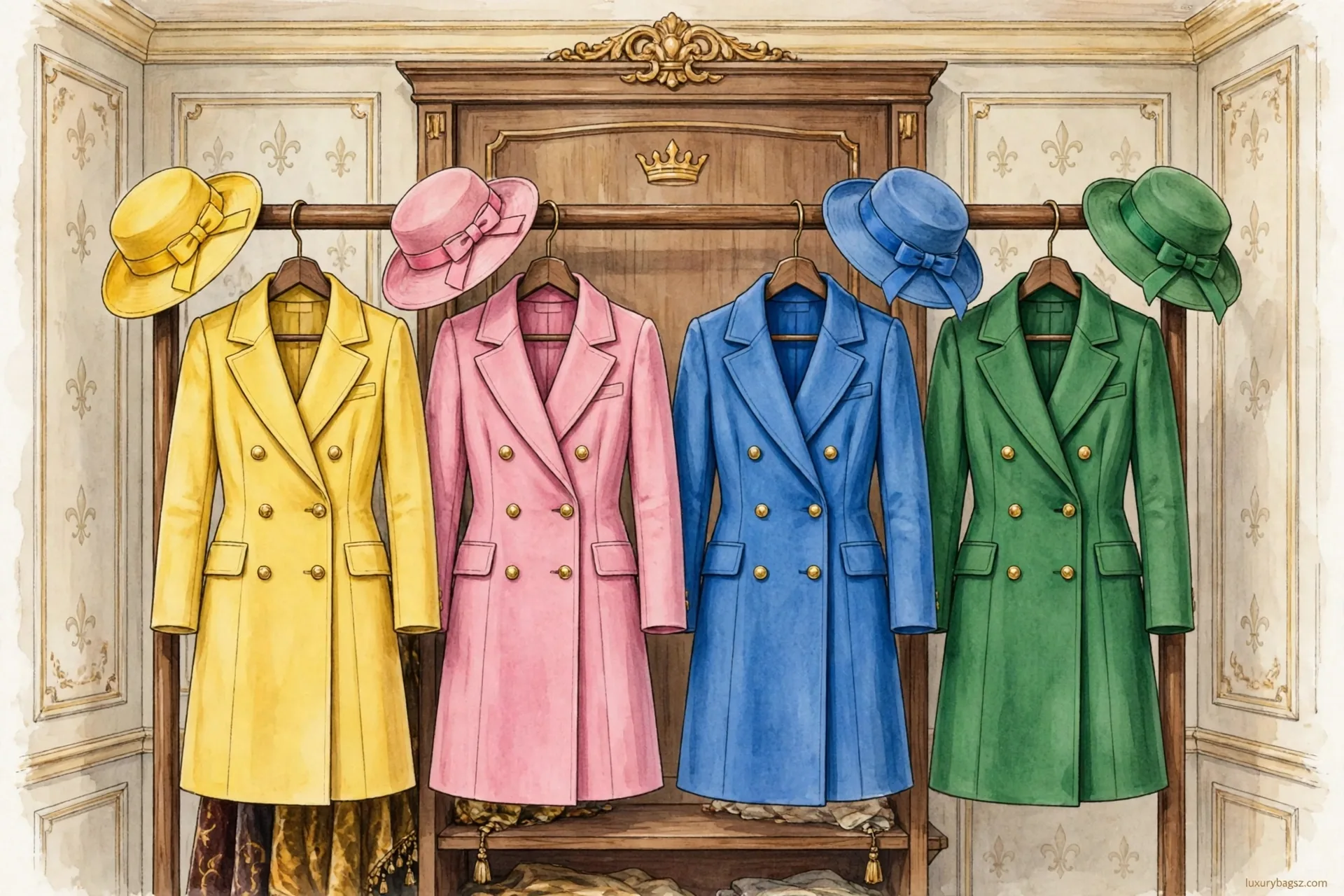
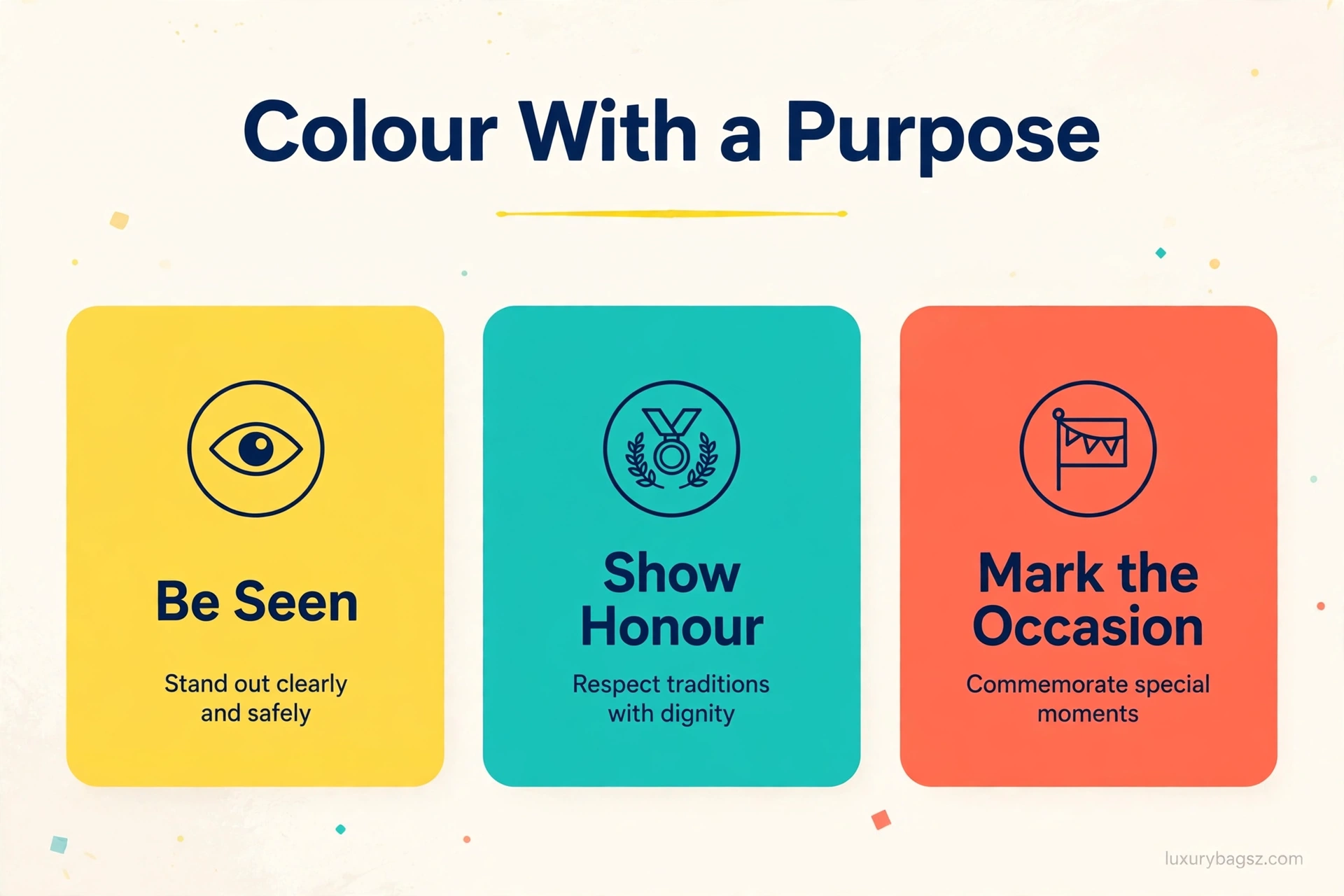
The most quoted reason for her bright wardrobe is visibility. She is widely reported to have said, in effect, that she had to be seen to be believed. At about five feet four inches tall, she could vanish in a crowd without a strong colour.
Block colour worked better than print for this purpose. A single bright coat and hat read clearly from a distance, even in photographs. Blue shades appeared often, while yellow, pink, green and red all featured across her reign.
Colour also carried diplomatic meaning. For a state visit to Ireland in 2011 she wore emerald green, a respectful nod to her hosts. Reports of exact colour meanings vary, so treat individual stories as tradition rather than proven fact unless a palace source confirms them.
Hats, Bags and Gloves
Hats were central to her look from youth to old age. She grew up when women rarely left home without a hat, and milliners such as Rachel Trevor-Morgan later made many of her pieces. Brims were kept neat so crowds could still see her face.
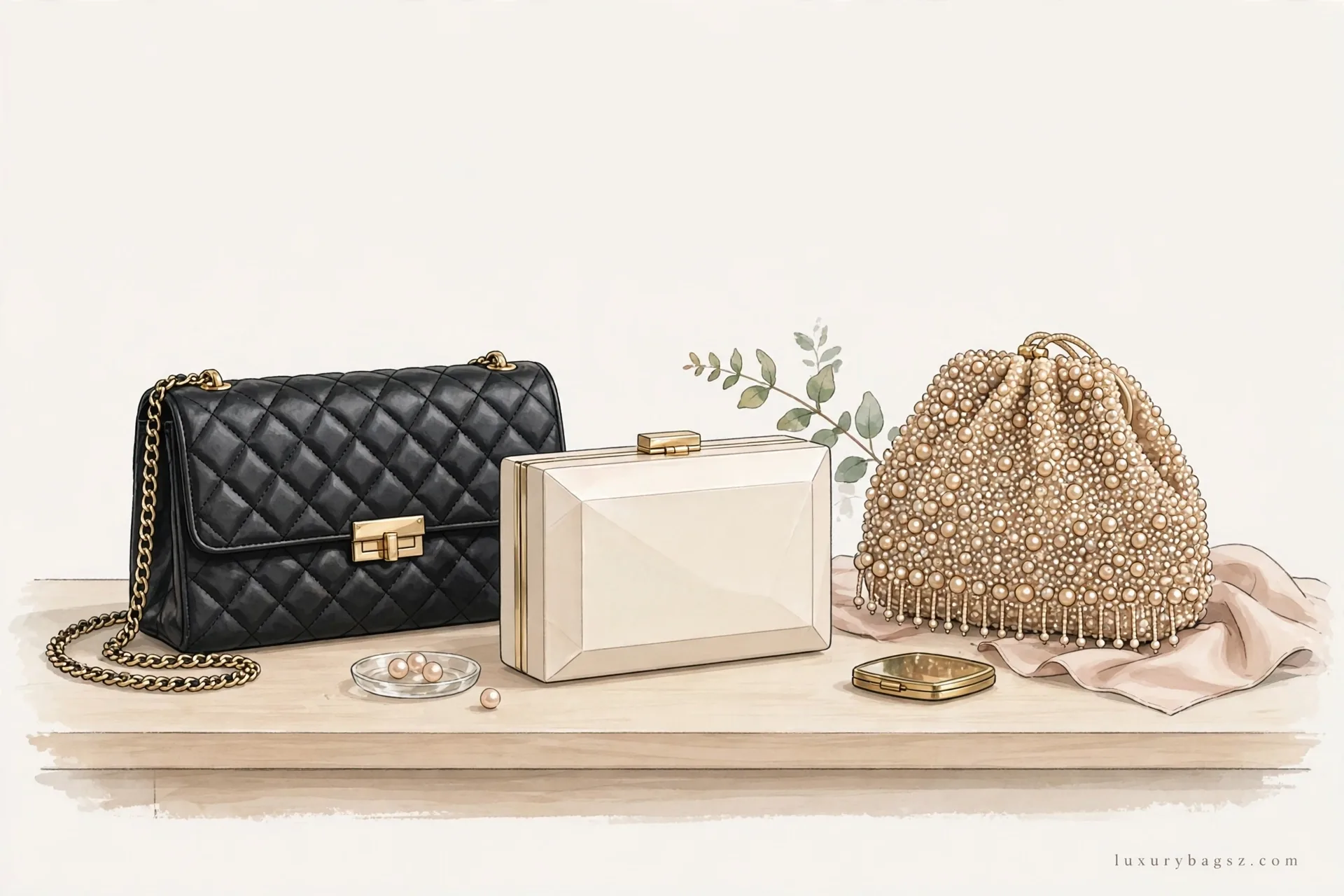
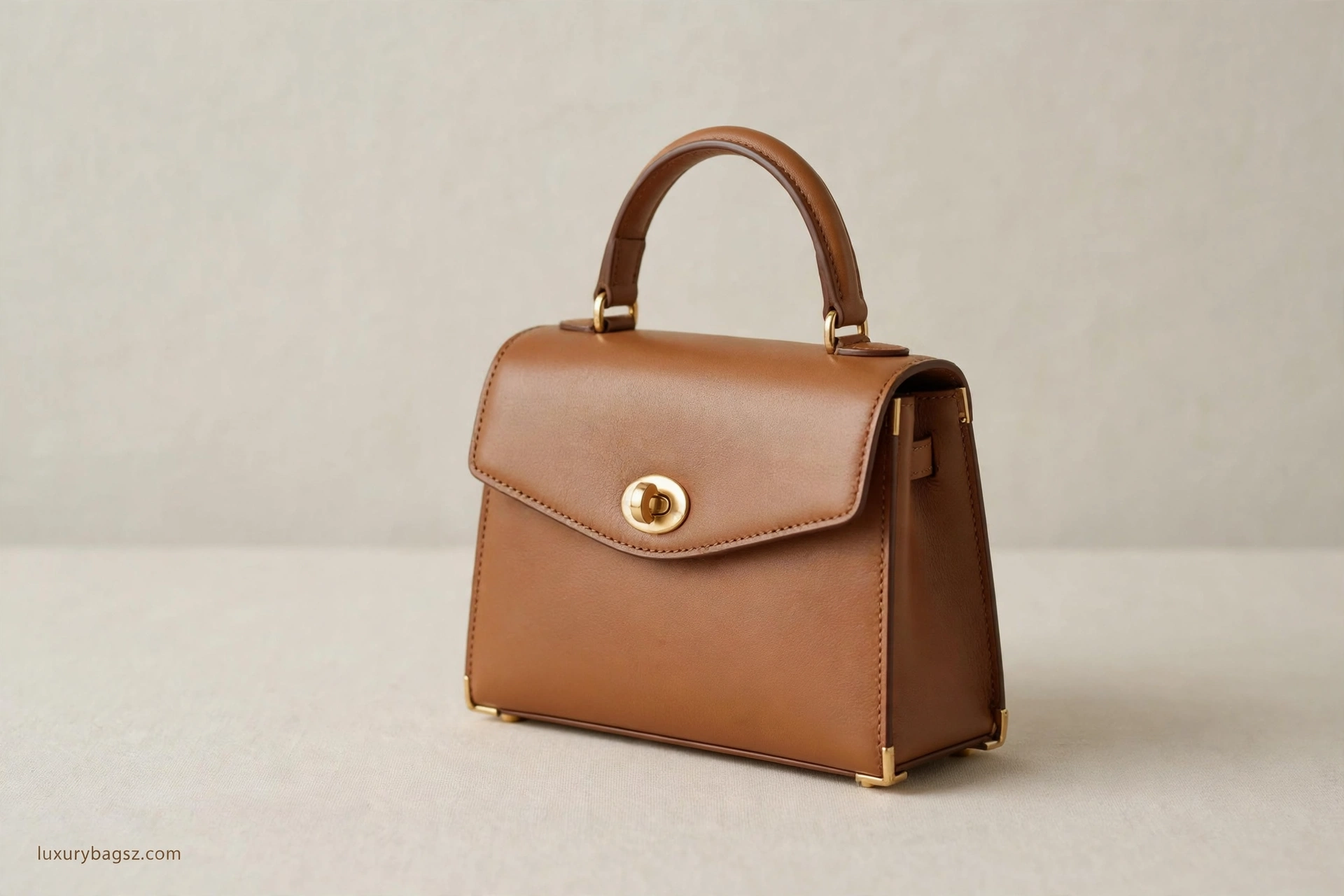
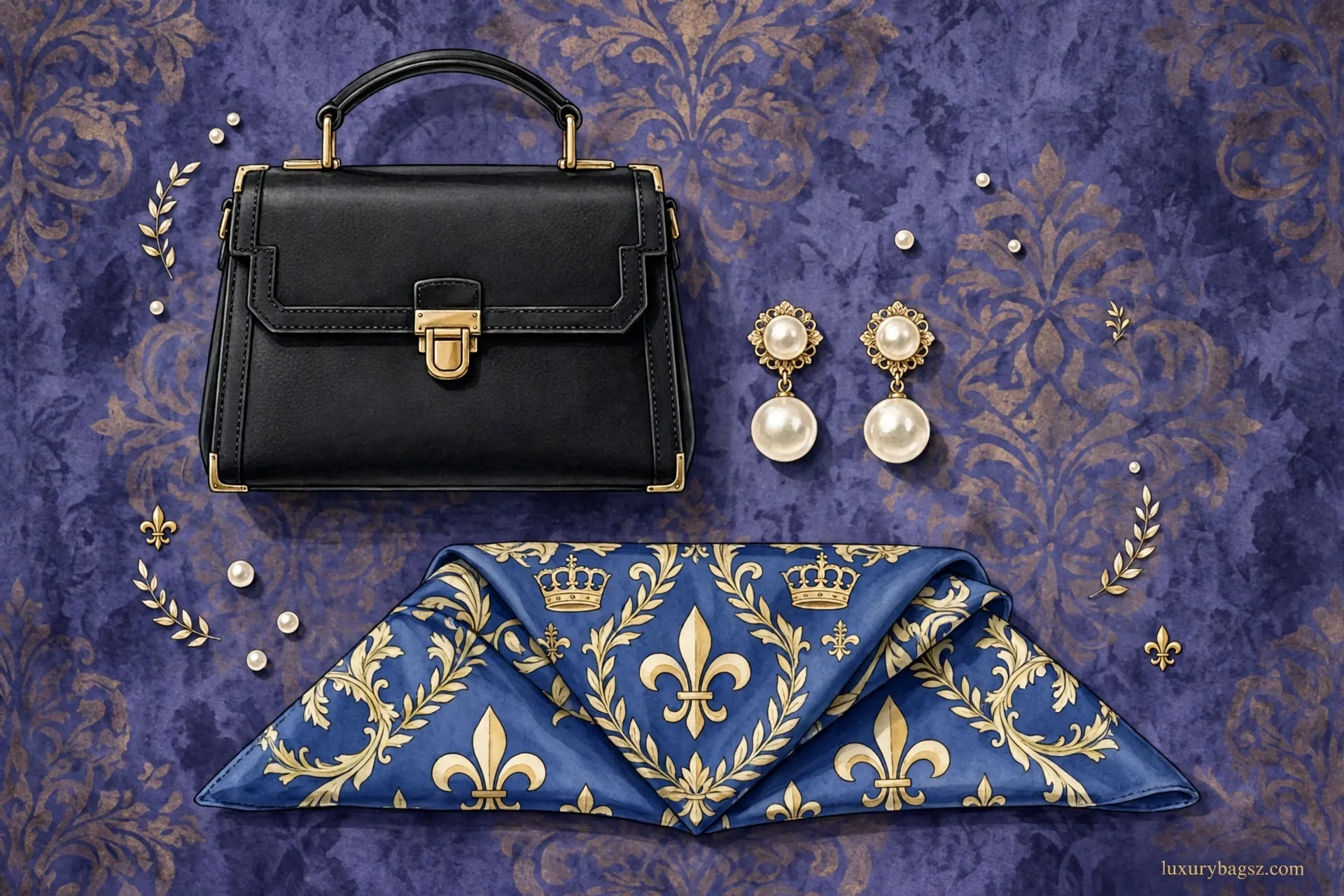
Her bag was usually a structured black or white top-handle style by Launer London. It was practical, holding essentials for long engagements, and it became a visual trademark. The shape stayed boxy and calm, never slouchy or oversized.
Gloves served a practical purpose too, since she shook many hands on walkabouts. Shoes were low, block-heeled court shoes, often in black or a matching colour. Together these pieces formed a tidy, repeatable kit, much like the trench heritage explored in the Burberry story.
Wedding Dress and Coronation Gown
Her wedding dress in 1947 was designed by Norman Hartnell. It used duchess satin, with crystal and pearl detail, and a long train. Britain was still recovering from war, so a radiant bridal gown carried real public meaning.
Her coronation gown in 1953, also by Hartnell, was embroidered with emblems of the nations she served. It was ivory satin, richly decorated in gold, silver and colour. The gown balanced ceremony with symbolism, and it remains one of the most studied royal dresses.
Both gowns show her early glamour. Later, daywear took over, but evening gowns and tiaras still appeared for state banquets. Jewellery often included pearls by day and diamonds by night, chosen to suit the light and the occasion.
The Designers Who Shaped the Look
Norman Hartnell shaped her early reign, designing major ceremonial pieces. Hardy Amies then served as official dressmaker for 35 years, from 1955 to 1990. His clean, structured daywear helped define her middle years.
In later decades, Angela Kelly, her dresser and close aide, became central to daily outfits. Kelly wrote about the care behind each choice, from fabric to fit to weather. Outfits were planned in advance, with colour and hat checked against the event.
This team approach explains the consistency. One person rarely decided alone, and each outfit passed through practical checks. Good designer clothing care follows the same logic: plan, protect and repeat what works.
Off-Duty Style at Balmoral and Windsor
Off duty, the Queen looked very different. At country homes she wore headscarves, tweed skirts, knitwear, raincoats and boots. Photographs of her driving or walking dogs show a practical, rural wardrobe.
This side matters because it proves the bright uniform was a working choice, not a personal obsession. At home she dressed for weather and comfort, like many country dwellers. The contrast also made the public uniform more striking when it returned.
For modern readers, the lesson is to separate work clothes from home clothes. A clear work uniform saves decisions, while relaxed home clothes save energy. Both can be neat without being formal.
How to Borrow the Formula Today
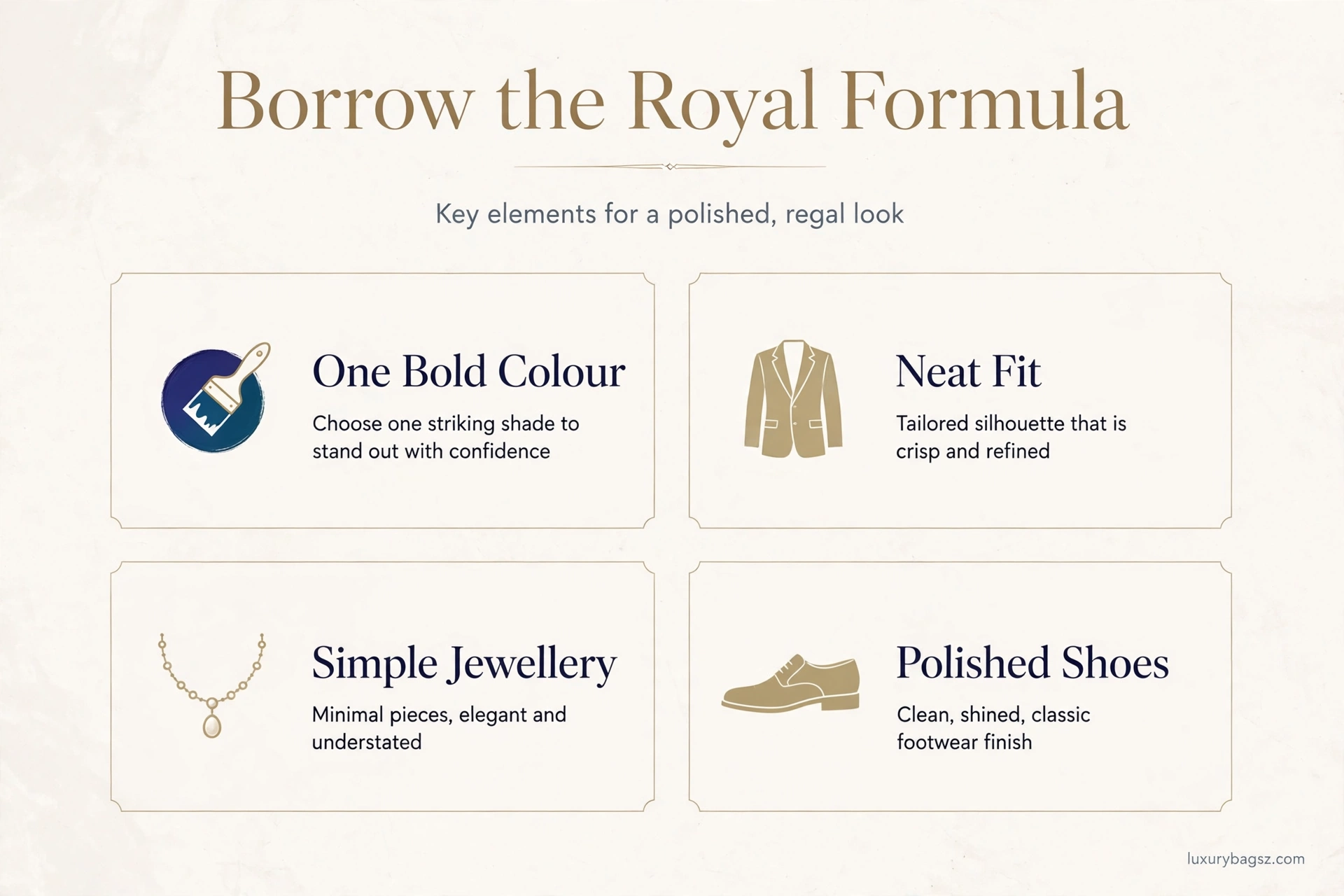
Choose one bold colour and wear it head to toe, or at least coat, dress and hat in one family. Keep shoes and bag in a calm neutral so the colour stays the star. This single step captures most of the royal effect.
Keep fit neat and hemlines at or below the knee for a classic feel. Add pearls or a simple brooch, not a pile of jewellery. A structured bag, similar in spirit to a Hermès Kelly bag, finishes the look without needing a royal budget.
Avoid copying the full uniform for daily errands. A bright coat alone, with simple trousers and shoes, gives the same visibility and polish. Save the matching hat for events, weddings or formal days.
The Handbag Signals: Reported, Repeated and Plausible
The most famous detail of the whole wardrobe is a communication system. Royal historians have long reported that the Queen used her Launer bag to speak to her staff silently. Worn on the left arm, it left her right hand free; moved to the other arm, it reportedly told aides she was ready to end a conversation, and someone would appear with a polite rescue.
Placed on a table at dinner, the bag reportedly meant she wished to leave within about five minutes. Set on the floor, it was the strongest signal of all: an uncomfortable conversation she wanted ended at once. A twisted wedding ring served, in the same reporting, as an even more urgent backup.
These signals are best treated as well-sourced tradition rather than palace-confirmed fact; the household never published a codebook. But they fit everything else in this article: a wardrobe run like an operation, where even the handbag had a job description beyond carrying things.
What she carried was pleasingly ordinary by the same reports: a handkerchief, mints, a mirror, a fountain pen, reading glasses, lipstick and sometimes treats for the corgis. The bag was customised for its work, with longer handles to keep handshakes easy and a hook for hanging it beneath tables.
Brooches: The Smallest Diplomatic Tool
Above the bag, the brooch did the delicate work. Worn almost always on the left side, chosen for nearly every engagement, her brooches were selected to connect with the people, place or occasion in front of her: a host country’s emblem, a regiment’s badge, a gift with a story behind it.
Sentiment was catalogued as carefully as diplomacy. The basket-of-flowers brooch given by her parents at the birth of Prince Charles reappeared at family christenings across generations, turning jewellery into continuity. Inherited pieces from Queen Mary carried the family’s memory the same way.
For viewers, the brooch became the one variable jewel in an otherwise repeatable uniform, the detail photographers cropped for and commentators decoded. She understood that economy perfectly: change one meaningful thing, keep everything else stable, and the one change gets noticed.
Modern dressers can steal the principle without the vault. A single signature jewel, worn consistently and chosen with intent, does more for recognition than a rotating collection worn at random.
The Engineering Underneath: Hems, Shoes and Repeats
The uniform survived British weather by engineering. Her dresser Angela Kelly has described the practical planning behind outfits, and royal coverage widely reports that hems on coats and dresses were weighted so skirts behaved in wind, an unglamorous detail that protected a thousand photographs.
Shoes were chosen for standing, not posing: low block heels, worn for decades from specialist makers, and, by long-standing report, broken in by a member of staff with the same shoe size so a new pair never hurt at an engagement. Whether every detail of that story survives scrutiny, the principle is documented in the wardrobe itself: comfort was specified, never hoped for.
Outfits repeated, deliberately, and were logged so repeats were spaced and varied with different hats and brooches. That discipline is why descriptions of her style use the word uniform without insult: it was designed, maintained and operated like one, for seventy years.
The Three-Strand Pearls and the Logic of Never Changing
One detail ties the decades together: the three-strand pearl necklace she wore almost daily, a coming-of-age gift from her father, George VI, in its origins. Pearls suited everything, photographed softly, and never argued with a hat, a brooch or a bright coat.
That permanence was the point. In a reign spanning fifteen British prime ministers and the entire television age, her unchanging pearls, bag and shoe shapes acted as visual constants, letting the public read continuity itself off her appearance. Politicians rebrand; she declined to.
There is a modern branding lesson in it that luxury houses spend heavily to imitate: an icon repeated for decades becomes unforgeable. Anyone can wear a bright coat once; only one woman wore the same kit, improved but never replaced, for seventy years, which is why the formula in this guide still reads instantly as her.
Frequently Asked Questions
1. How long did Queen Elizabeth II reign? She reigned from 1952 to 2022, a total of 70 years. She was Britain's longest-reigning monarch and died at the age of 96.
2. Why did she wear such bright colours? Bright, single-colour outfits made her visible in crowds. She was of modest height, so a strong coat and hat helped people spot her at public events.
3. Who made her hats? Several milliners worked for her over the years, including Rachel Trevor-Morgan in later years. Hats were designed to match outfits while leaving her face visible.
4. What bag did she carry? She often carried a structured top-handle bag by Launer London, usually in black or white. The bag became a signature part of her public look.
5. Who designed her wedding dress? Norman Hartnell designed her 1947 wedding dress. He also designed her 1953 coronation gown, both in ivory satin with rich embroidery and detail.
6. Did she choose her own outfits? She worked with dressers and designers, notably Angela Kelly in later years. Outfits were planned in advance for fit, weather, colour and the nature of each event.
7. What did she wear off duty? Off duty she wore headscarves, tweed, knitwear, raincoats and boots, especially at country homes. This practical look differed sharply from her bright public uniform.
8. Did she ever wear black? Black was largely reserved for mourning and sad occasions. For most public events she chose bright or pastel colours instead, with black kept for funerals and remembrance.
9. What was her favourite colour? Sources often name blue shades, including cornflower blue, among her favourites. Exact rankings vary by study, so no single colour should be claimed as proven favourite without care.
10. Where can I see her wardrobe today? Pieces from her wardrobe have been shown in royal exhibitions, including a 2026 King's Gallery display in London. Check current exhibition listings, as displays and dates change.
Final Verdict: A Uniform That Served Its Purpose
Queen Elizabeth II style succeeded because it was designed for a job. Bright colour gave visibility, neat hats gave polish, and a steady bag and shoe choice gave reliability. Nothing was left to chance.
Borrow the discipline, not the whole wardrobe. One bold colour, a neat fit and simple accessories will give you the same calm authority. That is the lasting lesson of her rainbow wardrobe.