

Middle Eastern Designers Guide: The Rise, the Names, and How to Shop Them
The Rise in Brief
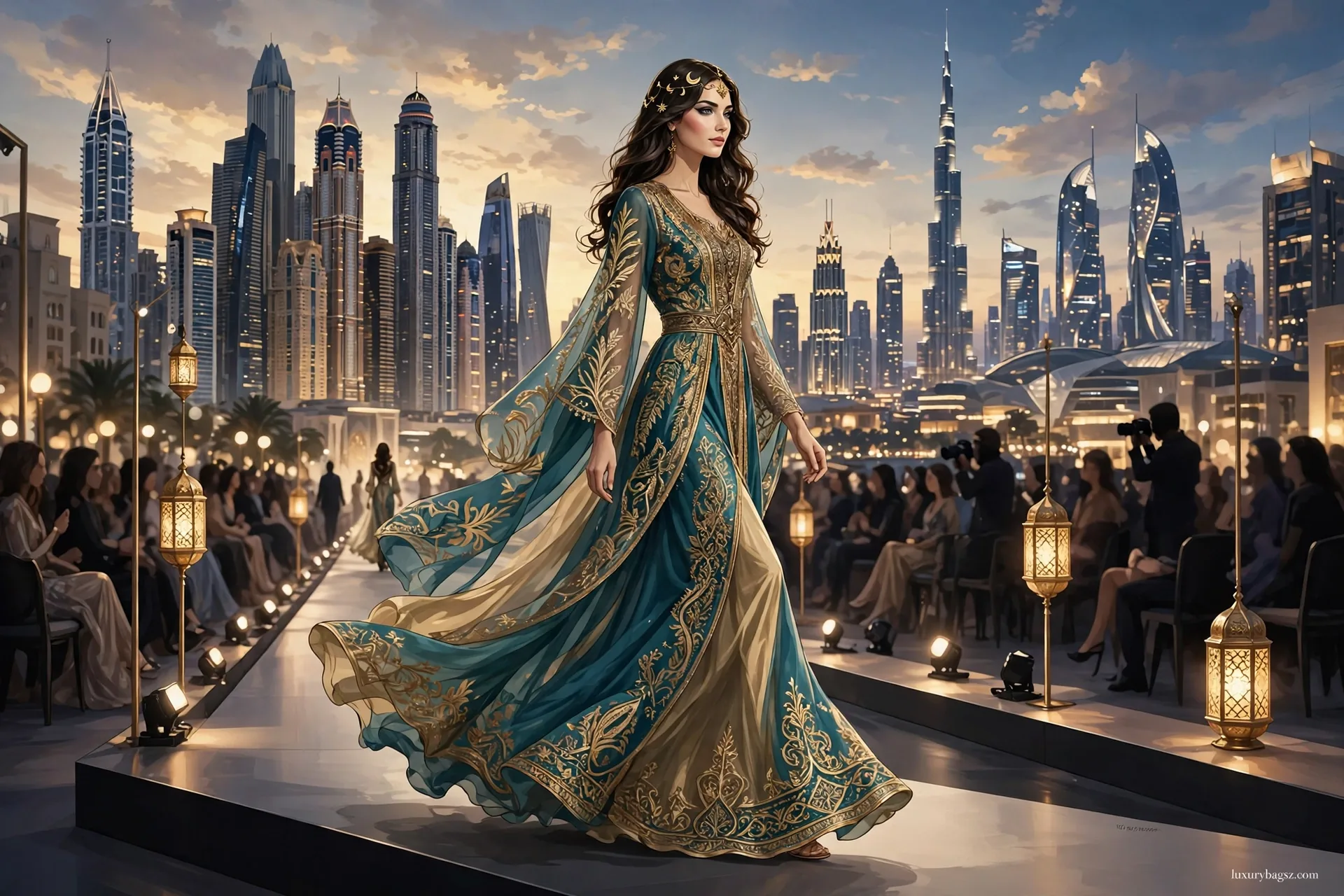
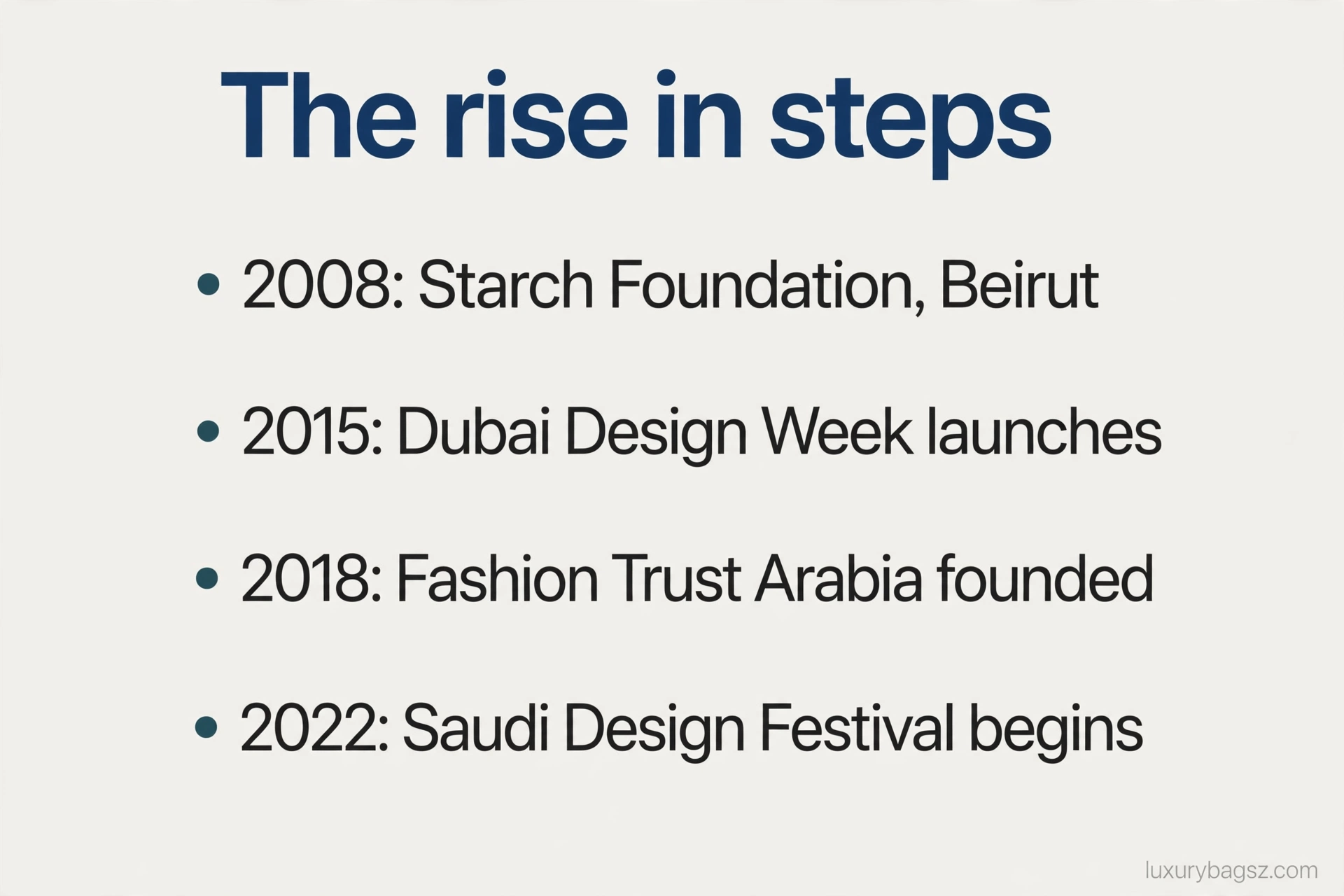
Middle Eastern designers have moved from the edges of global fashion to its centre in a single generation. Lebanese couturiers Elie Saab and Zuhair Murad dressed red carpets worldwide, Gulf and Levantine labels reinterpreted the abaya and kaftan for modern life, and a new wave of Saudi, Emirati, Kuwaiti and Lebanese designers now blends calligraphy, embroidery and modest silhouettes with minimalism, streetwear and sustainability. The rise was built on real infrastructure: Beirut's Starch Foundation from 2008, Dubai Design Week from 2015, Fashion Trust Arabia from 2018, and the Saudi Design Festival from 2022. For shoppers, the region now offers couture, modest wear, jewellery and ready-to-wear with a distinct identity, provided you know how to find the genuine labels and buy them well.
Key Takeaways

- The pioneers are Lebanese couturiers, above all Elie Saab and Zuhair Murad, who built global red-carpet businesses.
- A younger wave reworks heritage garments, especially the abaya, kaftan and bisht, into modern, wearable fashion.
- Key platforms are Starch Foundation (Beirut, 2008), Dubai Design Week (2015), Fashion Trust Arabia (Doha, 2018) and the Saudi Design Festival (Riyadh, 2022).
- Names to know include Reemami, Hindamme, Bouguessa, Rami Al Ali, Georges Hobeika, Rabih Kayrouz and Hussein Bazaza.
- Social media, especially Instagram and TikTok, is the main discovery route for emerging regional labels.
- Made-to-order and couture timing, sizing differences and shipping rules are the main practical traps for new buyers.
- Supporting official stores, stockists and designers' own sites matters, because popular regional labels are copied.
Why Now: A Generation Comes of Age
The rise of Middle Eastern designers is not a sudden trend. It is the visible result of two decades of change: wealth and retail growth in the Gulf, a strong couture tradition in Lebanon, fashion education and mentorship programmes, and social media that lets a designer in Dubai or Riyadh reach a buyer in London without a Paris showroom. Before 2015, many Arab designers had to move abroad to grow. Today they can build at home and export from there.
The region's fashion identity also changed. Older luxury fashion in the Middle East often meant importing Paris and Milan. The new wave keeps the craft and the glamour but adds a local voice: embroidery from a grandmother's dress, a calligraphy motif, a modest cut reworked for a working day, a desert palette rendered in modern tailoring. That voice is what global buyers now seek, because it offers something Paris cannot copy.
There is a commercial logic too. The Middle East is a major luxury market, and regional customers increasingly want labels that understand their lives: modest options that are genuinely fashionable, occasion wear for weddings and family celebrations, and pieces that work in hot climates. Designers who solve those problems at home find an audience abroad as well, because those problems are not only regional.
The Pioneers: Lebanon's Couture Masters
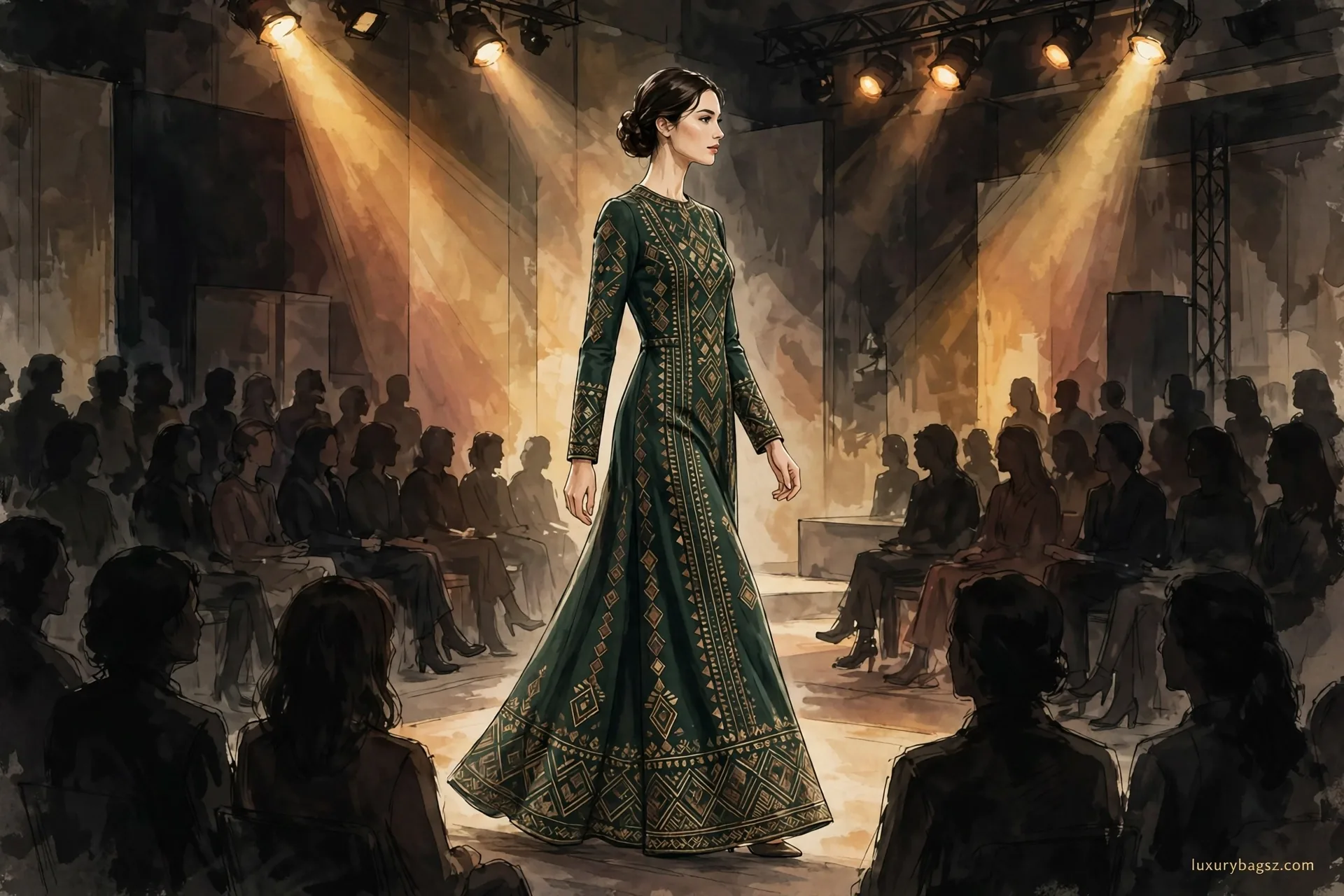
Any honest guide starts in Lebanon. Elie Saab, born in Beirut, built one of the world's great couture houses on red-carpet gowns of lace, beadwork and flowing chiffon, and became the first Lebanese designer admitted to the Chambre Syndicale de la Haute Couture's official calendar. Zuhair Murad, also Lebanese, built a parallel empire on embellished, glamorous evening gowns worn by royalty and celebrities. Together they proved that a Middle Eastern couturier could compete at the highest level of Paris fashion.
Around them grew a second generation of Lebanese talent. Georges Hobeika is known for gowns that shimmer with Mediterranean light. Rabih Kayrouz bridges Parisian minimalism with Beirut charm in architectural ready-to-wear. Hussein Bazaza layers mythology and storytelling into couture. Azzi and Osta, a Lebanese duo, blend vintage nostalgia with futuristic tailoring. Reem Acra, Lebanese-born and New York-based, built a bridal business on gowns that treat a wedding as a ritual.
The lesson of the pioneers is craft first. Their ateliers kept hand embroidery, draping and beading alive, and that craft base is what younger designers across the region now draw on. A shopper who understands that lineage will recognise why a well-made regional gown costs what it does, and why a cheap copy with glued-on beads is not the same thing.
The New Wave: Modest Wear, Reimagined
The most original part of the current rise is the reinvention of modest and heritage garments. The abaya, once a simple black cloak, now comes in cuts, colours and fabrics that range from minimalist to boldly printed. The kaftan has moved from home and holiday wear to evening and resort fashion. The thobe and bisht inspire menswear and unisex tailoring that reads as both traditional and contemporary.
Labels to know here include Bouguessa, known for sleek, modern abayas in clean silhouettes and innovative materials, and Reemami, the UAE label of Reema Al Banna, known for playful, artistic garments with personality. Hindamme, the Saudi label of Mohammed Khoja, blends Arab identity with futuristic elements, using calligraphy, digital prints and silhouettes inspired by historical garments. Kuwait's Thoub Nashmi and Lebanon's Roni Helou and Lama Jouni are among the other names repeatedly cited in round-ups of emerging Arab designers.
This wave also speaks to a wider fashion conversation. Our quiet luxury guide explains the appetite for understated, well-made pieces, and much of the new modest wave fits that mood: clean lines, good fabric, careful finishing, and no need for a logo to prove quality. Modesty, in this telling, is not a restriction. It is a design language, and a very modern one.
The Names, by Country and Craft
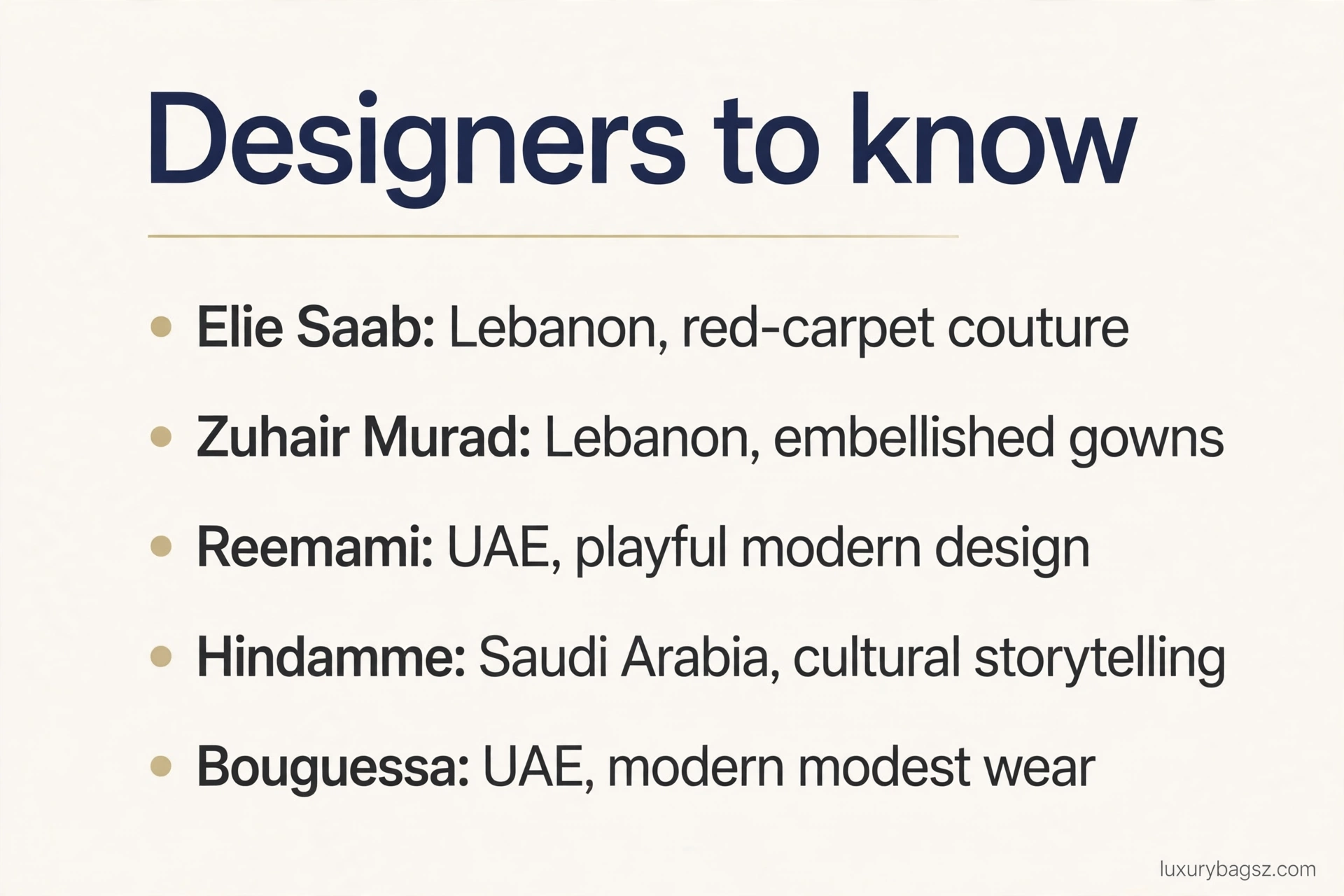
A country-by-country map helps shoppers navigate. Lebanon remains the couture capital, with Saab, Murad, Hobeika, Kayrouz, Bazaza and Azzi and Osta leading, plus bridal from Acra. The United Arab Emirates, especially Dubai, is the commercial hub, home to Reemami, Bouguessa and a growing ready-to-wear and modest wear scene. Saudi Arabia is the fastest-growing market, with Hindamme leading and new talent emerging around Riyadh's festivals and commissions.
Kuwait contributes designers such as Thoub Nashmi, while Syria's Rami Al Ali dresses royalty and red carpets with precise drape and detail. Egypt, Jordan and Morocco add their own craft traditions, from embroidery to kaftan culture, though they are less covered in English-language round-ups. Iraq's diaspora influence appears in beauty as well as fashion, most famously through Huda Kattan, the Iraqi-American founder of Huda Beauty, who gave Arab women a powerful voice in global beauty.
No list is complete, and that is part of the point. New names appear every season through the platforms in the next part. Treat any guide that claims a definitive top ten with suspicion, and use it as a starting map rather than a final ranking.
The Platforms That Built the Scene
The rise was not accidental. It was built by institutions that gave young designers structure. The Starch Foundation, created in Beirut in 2008 by Rabih Kayrouz and Tala Hajjar, mentors graduates and helps them build collections and press kits. Dubai Design Week, launched in 2015, with its Downtown Design fair from 2013, turned Dubai into a regional hub for installations, open studios and trade connections. Fashion Trust Arabia, founded in Doha in 2018, offers grants, mentorship and showroom access in Europe. The Saudi Design Festival, first held in Riyadh in 2022, adds a fast-growing market for fashion, product and interior design.
Social media did the rest. Instagram, TikTok and Snapchat became digital runways, and regional influencers and fashion bloggers amplified local labels to global audiences. That discovery route is a strength and a risk. It lets a small label reach buyers directly, but it also lets copycats impersonate labels quickly, which is why official channels matter so much when buying.
Sustainability is also part of the new story. Many younger regional designers work with local craft, small runs and made-to-order production, which reduces waste compared with mass fast fashion. Our sustainable materials guide explains the fibres and certifications to look for, and the same questions apply here: ask what a fabric is, where it was made, and how a piece was produced.
How to Discover and Follow Regional Designers
Start with the platforms, not with random shopping. Follow Fashion Trust Arabia's winners and finalists, Starch Foundation showcases, Dubai Design Week participants and Saudi Design Festival exhibitors. Those lists are curated, which filters out much of the noise. Then follow the designers themselves on Instagram, where most regional labels announce drops, trunk shows and stockists first.
Next, learn the shopping routes. Many regional labels sell through their own websites, through Gulf department stores, and through international stockists that carry modest and occasion wear. Some sell mainly made-to-order, which means waiting weeks rather than days. Others run seasonal drops that sell out fast. Signing up for a label's own mailing list beats relying on a marketplace listing, which may be old, copied or mislabelled.
Finally, use fashion weeks and fairs as calendars. Dubai, Riyadh and Beirut events now anchor the regional calendar, and Paris couture week still matters for the Lebanese couturiers. Marking those dates helps you catch new collections when they launch, rather than discovering them after they sell out.
Shopping Checks: Sizes, Timing, and Fakes
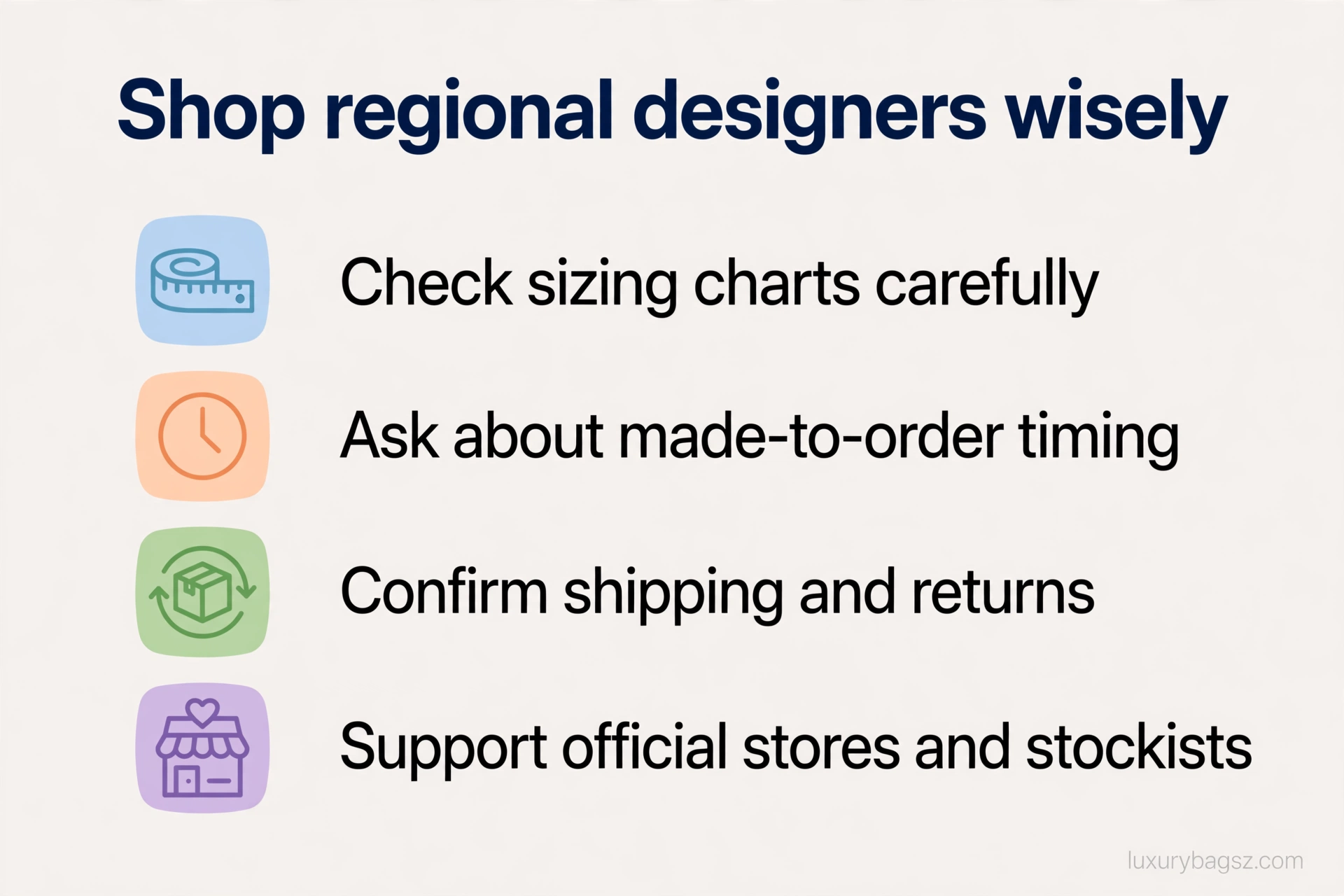
Shopping regional designers well takes a few extra checks. Sizing is the first. Regional labels use varied size charts, and modest cuts fit differently from Western ready-to-wear, so always compare your measurements with the label's own chart rather than assuming your usual size. Ask about the fit of a specific piece if the chart is unclear, especially for abayas, kaftans and occasion gowns.
Timing is the second. Couture and made-to-order pieces can take weeks or months, and wedding or occasion deadlines need a buffer. Confirm the delivery date in writing before paying a deposit, and check what happens if a fitting is needed. Shipping and returns are the third check: confirm duties, delivery times and return rules for your country before ordering, because returning a made-to-order gown is rarely simple.
Fakes are the fourth. Popular regional labels are copied, and marketplace listings with stolen photos are common. Buy from official stores, listed stockists or the designer's own site, and be wary of deep discounts on current-season pieces. Our unique clothing guide offers wider tips for finding genuine vintage and secondhand gems, and our designer clothing care guide covers storage and professional care once a piece arrives. Embroidered and beaded pieces need particular care: store them flat or on padded hangers, keep them out of damp, and clean them professionally rather than at home.
Where the Rise Goes Next
The next chapter is already visible. Saudi Arabia's investment in culture and design is creating new commissions, stores and festivals. Dubai remains the commercial gateway. Lebanese couture continues to anchor the high end, while younger labels push into streetwear, jewellery and sustainable production. The diaspora, from London to New York, keeps the conversation global.
The challenge is the same one every rising scene faces: turning attention into lasting businesses. Distribution, funding and production capacity matter more than creativity now, and the platforms that help with those unglamorous problems will decide which labels survive. For shoppers, that means supporting the real labels early, through official channels, is not just a purchase. It is a vote for the scene's future.
Frequently Asked Questions
Who are the most famous Middle Eastern designers? The most famous are Lebanese couturiers Elie Saab and Zuhair Murad, followed by Georges Hobeika, Rabih Kayrouz, Rami Al Ali and Reem Acra in couture and bridal.
What is the rise of Middle Eastern designers? It is the growth, over the past two decades, of Arab designers from Lebanon, the Gulf and the wider region into global fashion, built on couture craft, modest wear reinvention, new platforms and social media reach.
Which new Middle Eastern designers should I watch? Watch Reemami, Hindamme, Bouguessa, Thoub Nashmi, Roni Helou and Lama Jouni, plus the winners and finalists of Fashion Trust Arabia and Starch Foundation showcases.
What is Fashion Trust Arabia? It is a Doha-based initiative founded in 2018 that gives Arab designers grants, mentorship and international showroom access.
What is Dubai Design Week? It is Dubai's annual design festival, launched in 2015, with the Downtown Design fair, that anchors the region's design calendar and trade connections.
How do I buy from Middle Eastern designers? Buy from designers' own websites, official stores and listed stockists, check size charts and made-to-order timing, and confirm shipping, duties and returns before paying.
Are Middle Eastern designers only about modest fashion? No. Modest wear is a major strength, but the region also produces couture, bridal, ready-to-wear, menswear, jewellery and streetwear.
Why are Middle Eastern gowns so expensive? Couture gowns involve hand embroidery, beading, draping and fittings over many hours, often made to order, which explains prices that mass-produced evening wear cannot match.
How can I tell a genuine regional label from a copy? Use official channels, check the label's own stockist list, compare photos and prices, and avoid marketplace listings with stolen images or deep discounts on current pieces.
Is Middle Eastern fashion only for Middle Eastern customers? No. Its modern cuts, craft and occasion wear appeal globally, and many labels now design for international customers as well as regional ones.
Final Verdict
Middle Eastern designers are no longer a discovery for the curious few. They are a central force in global fashion, with couture masters, an inventive modest wave, and a platform network that keeps producing new names. The region's strength is its blend: heritage craft and modern silhouettes, glamour and restraint, local identity and global ambition.
Start with the pioneers if you want couture, explore the new wave if you want modern modest wear, and always buy through official channels with sizing and timing confirmed. Done that way, you are not just buying a beautiful piece. You are joining a fashion story that is still being written, and that is the most exciting kind of shopping there is.






