

Hussein Chalayan Designer Profile: The Thinker Who Turned Furniture Into Fashion
Hussein Chalayan in Brief: Fashion as an Idea, Not Just a Dress
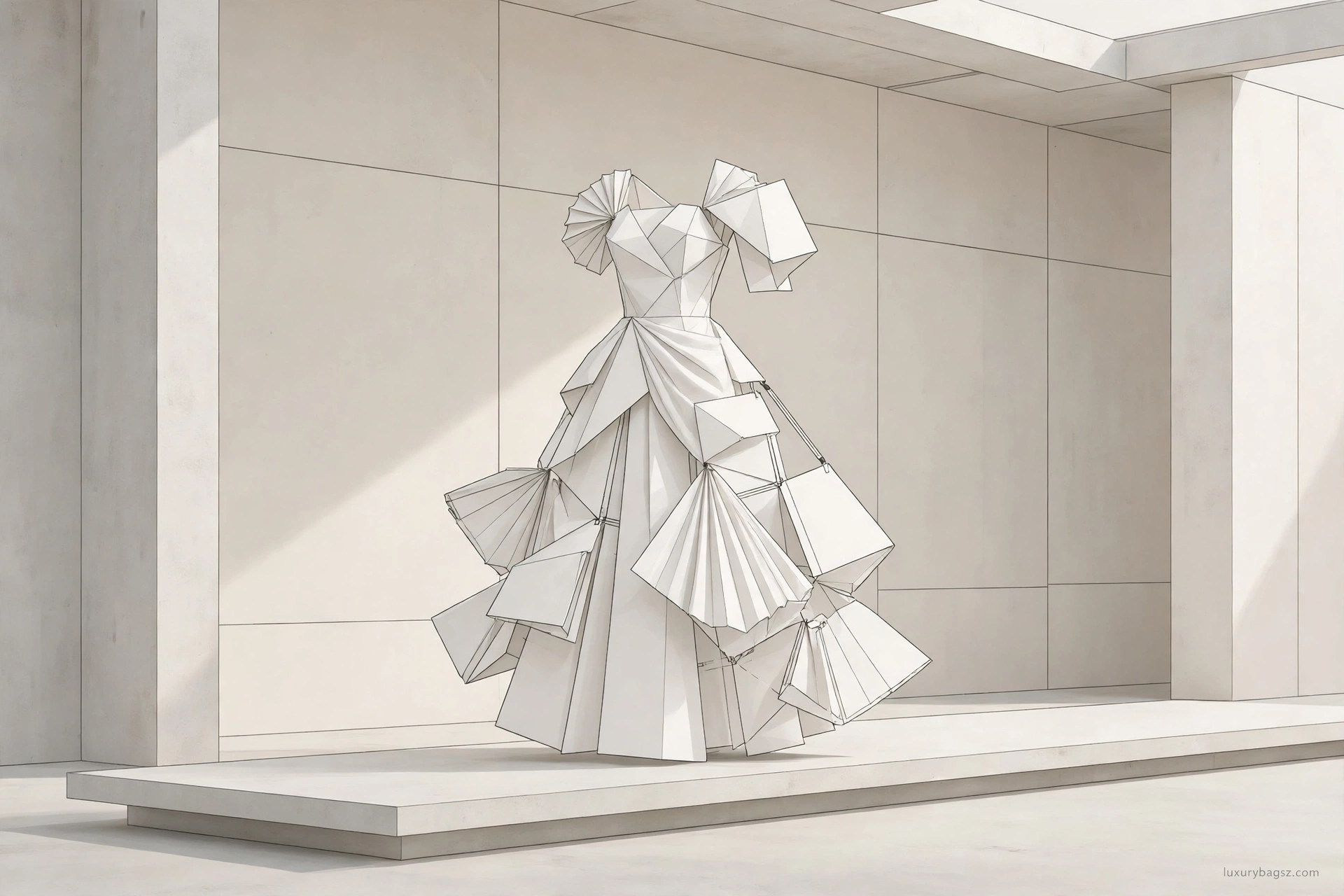
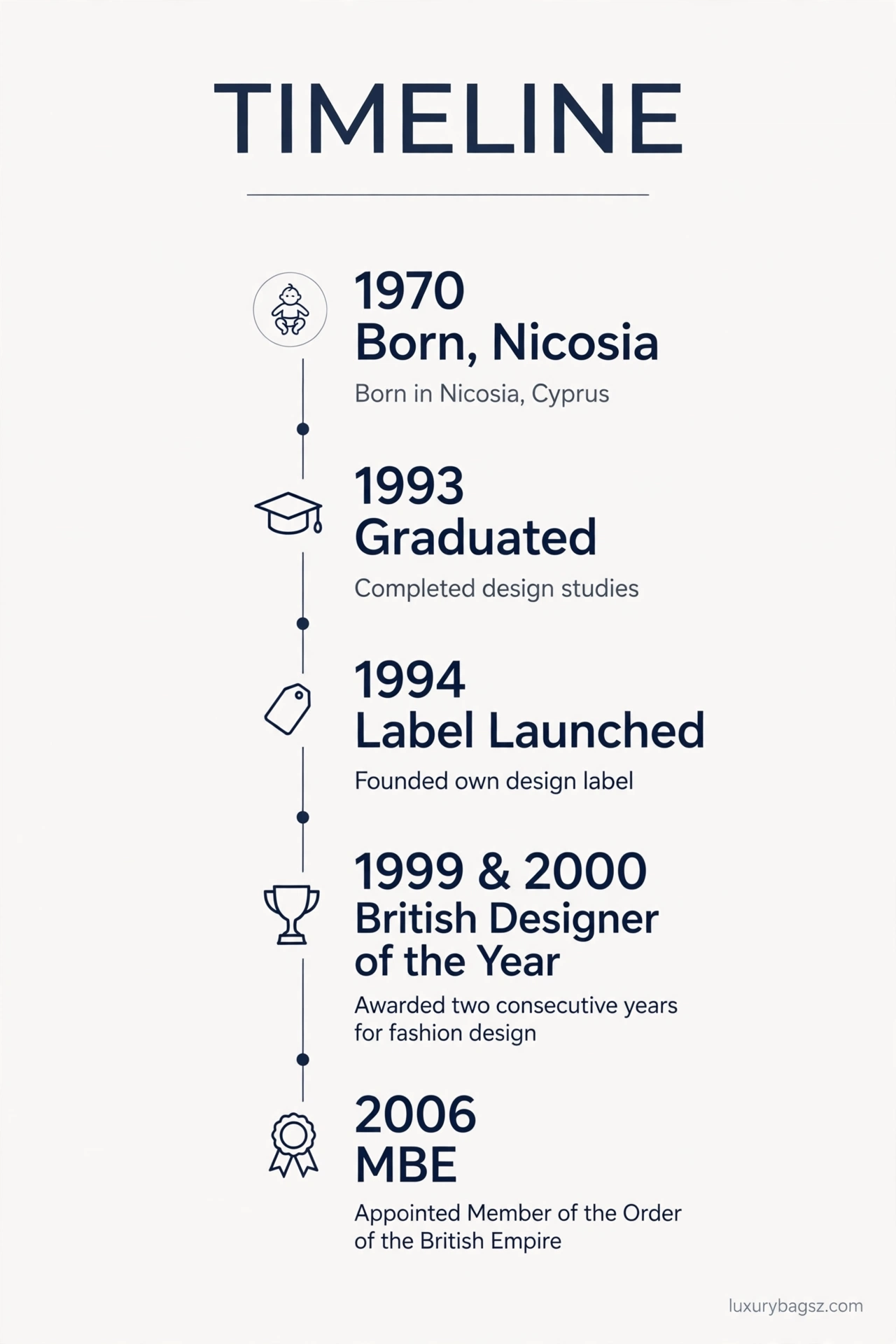
Hussein Chalayan is a British-Cypriot designer who made fashion think. Born in Nicosia in 1970, he buried his graduation dresses in a garden, turned furniture into clothes on a runway, and built dresses that transformed themselves in front of an audience. He won British Designer of the Year twice, in 1999 and 2000, and received an MBE in 2006. His work sits between fashion, art, architecture and technology, which is why museums collect it and students still study it. If you remember one thing, make it this: Chalayan never asked whether a dress looked pretty first. He asked what it meant, how it moved, and what story it carried about home, migration and modern life.
Key Takeaways
- Hussein Chalayan was born on 12 August 1970 in Nicosia, Cyprus, to Turkish Cypriot parents.
- His family moved to England in 1978, and he later studied at Central Saint Martins in London.
- His 1993 graduation collection, The Tangent Flows, featured clothes buried and then dug up before the show.
- He founded his label in 1994 and won British Designer of the Year in 1999 and 2000.
- Famous works include the Airmail Dress, the coffee-table skirt and LED and transforming dresses.
- He received an MBE in 2006 and later became a professor, teaching in Vienna and Berlin.
- His work is held by museums including the Victoria and Albert Museum and the Metropolitan Museum of Art.
A Childhood Shaped by Cyprus
Chalayan was born in Nicosia in 1970 and attended Türk Maarif Koleji in his home city. Cyprus in the 1970s was marked by political tension and ethnic conflict, and those early experiences of division, home and displacement stayed with him. In 1978, his family moved to England. He completed his schooling at Highgate School in London, then studied fashion and clothing at Warwickshire School of Arts. That move, from an island divided by conflict to a London classroom, gave him a lifelong theme: what it means to leave home, and what you carry with you when you go. It also gave him a discipline. Chalayan is known for intellectual rigour, not just visual flair. He researches ideas, draws on anthropology, architecture and science, and then translates those ideas into tailoring that still fits a real body. One small dating note: most sources give his birth date as 12 August 1970, while at least one profile lists 8 August. The 12 August date is the widely used one, and this guide follows it.
Central Saint Martins and the Buried Dresses
Chalayan graduated from Central Saint Martins in London in 1993. His graduation collection, The Tangent Flows, is now legendary, and for a reason that sounds more like art than fashion: he buried the clothes in a back garden for weeks, then dug them up just before the show. Oxidation and decay changed the fabrics, leaving them stained, fragile and strangely beautiful. The point was not damage for its own sake. It was about time, memory and the way clothes record the lives lived in them. The collection caught the eye of buyers and press at once. In 1994, he founded his own company, Cartesia Ltd, and launched his ready-to-wear label. His first collection, shown in London, was a critical success, and his name quickly became linked with London's most cerebral new fashion. For students, the lesson is clear. A strong debut does not need a large budget. It needs a clear idea, executed with conviction, and clothes that prove the idea on the body.
Furniture, Flight and the Ideas Behind the Shows
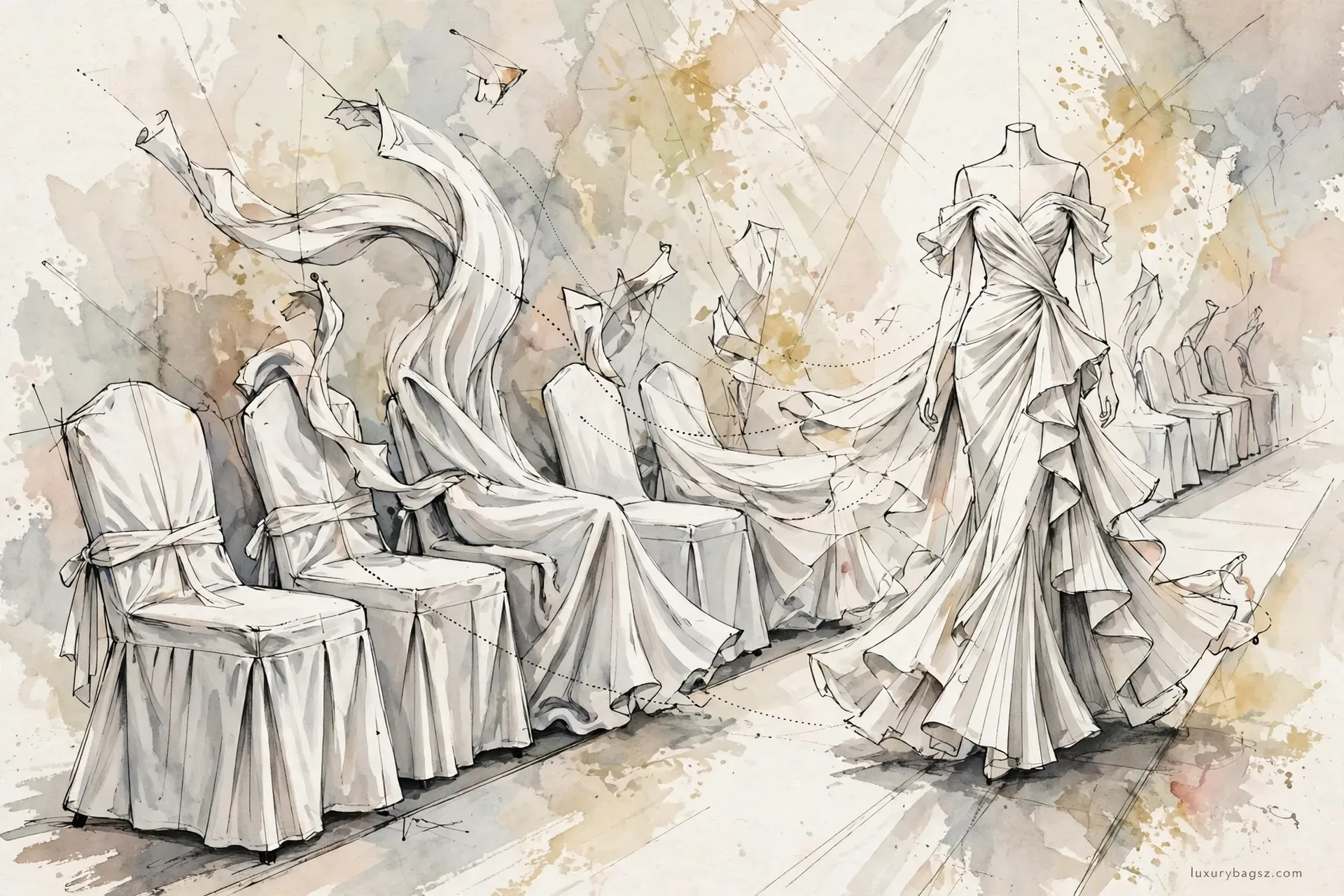
Chalayan's most famous runway moment came in February 2000, in his autumn-winter show. Models removed covers from chairs and a coffee table, and those covers became dresses, while the table itself became a skirt. The audience watched furniture turn into fashion in real time. The show was inspired by refugees forced to flee their homes, carrying what they owned on their backs. That link between a domestic object and a displaced person gave the spectacle its emotional weight. It was not a trick. It was a story about home, told in cloth and wood. Other collections explored flight paths, weather charts, speed and the aeroplane as a symbol of modern movement. In Ambimorphus, for autumn-winter 2002, a traditional dress gradually gave way to Western shapes as models walked, tracing cultural change in a single walk. For buyers who love craftsmanship, Chalayan offers a useful test. Look past the spectacle and check the tailoring: clean drapery, precise cutting and a minimalist elegance that holds up even when the idea is removed. His wearable pieces are often quieter than his show pieces, and that quiet quality is what makes them last.
Technology Dresses: LEDs, Robots and Time Travel
If the furniture show made Chalayan famous, his technology dresses made him historic. In 1999, he created the Airmail Dress, a paper dress that could be folded into an airmail envelope and posted. It summed up his interest in mobility, lightness and the postal age. Later, he built dresses with built-in LED screens, created with Swarovski and shown in Tokyo in 2008. The lights were not decoration alone. They turned the dress into a moving image, a screen worn on the body, and raised questions about how technology changes what clothes are for. His most celebrated technical work is One Hundred and Eleven, for spring-summer 2007. Five mechanical dresses transformed on the runway, travelling through 111 years of fashion history, from a high-necked Victorian gown to a 1920s flapper dress and beyond. The finale is still shared online today. These pieces were made with engineers, not only seamstresses, and they show why Chalayan matters beyond fashion week. He treated the runway as a laboratory, where a dress could test an idea about time, movement and the body.
YouTube embed: LiSY-DwXZ2E


Awards, Setbacks and Second Acts
Success brought awards quickly. Chalayan won the Absolut Fashion Award in 1995, then British Designer of the Year in 1999 and again in 2000. In 2006, he was appointed an MBE for services to fashion. The business side was harder. Despite critical praise, he faced financial strain and filed for bankruptcy in 2001, with debts widely reported at around 1.5 million dollars. That setback is important, because it shows the gap between runway fame and commercial survival, a gap many young designers still face. He rebuilt through creative direction roles, including work for TSE New York, Asprey and later Puma, where he brought his interest in technology and the body to sportswear. He also worked in film, dance and installation, designing costumes for productions at Sadler's Wells and collaborating with choreographers. Understanding how luxury goods are made helps here. A conceptual label needs ateliers, engineers, suppliers and buyers working together, and a single brilliant show does not pay those bills alone. Chalayan's career is a case study in balancing art with survival.
The Ideas That Run Through His Work
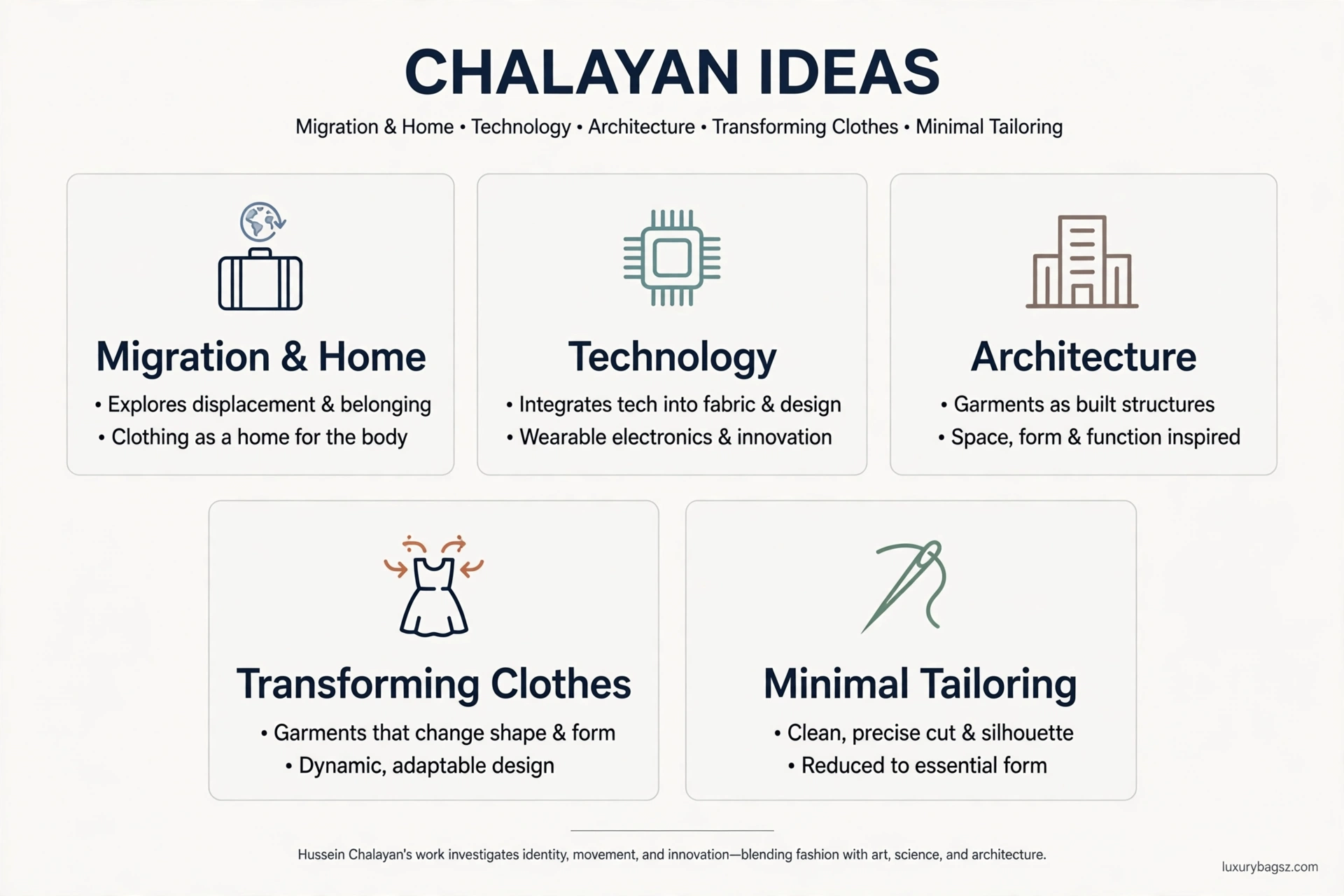
Five ideas return again and again in Chalayan's work, and they help you read any piece you meet. First, migration and home: what we carry, what we leave, and how clothes hold memory. Second, technology: how machines, light and movement change the body. Third, architecture and the body: clothes as structures, with furniture, rooms and cities as references. Fourth, cultural identity: Turkish, Cypriot, British and global influences, mixed without flattening any of them. Fifth, time: dresses that decay, transform or travel through history. His teaching carries the same ideas forward. He headed fashion at the University of Applied Arts Vienna from 2015, then became a professor at HTW Berlin in 2019, with a focus on sustainability. He also mentors young creatives through platforms such as Forecast in Berlin. For a modern reader, the most useful idea is the first one. When you choose a garment, ask what story it carries for you. A Chalayan-inspired wardrobe is not about buying a transforming dress. It is about choosing clothes with intention, and keeping the ones that mean something.
Wearing, Collecting and Caring for Chalayan
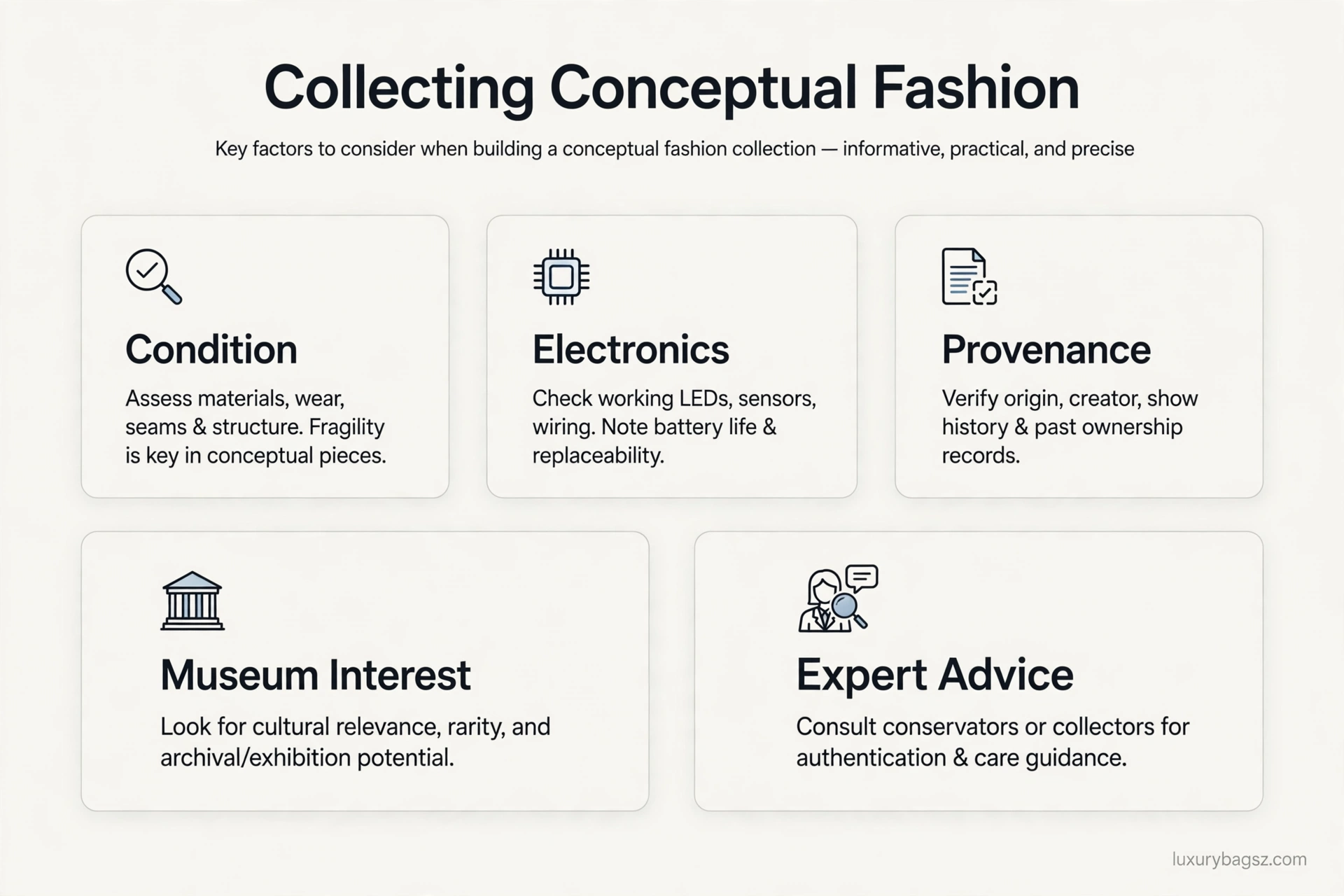
Most people will meet Chalayan through exhibitions, books and museum collections, not through a high-street shop. His ready-to-wear pieces, when they appear pre-owned, need careful handling. Check seams, linings and any electronic parts, and ask whether lights, motors or batteries still work. Do not buy a technology dress expecting it to work forever. Electronics age, batteries fail and repairs need specialists. Buy it for design, provenance and condition, and treat any working technology as a bonus, not a guarantee. For ordinary tailored pieces, care is simpler but still important. Follow the care label, store structured pieces on proper hangers, and use professional cleaning for delicate fabrics. Our guide to designer clothing care covers storage, rotation and repair habits that suit minimalist tailoring well. If you are collecting, provenance matters. Keep receipts, exhibition notes and seller records together, and photograph labels and details. A well-documented piece holds its interest far better than a striking piece with no history.
Why Students Still Study Him
Chalayan changed what a fashion show could do. Before him, many shows were displays of clothes. After him, a show could be an argument, a film, a piece of theatre or a machine. Designers who work with technology, sustainability or cultural identity today are working in a space he helped open. He also changed how fashion relates to museums. His work has been shown at the Design Museum in London, the Metropolitan Museum of Art in New York, the Musée des Arts Décoratifs in Paris and the Museum of Contemporary Art in Tokyo, among others. That museum presence proves that fashion can be both wearable and worthy of serious study. For a new designer, his career offers both inspiration and warning. Dare to have an idea, build the skills to realise it, and find the business support to survive it. Art alone does not pay the atelier, and commerce alone does not make history.
Frequently Asked Questions
1. Who is Hussein Chalayan? He is a British-Cypriot fashion designer, born in Nicosia in 1970, known for conceptual, technology-led fashion and for winning British Designer of the Year twice.
2. What was his graduation collection? The Tangent Flows, shown in 1993, featured clothes buried in a garden for weeks and dug up before the show, changed by oxidation and decay.
3. When did he found his label? He founded his company in 1994 and launched his ready-to-wear label the same year, after his Central Saint Martins graduation.
4. What is the furniture show? His autumn-winter 2000 show turned chair covers into dresses and a coffee table into a skirt, inspired by refugees forced to flee their homes.
5. What is the Airmail Dress? It is a 1999 paper dress that could be folded into an airmail envelope and posted, reflecting his interest in travel and mobility.
6. What are the transforming dresses? His One Hundred and Eleven collection for spring-summer 2007 used mechanical dresses that changed shape on the runway, travelling through 111 years of fashion.
7. What awards has Hussein Chalayan won? He won British Designer of the Year in 1999 and 2000, and was appointed an MBE in 2006 for services to fashion.
8. Did Hussein Chalayan face business problems? Yes. Despite critical success, he filed for bankruptcy in 2001, then rebuilt through creative direction, collaborations and teaching.
9. Where does Hussein Chalayan teach? He headed fashion in Vienna from 2015 and became a professor at HTW Berlin in 2019, with a focus on sustainability.
10. Where can I see his work? In museums including the Victoria and Albert Museum, the Design Museum in London, the Metropolitan Museum of Art and the Musée des Arts Décoratifs in Paris.
Final Verdict: An Idea Worn on the Body
Hussein Chalayan proves that fashion can think without losing its beauty. His buried dresses, furniture clothes and transforming gowns are not puzzles for their own sake. They are ways of asking who we are, where home is, and how technology changes us. You do not need to own a transforming dress to learn from him. Choose clothes with intention, look closely at how they are made, and keep the pieces that carry a story. That habit, more than any single show, is his lasting gift to fashion.






