

Kenzo Takada Farewell and Legacy: The Designer Who Brought Joy to Paris Fashion
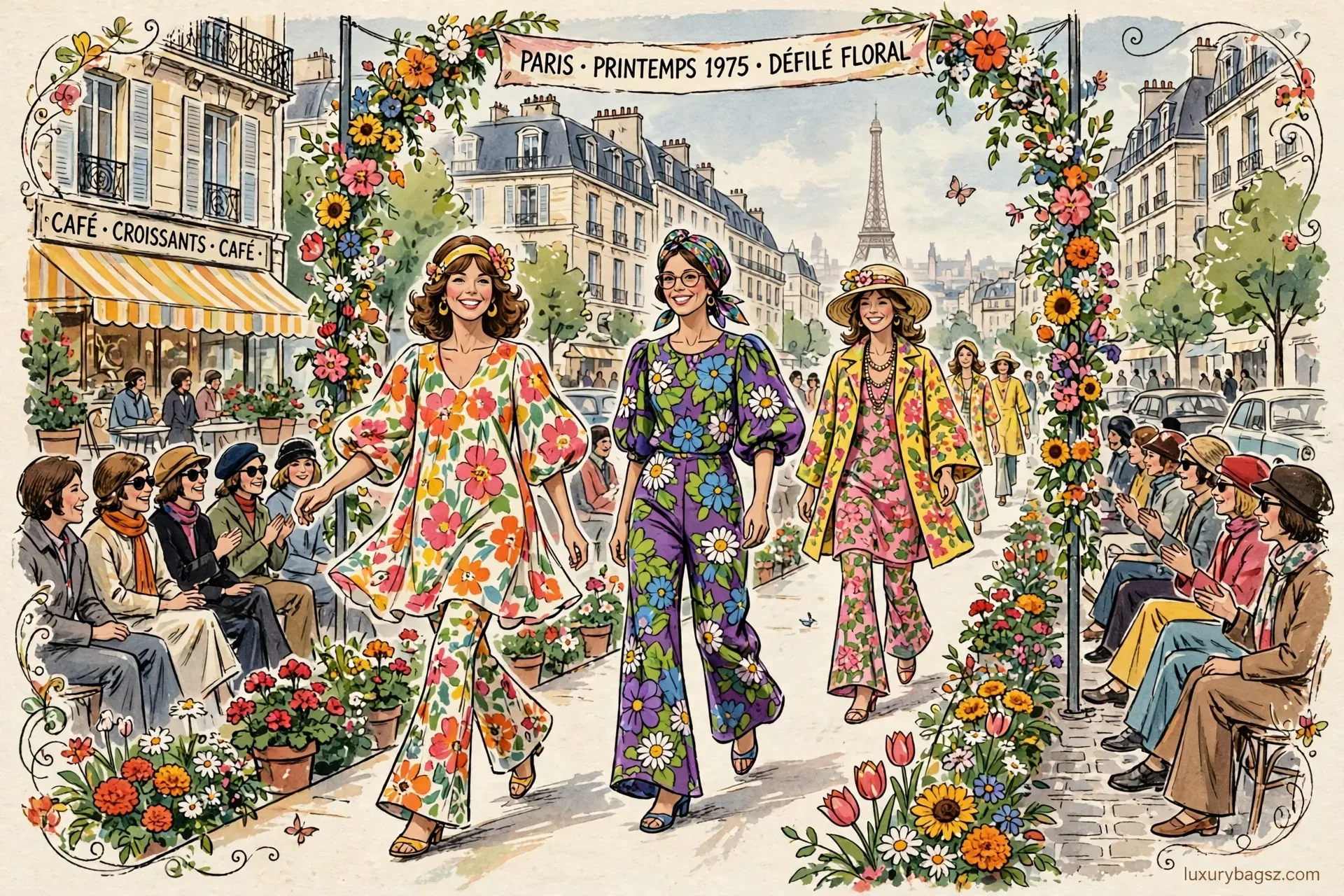
Kenzo Takada in Brief: A Farewell to Fashion's Great Optimist
Kenzo Takada, who died in Paris on 4 October 2020 aged 81, was the first Japanese designer to win real recognition in Paris ready-to-wear. He did it not with severity, but with colour, flowers, humour and clothes that looked like fun to wear. His farewell was not a single show. He stepped back from his label in 1999, then spent two decades painting, designing interiors and returning to fashion only on his own terms. The legacy he left is still easy to see: joyful prints, relaxed shapes, and a belief that Paris fashion could welcome the whole world. If you are meeting his work for the first time, start here: Takada made Japanese ease and Paris chic feel like natural partners, and he never lost the optimism that carried him from Himeji to Paris by boat in 1965.
Key Takeaways

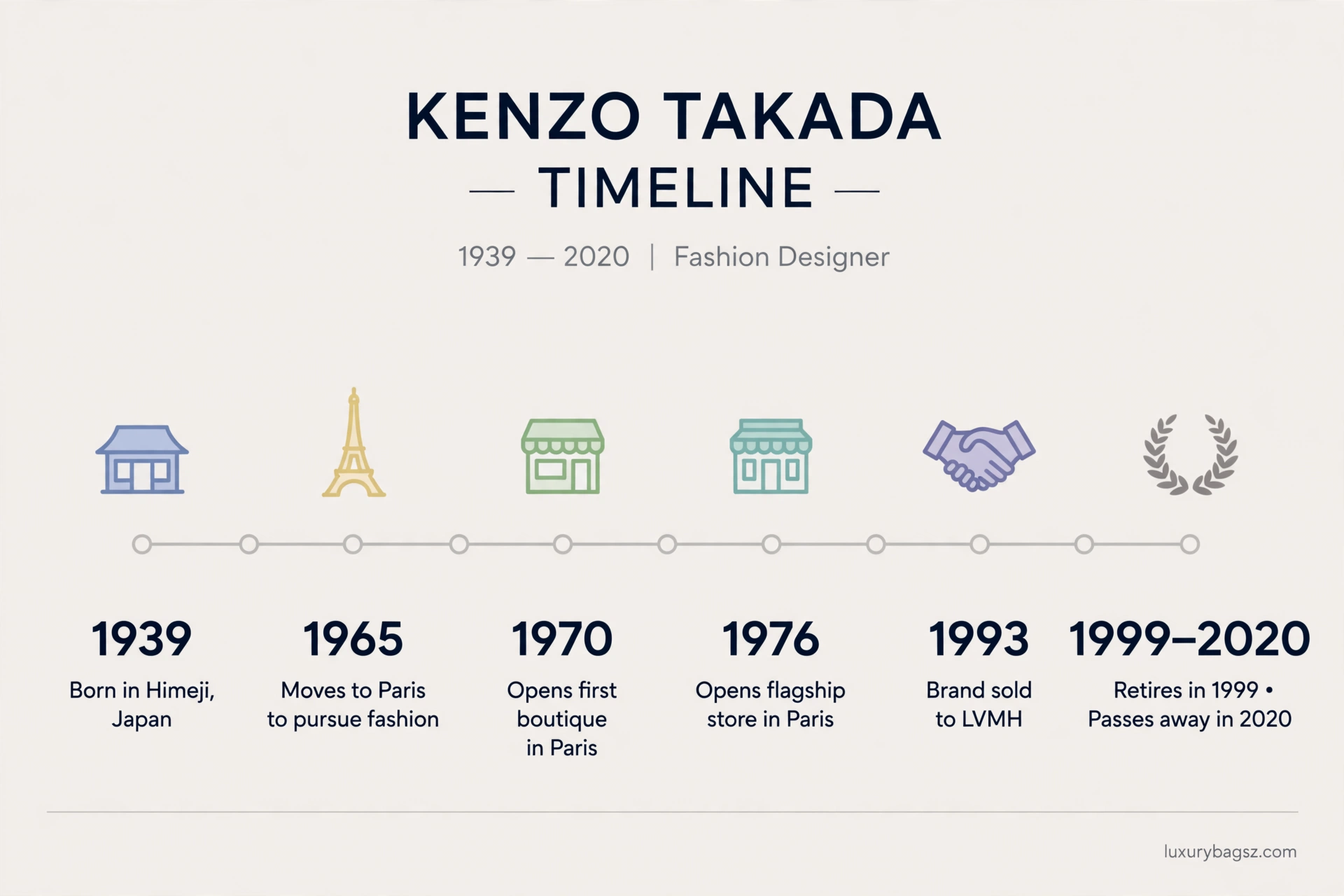
- Kenzo Takada was born on 27 February 1939 in Himeji, Japan, the fifth of seven children.
- He arrived in Paris in 1965 and opened his first boutique, Jungle Jap, in 1970.
- His early collections used affordable cotton, bold prints and relaxed, kimono-eased shapes.
- The flagship store on Place des Victoires opened in 1976 and became a Paris landmark.
- He sold Kenzo to LVMH in 1993 and retired from fashion in 1999.
- Later work included interiors, the K-3 brand, and Japan's 2004 Olympic uniforms.
- He died from Covid-19 complications in 2020 and was buried at Père-Lachaise.
From Himeji to Paris
Kenzo Takada was born into a family of hoteliers in Himeji, in Hyogo prefecture. As a boy, he watched his mother wear kimonos with great elegance, an image he later said stayed with him for life. He chose art over the family hotel trade, becoming the first male student at Tokyo's Bunka fashion college, where he won the top Soen prize. His Tokyo home was demolished to make way for work ahead of the 1964 Olympic Games. The compensation gave him the means to travel, and in 1965 he sailed to Paris, speaking little French, intending to stay for six months. He stayed for life. Early Paris years were hard. He sold sketches, worked as a freelance designer and stylist, and learned the city from the inside. For English speakers, his name is often mispronounced, so check our guide to designer names before you say Kenzo aloud in a shop. Getting the name right is a small courtesy to a designer who gave so much to fashion.
Jungle Jap and the First Collection
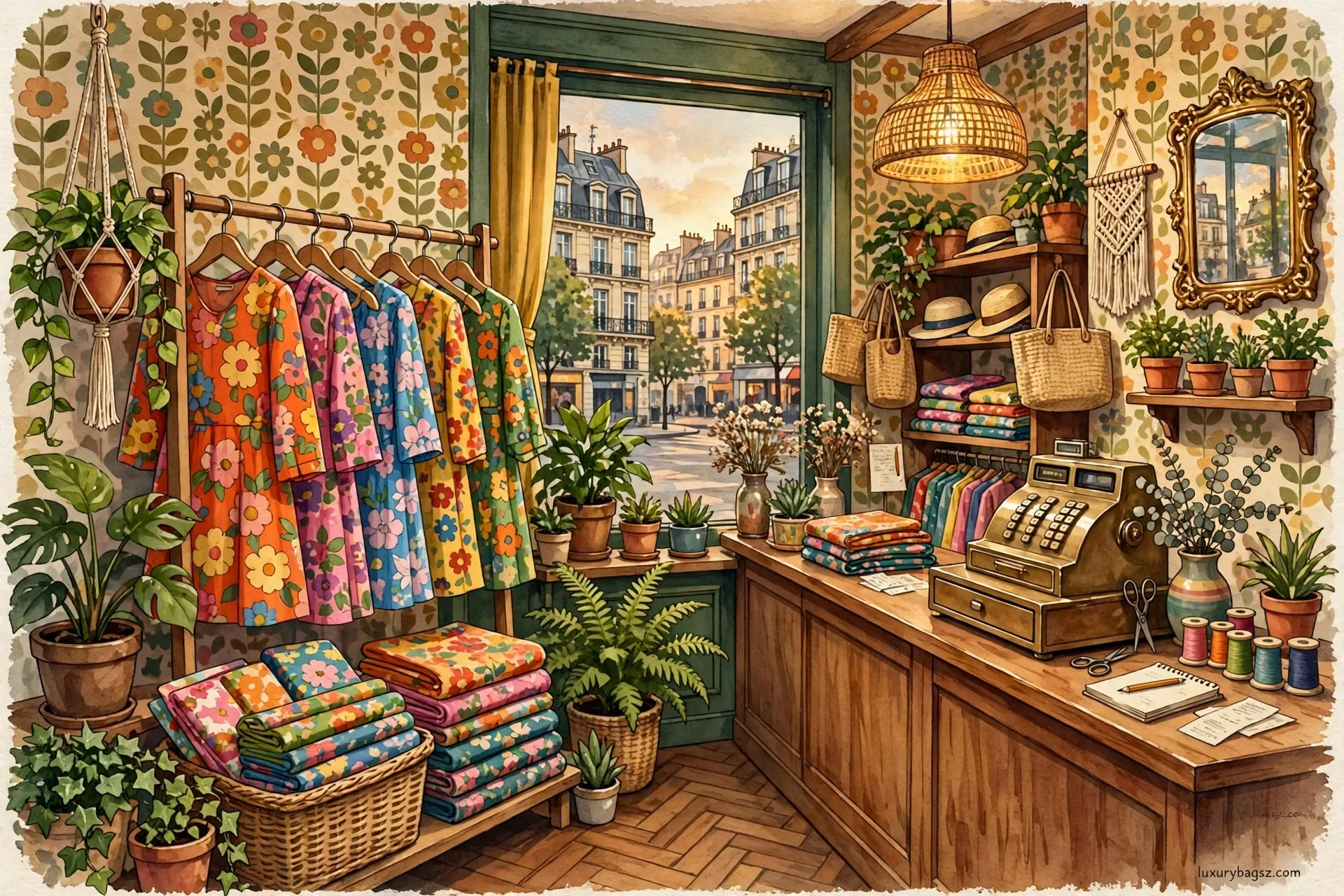
In 1970, Takada opened a small boutique in the Galerie Vivienne in Paris and called it Jungle Jap. The name, which sounds jarring today, reflected the jungle prints and bold energy of his early work. His first collection, made largely in cotton because money was short, won instant praise. Young fashion leaders loved the look at once. The clothes were colourful, loose and easy, with quilted cotton, mixed prints and shapes borrowed from folk dress and the kimono. At a time when Paris fashion could feel formal and distant, Takada offered clothes that moved, laughed and invited participation. His shows became famous for theatre. Models bounced and twirled down the runway, and in 1978 and 1979 he staged shows in a circus tent, once riding in on an elephant. That playfulness was not a gimmick. It expressed a belief that fashion should give pleasure, not only status. Within a few years, he had moved from a small boutique to a name that mattered across Paris. The press called him an idea man, and buyers learned to expect surprise from every collection.
What Made Kenzo's Style Different?
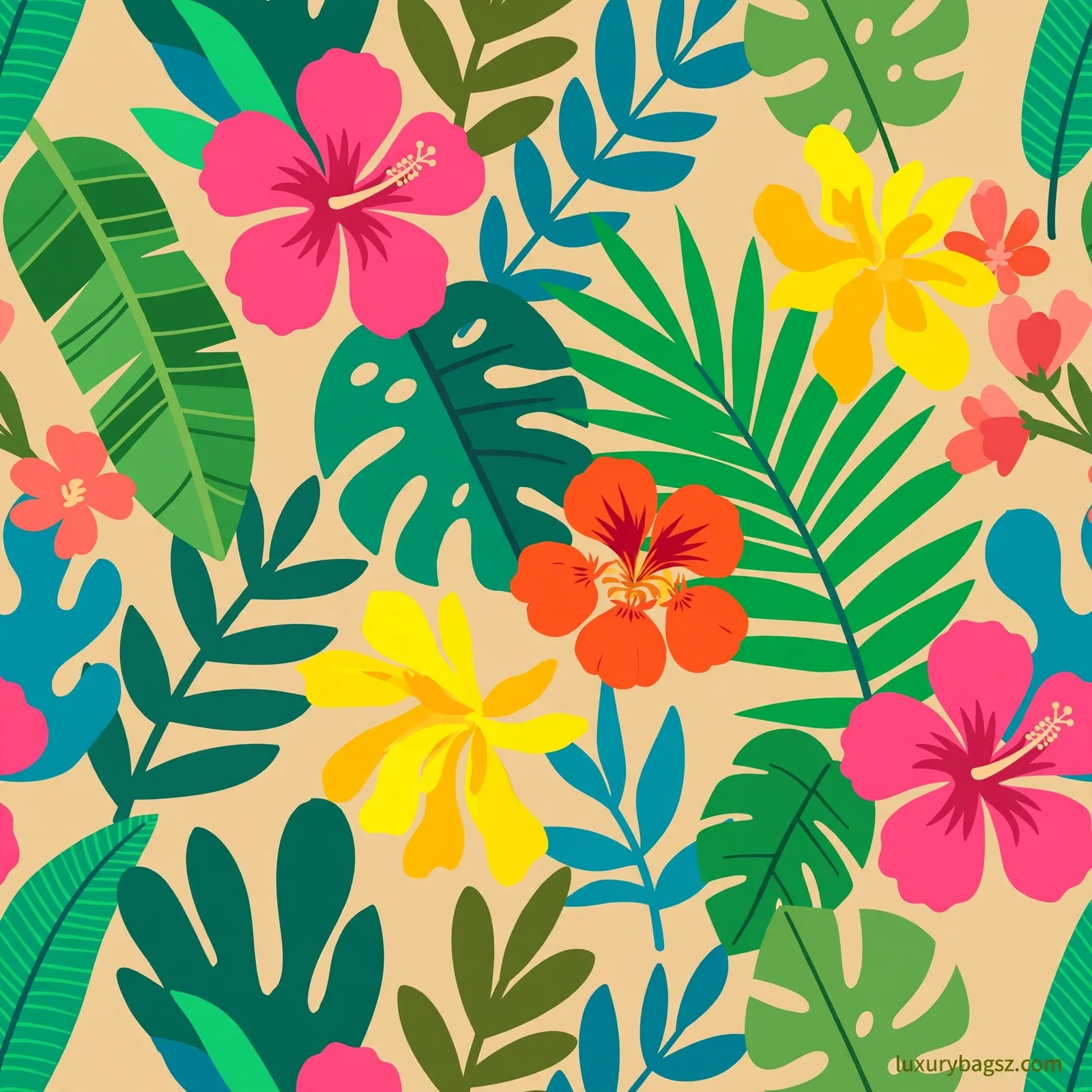
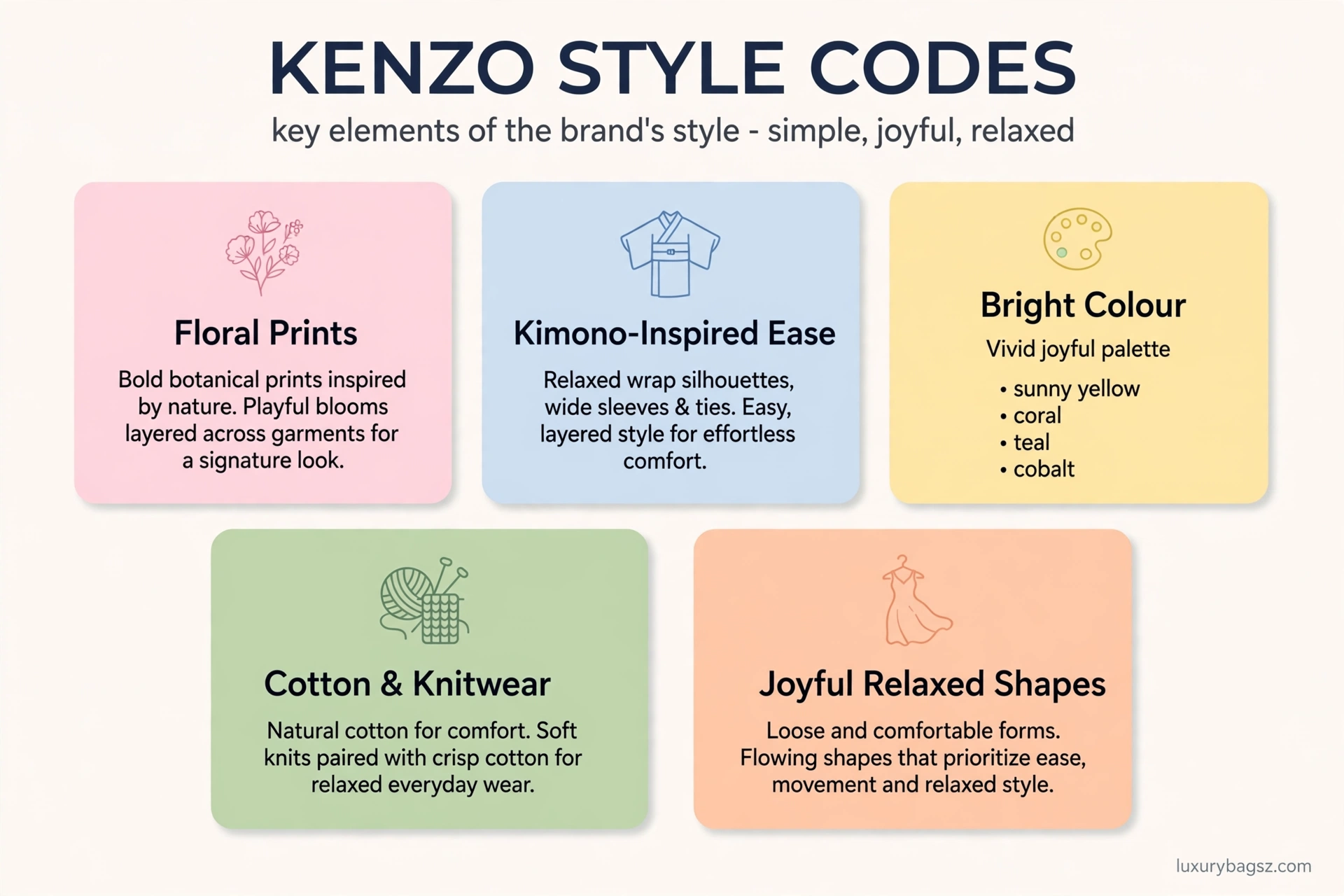
Three ideas define Takada's style, and they still help you recognise his work today. First, print: large florals, jungle leaves, folk embroidery and mixed patterns, often layered in ways that should clash but somehow sing together. Second, shape: relaxed tunics, wide sleeves, easy trousers and dresses that skim rather than squeeze. The kimono influence shows in the ease, not in literal copying. Takada fused Japanese cutting with Western tailoring, so a dress could feel both exotic and wearable in Paris, New York or Tokyo. Third, colour and nature: bright, romantic colour, inspired by flowers, travel and the painter Henri Rousseau. His muses included Jerry Hall, Grace Jones and Sayoko Yamaguchi, women whose presence matched the boldness of the clothes. Later designers learned from all three ideas. When you see joyful, mixed-print ready-to-wear today, you are often seeing Takada's influence, even when his name is not mentioned. That quiet inheritance is a large part of his legacy.
Growth, Perfume and the LVMH Sale
Success brought expansion. Takada opened his flagship store and studio on Place des Victoires in 1976, a setting that suited his jungle prints and tiger motifs perfectly. Menswear followed in 1983, then jeans lines, eyewear and accessories. Perfume became a major chapter. His first fragrance, Kenzo Kenzo, arrived in 1988, and later scents carried the same floral, joyful character as the clothes. France recognised his contribution with the Ordre des Arts et des Lettres, and Japan later honoured him with the Medal with Purple Ribbon. In 1993, two personal blows changed his life. His long-time partner died, and his business partner suffered a severe stroke. That same year, he sold Kenzo to LVMH for a widely reported sum. He stayed as creative director for a time, but the energy of running a large house had gone. The sale also marks a turning point in fashion history. Independent, designer-led labels were increasingly joining large groups, a shift traced in our history of fast fashion and the changing ready-to-wear system. Takada's story shows both the opportunity and the personal cost of that change.
Retirement and the Long Farewell
Takada retired from fashion in 1999, after his final show as creative director on 7 October that year. He described his plan, with typical lightness, as enjoying permanent holidays and painting. In truth, he never stopped creating. He designed costumes for opera, including a Stockhausen production, and directed a film, Rêve après rêve, in 1980, long before retirement. After 1999, he returned to painting and interiors with fresh energy. In 2004, Japan asked him to design its Olympic team uniforms, a proud homecoming for a designer who had left by boat four decades earlier. In 2020, shortly before his death, he launched K-3, an interiors brand with partners Jonathan Bouchet Manheim and Engelbert Honorat, and collaborated with Roche Bobois. Colour, pattern and a love of living well ran through that work exactly as they had through his clothes. His farewell, then, was gradual and creative rather than abrupt. He left fashion at the height of his reputation, kept making things he loved, and remained a beloved figure in Paris until his death.
The Death, Tributes and Burial
Kenzo Takada died on 4 October 2020 at the American Hospital in Neuilly-sur-Seine, Paris, from complications linked to Covid-19. He was 81. The news came fifty years after his first Paris collection, a symmetry that many tributes noted. Bernard Arnault, head of LVMH, praised his fresh, spontaneous spirit and his poetic lightness. The house of Kenzo called him an emblematic personality whose optimism, love of life and generosity remained its cornerstones. Designers, models and fans shared photographs and memories online within hours. He was laid to rest at Père-Lachaise cemetery in Paris, the resting place of many artists he admired. In 2021, Artcurial auctioned around 600 pieces from his private collection, including furniture, objects and paintings, giving the public a last glimpse of the colourful world he lived in. For readers, the lesson is not only biographical. Takada's death during the pandemic reminded fashion how fragile its living history is. Recording, preserving and wearing vintage pieces well is one way to keep that history alive.
Buying Vintage Kenzo Today
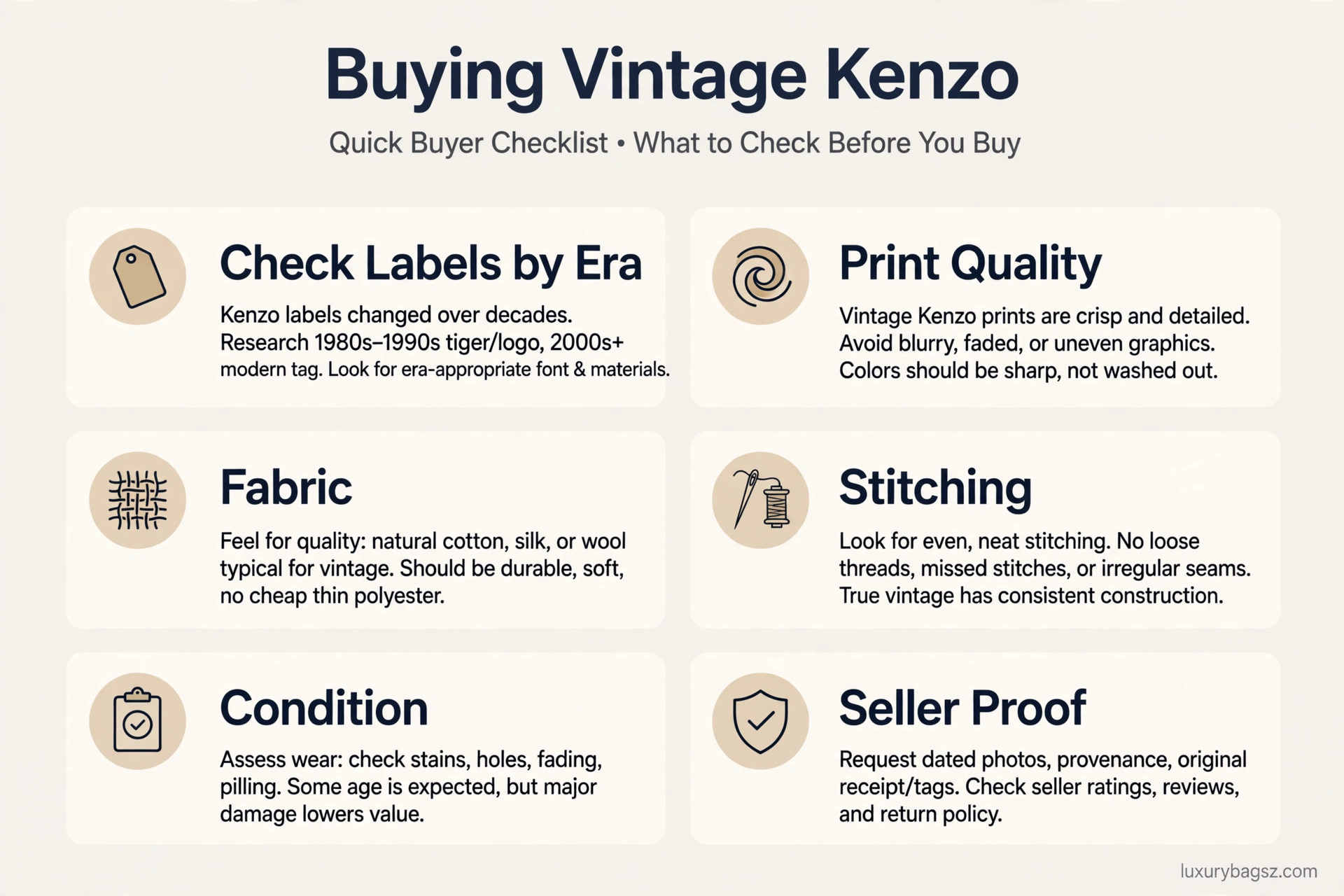
Vintage Kenzo rewards careful buying. Start with era: 1970s pieces tend to be cotton-rich, boldly printed and loosely cut, while 1980s and 1990s pieces show sharper tailoring, menswear influence and later label styles. A label alone never proves a date, so compare it with known era examples. Check print quality closely. Takada's prints should look rich and layered, not flat or pixelated. Check fabric for fading, especially on bright florals, and check seams, linings and buttons for repairs. Ask the seller for photographs in natural light, including the label, care label and any wear. Condition matters more than rarity. A vivid, well-kept 1980s dress will serve you better than a rare 1970s piece with faded colour and weak seams. Prices vary widely by era, condition and seller, so compare several listings before bidding, and never pay a premium for a story without evidence. Our guide to buying vintage clothing covers seller checks, returns and authentication habits that apply here too. For Kenzo, add one extra habit: research the collection or era first, so you know what the print and shape should look like.
Why His Legacy Still Matters
Takada opened a door that many designers walked through. He was the first Japanese designer to gain Paris recognition, paving the way for Rei Kawakubo, Yohji Yamamoto and Issey Miyake, among others. He also proved that ready-to-wear could be joyful, democratic and artistic at once. His influence shows in mixed prints, relaxed tailoring and the idea that fashion can borrow respectfully across cultures. It also shows in the Kenzo house itself, which later thrived under Humberto Leon and Carol Lim, and continues under new creative directors who return to his archive for colour and spirit. For a modern buyer, the most useful legacy is practical: choose colour with confidence, favour ease over constriction, and let a print do the talking. You do not need to dress head-to-toe in vintage Kenzo to honour him. One joyful piece, worn well, carries the idea.
Frequently Asked Questions
1. When did Kenzo Takada die? He died on 4 October 2020 in Paris, aged 81, from complications linked to Covid-19.
2. Where was Kenzo Takada born? He was born on 27 February 1939 in Himeji, Japan, in Hyogo prefecture, the fifth of seven children.
3. When did Kenzo Takada arrive in Paris? He arrived by boat in 1965, after his Tokyo home was demolished ahead of the 1964 Olympic Games. He had planned a six-month stay.
4. What was Jungle Jap? Jungle Jap was his first boutique, opened in the Galerie Vivienne in Paris in 1970. It took its name from his jungle prints and early energy.
5. When did Kenzo open on Place des Victoires? His flagship store and studio opened there in 1976, becoming a landmark for his floral and tiger motifs.
6. When did Kenzo sell his brand to LVMH? He sold Kenzo to LVMH in 1993, after the death of his partner and his business partner's stroke. He stayed as creative director until 1999.
7. When did Kenzo Takada retire? He retired from fashion in 1999, after his final show as creative director on 7 October 1999, to paint and pursue other projects.
8. What did Kenzo Takada do after retirement? He painted, designed interiors, created the K-3 brand in 2020, collaborated with Roche Bobois, and designed Japan's 2004 Olympic uniforms.
9. Where is Kenzo Takada buried? He was laid to rest at Père-Lachaise cemetery in Paris.
10. Is vintage Kenzo a good buy? It can be, if you check era labels, print quality, fading, seams and seller evidence. Condition matters more than rarity, and prices vary widely.
Conclusion: Joy as a Design Principle
Kenzo Takada's farewell was long, generous and true to his work. He arrived in Paris with little French and a suitcase of dreams, and he left a house, a language of prints, and a generation of designers who learned that fashion could be kind as well as beautiful. Wear his lesson lightly: choose colour that lifts you, shapes that let you move, and clothes that make an ordinary day feel a little more joyful. That, more than any single dress, is the legacy he left behind.






