How to Dress for Ramadan: Modest, Comfortable Outfits From Day to Iftar
The Approach First: Ramadan Dressing in Brief
Dress for Ramadan in loose, covered, breathable outfits by day — long dresses, wide trousers, tunics and light layers — then add polish for the evening, when iftar gatherings and visits turn the month social. Comfort through a fasting day and grace at a sunset table are the twin aims. There is no single uniform. Practice varies by person, family and country, so this guide offers widely used dressing customs and practical layering, not rules about faith. When you attend an event, the host's household is always your best guide.
Key Takeaways
- Daytime: loose, breathable, covered outfits that stay comfortable while fasting.
- Layering solves most problems: a shawl, cardigan or open abaya adjusts any outfit.
- Iftar dressing is polished but forgiving: flowing dresses and an easy waist.
- Natural fibres — cotton, linen, silk blends — cope best with warm Ramadan days.
- Guests at an iftar dress modestly and neatly, as a mark of respect for the occasion.
- Build a small rotation of mix-and-match pieces before the month begins.
What Ramadan Dressing Aims For
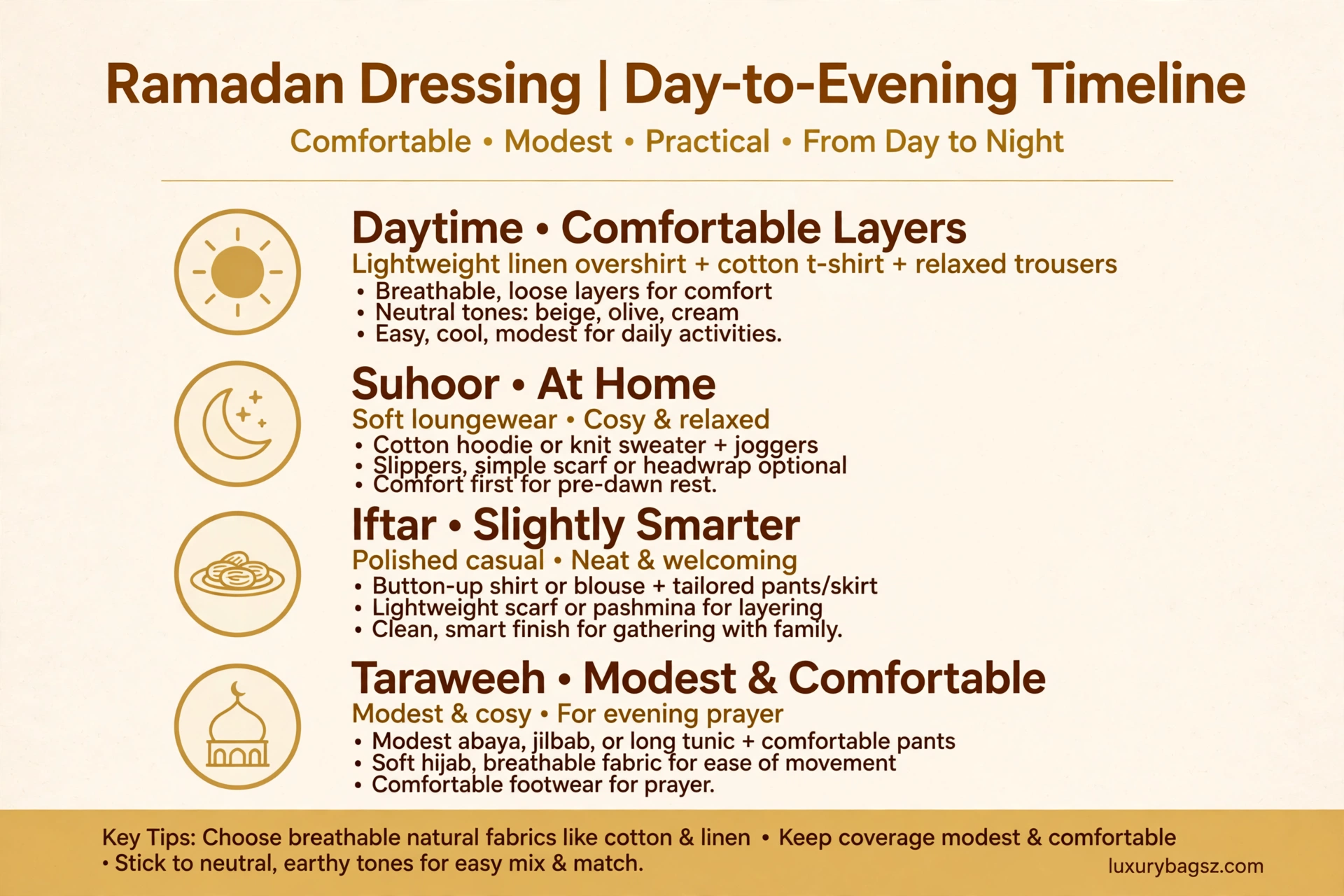
Many Muslims dress more modestly during Ramadan as part of the month's reflective spirit: looser fits, longer hemlines and sleeves, and less emphasis on display. Others keep their usual modest style and simply dress up more for evenings. The practical aims are shared either way. Clothes should stay comfortable through a long day without food or water, look respectful in prayer and family settings, and move easily into evening gatherings. Treat this as dressing for the day's shape — quiet, focused hours, then warm, crowded, generous nights — and most choices become obvious.
Build the Daytime Rotation
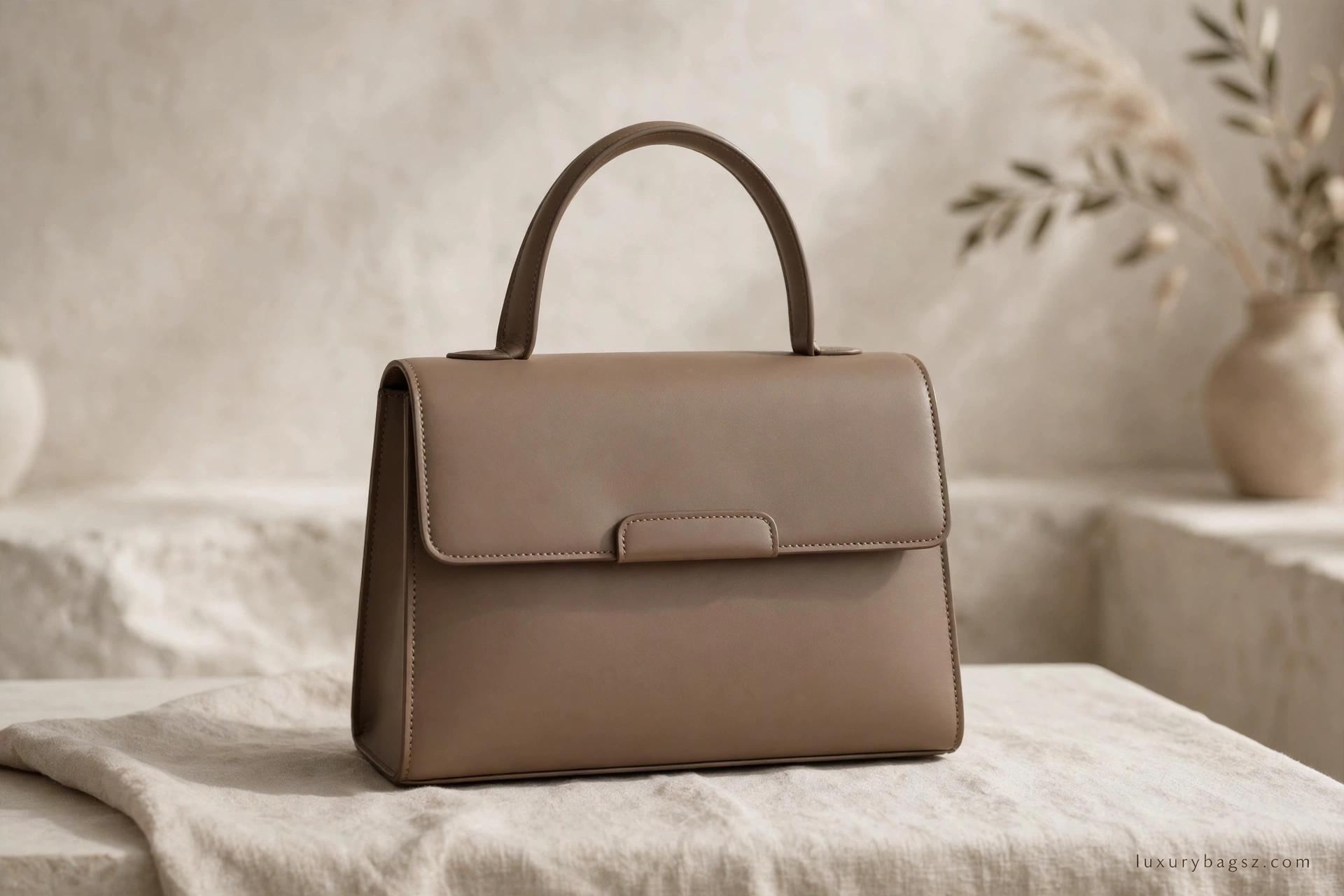
Start with three bases: a long, loose day dress, wide-leg trousers with a tunic, and a midi skirt with a long-sleeved top. In neutral and soft colours, those three mix into a fortnight of outfits. Add the layers that make them flexible: a fine cardigan, a light longline shirt worn open, and a shawl. Our season edit of Ramadan luxury fashion and gifts shows the capsule pieces shops release for exactly this rotation. Keep one smarter set aside for office iftars and formal visits, so a surprise invitation never means a shopping trip while fasting.
Fabrics That Carry a Fasting Day
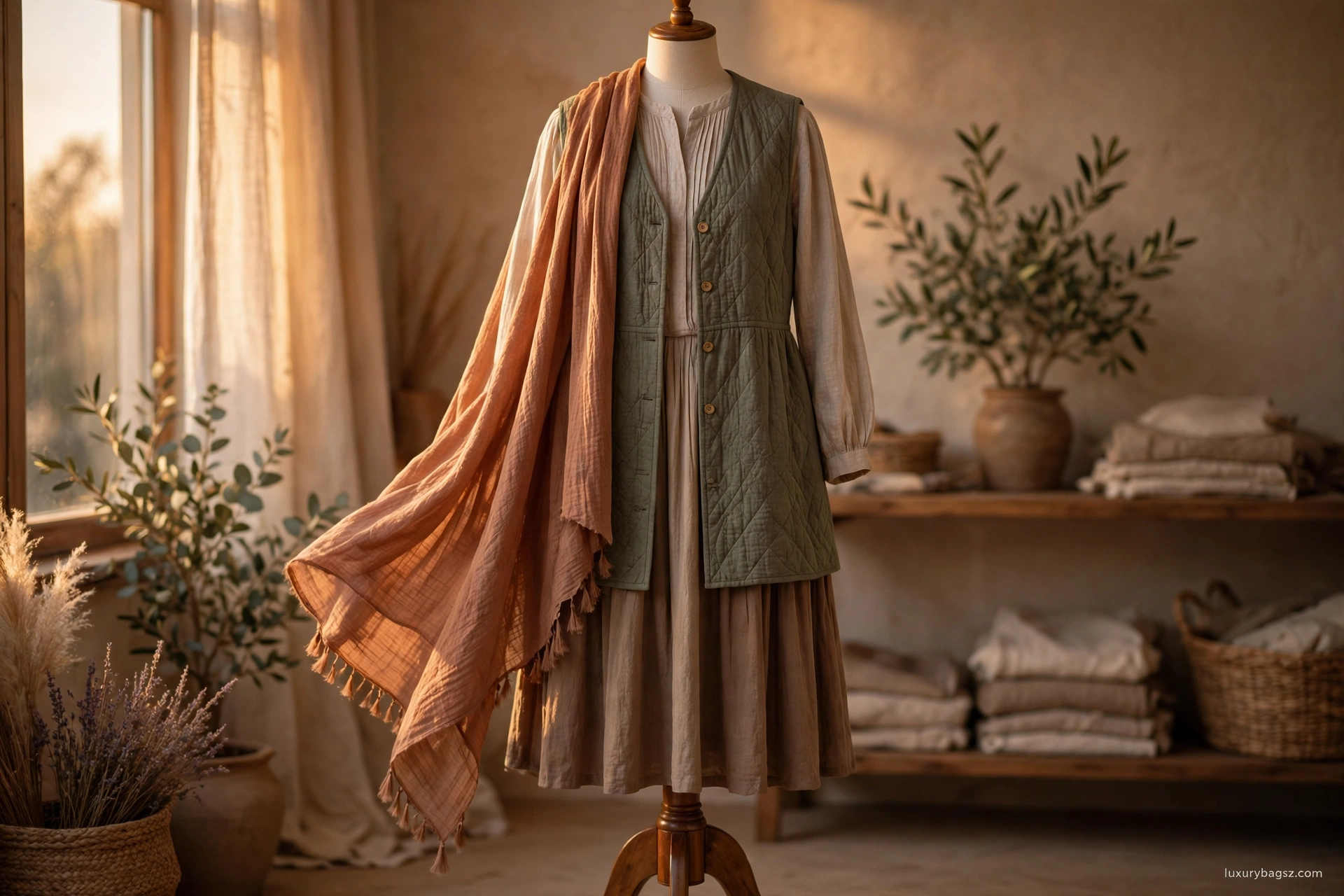
Breathability is kindness to a fasting body. Cotton, linen and silk blends let heat escape, while dense synthetics hold it in. Our guide to how to clean cotton, linen and silk covers caring for those fibres through a month of heavy rotation. The same logic guides men's choices, and the ranking in most breathable fabrics for summer applies to anyone dressing for warm days without meals to cool the afternoon. Choose cloth with some body. Very thin fabrics can turn transparent in strong daylight, which undoes the coverage you chose them for; hold a hand behind the cloth in the shop.
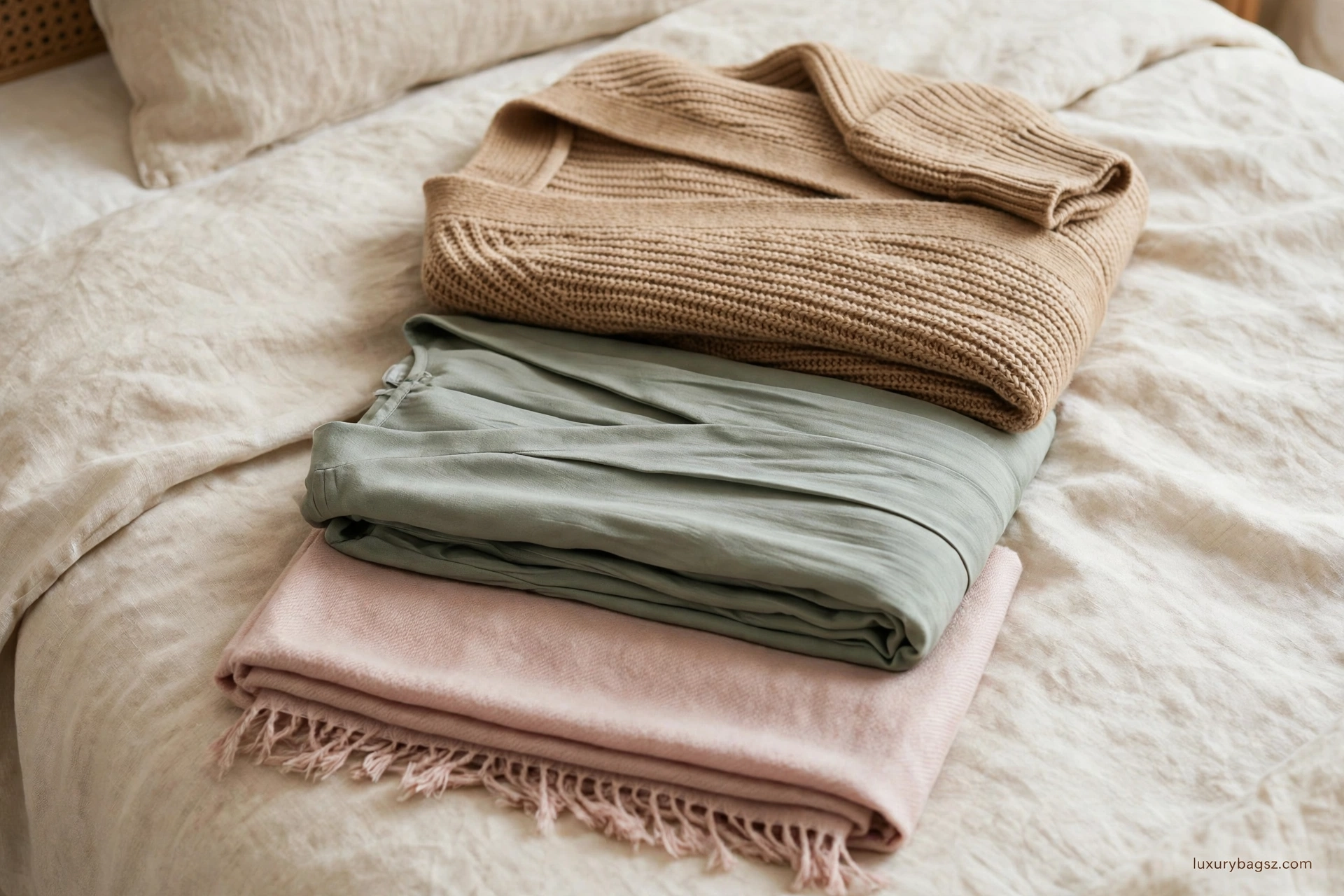
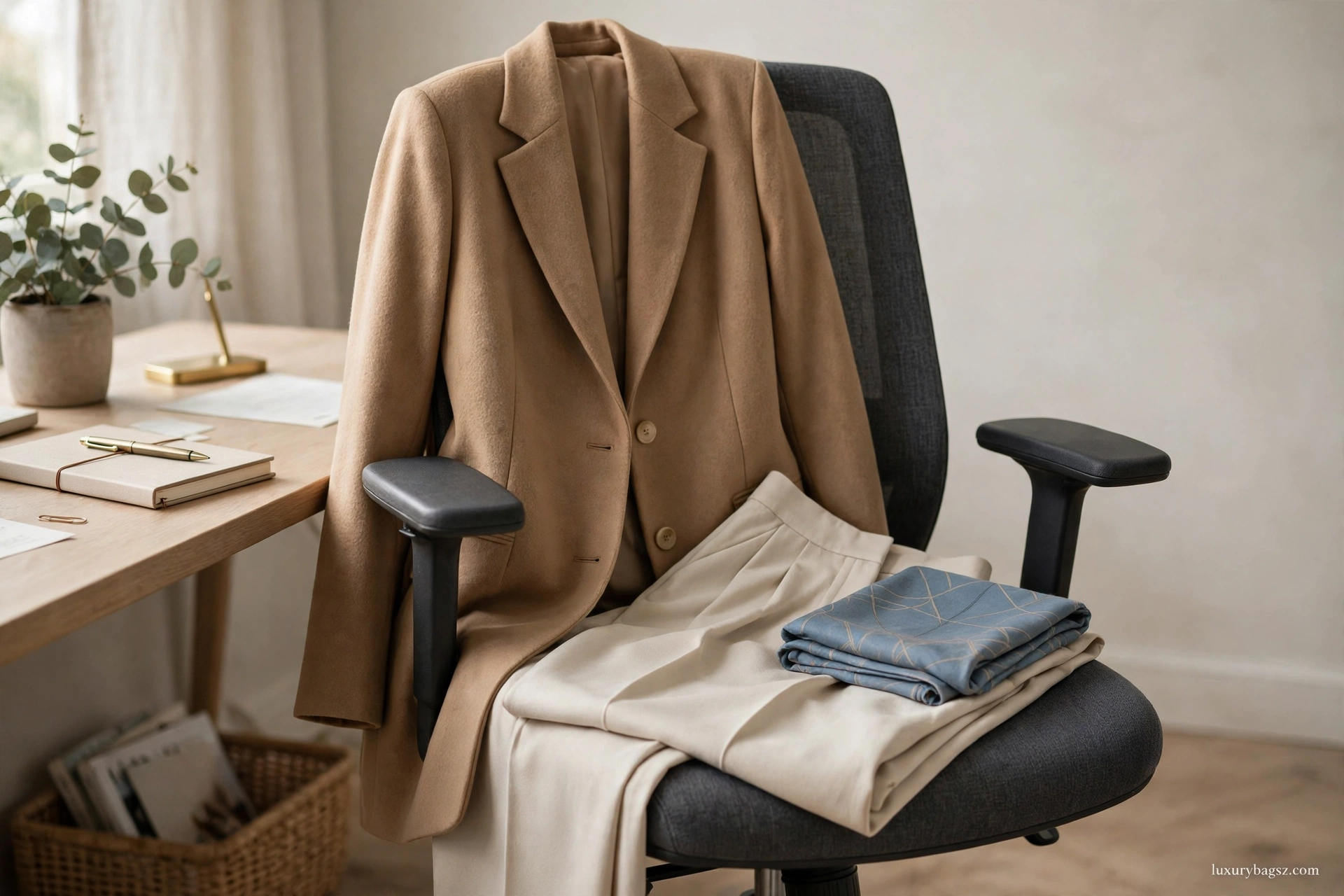
Workplaces deserve a specific note. A modest rotation that reads professional — tunics with tailored trousers, long dresses with a blazer — keeps Ramadan dressing effortless in offices with their own dress codes. Evening temperatures can drop sharply in desert climates, even in warm months. The layer that covered your arms at noon becomes the warmth you are grateful for at an outdoor iftar by nine.
Layering: The Modest Dressing Tool
Layering turns ordinary clothes Ramadan-ready. A sleeveless dress gains a fine cardigan or an open abaya; a short top gains a long tunic beneath; a scarf adds coverage and colour in seconds. Work in threes: base, coverage layer, finishing piece. That formula lets you adjust between an air-conditioned office, a hot street and a family majlis without changing outfits entirely. Keep layers light in warm climates. One breathable layer worn well beats three stifling ones worn miserably, and miserable is not modest — it is just hot.

Dressing for Iftar and Evenings
Iftar is the month's daily celebration, and guests dress for it: flowing dresses, kaftans and embellished abayas at homes and hotels alike. Our edit of Ramadan dresses covers the shapes in depth, from home kaftans to Eid-ready maxis. Mind the meal in your choices. An easy waist, a forgiving top and shoes you can slip off at a door make the evening pleasanter for everyone, yourself included. For prayers after dinner, many women add a shawl or prayer outfit kept in the car or bag. Planning that layer in advance keeps the evening unhurried.
The Abaya and Kaftan Question
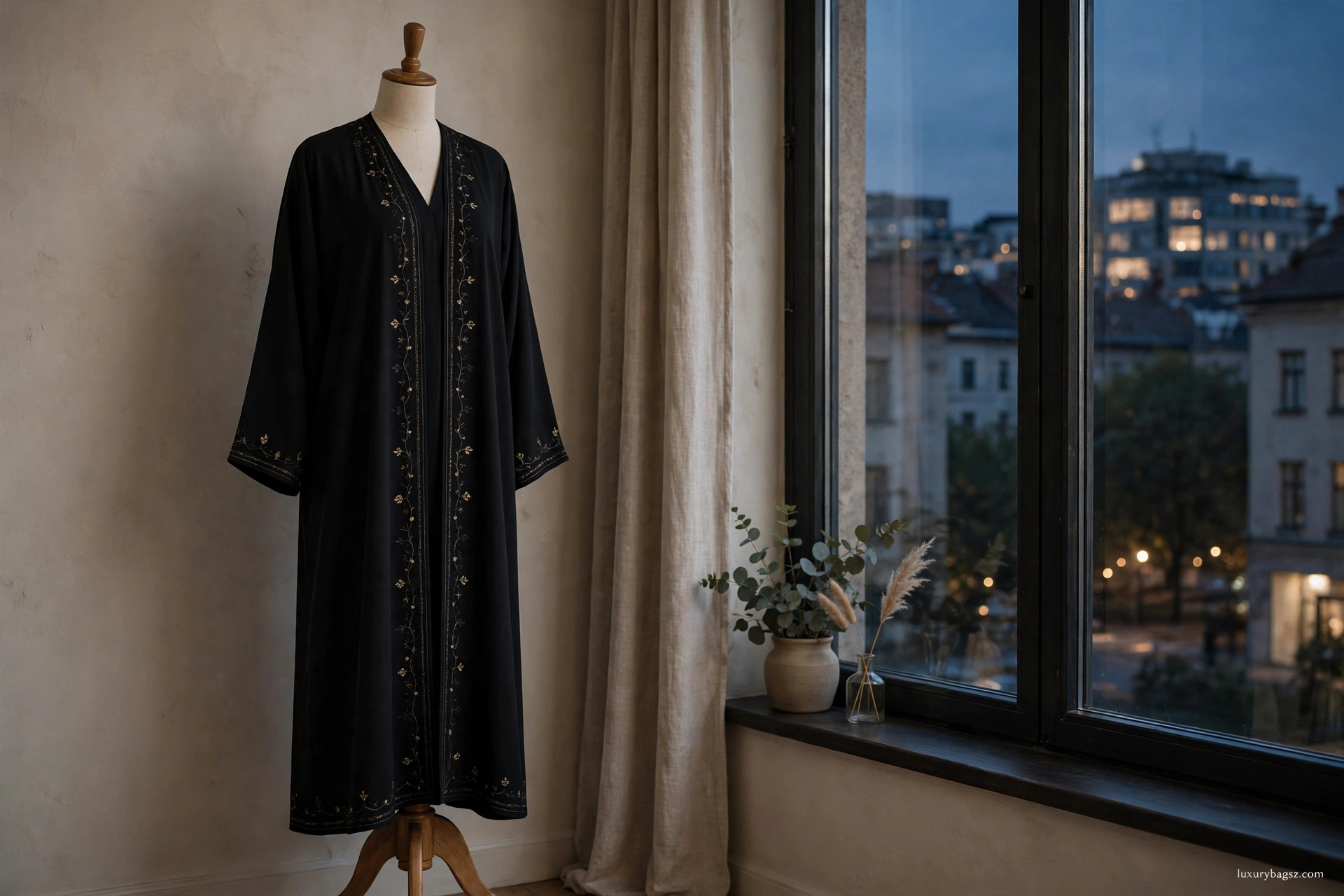
In the Gulf, the abaya is everyday dress as much as Ramadan dress: a long, loose overgarment worn over clothes, plain for the day and embellished for evenings. Visitors often wear one for mosque visits and formal settings. Kaftans serve a similar ease with more colour and embroidery, and are the classic choice for hosting at home, when you must cook, greet and sit in one outfit all evening. Neither is compulsory everywhere. They are options within a wide geography of Ramadan dressing that also includes tunics, long dresses, and traditional dress from many cultures.
Photographs deserve a sentence of their own: ask before posting pictures of a family iftar, especially of women who dress differently at home than in public settings. The courtesy costs nothing and is remembered.
A Guest's Guide to an Iftar Invitation
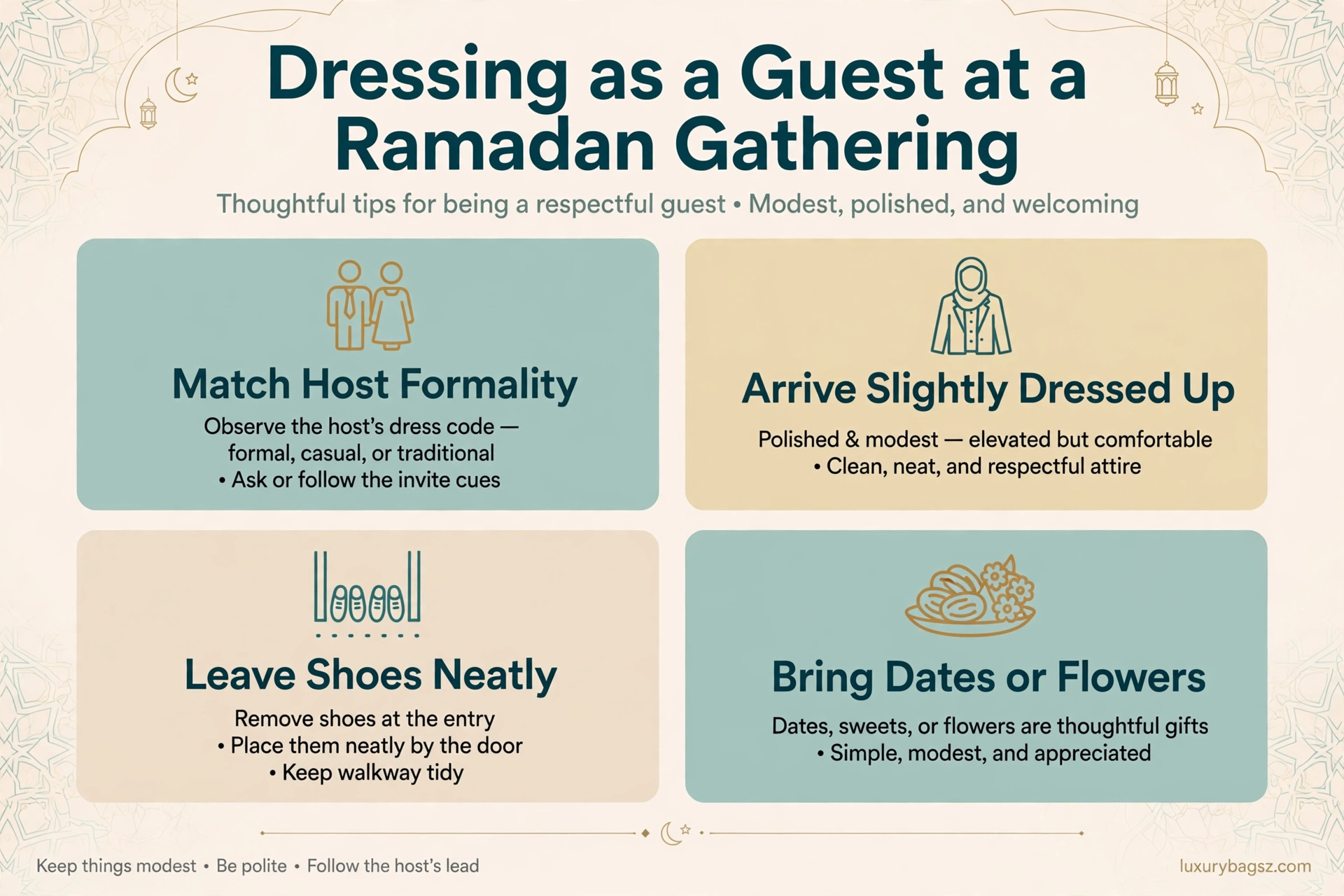
If you are not Muslim and are invited to an iftar, dress modestly and neatly: covered shoulders, a longer hemline, nothing tight or sheer. It is the clothing equivalent of arriving on time — a simple respect. Bring a small gift for the house, arrive close to sunset rather than hours early, and let your hosts set the evening's pace, since they have fasted all day. Ask questions warmly and follow the room on shoes, seating and photographs. Hosts are proud of the month and glad to explain it to a guest who dresses and behaves thoughtfully.
A Small Pre-Ramadan Wardrobe Check
Before the month, try on the rotation: three bases, two layers, one smart set, one evening dress. Wash and mend what needs it, because mid-Ramadan evenings are for people, not repairs. Stock the small things: spare scarves in the car, a travel prayer layer if you use one, and comfortable flats by the door for visits. These unglamorous items save more evenings than any new dress. Finally, plan Eid at the same time. The outfit and gifts settled early free the last ten days of the month for worship, family and rest, which is what they are for.
Frequently Asked Questions
Is there a dress code for Ramadan?
There is no single code. Many Muslims choose looser, more covered clothing during the month as part of its reflective spirit, and norms vary by country, family and personal practice. This guide describes common customs, not religious rulings.
What should I wear on a fasting day at work?
A loose long dress, or wide trousers with a tunic and a light layer. Choose breathable natural fibres, comfortable shoes, and keep a smarter layer ready if an office iftar follows the workday.
How do I make a normal outfit more modest for Ramadan?
Add a layer: a cardigan, longline shirt, shawl or open abaya over the base outfit covers arms and lengthens the line. A scarf adds coverage and takes seconds to style.
What do women wear to iftar?
Flowing dresses, kaftans and embellished abayas are the common choices, with small bags and easy shoes. Comfort matters, because the evening begins with a generous meal and continues with visits.
What should a non-Muslim guest wear to an iftar?
Modest, neat clothes: covered shoulders, longer hemlines, nothing tight or sheer. Bring a small gift for the house and arrive near sunset, and you will be dressed and timed exactly right.
Which fabrics are best during Ramadan?
Cotton, linen and silk blends, because they breathe through warm fasting days. Avoid dense synthetics and check thin cloth against the light, since sheerness defeats the coverage intended.
Do men dress differently in Ramadan?
Many men choose loose, breathable clothing too, and in the Gulf a clean white thobe is everyday and Ramadan dress alike. For guests and offices, neat, covered, comfortable clothing is the shared principle.
Is an abaya required?
No. The abaya is customary dress in much of the Gulf and common for mosque visits, but Ramadan dressing across the world includes many forms of modest clothing. Setting and personal practice decide.
How do I dress children for Ramadan events?
Comfortable, neat clothes for family gatherings, with new outfits traditionally saved for Eid morning. For evening visits, layers help, since children move between warm rooms and cool night air.
When should I prepare my Ramadan wardrobe?
A week or two before the month begins. Shops release Ramadan capsules early, sizes sell through, and a settled wardrobe leaves the month itself free for its real purposes.
Final Verdict: Comfort by Day, Grace by Night
Dress for Ramadan the way the month is lived: loose, breathable and covered through the fasting day, then flowing and polished at the sunset table. Build the small rotation early, lean on layers, and let respect — for the occasion, the setting and your hosts — make the final call.