Flat Shoes and Summer Flats: The Styles That Replace Heels
Flats That Hold Their Own: Support First, Then Style
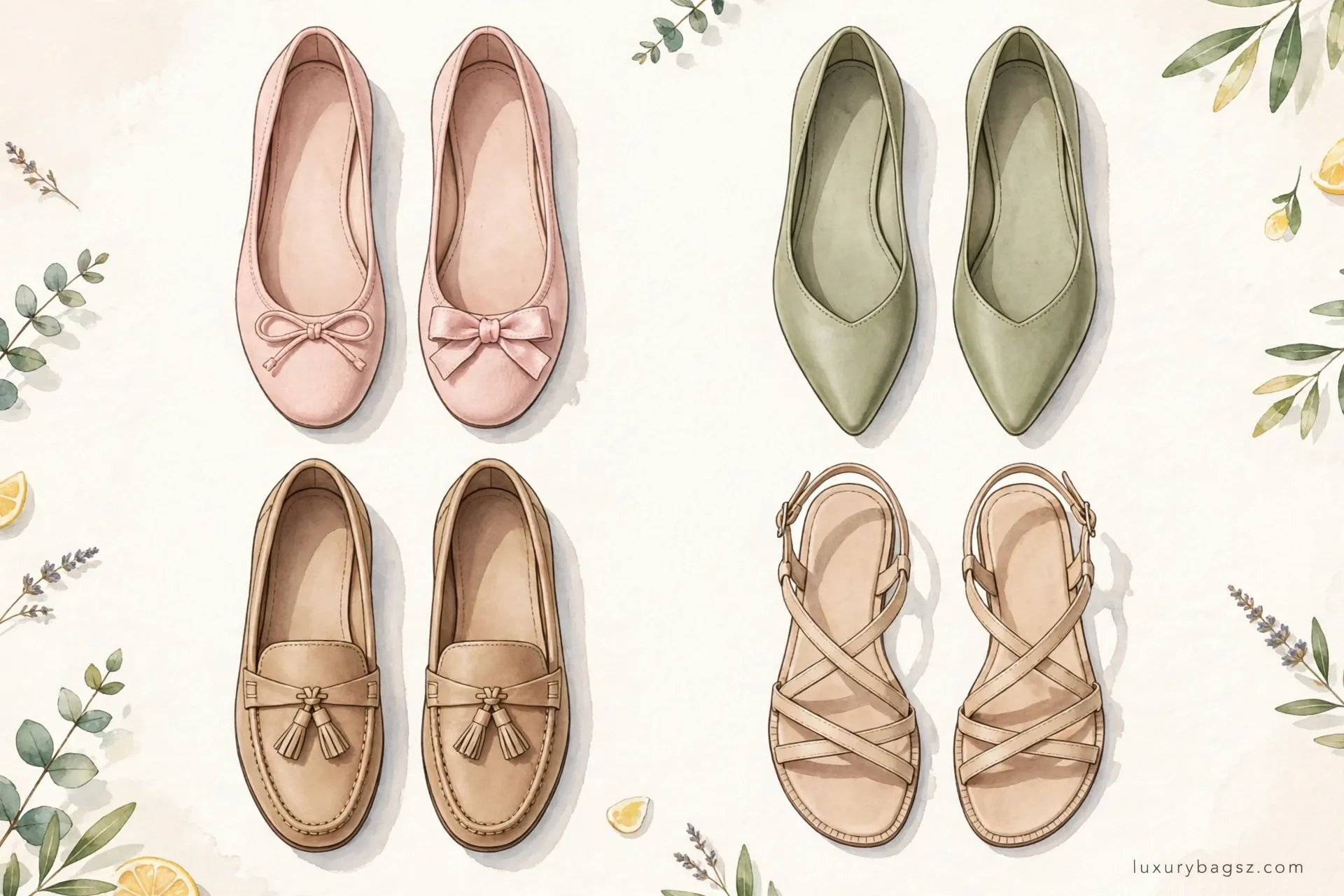
The flat shoes that genuinely replace heels are the structured ones: pointed flats with a real sole, loafers with a firm heel cup, and flat sandals with shaped, cushioned footbeds. Paper-thin ballet soles cannot do a full day, however pretty they look in the box.
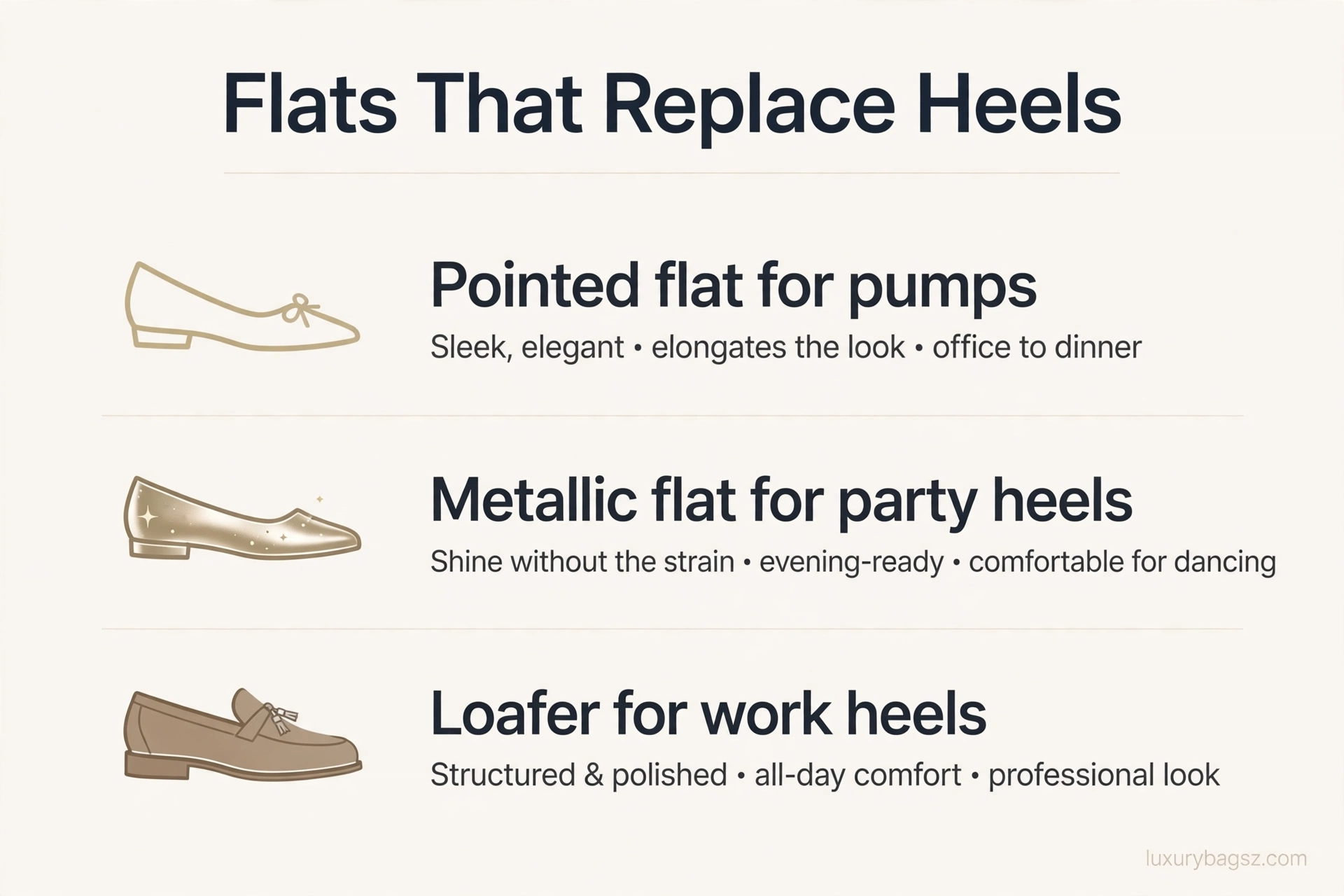
Choose the flat by the outfit it must carry, not by habit. Pointed flats stand in for pumps, loafers stand in for work shoes, and metallic flat sandals stand in for party heels on the evenings your feet vote no.
Key Takeaways
- Structure is the difference: a real sole, heel support and cushioning make flats all-day shoes.
- Pointed flats replace pumps in most outfits without changing the look.
- Loafers are the most formal flat and the safest work swap.
- Fit flats in the afternoon; feet spread more in flats across a day.
- Metallic and embellished flat sandals cover most evening dresses.
- Rotate flats and air the insoles; flats work close to the ground and pick up more wear.
Why Flats Are Winning
Designers have spent several seasons treating flats as a headline category rather than an afterthought, with pointed shapes, embellishment and proper soles. Comfort trends did the rest.
The practical case is strong: flats commute, travel, dance and do school runs without negotiation. A wardrobe built around good flats simply gets worn more.
None of this means abandoning heels. It means the default has flipped, and heels are now the special-occasion choice rather than the daily obligation.
Ballet Flats: The Icon, With Rules
The ballet flat is the flat that started it all, worn from dance studios to street style fame; its pop-culture history runs through pieces like our look at amy winehouse ballet shoes and the style's stage roots.
Wearability depends on build. The honest test in our piece on are ballet flats comfortable for walking is whether the sole bends only at the ball of the foot, not folds in the middle.
Choose versions with a small stacked heel, a cushioned insole and a heel cup that grips. Soft gathered styles suit shorter days; structured ones carry full ones.
The Heel Swap Guide
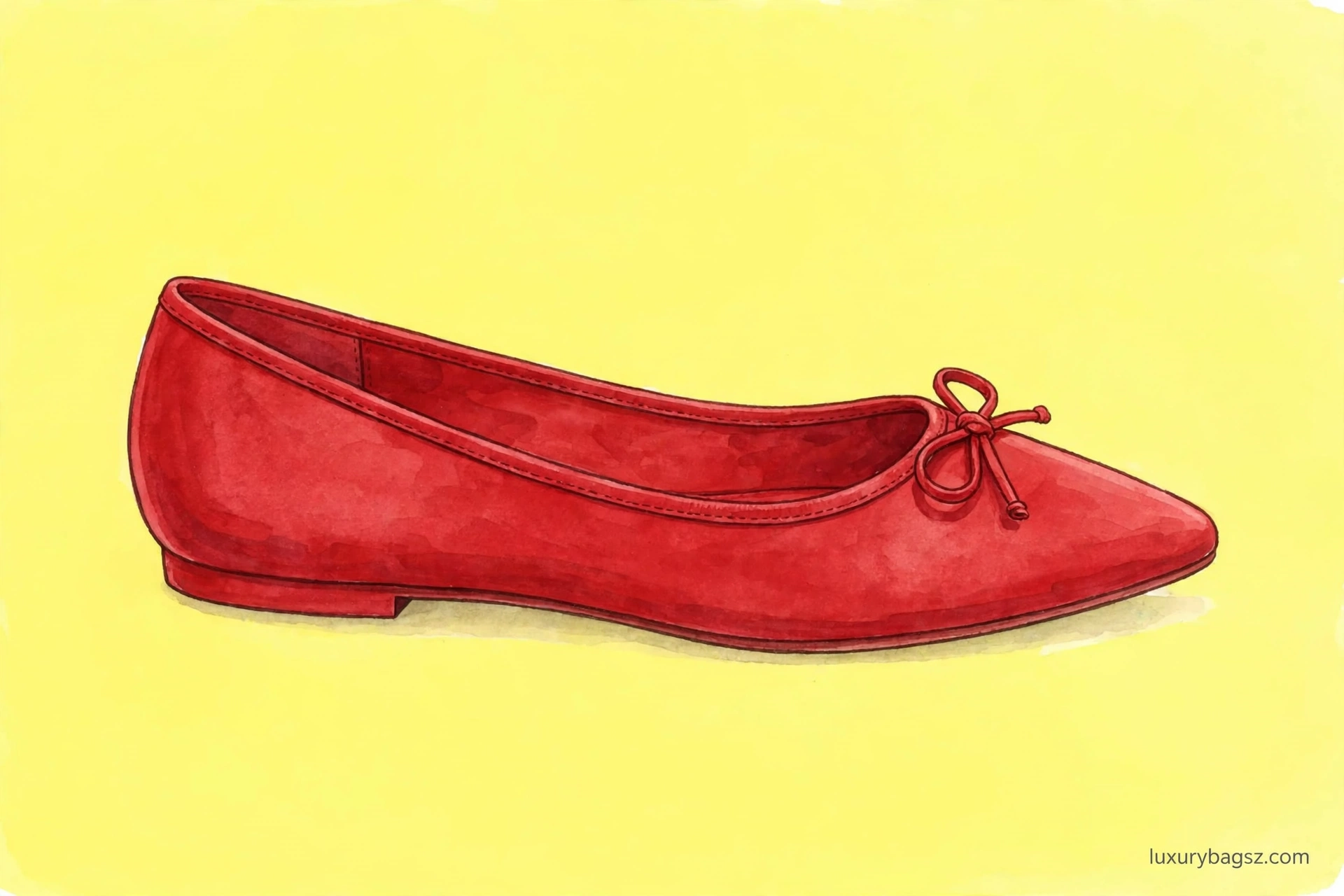
Pointed flats take over from pumps under trousers, midi skirts and dresses with almost no visual change. Keep the colour matched to the outfit's shoe plan and the swap disappears.
Loafers take over from work heels entirely; our roundup of the best women's shoes for work puts them at the centre of the working rotation for exactly this reason.
For heels you love but cannot face by evening, keep a dressed flat in the car or desk drawer. The swap at 8 p.m. rescues more nights than any other fashion habit.
Loafers and Pointed Flats
Loafers are the flat with the most range: tailoring, denim, dresses, travel. A slim leather loafer reads formal; a chunky-soled one reads current and adds walking comfort.
Pointed flats lengthen the leg like a heel does, which is why they replace pumps so successfully. Rounded toes read softer and suit casual dresses and denim.
Slingback flats deserve a mention here: the strap adds security and a dressed finish, making them a strong choice for weddings and long events.

Summer Flats and Flat Sandals
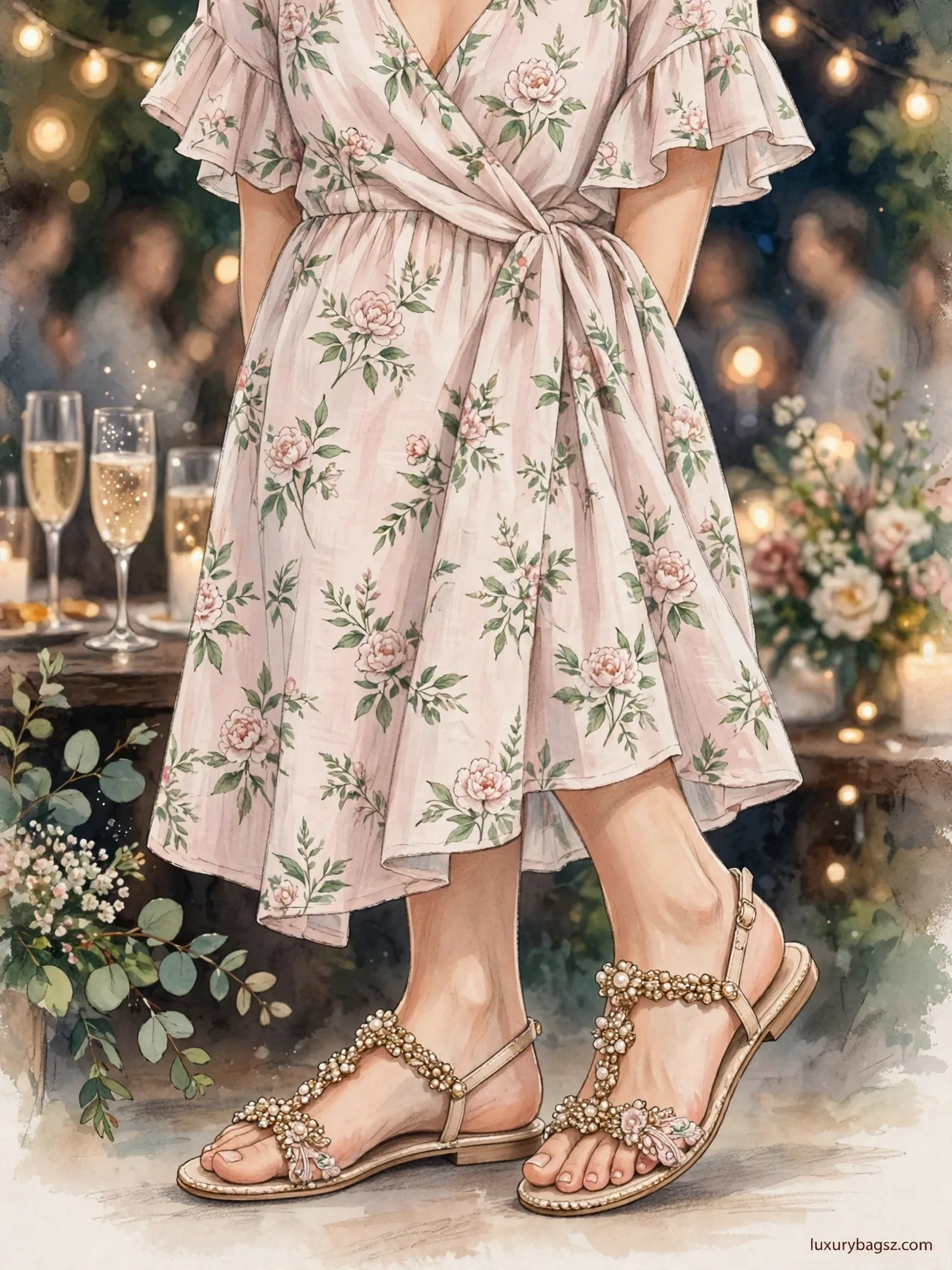
Summer flats divide into closed styles for cooler days and open sandals for heat. Metallic flat sandals cover the widest ground, as our piece on summer sandals day to night shows in its day-to-evening formulas.
Footbed shape matters more in open sandals, because the sole is the whole support system. Look for moulded footbeds, padded straps and a back strap for longer walks.
Espadrille flats and woven styles suit holidays and casual dresses. Keep leather versions for smarter summer outfits, and canvas for the beach bag.
Fit and Support Rules
Fit flats in the afternoon and walk a full lap of the shop. Heel slip in a flat is worse than in a shoe with straps, because nothing else holds the foot in place.
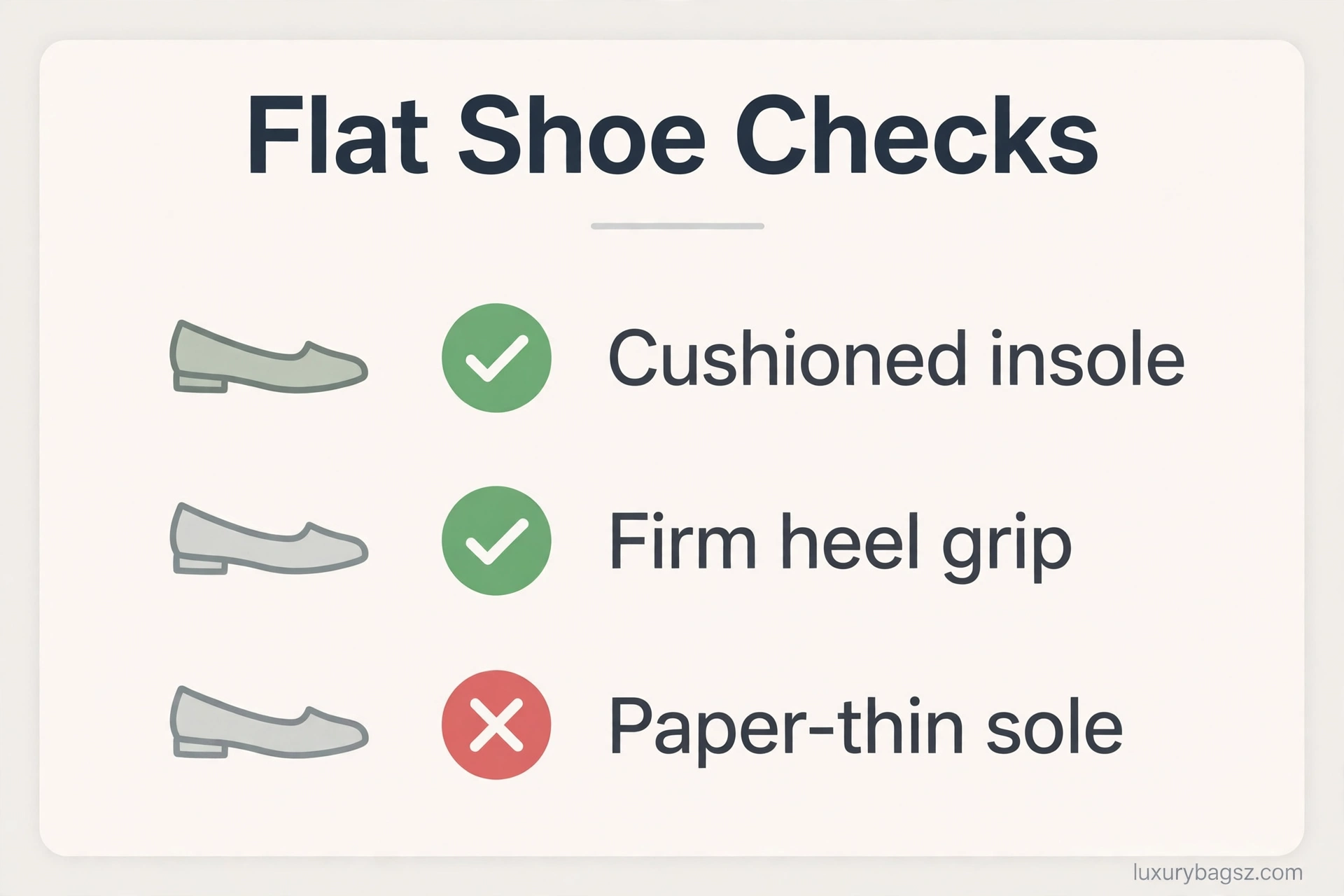
A sole that folds completely in half offers no support; a sole that bends at the toes and stays firm through the arch is the minimum for all-day wear. Add a slim cushioned insole if the shape is right but the padding is thin.
Anyone with recurring foot pain should treat flats as seriously as heels: alternate heights across the week, and choose built-in arch support where a brand offers it.
Care for Shoes That Live Low
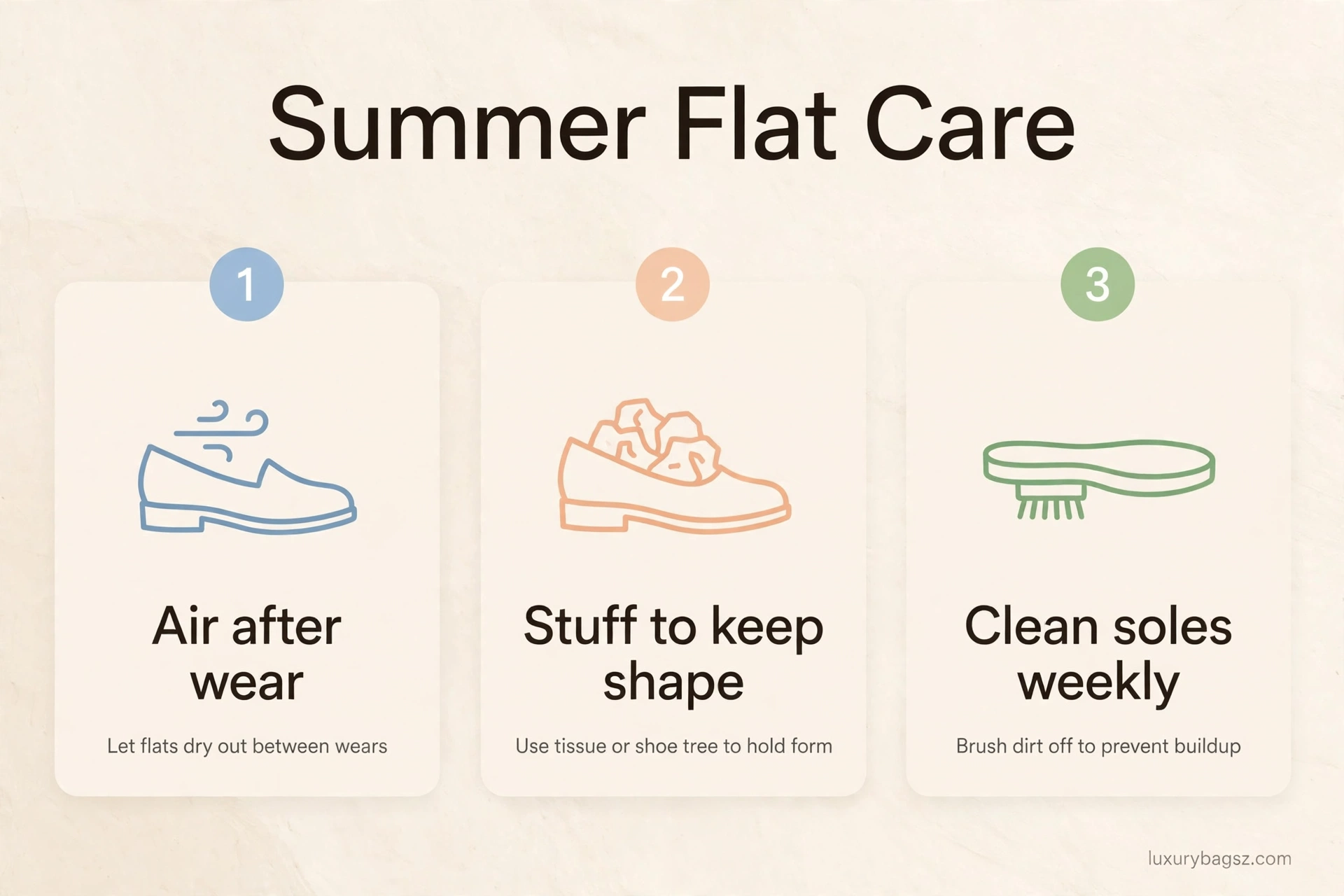
Flats sit close to pavements, puddles and dust, so they soil faster than heeled shoes. Wipe or brush them after wear rather than on a weekly schedule.
Insoles in flats absorb the most moisture of any shoe type. Air pairs overnight, rotate them, and use cedar trees or paper stuffing to hold shape and freshness.
Suede flats need protector spray before the first wear and a dry brush after. Light-coloured soles clean up well with a damp cloth and mild soap.
Prices and Building the Flat Wardrobe
Good structured flats typically run $150 to $400 from quality contemporary brands. Designer ballet flats and loafers commonly sit between $500 and $1,000, priced on leather and build.
Three pairs cover most wardrobes: a pointed flat in black, a loafer in black or tan, and a metallic flat sandal for summer evenings. Add colour only after those earn their wear.
If this pair will be your first designer purchase, our guide to how to buy your first designer shoes covers budgeting, sizing and value in more depth.
Mary Janes and Mules: The Two Styles That Complete the Roster
Mary Janes have returned as a grown-up flat: a strap across the instep that holds the foot securely, in patent, leather or embellished versions that work from office to evening. The strap is the point; it stops the slip-off problem that plagues backless and unstrapped flats.
Choose the strap count by the job. One strap is the classic and covers work and dresses; two or three straps read younger and more casual. A small block heel on a Mary Jane keeps the charm and adds the structure long days need.
Mules are the opposite bargain: nothing holds the heel, so the foot works to keep them on. They are wonderful for short distances, dinners and desk days, and a poor choice for commuting on foot or sightseeing in a new city.
Pointed mules dress up like heels and slip off like slippers, which makes them the evening flat of least resistance. Just be honest about how far you will actually walk in them before the evening begins.
Proportions: Wearing Flats Without Looking Shorter
Flats change an outfit’s geometry, and three adjustments protect the line of the leg. First, show the ankle: hems that end at the calf’s widest point shorten the leg in flats, while a cropped trouser or a hem above the ankle keeps the proportions honest.
Second, expose the top of the foot. A low-cut vamp, as on a ballet flat or d’Orsay style, lengthens the visual leg far more than a high-cut loafer in the same outfit. It is the cheapest elegance in flat dressing.
Third, use the pointed toe and the nude match. A pointed flat continues the leg’s line, and a flat close to your skin tone, or matched to your tights, removes the visual stop at the ankle entirely.
Ankle straps are the exception that proves the rules: they cut the leg visually and suit long dresses and tall frames better than short skirts. Beautiful as they are, they are the styling risk of the flat family.
Flats at Weddings and Formal Events
Embellished flats have crossed the last formality line. Crystal, pearl and satin flats appear at weddings and black-tie events on guests who have simply decided their feet vote too, and nobody senior to the dress code objects anymore.
The rules are the party rules applied flat: the shoe must look deliberate. A jewelled or metallic flat with a pointed toe reads as an evening choice; a plain daytime flat under a gown reads as a surrender, however comfortable it is.
Brides have led the change, changing into embellished flats for the reception or wearing them all day. Guests can borrow the whole logic: ceremony in the flat you chose, dancing in the same flat, home at midnight with your posture intact.
If you are the host or in the photographs all day, the formal flat is not a compromise but an advantage. You will be standing in every picture, and the woman in flats is the one still standing straight in the last one.
When Flats Are the Wrong Answer
Zero-drop, paper-thin flats are not kind to every foot. Flat feet, fallen arches and a history of heel pain often do worse in unsupportive flats than in a low, structured heel that holds the foot in a supported position.
The warning signs are specific: arch ache by midday, heel pain first thing in the morning, or knees complaining on stairs. Those feet need a moulded footbed, a firm heel counter and often a small heel raise, all available in the structured styles this guide recommends.
Weather draws another line. Thin flats in rain soak through, offer no grip and put the foot closest to every puddle; a loafer with a real sole or a boot is the flat-wardrobe answer on wet days, not a ballet flat and optimism.
And some outfits genuinely need height to hang as designed, floor-length gowns tailored to heels among them. The flat wardrobe works by replacing most heels, not by pretending the exceptions do not exist.
Travel: The Flats That Earn Their Space
Flats are the natural travel shoe, but the categories split sharply at the airport. Ballet flats pack to nothing and pass security without laces, yet a long terminal walk in a thin sole is its own punishment.
The travel winner for most trips is the structured loafer or cushioned pointed flat: worn on the plane, walkable for a first afternoon of sightseeing, and smart enough for the first dinner. Feet swell in flight, so the travel pair should be the roomiest you own.
Pack the second pair by the trip’s evenings. A metallic flat sandal covers summer dinners and weighs almost nothing; in winter, an embellished flat does the same job inside a shoe bag that keeps crystals off your clothes.
One-pair trips exist, usually a long weekend in one city, and the loafer is the only flat that honestly covers them. Everything else needs the evening partner this guide keeps recommending.
Frequently Asked Questions
Can flats really replace heels?
For most outfits, yes. Pointed flats mirror the line of a pump, loafers cover work formality, and metallic flat sandals dress up for evenings. Very formal dress codes are the main exception.
Are ballet flats bad for your feet?
Very thin, floppy ones can be, because they offer no support. Structured ballet flats with a cushioned insole, small heel and firm heel cup are a sound everyday choice for most people.
What flats look best with dresses?
Pointed flats for polish, ballet flats for softness, and metallic flat sandals in summer. Keep the shoe's formality matched to the dress and the lines will take care of themselves.
How should flat shoes fit?
Snug at the heel with no slip, room for toes to lie flat, and no pinching across the widest part. Fit them in the afternoon, when feet are at their largest.
What are the best flats for walking all day?
Structured loafers and flats with moulded or cushioned footbeds, firm heel cups and soles that bend only at the toes. Save the thinnest ballet soles for short, gentle days.
Can I wear flats to a wedding?
Yes. Embellished, metallic or pointed flats in satin or fine leather read fully dressed, and they are far kinder for lawns, cobbles and long receptions than stilettos.
How do I stop flats smelling?
Rotate pairs so insoles dry fully, air them overnight, and use cedar trees or odour-absorbing insoles. Flats sit close to the foot, so rest days matter more than with other shoes.
What colours of flats are most versatile?
Black first, then tan or nude, then a metallic for evenings. Those three cover work, casual and dressed outfits without needing seasonal colours.
Are loafers suitable in summer?
Yes, especially in suede, woven leather or lighter colours, worn without socks or with invisible liners. Chunky soles feel heavy in heat; slim soles are the summer choice.
How much should I spend on good flats?
Expect $150 to $400 for well-built contemporary pairs and $500 to $1,000 for designer versions. Spend most on the pair you will wear weekly, not the novelty colour.
Summary: Flats, Chosen Like Shoes
Treat flats as real shoes: structure in the sole, support at the heel, and a shape matched to the outfit's job. Bought that way, the flat wardrobe quietly replaces most heel days and never feels like a compromise.