Fendi Peekaboo Bag Guide: Sizes, Prices, Python Editions and Pre-Owned Checks
Peekaboo in Brief: The Bag That Smiles When You Open It
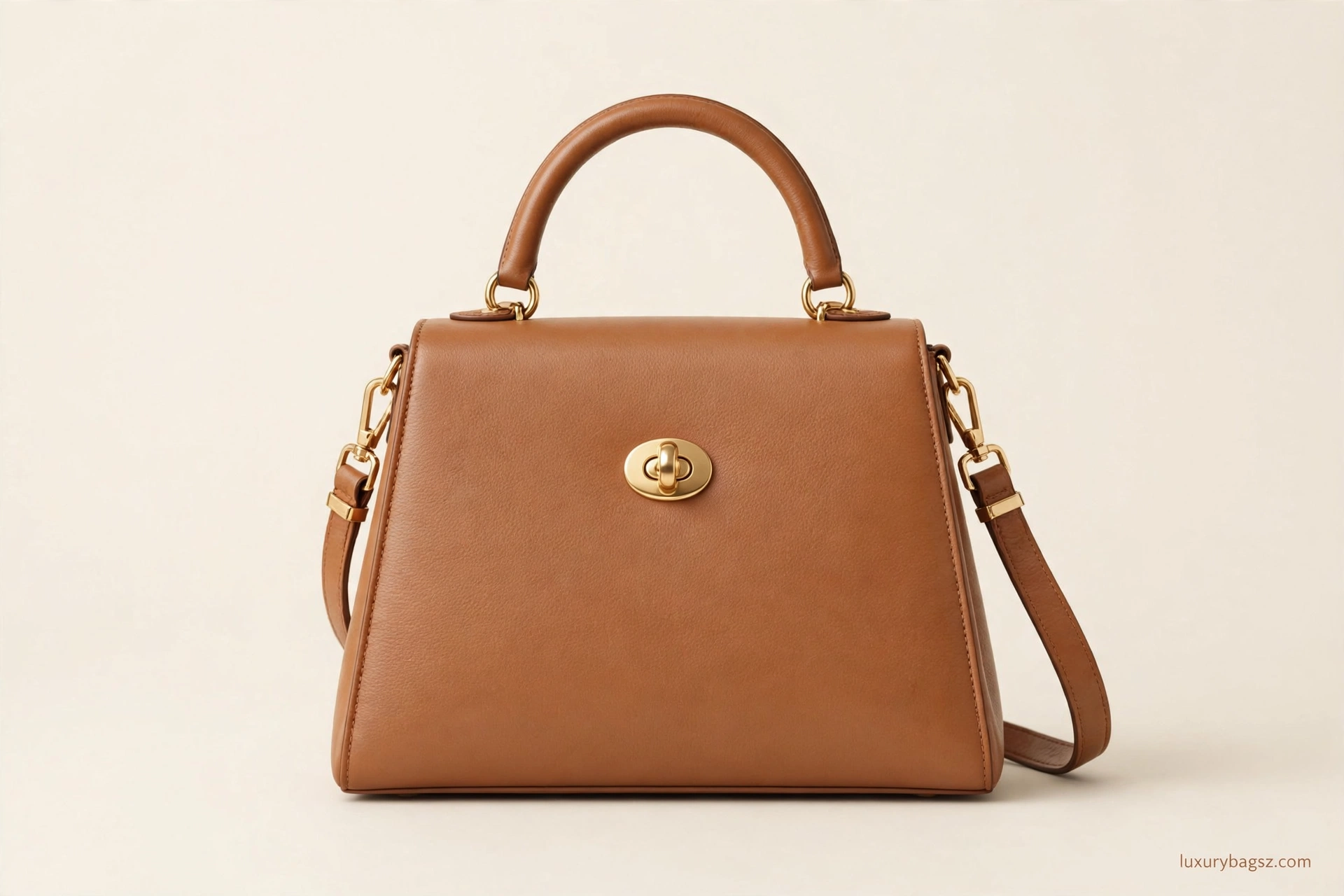
The Fendi Peekaboo is a structured trapezoid top-handle bag designed by Silvia Venturini Fendi and launched in 2009. Release the twist locks, and the front relaxes to reveal a contrasting interior: the peek that gave the bag its name. The short answer for buyers is this: choose Mini or Small for polished day-to-evening wear, Medium for a true workday bag, and treat multicolour python editions as special pieces that need gentler handling and higher budgets.
Key Takeaways
- The Peekaboo launched in 2009, designed by Silvia Venturini Fendi, and is named after the children's game.
- Two compartments are divided by a stiff central partition, with twist locks on both sides.
- Core sizes run from Micro and Mini through Small and Medium, with ISeeU versions alongside.
- Selleria versions use hand-stitched Cuoio Romano leather; python and other exotic finishes sit at the top.
- New prices typically start in the low thousands of pounds for small sizes and rise steeply for exotics.
- Pre-owned buyers should test both twist locks and inspect the partition, lining and corners first.
Where the Peekaboo Came From
Silvia Venturini Fendi created the Peekaboo for the Spring/Summer 2009 season, at a moment when slouchy It bags dominated. She went the other way: architecture outside, surprise inside. The name copies the children's game. A plain, serious exterior hides a colourful, sometimes smiling interior, and the bag is often carried with the front left open so the lining shows. That idea has kept the design alive through many revivals. Our Fendi Baguette bag guide covers the house's other great icon, launched a decade earlier by the same designer. For wider background, our what to know about Fendi guide traces the Roman house from its 1925 fur and leather beginnings to the present day. The design also answered a mood. After years of soft, logo-heavy bags, the Peekaboo offered discretion outside and personality inside, a combination that appealed to buyers who wanted luxury without a walking advertisement. Longevity is now part of the design's identity. Fendi has marked anniversaries with special editions and campaigns, including the #MeAndMyPeekaboo series, which paired the bag with well-known sisters, mothers and daughters.
Sizes: Micro, Mini, Small and Medium
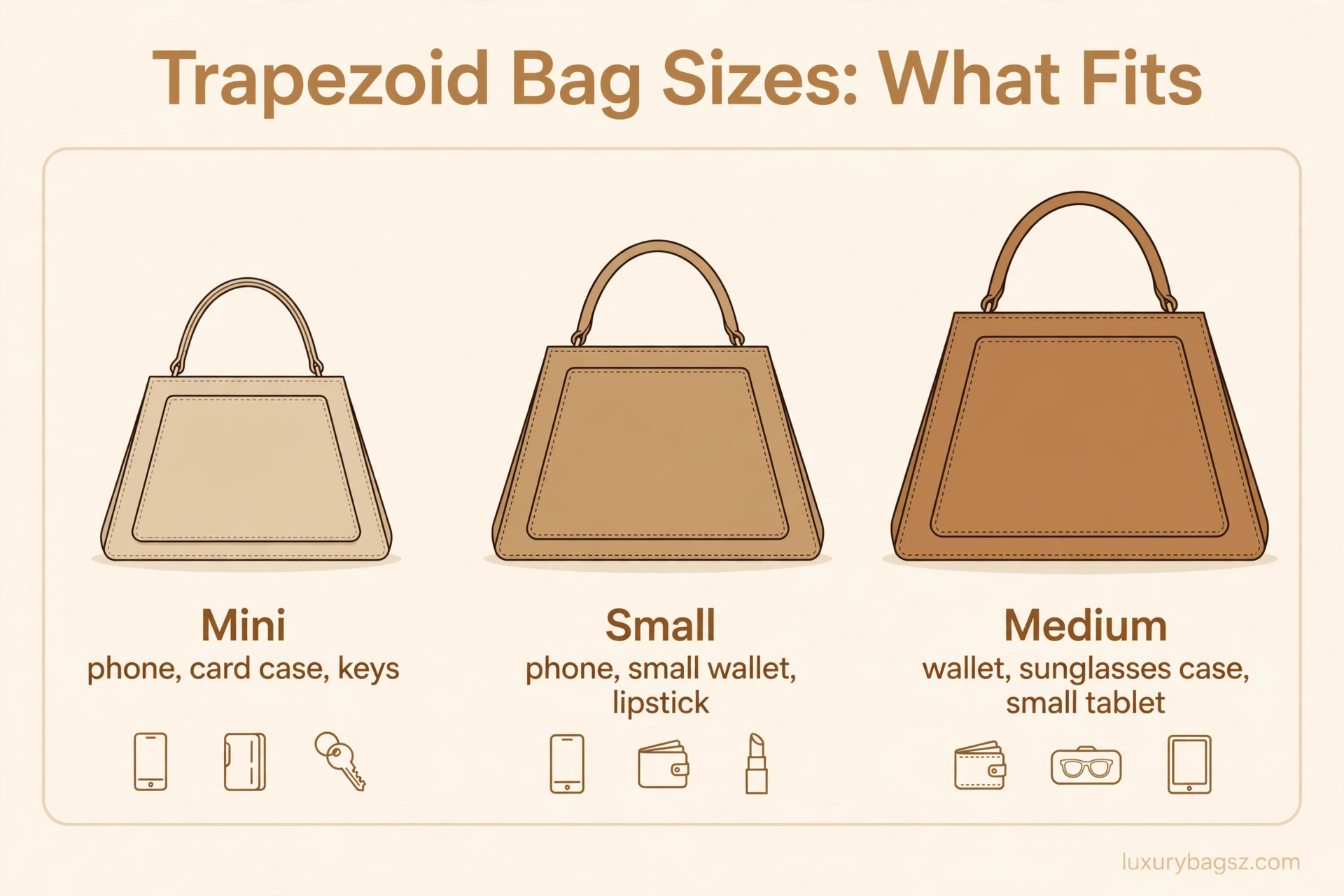
Sizes and names have shifted over the years, so treat measurements, not labels, as the truth. Older lines used Mini, Regular and Large; current ranges centre on Mini, Small and Medium, plus ISeeU variants. Mini and Small versions hold a phone, a card case or small wallet, keys and a lipstick. They are the sizes most buyers choose, because the trapezoid proportions look crispest when compact. Medium is the working size, holding a larger wallet, sunglasses case, a small pouch and a slim tablet or notebook split across the two compartments. It is heavier, so test the weight in store. The stiff central partition organises the interior but limits flexibility. Bulky items that fit a soft tote may not fit here, so pack flat items first and place soft pouches last. The ISeeU versions rework the frame with a more open, smiling front and interchangeable inner pockets on some editions. If you love the peek effect, an ISeeU shows it off more than the classic cut. Petite and ISeeU Petite versions serve buyers who found even the Mini large. If you carry only a phone and cards, try the smallest sizes first; the design loses none of its character when shrunk.
Design Details: Twist Locks, Partition and the Peek
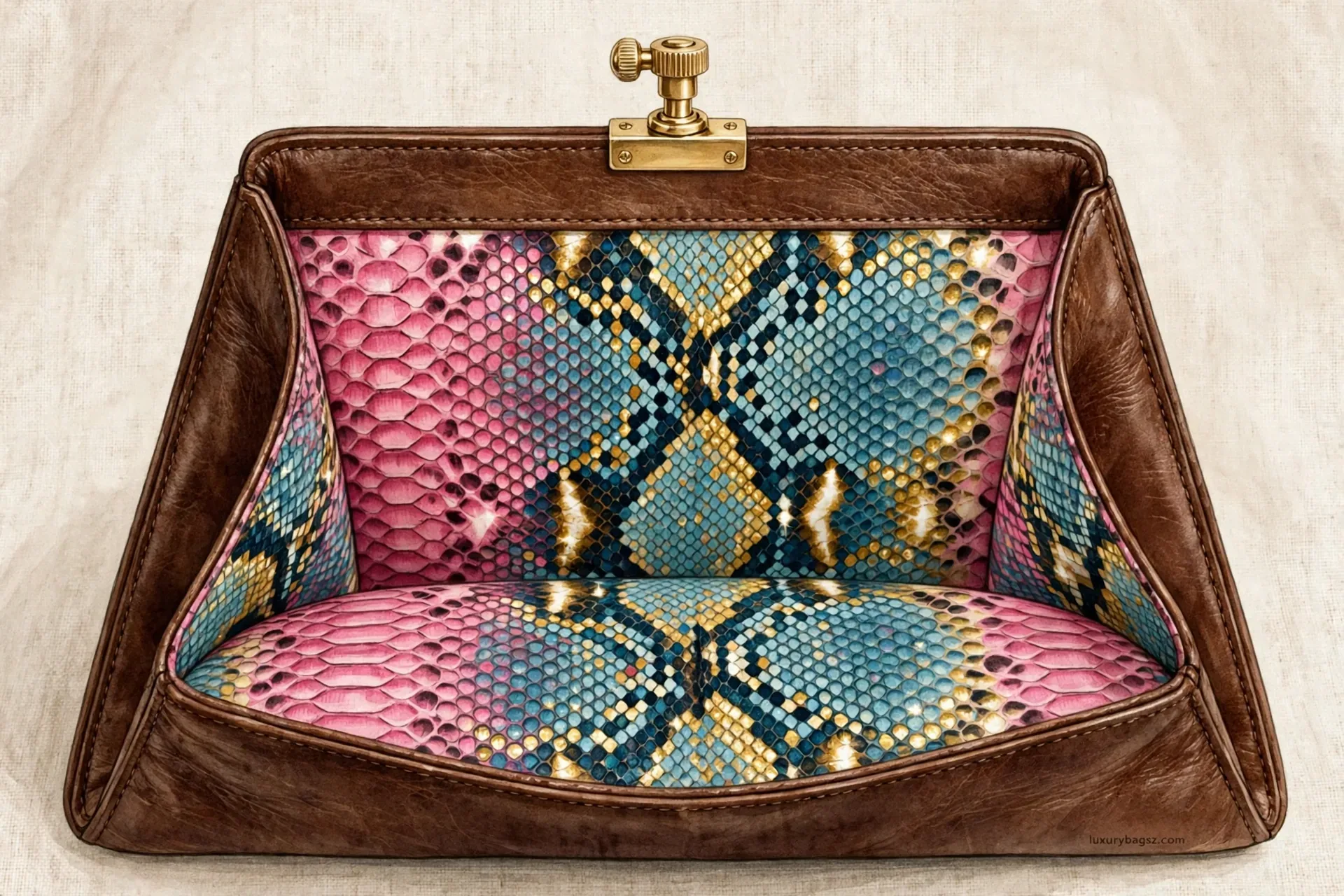
The trapezoid frame is held by twist locks on both top edges. Undo them and the leather front drops into the relaxed curve that shows off the lining, the bag's party trick. Inside, two full compartments sit either side of a rigid partition, which usually carries a zipped pocket. The structure keeps the silhouette neat whether the bag is full or nearly empty. A single top handle gives the ladylike carry, and most versions add a detachable shoulder strap. Strap styles vary by era, from plain leather to the wide, patterned Strap You designs. Selleria versions deserve a special mention: they are cut from Cuoio Romano leather and finished with hand-sewn macro stitching, a Fendi craft tradition dating to the house's early years. Hardware is deliberately restrained: the twist locks and handle fittings carry the shine, while the leather does the visual work. That restraint is why older Peekaboos still look current rather than dated.

Materials: Calfskin, Selleria Leather and Multicolour Python
Smooth and grained calfskin are the everyday choices, in black, tan, dove grey and seasonal colours. Grained leather hides scratches better and suits daily use; smooth leather looks sharper and marks sooner. The multicolour python editions are the headline specials. Panels of genuine python are dyed in contrasting shades, so the bag carries several colours at once, often with the brightest panel revealed inside the peek. Python is light and striking, but it is the most delicate finish here. Scales can lift at the edges if the bag is rubbed, knocked or stored badly, and water is a genuine enemy. Our leather types guide explains how exotic skins differ from calfskin. The honest rule: buy python for impact and occasional use, and calfskin or Selleria for a daily workhorse. Other finishes include woven Interlace leather, sequins, shearling and embroidered editions released for single seasons. They are collectable and eye-catching, but plain leather remains the easiest to match and maintain. Python care deserves honesty: conditioners meant for calfskin are not automatically safe on exotic scales. Ask the boutique or a specialist before applying anything, and never soak or heat-dry a python panel.
How to Style the Peekaboo
The Peekaboo's polish suits tailored clothes first: a blazer, wide trousers and loafers let the trapezoid shape read as the outfit's structure. Carry it by the handle for the full effect. For evening, a Mini in a bright colour or a python finish works like jewellery. Leave the front open so the contrasting interior becomes part of the look, as the runway styling intends. The Medium earns its place at work, where its compartments separate a laptop-free day's kit neatly. Add the shoulder strap for the commute and remove it for meetings. Avoid overloading small sizes to force a casual slouch. The Peekaboo is designed to hold its frame, and a bulging Mini loses the very neatness that makes the design special. The bag's structure photographs well with formal shoes and sharp coats, yet a Small in a soft colour also works with knitwear and trainers. That range is why it keeps appearing in street-style photographs fifteen years on. A word on colour: a contrasting interior is half the design, so check the inside before falling for an outside shade. The most satisfying Peekaboos pair a calm exterior with an interior that genuinely surprises, whether that is a bright leather, a print or a flash of python at the peek.

Prices, Resale Value and What Holds Up
New Peekaboo prices typically start around the low thousands of pounds for Mini and Small leather versions and rise for Medium sizes, Selleria work and exotic finishes. Check current boutique prices before budgeting. Multicolour python editions sit far above standard leather, reflecting both material cost and small production runs. Expect a substantial premium, and expect resale values to depend heavily on scale condition. On the pre-owned market, classic colours in calfskin and Selleria leather are the steadiest sellers. Our pre-owned designer bag authentication guide explains the checks to run before paying. Buy the Peekaboo as a long-term wardrobe piece rather than a quick flip. Its value story is durability and recognition across fifteen years, not sharp short-term price rises. Condition grading drives the spread between listings. Two seemingly identical bags can differ by hundreds of pounds because one has a firm partition and clean lining while the other has softened sides and marked suede. Early Peekaboos from the first seasons have their own following. Collectors look for original hardware finishes and early lining designs, and the very first editions in fine condition can outprice later standard versions.
Authenticity Checks for Pre-Owned Buyers
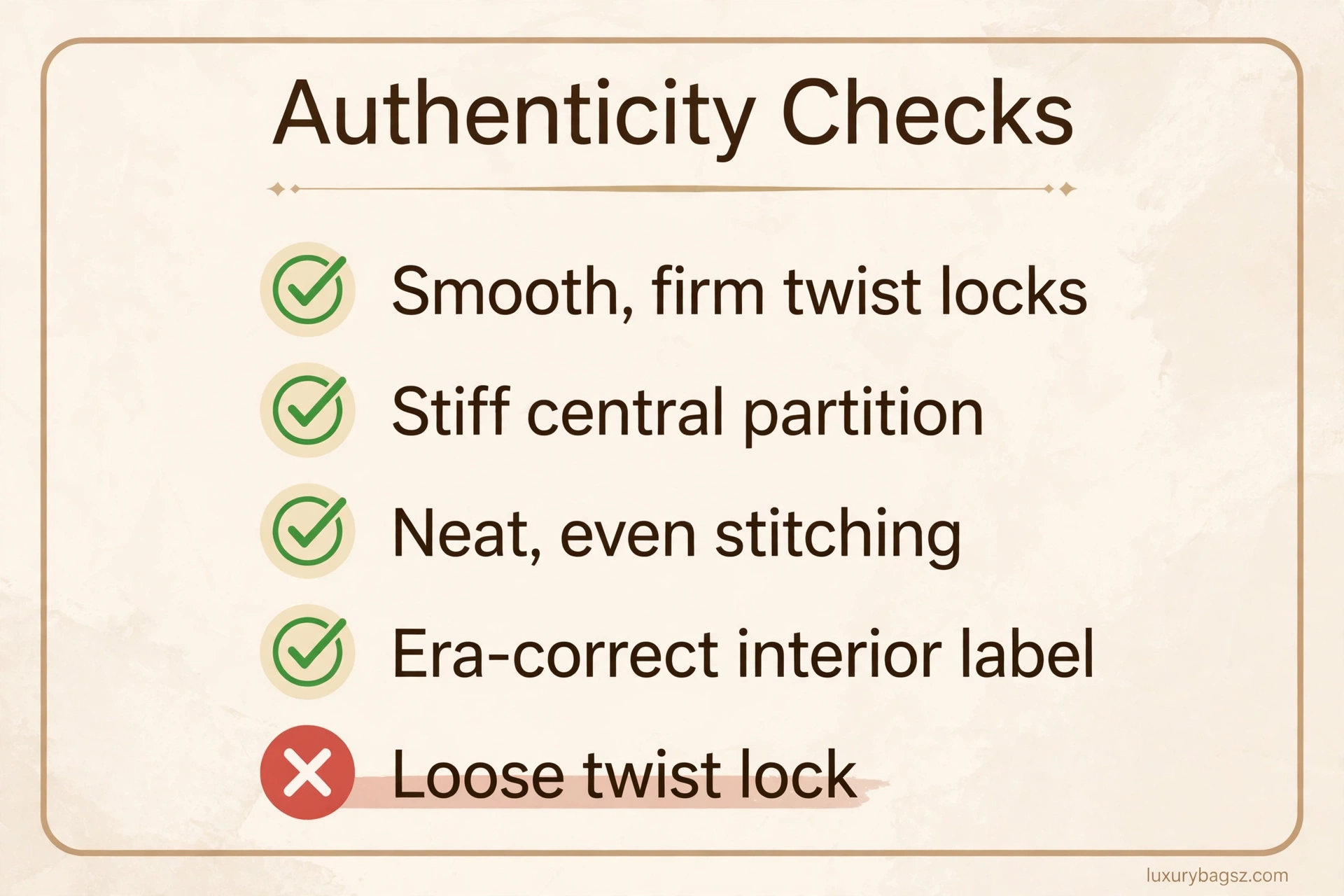
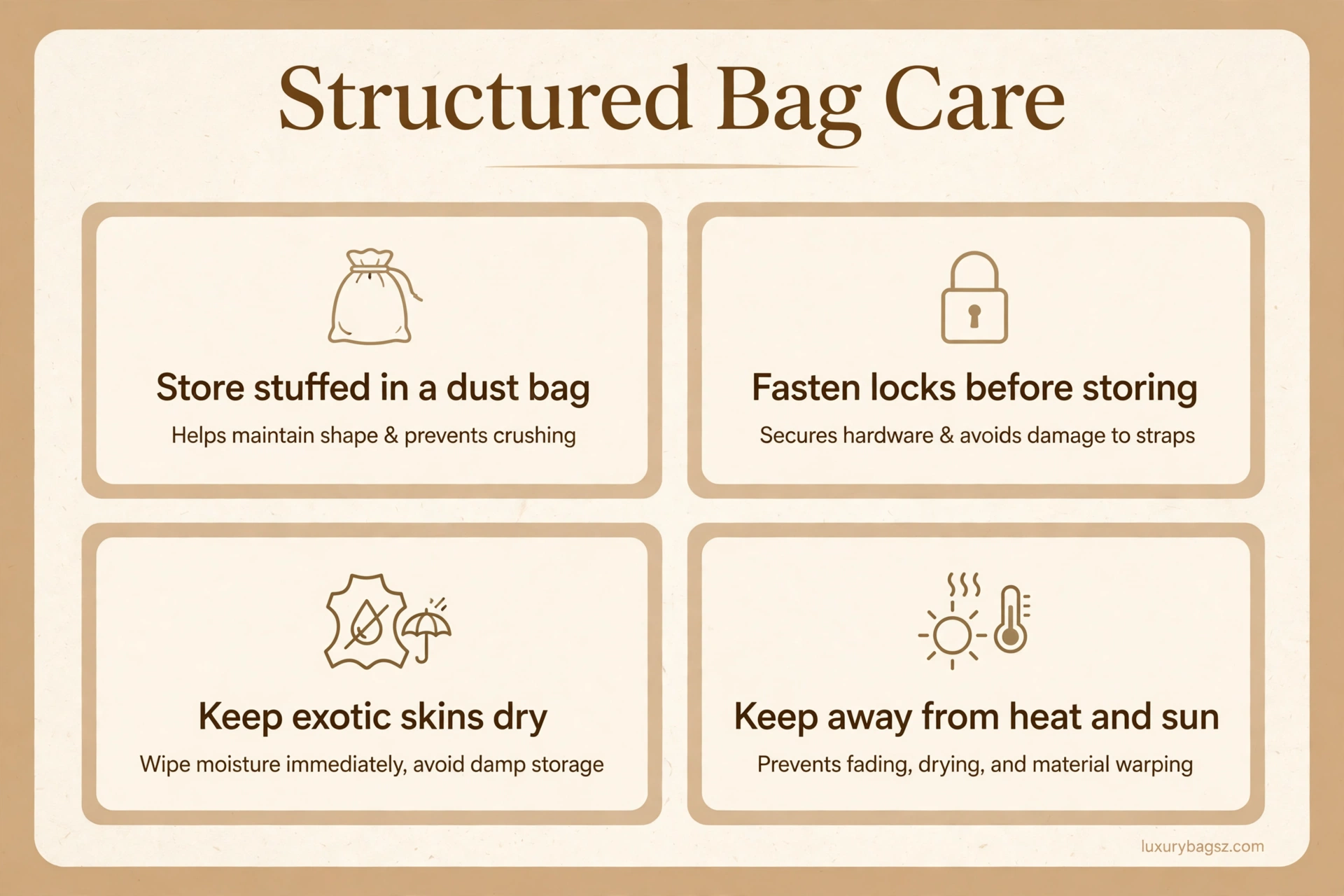
Test both twist locks: they should turn smoothly, hold firmly and sit evenly. A loose, wobbly or misaligned lock is a warning sign, and lock repairs are rarely cheap. Check the central partition for cracks or softening, since it carries the bag's structure. Inspect the lining print or leather, the interior label and any hologram or RFID features of the era. On python versions, run a fingertip lightly across the scales. Lifting, curled or missing scales lower value sharply, and heavy lifting can mean the piece was stored in dry heat. For ongoing care, our leather care guide covers cleaning and storage basics. Store the Peekaboo stuffed, locks fastened, and exotics away from radiators and sun. Ask for photographs in daylight before buying unseen: the frame from above, both locks closed, the partition edge, and the base corners. Sellers of genuine bags in good order rarely refuse reasonable photo requests.
Peekaboo Versus the Baguette and the Fendi First
Against the Baguette, the Peekaboo is formal where the Baguette is playful. The Baguette tucks under the arm for evenings and casual days; the Peekaboo stands on a desk and means business. Against the Fendi First, the Peekaboo is the classicist's choice: trapezoid and top handle, versus the First's soft clutch shape and oversized F clasp. Our Fendi First bag guide details that newer design. For a first Fendi bag, the Peekaboo Small in grained calfskin is the safest buy: recognisable, roomy enough and kind to wear. Collectors, meanwhile, hunt early Selleria and python editions. Whichever you choose, buy condition over rarity. A clean calfskin Peekaboo you carry weekly beats a fragile exotic that spends its life in a dust bag. Ownership running costs are modest by icon standards. The locks and handle are the parts to protect, and a good cobbler or leather specialist can refresh corners and edges without touching the bag's character. Repairs are worth planning for. Fendi's aftercare can address locks and stitching on many versions, but exotic panels cannot always be matched years later, which is another reason calfskin wins for heavy daily use.
Frequently Asked Questions
What is the Fendi Peekaboo bag?
It is a structured trapezoid top-handle bag launched in 2009, with two compartments, a stiff central partition and twist locks that let the front drop to reveal a contrasting interior.
Why is it called Peekaboo?
The name copies the children's game. The serious exterior hides a colourful interior, which peeks out when the locks are released and the front panel relaxes.
Who designed the Peekaboo?
Silvia Venturini Fendi designed the Peekaboo, as she did the Baguette a decade earlier. It debuted for the Spring/Summer 2009 season.
What sizes does the Peekaboo come in?
Names vary by era, but core sizes run from Micro and Mini through Small and Medium, with ISeeU versions alongside. Always compare measurements, not size names, before buying.
What fits in a Peekaboo Small?
A Small typically holds a phone, a card case or small wallet, keys and a lipstick, split across the two compartments. Sunglasses in a soft case may fit in some versions.
What is the multicolour python Peekaboo?
It is a special edition finished in dyed python panels of contrasting colours. It sits at the top of the range for price, and its scales need gentle handling and dry storage.
What is a Selleria Peekaboo?
Selleria versions use Cuoio Romano leather with hand-sewn macro stitching, following Fendi's oldest craft tradition. They feel softer than standard versions and age with a rich patina.
How much does a Peekaboo cost?
New leather Mini and Small versions typically start in the low thousands of pounds, with Medium, Selleria and python editions considerably higher. Check current boutique prices for exact figures.
How can I tell a real Peekaboo from a fake?
Check that both twist locks turn smoothly and sit evenly, the partition is firm, stitching is neat, and interior labels match the era. Seek independent authentication for exotic versions.
How do I care for a Peekaboo bag?
Store it stuffed with the locks fastened, keep leather versions from prolonged rain, and keep python dry and away from heat so the scales do not lift.
Final Verdict: The Fendi Classic for Structured-Bag Lovers
The Peekaboo endures because its idea is simple and joyful: order outside, colour inside. In grained calfskin or Selleria leather it is a polished daily bag with genuine staying power. Choose Small for the classic proportions, Medium for work, and python only if you will baby it. Check both locks and the partition on any pre-owned example, and the bag should serve for years.