NYFW 2015 Recap: The Shows, Designers and Moments That Still Matter
NYFW 2015 in Brief: A Year of Endings and Firsts
NYFW 2015 was a turning point, not just another season. It was the first year without the old Lincoln Center home, the year Givenchy showed in New York, and the year the week began scattering across downtown venues. Look back and two editions stand apart. February brought the autumn collections in bitter cold, and September brought spring 2016, a new organiser era and shows staged as public spectacle as much as trade events.
Key Takeaways
- 2015 was the first NYFW year away from Lincoln Center, with shows spread downtown.
- Givenchy's open-air September show, held on 11 September, was the year's defining moment.
- Alexander Wang marked ten years of his label; Ralph Lauren staged Polo over Central Park water.
- Fringe, crochet, gingham and seventies shapes led the spring trend reports of the time.
- Much of it reads dated now; the venue shift and the spectacle format are what truly lasted.
- Treat 2015 prices and trends as history, never as a guide to current shopping.
Why 2015 Was a Reset Year for New York
For decades the tents were the story: first Bryant Park, then Lincoln Center. In 2015 that central home ended, and designers spread across studios, piers and raw downtown spaces. The change felt chaotic at the time. Buyers and editors crossed the city between shows, and the neat single-campus week gave way to a looser, more scattered map. With hindsight, it set the pattern New York still follows. Houses now choose venues that suit the collection, from armories to rooftops, rather than filing into one tent. It also opened the door to spectacle. Once a show could be anywhere, it could also be an event built for cameras, guests and a watching public beyond the trade.
February 2015: Autumn Shows in Deep Winter
The February edition showed autumn and winter 2015 in some of the coldest weather the week had seen. Heavy coats on the runway matched the snow on the pavements outside. Tailoring, layering and rich darker colour led the reports. Designers such as Carolina Herrera showed polished, structured dressing, while younger labels pushed sportier shapes. Our New York Fashion Week guide explains how the February and September editions differ, which helps place this frozen week in the wider calendar. February 2015 is also remembered for small human moments amid the polish, including veteran designer Betsey Johnson, then in her seventies, still closing her shows with trademark energy.
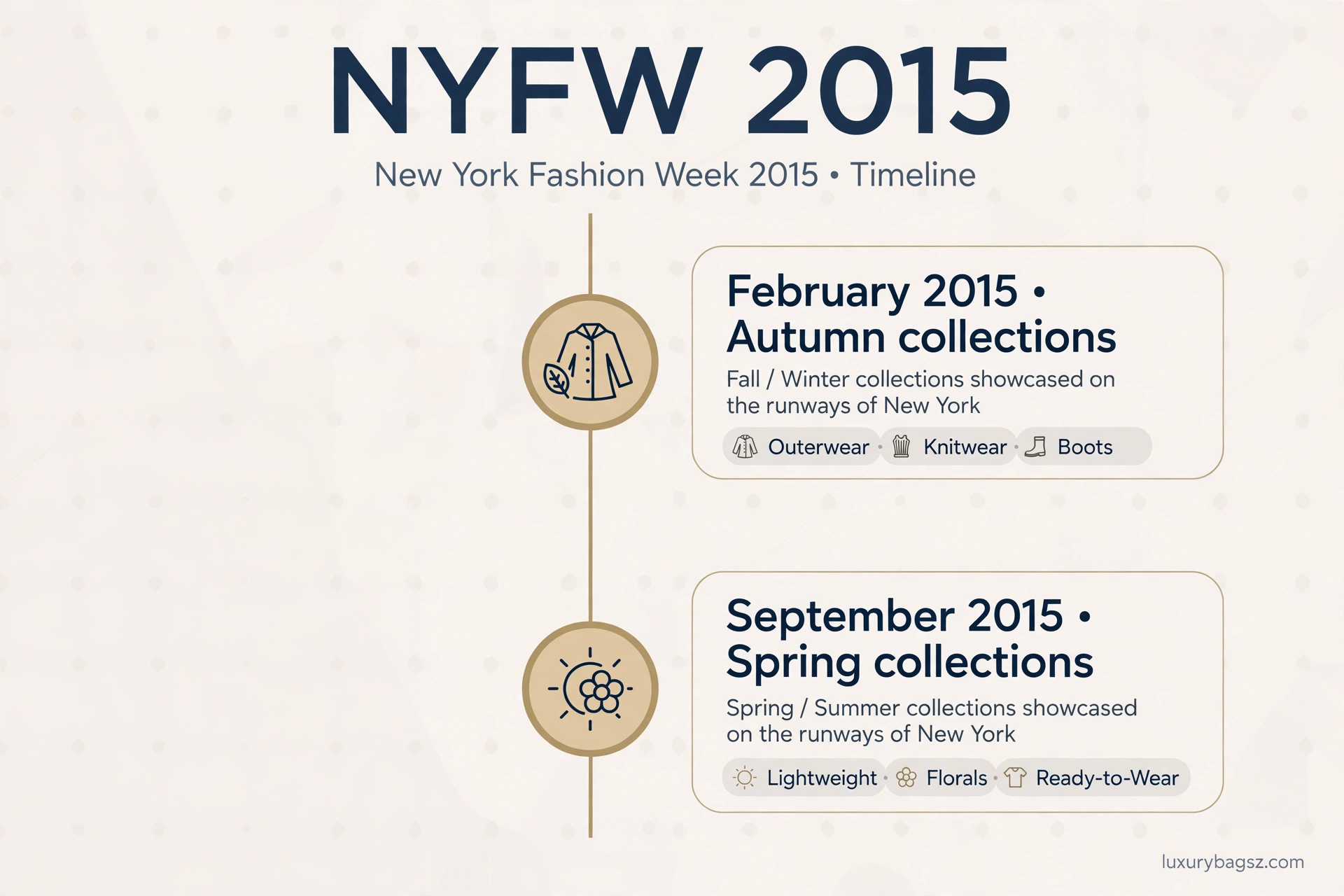
September 2015: Givenchy Comes to Town
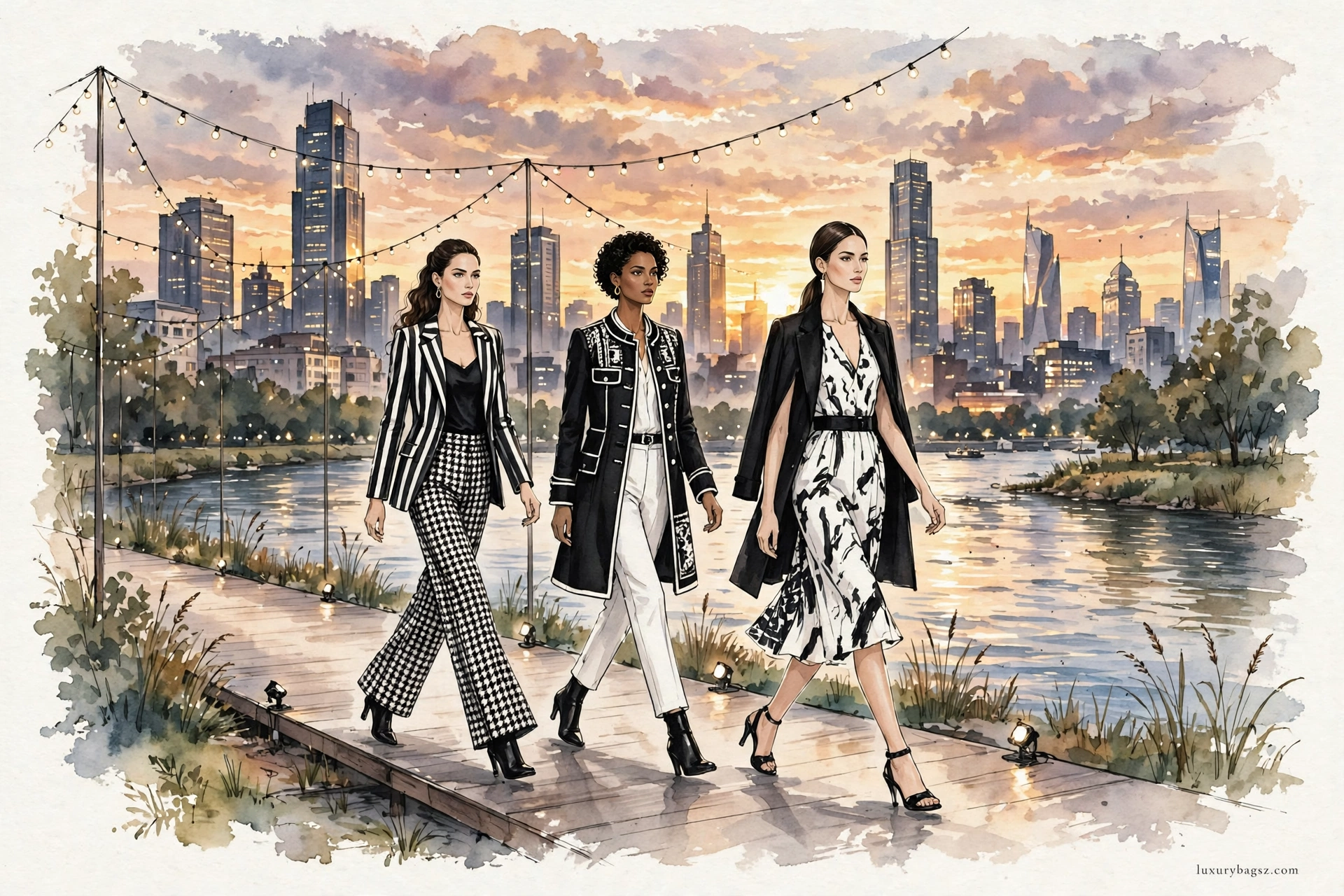
The September edition, showing spring 2016, had one clear headline. Givenchy, a Paris house, staged its show in New York on the evening of 11 September at Pier 26. Riccardo Tisci marked ten years at the house with a collection shown largely in black and white, at sunset, with the World Trade Center in view. The date gave the evening real weight. Unusually, tickets were offered beyond the trade, so members of the public stood alongside editors. That mix of fashion show and public event felt new at the time. It remains the single most cited moment of NYFW 2015, and a template for the big, open, city-scale shows that other brands have chased ever since.
The Designers Who Led the Year
Alexander Wang celebrated ten years of his own label in September 2015, closing his show with a montage of past work. It was a confident, self-aware moment for American fashion. Ralph Lauren took a different route to spectacle, presenting his Polo line the previous September season with models projected on a wall of water above the Central Park lake. Marc Jacobs remained the week's closer in spirit, staging bold, themed collections that critics treated as the full stop at the end of the New York calendar. Around them, labels such as Jason Wu, Proenza Schouler and Altuzarra carried the city's reputation for polished, wearable luxury rather than pure theatre.
The Trends Reported at the Time
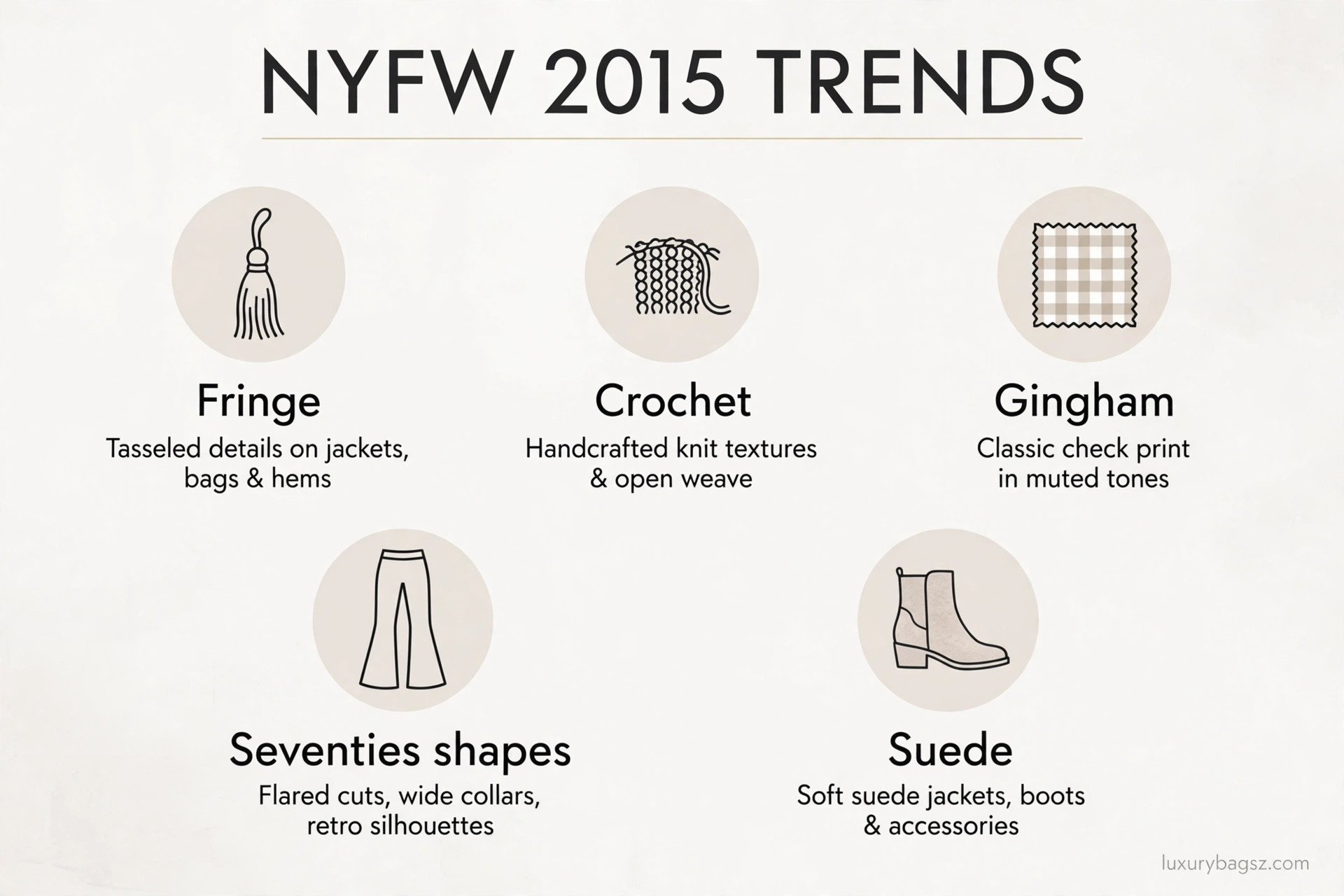
Spring reports from September 2015 led with fringe, crochet and pattern mixing. Tommy Hilfiger sent models, led by Gigi Hadid, through water in a Caribbean-tinted show. Seventies shapes ran through many collections: suede, flares, flowing dresses and warm earthy colour. Gingham and soft shirting balanced the more playful pieces. Face jewellery at Givenchy drew heavy coverage, a reminder that one striking accessory can dominate a whole week's reporting far beyond its wearability. Read those trend lists as period documents. Some ideas cycled back years later, but none of them should be shopped today as if they were current season news.

Street Style and the Social Shift
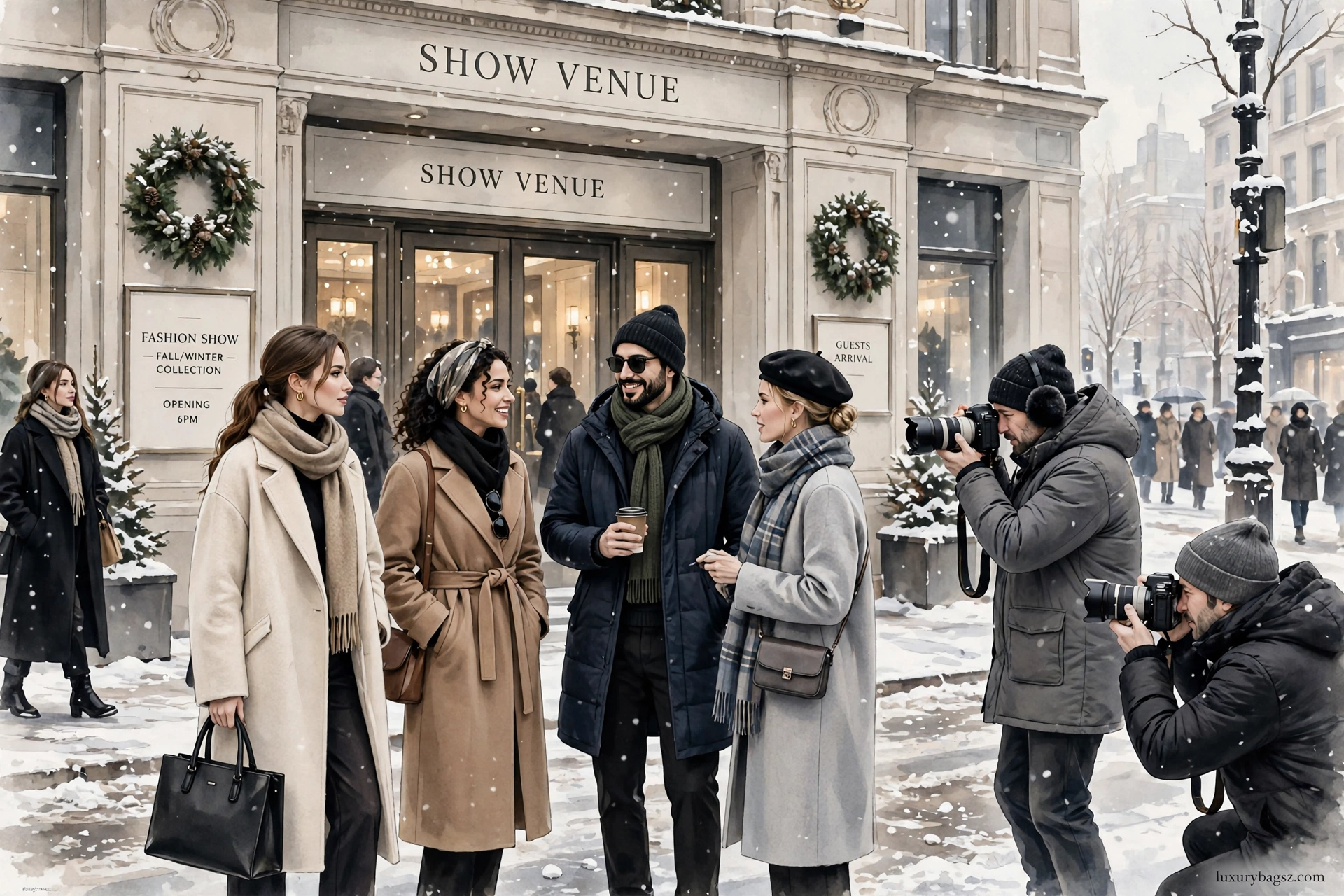
By 2015, what guests wore outside the shows was already a parallel event. Photographers lined the pavements, and outfits were planned for the camera as much as the front row. Instagram coverage of the spring shows ran into the hundreds of millions of interactions by contemporary counts. The phone had become the week's real front row. That shift explains why 2015 still matters. The collections have dated, but the idea that a show is content, shared instantly worldwide, was cemented in seasons like this one. For guests, the practical lesson endures: strong coats, flat-friendly shoes for cobbles and venues, and one photographed piece rather than a whole costume.
The Bags and Accessories of 2015
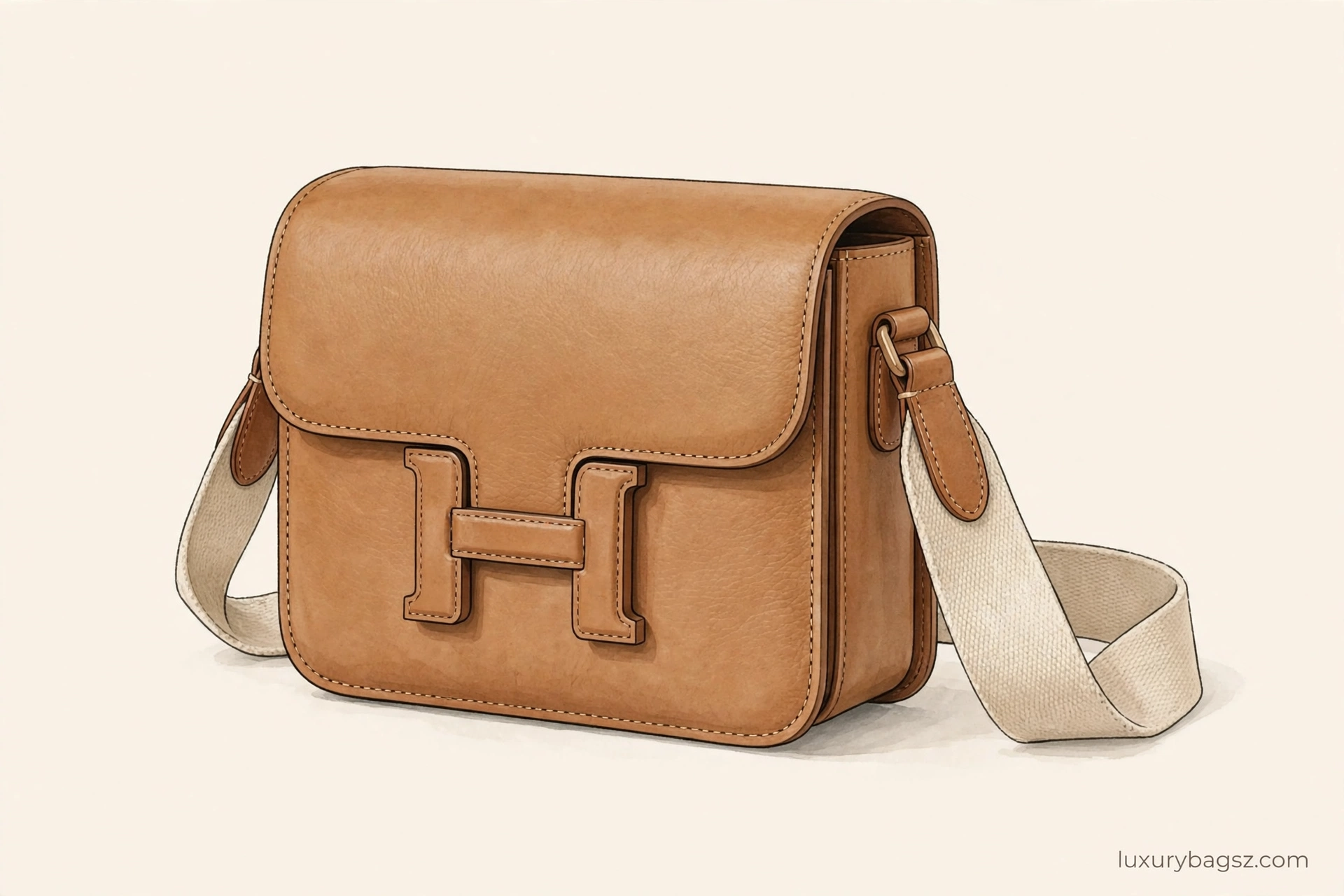
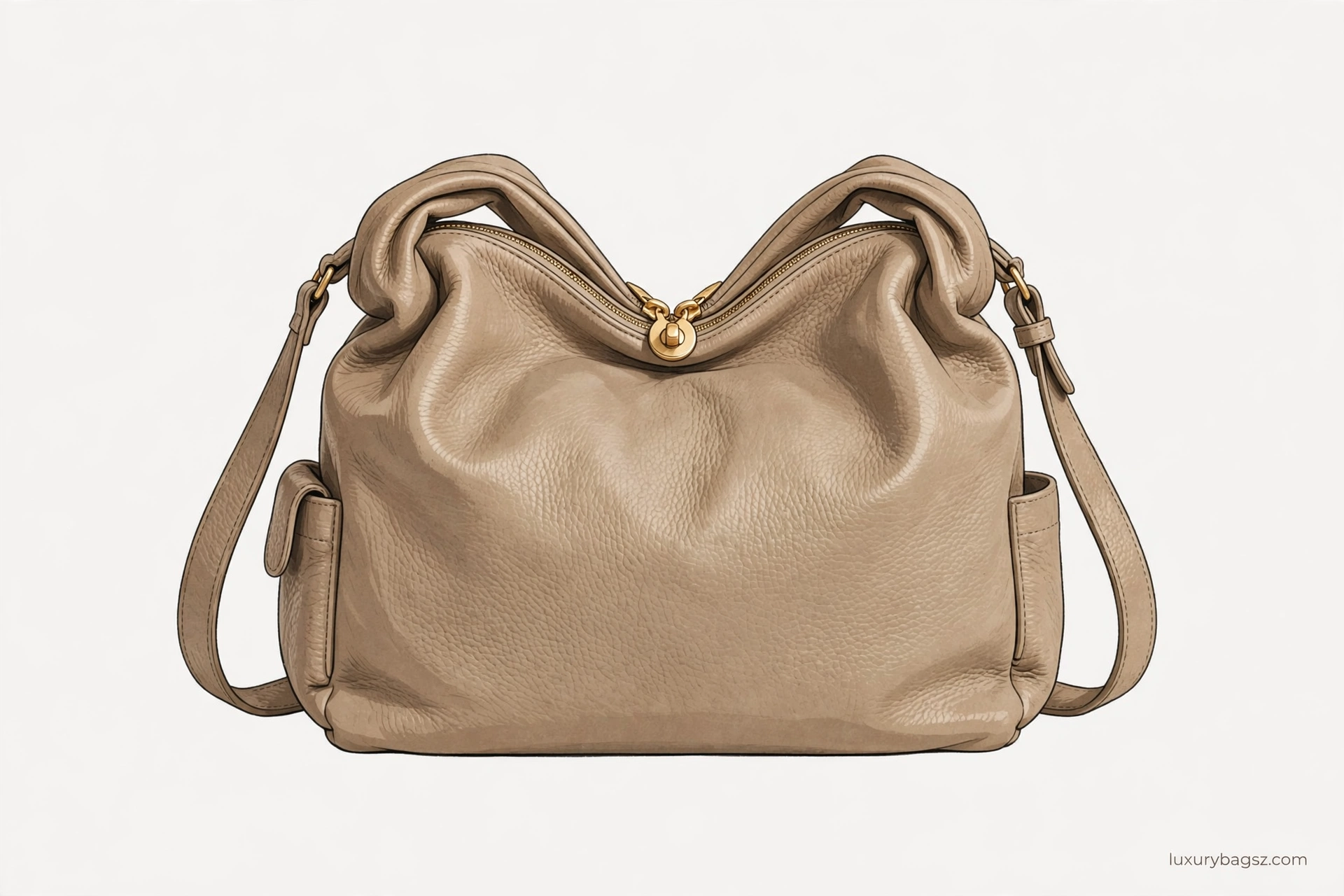
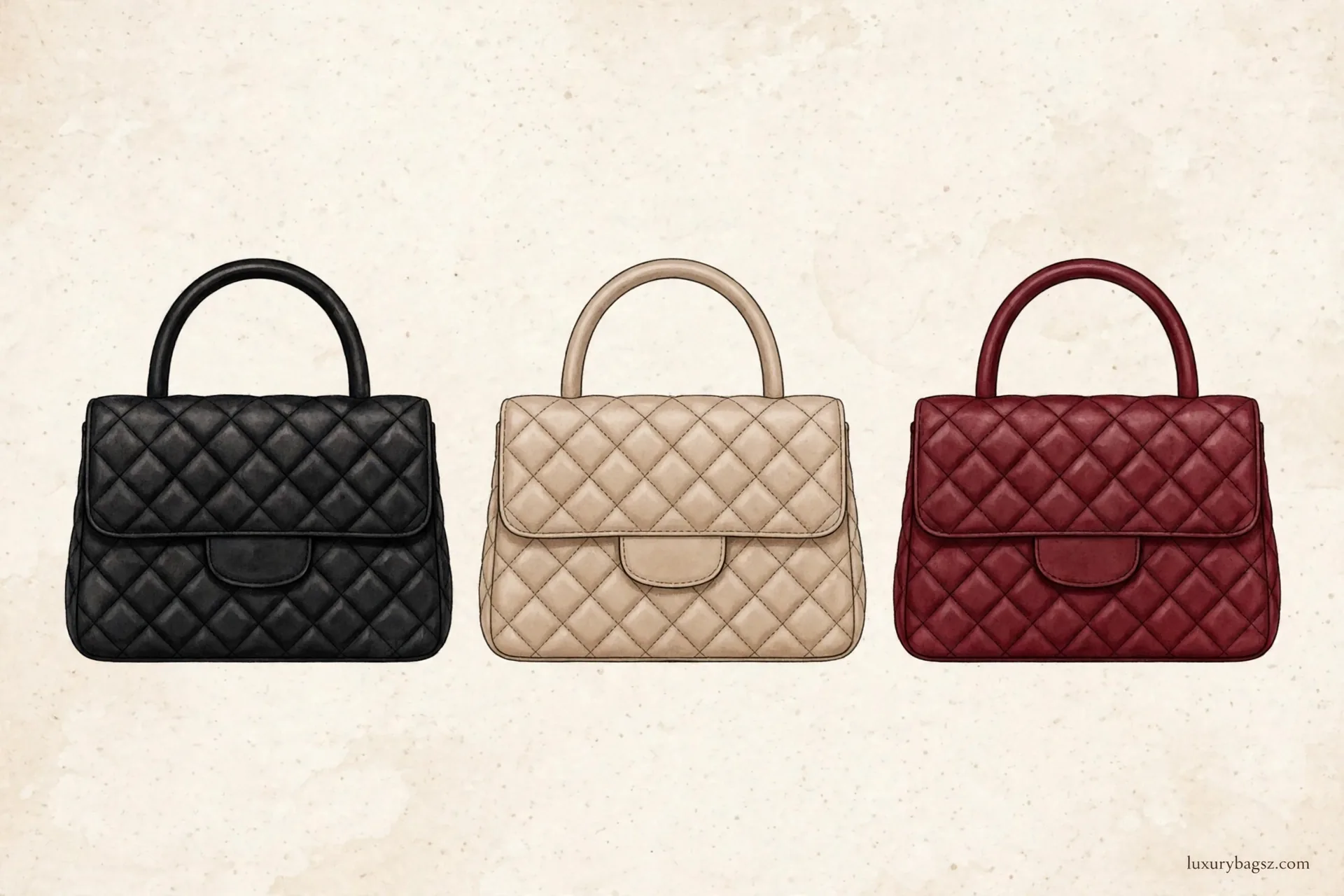
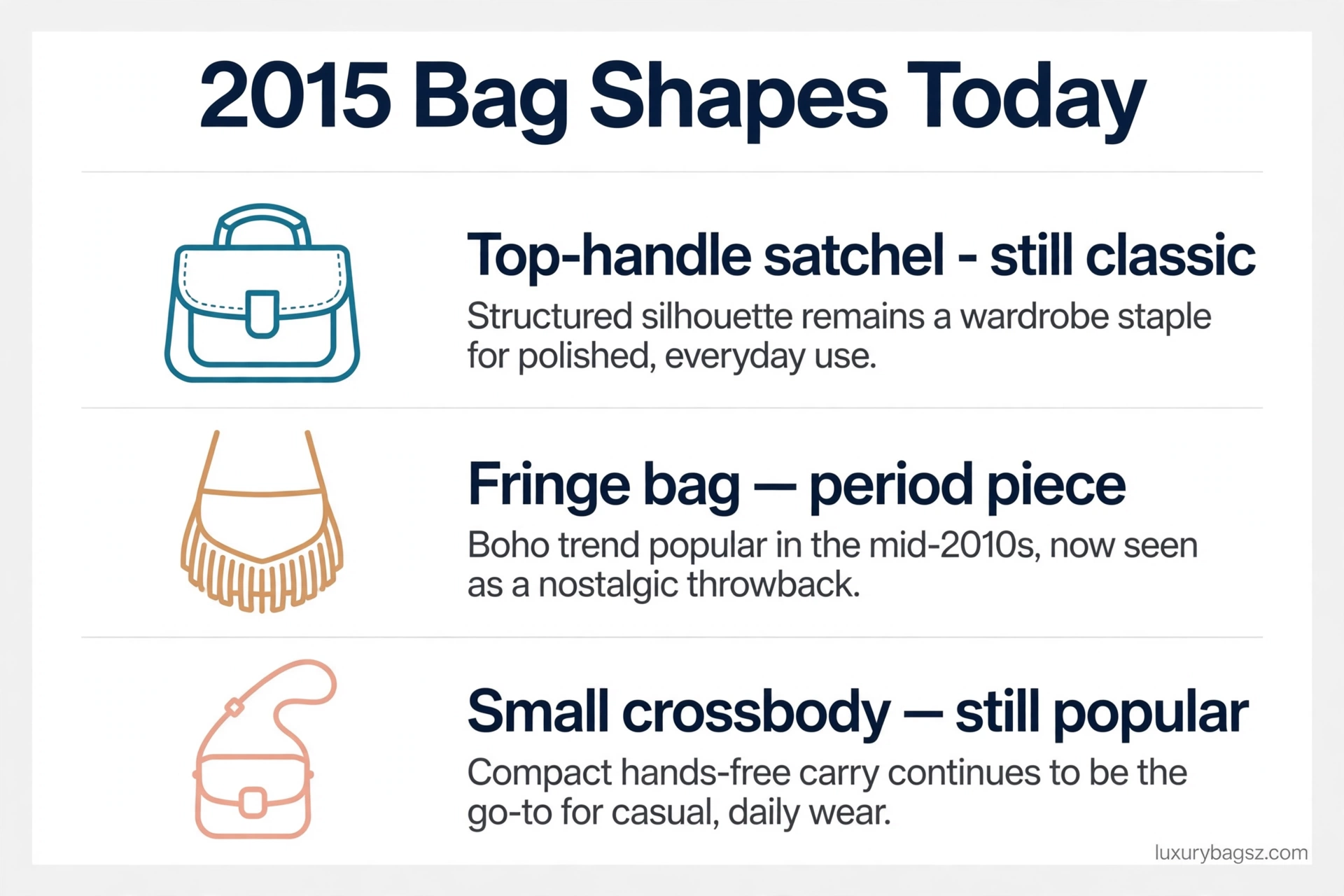
Runway bags that year favoured structure: top handles, neat satchels and small crossbody shapes in strong colour, alongside the fringe that swung from clothing into accessories. Most of those exact styles have passed through the resale cycle since. Clean examples now sit firmly in the vintage and pre-owned market rather than in current stores. Our round-up of NYFW handbag trends traces which New York bag habits proved durable across later seasons, from mini shapes to top handles. If you buy a 2015-era bag today, buy it as a period piece. Check handles, corners and linings carefully, and pay vintage prices, not launch prices.
What Still Matters Now
Three things lasted. The scattered venue map, the public-facing spectacle show, and social coverage as the week's main distribution channel all trace through 2015. The clothes themselves are best enjoyed as a snapshot of a moment: mid-decade, pre-streaming-everything, when a water screen in Central Park still felt like magic. For a wider view across all four cities, our fashion week trend reports show how New York's role compares with London, Milan and Paris. And for collectors, 2015 pieces carry a clear story. A dated show, a known designer era and honest condition will always beat a vague claim of rarity.
Frequently Asked Questions
When was NYFW held in 2015?
Twice, as usual: in February for autumn and winter 2015, and in September for spring 2016. The September edition ran in mid-September, with the Givenchy show on 11 September.
Why was NYFW 2015 a turning point?
It was the first year without the Lincoln Center tents as the central home. Shows spread across downtown venues, a pattern that later seasons kept and built on.
What was the biggest show of NYFW 2015?
Givenchy's open-air show at Pier 26 on 11 September. Riccardo Tisci marked ten years at the house, showed largely in black and white, and admitted public guests alongside the trade.
Which designers led the year?
Alexander Wang, marking ten years of his label, Ralph Lauren with his Central Park Polo spectacle, Marc Jacobs, Jason Wu and Proenza Schouler were among the most reported names.
What trends came out of the September 2015 shows?
Reports led with fringe, crochet, gingham, seventies shapes and suede, plus bold face jewellery at Givenchy. They are period trends, not a current shopping list.
Did the public really attend shows in 2015?
At Givenchy, yes, in part. Tickets were offered beyond the usual trade audience, which was unusual then and widely reported as a sign of where fashion shows were heading.
Are 2015 runway pieces worth buying now?
As vintage, sometimes. A well-kept piece from a strong designer era can hold appeal, but it should be priced and checked as pre-owned, never bought at launch-era prices.
Where can I watch 2015 NYFW coverage now?
Many houses and magazines keep show films and recaps on their channels and archives. Search by designer and season, and expect shorter edited films rather than full original streams.
How does NYFW 2015 compare with later years?
Later years pushed the spectacle and streaming further, with more public and digital-first shows. 2015 sits halfway between the old tent era and the fully scattered modern week.
Is this recap describing current trends?
No. It is a retrospective of a past season. Prices, trends and collections from 2015 are recorded as history, and current shopping should be guided by current season reports.
Final Verdict: Remember 2015 for the Format, Not the Fringe
NYFW 2015 mattered because the week itself changed shape: no single home, bigger spectacle, a public audience and phones everywhere. Enjoy the collections as a vivid period snapshot, collect the best pieces as vintage, and let the format lessons, not the fringe, be the lasting takeaway.