Fashion Week Trend Reports: How the Four Cities Set the Season
Reading the Season Like an Editor: Reports in Brief
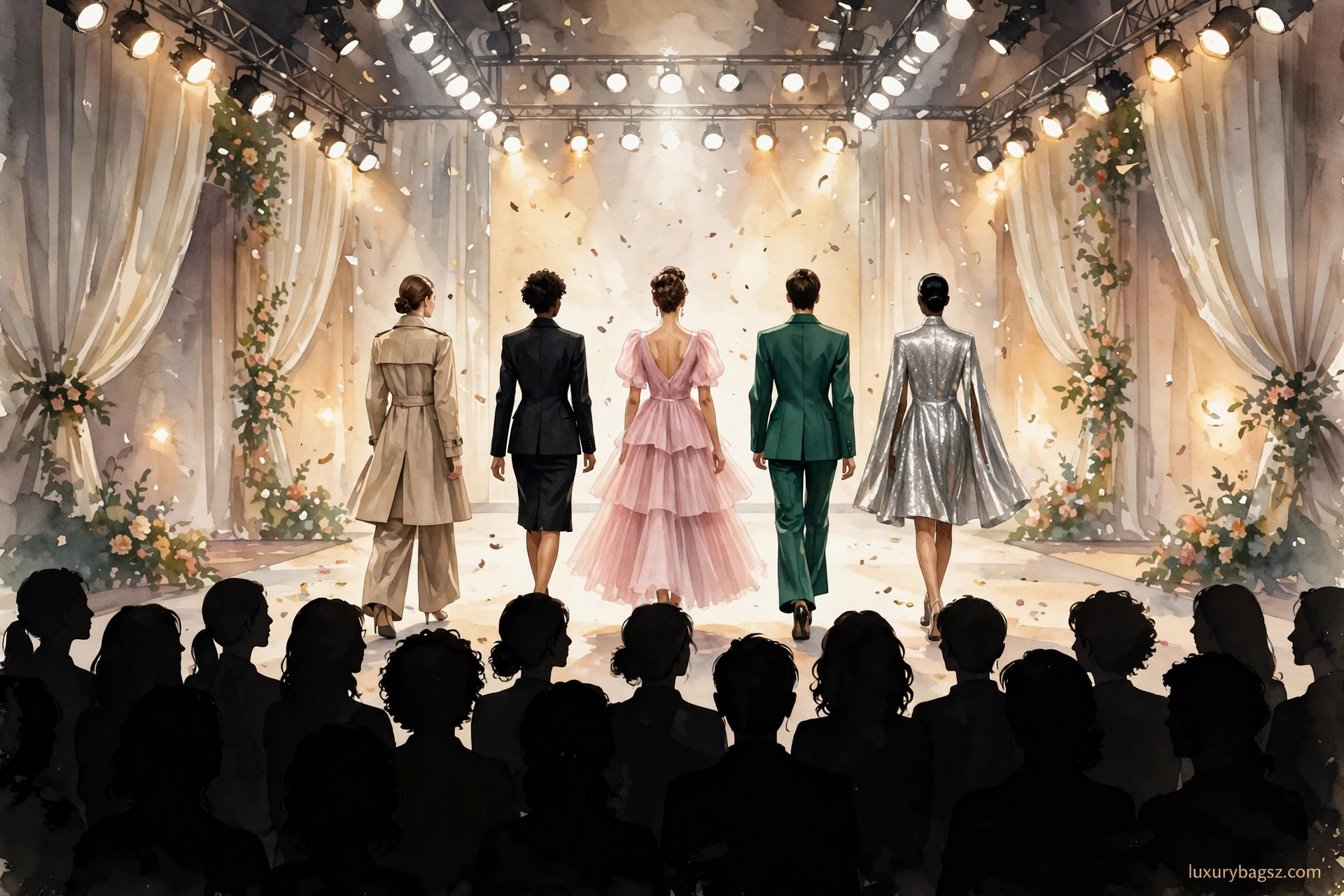
A fashion week trend report gathers what repeated across the four cities — New York, London, Milan and Paris — into themes: a colour, a silhouette, a texture, an accessory mood. One show is an opinion; the same idea in three cities is a trend. Read reports for direction, not orders. The wise reader takes one or two themes that suit her wardrobe, waits for the high-street and pre-loved echoes, and ignores the rest without a flicker of guilt.
Key Takeaways
- Trends are what repeats across cities, not what one show stages.
- New York sells wearability, London ideas, Milan craft, Paris dreams.
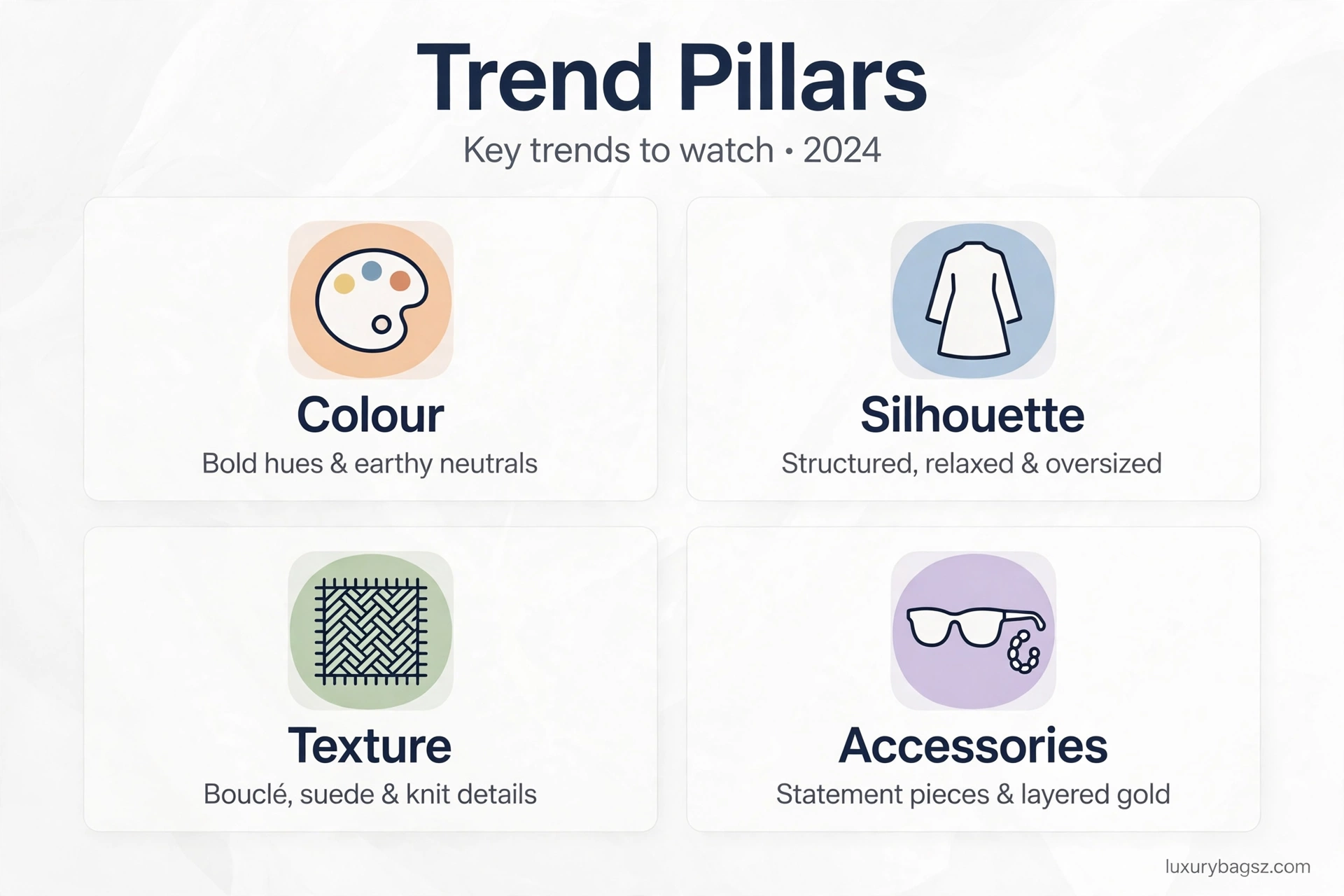
- Colour, silhouette, texture and accessories are the four report pillars.
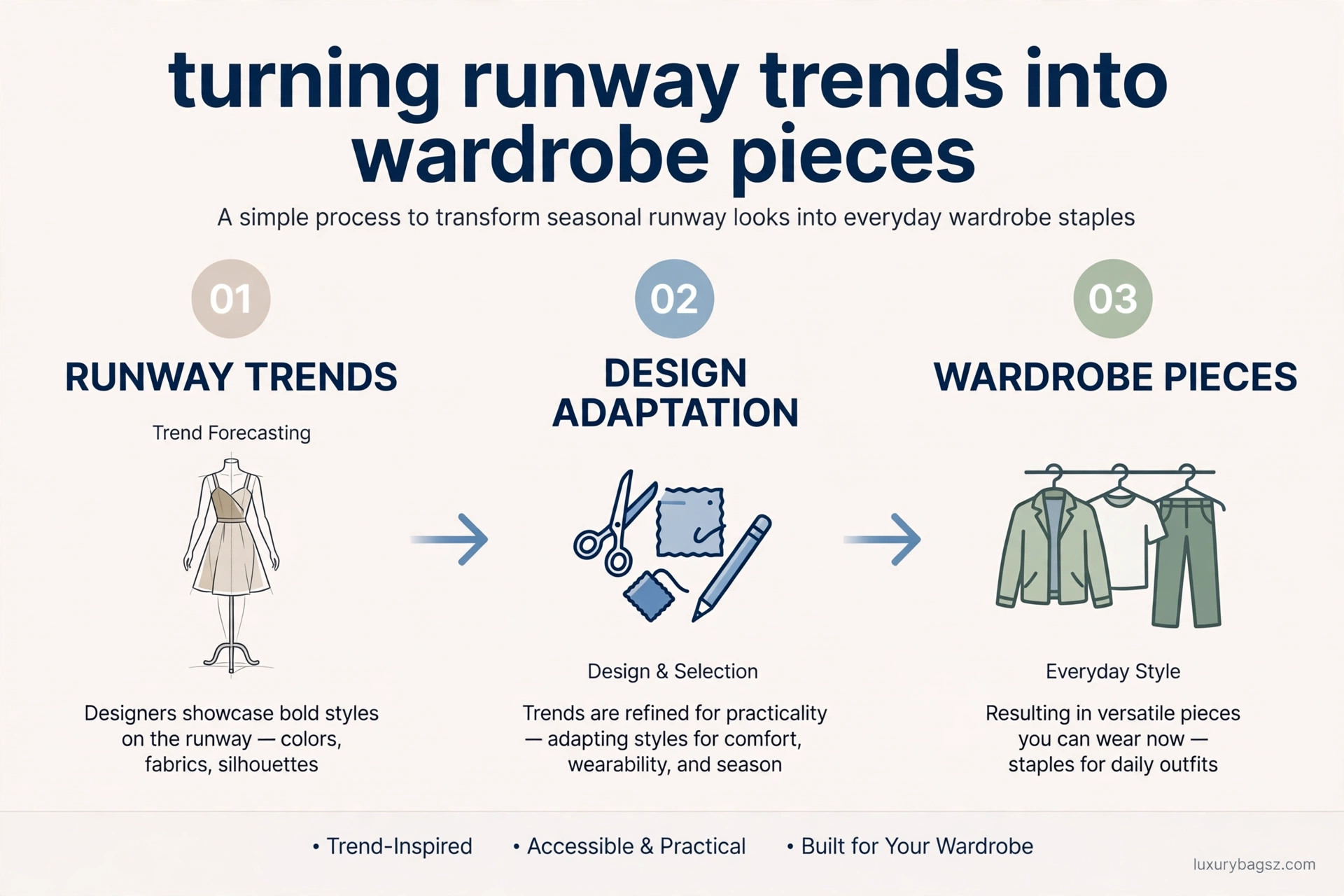
- Runway extremes are signals; real clothes arrive softened months later.
- Street style outside shows often predicts sales better than runways do.
- Take one or two themes per season that suit the wardrobe you own.
The Circuit: Four Cities, Four Characters
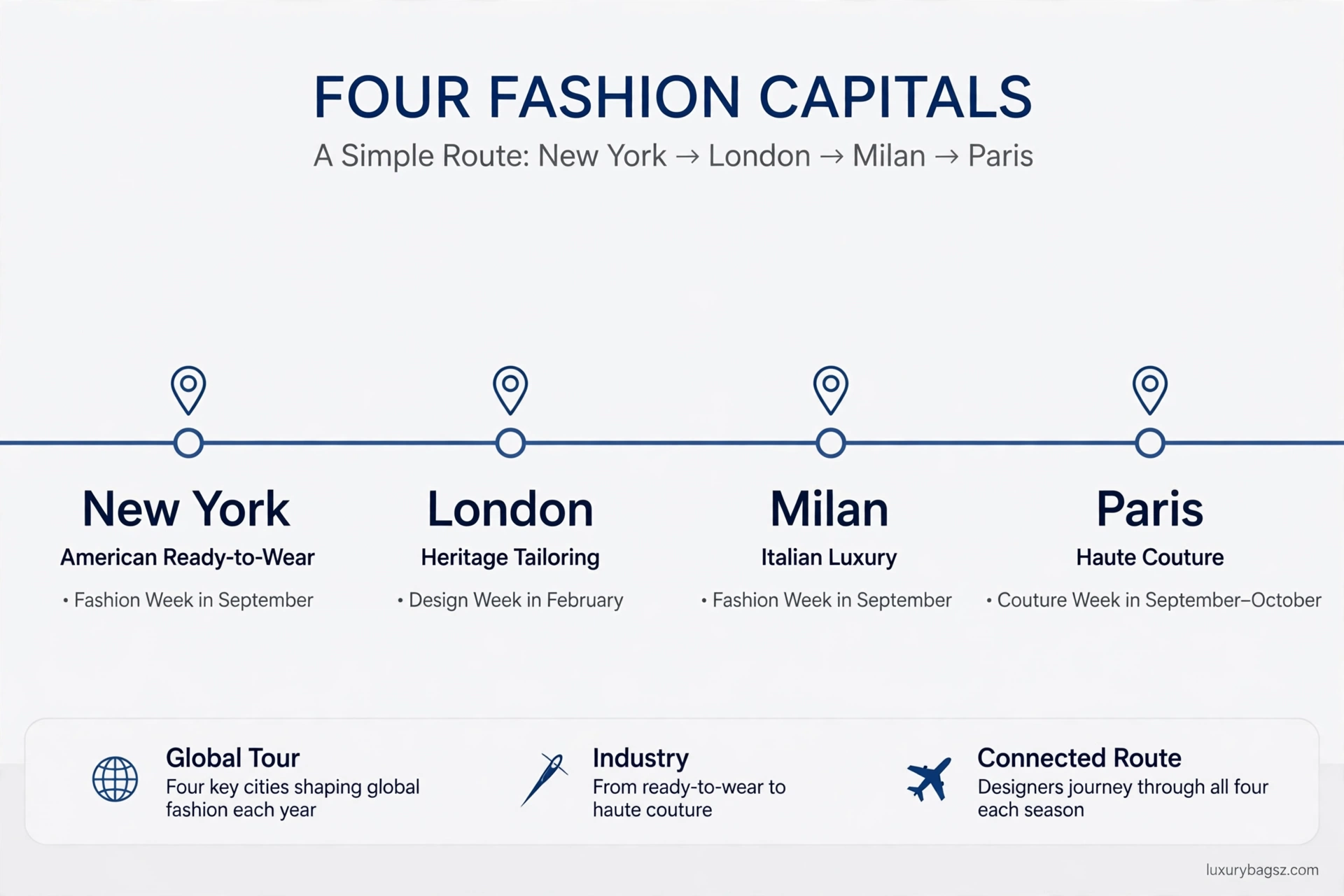
Fashion month runs in a fixed order: New York first, then London, Milan and Paris, each roughly a week, twice a year for the main women's collections. New York is commercial and wearable, strong on sportswear polish and modern tailoring. London is the idea lab: younger, braver, often first with the silhouette everyone later adopts. Milan brings craft, leather and sensual polish; Paris closes with the great houses and the most photographed spectacle. Together they form one long conversation, not four separate arguments.
How a Trend Report Gets Written
Editors and buyers watch for repetition. When wide shoulders appear in New York, again in London and twice in Milan, the notebook line becomes a paragraph, then a headline. Reports also weigh weight of house: a theme led by major houses counts more than one led by a single new name, however joyful. Retail orders made in showrooms confirm or kill early calls. The honest report separates three layers: what was shown, what was ordered, and what will actually be worn. Only the third layer matters to your wardrobe, and it arrives last.

Colour: The Easiest Trend to Read
Colour is the fastest signal because it photographs clearly and repeats visibly: a season of reds, a season of ice pastels, a season of chocolate and cream. Reports name the palette in families rather than single shades, because houses dye differently. Your job is simpler: note which family flatters you and which you already own. A colour trend is the cheapest trend to join. One scarf, one bag, one knit in the season's family updates a whole wardrobe without a single runway purchase.
Silhouette and Texture: The Slower Signals
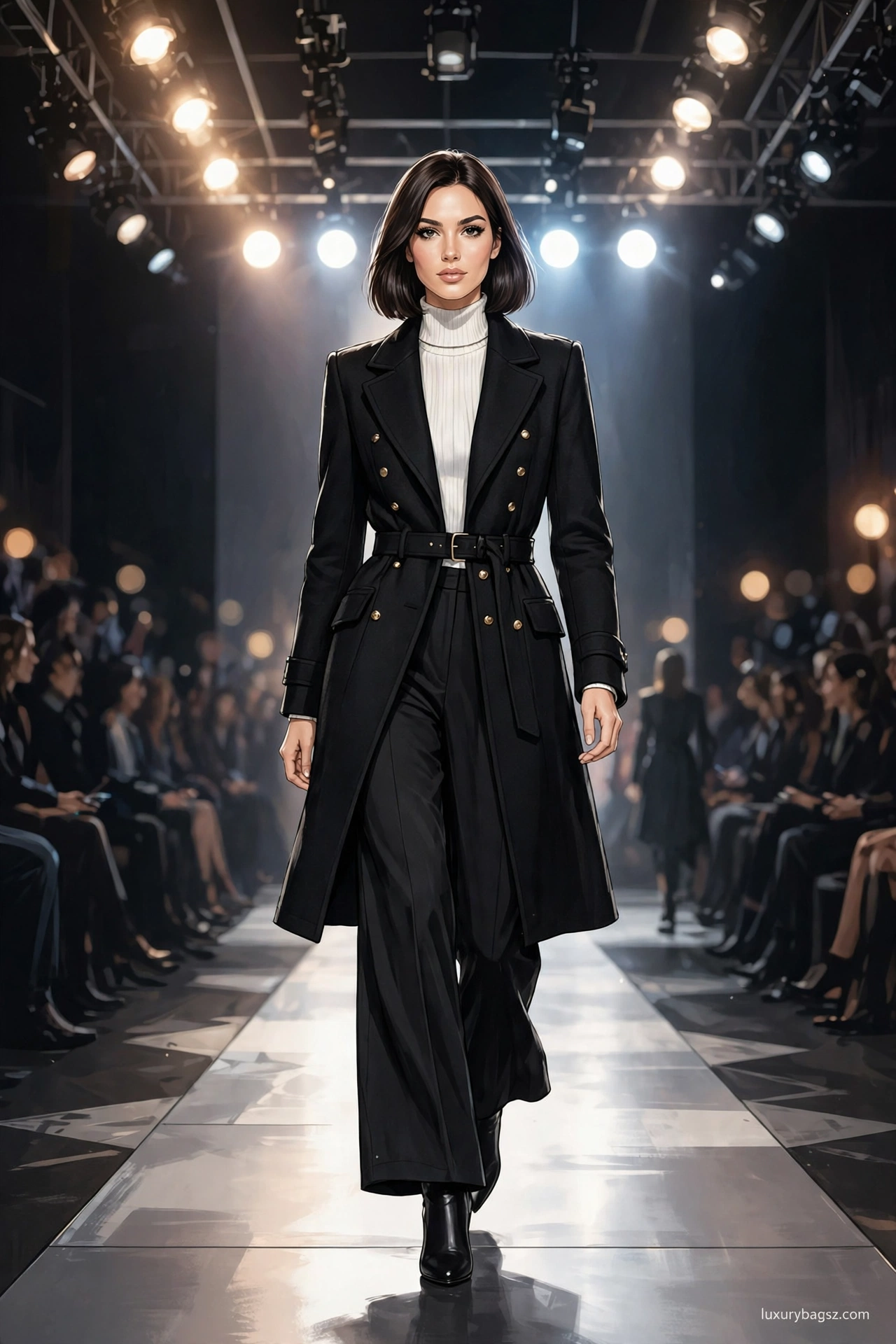
Silhouette changes slowly: hemlines, shoulder lines and trouser widths move over several seasons, not one. Reports that shout a revolution each season should be read with a smile. Texture is the connoisseur's signal: a winter of shearling and long wool, a summer of crochet, raffia and raw linen. Texture trends age well because they suit classic shapes. Buy silhouette and texture carefully, in quality pieces. They will be worn for the years the shape stays current, which is exactly why they are worth more thought than colour.
Accessories: Where Trends Become Purchases
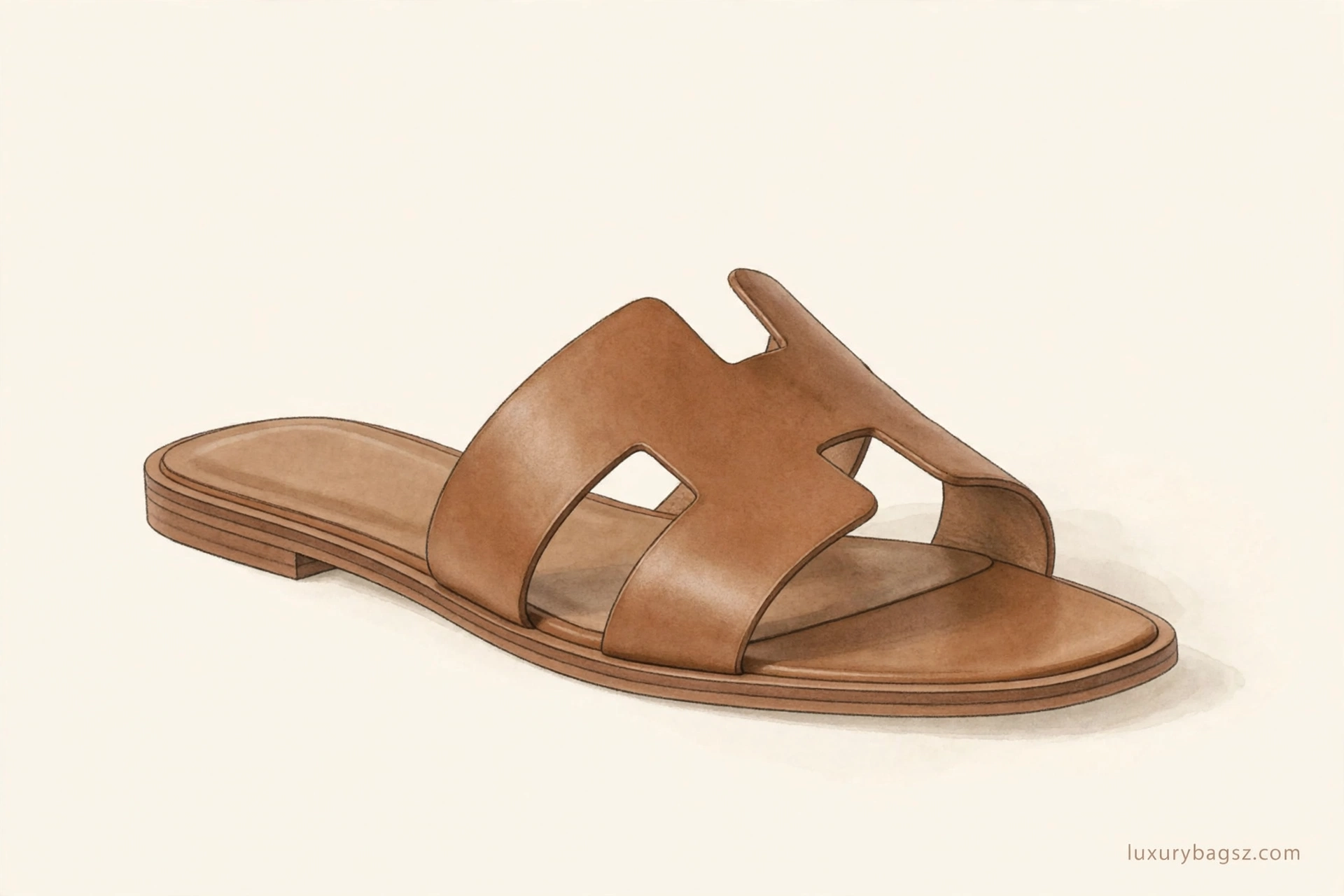
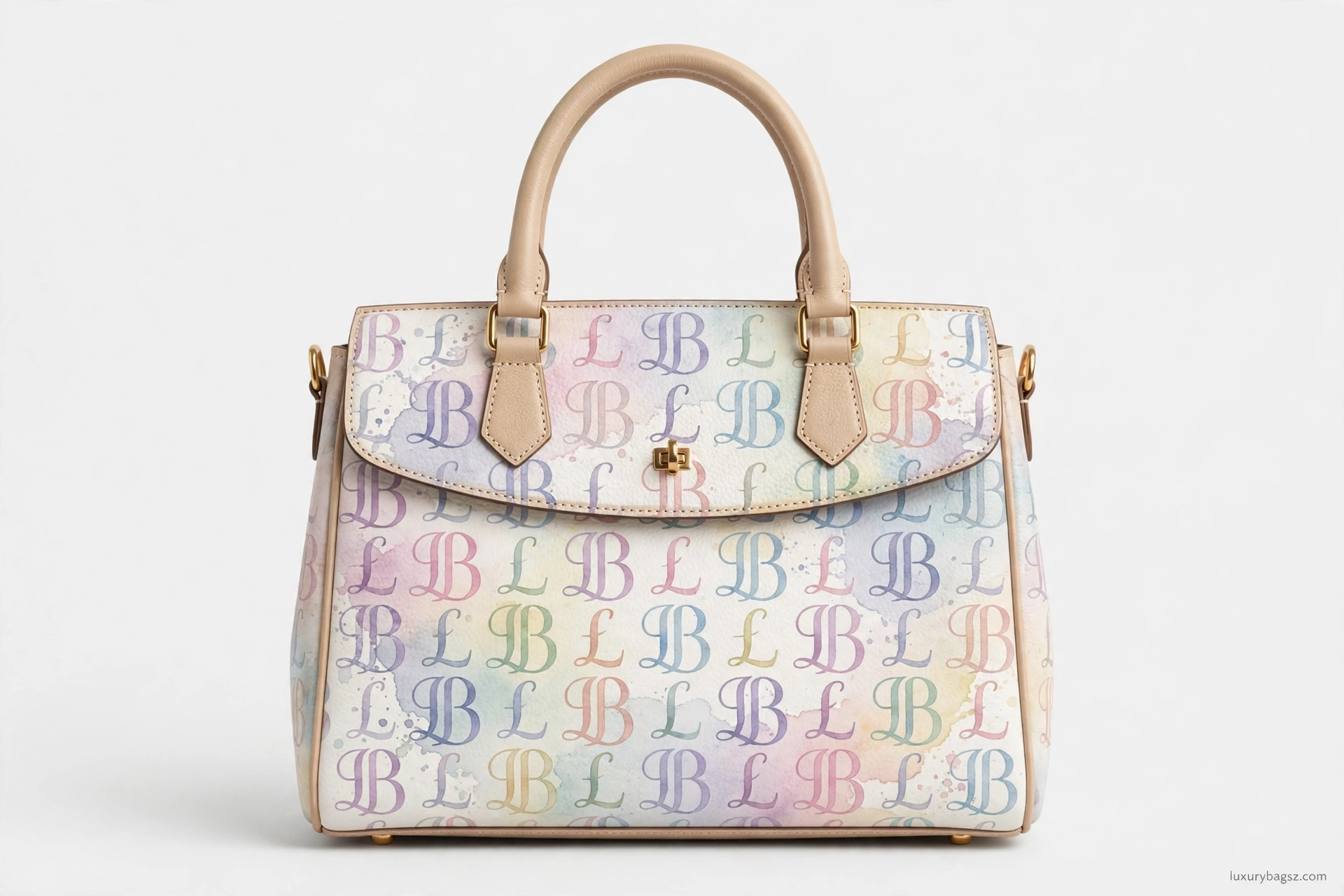
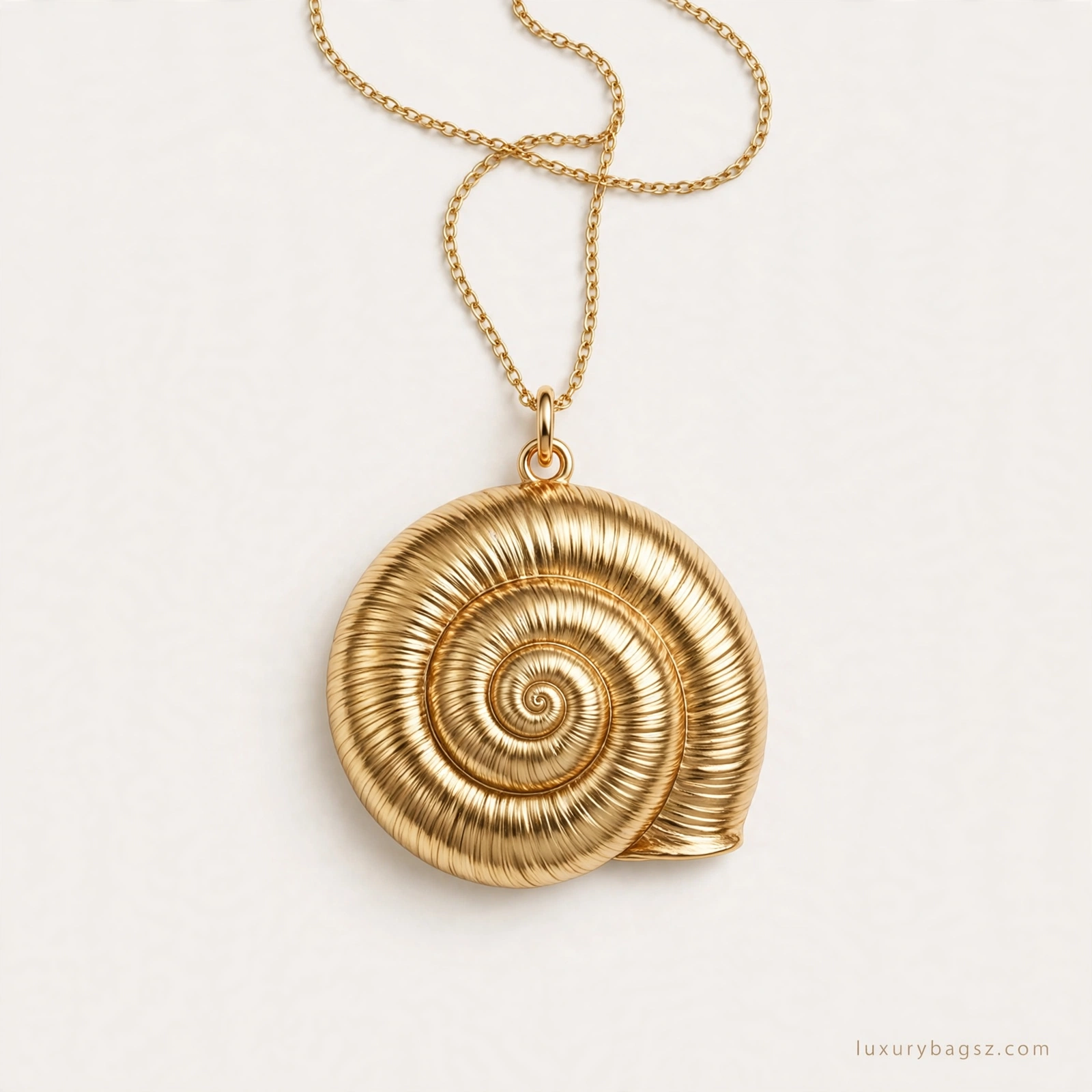
Bags, shoes and belts carry trends into real life fastest, because they update old clothes instantly. That is why every report ends with an accessories watch list. Our own tracking of designer handbag trends follows this same logic across seasons: shapes soften, handles change, and one colour family leads the bags people actually carry. Sunglasses, scarves and jewellery follow the same path. A report's accessory pages are where a careful reader should spend most of her time and, later, most of her budget.
Street Style: The Fifth City
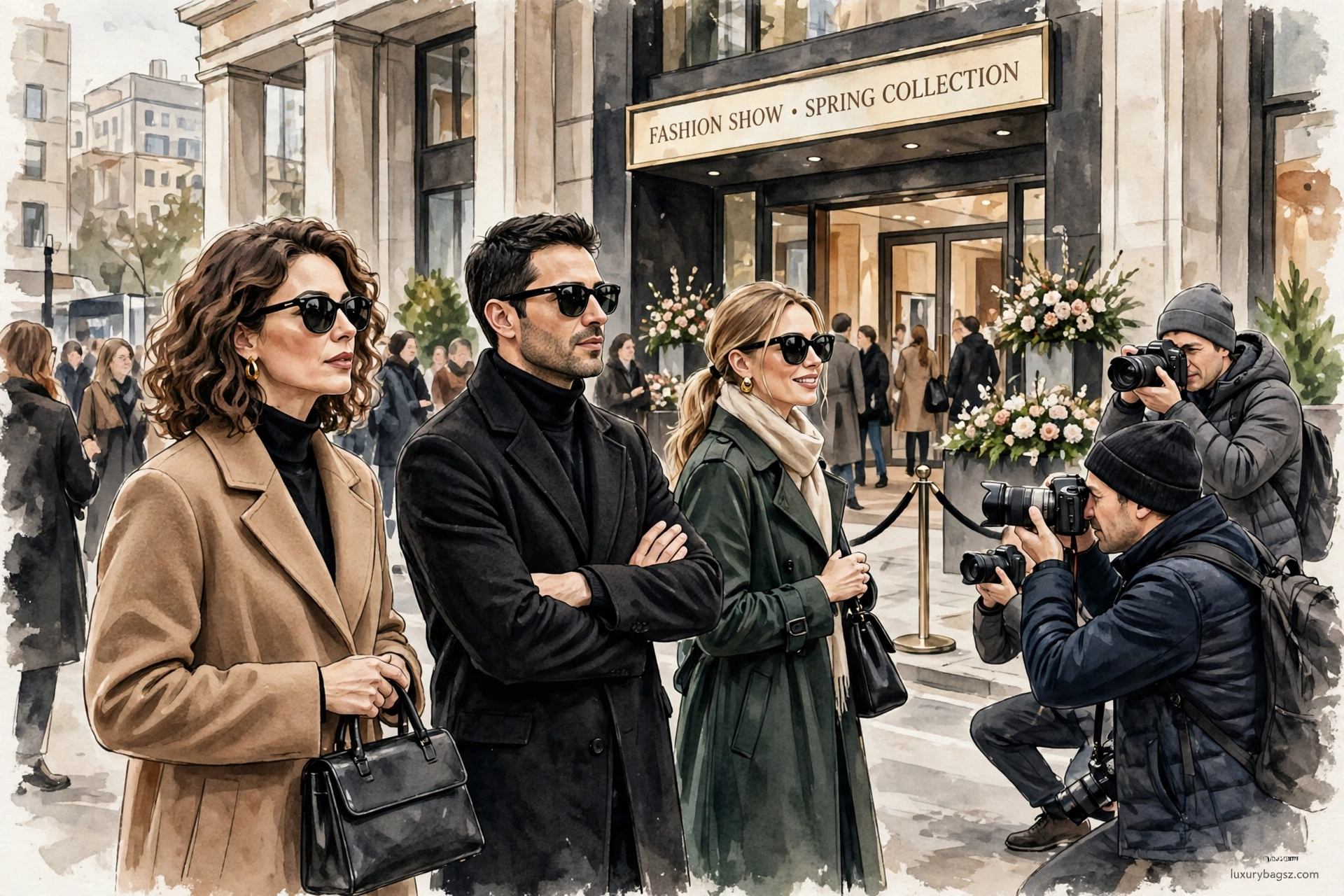
The pavement outside the shows has become a report of its own. Guests wear next season's retail early, mixed with their own classics, and cameras record what real dressing looks like. Street trends often out-sell runway ones because they are already translated: wearable proportions, real shoes, bags that hold a phone. Follow two or three guests whose style resembles yours. Balance both sources against the archive too: the shapes in our guide to iconic designer handbags keep reappearing outside shows precisely because true icons absorb every trend without dating.
From Report to Wardrobe Without Waste
Wait six to eight weeks after fashion month before buying anything trend-led. By then the reports agree, the retail edits land, and the loudest one-show ideas have quietly faded. Choose one theme for clothes and one for accessories. Our seasonal look at the it bags of the year shows how a single bag shape can carry a whole year's trend story on its own. Buy the best version you can of the chosen theme, in your colours, and let the other themes pass. A wardrobe built this way looks current every year and never looks costumed.
Reading Reports With a Clear Eye
Ask who wrote the report and what they sell. A retailer's report will favour stocked themes; a magazine's will favour photographed ones. Neither is lying, but both are steering. Check whether a claimed trend names many houses or just one famous show. Many houses means a movement; one house means a moment, and moments are for watching, not buying. Finally, trust your mirror over every report. The best trend reading ends with a short list that suits your life, your colours and your climate — everything else is entertainment.
Frequently Asked Questions
What are the four main fashion weeks?
New York, London, Milan and Paris, held in that order twice a year for the main women's seasons. Together they are called the Big Four and form fashion month.
How soon do runway trends reach shops?
Designer pieces arrive roughly six months after the shows, as the season they were made for begins. Faster retailers echo simplified versions within weeks of the shows.
What makes something a trend rather than a moment?
Repetition across houses and cities, plus real retail orders. One dramatic show is a moment; the same colour or shape in three cities is a trend worth noting.
Which city is best for wearable trends?
New York usually leads on wearable polish, while Milan excels at luxurious everyday craft. London invents, Paris dramatises — each report balances all four voices.
How many trends should I adopt each season?
One for clothes and one for accessories is plenty for most wardrobes. More than that and outfits start to date together, all at once, two seasons later.
Do trend reports cover menswear too?
Yes, but men's weeks run on a partly separate calendar, mainly in London, Milan and Paris, and change more slowly. The same reading rules apply: repetition is truth.
Are street style photos reliable trend evidence?
They are excellent evidence of what stylish people actually wear, which is a different truth from the runway's. Wise readers use both and note where they agree.
Why do reports disagree with each other?
Editors weigh houses and themes differently, and retailers favour what they stocked. Disagreement usually means a weak or split season, not that anyone made an error.
What is the cheapest way to join a trend?
Through colour and accessories: a scarf, a bag or a knit in the season's family. These update existing clothes for a fraction of a runway outfit's cost.
How long do fashion week trends last?
Colour stories often last one to two seasons, textures two to four, and silhouettes can run for years. Buy in that order of confidence and your money follows the odds.
Final Verdict: Repetition Is the Only Real Trend
Read every report for what repeats across cities, take one clothing theme and one accessory theme that suit your life, and wait for the settled retail versions. That calm method keeps a wardrobe current for decades — which is the only trend that never dates.