New York Fashion Week Guide: Dates, Shows, Tickets and What to Wear
NYFW Without the Mystery: The Guide in Brief
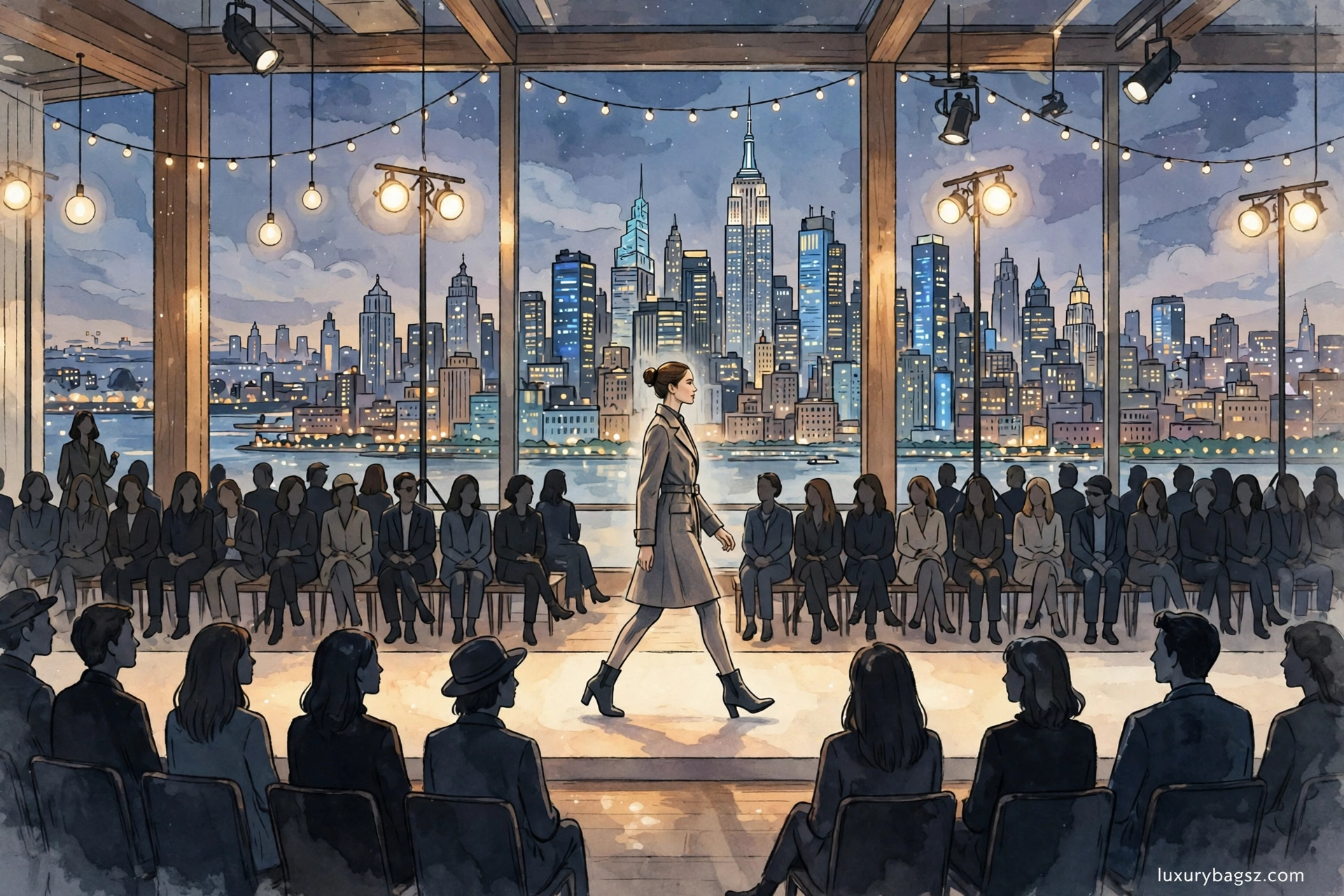
New York Fashion Week is a roughly week-long run of designer shows and presentations held each February and September, opening the global fashion month. Most shows are industry-only, but presentations, public events and livestreams let anyone follow the season properly. Plan like a guest even if you watch from home: know the calendar, follow a shortlist of houses, and read the trend reports afterwards. That is how the week turns from a blur of photos into a clear picture of the season ahead.
Key Takeaways
- NYFW opens fashion month each February and September.
- Most runway shows are invitation-only for industry guests.
- Presentations, pop-ups and public shows give real public access.
- Wear polished, weather-ready outfits and truly walkable shoes.
- Manhattan venues cluster downtown, with shows across the boroughs.
- Livestreams and next-day reports are the best seats for most fans.
What NYFW Is and When It Happens
NYFW is the American opening of fashion month, where designers show collections roughly six months before they reach shops: spring-summer lines in September, autumn-winter lines in February. The official calendar is organised by the American fashion council, while independent shows and presentations run alongside it across the city all week long. A show lasts about ten to twenty minutes. The week around it — fittings, castings, showroom appointments and parties — is where the industry's real work gets done.
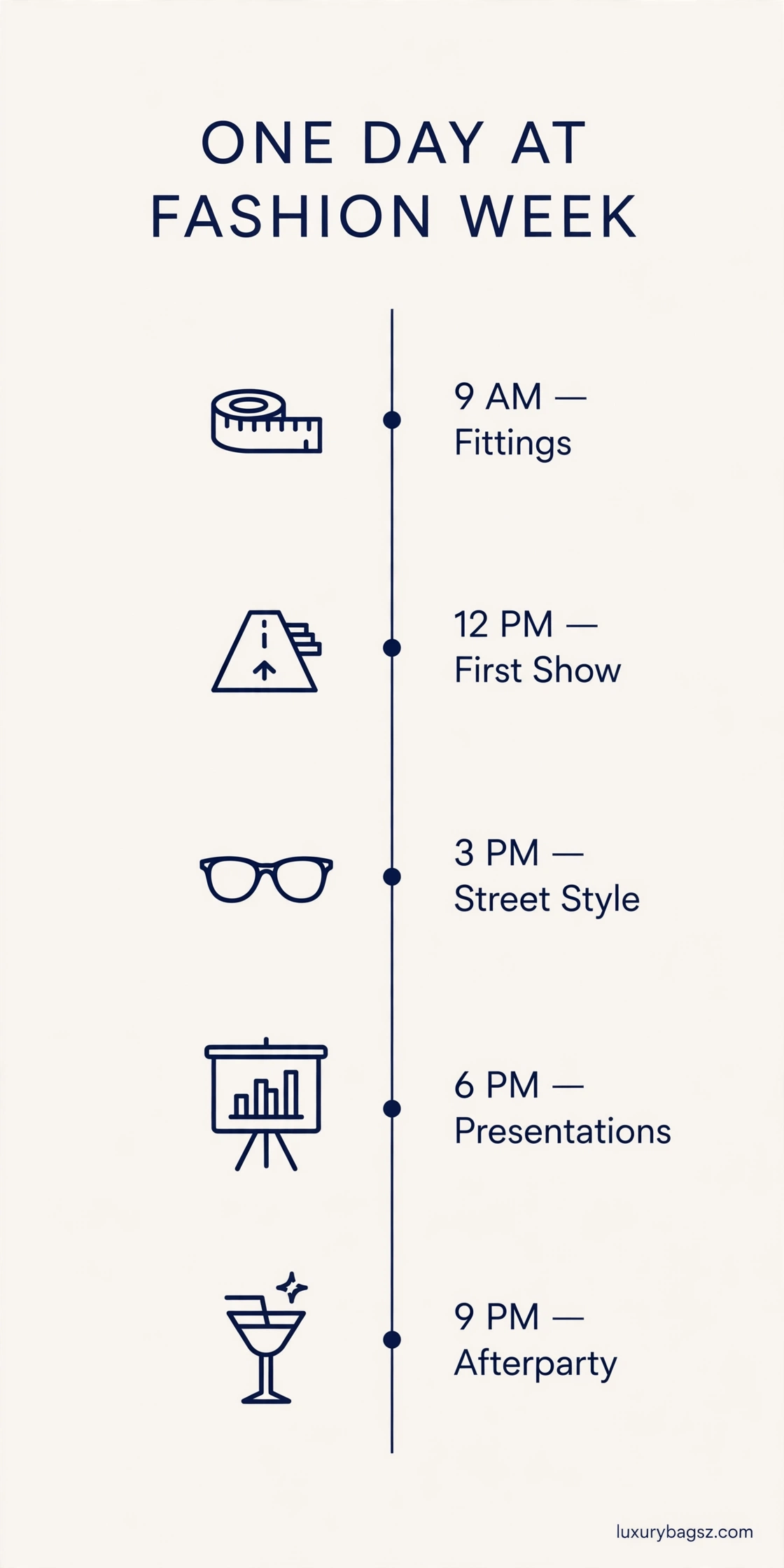
A Day at Fashion Week, Hour by Hour
Mornings start with backstage preparation: hair, make-up, dress rehearsals and first looks, while guests plan routes between venues that can sit far apart on the map. Midday brings the biggest shows, with front rows of editors, buyers and stylists reading each look for stories, orders and wardrobes they manage. Evenings belong to presentations, dinners and afterparties, where smaller houses often show their work at close range and guests can actually examine cloth and craft.
Who Gets In, and How Access Works
Invitations go to press, buyers, stylists, clients and creators whose work serves the house. Seating is planned to the chair, which is why spare seats almost never exist. Public routes in are real, though: ticketed presentations, brand pop-ups, sample experiences and the many shows by emerging designers who welcome an audience. However you attend, read the week through the lens of our fashion week trend reports, which explain how scattered shows become the season's agreed themes.
The Houses and Moments to Watch
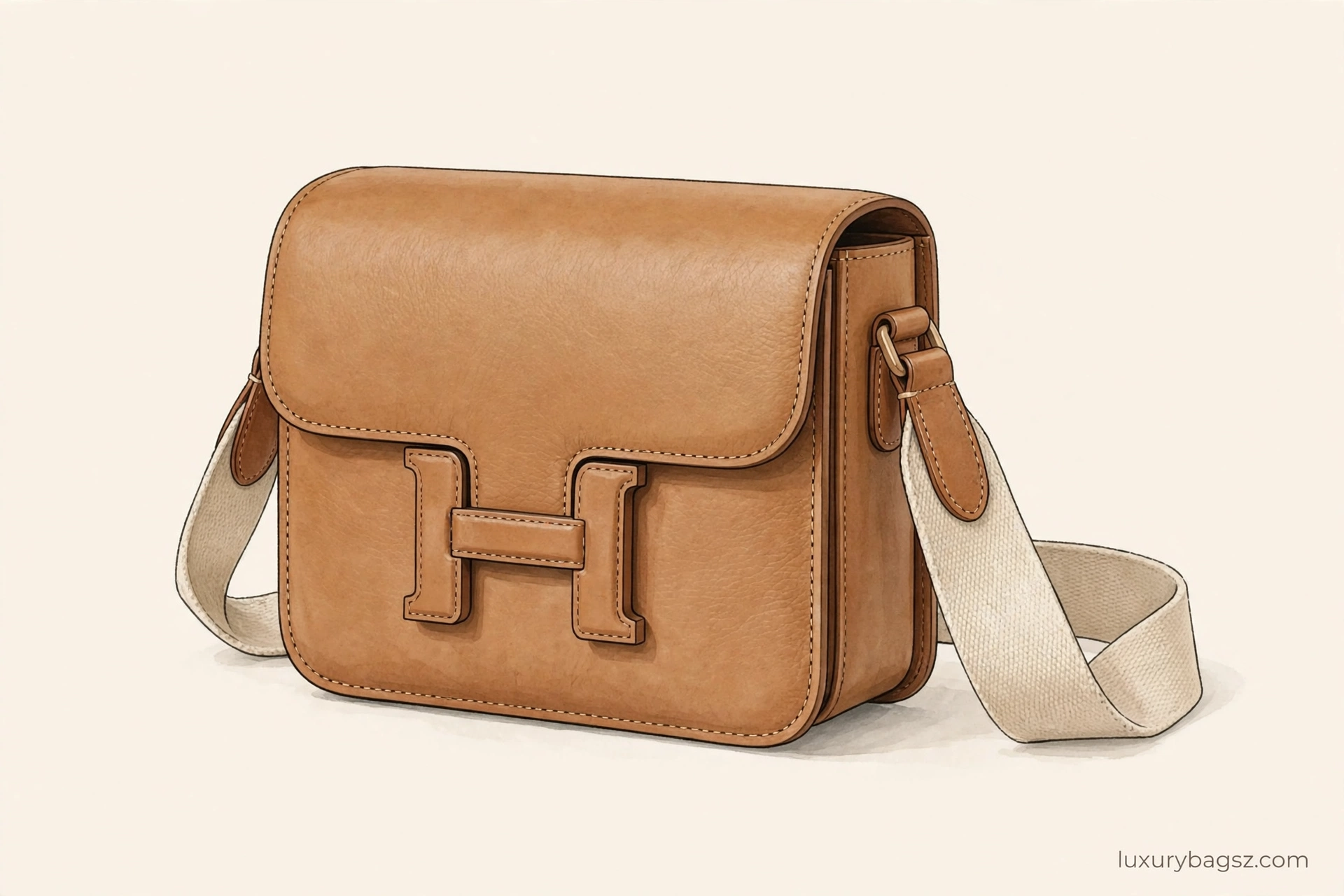
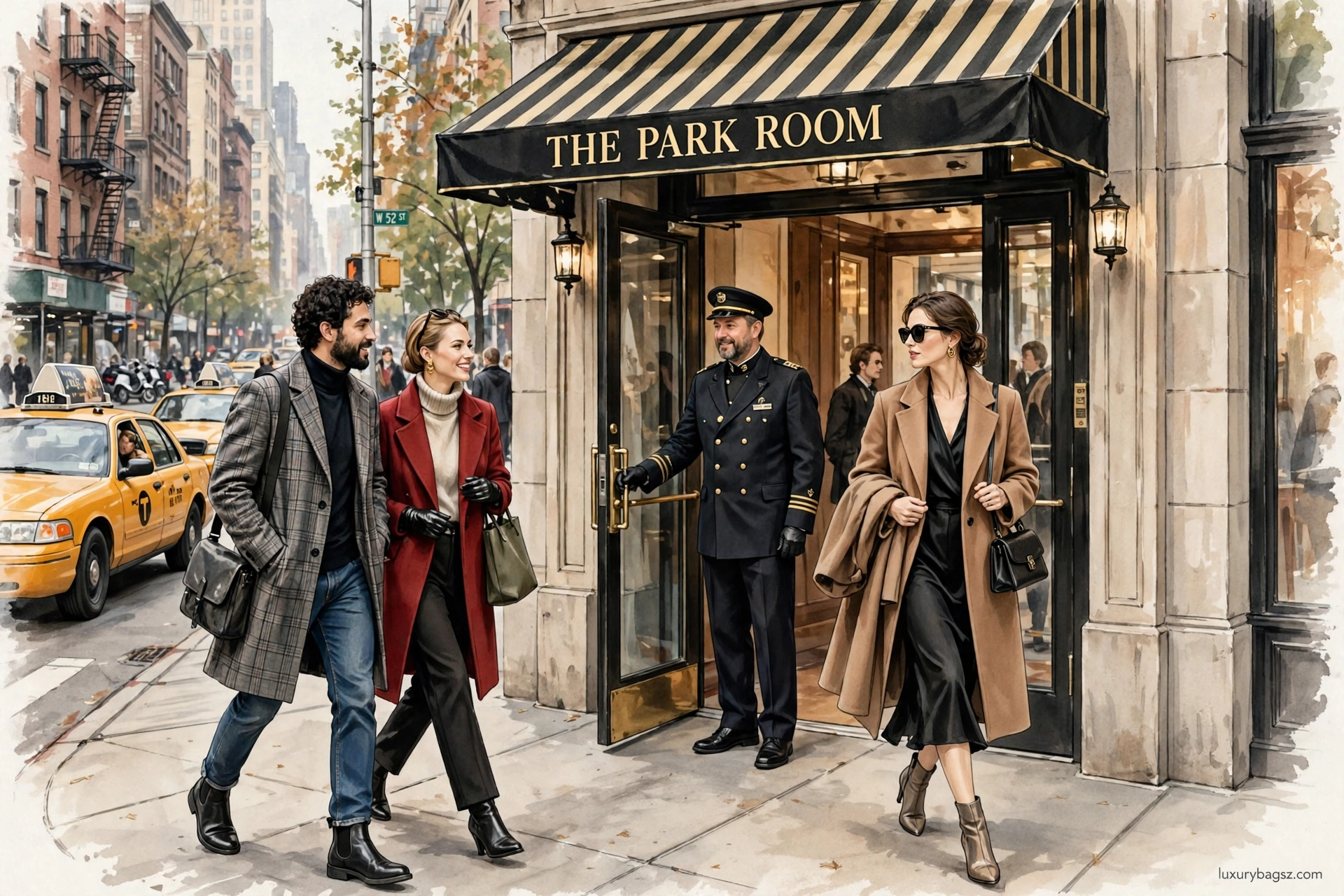
Established American names anchor the calendar with polished sportswear, tailoring and evening glamour, while guest and heritage houses add scale on the biggest days. Emerging designers are the week's treasure. Their smaller shows are where new silhouettes, bag shapes and styling ideas often appear a season before the mainstream adopts them. Watch the accessories as closely as the clothes. New York's practical spirit shows first in carryable bags, walkable shoes and coats built for real weather rather than pure theatre.

What to Wear: Guests, Creators, Fans
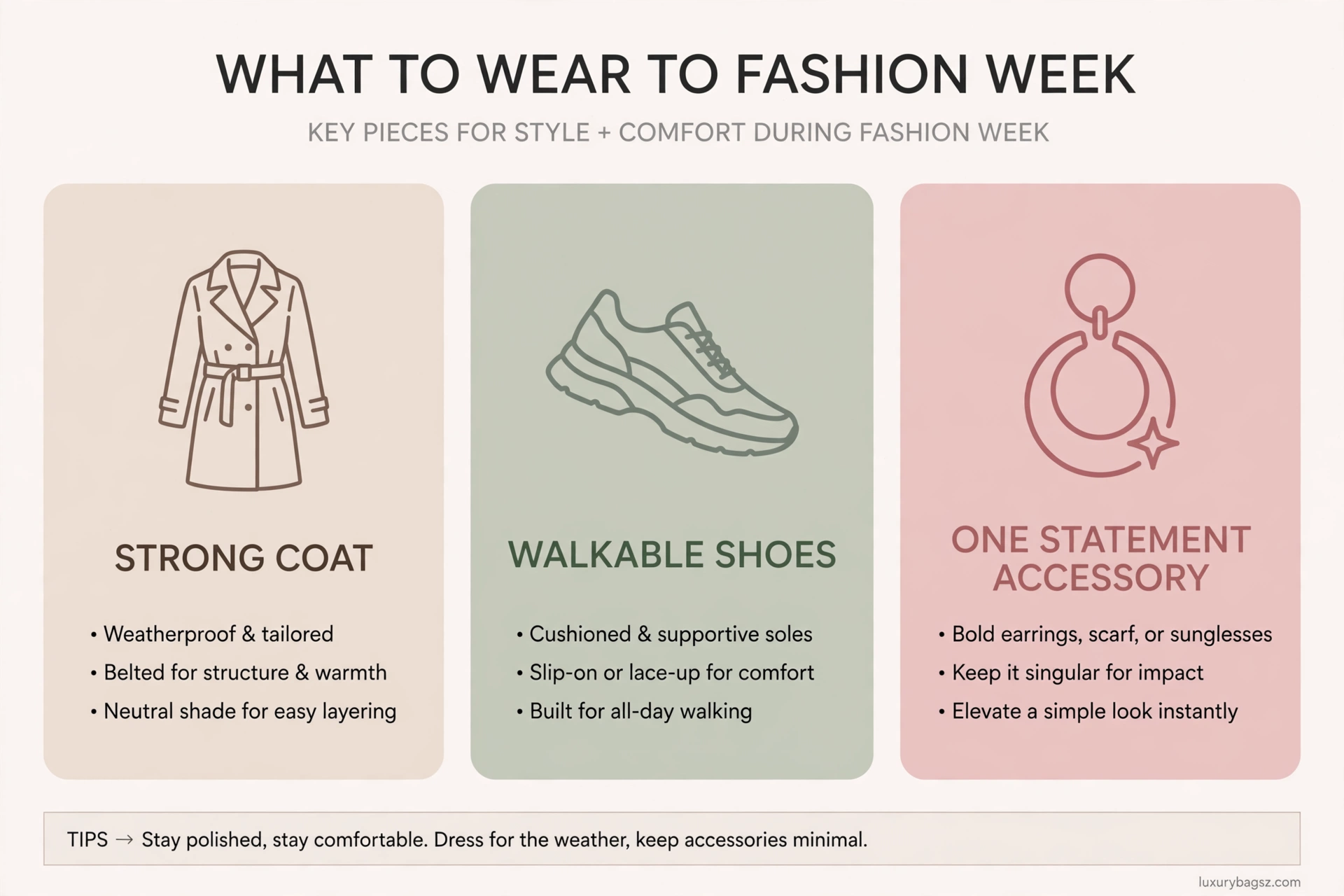
Dress polished and personal: a strong coat, clean tailoring or a considered dress, finished with one statement accessory. Trying to wear every trend at once reads as costume. Shoes must walk. Venues, queues and subway stairs punish delicate heels; a block heel, a smart flat or a clean boot serves a full day far better. February demands warmth layered invisibly; September demands breathable cloth and a plan for sudden rain. Photographers reward colour and silhouette, so one bold choice beats five shy ones.
Venues, Neighbourhoods and Street Style
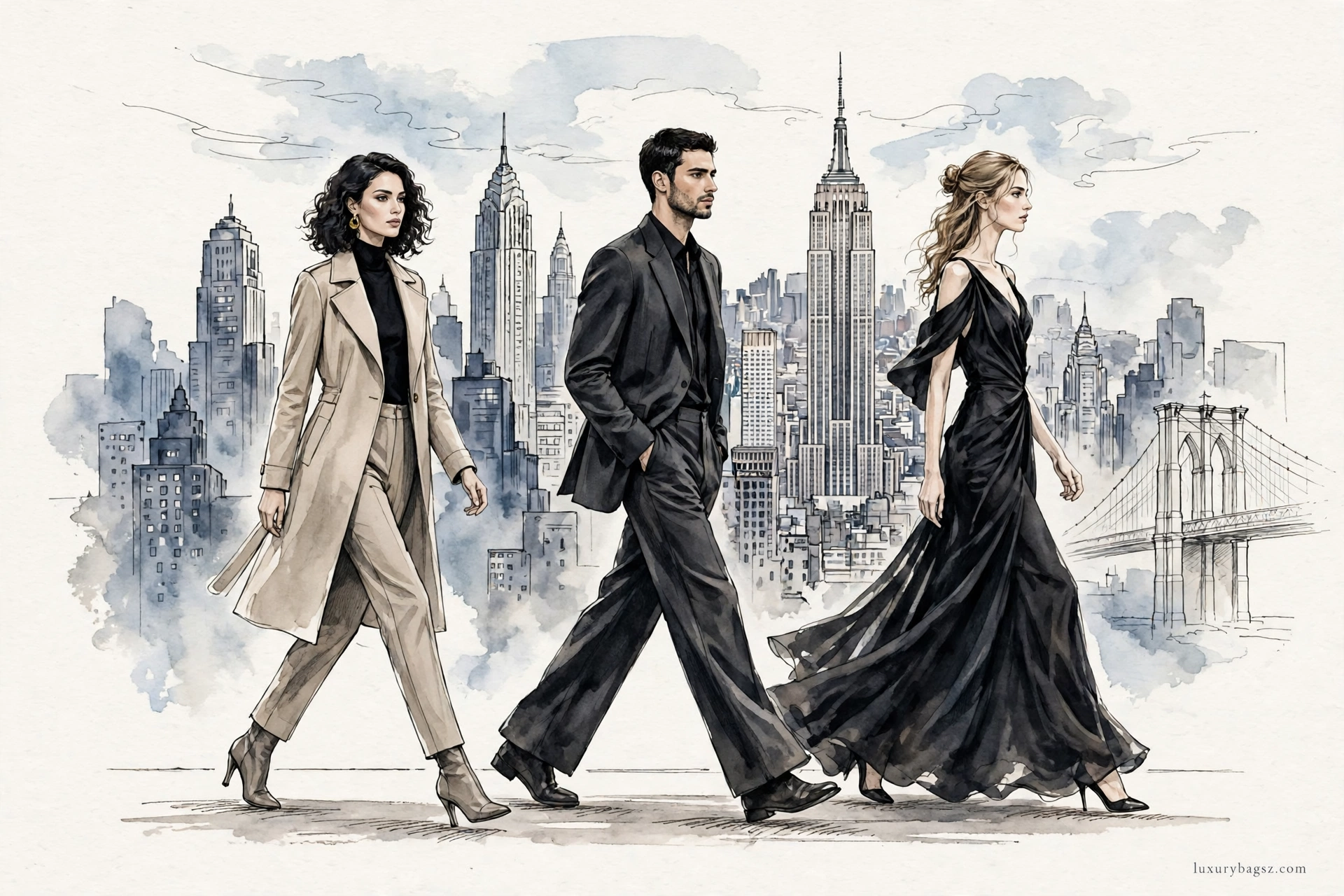
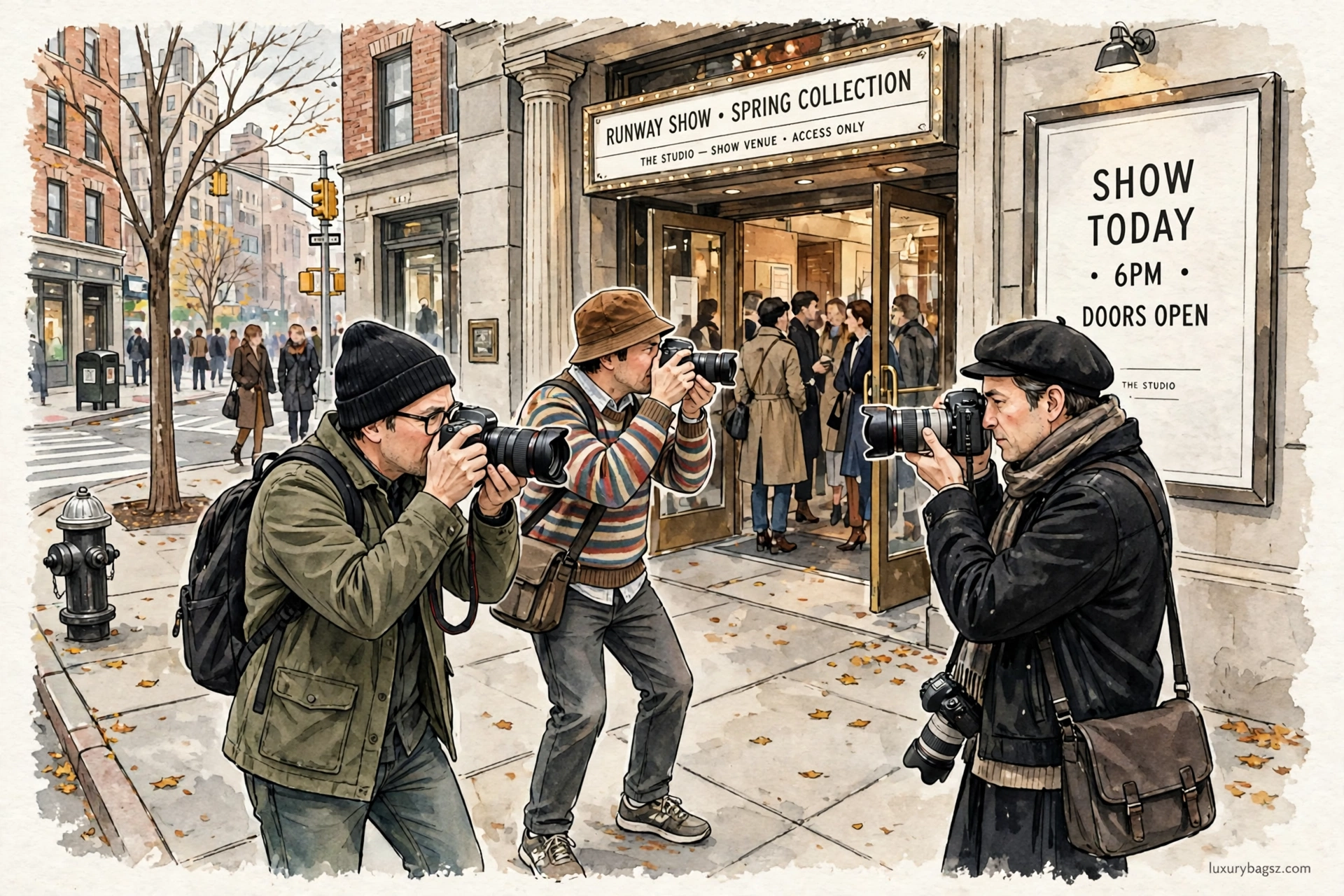
Shows spread across Manhattan and into Brooklyn, in galleries, industrial halls, historic rooms and open-air spaces chosen to match each collection's mood. Between venues, the pavement becomes its own runway. The bag choices there echo the wider story told in our round-up of designer handbag trends — practical sizes, strong shapes and one colour that leads the crowd. Give yourself double the travel time you expect. Check-in lines, security and street-style crowds make even a short hop between shows a slow, scenic journey.
Following From Home Like a Professional
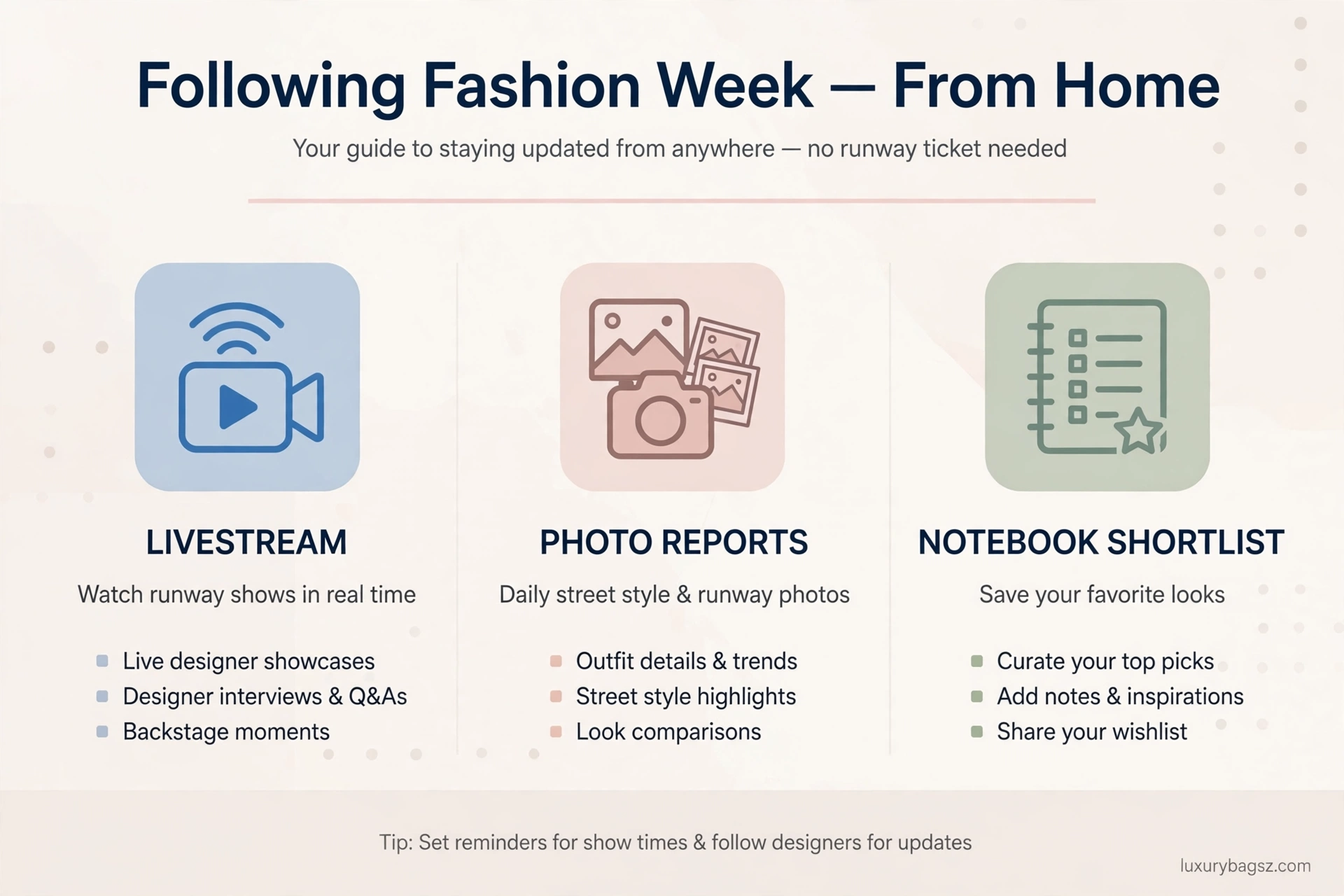
Most major shows now stream live or appear as full videos within hours. Build a shortlist of eight to ten houses and watch those properly rather than grazing everything. Read next-day reports for what repeated, then compare with the carry-over classics you already love in guides such as our edit of top designer bags — trends matter most where they meet icons. Keep notes on one colour, one silhouette and one accessory you would truly wear. That tiny list, made in the week itself, is the most useful shopping document of the season.
Making the Most of a Trip
Book rooms early near a subway line rather than near one venue; the week moves, and so will you. Mornings in show districts fill fast, so arrive fed and unhurried. Respect the working nature of the week: ask before photographing guests, never block check-in lines for a picture, and let seated industry guests with deadlines pass. Leave one half-day unplanned for the city itself — a museum, a vintage shop, a long walk. NYFW is a lens on New York, and the city is half the show.
Frequently Asked Questions
When is New York Fashion Week held?
Twice a year, in February for autumn-winter collections and September for spring-summer. Each run lasts roughly a week and opens the global fashion month circuit.
Can the public buy tickets to NYFW shows?
Most headline runway shows are invitation-only, but ticketed presentations, emerging designer shows, pop-ups and public events run all week and are bookable in advance.
How long does a fashion show last?
Usually ten to twenty minutes of runway, after guests have taken their seats. The preparation behind those minutes fills days of fittings, castings and rehearsals.
What should a first-time guest wear?
A polished outfit in your own style, one statement accessory and shoes you can walk and queue in. Comfort with intent photographs better than an uncomfortable costume.
Where do the shows take place?
Across Manhattan and into Brooklyn, in venues from galleries to industrial halls. There is no single home venue, so the official calendar's addresses are essential planning tools.
Who sits in the front row?
Editors, buyers, stylists, valued clients and invited creators, seated by the house's team. Front-row places reflect working relationships with the brand, not just fame.
Can I watch NYFW from home?
Yes. Many shows stream live and most appear as videos and photo sets within hours. A shortlist of houses plus next-day trend reports gives the fullest picture.
What is the difference between a show and a presentation?
A show sends models down a runway in sequence. A presentation holds models in a set or room where guests walk around them and view the clothes at close range.
How do designers get onto the calendar?
Houses apply to the organising council and many more show independently alongside it. A place on the official calendar brings visibility, but strong off-calendar shows thrive too.
What should I buy after watching NYFW?
Nothing immediately. Note the colour, silhouette and accessory that repeated, wait for the reports to settle, then buy the best version that suits your wardrobe and climate.
Summary: Calendar, Shortlist, Patience
Treat NYFW as a working week you are lucky to witness: learn the calendar, follow a shortlist of houses, dress for walking, and let the trend reports sort signal from noise. Do that, and New York gives you the clearest first draft of the season anywhere in fashion.