

Designer Earrings: Studs, Hoops and Drops Worth Buying, and How to Choose
Designer Earrings in Brief: Buy the Pair You Will Live In
The best designer earrings are the ones matched to your face, your hair and your week: classic studs or hoops for daily wear, one drop or chandelier pair for evenings, all in materials that suit your budget and skin. Designer prices buy design, construction and finish rather than magic. Choose the style family first, then the house whose version of it fits your ears and your life best.
Key Takeaways
- Studs and hoops are the daily backbone; drops and chandeliers are the evening upgrade.
- Fine jewellery lines use solid gold and real stones; fashion lines use plated metal and crystals.
- Weight matters more than size: hollow construction keeps large earrings wearable.
- Backs and posts decide comfort and security, especially on expensive pairs.
- Typical designer fashion earrings run from around $300; fine pairs start far higher.
- Hallmarks, matched pairs and house packaging are the core authenticity checks.
Why Earrings Are the Easiest Designer Buy
Earrings need no sizing beyond the piercing, fit almost everyone, and change an outfit more per pound spent than almost any other piece. They are also the most gifted jewellery category for good reason. They frame the face, so their effect is constant in conversation and photographs. Our statement jewellery styling guide shows how one pair can lead an entire outfit. Start a designer collection here before necklaces or bracelets. A single excellent pair of hoops or studs will be worn hundreds of times while other pieces wait for occasions.
The Four Style Families
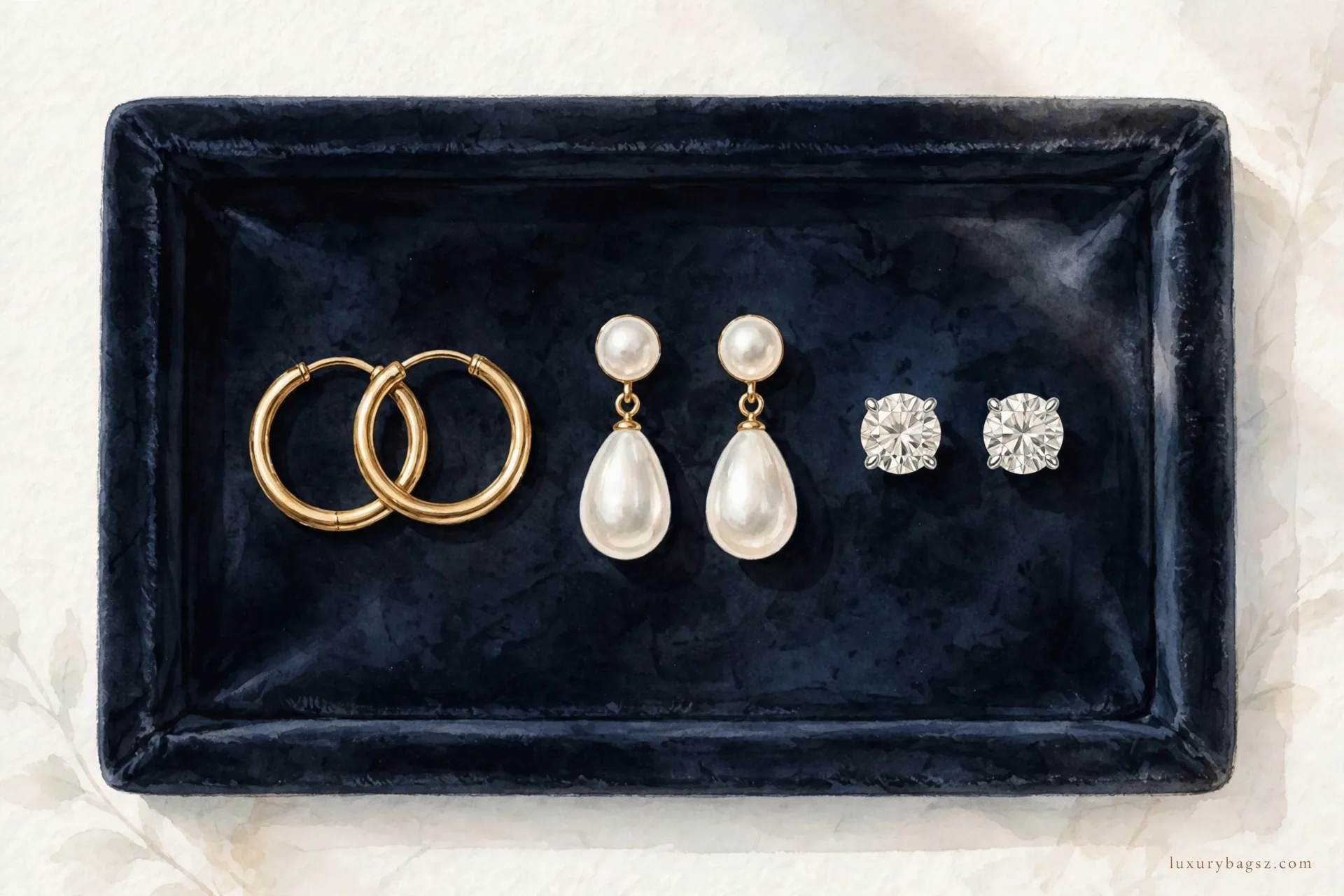
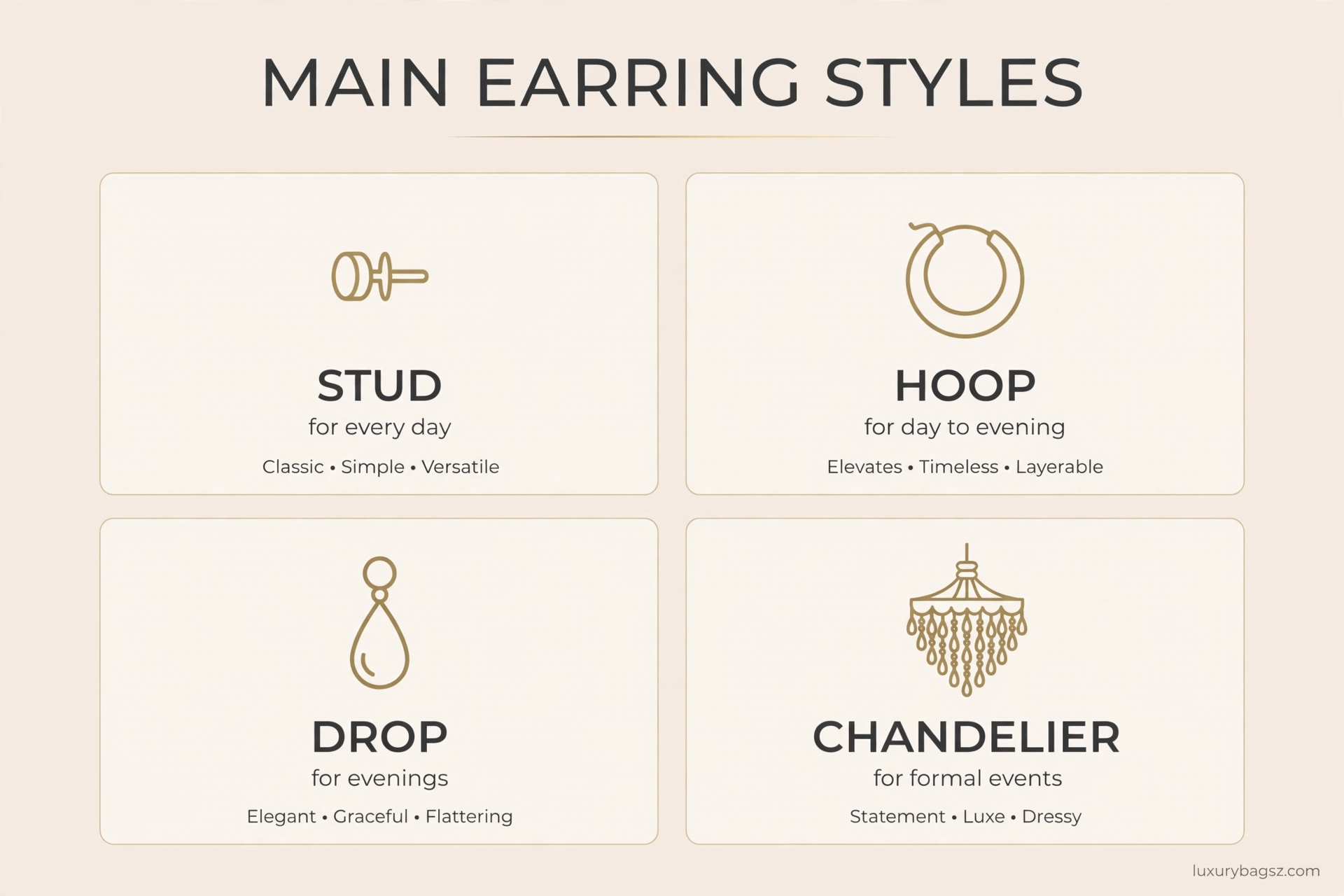
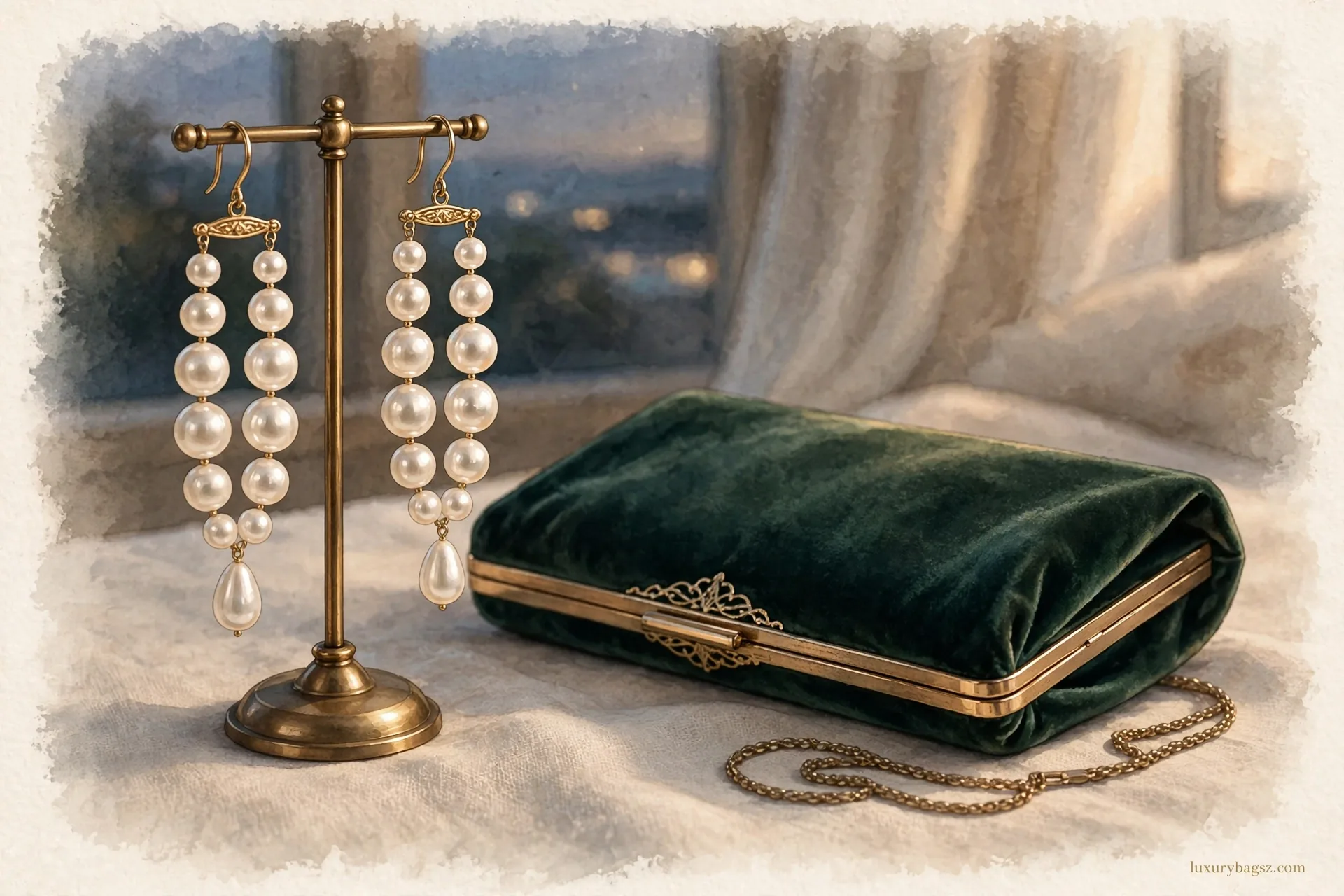
Studs sit on the lobe: diamond, pearl, gold ball or motif designs. They suit every face, every dress code and every age, and they are the safest first designer purchase. Hoops circle the lobe in sizes from huggie to shoulder-grazing. Small hoops are office-safe; large thin hoops are evening staples. Our everyday fine jewellery guide places both in a daily rotation. Drops hang below the lobe with movement; chandeliers widen as they fall and belong to formal dressing. Climbers and cuffs add a modern option for multiple or single piercings.
Choosing for Your Face and Hair
Long faces gain balance from wider styles: round studs, short drops and medium hoops. Round faces lengthen with slim drops and angular studs that add vertical lines. Square faces soften under hoops and oval drops. Heart-shaped faces suit teardrops and chandeliers that add width low, near the jaw. Hair changes the reading. Dark hair swallows dark stones; bright metal or pale pearls show better. Hair worn up exposes the whole earring, so evening drops earn their keep then.

Fine Lines Versus Fashion Lines
The same house often sells two different products. Fine jewellery earrings use solid 18k gold or platinum, natural or lab-grown stones and hand finishing, priced accordingly. Fashion jewellery earrings use brass or silver cores with gold plating, crystals and resin, as in many pieces in our Chanel fashion jewellery guide. They sell design, not material value. Neither is a mistake, but they must not be confused at purchase. Plating wears, crystals are not diamonds, and resale values differ completely between the two lines.
What Designer Earrings Typically Cost
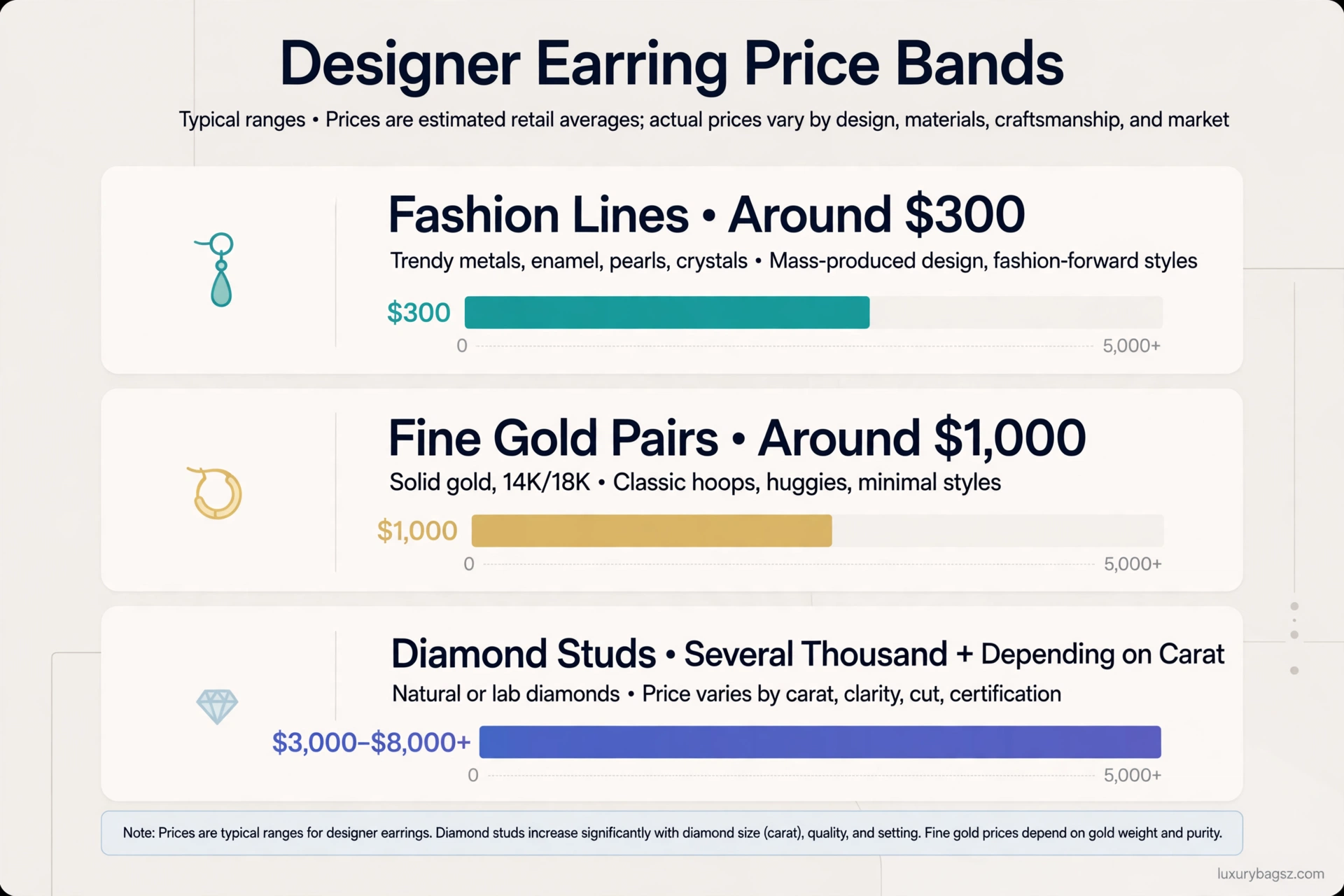
Fashion-line designer earrings typically run from around $300 to $900 for motif studs, hoops and drops, varying by house and season. Crystal statement pairs sit at the top of that band. Fine-line pairs start at around $1,000 for simple gold designs and rise steeply with diamonds: classic diamond studs from major houses commonly run into several thousand depending on carat weight. Pre-owned buying cuts both bands substantially, especially for fashion lines. Check pairs carefully, as explained in the authenticity checks section, because single earrings are nearly worthless.
Try display pairs with your hair both up and down before buying. Earrings change character completely between the two, and the version you will wear most often should be the version you judge in the shop, not the convenient one.
Weight, Posts and Backs: The Comfort Checks
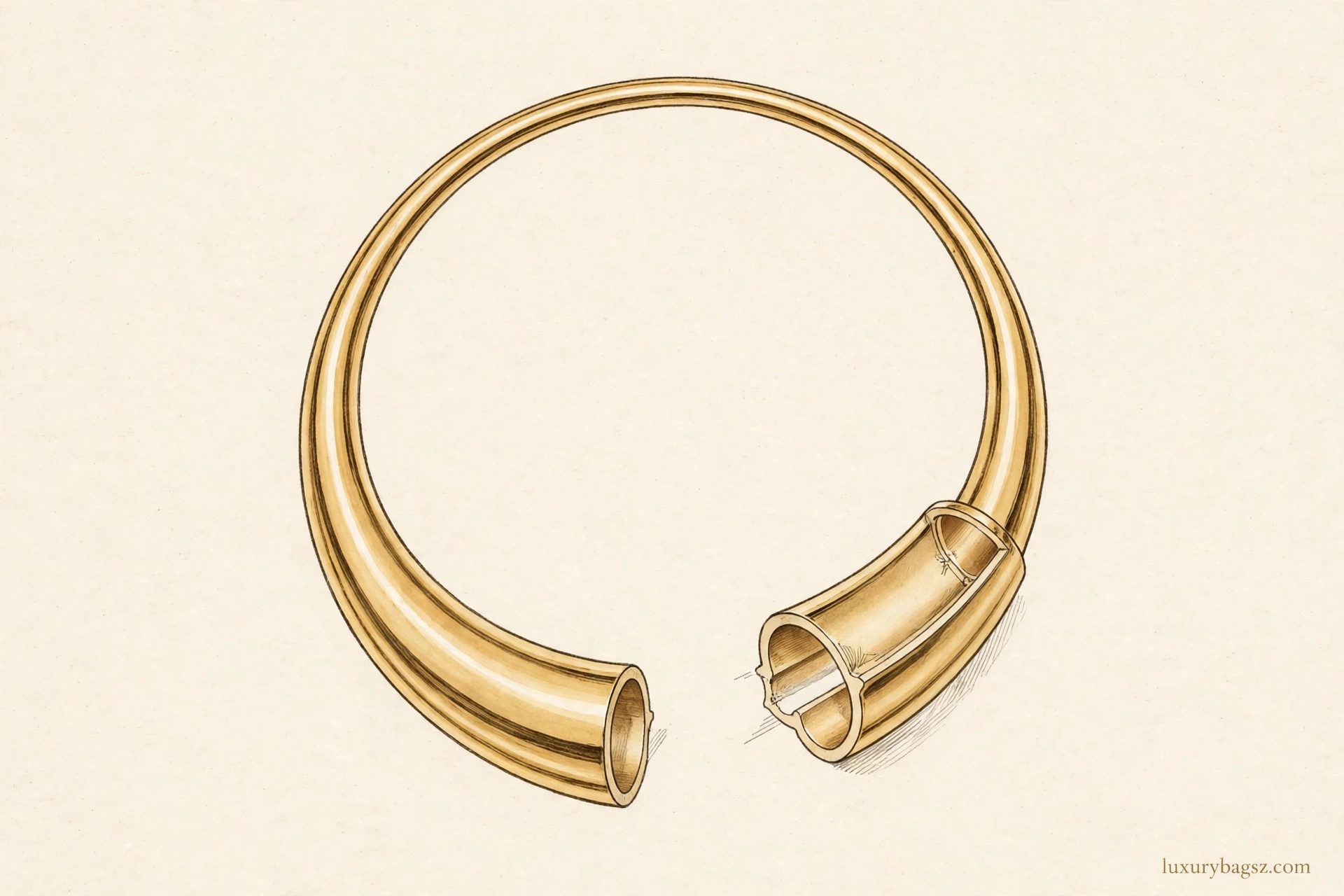
Comfort is engineering. Large earrings should be hollow or thin-walled; a solid pair of the same size can pull the lobe painfully within an hour and stretch piercings over time. Posts should be straight, well soldered and of a metal your skin tolerates. Nickel sensitivity is common; ask about alloys, and choose platinum or high-karat gold posts if your ears react. Backs matter at designer prices. Secure screw backs or locking backs protect expensive studs; large drops benefit from supportive disc backs that keep them upright on the lobe.
Authenticity Checks for Designer Earrings
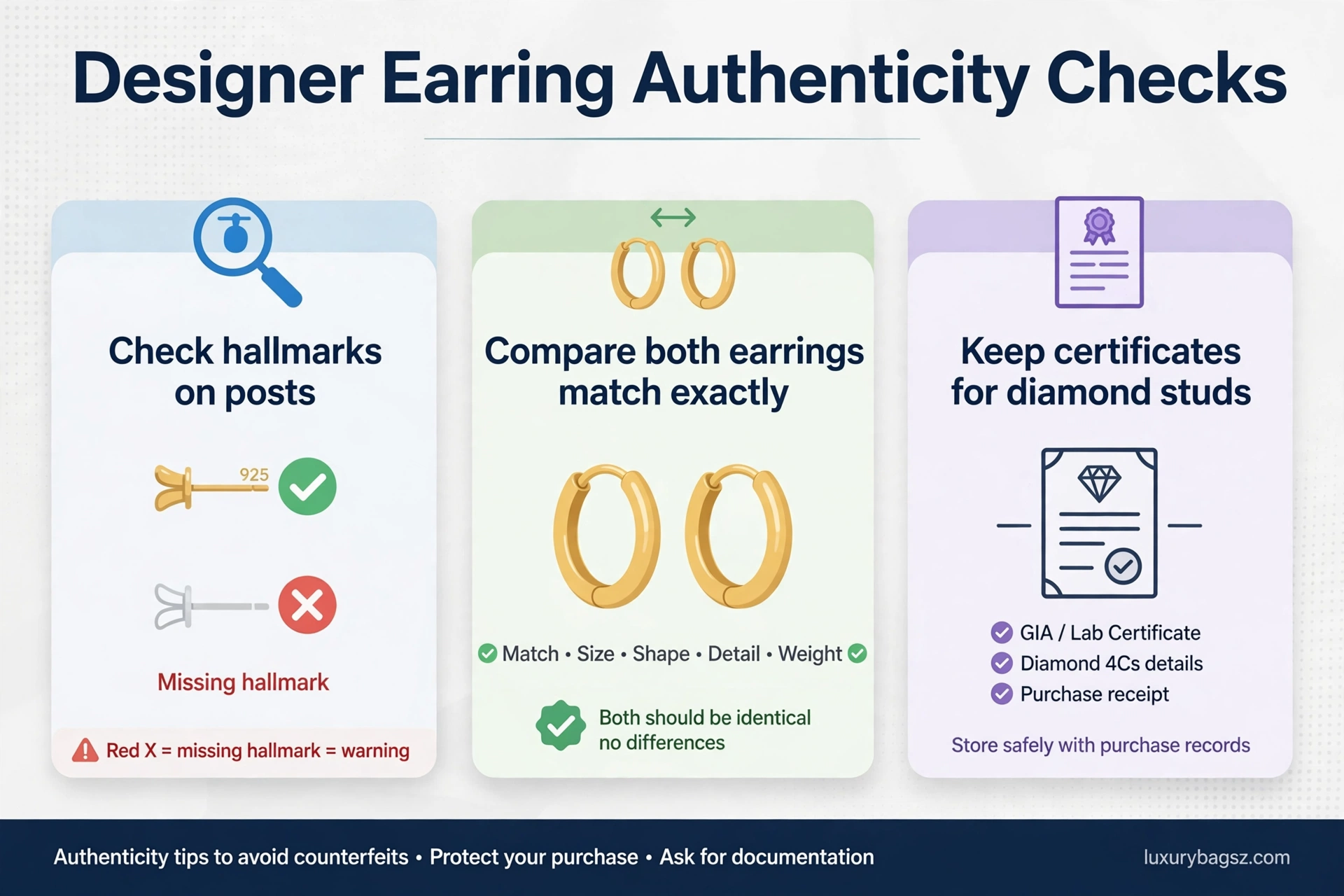
Work through the method in our guide to how to authenticate luxury jewellery, then add earring-specific points: both earrings should match exactly in size, finish and stone colour. Hallmarks sit on posts, clasps or the back of the design; their absence on a claimed fine pair is a serious warning. Stamps should be crisp, correctly placed and consistent across the pair. House packaging, receipts and, for diamond studs, stone certificates support value. A single earring offered cheaply is a red flag for a broken pair being split.
Care and Building a Pair Rotation
Clean earrings more often than other jewellery; they collect hair product and skin oils against the skin. Our how to clean jewellery guide covers safe methods by material. Store pairs together in divided boxes so partners are never separated, and keep plated fashion pairs dry and away from perfume to slow wear on the finish. A complete rotation is small: diamond or pearl studs, gold hoops in one or two sizes, and one evening drop. That trio covers work, weekends and events without repetition fatigue.
The Iconic Pairs: Signatures Worth Knowing
Every great house keeps an earring design it is known by, and learning six of them organises the whole market. Van Cleef & Arpels offers the Alhambra motif as studs and drops, the clover that carries the house’s luck symbolism onto the ear.
Cartier’s signatures are the Love and Trinity families in hoop and stud form, metal-led designs whose value sits in the making and the name rather than in stones. Tiffany answers with the Victoria cluster, diamond flowers that have become a bridal standard, and the bolder HardWear links for a modern customer.
Bvlgari’s earrings run to colour and architecture: Serpenti curves and cabochon stones in the Roman manner. Chanel’s CC studs are the fashion line’s emblem, bought as design in plated metal and priced honestly as such by those who read this guide’s earlier warning.
Dior’s Tribales design, a pearl behind the lobe answering a smaller front, created its own category of double-sided earring and is now widely imitated, which is the sincerest market signal there is. Buy the icon of the house whose other jewellery you already love; earrings are where collections quietly begin.
Closures Compared: Every Back Has a Job
Push backs, the familiar butterfly, are quick and universal, and the first to loosen with age; replace them at the first sign of a soft grip, because they guard the whole value of the pair. Screw backs trade thirty seconds of patience for real security and are the correct choice for diamond studs of any consequence.
Lever backs close drops and hoops into a complete, snag-proof loop, which is why so many fine drop earrings use them. Omega clips combine a post with a hinged paddle that spreads pressure, the engineering answer for heavy fine earrings and for ears that dislike posts alone.
Shepherd’s hooks are the romantic fitting and the escape artist of the family; drops on hooks should wear a small clear stopper, a penny-priced part that has saved more earrings than any insurance policy.
Clip fittings serve unpierced ears and vintage pieces, and modern padded clips are far kinder than their ancestors. Judge any closure in the shop by working it yourself, twice. The fitting you fumble under boutique lighting will not improve at home in a hurry.
The Ear Stack: Multiple Piercings, Curated
Multiple piercings turn earring buying into curation. The working rule is graduation: the largest or brightest piece at the main lobe piercing, then smaller and quieter as you climb the ear, so the arrangement reads as one composition rather than a crowd.
Mix lengths cautiously. A drop at the first piercing with studs above is the classic stack; two swinging pieces at neighbouring piercings tangle in hair and in each other, and fight for the same attention.
Houses design for the stack now, selling singles and graduated sets deliberately, which also solves the lost-earring problem differently: a single replacement can be bought without orphaning its partner’s value entirely.
Keep the metals story from this guide’s mixing advice in mind: one metal leading, the second repeated, applies up the ear exactly as it does across the whole body. A stack is a small outfit worn on one ear, and it obeys the outfit rules.
Gifting Earrings Without Guessing Wrong
Earrings are the most given and the least returnable jewellery, because many retailers treat pierced earrings as hygiene items with restricted returns. That single fact should shape the whole purchase: check the returns position before paying, and prefer houses and sellers whose policy survives a wrong guess.
The safe gifts are the classics at standard sizes: diamond or pearl studs, medium gold hoops, the house icon in its most-worn form. Size risk is low, taste risk is low, and both rise sharply with fashion drops and coloured stones, however beautiful.
Buy for her actual week, not her dressiest photograph. The pair that suits her work, her hair and her existing piercings will be worn three hundred days before the spectacular pair is worn three times, and recipients can tell the difference between being seen and being dazzled.
Keep every paper, and give the pair early enough in the day to be worn that evening. An earring’s first outing at the celebration it was given for is a small piece of theatre no other jewellery category performs as well.
Losing One: Singles, Spares and Second Lives
Everyone who wears earrings long enough loses one, and designer prices make the moment expensive. The first move is to ask the house: several major maisons will sell a single replacement for current designs, at roughly half the pair’s price plus a premium, if the model is still in production.
For discontinued designs, the pre-owned market runs both ways: singles are sold cheaply by others in your position, and a patient search can reunite a pair, though stones and finishes must be matched in person rather than from photographs.
A surviving fine earring has second lives worth knowing. A diamond stud becomes a pendant with a bail added by a jeweller; a drop becomes a charm. The conversion costs little against the stone’s value and keeps the piece in service instead of in a drawer of quiet guilt.
Prevention closes the loop back to this guide’s comfort checks: secure backs, stoppers on hooks, and the habit of removing earrings over a table or bed rather than a bathroom floor. The cheapest replacement earring is the one that never leaves the ear.
Frequently Asked Questions
What are the best first designer earrings to buy, and how can I tell fine from fashion earrings?
Check the materials: solid gold or platinum with real stones means fine; plated metal with crystals means fashion. Hallmarks on the piece confirm the metal.
Classic studs or small gold hoops from a fine line. They suit everything, hold value best and will be worn more than any statement pair.
Why are some large earrings comfortable and others painful?
Weight and balance. Hollow construction, supportive backs and a design that sits close to the lobe make large earrings wearable; solid, front-heavy designs pull.
Do designer earrings hold their value, and do lab-grown diamond studs make sense?
Fine pairs from major houses in classic styles hold value reasonably, especially gold and diamond designs. Fashion-line pairs lose most of their price on resale.
They offer the same look at lower cost where houses offer them. Resale values are lower than natural diamond studs, so buy them for wear, not investment.
What earrings suit a round face?
Slim drops, elongated studs and angular designs add vertical lines that lengthen the face. Avoid wide round studs that echo the face shape.
Are clip-on designer earrings available?
Yes, several houses offer clip fittings, and jewellers can convert many post designs. Vintage designer clips are a strong pre-owned category too.
How do I check a pre-owned pair is genuine, and what back type is safest for expensive studs?
Compare both earrings for exact matching, read the hallmarks, weigh the pair against known specifications where possible, and buy from sellers who guarantee authenticity.
Screw backs or locking backs. Standard butterfly backs can work loose over a day, which is a risk few owners should take with diamond studs.
Can I wear designer earrings every day?
Fine studs and hoops are made for it. Rotate pairs to rest piercings, clean them weekly, and remove plated fashion pairs before showering or swimming.
Summary: Studs, Hoops and One Evening Pair
Designer earrings reward a simple plan: one classic stud, one hoop, one evening drop, each bought in the right line for your budget and checked for weight, backs and hallmarks. Chosen that way, earrings become the hardest-working part of a jewellery collection rather than a drawer of special occasions.






