

Celine Luggage and Phantom Guide: Sizes, Prices, and How to Choose
Two Bags, One Face, Very Different Jobs
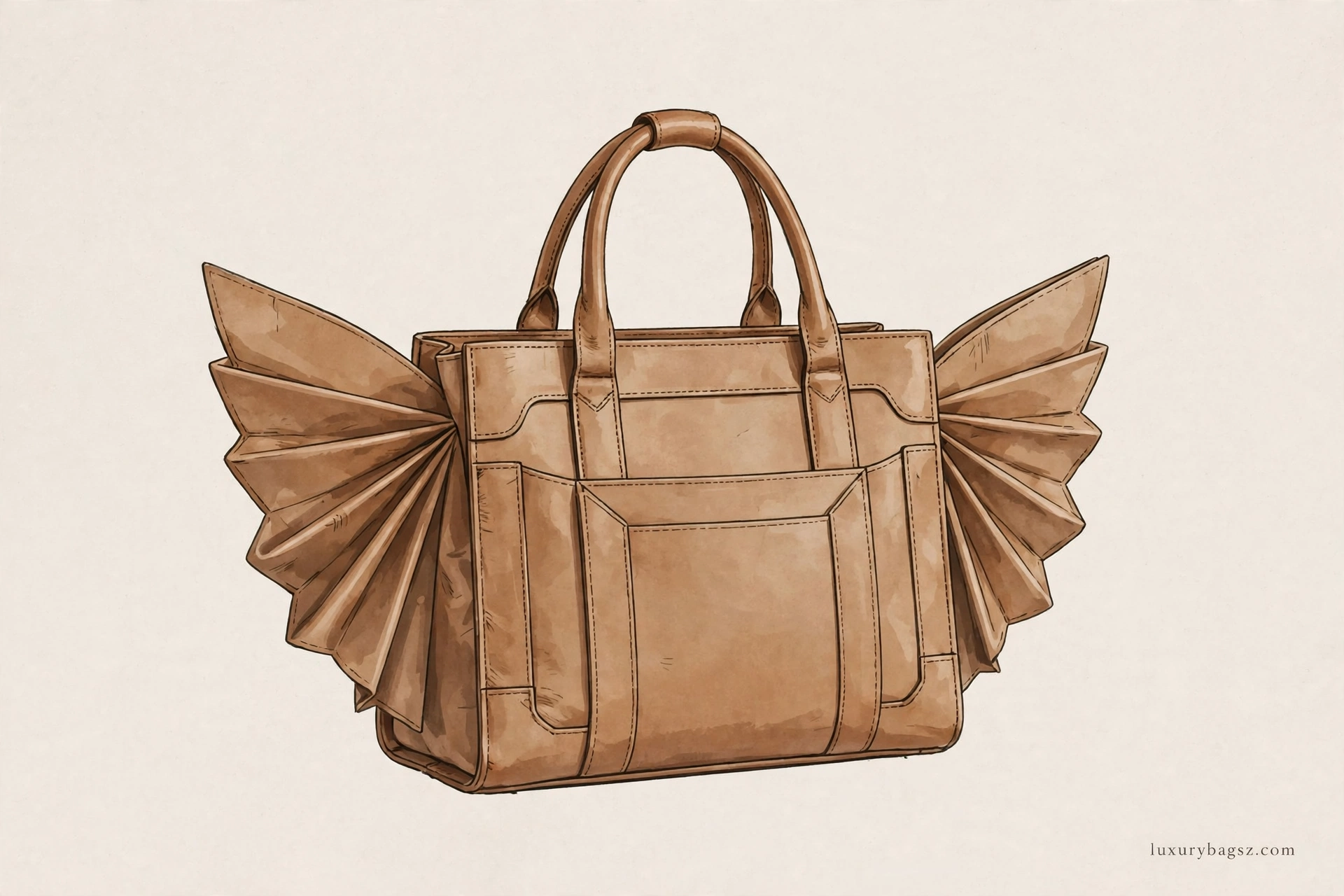
The Celine Luggage and the Celine Phantom look like twins at first glance. Both have winged sides, a front face, and clean, logo-free leather, yet they do different jobs.
The Luggage is the structured, zipped original from 2010. The Phantom, launched a year later, is the roomier, open-top version with a wider base and longer wings.
That single difference decides most purchases. If you want security and structure, start with the Luggage. If you want space and an easy tote, start with the Phantom.
Both bags now live mainly on the pre-owned market, since Phantom sizes are discontinued and Luggage availability varies. Size names, leather, and condition therefore matter more than any single price guide.
Key Takeaways

- The Luggage launched in 2010 under Phoebe Philo; the Phantom followed in 2011.
- Luggage sizes run Nano, Micro, Mini, Medium, and Shoulder, with the last two discontinued.
- Phantom sizes are Medium and Large, and Phantom sizing does not continue from Luggage sizing.
- The Luggage zips shut; the Phantom has an open top and adjustable wings.
- Rebag lists the Mini Luggage at 12 by 12 by 7 inches, and the Phantom Large at 13 by 11 by 9 inches.
- Grained calfskin wears more forgivingly than smooth calfskin for daily use.
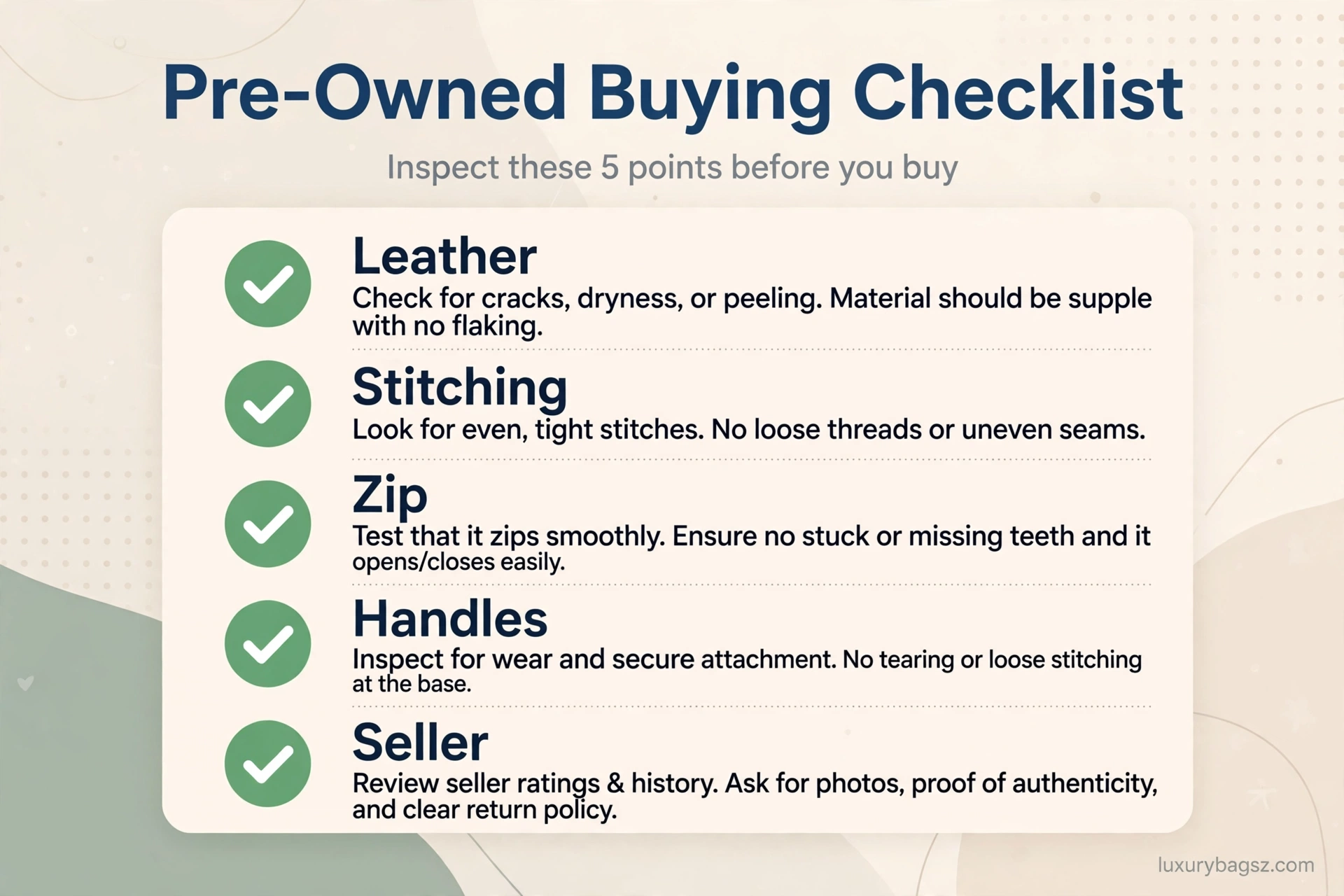
- Check leather, stitching, zip, handles, and seller proof before buying pre-owned.
The Philo Years: How the Luggage Put Celine Back on the Map
Phoebe Philo became Celine's creative director with a clear goal: make bags women actually wanted to carry every day, without loud logos. The Luggage, introduced in 2010, was the bag that delivered that goal.
Its debut was a runaway success. Bags sold faster than Celine could stock them, with waitlists stretching from weeks to several months at the height of demand.
That demand made sense. The Luggage looked minimal from the front, yet carried a distinctive winged shape that fashion watchers recognised instantly, even without a logo.
For the wider brand story, see our guide to what to know about Celine. It covers Philo's era, the later Slimane years, and why old Celine pieces still command attention.
Philo's vision also explains the Phantom. A year after the Luggage, she took its front face, changed the body and silhouette, and made a bag for buyers who needed more room.
Size Names That Confuse Everyone: Read This First
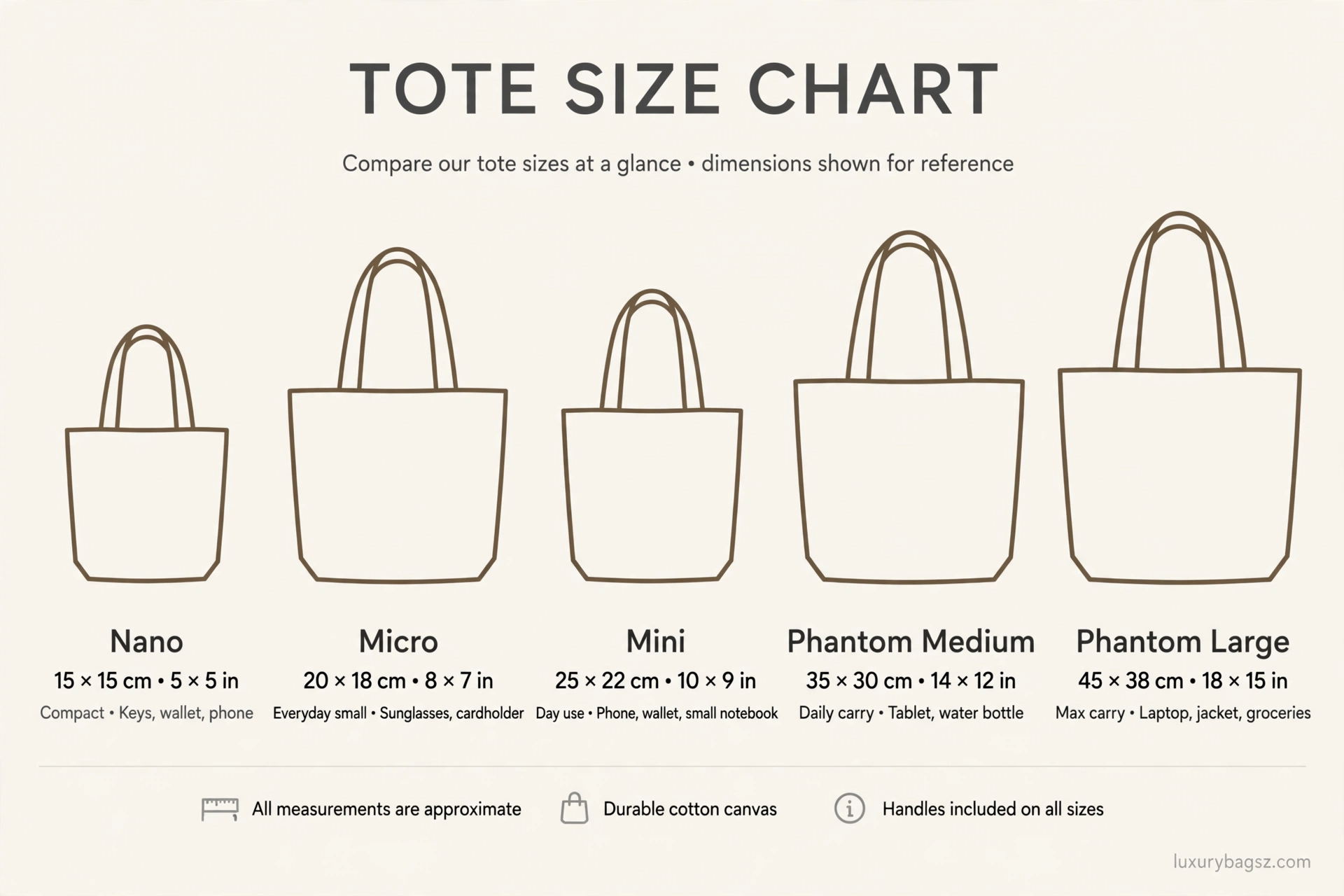
Luggage sizing is famously counterintuitive. From smallest to largest, the sizes are Nano, Micro, Mini, Medium, and Shoulder, and the Medium and Shoulder sizes have been discontinued.
The trap is the name Mini. In most brands, Mini means the smallest size, yet in the Luggage range the Mini is the largest of the three current sizes. Buyers who skip this detail often order the wrong bag.
Phantom sizing adds a second trap. The Phantom looks like a larger Luggage, so buyers assume its sizes continue the Luggage scale, but they do not. Phantom Medium and Large are their own scale.
Rebag's size guide gives clear numbers. The Nano measures 8 by 8 by 4 inches, with a 3-inch handle drop and a 23-inch strap drop, making it a small crossbody-style piece.
The Micro measures 11 by 11 by 6 inches, with a 10-inch handle drop. The Mini, the largest current Luggage size, measures 12 by 12 by 7 inches, also with a 10-inch handle drop.
Phantom sizes are larger still. The Medium Phantom measures 12 wide, 11 high, and 10 deep in Rebag's guide, with a 5-inch handle drop, while the Large Phantom measures 13 by 11 by 9 inches, also with a 5-inch drop.
Sources disagree slightly on some Phantom and Mini measurements, by an inch or so in depth. Treat the numbers above as a guide, and always ask the seller to measure the exact bag you are buying.
The Luggage in Detail: Structure, Zip, and Everyday Use
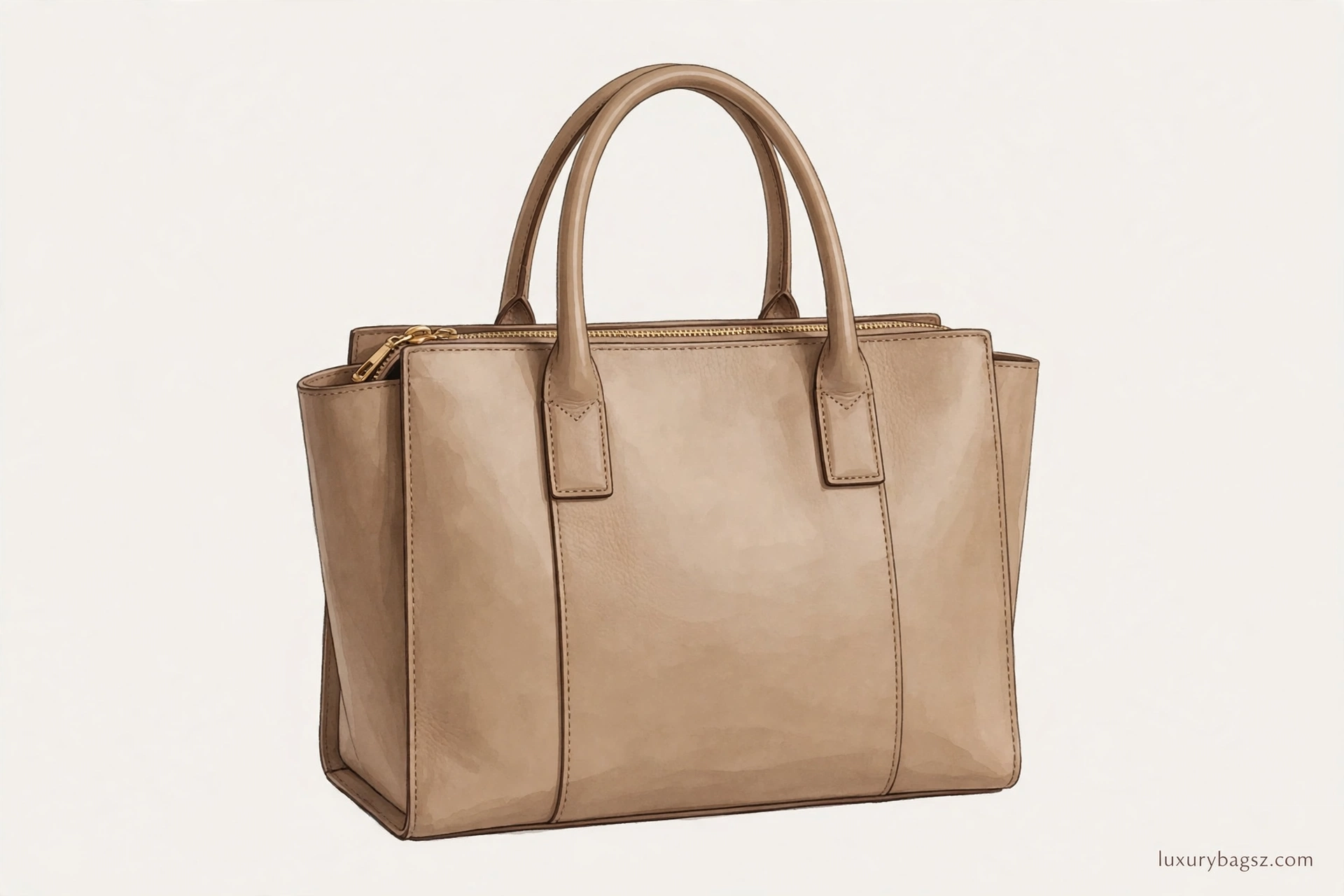
The Luggage is a structured tote with a full zip closure. That zip is the feature buyers miss most when they switch to the Phantom, since it keeps contents secure on busy days.
Its winged sides can be tucked in or left out, which changes the look from neat to relaxed. Tucked wings read more formal, while extended wings read softer and more casual.
Inside, the Luggage is a single main compartment with a zipped pocket. That simplicity suits buyers who use a pouch or organiser, since the bag itself offers little built-in division.
The Mini is the most popular Luggage size for daily use. It fits a wallet, phone, keys, sunglasses, and a small pouch comfortably, without the bulk of the discontinued Medium.
Nano and Micro suit lighter carries. The Nano works as a small crossbody, while the Micro suits a phone, card holder, keys, and a lipstick, but not a full daily kit.
Leather choice changes the Luggage more than colour does. Drummed or grained calfskin resists scratches better, while smooth calfskin looks sleeker but marks more easily in daily use.
The Phantom in Detail: Space, Open Top, and Wing Play
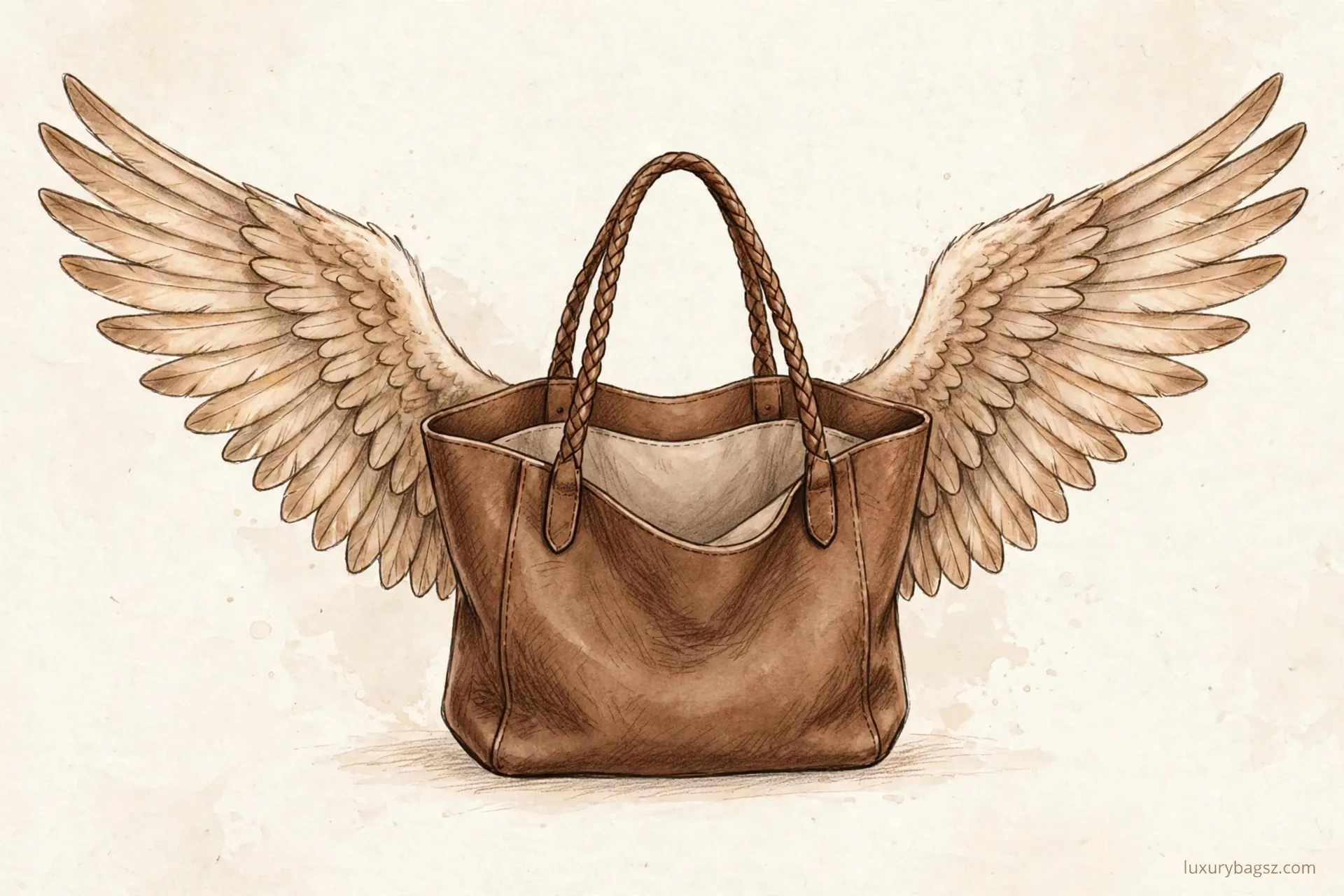
The Phantom takes the Luggage front face and rebuilds the body for space. It has an open top, a wider base, and wings that extend further, giving it a slouchier, more generous silhouette.
That open top is both the appeal and the drawback. It makes packing fast and reaching inside easy, but it offers no zip security, so it suits buyers who carry the bag close and mind their surroundings.
The Medium Phantom fits folders and large envelopes, according to Rebag's guide, making it a strong work tote. The Large Phantom fits a small laptop and large envelopes, for buyers who carry more.
Phantom interiors are typically suede, with a single large compartment and a small zipped pocket on the back wall. Like the Luggage, it rewards buyers who add their own organiser for small items.
Weight is the Phantom's honest drawback. Thick, luxurious leather makes the bag heavy even when empty, and a full load can tire the arm on long days, so try the weight before committing.
Shape loss is the second drawback. Heavy contents can make the Phantom slouch, so a stiff, discreet base insert and careful stuffing during storage help it hold its form longer.
Leather, Colour, and What Wears Best Over Time
Celine made both bags in a wide range of materials, including drummed calfskin, smooth calfskin, baby grained calfskin, nubuck, suede, felt, canvas, and exotics such as python.
For daily use, grained calfskin is the safest pick. Its texture hides light scratches and scuffs, and it keeps its shape better than softer leathers under a full load.
Smooth calfskin looks refined and photographs beautifully, but it shows scratches and scuffs sooner. It suits careful carriers and lighter loads better than hard daily commuting.
Nubuck and suede versions need dry weather and gentle brushing. They look soft and rich, yet they stain and mark more easily, so they are poor choices for rainy commutes.
Colour follows the same logic. Black, tan, and dark neutrals hide wear and suit work, while pale colours and tricolour versions look striking but need more care and show transfer sooner.
Tricolour Luggage pieces, with three leather colours on one bag, remain collector favourites. They cost more at retail than solid colours, and strong tricolour examples still draw attention pre-owned.
Hardware also matters more than buyers expect. Gold hardware warms up neutral leathers, while silver hardware suits cooler colours, and worn plating on handles or zips is costly to restore well.
Check the feet and base corners on any pre-owned example. Those small areas carry the bag's full weight when set down, so they reveal heavy use even when the front face still looks fresh.
Buying Pre-Owned: Checks, Prices, and Condition Grades
Both bags are discontinued in Phantom form and limited in Luggage form, so pre-owned buying is the normal route. Start with leather: check for scratches, corner wear, handle darkening, and colour transfer, especially on pale bags.
Check stitching next, looking for even, tight stitches with no loose threads or pulled seams at the handles and wings. Then test the Luggage zip fully, since a stiff or skipping zip is a costly repair.
Handles deserve close attention on both bags. Look for cracking, darkening, and wear where the handles meet the body, since those joints carry the full weight of a loaded bag.
Read how to authenticate a pre-owned bag and how to buy pre-owned safely before paying. Ask for photos of the interior, the serial area, the handles, and the corners.
Learn the condition grades used by sellers, since "excellent" means different things on different sites. Compare photos, not just grade labels, before judging value.
Price history helps set expectations. Older retail guides listed a Micro Luggage in solid leather around $2,900, a Mini around $3,100, and a Medium Phantom in solid leather around $3,100, with python versions far higher.
Pre-owned prices now vary widely. Recent resale listings show Phantom Medium pieces from roughly $600 to $1,200 by condition, and Phantom Large pieces around $1,000 to $1,400, but those ranges move with season and seller.
Always compare the same size, leather, and condition. A felt Phantom and a calfskin Phantom are different buys, even when their photos look similar at a glance.
Care, Storage, and Keeping the Shape
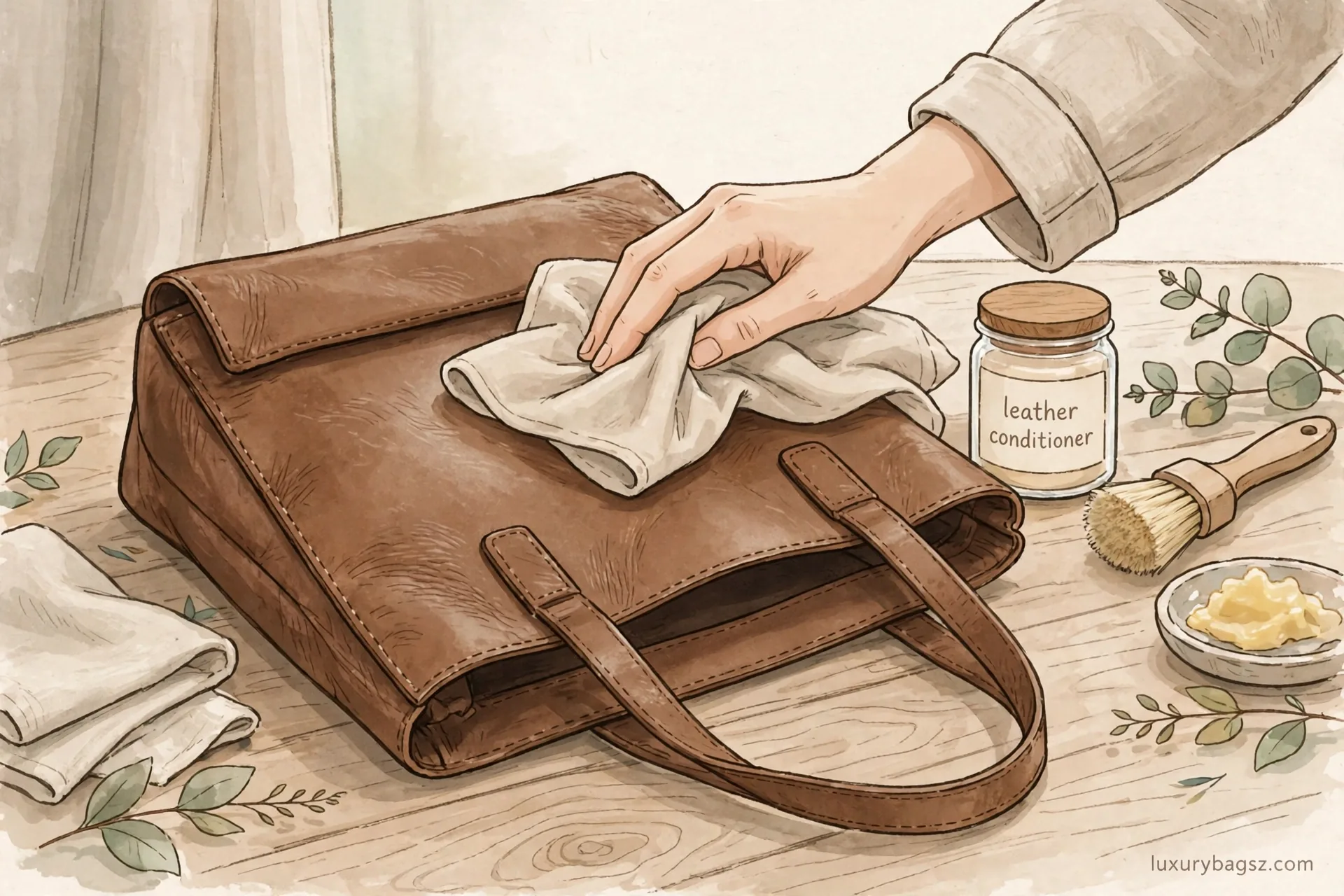
Leather bags need regular, gentle care. Brush off dust, wipe with a dry soft cloth, and use a leather conditioner sparingly, only when the leather looks dry, never on suede or nubuck parts.
Our guide to how to care for leather bags covers cleaning, conditioning, and storage basics. For damaged leather, see how to restore leather before attempting any repair yourself.
Store either bag stuffed lightly, upright, in its dust bag, away from direct sun and damp. Stuffing matters most for the Phantom, since an empty Phantom left flat will slouch and crease.
Keep pale bags away from dark denim and new dark fabrics during storage and wear. Colour transfer is hard to remove from light calfskin, and prevention beats any cleaning attempt.
Rotate bags when you can, and rest handles by carrying lighter loads on long days. A bag carried daily at full weight ages faster at the handles and corners than the same bag carried in rotation.
Luggage or Phantom: Which One Should You Choose
Choose the Luggage if you want security, structure, and a neater silhouette. The zip, the firmer body, and the Mini size make it the better daily work bag for most buyers.
Choose the Phantom if you want space above all else. The open top, wider base, and larger wings make it the better carry-all for work files, a laptop sleeve, or a full day out.
Choose by size second, not first. A Mini Luggage and a Medium Phantom are close in footprint, yet they feel different in use, since one zips and holds shape while the other opens wide and slouches.
If you already own a Triomphe bag, read our guide to Luggage vs Triomphe before adding a second Celine tote. The Triomphe is a different shape family, and the comparison helps avoid buying two bags for the same job.
For value, remember what affects resale value. Condition, rarity, leather, colour, and completeness all matter, and tricolour or exotic versions behave differently from solid calfskin.
If you can only buy one, buy the best-condition example in the size you will actually carry. A pristine bag in the wrong size stays home, while a well-kept bag in the right size earns its price every week.
Frequently Asked Questions
When was the Celine Luggage bag released?
The Luggage was introduced in 2010 under creative director Phoebe Philo, and it quickly became Celine's most famous bag of that era.
When was the Celine Phantom bag released?
The Phantom followed in 2011, built from the Luggage front face with a roomier body, an open top, and a wider base.
What sizes does the Celine Luggage come in?
Luggage sizes run Nano, Micro, Mini, Medium, and Shoulder, with Medium and Shoulder now discontinued, leaving Nano, Micro, and Mini as the current range.
What sizes does the Celine Phantom come in?
The Phantom comes in Medium and Large, and its sizing is separate from Luggage sizing, so a Phantom Medium is not the next size up from a Mini Luggage.
How big is a Mini Luggage bag?
Rebag lists the Mini Luggage at 12 inches high, 12 inches wide, and 7 inches deep, with a 10-inch handle drop, though some guides list depth slightly differently.
How big is a Large Phantom bag?
Rebag lists the Large Phantom at 11 inches high, 13 inches wide, and 9 inches deep, with a 5-inch handle drop, large enough for a small laptop.
Does the Phantom bag have a zip closure?
No, the Phantom has an open top, unlike the zipped Luggage, so it is easier to pack but less secure in crowded places.
Which leather is best for a Celine Luggage or Phantom?
Grained or drummed calfskin is the most forgiving for daily use, while smooth calfskin looks sleeker but marks more easily, and suede needs dry weather.
Are Celine Phantom bags still made?
Phantom sizes are discontinued, so buy pre-owned through reputable sellers, checking leather, stitching, zip on Luggage pieces, handles, and seller proof.
Should I buy a Luggage or a Phantom?
Buy the Luggage for security and structure, and buy the Phantom for maximum space, choosing the size you will actually carry every day.
Summary
The Luggage and Phantom share a face but serve different lives. One zips, holds shape, and suits structured days, while the other opens wide, carries more, and suits full, flexible days.
Learn the size names, pick grained leather for hard use, and check condition closely pre-owned. Bought that way, either bag remains a quiet, logo-free classic long after louder trends fade.






